Current Retail Landscape & Key Demand Drivers in Singapore
Singapore’s retail landscape is a dynamic reflection of its advanced economy, strategic geographical position, and tech-savvy populace. Understanding the present state and future trajectory requires a close examination of the underlying economic, socio-cultural, and technological forces driving consumer behavior. This market demand trend report of Retail field in Singapore delves into the critical factors shaping purchasing patterns and operational strategies for retailers.
1. Singapore’s Economic Health & Evolving Consumer Spending Habits
Singapore’s robust economic health forms the bedrock of its retail sector. Despite global uncertainties, consistent GDP growth, low unemployment rates, and a high disposable income per capita fuel strong consumer spending habits. The discerning Singaporean consumer, increasingly global in outlook, prioritizes value, quality, and unique experiences. There’s a noticeable shift towards experiential retail, sustainable products, and health-and-wellness offerings. While essential goods remain stable, discretionary spending is increasingly directed towards premium brands, leisure activities, and personalized services. Consumer confidence, a key indicator, often dictates the pace of spending, with an optimistic outlook generally translating into higher retail sales. Retailers must adapt swiftly to these evolving preferences, ensuring their offerings align with the aspirations of a well-informed and digitally connected consumer base. The increasing emphasis on sustainable consumption also means brands demonstrating strong ESG credentials are gaining favor, influencing purchasing decisions significantly in the Singapore retail sector.
2. Influence of Tourism, Global Trade & Regional Geopolitics
As a vital global trade hub and a magnet for international tourism, Singapore’s retail sector is significantly impacted by external forces. Pre-pandemic, tourism was a monumental driver, with international visitors contributing substantially to retail sales, particularly in luxury goods, electronics, and souvenirs. While tourism is gradually recovering, its renewed focus on sustainability and longer stays is reshaping demand. Singapore’s status as a stable regional financial and logistics hub also underpins a strong affluent local and expatriate consumer base. Furthermore, global trade dynamics and regional geopolitics play a subtle yet crucial role. Disruptions in supply chains, shifts in trade agreements, or regional economic fluctuations can influence product availability, pricing, and overall consumer sentiment. For instance, the stability and openness of Singapore’s economy attract foreign direct investment, which in turn supports job creation and consumer spending power. The city-state’s ability to navigate these global complexities positions its retail market as resilient, though sensitive to international developments. According to the Department of Statistics Singapore, retail sales continue to show resilience, indicating a strong underlying demand.
3. Digital Adoption Rates and E-commerce Penetration Growth
Singapore boasts one of the highest internet penetration rates globally, translating into rapid digital adoption across all facets of life, including retail. E-commerce penetration has surged, accelerated by the pandemic, fundamentally altering how consumers shop. From groceries to high-end fashion, online shopping platforms offer unparalleled convenience and choice. This has spurred a significant pivot towards omnichannel retail strategies, where the seamless integration of online and offline experiences is paramount. Retailers are investing heavily in robust e-commerce platforms, mobile applications, in-store digitalization, and efficient last-mile logistics to meet these new expectations. Data analytics and AI are becoming indispensable tools for personalizing shopping experiences and optimizing inventory management. The rise of social commerce and live-streaming sales also highlights the innovative spirit within the Singapore retail sector. For businesses aiming to capitalize on these shifts and gain a competitive edge, understanding the nuances of this transformation is crucial. For a detailed market demand trend report of Retail field in Singapore, exploring these digital trends is essential for strategic planning and unlocking new growth opportunities. The rapid pace of technological innovation ensures that digital retail remains a key demand driver and an area of continuous evolution.

The Singapore retail landscape is at an exciting juncture, shaped by a confluence of economic strength, global influences, and an unstoppable digital revolution. Retailers that can deftly navigate evolving consumer preferences, leverage technological advancements, and adapt to external forces will thrive. Success hinges on a clear understanding of these demand drivers, ensuring strategies are agile, customer-centric, and forward-looking.
Emerging Consumer Segments & High-Growth Retail Niches
Singapore’s retail landscape is in a constant state of evolution, driven by shifts in consumer preferences, technological advancements, and global economic dynamics. For businesses aiming to capture significant market share and ensure long-term sustainability, a nuanced understanding of market demand trend report of the retail field in Singapore is paramount. This section delves into the new consumer demographics and specific retail categories that are not only experiencing significant growth but also hold immense potential within the vibrant Singaporean market. Identifying these “Singapore retail market trends” is crucial for strategic planning. We will explore key areas shaping the future of retail, from conscious consumerism and the “e-commerce growth Singapore” contributes to, to the allure of exclusive experiences, providing actionable insights for retailers navigating this dynamic environment.
-
Rise of Sustainable Consumption and Ethical Brands
A significant shift is underway in “consumer behavior Singapore,” characterized by a growing preference for sustainable and ethically produced goods. Eco-conscious consumers are increasingly scrutinizing the environmental and social impact of their purchases, driving demand across various retail segments. This trend is fueled by heightened awareness of climate change, social justice issues, and a desire for transparency from brands. Retailers who embrace “sustainable retail Singapore” practices – whether through eco-friendly packaging, responsible sourcing, or circular economy initiatives – are gaining a competitive edge. Local brands championing “ethical consumption trends,” from upcycled fashion to organic food, are finding a dedicated following. This demand for genuine corporate social responsibility signals a long-term shift in purchasing patterns, urging businesses to integrate sustainability into their core strategies to resonate with this influential segment of the Singapore retail market trends.
-
Demand for Health, Wellness, and Experiential Retail
The pursuit of health and well-being has transcended a mere trend to become a foundational lifestyle choice for many in Singapore, profoundly impacting the retail sector. This translates into a burgeoning “wellness market Singapore,” with robust demand for organic produce, health supplements, fitness apparel, and mental wellness services. Consumers are seeking products that enhance physical vitality, mental clarity, and emotional balance. Beyond tangible products, there’s a strong pivot towards “experiential shopping.” Traditional brick-and-mortar stores are transforming into immersive destinations, offering workshops, personalized consultations, and unique brand engagements that go beyond simple transactions. This involves creating memorable experiences in “health and beauty retail” outlets, boutique fitness studios, and even innovative F&B concepts. Retailers who successfully blend high-quality wellness products with engaging, “personalization in retail” strategies are unlocking significant growth opportunities, appealing to consumers who value holistic well-being and enriching interactions over mere acquisition.
-
Performance of Luxury & Premium Retail Segments
Despite global economic uncertainties, Singapore’s “luxury retail trends” continue to demonstrate remarkable resilience and growth. Driven by a strong base of affluent local consumers and the gradual return of high-net-worth tourists, the demand for high-end fashion, exquisite jewelry, luxury watches, and gourmet products remains robust. Retailers in this sphere are leveraging “digital transformation retail” strategies, integrating online platforms with opulent in-store experiences to cater to discerning customers. Furthermore, there’s an increasing appreciation for craftsmanship, heritage, and unique brand stories within the “premium segment growth.” Retailers in this niche are not just selling products; they are selling aspiration, status, and unparalleled service. The ability to create an emotional connection and offer an exclusive narrative is key to thriving in this competitive yet highly rewarding market, where “local brands Singapore” are also beginning to carve out their own premium niches, reflecting refined local tastes and craftsmanship, further enriching the overall consumer experience.
Technological Innovations Reshaping Retail Demand
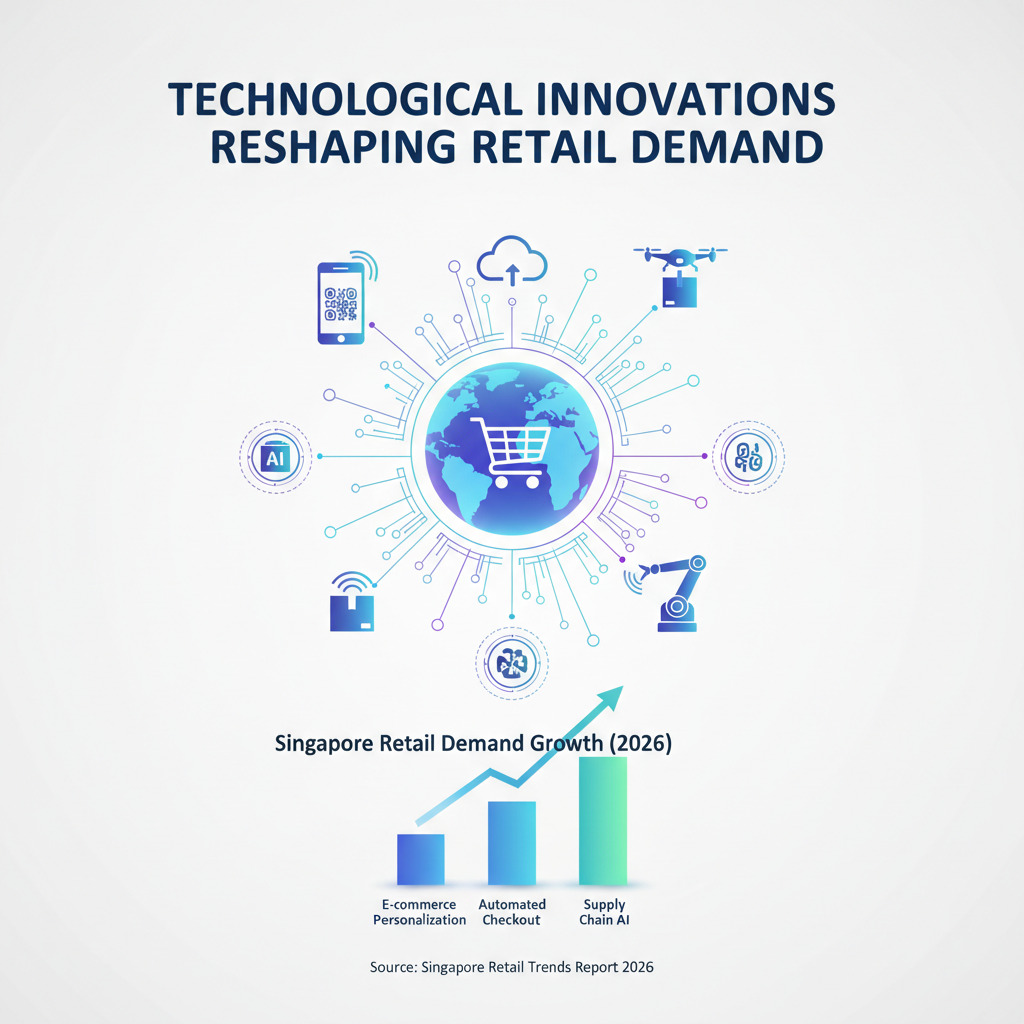
The retail landscape in Singapore is undergoing a profound transformation, driven by an accelerating pace of technological innovation. This shift is fundamentally altering market demand trend report of Retail field in singapore, influencing everything from customer expectations and shopping behaviors to the intricate operational dynamics of businesses. As consumers become more digitally adept and accustomed to instant gratification, retailers are compelled to embrace advanced technologies to remain competitive and relevant. This section explores how these innovations are not merely tools but catalysts for a new era of retail, fostering unprecedented levels of personalization, efficiency, and interconnectedness.
1. AI-Powered Personalization and Predictive Analytics
Artificial Intelligence (AI) and machine learning are at the forefront of redefining retail demand. In Singapore, retailers are leveraging AI to move beyond generic marketing to deliver highly personalized shopping experiences. By analyzing vast datasets of past purchases, browsing history, social media interactions, and even real-time in-store behavior, AI algorithms can accurately predict individual customer preferences and future purchasing patterns. This enables tailored product recommendations, dynamic pricing strategies, and customized promotional offers, significantly enhancing customer satisfaction and loyalty. Predictive analytics, a subset of AI, further empowers retailers by forecasting demand for specific products, optimizing inventory levels, and streamlining supply chains. This minimizes overstocking or understocking, reducing waste and improving profitability. For instance, AI-driven chatbots provide instant customer service, addressing queries and guiding shoppers through their purchasing journey, contributing to a seamless and efficient experience that shapes customer expectations in Singapore’s competitive retail field.
2. Omnichannel Integration and Seamless Shopping Journeys
The modern consumer expects a cohesive and frictionless shopping experience, regardless of the channel they choose. Omnichannel integration is no longer a luxury but a necessity, especially for retailers navigating the complex market demand trend report of Retail field in singapore. This approach unifies online, mobile, and physical store experiences, allowing customers to start their journey on one platform and seamlessly continue it on another. In Singapore, this means integrating e-commerce websites with brick-and-mortar stores, enabling services like “click and collect” or “buy online, return in-store.” Advanced technologies facilitate this integration, ensuring consistent product information, pricing, and customer service across all touchpoints. The goal is to eliminate friction and create a single, unified view of the customer, allowing retailers to understand their journey holistically. This seamless connectivity enhances convenience, builds trust, and fosters stronger relationships with consumers, who increasingly value flexibility and accessibility in their shopping endeavors. The emphasis on a smooth transition between channels directly impacts shopping behaviors and contributes to evolving customer expectations.
3. Adoption of Automation, Robotics, and IoT in Retail Operations
Beyond customer-facing innovations, the back-end operational dynamics of retail are being revolutionized by automation, robotics, and the Internet of Things (IoT). In Singapore’s retail field, these technologies are enhancing efficiency, reducing costs, and improving the overall shopping environment. Robotics is increasingly deployed in warehouses for inventory management, sorting, and fulfillment, drastically speeding up order processing and accuracy. In stores, autonomous robots can assist with tasks like shelf scanning for stock levels, cleaning, and even providing basic customer assistance, freeing up human staff for more complex interactions. IoT devices, embedded throughout the retail ecosystem, provide real-time data on everything from product placement and customer traffic patterns to equipment performance and environmental conditions. Smart shelves, for example, can automatically detect low stock levels and trigger reorders. Wearable devices for staff can optimize communication and task management. These advancements in automation and IoT are crucial for retailers looking to refine their supply chain optimization, enhance store operations, and ultimately meet the fast-evolving market demand in a hyper-competitive landscape. The integration of these technologies significantly improves operational efficiency and allows retailers to respond with agility to changing market conditions.
Challenges & Strategic Responses for Singaporean Retailers
Addressing the significant obstacles faced by retailers in Singapore and outlining proactive strategies to adapt to changing market demands and competitive pressures. The dynamic nature of the global economy and local specificities mean Singaporean retailers must remain agile and forward-thinking to sustain growth and remain competitive.
1. Navigating Manpower Shortages and Talent Development
Singapore’s retail sector grapples with persistent manpower shortages, a challenge exacerbated by an aging workforce, evolving job preferences among younger generations, and intense competition from other sectors. This scarcity impacts service quality, operational efficiency, and the ability to innovate across the entire retail ecosystem. The lack of skilled professionals in areas like digital marketing, data analytics, and omnichannel management further compounds the issue, hindering vital digital transformation efforts and impacting the overall Singapore retail challenges. To counteract this, retailers must prioritize comprehensive talent development programs. Investing in upskilling existing staff through government-supported initiatives and vocational training institutions can address immediate skill gaps. Implementing attractive career progression pathways, competitive remuneration packages, and flexible work arrangements can significantly enhance retention and attract new entrants into the sector. Furthermore, exploring automation for repetitive tasks can free up human resources for higher-value, customer-facing roles, thereby improving the overall customer experience Singapore retail. Collaboration with educational institutions to create industry-specific curricula is also crucial for building a sustainable talent pipeline, ensuring that workforce development retail Singapore keeps pace with industry needs and technological advancements.
2. Managing Rising Operational Costs and Supply Chain Volatility
Singaporean retailers face an uphill battle against steadily rising operational costs, including increasing commercial rents, utility prices, and wages. These ongoing pressures significantly squeeze profit margins, making it increasingly difficult for businesses to maintain competitive pricing, especially for smaller and independent retailers. Beyond local expenses, global supply chain volatility, frequently triggered by geopolitical events, natural disasters, and pandemics, presents significant hurdles. Disruptions lead to stockouts, delayed deliveries, and increased logistics expenses, directly impacting a retailer’s ability to meet the intricate demands outlined in any market demand trend report of Retail field in singapore. Strategic responses must, therefore, focus on rigorous cost optimization and building robust supply chain resilience Singapore. Retailers should explore energy-efficient technologies, renegotiate leases where possible, and leverage bulk purchasing power through collectives. Diversifying sourcing channels and investing in advanced inventory management systems, often leveraging AI and machine learning, can mitigate supply chain risks. Adopting sophisticated analytics for demand forecasting can prevent costly overstocking or understocking, reducing waste and improving efficiency. Embracing sustainability retail Singapore practices can also lead to long-term cost savings while simultaneously enhancing brand reputation and appeal in the environmentally conscious consumer market. The highly competitive competitive retail landscape Singapore unequivocally demands lean, efficient, and adaptable operations to thrive.
3. Adapting to Evolving Customer Expectations and Preferences
Modern consumers in Singapore are more informed, digitally savvy, and demanding than ever before. They expect seamless omnichannel retail Singapore experiences, highly personalized recommendations, instant gratification through speedy delivery, and strong ethical commitments from the brands they choose to support. The rapid shift towards e-commerce, significantly accelerated by recent global events, means brick-and-mortar stores must fundamentally redefine their purpose, evolving into immersive experience hubs rather than mere transaction points. Failing to adapt swiftly and effectively to these profound shifts in consumer behavior Singapore can lead to substantial lost market share and declining brand relevance. Retailers must invest heavily in comprehensive digital transformation retail Singapore initiatives, integrating online and offline channels to create cohesive, frictionless customer journeys. Leveraging advanced data analytics to understand nuanced Singapore e-commerce trends and individual preferences is paramount for delivering truly personalized marketing, product offerings, and customer service. Enhancing the in-store experience through interactive displays, experiential marketing, engaging workshops, and exceptional staff service can effectively differentiate physical stores. Furthermore, retailers need to respond quickly to feedback, embrace proactive social media engagement, and demonstrate transparency in their operations to build enduring trust and loyalty in the rapidly evolving future of retail Singapore. According to PwC’s Global Consumer Insights Survey 2023 Singapore, understanding and proactively responding to these shifts is absolutely critical for long-term survival and success in the Lion City’s vibrant retail sector.
Future Outlook: Market Demand Predictions for Singapore Retail 2026
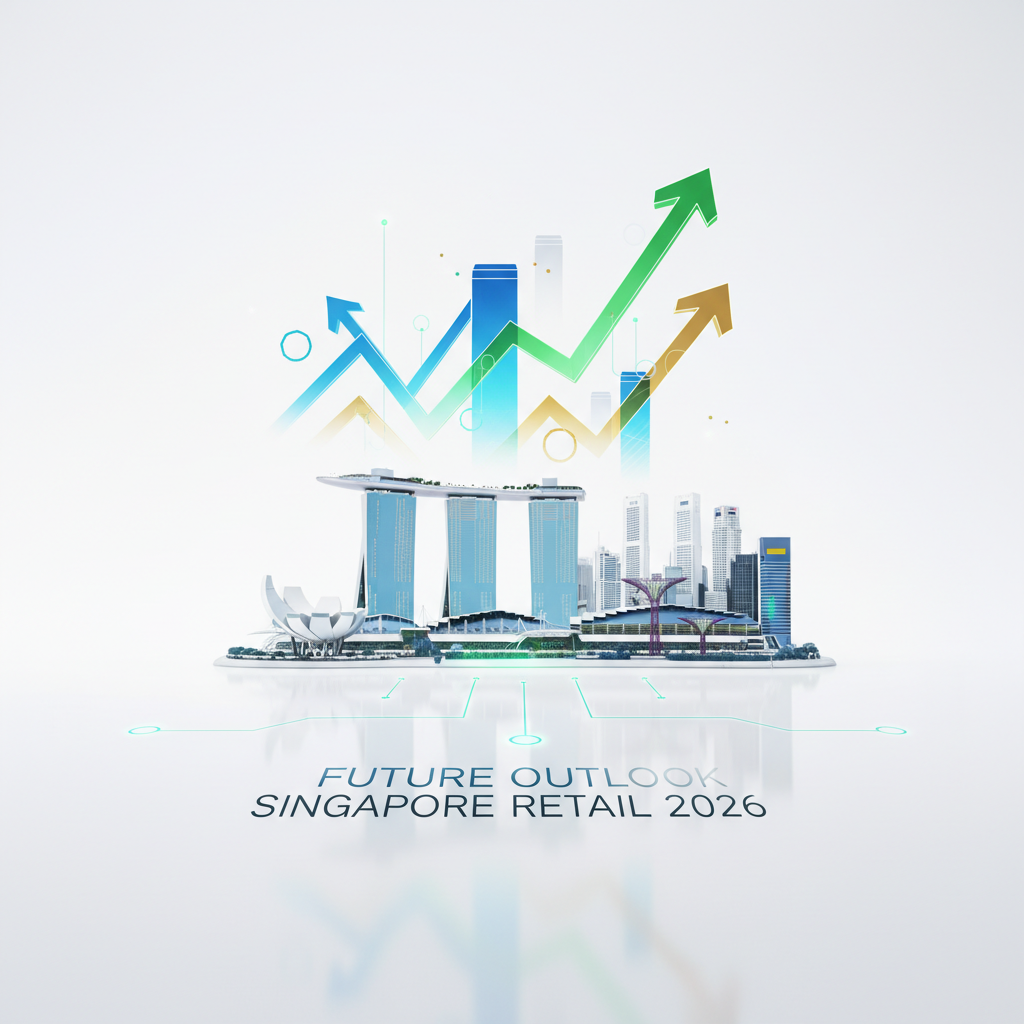
Singapore’s dynamic retail landscape is poised for significant evolution through to 2026. This section delves into a comprehensive forecast of the sector’s trajectory, offering key predictions and actionable strategic recommendations for sustained growth and innovation. The overarching market demand trend report of Retail field in singapore indicates a resilient and adaptable industry, driven by evolving consumer preferences, technological advancements, and a focus on unique value propositions. Understanding these shifts is crucial for stakeholders aiming to thrive in this competitive yet opportunity-rich environment.
1. Projected Market Size and Key Growth Catalysts
By 2026, the Singapore retail forecast suggests a continued expansion, with the overall market size projected to grow steadily at an annual rate of 3-5%, reaching an estimated S$50-55 billion. This growth is primarily underpinned by robust domestic consumption, driven by rising disposable incomes and a strong job market. A significant catalyst will be the rebound in international tourism, with Singapore continuing to position itself as a premium shopping destination. The accelerating e-commerce growth Singapore remains a dominant force, expected to account for a larger share of total retail sales, possibly exceeding 20% by 2026. This online surge is compelling traditional brick-and-mortar stores to enhance their digital presence and embrace seamless integration.
Evolving consumer behavior Singapore is another critical driver. Modern shoppers, especially younger demographics, prioritize convenience, personalized experiences, and brands that resonate with their values. This fuels demand for subscription services, bespoke products, and sustainable offerings. The affluent segment continues to bolster luxury retail trends, with high-end fashion, exquisite watches, and bespoke jewellery experiencing robust demand from both local and international patrons. Furthermore, proactive government initiatives, such as grants for digitalization and productivity enhancement, along with schemes to support local businesses and foster innovation, will provide a conducive ecosystem for diverse retail formats to flourish. The increasing emphasis on health and wellness, coupled with a demand for sustainable and ethically sourced products, is also creating new niches and driving market demand.
2. Key Investment Areas and Business Expansion Opportunities
To effectively capitalize on the evolving market demand trend report of Retail field in Singapore, businesses must strategically prioritize their investments. Paramount among these is retail technology adoption. This involves integrating advanced analytics and Artificial Intelligence (AI) for hyper-personalized marketing campaigns and predictive inventory management, reducing waste and optimizing stock levels. Augmented Reality (AR) and Virtual Reality (VR) will move beyond novelty, offering immersive product visualizations and virtual try-ons that bridge the gap between online and physical shopping. Implementing a comprehensive omnichannel strategy is no longer a luxury but a fundamental requirement. This demands seamless integration across all customer touchpoints – from intuitive e-commerce platforms and mobile apps to efficient click-and-collect services and in-store digital kiosks.
Experiential retail will continue its ascent, transforming physical stores into interactive hubs that offer unique engagements beyond mere transactions. Think themed pop-ups, workshop spaces, and integrated F&B concepts that encourage longer dwell times and deeper brand connections. For international brands, market entry Singapore presents compelling opportunities, especially for those offering innovative products, sustainable solutions, or niche services that cater to Singapore’s discerning consumer base. Enhancing logistics and supply chain Singapore capabilities through automation, real-time tracking, and localized distribution centers will be crucial for meeting heightened consumer expectations for speed and reliability. The ongoing digital transformation retail efforts will also unlock new efficiencies and open doors for business model innovation, such as direct-to-consumer (DTC) strategies and platform collaborations.
3. Recommendations for Long-Term Retail Resilience and Success
Achieving long-term resilience and sustained success in Singapore’s dynamic retail sector requires proactive adaptation and a forward-thinking approach. Firstly, fostering a culture of continuous retail innovation Singapore is paramount. This means regularly experimenting with new store formats, embracing emerging technologies, and constantly refining customer engagement models. Leveraging advanced data analytics will be key to understanding nuanced purchasing patterns and anticipating future consumer behavior Singapore shifts, allowing for proactive adjustments to product offerings and marketing strategies.
Secondly, prioritizing sustainability in retail is non-negotiable. Consumers are increasingly scrutinizing brands’ environmental footprint and social impact. Implementing eco-friendly packaging, promoting circular economy initiatives like repair and recycling programs, and ensuring transparent, ethical sourcing will build profound brand loyalty and attract a growing segment of conscientious buyers. Thirdly, refining the omnichannel strategy to ensure a truly frictionless customer journey is essential. This includes empowering frontline staff with digital tools for personalized service, optimizing online platforms for speed and ease of use, and ensuring brand messaging is consistent across all channels.
Fourthly, addressing the persistent challenges in talent in retail through targeted investments in upskilling and reskilling programs for employees is critical. Training should focus on digital literacy, advanced customer relationship management, and proficiency in new retail technologies. Finally, retailers should actively engage with available government support retail initiatives, such as grants for technology adoption, innovation, or workforce development, to mitigate operational costs and accelerate strategic growth. By diligently integrating these recommendations, businesses can not only navigate the evolving complexities of the future market but also secure a prosperous and influential position within the robust `market demand trend report of Retail field in singapore`. For a deeper dive into the latest insights and data shaping the future of retail, refer to reputable reports from organizations like Enterprise Singapore. A comprehensive understanding of the market demand trend report of Retail field in Singapore can be found on our platform, offering granular details for strategic planning.
Partner with Shelby Global
You are looking for reliable HR Sevice Suppliers? Contact Shelby Global Now! To connect with verified talents and upgrade your orginization.
—————————————
References
– Department of Statistics Singapore – Retail Sales and Food & Beverage Services: https://www.singstat.gov.sg/find-data/search-by-theme/economy/retail-sales-and-food-beverages-services
– Statista – Singapore Consumers’ Willingness for Sustainable Products: https://www.statista.com/statistics/1233077/singapore-consumers-willingness-to-pay-more-for-sustainable-products/
– The Future of Retail is Here: Are You Ready?: https://www.mckinsey.com/industries/retail/our-insights/the-future-of-retail-is-here-are-you-ready
– PwC’s Global Consumer Insights Survey 2023 Singapore: https://www.pwc.com/sg/en/consumer-markets/publications/global-consumer-insights-survey-2023.html
– reputable reports from organizations like Enterprise Singapore: https://www.enterprisesg.gov.sg/industries/industries/retail