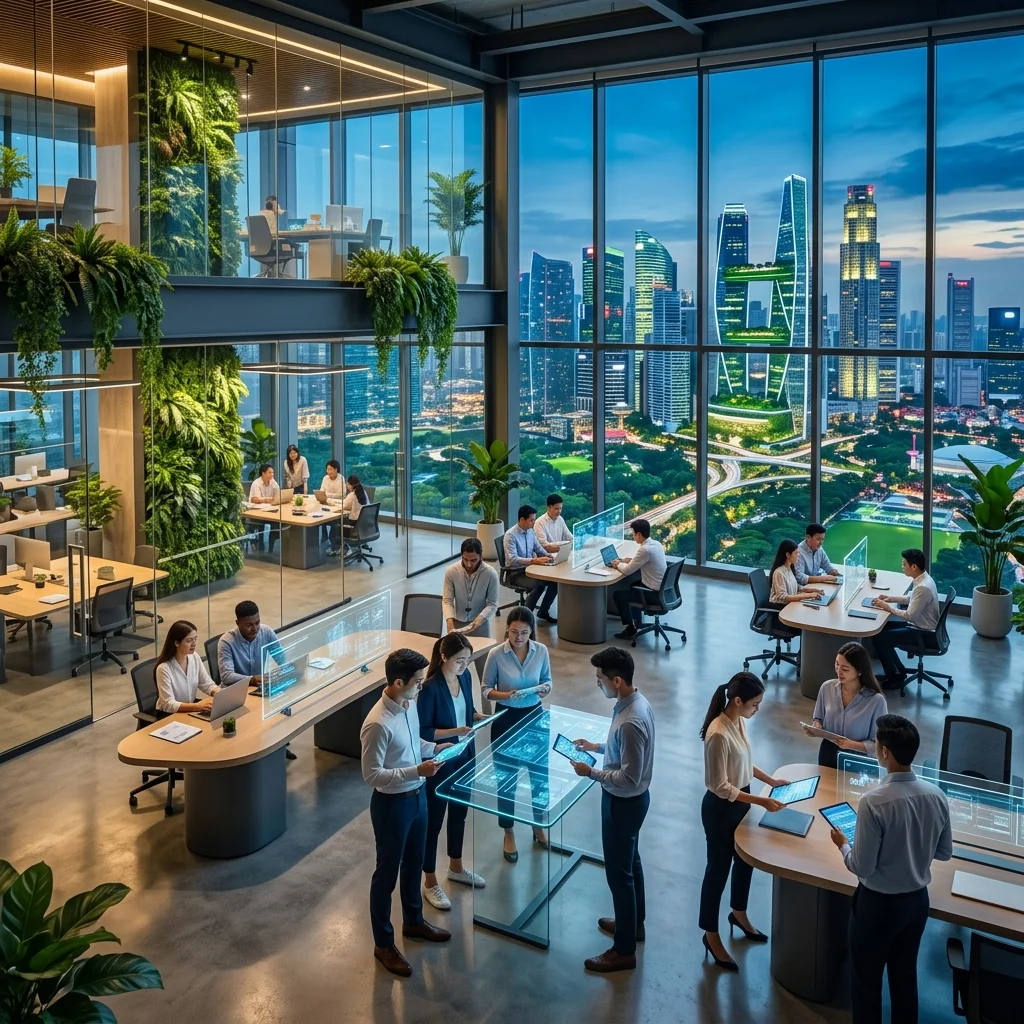
Overview of Malaysia’s FMCG Landscape
Malaysia’s Fast-Moving Consumer Goods (FMCG) sector is a cornerstone of the national economy, embodying dynamism, resilience, and substantial economic contribution. Beyond mere everyday products, it reflects consumer confidence, purchasing power, and evolving societal trends. Understanding this landscape is crucial for businesses and policymakers alike. This section defines FMCG in Malaysia, outlines its market size and key players, and highlights its profound economic impact, setting the stage for a comprehensive market demand trend report of FMCG field in malaysia.
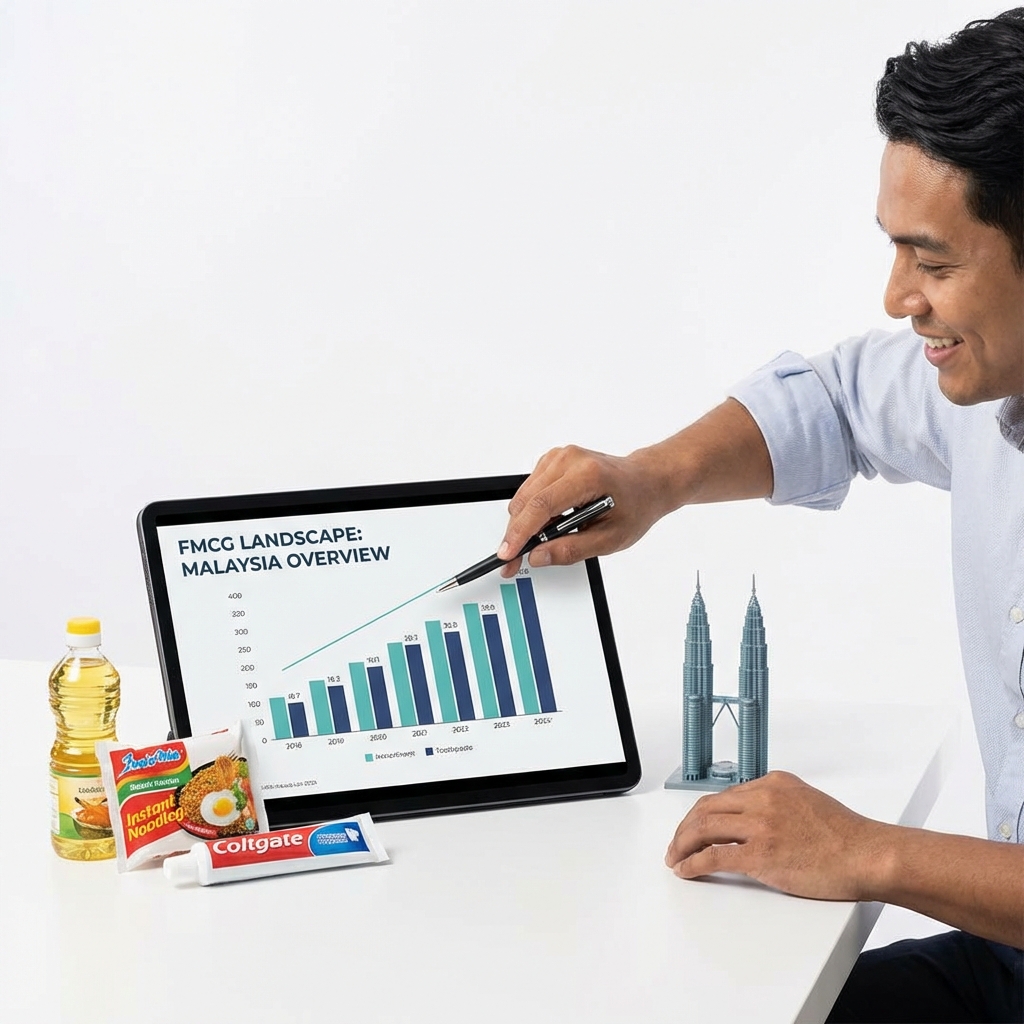
1. Definition & Scope of FMCG in Malaysia
Fast-Moving Consumer Goods (FMCG) are products sold quickly at relatively low cost, essential non-durable goods consumers purchase frequently. In Malaysia, FMCG encompasses an extensive range, including:
- Food & Beverages: Packaged foods, dairy, snacks, confectionery, soft drinks, coffee, and ready-to-drink items.
- Personal Care: Soaps, shampoos, toothpastes, cosmetics, skincare, and other daily hygiene products.
- Household Care: Detergents, cleaners, and other home maintenance essentials.
- Health & Wellness: Over-the-counter medications, vitamins, and health-conscious foods, reflecting growing consumer awareness.
The Malaysian FMCG market features high product turnover, robust distribution networks from hypermarkets to convenience stores, and intense competition. Its consistent demand provides a stable foundation for growth, less susceptible to economic downturns. Evolving consumer preferences, driven by urbanization, rising disposable incomes, and digital connectivity, continually redefine product innovation and market scope.
2. Current Market Size & Key Players
The Malaysian FMCG sector forms a significant part of the country’s retail landscape, valued in the tens of billions of Malaysian Ringgit annually, with consistent growth projected. This expansion is fueled by increasing household spending, a young demographic, and the ongoing shift towards modern retail and e-commerce. Food and beverages consistently command the largest share, followed by personal care and household care products.
The competitive environment is dynamic, blending established multinational corporations with agile local champions. Major international players like Nestlé, Unilever, Procter & Gamble, and Coca-Cola hold substantial market shares, leveraging global expertise. Simultaneously, strong local entities such as Fraser & Neave (F&N), Power Root, and Dutch Lady have carved out significant niches, often catering to local tastes. The growing penetration of digital platforms and online grocery shopping is reshaping market dynamics, prompting investment in omnichannel strategies. This environment fosters continuous product innovation, competitive pricing, and efficient supply chain management, all critical for success in the Malaysian FMCG space. Such insights are vital for any comprehensive market demand trend report of FMCG field in malaysia.
3. Economic Impact & Contribution to GDP
The FMCG sector’s importance to the Malaysian economy extends beyond retail sales, acting as a major engine of growth, employment, and industrial development, significantly bolstering the national Gross Domestic Product (GDP).
Firstly, the sector is a substantial employer, providing jobs across manufacturing, agriculture, retail, logistics, and marketing. This includes direct employment in factories and stores, plus indirect roles in supporting industries like packaging and transportation.
Secondly, FMCG stimulates manufacturing and agricultural output. Demand for raw materials and finished products boosts local agriculture and industrial production, fostering R&D and technological advancements. Domestic sourcing strengthens local industries and reduces import reliance.
Furthermore, the sector’s resilience is notable. As consumer staples, FMCG products maintain steady demand even during economic fluctuations, stabilizing the economy. This consistent consumption underpins Malaysia’s robust retail trade and directly contributes to private consumption, a major component of GDP.
Lastly, the FMCG market drives innovation in logistics, supply chain management, and digital transformation. Companies invest in efficient distribution, cold chain management, and e-commerce to meet consumer demands. This evolution enhances the country’s overall infrastructure and technological capabilities, preparing it for future economic opportunities. The health of Malaysia’s FMCG landscape is thus inextricably linked to the nation’s broader economic prosperity, making it a critical area for analysis and strategic focus.
Key Drivers Shaping FMCG Demand in Malaysia
The Fast-Moving Consumer Goods (FMCG) market in Malaysia is a vibrant and dynamic landscape, constantly evolving in response to a complex interplay of socioeconomic shifts, technological advancements, and changing consumer values. For businesses operating within this sector, understanding the market demand trend report of FMCG field in Malaysia is paramount to formulating effective strategies and maintaining a competitive edge. This section delves into the primary factors influencing consumer behavior and purchasing patterns, highlighting the significant transformations affecting the Malaysian FMCG market.
1. Rising Disposable Income & Urbanization Trends
Malaysia’s economic growth over the past decades has led to a significant increase in household disposable income, particularly among the burgeoning middle class. This economic prosperity directly translates into elevated purchasing power, enabling consumers to not only afford a wider array of FMCG products but also to gravitate towards premium, value-added, or convenience-oriented options. The shift from necessity-driven purchases to discretionary spending within the FMCG category is a prominent indicator of this trend, fostering demand for higher-quality food and beverages, personal care items, and household products that offer enhanced benefits or experiences.
Concurrently, Malaysia continues to experience rapid urbanization. The migration of populations from rural to urban centers has profoundly reshaped lifestyles and consumption habits. Urban dwellers, often characterized by busier schedules and smaller household sizes, exhibit a strong preference for convenience. This fuels demand for ready-to-eat meals, instant food products, smaller pack sizes, and single-serve options that fit into hectic routines. The proliferation of hypermarkets, supermarkets, and convenience stores in urban hubs also provides greater accessibility to a diverse range of FMCG products, further influencing purchasing patterns. According to the Department of Statistics Malaysia (DOSM), the continuous growth in average household income and urban population density are key indicators of these sustained trends, driving specific consumption patterns across the nation.
2. E-commerce Growth & Digitalization of Retail
The digital revolution has fundamentally transformed the retail landscape, with e-commerce emerging as a formidable channel for FMCG sales in Malaysia. Accelerated by the global pandemic, online shopping has become an ingrained habit for many Malaysian consumers, offering unparalleled convenience, a broader selection of products, and competitive pricing. Platforms like Shopee and Lazada have become dominant players, facilitating easy access to everything from groceries to personal care items with just a few clicks. This shift has not only challenged traditional brick-and-mortar retailers but also pushed FMCG brands to invest heavily in their online presence, logistics, and digital marketing capabilities.
Beyond pure e-commerce, the digitalization of retail encompasses a broader spectrum of innovations. Omnichannel strategies, where consumers seamlessly transition between online and offline shopping experiences, are becoming increasingly common. Click-and-collect services, last-mile delivery solutions, and subscription models are gaining traction, catering to the modern consumer’s demand for flexibility and efficiency. Furthermore, the use of data analytics is empowering retailers and brands to gain deeper insights into consumer preferences, enabling personalized recommendations and targeted promotions. Mobile commerce, fueled by high smartphone penetration, and social commerce, leveraging platforms like Facebook and Instagram, are also significant channels influencing FMCG purchasing decisions, necessitating a comprehensive digital approach for brands.
3. Health, Wellness & Sustainability Consciousness
A burgeoning awareness of health and wellness is profoundly impacting FMCG demand in Malaysia. Consumers are increasingly scrutinizing product labels, actively seeking options that contribute to a healthier lifestyle. This translates into a growing demand for organic, natural, low-sugar, low-fat, and fortified products, alongside a general move away from artificial ingredients and preservatives. Functional foods and beverages that offer specific health benefits, such as probiotics or high fiber, are gaining popularity. Social media trends and increased access to health information have further amplified this consciousness, influencing dietary choices and product preferences across all age groups.
Parallel to the health trend is a rising sustainability consciousness. Malaysian consumers are becoming more environmentally aware and are beginning to factor the ecological and ethical impact of products into their purchasing decisions. This manifests as a preference for eco-friendly packaging, sustainably sourced ingredients, and brands that demonstrate genuine corporate social responsibility (CSR). Concerns over plastic waste, food waste, and ethical labor practices are driving demand for products that align with these values. FMCG companies are responding by investing in sustainable practices, transparent supply chains, and recyclable packaging solutions, recognizing that environmental stewardship is no longer a niche concern but a mainstream expectation that shapes consumer loyalty and market demand trend report of FMCG field in Malaysia.
In conclusion, the Malaysian FMCG market is at an exciting juncture, shaped by a confluence of powerful drivers. From economic uplift and urban lifestyle shifts to the pervasive influence of digital technologies and an evolving consumer ethos centered on health and sustainability, these trends demand constant vigilance and agile adaptation from industry players. By meticulously analyzing these key drivers, businesses can innovate effectively, develop resonant products, and craft marketing strategies that capture the attention and loyalty of the Malaysian consumer.
Emerging Product Categories & Consumer Preferences
The Malaysian Fast-Moving Consumer Goods (FMCG) sector is undergoing a profound transformation, driven by an evolving consumer landscape. Understanding these shifts is paramount for any comprehensive market demand trend report of FMCG field in Malaysia. Modern consumers, increasingly connected and informed, are redefining product innovation with their shifting tastes, values, and lifestyle demands. This section identifies key product categories gaining significant traction and the underlying preferences that are shaping the future of FMCG in the nation.
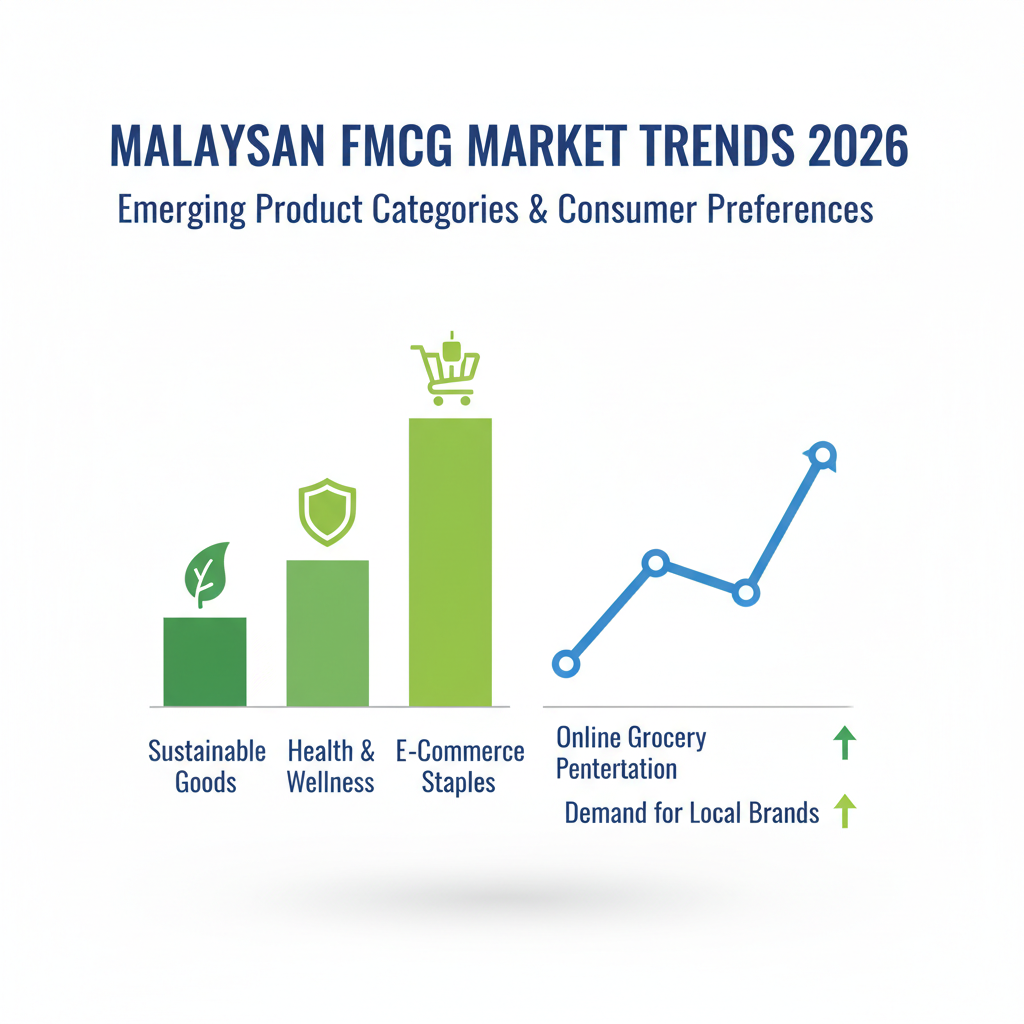
1. Demand for Plant-Based & Sustainable Products
A notable surge in health consciousness and environmental awareness is propelling the demand for plant-based and sustainable products across the Malaysian FMCG market. Consumers are increasingly scrutinising ingredient lists and seeking healthier, more natural alternatives. This trend extends beyond vegetarianism and veganism, encompassing a broader movement towards flexitarian diets and a desire for products perceived as ‘clean label’. Categories such as plant-based milks (oat, almond, soy), meat alternatives, and organic snacks are witnessing robust growth. Furthermore, environmental concerns are influencing purchasing decisions, with consumers favouring brands that demonstrate ethical sourcing, reduced plastic packaging, and overall eco-friendly practices. A recent study highlighted that Malaysian consumers are increasingly willing to pay more for sustainable products, indicating a significant shift in values that FMCG companies must address. This profound shift represents a critical market demand trend, pushing manufacturers to innovate with ingredients, packaging, and supply chain transparency.
2. Growth in Convenience & Ready-to-Eat Food Market
The fast-paced, urbanised lifestyle prevalent in Malaysia, coupled with smaller household sizes and increased disposable income, has significantly fuelled the growth of the convenience and ready-to-eat (RTE) food market. Time-poor consumers, especially young professionals and dual-income families, are actively seeking quick and easy meal solutions that do not compromise on taste or quality. This category includes everything from frozen meals and instant noodles to ready-to-cook meal kits and on-the-go snacks. The demand for such convenience transcends traditional meal times, extending to breakfast solutions, lunch options, and healthy snacking. Brands that offer innovative packaging, extended shelf life, and diverse culinary options are capturing a substantial share of this evolving market segment. The emphasis is on effortless preparation, minimal cooking time, and portability, making RTE products a cornerstone of modern Malaysian food consumption habits, directly impacting the overall market demand trend report of FMCG field in Malaysia.
3. Personalized Products & Niche Brand Appeal
The era of mass-market appeal is gradually giving way to a preference for personalized products and the charm of niche brands. Malaysian consumers, particularly the younger demographic, are seeking products that resonate with their individual identities, dietary requirements, and unique lifestyles. This includes everything from customised beauty products tailored to specific skin concerns to artisanal food items catering to gourmet tastes or specific dietary restrictions (e.g., gluten-free, sugar-free). Niche brands, often with compelling stories, transparent practices, and strong community engagement, are gaining traction over established giants. Their ability to offer unique selling propositions, authenticity, and a sense of belonging allows them to forge deeper connections with consumers. Social media platforms and e-commerce have democratised access for these smaller players, enabling them to reach targeted audiences effectively. For FMCG players, understanding this nuanced consumer desire for unique and tailored solutions is crucial for sustained growth and innovation within the competitive Malaysian landscape, and a key insight for any relevant FMCG market demand trend report.
Challenges and Opportunities in the Market
The Malaysian Fast-Moving Consumer Goods (FMCG) market, a vital segment of the nation’s economy, presents a dynamic landscape characterized by both significant hurdles and promising avenues for growth. As companies navigate a complex global and local environment, understanding the market demand trend report of FMCG field in Malaysia becomes paramount for strategic planning. From persistent supply chain fragilities to the ever-present pressure of inflation and the need for sophisticated consumer engagement, FMCG players must adapt swiftly. This section delves into these critical challenges while simultaneously identifying strategic opportunities for innovation, digital transformation, and sustainable practices that can unlock new competitive advantages and foster market resilience in Malaysia’s vibrant consumer landscape.
1. Supply Chain Resilience & Inflationary Pressures
The global FMCG sector, including Malaysia, continues to grapple with the aftermath of geopolitical events, natural disasters, and the lingering effects of the pandemic, all of which underscore the fragility of existing supply chains. Disruptions in logistics, port congestions, and labor shortages have led to unpredictable lead times and increased transportation costs, severely impacting inventory management and product availability in the Malaysian market. For FMCG companies, ensuring a resilient supply chain means investing in robust risk management frameworks, diversifying sourcing strategies beyond single regions, and adopting advanced technologies like AI-driven demand forecasting and real-time inventory tracking. This proactive approach is crucial for maintaining consistent product flow and meeting fluctuating consumer demand patterns across Malaysia.
Compounding these operational challenges are significant inflationary pressures. Rising costs of raw materials, packaging components, energy, and labor have squeezed profit margins across the board. Manufacturers are faced with the dilemma of absorbing these increased costs, passing them on to consumers, or finding innovative ways to optimize production efficiencies. The Consumer Price Index (CPI) data in Malaysia reflects these rising costs, impacting household purchasing power and shifting consumer spending habits towards essential goods or more budget-friendly alternatives. Companies must therefore employ astute pricing strategies, explore value engineering for their products, and enhance cost-efficiency throughout their operations to remain competitive and mitigate the impact of inflation on both their bottom line and consumer affordability in the competitive Malaysian FMCG market.
2. Regulatory Landscape & Compliance Challenges
Navigating Malaysia’s intricate regulatory landscape presents a significant challenge for FMCG companies, particularly concerning product standards, labeling, and environmental compliance. The requirements for Halal certification, governed by JAKIM, are stringent and critical for market acceptance, especially given Malaysia’s significant Muslim population. Ensuring adherence to food safety standards, as enforced by the Ministry of Health, including Good Manufacturing Practices (GMP) and Hazard Analysis and Critical Control Points (HACCP), demands continuous vigilance and investment. Beyond product-specific regulations, the evolving environmental agenda poses new compliance hurdles. Policies aimed at reducing plastic waste, promoting sustainable packaging, and enhancing corporate social responsibility (CSR) initiatives are becoming more prevalent. Companies must invest in transparent reporting, adopt eco-friendly practices, and ensure their entire product lifecycle aligns with national sustainability goals.
Failure to comply with these regulations can lead to severe penalties, reputational damage, and loss of market access. For local and international players alike, understanding the nuances of Malaysian consumer protection laws, advertising standards, and data privacy regulations is essential. Proactive engagement with regulatory bodies, continuous monitoring of policy changes, and robust internal compliance systems are vital for mitigating risks and maintaining consumer trust in the Malaysian FMCG sector. These efforts not only ensure legal adherence but also build a foundation for long-term growth and market stability.
3. Data-Driven Marketing & Personalization Strategies
In an increasingly digitized world, the ability to leverage data for targeted marketing and personalized consumer experiences has become a critical differentiator for FMCG companies in Malaysia. The shift from traditional mass marketing to highly individualized approaches is driven by the availability of vast amounts of consumer data, collected through e-commerce platforms, loyalty programs, social media interactions, and point-of-sale systems. The challenge lies in effectively collecting, analyzing, and interpreting this data to gain actionable insights into evolving consumer preferences, purchasing patterns, and market demand trends. This demands significant investment in data analytics capabilities, artificial intelligence (AI), and machine learning (ML) technologies.
Opportunities abound for companies that master data-driven strategies. Personalization allows brands to offer tailored product recommendations, customized promotions, and highly relevant content, significantly enhancing customer engagement and loyalty. This is particularly effective in the booming e-commerce segment of the Malaysian FMCG market, where personalized shopping experiences can drive higher conversion rates. Furthermore, data analytics enables more efficient inventory management, optimized pricing strategies, and agile product development that aligns directly with specific consumer segments. By embracing these advanced marketing techniques, FMCG companies can not only respond to current market trends but also anticipate future demand, creating a distinct competitive advantage and fostering deeper connections with Malaysian consumers across all touchpoints, from online channels to traditional retail outlets. This strategic shift is vital for growth in the dynamic and competitive Malaysian consumer landscape.
Future Outlook & Strategic Implications for 2026
The Malaysian Fast-Moving Consumer Goods (FMCG) market is poised for a period of profound transformation, driven by a confluence of evolving consumer behaviors, rapid technological advancements, and an increasing global emphasis on sustainability. As we cast our gaze towards 2026 and beyond, businesses operating within this dynamic sector must adopt agile and forward-thinking strategies to not only survive the shifts but to truly thrive. A comprehensive market demand trend report of FMCG field in Malaysia indicates a landscape where digital integration, ethical practices, and strategic market expansion will be paramount. Understanding these impending shifts is crucial for developing robust operational, marketing, and competitive frameworks.
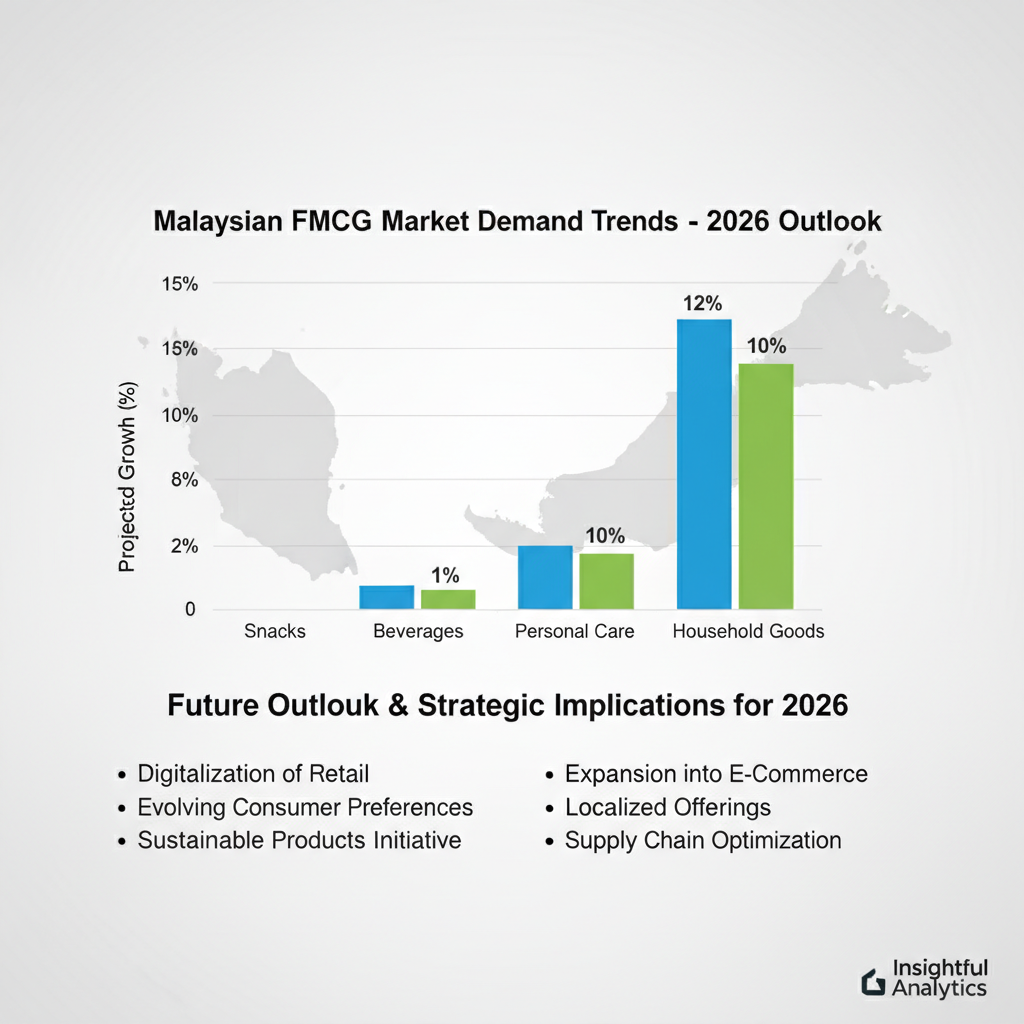
1. Impact of Digital Transformation & AI Integration
The relentless wave of digital transformation will continue to fundamentally reshape the Malaysian FMCG market, rendering digital adoption an imperative rather than an optional enhancement. By 2026, we anticipate a significant and sustained surge in e-commerce penetration, fueled by ever-increasing internet accessibility and a growing demographic of tech-savvy consumers. This pivotal shift demands that businesses invest heavily in developing seamless omnichannel capabilities, ensuring a cohesive and frictionless shopping experience across all online and offline touchpoints.
Artificial Intelligence (AI) is set to play an increasingly central role, moving beyond mere automation to enable hyper-personalization in marketing campaigns and product recommendations. FMCG retailers and brands will leverage AI-driven insights for highly precise demand forecasting, optimizing intricate supply chain management processes, and significantly reducing waste across operations. Predictive analytics will become a standard tool, empowering companies to anticipate evolving consumer behavior, purchasing patterns, and market fluctuations with unprecedented accuracy. Companies that master data analytics to extract actionable insights from vast datasets will undeniably gain a significant competitive edge.
To fully capitalize on these trends, FMCG players must develop robust digital marketing strategies, focusing on engaging content and targeted advertising across diverse platforms. Investing in AI-powered tools for enhanced customer service, optimized inventory management, and even innovative product development will be critical. The integration of augmented reality (AR) in online shopping experiences could also see wider adoption, offering consumers more interactive and immersive ways to engage with products. Embracing these profound digital shifts, as highlighted in insights on Southeast Asia’s digital economy from institutions like McKinsey, will be key to unlocking new avenues for sustainable growth and operational efficiency.
2. Focus on Ethical Sourcing & Corporate Social Responsibility
Consumer values are rapidly evolving, with a burgeoning emphasis on sustainability, ethical practices, and corporate social responsibility (CSR) influencing purchasing decisions. By 2026, Malaysian consumers, particularly the influential younger demographics, will increasingly demand greater transparency in product sourcing, manufacturing processes, and labor practices. Brands that can demonstrably prove a genuine and unwavering commitment to ethical sourcing, fair labor conditions, and proactive environmental stewardship will be in a stronger position to cultivate enduring brand loyalty.
This trend necessitates the widespread implementation of more sustainable supply chain practices, spanning from responsible raw material procurement to the adoption of eco-friendly packaging solutions. Businesses will face heightened scrutiny regarding their environmental footprint and broader social impact, making a proactive and well-communicated approach to CSR not just beneficial, but vital. To meet these elevated expectations, FMCG companies should prioritize clear and consistent communication of their sustainability initiatives and ethical commitments. Certifications for fair trade, organic produce, or sustainable palm oil will become more influential factors in consumer purchasing decisions.
Investing in renewable energy sources, aggressively reducing plastic waste, and actively supporting local communities through various social programs will not only significantly enhance brand reputation but also foster deeper, more meaningful connections with consumers. This unwavering commitment will translate into a tangible competitive advantage within a market where consumers are increasingly aligning their spending habits with their core personal values and social conscience.
3. Market Entry & Expansion Strategies for Growth
The Malaysian FMCG landscape will continue to present diverse and compelling opportunities for both new market entry and strategic expansion. While established urban centers remain crucial, a strategic focus on underserved rural markets could unlock substantial growth potential, particularly as disposable income continues to rise across various socio-economic segments. Niche markets, such as functional health and wellness products, plant-based alternatives, and premium organic offerings, are projected to expand significantly, driven by changing dietary preferences and a greater health consciousness among consumers.
International brands looking to enter the Malaysian market, or local brands aiming for broader regional reach, must meticulously consider localized product development and highly targeted marketing strategies that genuinely resonate with specific cultural nuances and regional tastes. Strategic partnerships with local distributors, established e-commerce platforms, and even collaborative ventures with non-competing brands can significantly facilitate agile market entry and accelerate expansion efforts. Mergers and acquisitions might also become more prevalent as companies seek to consolidate market share, acquire specialized capabilities, or diversify their product portfolios.
For sustained long-term growth, relentless innovation in product offerings, service models, and underlying business models will be absolutely crucial, enabling companies to adapt swiftly to the ever-evolving competitive landscape and dynamic consumer demands. Understanding granular regional economic growth patterns and making strategic investments in robust logistics infrastructure will be essential for effective market penetration and efficient supply chain operations across diverse geographical areas, ensuring a strong competitive presence and resilience.
Partner with Shelby Global
You are looking for reliable HR Sevice Suppliers? Contact Shelby Global Now! To connect with verified talents and upgrade your orginization.
—————————————
References
– Monthly Retail Trade Statistics – December 2023 and Fourth Quarter 2023 (Department of Statistics Malaysia): https://www.dosm.gov.my/portal-main/release-content/monthly-retail-trade-statistics-december-2023-and-fourth-quarter-2023
– Department of Statistics Malaysia (DOSM) – Selected Socio-Economic Statistics Malaysia: https://www.dosm.gov.my/portal-main/release-content/selected-socio-economic-statistics-malaysia-third-quarter-2023
– Sustainable choices on the rise: https://www.thestar.com.my/news/nation/2021/08/21/sustainable-choices-on-the-rise
– Consumer Price Index (CPI) data in Malaysia from Department of Statistics Malaysia: https://www.dosm.gov.my/v1/index.php?r=column/cthemeByCat&cat=106&grp=101&ftype=2
– Malaysia’s productivity puzzle: Can it be solved by digital transformation? – McKinsey: https://www.mckinsey.com/capabilities/operations/our-insights/malaysias-productivity-puzzle-can-it-be-solved-by-digital-transformation