Understanding Vietnam’s F&B Market Landscape
Vietnam’s economy has been a shining star in Southeast Asia for decades, consistently demonstrating remarkable resilience and growth. This dynamic environment has naturally propelled its Food & Beverage (F&B) sector into a vibrant and highly competitive arena. For businesses, investors, and stakeholders seeking to understand the intricate dynamics of this rapidly evolving industry, a comprehensive market demand trend report of Food & Beverage field in Vietnam is indispensable. This section aims to set the stage, outlining the current economic context and underscoring the profound significance of the F&B sector, which is not merely a segment of the economy but a crucial reflection of the nation’s progress and changing consumer lifestyles.

1. Vietnam’s Economic Growth and Consumer Spending
At the heart of Vietnam’s thriving F&B market lies its robust and sustained economic expansion. Over the past decade, Vietnam has consistently ranked among the fastest-growing economies globally, driven by strong foreign direct investment, expanding manufacturing capabilities, and a burgeoning domestic market. This impressive economic performance has translated directly into increased disposable incomes for its nearly 100 million citizens. The rise of a substantial middle class, particularly in urban centers like Ho Chi Minh City and Hanoi, is a game-changer for consumer spending patterns. As more Vietnamese move up the economic ladder, their discretionary spending on dining out, specialty foods, and premium beverages naturally increases. Urbanization further amplifies this trend, bringing more people into contact with diverse F&B offerings and accelerating the adoption of modern consumption habits. According to a recent report by the World Bank, Vietnam’s economy demonstrated significant resilience and continued to grow despite global headwinds, positioning it for strong long-term development. This sustained growth underpins the immense potential within the F&B sector, as consumers are increasingly willing and able to explore new culinary experiences and convenience-driven food solutions.
2. Key Drivers Shaping the F&B Industry
Beyond economic fundamentals, several specific factors are actively shaping and driving innovation within Vietnam’s F&B industry. Changing consumer preferences are paramount; there’s a noticeable shift towards healthier eating options, organic products, and transparency in food sourcing. Young, digitally native consumers are also demanding convenience, leading to an explosion in food delivery services and online ordering platforms. The quest for authentic local flavors, coupled with a growing appetite for international cuisines, creates a diverse and vibrant gastronomic landscape. Furthermore, Vietnam’s booming tourism sector, though impacted by global events, consistently re-emerges as a significant catalyst, exposing both locals and visitors to a wider array of culinary choices and fostering a culture of dining out. Government initiatives supporting local agriculture, promoting food safety standards, and engaging in free trade agreements also play a vital role, creating a more stable and attractive environment for both local and international F&B businesses. The strong influence of social media and food influencers cannot be overstated, as they shape trends and introduce new concepts to a highly engaged audience.
3. Overview of Current Market Size and Value
The Vietnamese F&B market is a significant contributor to the national GDP and is characterized by its dynamic growth and diverse segmentation. While precise real-time figures fluctuate, the overall market size is substantial and continues to expand year-on-year, propelled by the factors mentioned above. It encompasses a wide spectrum of segments, from traditional street food stalls that remain integral to daily life, to bustling fast-food chains, upscale restaurants, modern cafes, and an increasingly sophisticated packaged food and beverage sector. The market is highly competitive, with a mix of established local players and international brands vying for consumer attention. The value chain is complex, involving everything from agricultural producers and food processors to distributors, retailers, and hospitality services. Understanding the nuances of this landscape is crucial for strategic planning. For an in-depth analysis of market segments, competitive intelligence, and future projections, a detailed look into the market demand trend report of Food & Beverage field in Vietnam offers invaluable insights, providing businesses with the data needed to navigate opportunities and challenges. This report can highlight emerging niches, consumer behavior shifts, and investment hotspots across various F&B categories, ensuring stakeholders are well-informed to make strategic decisions.
In conclusion, Vietnam’s F&B market stands at a fascinating juncture, fueled by robust economic growth, evolving consumer behaviors, and a supportive ecosystem. Its significant market size and value promise continued expansion and innovation. Businesses looking to thrive in this vibrant landscape must remain agile, consumer-centric, and well-informed, consistently leveraging detailed insights from a comprehensive market demand trend report of Food & Beverage field in Vietnam to identify opportunities, mitigate risks, and carve out a sustainable path to success. The sector is not just about sustenance; it’s about culture, experience, and the very essence of Vietnam’s modern identity.
Emerging Consumer Preferences and Demand Trends
The Food & Beverage (F&B) market in Vietnam is currently experiencing dynamic shifts, driven by evolving consumer behaviors, dietary preferences, and purchasing habits. Understanding these changes is crucial for businesses aiming to thrive in this vibrant landscape. A comprehensive market demand trend report of Food & Beverage field in Vietnam reveals a landscape shaped by urbanization, increased disposable incomes, and a greater exposure to global trends. From a heightened focus on personal well-being to the demand for instant gratification, these preferences are reshaping product development, marketing strategies, and distribution channels across the sector.
-
Rise of Health and Wellness Foods
Vietnamese consumers are increasingly prioritizing health and wellness in their food choices, moving beyond basic sustenance to seek out products that offer specific health benefits. This trend is fueled by greater awareness of diet-related diseases, a desire for preventive healthcare, and the influence of global health movements. There’s a noticeable surge in demand for organic produce, natural ingredients, and products free from artificial additives, excessive sugar, or unhealthy fats. Plant-based diets, though still niche, are gaining traction, particularly among younger, urban populations, leading to an expansion of vegetarian and vegan options in restaurants and supermarkets.
Furthermore, functional foods – those offering benefits beyond basic nutrition, such as probiotics for gut health, fortified vitamins for immunity, or ingredients promoting better sleep – are becoming popular. This shift is compelling F&B companies to innovate, reformulate existing products, and transparently label ingredients. Brands that can effectively communicate the health advantages of their offerings, whether through ‘low-sugar,’ ‘high-fiber,’ or ‘all-natural’ claims, are poised to capture a significant share of this growing segment. The Vietnam Retail Foods Annual 2023 report by the USDA further highlights how consumer health consciousness is impacting product assortment and retail strategies, reflecting a broader regional trend towards healthier eating.
-
Growth in Convenience and Ready-to-Eat Products
Rapid urbanization and the accompanying busier lifestyles are making convenience a paramount factor in food consumption. Vietnamese consumers, particularly in major cities, have less time for meal preparation, driving a significant demand for convenient and ready-to-eat (RTE) or ready-to-cook (RTC) products. This includes everything from instant noodles and frozen meals to pre-cut vegetables, packaged salads, and microwaveable dishes. The market for grab-and-go options, often available at convenience stores, mini-marts, and even traditional markets, is expanding rapidly.
Beyond single-serve meals, there’s also a rising interest in meal kits that provide pre-portioned ingredients and recipes, simplifying home cooking without sacrificing quality or variety. F&B businesses are responding by expanding their range of RTE and RTC offerings, focusing on innovative packaging that extends shelf life and ensures ease of preparation. This trend also influences the growth of smaller portion sizes suitable for individual consumption and on-the-go snacking, reflecting a desire for flexibility and minimal effort in meal planning.
-
Impact of E-commerce and Food Delivery Platforms
The digital transformation has profoundly reshaped the F&B landscape in Vietnam, with e-commerce and food delivery platforms emerging as critical channels for consumer access and business growth. The COVID-19 pandemic significantly accelerated the adoption of online grocery shopping and food delivery services, embedding these habits into daily routines. Platforms like GrabFood, ShopeeFood, Baemin, and local grocery delivery apps have become indispensable, offering unparalleled convenience and a vast selection of cuisines and products delivered directly to consumers’ doorsteps.
This shift presents both opportunities and challenges for F&B companies. For restaurants and food producers, it means expanding their digital presence, optimizing online menus, and investing in efficient delivery logistics. For consumers, it offers unprecedented access to a diverse range of food options, from restaurant meals to fresh groceries, with just a few taps on a smartphone. The competitive landscape among delivery platforms is intense, driving innovation in delivery speed, service quality, and promotional offers. Businesses that effectively leverage these digital channels, integrate seamless online ordering systems, and manage their online reputation are better positioned to capture the evolving preferences of the digitally-savvy Vietnamese consumer.
Segment-Specific Analysis within F&B
Understanding the nuances of consumer preferences and industry dynamics is paramount for stakeholders navigating the vibrant Vietnamese Food & Beverage (F&B) landscape. This detailed market demand trend report breaks down consumption patterns and identifies high-growth segments, offering strategic insights for businesses. By meticulously analyzing various categories, we pinpoint areas ripe for investment and innovation, reflecting the evolving tastes and lifestyles across the nation.
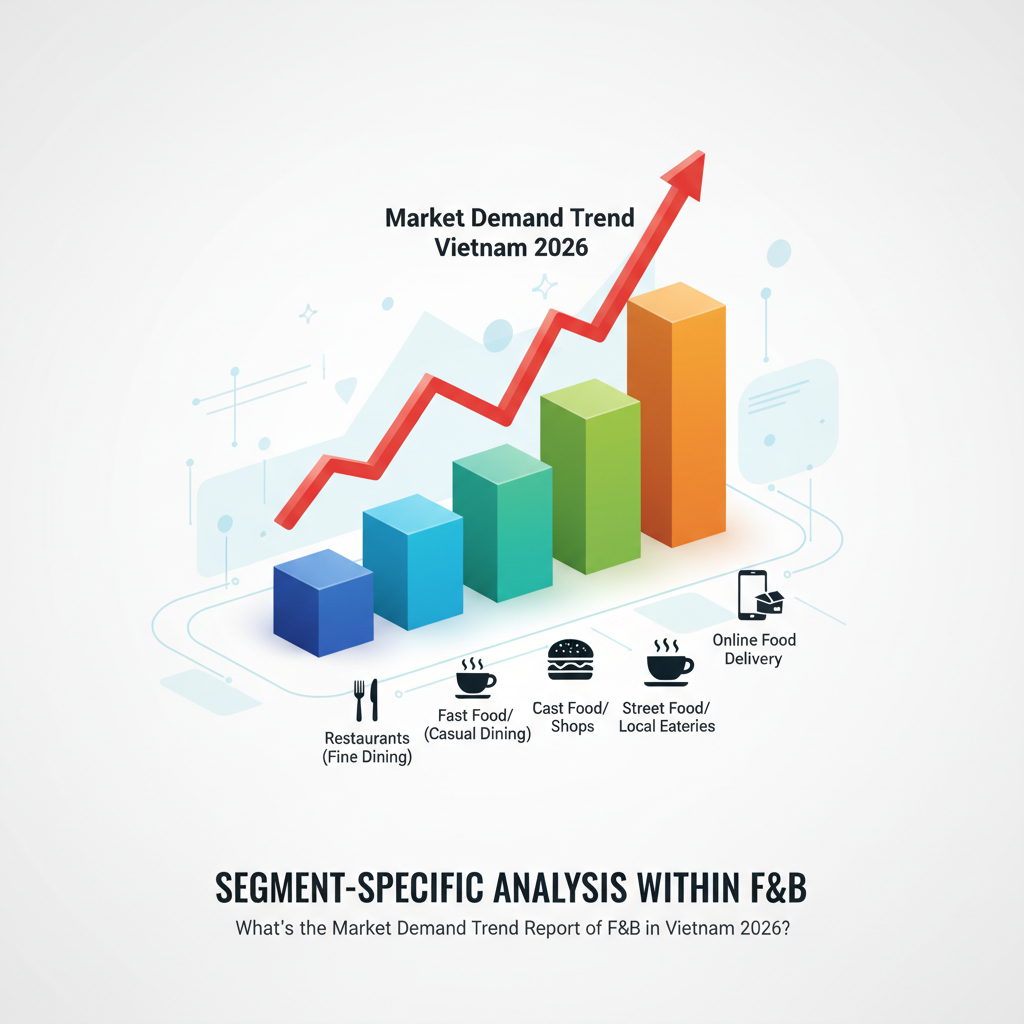
1. Beverage Sector: Non-Alcoholic vs. Alcoholic Trends
The Vietnamese beverage market is a dynamic arena, characterized by distinct shifts in both non-alcoholic and alcoholic categories. In the non-alcoholic segment, health and wellness trends continue to drive significant growth. Consumers are increasingly opting for healthier alternatives, fueling demand for functional drinks, natural fruit juices, bottled water, and ready-to-drink (RTD) teas and coffees. Plant-based milk alternatives, such as soy and almond milk, are also gaining traction, particularly among younger demographics and those with specific dietary preferences. The convenience factor of RTD products, coupled with a wider array of innovative flavors and ingredients, further propels this sector forward. Brands focusing on transparency in ingredients, reduced sugar content, and fortified options are well-positioned for success.
Conversely, the alcoholic beverage market, while mature, is undergoing its own transformation. Premiumization remains a key driver, with consumers increasingly willing to spend more on high-quality spirits, craft beers, and imported wines. The rise of craft breweries, offering unique local flavors and brewing techniques, has energized the beer segment. Furthermore, there’s a growing interest in low-alcohol or no-alcohol (LONA) options, reflecting a broader global trend towards mindful drinking and healthier lifestyles. Local spirits, too, are experiencing a renaissance, with increased investment in branding and quality improvements. Staying abreast of these evolving F&B market trends in Vietnam is crucial for manufacturers and distributors alike.
2. Packaged Food vs. Fresh Food Dynamics
The dichotomy between packaged and fresh food consumption highlights divergent yet equally significant consumer behaviors. Packaged food continues to benefit from the increasing urbanization and busier lifestyles of Vietnamese consumers. Convenience is a primary driver, with ready-to-eat meals, instant noodles, snacks, and processed meat products maintaining strong demand. Innovations in packaging, shelf-life extension, and flavor varieties cater to the need for quick and easy meal solutions. E-commerce platforms and modern retail channels have also played a pivotal role in making packaged foods more accessible, especially in metropolitan areas. Categories like confectionery, savory snacks, and frozen foods show consistent growth, appealing to both children and adults seeking indulgence and convenience.
Simultaneously, a strong counter-trend towards fresh food persists, fueled by heightened health consciousness and a desire for natural, less-processed options. Consumers are increasingly seeking organic produce, locally sourced ingredients, and minimally processed foods. Farmers’ markets, specialized fresh food stores, and direct-to-consumer models are gaining popularity. Concerns about food safety and traceability also underpin this preference for fresh ingredients. While packaged foods offer convenience, fresh foods address the growing demand for nutrition, quality, and perceived health benefits. Businesses that can bridge this gap, perhaps through ‘fresh-to-go’ packaged solutions or transparent sourcing for their processed offerings, are finding success.
3. Restaurant and Food Service Sector Developments
The restaurant and food service sector in Vietnam has demonstrated remarkable resilience and growth, particularly in the post-pandemic era. Digital transformation has been a defining feature, with the widespread adoption of food delivery applications, online ordering systems, and digital payment solutions. This shift has not only expanded reach but also optimized operational efficiencies for many establishments. Experiential dining, offering unique ambiances, fusion cuisines, and themed concepts, continues to attract diners seeking more than just a meal. International franchises are expanding their footprint, while local eateries innovate to meet diverse palates and preferences.
Emerging trends include the rise of cloud kitchens and dark stores, optimizing costs and catering specifically to the booming delivery market. Health-conscious menus, plant-based options, and sustainable sourcing are increasingly featured, reflecting evolving consumer values. Furthermore, the coffee shop culture remains incredibly strong, with innovative concepts and artisanal offerings drawing in a wide demographic. From high-end dining to street food vendors, the sector is characterized by intense competition and rapid innovation, constantly adapting to consumer demands for variety, quality, and convenience.
Competitive Environment and Industry Challenges
The Vietnamese Food & Beverage (F&B) sector is a dynamic arena, characterized by robust growth and intense competition. This section delves into the competitive dynamics among local and international players, along with the multifaceted obstacles hindering sustained growth, providing crucial insights for anyone interested in the market demand trend report of Food & Beverage field in vietnam.
1. Major Local and International F&B Players
The Vietnamese F&B landscape is a vibrant battleground where domestic giants and global multinationals vie for market share. Local powerhouses like Vinamilk, Masan Consumer, TH True Milk, KIDO, and Trung Nguyen Legend leverage their deep understanding of local tastes, extensive distribution networks, and often more competitive pricing strategies. Vinamilk, for instance, dominates the dairy sector with a vast product portfolio and strong brand loyalty, while Masan Consumer excels in packaged foods, sauces, and instant noodles. These local players are adept at adapting products to regional preferences and quickly responding to emerging domestic trends, from traditional Vietnamese flavors to healthier alternatives.
Conversely, international players such as Nestlé, Coca-Cola, PepsiCo, Heineken, McDonald’s, and Starbucks bring global brand recognition, advanced marketing techniques, and substantial investment in product innovation and quality standards. They often introduce global trends and premium offerings, catering to a burgeoning middle class and urban consumers seeking diverse culinary experiences. While international brands might face challenges in adapting to highly localized tastes and navigating complex market entry, their strong financial backing and global supply chains provide a significant advantage. The competitive intensity is particularly high in segments like beverages, dairy, and packaged snacks, leading to continuous innovation, aggressive marketing campaigns, and frequent price promotions, ultimately benefiting Vietnamese consumers with a wider array of choices and improved product quality.
2. Regulatory Environment and Food Safety Standards
Vietnam’s regulatory environment for the F&B sector is continuously evolving, with a strong focus on enhancing food safety and quality standards. The primary regulatory bodies include the Ministry of Health (MOH), the Ministry of Agriculture and Rural Development (MARD), and the Ministry of Industry and Trade (MOIT). Key legislation, such as the Law on Food Safety, along with numerous decrees and circulars, governs aspects ranging from product labeling, permissible additives, and hygiene requirements to origin tracing and import/export procedures.
While these regulations aim to protect consumers and facilitate fair trade, they also present significant challenges for businesses. Compliance costs can be substantial, especially for smaller enterprises needing to invest in upgraded facilities, testing equipment, and staff training. Moreover, inconsistencies in enforcement across different provinces and the dynamic nature of regulatory updates can create uncertainties for businesses. Food safety scandals, though infrequent, highlight the critical need for stricter oversight and consumer trust-building initiatives. Companies that proactively invest in robust quality control systems, adhere to international standards (like HACCP, ISO 22000), and ensure transparency in their supply chains not only mitigate risks but also gain a competitive edge by appealing to increasingly health-conscious and discerning consumers. The government continues to streamline procedures and align domestic standards with international best practices, aiming to enhance the reputation of Vietnamese food products both domestically and globally. Further details on the F&B industry’s evolving trends and opportunities in Vietnam emphasize the critical role of these standards.
3. Supply Chain Disruptions and Input Costs
The F&B industry in Vietnam is highly susceptible to global and local supply chain disruptions and volatile input costs, presenting persistent challenges to growth and profitability. Recent global events, including the COVID-19 pandemic, geopolitical tensions, and climate change-related weather phenomena, have exposed vulnerabilities in supply chains, leading to delays, increased freight costs, and scarcity of critical raw materials. For a sector heavily reliant on agricultural products, fluctuations in harvest yields due to adverse weather directly impact the availability and price of staples like coffee, rice, sugar, and dairy.
Beyond raw materials, businesses also contend with rising costs of packaging materials (plastics, glass, paper), fuel for transportation, and labor. Inflationary pressures globally translate into higher operational expenses, forcing F&B companies to either absorb these costs, optimize their processes, or pass them on to consumers, potentially impacting demand. The need for resilient and diversified sourcing strategies has become paramount. Many companies are investing in local sourcing to reduce reliance on international markets and minimize lead times, while others are exploring backward integration to control key agricultural inputs. Furthermore, technology adoption for enhanced supply chain visibility, predictive analytics, and efficient inventory management is gaining traction as businesses seek to mitigate risks and maintain competitive pricing in the face of these formidable economic and logistical hurdles. Addressing these challenges requires strategic planning, continuous adaptation, and often, collaboration across the supply chain to ensure stability and sustainability.
Future Projections and Strategic Recommendations for 2026
This section provides a forward-looking perspective, forecasting market trajectory and offering actionable strategies for businesses navigating the dynamic Food & Beverage (F&B) landscape in Vietnam. Understanding the intricate shifts in consumer behavior, technological advancements, and economic indicators is paramount for sustainable growth.
1. Market Growth Forecasts up to 2026
Vietnam’s Food & Beverage sector is poised for sustained robust growth through 2026, driven by a confluence of favorable macroeconomic and demographic factors. A burgeoning middle class with increasing disposable incomes is fueling demand for higher-quality, diverse, and convenient food options. Urbanization continues to accelerate, concentrating consumers in areas with greater access to modern retail channels and innovative F&B concepts. The young, dynamic population, often early adopters of global trends, consistently shapes market preferences, creating a fertile ground for new products and services.
Forecasting a strong trajectory, industry analysts project an annual growth rate well into the high single digits, potentially exceeding 9-10% for specific segments. Key drivers include a sustained shift towards healthier eating, premiumization of everyday products, and a significant surge in demand for ready-to-eat (RTE) meals and convenience foods due to fast-paced lifestyles. Moreover, e-commerce penetration in F&B is expected to deepen, expanding market reach, especially to younger demographics. To gain a deeper understanding of these evolving dynamics, a comprehensive market demand trend report of Food & Beverage field in vietnam is indispensable for businesses seeking to align their strategies with future consumer needs.

2. Investment Opportunities and Hotspots
The projected growth trajectory translates into significant investment opportunities across various segments of Vietnam’s F&B industry. Hotspots for investment are emerging in areas that directly address evolving consumer demands and leverage digital transformation. The functional food and beverage segment, encompassing fortified products, plant-based alternatives, and health-conscious drinks, presents immense potential. As consumers become more health-aware, products offering specific health benefits or catering to dietary restrictions are gaining traction.
Another area ripe for investment is the cold chain logistics and distribution infrastructure. With increased demand for fresh produce, frozen foods, and temperature-sensitive products, efficient and modern cold chain solutions are crucial to minimize waste and ensure product quality. Furthermore, the burgeoning e-commerce ecosystem necessitates robust last-mile delivery capabilities. Sustainable packaging solutions, driven by growing environmental consciousness among consumers and regulatory pressures, represent a compelling niche for innovation and investment. Geographically, major metropolitan areas like Ho Chi Minh City, Hanoi, and Da Nang remain primary hubs, but secondary cities and tourism-centric regions are also witnessing increased F&B development. For a detailed sector analysis, reputable sources like the Fitch Solutions: Vietnam Food & Drink Report Q1 2024 offer valuable insights into these investment landscapes.
3. Technological Adoption and Innovation
Technological adoption and innovation will be pivotal in shaping the competitiveness and efficiency of Vietnam’s F&B sector towards 2026. Automation in food processing and packaging lines is set to increase, driven by rising labor costs and the need for enhanced productivity and hygiene standards. This will not only optimize operational efficiency but also ensure consistent product quality.
Artificial intelligence (AI) and data analytics will play an increasingly crucial role in demand forecasting, supply chain optimization, and personalized marketing. Businesses capable of harnessing big data to understand consumer preferences and predict market shifts will gain a significant competitive edge. The rise of food tech startups, focusing on everything from alternative proteins to smart kitchen appliances and food waste solutions, signals a dynamic innovative ecosystem. Blockchain technology offers promising applications in enhancing food traceability and safety, building consumer trust, and streamlining supply chain management. Furthermore, digital platforms for online ordering, delivery services, and customer engagement will continue to evolve, demanding that businesses invest in robust digital infrastructure and marketing capabilities to meet the growing digital expectations of consumers. Embracing these technologies is not merely an option but a strategic imperative for businesses aiming to thrive in the future Vietnamese F&B market, guided by insights from a detailed market demand trend report.
In conclusion, the future of Vietnam’s F&B sector is bright, characterized by dynamic growth, diverse investment opportunities, and rapid technological integration. Businesses that proactively monitor market trends, strategically invest in innovation, and prioritize consumer-centric approaches will be best positioned to capture significant value in this evolving landscape.
Partner with Shelby Global
You are looking for reliable HR Sevice Suppliers? Contact Shelby Global Now! To connect with verified talents and upgrade your orginization.
—————————————
References
– Vietnam’s economy demonstrates resilience amid global challenges: https://www.worldbank.org/en/news/press-release/2023/10/05/vietnam-s-economy-demonstrates-resilience-amid-global-challenges-world-bank
– Vietnam Retail Foods Annual 2023 (USDA GAIN Report): https://www.fas.usda.gov/data/vietnam-retail-foods-annual-2023
– Vietnam’s Food and Beverage Market: An Overview for Investors: https://www.vietnambriefing.com/news/vietnams-food-and-beverage-market-overview.html
– Vietnam’s Food and Beverage Industry: Evolving Trends and Opportunities – Vietnam Briefing: https://www.vietnam-briefing.com/news/vietnams-food-beverage-industry-evolving-trends-and-opportunities.html
– :