
Current Landscape & Key Market Drivers
Malaysia’s Food & Beverage (F&B) sector stands as a vibrant and continually expanding segment of the nation’s economy, reflecting both robust domestic consumption and a growing export footprint. As a multi-ethnic nation with a young, increasingly affluent population, Malaysia offers a dynamic environment for F&B businesses. The market’s structure is diverse, encompassing everything from traditional hawker fare and street food to sophisticated fine dining, alongside a burgeoning packaged food and beverage industry. Understanding the nuances of this market is crucial for stakeholders, and this section delves into the current landscape, size, and the primary macro-economic forces shaping consumer demand, providing a comprehensive market demand trend report of Food & Beverage field in malaysia.

1. Economic Indicators & Disposable Income
Malaysia’s sustained economic growth over the past decades has significantly bolstered consumer purchasing power, directly impacting the F&B market. Key economic indicators such as Gross Domestic Product (GDP) growth, inflation rates, and employment levels are crucial in assessing consumer confidence and spending habits. While global economic uncertainties can present headwinds, Malaysia’s diversified economy has shown resilience. A significant driver is the steady increase in disposable income, particularly among the expanding middle-class segment. As households earn more, there’s a pronounced shift towards higher-value F&B products, including premium ingredients, organic options, and convenience foods. This trend also fuels increased spending on out-of-home dining and entertainment, creating opportunities for restaurants, cafes, and food service providers. Consumers are increasingly willing to pay for quality, convenience, and unique culinary experiences, directly influencing product innovation and market offerings. The Department of Statistics Malaysia (DOSM) consistently reports on household income and expenditure, providing valuable insights into these evolving patterns. For instance, recent data indicates a steady rise in household income, which translates directly into higher F&B expenditure across various categories, making economic prosperity a fundamental pillar of the robust Malaysian F&B market demand.
2. Population Growth, Urbanization & Demographics
The demographic profile of Malaysia plays a pivotal role in shaping F&B demand. With a population exceeding 33 million and a relatively young median age, the country presents a large consumer base. Steady population growth, coupled with rapid urbanization, means an increasing concentration of consumers in cities, leading to shifts in lifestyle and consumption patterns. Urban dwellers, often with busier schedules, drive demand for convenience foods, ready-to-eat meals, and accessible dining options. The multi-ethnic composition of Malaysia (Malay, Chinese, Indian, and indigenous groups) creates a rich tapestry of culinary preferences, demanding a diverse range of F&B products. This cultural mosaic encourages innovation in flavors, ingredients, and dietary options, including a strong emphasis on Halal-certified products for the Muslim majority. The rise of single-person households and smaller family units in urban centers also influences portion sizes and packaging trends. Furthermore, an aging population, though still a smaller segment, is beginning to drive demand for health-oriented and functional foods, anticipating future market needs. Understanding these evolving demographic trends is vital for businesses looking to effectively penetrate and cater to the diverse consumer segments within Malaysia’s F&B landscape.
3. Government Policies & Business Incentives
Government policies and strategic initiatives are powerful accelerators for the F&B sector’s growth and modernization. The Malaysian government actively promotes food security, agricultural development, and the expansion of the Halal industry, recognizing its potential both domestically and internationally. Programs aimed at enhancing agricultural productivity, adopting sustainable farming practices, and leveraging technology (e.g., agritech) contribute to a stable and diversified supply chain for F&B manufacturers. Furthermore, the government offers various business incentives, including tax breaks, grants, and investment facilitation schemes, to encourage local and foreign direct investment in food processing, manufacturing, and export-oriented F&B ventures. The emphasis on developing Malaysia as a global Halal hub, in particular, provides a significant competitive edge, opening doors to a vast global Muslim consumer market. Trade agreements and export promotion efforts also facilitate market access for Malaysian F&B products abroad. These supportive policies not only foster a conducive business environment but also steer the industry towards innovation, quality improvement, and international competitiveness, further influencing the overall dynamics described in any detailed market demand trend report of Food & Beverage field in malaysia.
Evolving Consumer Preferences & Trends
The Food & Beverage (F&B) sector in Malaysia is undergoing a significant transformation, driven by a dynamic shift in consumer preferences and lifestyle influences. Understanding these changes is crucial for businesses aiming to thrive in this competitive landscape. This section provides an in-depth look into the evolving consumer habits, preferences for specific food categories, and how contemporary lifestyles are impacting purchasing decisions. For a comprehensive overview of the current landscape, a detailed market demand trend report of Food & Beverage field in malaysia reveals the intricate patterns shaping the industry.
1. Health & Wellness Focus: Organic, Functional, & Low-Sugar Options
Malaysian consumers are increasingly prioritizing health and wellness, a trend profoundly reshaping the F&B market. There’s a noticeable surge in demand for organic products, perceived as healthier due to their natural cultivation methods and absence of artificial additives. Functional foods, fortified with vitamins, probiotics, or specific nutrients to provide health benefits beyond basic nutrition, are also gaining traction. Consumers are actively seeking products that support gut health, boost immunity, or enhance overall well-being.
Furthermore, the growing awareness of the risks associated with high sugar intake, including diabetes (a significant health concern in Malaysia), has fueled a strong preference for low-sugar and sugar-free alternatives. This extends from beverages to confectionery and processed foods, with manufacturers responding by reformulating products or introducing new lines that cater to this health-conscious segment. This shift indicates a long-term commitment by consumers towards healthier eating habits, impacting product development and marketing strategies across the F&B sector.
2. Convenience Foods & Ready-to-Eat Solutions
The rapid pace of modern life, coupled with increasing urbanization and dual-income households, has elevated the demand for convenience foods and ready-to-eat (RTE) solutions in Malaysia. Consumers, often time-constrained, seek quick and effortless meal options that do not compromise on taste or quality. This trend is evident in the booming popularity of food delivery services, which offer a vast array of cuisines at the touch of a button, fundamentally altering traditional dining habits.
Supermarkets and hypermarkets are also adapting, expanding their range of pre-packaged meals, ready-to-cook ingredients, and grab-and-go options. These solutions cater to busy professionals, students, and families looking for efficiency without sacrificing nutritional value. The rise of e-commerce platforms further amplifies this convenience, allowing consumers to purchase groceries and prepared meals with unprecedented ease. This drive for convenience is not merely about saving time but also about simplifying meal preparation and enjoying diverse culinary experiences without the hassle.
3. Rise of Plant-Based, Halal, & Ethical Consumption
The Malaysian F&B landscape is also witnessing a significant evolution in consumer values, particularly concerning dietary choices and ethical considerations. The plant-based movement, though nascent compared to Western markets, is steadily gaining momentum, driven by health consciousness, environmental concerns, and ethical reasons. A growing number of Malaysians are exploring vegetarian and vegan options, leading to an expansion of plant-based meat alternatives, dairy-free products, and diverse vegetable-centric dishes in restaurants and retail.
Crucially, the demand for Halal-certified products remains paramount in Malaysia’s Muslim-majority population. Beyond religious compliance, Halal certification is increasingly viewed as an assurance of hygiene, quality, and ethical production practices, appealing to a broader consumer base. This extends to ingredients, processing, and even packaging.
Simultaneously, ethical consumption patterns are emerging, with consumers showing greater interest in sustainably sourced ingredients, fair trade practices, and transparent supply chains. Brands that demonstrate commitment to environmental protection and social responsibility are gaining favor, reflecting a conscious shift towards more mindful and responsible food choices among discerning Malaysian consumers. According to a report published by The Edge Markets, these ethical considerations are increasingly influencing purchasing decisions, prompting brands to integrate sustainability into their core operations.
Digital Transformation & E-commerce Impact
The Food & Beverage (F&B) sector in Malaysia is experiencing a profound transformation, driven by an unprecedented wave of technological advancements and the escalating adoption of online platforms. This market demand trend report of Food & Beverage field in Malaysia highlights how digital transformation, particularly the increasing penetration of food delivery services and online groceries, is fundamentally reshaping consumer demand and recalibrating traditional distribution channels. Businesses that fail to adapt to these shifts risk losing relevance in an increasingly digital-first marketplace.

1. Growth of Food Delivery & Online Groceries
The most visible impact of digital transformation on the F&B sector is arguably the explosive growth of food delivery and online groceries. Platforms like GrabFood, Foodpanda, and ShopeeFood have not only provided unparalleled convenience to Malaysian consumers but have also dramatically expanded the reach of F&B businesses. Restaurants, cafes, and even hawker stalls can now serve customers beyond their physical vicinity, tapping into a broader demographic eager for convenience. This shift has altered consumer expectations, making on-demand food delivery a standard rather than a luxury. Consumers are now accustomed to browsing diverse culinary options, ordering with a few taps, and having meals delivered directly to their doorstep. The COVID-19 pandemic significantly accelerated this trend, embedding these services into daily routines and fostering a dependency that continues to grow. Similarly, online grocery platforms have made daily essentials accessible from home, prompting traditional supermarkets to invest heavily in their digital presence and logistics infrastructure. This dual evolution is not just about convenience; it’s about a fundamental re-engineering of the F&B distribution model, moving from physical points of sale to virtual storefronts that operate 24/7. According to Statista, the number of online food delivery users in Malaysia is projected to continue its upward trajectory, indicating sustained demand for these digital services.
2. Social Media Marketing & Influencer Engagement
In the digital age, a strong online presence is non-negotiable for F&B businesses. Social media platforms have evolved beyond mere communication tools to become powerful marketing and engagement channels. Brands leverage platforms like Instagram, Facebook, and TikTok to showcase their offerings, engage with customers, and build brand loyalty. Visually appealing food photography, behind-the-scenes glimpses, and interactive content are crucial for attracting and retaining attention. Crucially, influencer marketing has emerged as a highly effective strategy. Food bloggers and social media personalities, with their loyal followings, can generate significant buzz and drive demand for specific dishes or establishments. A positive review or an aesthetically pleasing post by an influencer can translate into immediate customer traffic, both online and offline. This strategy allows F&B businesses, from startups to established chains, to reach targeted audiences organically and build trust through authentic recommendations. Understanding the nuances of digital storytelling and community management on social media is now as important as culinary excellence in defining success within Malaysia’s competitive F&B landscape.
3. Data Analytics & Personalization in F&B
The digital transformation also brings with it a wealth of data, and F&B businesses are increasingly harnessing data analytics to gain deeper insights into consumer behavior. Every online order, loyalty program interaction, and social media engagement generates valuable data that can be analyzed to understand preferences, purchasing patterns, and peak demand times. This information enables businesses to move beyond generic marketing to highly personalized experiences. Imagine a customer receiving a tailored offer for their favorite coffee on a specific day, or a restaurant adjusting its menu based on trending dietary preferences identified from order histories. Personalization, driven by data analytics, fosters a stronger connection between brand and consumer, increasing satisfaction and repeat business. It also allows for optimized inventory management, reduced waste, and more efficient resource allocation. From dynamic pricing models to AI-driven recommendation engines on food delivery apps, data is the new ingredient for success in the F&B sector, allowing businesses to anticipate needs and deliver bespoke value in a competitive market.
Regulatory Environment & Sustainability
The Food & Beverage (F&B) sector in Malaysia operates within a dynamic regulatory landscape, where government policies, stringent food safety standards, and an escalating emphasis on sustainability and ethical practices critically influence market demand trend report of Food & Beverage field in malaysia. As consumers become more discerning and global pressures for responsible business operations intensify, the Malaysian F&B market is continually adapting, shaping the future of consumption and production. This section delves into the pivotal regulatory frameworks and sustainability initiatives that are reshaping the Malaysian F&B market outlook, driving innovation and compliance across the industry.
1. Food Safety Standards & Halal Certification Compliance
Malaysia prides itself on robust food safety regulations, ensuring consumer protection and maintaining trust in its F&B products. The Food Safety Information System of Malaysia (FoSIM), overseen by the Ministry of Health (MOH), mandates adherence to strict hygiene, processing, and labeling standards. For any comprehensive market demand trend report of Food & Beverage field in malaysia, understanding these regulations is paramount. Beyond general safety, Halal certification compliance is a cornerstone of the Malaysian F&B industry, given its majority Muslim population and significant export potential to Islamic markets globally. The Department of Islamic Development Malaysia (JAKIM) is the principal authority responsible for issuing Halal certification, ensuring products meet Islamic dietary laws from raw material sourcing to manufacturing and logistics. This certification is not merely a religious requirement but has evolved into a mark of quality and ethical assurance, appealing to a broader consumer base seeking wholesome and responsibly produced goods. Strict enforcement of these standards enhances consumer confidence, opens new market opportunities, and positions Malaysia as a reliable producer within the global F&B landscape, directly impacting the Malaysian F&B market outlook and driving specific production trends.
2. Sustainability Practices: Food Waste & Packaging Innovations
The global push for sustainability has significantly impacted the F&B sector in Malaysia. Consumers, NGOs, and the government are increasingly focused on environmental stewardship, making sustainable F&B Malaysia practices a key driver of market trends. One major area of concern is food waste. Initiatives aimed at reducing food loss across the supply chain—from farms to retailers and consumers—are gaining traction. These include public awareness campaigns, technological solutions for better inventory management, and partnerships with food banks. Efforts to repurpose surplus food and promote composting are also becoming more common, reflecting a shift towards a circular economy model. Alongside food waste, packaging innovations are at the forefront of sustainable F&B Malaysia efforts. The industry is actively exploring alternatives to single-use plastics, investing in biodegradable materials, compostable packaging, and recyclable solutions. Brands are also adopting minimalist packaging designs and promoting refillable options to reduce their environmental footprint. These innovations are not just about compliance but also about meeting consumer demand for eco-friendly products, influencing purchasing decisions, and shaping the competitive landscape for any market demand trend report of Food & Beverage field in malaysia. The emphasis on responsible resource management highlights a growing commitment to long-term environmental and economic viability.
3. Supply Chain Resilience & Local Sourcing Initiatives
Recent global disruptions, including the COVID-19 pandemic and geopolitical tensions, have underscored the critical importance of supply chain resilience within the Malaysian F&B market. The industry is increasingly focused on strengthening local supply chains, reducing dependency on single-source imports, and fostering greater self-sufficiency. Local sourcing initiatives are gaining prominence, driven by government incentives, consumer preference for locally grown produce, and the desire to support local farmers and businesses. This shift enhances food security and reduces carbon footprints associated with long-distance transportation. For food safety compliance Malaysia, a localized supply chain can also offer better traceability and control. Investment in agricultural technology (agri-tech), vertical farming, and smart logistics are key components of building a more robust and responsive supply network. Furthermore, diversification of suppliers and the adoption of advanced data analytics for supply chain management are helping F&B companies mitigate risks and respond more effectively to unforeseen challenges. These strategic shifts are not only about navigating present uncertainties but also about building a more sustainable and secure future for the Malaysian F&B market. Understanding these developments is crucial for any comprehensive market demand trend report of Food & Beverage field in malaysia, as they reflect fundamental changes in how food and beverages are produced, distributed, and consumed.
Future Outlook & Emerging Opportunities (2026)
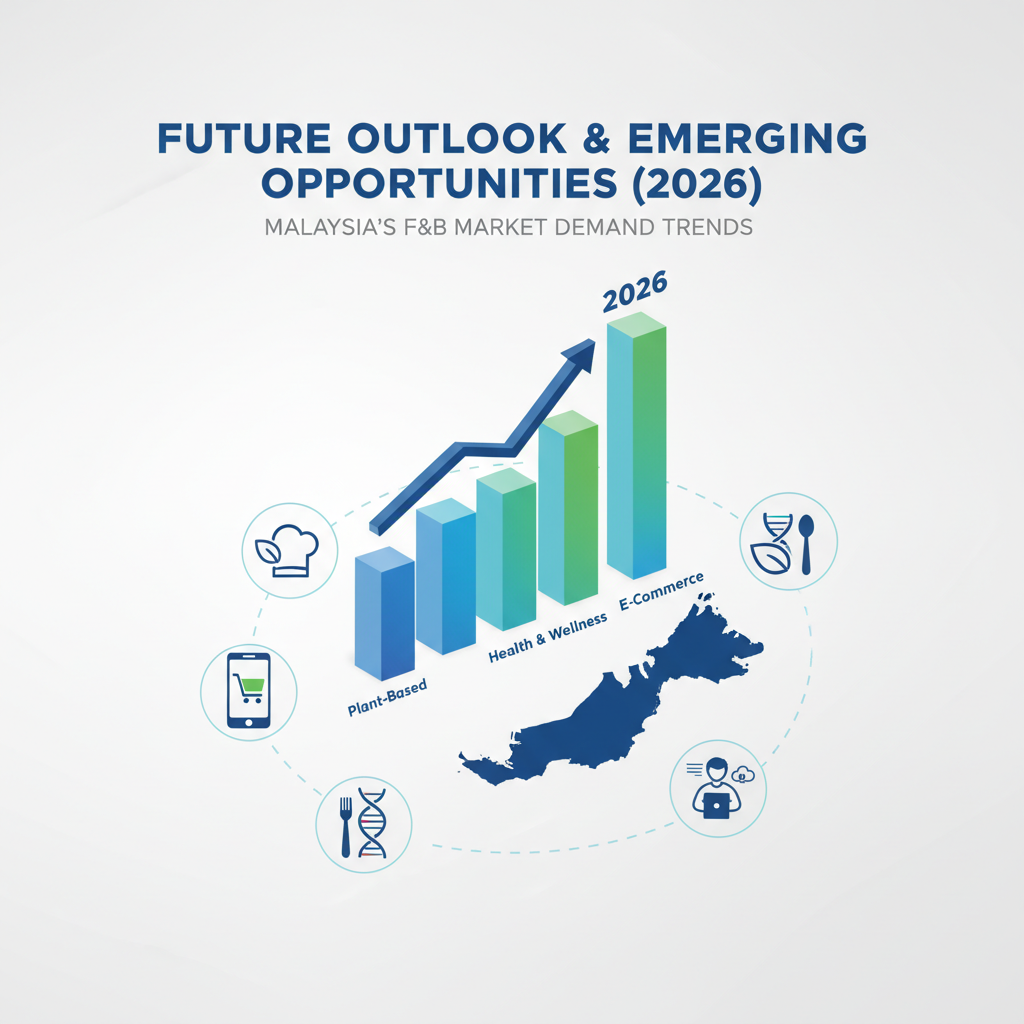
As Malaysia continues its robust economic trajectory, the market demand trend report of Food & Beverage field in malaysia anticipates a dynamic period of growth and transformation by 2026. The F&B sector, a cornerstone of the Malaysian economy and cultural identity, is poised for significant evolution, driven by shifting consumer preferences, technological advancements, and a proactive push towards sustainability and global market integration. This forward-looking analysis delves into key areas presenting substantial growth, potential investment hotspots, and innovative segments ready for expansion, offering insights for stakeholders navigating this vibrant landscape.
1. Innovation in Food Technology & Alternative Proteins
The acceleration of food technology is set to redefine the Malaysian F&B landscape. By 2026, we expect to see substantial investments and breakthroughs in areas such as precision fermentation, cellular agriculture, and smart packaging. Consumer awareness of health, sustainability, and ethical consumption is fueling a surge in demand for advancements in alternative proteins. Malaysia, with its rich biodiversity and agricultural heritage, is uniquely positioned to become a hub for plant-based food innovation. The growth of plant-based meat, dairy, and seafood alternatives will move beyond niche markets to mainstream adoption, driven by improved taste, texture, and affordability. Furthermore, food waste reduction technologies, AI-driven supply chain optimization, and personalized nutrition solutions will gain traction, offering fertile ground for startups and established players in Malaysian food technology.
2. Expansion of Specialized & Niche Food Segments
The Malaysian consumer market is becoming increasingly sophisticated, leading to a vibrant expansion of specialized and niche food segments. Health and wellness remain paramount, with growing demand for organic products, gluten-free options, functional foods, and fortified beverages. There’s a noticeable shift towards “better-for-you” snacks and meals that cater to specific dietary needs or lifestyle choices. Furthermore, premiumization trends are driving interest in gourmet, artisanal, and internationally inspired cuisines. The convenience segment, particularly ready-to-eat (RTE) and ready-to-cook (RTC) meals, will continue its robust growth, adapted to local tastes and preferences. This trend is amplified by busy urban lifestyles and the continued integration of e-commerce platforms, making these specialized products more accessible across Malaysia. Understanding these evolving market demand trends is crucial for businesses looking to capture specific consumer groups.
3. Regional Market Development & Export Potential
Beyond the bustling urban centers, Malaysia’s regional F&B markets are ripe for development. States like Sabah, Sarawak, and the East Coast regions present untapped opportunities for localized product development and distribution, leveraging unique local ingredients and culinary traditions. Increased domestic tourism and infrastructure development will further stimulate these regional economies. Crucially, Malaysia’s F&B sector holds significant export potential, especially within the Halal food industry. As a global leader in Halal certification and production, Malaysian food manufacturers are well-positioned to meet the escalating global demand for Halal products, particularly in ASEAN, OIC countries, and beyond. Focus on high-value processed foods, sustainable palm oil derivatives, and unique Malaysian delicacies can open new doors for international market penetration, bolstering Malaysia’s reputation as a quality food producer and innovator with strong Halal export potential Malaysia.
In conclusion, the Malaysian F&B market by 2026 will be characterized by innovation, specialization, and strategic market expansion. Businesses that embrace technological advancements, cater to diverse consumer demands through niche offerings, and leverage Malaysia’s unique position in regional and global trade, particularly within the Halal sector, are best poised for sustained growth and success. The future promises a rich blend of tradition and modernity, solidifying Malaysia’s standing as a prominent player in the global food and beverage arena.
Partner with Shelby Global
You are looking for reliable HR Sevice Suppliers? Contact Shelby Global Now! To connect with verified talents and upgrade your orginization.
—————————————
References
– Department of Statistics Malaysia: https://www.dosm.gov.my/
– Malaysians increasingly demand sustainable products, study shows: https://www.theedgemarkets.com/article/malaysians-demand-sustainable-products
– Statista – Online Food Delivery Users in Malaysia: https://www.statista.com/statistics/1233089/malaysia-online-food-delivery-users/
– Halal certification: https://www.halal.gov.my/v4/index.php?data=aW5mby5waGAgY2F0PWJhY2hlbG9yJnRweT1jb250ZW50JmlkPTIwMCZhbmQ=&menu=62&page=main_halal_info
– The State of the Industry: Alternative Protein in Asia Pacific (2022): https://gfi-apac.org/publication/state-of-the-industry-alternative-protein-asia-pacific-2022/



































































































