
Singapore, a vibrant city-state at the heart of Southeast Asia, has long been recognized as a digital pioneer. Its robust infrastructure, tech-savvy populace, and strategic location make it a prime environment for e-commerce innovation and growth. Understanding the current state and future trajectory of this dynamic sector is crucial for businesses aiming to thrive in its competitive yet opportunity-rich landscape. This introductory look at Singapore’s e-commerce landscape sets the stage for a comprehensive exploration of its market demand trends and evolving dynamics.
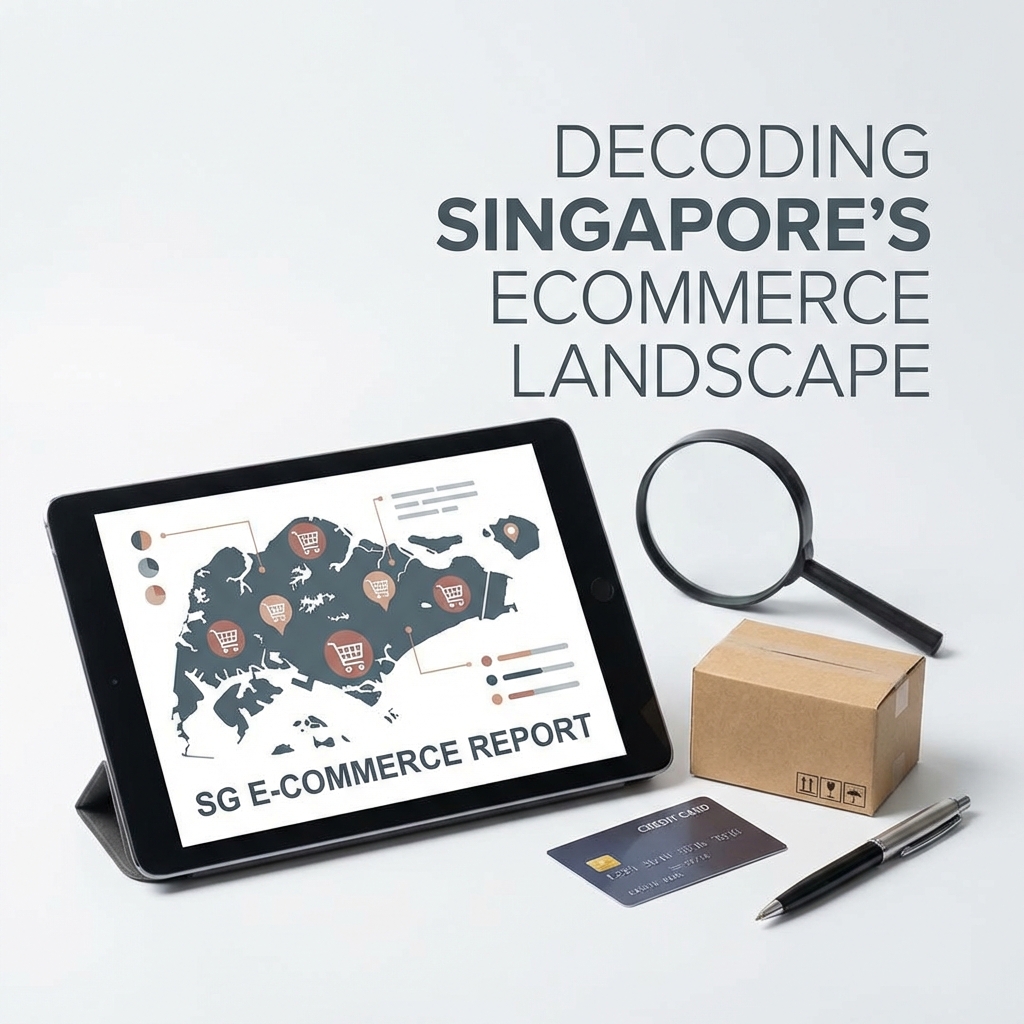
Decoding Singapore’s Ecommerce Landscape
An introductory look at the current state of e-commerce in Singapore, setting the stage for future trends and market dynamics.
1. The Current Pulse of Singaporean Ecommerce
Singapore’s e-commerce sector is not merely growing; it’s evolving at an exhilarating pace, constantly reshaping the retail landscape. Fueled by high internet penetration rates, widespread smartphone adoption, and a consumer base increasingly accustomed to digital convenience, online shopping has become an integral part of daily life. The market consistently registers impressive transaction volumes across a diverse range of product categories, from electronics and fashion to groceries and services. Key players, both global giants and innovative local startups, vie for consumer attention, driving competitive pricing and enhanced service offerings. Data from a recent Statista report projects continued double-digit growth for Singapore’s e-commerce market, underscoring its significant momentum and potential. This strong performance highlights a vibrant and resilient market, eager for innovation and convenience, making a thorough market demand trend report of Ecommerce field in singapore essential for any stakeholder.
2. Key Drivers of Past Growth (2020-2023)
The period between 2020 and 2023 witnessed an unprecedented acceleration in Singapore’s e-commerce growth, largely propelled by a confluence of factors. The COVID-19 pandemic undoubtedly played a pivotal role, rapidly shifting consumer habits towards online channels out of necessity. This period solidified the digital transition for many, converting hesitant users into regular online shoppers. Beyond the pandemic’s immediate impact, several underlying drivers continued to fuel this expansion:
- Exceptional Digital Infrastructure: Singapore boasts world-class internet connectivity and logistics networks, facilitating seamless online transactions and efficient last-mile delivery.
- High Smartphone Penetration: Nearly universal smartphone ownership enables pervasive mobile commerce, allowing consumers to shop anytime, anywhere.
- Government Initiatives: Proactive government support for digital transformation and smart nation initiatives has created a fertile ground for e-commerce businesses.
- Cross-Border E-commerce: Singapore’s status as a regional hub has also spurred significant cross-border e-commerce activity, with consumers readily purchasing from international sellers and vice versa.
- Evolving Payment Solutions: The proliferation of diverse and secure digital payment methods, from e-wallets to cardless payments, has boosted consumer confidence and convenience.
These drivers collectively established a robust foundation, making the shift to online retail not just a temporary measure but a permanent fixture in the nation’s retail landscape.
3. What Defines Market Demand in Singapore?
Understanding what truly defines market demand in Singapore’s e-commerce field requires a nuanced look at consumer preferences and emerging trends. Singaporean consumers are discerning, value-conscious, and increasingly environmentally aware. Key aspects shaping their purchasing decisions include:
- Convenience and Speed: Fast delivery, easy returns, and intuitive user interfaces are paramount. Same-day or next-day delivery options significantly influence purchasing choices.
- Price Competitiveness: While valuing quality, consumers actively seek deals and compare prices across platforms, indicating a high degree of price sensitivity.
- Product Authenticity and Quality: There’s a strong preference for genuine products and reliable brands, especially in categories like electronics, fashion, and beauty.
- Personalized Experiences: Retailers offering tailored recommendations, customized products, and personalized communication often see higher engagement and conversion rates.
- Sustainability and Ethical Sourcing: A growing segment of consumers prioritizes brands with strong environmental and social responsibility credentials, impacting demand for eco-friendly products and sustainable practices.
- Integrated Online-to-Offline (O2O) Experiences: The demand for seamless experiences that bridge the digital and physical realms, such as click-and-collect or in-store returns for online purchases, is rising.
As the market matures, niche segments like health and wellness, sustainable living, and personalized subscription boxes are gaining traction, reflecting evolving lifestyles and consumer aspirations. For an in-depth analysis of these intricate consumer behaviors and their implications for businesses, refer to our comprehensive market demand trend report of Ecommerce field in singapore. These insights are vital for any business looking to tailor its strategies effectively and capture a significant share of this dynamic digital market.
Unpacking the Engines of Ecommerce Growth in Singapore
This section will delve into the specific factors propelling the e-commerce sector forward, including evolving consumer preferences and technological advancements. A comprehensive market demand trend report of Ecommerce field in singapore reveals a dynamic landscape shaped by multiple forces, positioning the city-state as a regional leader in digital commerce. The remarkable Singapore ecommerce growth is not merely a statistical anomaly but a reflection of deep-seated shifts in consumer behavior, robust government support, and relentless technological innovation.
-
The Rise of Digital-First Consumers & Mobile Commerce
Singapore’s journey towards a digital economy is significantly propelled by its increasingly digital consumer behavior. With near-universal internet penetration and high smartphone adoption rates, a substantial portion of the population now exhibits online shopping habits Singapore residents have rapidly embraced. This shift has given rise to a new generation of “digital-first” consumers who prefer online channels for everything from daily necessities to luxury goods. The convenience and accessibility offered by e-commerce platforms have fundamentally reshaped retail interactions. Mobile commerce trends, in particular, are at the forefront of this evolution, with a growing number of transactions executed via smartphones and tablets. Consumers expect seamless mobile experiences, prompting businesses to optimize their websites and develop intuitive mobile applications. The integration of social media platforms with e-commerce, enabling “social commerce,” further amplifies this trend, creating new avenues for product discovery and purchasing. This pervasive digital presence has made understanding intricate online interactions a cornerstone for any market demand trend report of Ecommerce field in singapore.
-
Impact of Government Initiatives and Digitalization Push
A key differentiator for Singapore ecommerce growth lies in the proactive and strategic involvement of its government. Singapore has embarked on an ambitious digital transformation Singapore agenda, viewing digitalization as essential for economic resilience and future prosperity. Initiatives like the Industry Transformation Maps (ITMs) and the Digital Economy Blueprint have provided a clear roadmap for businesses, especially Small and Medium-sized Enterprises (SMEs), to adopt digital technologies and embrace e-commerce. Government agencies, such as the Infocomm Media Development Authority (IMDA), have been instrumental in fostering a conducive environment for digital innovation, offering grants, training programs, and infrastructure development. This includes the widespread adoption of e-payments adoption systems, making online transactions secure and effortless. Furthermore, significant investments in advanced logistics and fulfillment Singapore infrastructure have ensured efficient delivery networks, a critical component for e-commerce success. This comprehensive government support for ecommerce has cultivated an ecosystem where digital businesses can thrive, directly influencing the overall digital landscape and economic growth.
-
Shifting Consumer Expectations: Convenience, Personalization, and Sustainability
Beyond digital access, modern Singaporean consumers are increasingly discerning, driving a demand for enhanced customer experience ecommerce platforms can offer. Convenience remains paramount, with expectations for fast, reliable delivery, easy return policies, and multiple payment options. However, the demand now extends to personalized marketing and product recommendations. Consumers appreciate tailored experiences, leveraging data analytics ecommerce businesses employ to understand individual preferences and buying histories. The rise of fintech in ecommerce further streamlines payment processes, enhancing the convenience factor. Concurrently, there’s a burgeoning awareness and demand for sustainable ecommerce practices. Shoppers are increasingly considering the environmental and social impact of their purchases, favoring brands that demonstrate transparency, ethical sourcing, and eco-friendly packaging. This push for sustainability isn’t just a niche trend; it’s becoming a mainstream expectation, influencing purchasing decisions and brand loyalty. Businesses engaging in cross-border ecommerce also need to navigate these diverse consumer expectations across different markets, adapting their strategies to local nuances while upholding global standards. Understanding these intricate shifts is vital for any comprehensive market demand trend report of Ecommerce field in singapore.
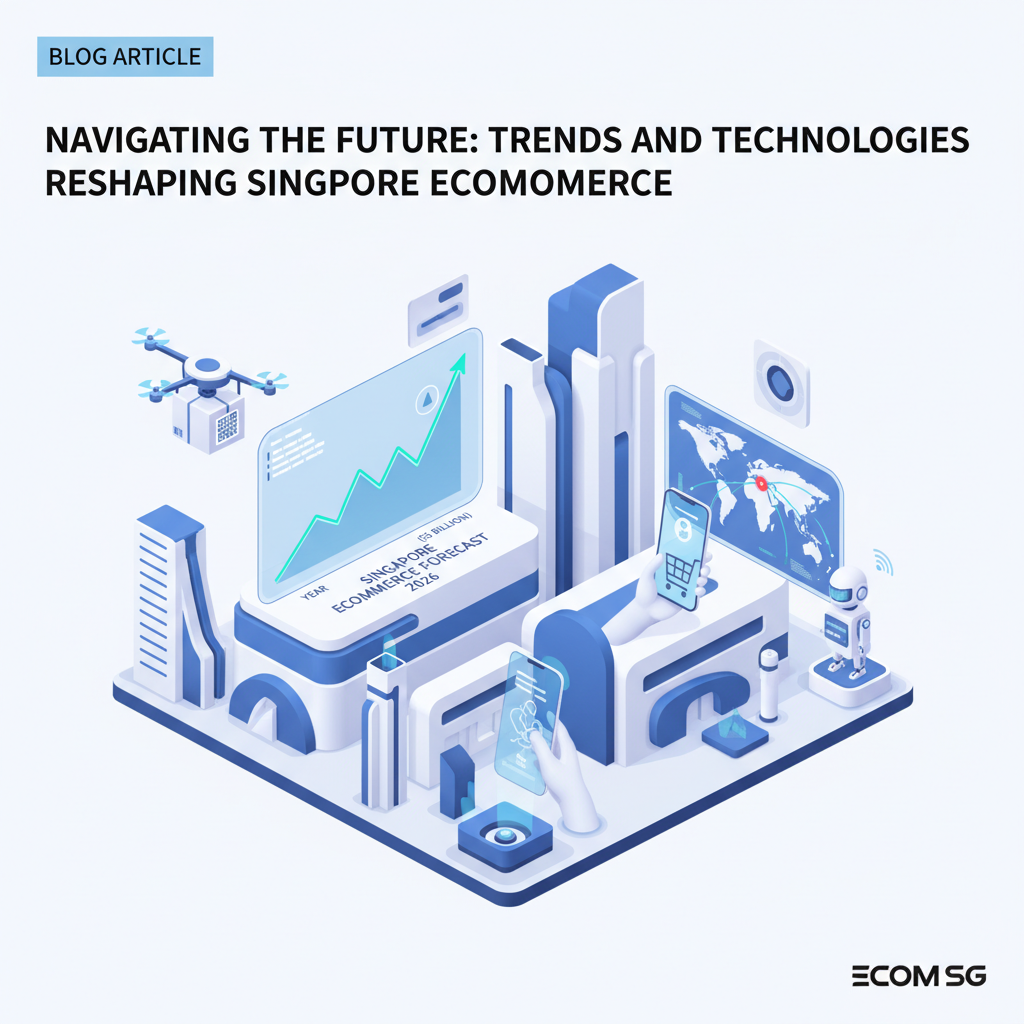
Navigating the Future: Trends and Technologies Reshaping Singapore Ecommerce
Explore cutting-edge trends and technological integrations that are poised to redefine the e-commerce experience and market demand in Singapore.
Singapore’s e-commerce landscape is undergoing a profound transformation, driven by rapid technological advancements and evolving consumer expectations. As we delve into the market demand trend report of Ecommerce field in Singapore, it becomes clear that businesses must embrace innovation to remain competitive. The nation, a digital hub in Southeast Asia, is particularly receptive to new retail technologies that enhance efficiency, personalization, and sustainability. This section explores the pivotal trends and technological integrations that are not only shaping the present but also defining the future of Singapore ecommerce growth. From hyper-personalization driven by artificial intelligence to the immersive world of live shopping and the critical shift towards greener practices, understanding these shifts is crucial for any player in this dynamic sector. This deep dive aims to provide a comprehensive overview of how e-commerce market demand is being reshaped by these forces, reflecting the latest e-commerce market demand insights.
1. AI & Machine Learning: Enhancing Personalization & Operations
Artificial Intelligence (AI) and Machine Learning (ML) are no longer futuristic concepts but integral components revolutionizing the customer experience optimization in Singaporean e-commerce. These technologies power everything from intelligent product recommendations to sophisticated inventory management. For consumers, AI personalization ecommerce translates into highly tailored shopping journeys, where algorithms analyze browsing history, purchase patterns, and even real-time behavior to suggest products that genuinely resonate. This hyper-personalization significantly boosts conversion rates and fosters customer loyalty. Chatbots and virtual assistants, powered by natural language processing, provide instant, 24/7 customer support, resolving queries efficiently and enhancing satisfaction.
Beyond the front-end, machine learning in retail is optimizing crucial back-end operations. Predictive analytics helps e-commerce businesses forecast demand more accurately, leading to smarter inventory management, reduced waste, and more efficient warehousing. AI-driven fraud detection systems enhance security, protecting both businesses and consumers. Furthermore, supply chain innovation benefits immensely, with AI optimizing routes for last-mile delivery, predicting potential disruptions, and streamlining logistics. The insights derived from data-driven insights are empowering retailers to make informed decisions, fueling the overall digital transformation Singapore is experiencing in its retail sector. Such advancements are crucial for any comprehensive market demand trend report of Ecommerce field in Singapore.
2. Rise of Livestream Shopping & Social Commerce
The lines between social media and shopping continue to blur, giving rise to livestream shopping trends and social commerce Singapore. These interactive formats tap into the innate human desire for connection and entertainment, transforming passive browsing into an engaging, real-time experience. Livestream shopping, where influencers or brand representatives showcase products and interact with viewers in real-time, has seen explosive growth. Viewers can ask questions, get immediate answers, and make purchases directly within the live stream, creating a sense of urgency and community. This dynamic approach significantly impacts e-commerce market demand by making shopping more entertaining and immediate.
Social shopping Singapore extends beyond live streams to encompass shoppable posts, in-app marketplaces, and influencer collaborations across platforms like TikTok, Instagram, and Facebook. These channels allow brands to connect with consumers authentically, building trust and driving sales. Influencer marketing, in particular, plays a crucial role, as trusted voices guide purchasing decisions. The ability to discover, research, and purchase products without leaving a social media platform streamlines the buyer’s journey, making it more convenient and appealing. This trend is a clear indicator of the future of retail technology, emphasizing community, authenticity, and instant gratification.
3. Sustainable Ecommerce & Green Logistics
As environmental consciousness grows, sustainable ecommerce practices are rapidly becoming a non-negotiable aspect of consumer expectations, influencing the market demand trend report of Ecommerce field in Singapore. Consumers are increasingly scrutinizing the environmental impact of their purchases, from product sourcing to delivery. This shift towards ethical consumerism means that e-commerce businesses in Singapore must prioritize sustainability across their operations.
Key areas of focus include eco-friendly packaging, reducing reliance on single-use plastics and opting for recyclable or biodegradable materials. Green logistics solutions are also gaining traction, with companies investing in electric delivery vehicles, optimizing delivery routes to minimize fuel consumption, and exploring consolidation centers to reduce transportation emissions. Reverse logistics, which focuses on the efficient return of products and materials for reuse, repair, or recycling, is another critical component. Brands that transparently communicate their sustainability efforts not only build trust but also attract a growing segment of environmentally conscious shoppers. This commitment to reducing carbon footprints and adopting circular economy principles is not just about corporate social responsibility; it’s a strategic imperative that addresses evolving e-commerce market demand and ensures long-term business viability in a world increasingly focused on environmental stewardship.
In conclusion, the market demand trend report of Ecommerce field in Singapore reveals a dynamic ecosystem where innovation is paramount. Businesses that strategically integrate AI for personalization, leverage social and livestream commerce for engagement, and commit to sustainable practices will be best positioned to thrive in this exciting future. The continuous evolution driven by these trends underscores the need for constant adaptation and forward-thinking strategies to meet the ever-changing demands of the digital consumer.
Overcoming Hurdles: Challenges and Competitive Strategies in Singapore’s Ecommerce
Singapore’s e-commerce landscape is a vibrant, rapidly evolving ecosystem, characterized by high consumer engagement and substantial growth potential. However, this dynamic environment also presents a unique set of challenges that e-commerce players must navigate to thrive. From the intense competition driven by both established local giants and aggressive cross-border entrants to the intricate logistical complexities of a dense urban setting, businesses face an uphill battle for market share and profitability. Furthermore, the increasing emphasis on data privacy and cybersecurity, coupled with evolving regulatory compliance, adds another layer of complexity. Successfully addressing these hurdles requires a nuanced understanding of the market dynamics and the implementation of robust, forward-thinking competitive strategies. A comprehensive market demand trend report of Ecommerce field in singapore is crucial for identifying these challenges and formulating effective responses, enabling businesses to not only survive but excel in this highly competitive arena.
1. Intensifying Competition: Local Giants vs. Cross-Border Players
The Singaporean e-commerce field is a battleground where local titans like Lazada and Shopee, backed by significant regional investments, vigorously compete with global behemoths such as Amazon Singapore and a growing influx of cross-border players. This intense competition creates a challenging environment for smaller and new entrants, characterized by aggressive price wars, high customer acquisition costs, and often, thin profit margins. Consumers, accustomed to a plethora of choices and competitive pricing, exhibit low brand loyalty, constantly seeking the best deals and fastest shipping options. Emerging niche markets quickly become saturated, making differentiation incredibly difficult. To gain a competitive advantage and maintain a strong market share, e-commerce players must move beyond mere price competition. Strategic responses include focusing on unique value propositions, such as offering specialized products or highly personalized shopping experiences. Cultivating superior customer experience, from intuitive website design to seamless post-purchase support and hassle-free returns, is paramount. Robust brand building and fostering trust through transparent practices can help differentiate a business in a crowded online retail space. Leveraging data analytics to understand consumer behavior and preferences allows for targeted marketing and product development, while strategic partnerships with local businesses or influencers can expand reach and build community.
2. Logistics & Last-Mile Delivery Innovations
Logistical complexities represent another significant hurdle for e-commerce players in Singapore. Despite its small geographical size, the city-state’s high operating costs, dense urban population, and customer expectations for lightning-fast and often free last-mile delivery services pose considerable challenges. Managing reverse logistics efficiently for returns also adds to the operational burden. The demand for speed and cost-effectiveness often clashes with the reality of traffic congestion and the need for scalable delivery solutions, especially during peak shopping seasons. To overcome these logistical hurdles, businesses are increasingly turning to innovation and strategic partnerships. Adopting advanced technologies such as AI-powered route optimization for delivery fleets, real-time inventory tracking with IoT, and exploring future possibilities like drone delivery can significantly enhance supply chain efficiency. Collaborating with specialized Third-Party Logistics (3PL) providers allows businesses to leverage their expertise, infrastructure, and economies of scale. Offering diversified delivery options, including convenient click-and-collect points, automated locker systems (like SingPost’s POPStations), and varying express delivery tiers, caters to diverse customer needs while optimizing operational costs. Furthermore, investing in warehouse automation can improve order fulfillment speed and accuracy, reducing reliance on manual labor and enhancing the overall resilience of the e-commerce supply chain. This focus on logistics and innovation is a key trend highlighted in any comprehensive market demand trend report of Ecommerce field in singapore.
3. Data Privacy, Cybersecurity & Regulatory Compliance
In an increasingly digital economy, protecting customer data and ensuring cybersecurity are non-negotiable requirements for e-commerce players in Singapore. The Personal Data Protection Act (PDPA) mandates strict guidelines for data collection, usage, and disclosure, making regulatory compliance a critical concern. The constant threat of cyberattacks, including data breaches, phishing scams, and ransomware, necessitates robust security measures to safeguard sensitive customer information and maintain consumer trust. Failure to comply with data protection regulations or experiencing a security incident can lead to severe financial penalties, reputational damage, and a significant loss of customer confidence, impacting market share. Strategic responses to these challenges involve implementing comprehensive cybersecurity frameworks, including advanced encryption protocols, multi-factor authentication, and regular vulnerability assessments. Businesses must establish clear and transparent data governance policies, ensuring employees are well-trained in data handling best practices. Obtaining explicit consent for data collection and usage, and providing customers with control over their personal information, are fundamental to PDPA compliance and building trust. Regular audits and staying abreast of the evolving regulatory landscape, both local and international, are essential for proactive risk management. By prioritizing data privacy and cybersecurity, e-commerce businesses can reinforce their integrity, protect their customers, and solidify their position in the competitive Singaporean digital marketplace, a crucial aspect often covered in any relevant market demand trend report of Ecommerce field in singapore.
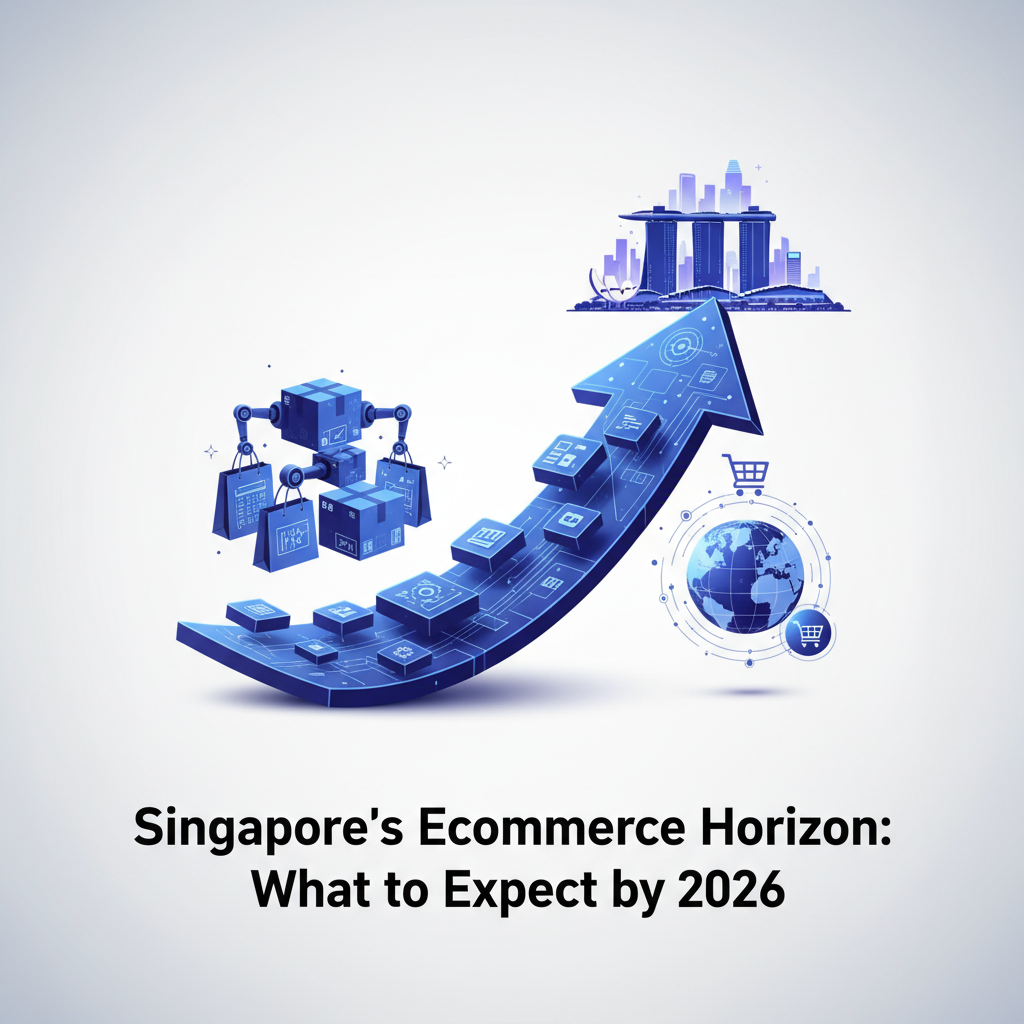
Singapore’s Ecommerce Horizon: What to Expect by 2026
Singapore’s dynamic economy and high digital penetration have positioned it as a vibrant hub for e-commerce in Southeast Asia. As we look towards 2026, the digital commerce landscape is poised for significant evolution, driven by shifting consumer behavior, technological advancements, and a robust supporting ecosystem. This forward-looking analysis provides a comprehensive market demand trend report of Ecommerce field in singapore, offering businesses critical insights into emerging patterns and strategic recommendations for navigating this lucrative yet competitive arena.
1. Market Size & Growth Projections for 2024-2026
Singapore’s e-commerce market has demonstrated remarkable resilience and growth, even through global economic shifts. Projections indicate a sustained upward trajectory, with experts forecasting a Compound Annual Growth Rate (CAGR) that positions the city-state as a leader in per-capita online spending. By 2026, the total Gross Merchandise Value (GMV) of online retail is expected to reach new heights, spurred by a diverse product range and enhanced consumer trust in digital transactions. This sustained expansion underscores the imperative for businesses to understand the evolving market demand trend report of Ecommerce field in singapore to strategically allocate resources and capture market share. Key drivers include the rise of Gen Z as significant spenders, demanding seamless mobile commerce experiences and authentic brand engagement, alongside a broader acceptance of cross-border ecommerce facilitated by excellent logistics infrastructure. For specific insights into the regional digital economy growth, you can refer to authoritative sources like the e-Conomy SEA report, which consistently highlights Singapore’s pivotal role in Southeast Asian digital commerce.
2. Investment Opportunities and Untapped Niches
Beyond general growth, Singapore’s e-commerce horizon presents distinct investment opportunities and several untapped niches. While electronics and fashion remain strong categories, significant potential lies in sustainable products, personalized services, and niche categories catering to specific lifestyle choices. The demand for eco-friendly alternatives, health & wellness products, and subscription models for convenience items is rapidly expanding. Furthermore, the integration of artificial intelligence (AI) in e-commerce for hyper-personalization, predictive analytics, and enhanced customer service offers a competitive edge. Social commerce continues to gain traction, blending entertainment with shopping, particularly among younger demographics. Businesses that can leverage advanced payment solutions, including e-wallets and Buy Now, Pay Later (BNPL) options, will find themselves at an advantage. There’s also a growing appetite for unique, curated experiences, making platforms that offer discovery and community building highly attractive. Identifying these specific elements within the market demand trend report of Ecommerce field in singapore is crucial for investors and entrepreneurs seeking high-return ventures.
3. Strategic Recommendations for Sustainable Growth
To thrive in Singapore’s evolving e-commerce landscape, businesses must adopt a multi-faceted strategy focused on agility, customer-centricity, and innovation. Firstly, investing in robust logistics infrastructure and last-mile delivery solutions is paramount to meet consumer expectations for speed and convenience. Secondly, embracing data analytics to understand consumer behavior and preferences will enable tailored marketing campaigns and product offerings. Personalization, driven by AI and machine learning, is no longer a luxury but a necessity. Thirdly, fostering trust through transparent practices, secure payment solutions, and excellent customer service remains foundational. Furthermore, exploring omnichannel strategies that seamlessly integrate online and offline experiences will cater to diverse shopping preferences. Businesses should also consider cross-border expansion, leveraging Singapore’s reputation as a trusted gateway to the wider Southeast Asian market. Finally, adapting to new technologies such as augmented reality (AR) for virtual try-ons and exploring the metaverse for immersive shopping experiences could unlock significant long-term growth. Staying informed on the latest market demand trend report of Ecommerce field in singapore is essential for any enterprise aiming for sustainable success in this dynamic environment.
Partner with Shelby Global
You are looking for reliable HR Sevice Suppliers? Contact Shelby Global Now! To connect with verified talents and upgrade your orginization.
—————————————
References
– Statista report projects continued double-digit growth for Singapore’s e-commerce market: https://www.statista.com/outlook/dmo/ecommerce/singapore
– digital landscape and economic growth: https://www.imda.gov.sg/programme-listing/digital-economy-blueprint
– e-Conomy SEA 2023 Report | Bain & Company: https://www.bain.com/insights/e-conomy-sea-2023-report/
– :
– e-Conomy SEA report: https://www.bain.com/insights/e-conomy-sea-2023/



































































































