
Current Landscape of Medicine Risk in Malaysia
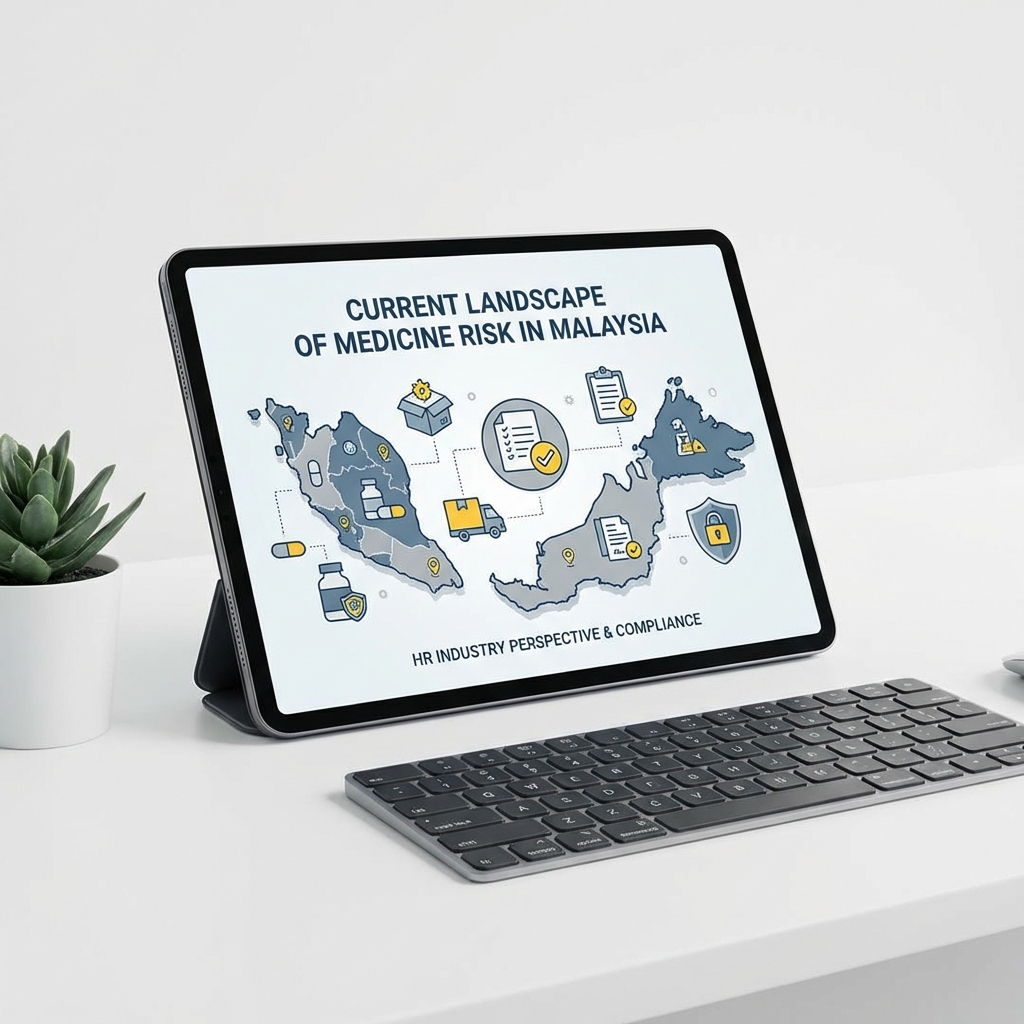
Malaysia’s pharmaceutical sector, while rapidly growing, faces a complex array of challenges and risk factors that significantly impact public health and industry integrity. This overview delves into the existing landscape of medicine risk, setting the stage for understanding future trends and the critical need for robust mitigation strategies. Analyzing these risks is crucial for stakeholders seeking to ensure patient safety and maintain trust in the healthcare system, especially when considering the trend report of the risk of medicine field in malaysia.
1. Prevalence of Counterfeit Drugs
The infiltration of counterfeit drugs remains a pervasive and dangerous threat within Malaysia’s pharmaceutical supply chain. These illicit products, often indistinguishable from genuine medicines, pose severe health risks to patients, ranging from lack of efficacy to direct toxicity. Beyond the immediate health implications, the prevalence of fake medicines erodes public trust in healthcare providers, pharmacists, and regulatory bodies. Economically, it leads to significant losses for legitimate pharmaceutical companies and diverts resources that could otherwise be invested in research and development. Addressing this challenge requires multifaceted approaches, including enhanced border control, public awareness campaigns, and robust post-market surveillance. The opaque nature of their distribution networks makes detection and seizure particularly challenging, highlighting the need for continuous vigilance and international cooperation. For a broader understanding of this global challenge, refer to the WHO report on substandard and falsified medical products.
2. Adverse Drug Reaction Reporting Gaps
Adverse Drug Reactions (ADRs) are unintended and harmful responses to a medicine, and their proper reporting is a cornerstone of pharmacovigilance. In Malaysia, despite efforts by the National Pharmaceutical Regulatory Agency (NPRA) to promote reporting, significant gaps persist. Under-reporting of ADRs is a major concern, often attributed to a lack of awareness among healthcare professionals and patients, busy clinical environments, and the absence of a streamlined, user-friendly reporting system. This deficiency in data collection hampers the ability of regulatory authorities to promptly identify new safety concerns, assess the true incidence of ADRs, and implement timely risk management measures. Without comprehensive data, medicines with serious side effects might remain on the market longer than necessary, or appropriate labeling changes might be delayed, putting more patients at risk. Improving the culture of reporting through education, simplifying the reporting process, and leveraging technology are crucial steps to strengthen medicine safety in the country.
3. Existing Regulatory Framework & Enforcement
Malaysia’s pharmaceutical sector is primarily governed by the Ministry of Health, with the National Pharmaceutical Regulatory Agency (NPRA) serving as the key authority responsible for ensuring the quality, safety, and efficacy of medicines. The existing regulatory framework, underpinned by acts such as the Sale of Drugs Act 1952 and the Control of Drugs and Cosmetics Regulations 1984, provides a comprehensive legal basis for drug registration, licensing, manufacturing practices, and post-market surveillance. While robust on paper, enforcement remains a critical area for improvement. Challenges include limited resources for surveillance and inspection, particularly in remote areas, and the increasing sophistication of illicit drug manufacturers and distributors. Cross-border trafficking of unapproved or counterfeit medicines also complicates enforcement efforts, requiring strong regional and international collaboration. The effectiveness of the framework is directly tied to consistent and stringent enforcement, without which even the best regulations can be undermined. Strengthening enforcement capabilities, investing in advanced detection technologies, and fostering greater collaboration among government agencies and industry stakeholders are vital to mitigating risks within the Malaysian medicine landscape. Understanding these dynamics is essential for any trend report on the risk of medicine field in Malaysia.
Emerging Threats & Challenges by 2026
Malaysia’s medicine field stands at a pivotal juncture, navigating a complex landscape of rapid technological advancement, evolving global dynamics, and an increasingly interconnected world. As we look towards 2026, a trend report of the risk of medicine field in Malaysia reveals a growing array of emerging threats and challenges that demand proactive strategies and robust preparedness. These risks, ranging from sophisticated cyber threats to intricate supply chain vulnerabilities and the double-edged sword of digital health, necessitate a comprehensive understanding and concerted effort from policymakers, healthcare providers, and industry stakeholders to safeguard public health and maintain the integrity of the nation’s medical ecosystem. Ignoring these nascent challenges could severely undermine the progress made and expose the healthcare system to unprecedented pressures.
1. Cybersecurity Risks in Healthcare Data
The rapid digitalization of healthcare in Malaysia, spurred by the need for efficiency and improved patient care, has inadvertently broadened the attack surface for cyber threats. By 2026, healthcare institutions, including hospitals, clinics, and pharmaceutical companies, will likely face an escalating barrage of sophisticated cyber-attacks. Patient medical records, containing highly sensitive personal, financial, and health information, are prime targets for cybercriminals seeking to exploit data for identity theft, fraud, or ransomware demands. Beyond data breaches, these attacks can cripple critical infrastructure, disrupt essential medical services, and even compromise patient safety through interference with medical devices or incorrect data entries. The global rise in healthcare-targeted cybercrime underscores this threat. For instance, the World Health Organization (WHO) has highlighted the urgent need for enhanced cybersecurity in health systems globally, noting the dramatic increase in cyberattacks during the pandemic. [WHO: Cybersecurity in Health]. Malaysian healthcare providers must invest significantly in advanced threat detection, data encryption, regular security audits, and comprehensive staff training to build resilient digital defenses against these evolving and persistent threats.
2. Supply Chain Vulnerabilities Post-Pandemic
The COVID-19 pandemic served as a stark reminder of the fragility of global supply chains, exposing critical weaknesses that continue to reverberate through the Malaysian medicine field. By 2026, these vulnerabilities are expected to persist and potentially worsen due to increasing geopolitical tensions, climate change impacts on production regions, and trade protectionist policies. Malaysia, being significantly reliant on imported Active Pharmaceutical Ingredients (APIs), finished pharmaceutical products, and medical devices, is particularly susceptible to disruptions. Such disruptions can lead to severe drug shortages, price escalations, and delays in accessing essential medical equipment, directly impacting patient care and public health initiatives. The intricate web of international logistics, manufacturing dependencies, and regulatory hurdles creates a complex risk environment. To mitigate these risks, Malaysia must prioritize strategies such as diversifying its sourcing base, fostering local pharmaceutical manufacturing capabilities, incentivizing domestic API production, and establishing strategic national stockpiles for critical medicines and medical supplies. Enhanced regional cooperation and real-time supply chain monitoring systems will also be crucial for building a more resilient and responsive medical supply chain.
3. Impact of Digital Health & Telemedicine
The accelerated adoption of digital health solutions and telemedicine platforms during the pandemic has revolutionized healthcare delivery in Malaysia, offering unprecedented convenience and accessibility. However, this rapid expansion also introduces a new set of emerging risks and challenges by 2026. While telemedicine bridges geographical gaps and improves healthcare access, it raises significant concerns regarding data privacy and the security of health information transmitted over digital channels, reiterating the points made in the cybersecurity section. Furthermore, the regulatory framework for digital health is still evolving, struggling to keep pace with rapid technological advancements, especially concerning cross-border telemedicine services and the validation of digital health applications. There’s also the challenge of the "digital divide," where segments of the population lack access to reliable internet or necessary devices, exacerbating health inequalities. Issues of diagnostic accuracy without physical examination, potential for miscommunication, and the fragmentation of care across various digital platforms also need careful consideration. Ensuring equitable access, robust data governance, stringent quality control for digital health tools, and continuous professional development for healthcare practitioners in digital competencies will be vital to harness the benefits of digital health while effectively managing its inherent risks.
Regulatory Shifts and Compliance Outlook
The pharmaceutical landscape in Malaysia is poised for significant transformation, with anticipated regulatory shifts set to redefine pharmaceutical risk management practices by 2026. These changes are primarily driven by a global emphasis on patient safety, data integrity, and increased transparency across the drug lifecycle. For stakeholders, understanding and proactively adapting to these evolving mandates will be crucial for sustained compliance and operational excellence. This section delves into the expected updates, offering a forward-looking perspective on what to anticipate in the trend report of the risk of medicine field in malaysia, particularly concerning drug safety, pharmacovigilance, and the adoption of international benchmarks in the Malaysia drug safety regulations framework.
1. Updated Drug Safety Regulations Malaysia
Malaysia is expected to introduce more stringent and comprehensive drug safety regulations, moving beyond current frameworks to address emerging challenges in pharmaceutical safety. These updates will likely focus on several key areas. Firstly, product registration and post-market surveillance processes are anticipated to be enhanced, requiring Marketing Authorisation Holders (MAHs) to submit more robust safety data and conduct more rigorous monitoring throughout a product’s lifecycle. Secondly, there could be revised guidelines for labeling and package inserts, mandating clearer, more accessible information on potential side effects, contraindications, and appropriate usage, thereby empowering both healthcare professionals and patients. Thirdly, clinical trial oversight might see increased scrutiny, ensuring ethical conduct, data accuracy, and patient protection from the initial stages of drug development. These measures collectively aim to reinforce patient trust and elevate the overall standard of drug safety within the nation, aligning Malaysia’s practices with global best practices and ensuring that pharmaceutical risk management in Malaysia remains at the forefront of patient protection.
2. Enhanced Pharmacovigilance Requirements
The role of pharmacovigilance (PV) is set to expand significantly, with new requirements designed to strengthen the detection, assessment, understanding, and prevention of adverse effects or any other drug-related problems. Stakeholders should prepare for heightened expectations regarding adverse drug reaction (ADR) reporting, including faster submission timelines and more detailed data submissions to Malaysia’s National Pharmaceutical Regulatory Agency (NPRA). There will likely be an increased emphasis on active pharmacovigilance, requiring MAHs to implement proactive strategies for identifying and evaluating safety signals, rather than solely relying on spontaneous reporting. This could involve mandates for targeted safety studies, patient registries, and more sophisticated data mining techniques. Furthermore, the role of local Qualified Persons for Pharmacovigilance (QPPVs) will be crucial, with enhanced training and qualification requirements to ensure they are adequately equipped to manage complex PV systems. These changes underscore a commitment to proactive risk management and continuous improvement in pharmacovigilance compliance Malaysia.
3. Adoption of International Standards and Best Practices
Malaysia’s regulatory framework is increasingly converging with international standards and best practices, particularly those established by organizations like the International Council for Harmonisation of Technical Requirements for Pharmaceuticals for Human Use (ICH) and the World Health Organization (WHO). By 2026, it is anticipated that more ICH guidelines will be formally adopted or integrated into national legislation, streamlining the drug development and approval process for companies operating both domestically and internationally. This alignment will not only facilitate global market access for Malaysian pharmaceutical products but also ensure that drugs available in Malaysia meet internationally recognized benchmarks for quality, safety, and efficacy. Areas of focus will likely include Good Clinical Practice (GCP), Good Manufacturing Practice (GMP), and Good Pharmacovigilance Practice (GVP). For the pharmaceutical industry outlook Malaysia, this harmonization will necessitate investments in training, quality management systems, and technological upgrades to ensure compliance with these elevated standards, ultimately bolstering Malaysia’s reputation as a reliable and high-standard hub for pharmaceutical operations.
In conclusion, the impending regulatory shifts by 2026 signify a pivotal moment for pharmaceutical risk management in Malaysia. These changes, encompassing updated drug safety regulations, enhanced pharmacovigilance requirements, and the adoption of international standards, are designed to fortify patient safety and streamline regulatory processes. Proactive engagement with these evolving mandates, coupled with strategic investments in compliance infrastructure, will be critical for all stakeholders navigating this dynamic environment and contributing positively to the trend report of the risk of medicine field in malaysia.
Technological Advancements in Risk Mitigation
The pharmaceutical landscape is continually evolving, bringing forth innovative treatments alongside inherent risks. Ensuring drug safety is paramount, particularly in rapidly developing regions like Malaysia. This section explores how cutting-edge technology is being leveraged, or could be leveraged, to monitor and significantly reduce medicine-related risks, thereby improving overall drug safety. As stakeholders keenly observe the trend report of the risk of medicine field in Malaysia, it becomes increasingly clear that proactive technological integration is not merely an option but a necessity. From enhancing pharmacovigilance to securing intricate supply chains, digital innovations offer powerful solutions to complex challenges.
1. Big Data Analytics for Drug Safety Monitoring
The sheer volume of health-related data generated daily presents both a challenge and an immense opportunity for drug safety. Big Data analytics involves processing and interpreting vast datasets from various sources, including electronic health records (EHRs), insurance claims, social media, wearables, and spontaneous adverse event reporting systems. By applying advanced statistical methods and machine learning algorithms, healthcare systems can detect subtle patterns, identify potential adverse drug reactions (ADRs) earlier, and understand drug efficacy in diverse patient populations. This robust approach facilitates significant pharmacovigilance enhancement, moving from reactive reporting to proactive signal detection. For instance, analyzing millions of patient records can reveal rare side effects that might not surface during clinical trials, or identify drug interactions posing a greater risk to specific demographics. The US Food and Drug Administration (FDA), through initiatives like its Sentinel System, already leverages vast amounts of real-world data to monitor the safety of medical products post-market, showcasing this immense potential. This systematic analysis aids regulatory bodies and pharmaceutical companies in making informed decisions, leading to safer medications and better patient outcomes. The ability to aggregate and analyze data at such a scale redefines drug safety understanding.
2. Blockchain for Supply Chain Integrity
Counterfeit drugs and diversions pose significant threats to patient safety and erode public trust in the pharmaceutical industry. Blockchain technology offers an immutable, transparent, and decentralized ledger system that can revolutionize drug supply chain security. Each transaction, from the manufacturing plant to the pharmacy shelf, can be recorded as a block in the chain, creating an unalterable history of the product. This robust traceability ensures the authenticity of medicines by allowing every stakeholder – manufacturers, distributors, pharmacists, and even patients – to verify the origin and journey of a drug. Smart contracts, self-executing agreements with terms directly written into code, can further automate and enforce compliance, triggering actions only when specified conditions are met. For instance, a smart contract could ensure that a temperature-sensitive vaccine is only dispensed if its storage conditions have been consistently maintained. In regions where supply chain vulnerabilities are pronounced, blockchain provides an unprecedented level of integrity and transparency, reducing risks associated with falsified medicines and unauthorized diversions. This fosters greater accountability across the entire supply chain, ultimately safeguarding patients.
3. AI-Powered Predictive Risk Assessment Tools
Artificial Intelligence (AI), particularly machine learning and deep learning algorithms, is transforming drug safety from a reactive process into a proactive one. AI-powered tools can analyze complex datasets to predict potential risks even before they manifest clinically. These tools excel at identifying subtle correlations and risk factors that might be overlooked by traditional statistical methods. For example, AI can analyze patient demographics, genetic predispositions, co-morbidities, and polypharmacy data to predict individuals at higher risk of experiencing adverse drug events (ADEs). This capability for adverse drug event prediction allows healthcare providers to personalize treatment plans, adjust dosages, or select alternative medications to minimize risks. Beyond patient-specific predictions, AI can also accelerate drug discovery and development by identifying potential toxicity issues early in the research phase, reducing costly failures and bringing safer drugs to market faster. Natural Language Processing (NLP), a subset of AI, can efficiently parse unstructured data from clinical notes, scientific literature, and patient feedback to extract valuable insights into drug safety profiles. As AI models become more sophisticated and integrate with real-time data streams, their capacity to anticipate and mitigate medicine-related risks will continue to expand, offering an indispensable layer of protection in modern healthcare.
The Future of Medicine Safety & Preparedness
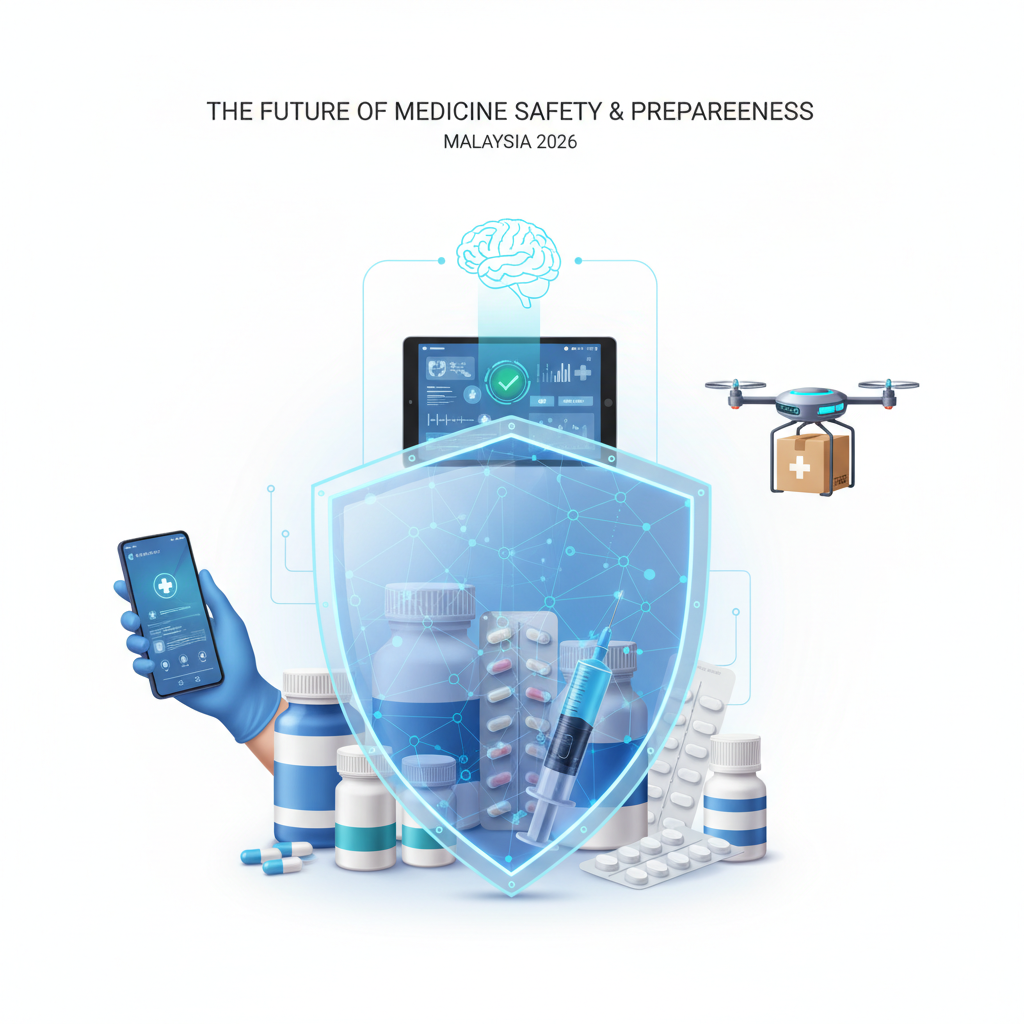
The landscape of medicine safety in Malaysia is evolving rapidly, driven by technological advancements, global health challenges, and an increasing focus on patient-centric care. A forward-looking perspective reveals a proactive shift, moving beyond reactive measures to embrace comprehensive strategies and foster robust stakeholder collaboration. Addressing the complex challenges requires an integrated approach that leverages innovation, strengthens partnerships, and empowers individuals. As highlighted in various analyses and particularly relevant to understanding the trend report of the risk of medicine field in Malaysia, future preparedness hinges on adapting to emerging risks and optimizing every facet of the healthcare ecosystem. This involves enhancing pharmaceutical supply chain resilience, updating digital health regulations in Malaysia, and promoting pharmacovigilance innovation to safeguard public health effectively.
1. Strengthening Public-Private Partnerships
One of the cornerstones of future medicine safety in Malaysia will be the enhancement of public-private partnerships. Collaboration between government bodies, pharmaceutical manufacturers, healthcare providers, academic institutions, and technology firms is crucial for creating a robust and responsive framework. These partnerships can facilitate accelerated research and development of new drugs, optimize supply chain logistics, and improve the efficiency of regulatory processes. By pooling resources and expertise, Malaysia can better address issues such as drug counterfeit detection, adverse drug reaction monitoring, and the safe introduction of novel therapies. Shared data platforms and joint task forces can enable more agile responses to health crises and foster a culture of shared responsibility. For instance, collaborative efforts can lead to the implementation of advanced track-and-trace systems, ensuring the authenticity and integrity of medicines from production to patient. This integrated approach not only strengthens the regulatory environment but also promotes innovation, ensuring that the Malaysian public has access to safe, effective, and quality medications. A global perspective on patient safety, emphasizing the collaborative efforts to reduce medication-related harm, further underscores this point, as highlighted by initiatives like the WHO Global Patient Safety Challenge: Medication Without Harm, which advocates for coordinated action across all stakeholders to enhance medicine safety worldwide.
2. Patient Education and Empowerment Initiatives
Empowering patients through comprehensive education is another critical pillar in elevating medicine safety standards. An informed patient is an active participant in their own healthcare journey, capable of making better decisions and identifying potential issues. Future initiatives will focus on developing accessible, easy-to-understand educational resources about medication use, potential side effects, and the importance of adherence. Digital platforms, mobile applications, and community outreach programs will play a vital role in disseminating this information widely. Furthermore, patients will be encouraged to ask questions, verify medication details, and report adverse drug reactions without fear. This shift towards patient empowerment also involves enhancing health literacy, particularly concerning new and complex medications. By providing patients with the knowledge and tools to manage their health proactively, Malaysia can significantly reduce medication errors and improve treatment outcomes. This also includes educating the public about the importance of consulting healthcare professionals before self-medicating and understanding the implications of drug interactions. Such initiatives align with the broader goal of fostering a culture of safety where patients are not just recipients of care but active collaborators in their well-being. The insights gleaned from the trend report of the risk of medicine field in Malaysia often underscore the need for greater public awareness to mitigate risks associated with medication misuse and non-adherence, making patient education an indispensable component of future strategies.
3. Building Resilient and Responsive Healthcare Systems
To prepare for future challenges, Malaysia’s healthcare system must prioritize resilience and responsiveness. This involves leveraging cutting-edge technologies like artificial intelligence (AI) and big data analytics for enhanced pharmacovigilance and predictive risk assessment. AI can identify patterns in adverse drug reactions more rapidly, predict supply chain disruptions, and optimize drug distribution. Furthermore, strengthening the pharmaceutical supply chain resilience through diversification of sourcing, strategic stockpiling, and real-time inventory management systems will be paramount to prevent shortages and ensure continuous access to essential medicines. The development of adaptive regulatory frameworks that can quickly respond to emerging health threats and scientific breakthroughs is also vital. This includes streamlining processes for emergency use authorizations and integrating continuous quality improvement mechanisms into drug manufacturing and distribution. Continuous training and professional development for healthcare professionals in advanced pharmacovigilance techniques and digital health tools will ensure the workforce is equipped to handle future complexities. By fostering a culture of continuous learning and technological adoption, Malaysia can build a healthcare system that is not only robust against unforeseen disruptions but also highly adaptable and capable of delivering safe and effective medical care for its population. The strategic application of digital health regulations in Malaysia will play a crucial role in enabling these advancements, ensuring data privacy and security while harnessing the power of digital tools for public health benefit.
In conclusion, the future of medicine safety and preparedness in Malaysia is predicated on a holistic and forward-thinking approach. By aggressively strengthening public-private partnerships, championing patient education and empowerment, and diligently building resilient and responsive healthcare systems, Malaysia can proactively mitigate risks in the medicine field. These concerted efforts will not only safeguard public health but also establish Malaysia as a leader in innovative and secure medical practices, ultimately fostering a healthier and more prepared nation.
Partner with Shelby Global
You are looking for reliable HR Sevice Suppliers? Contact Shelby Global Now! To connect with verified talents and upgrade your orginization.
—————————————
References
– WHO report on substandard and falsified medical products: https://www.who.int/news-room/fact-sheets/detail/substandard-and-falsified-medical-products
– WHO: Cybersecurity in Health: https://www.who.int/news-room/feature-stories/detail/cybersecurity-in-health
– Malaysia’s National Pharmaceutical Regulatory Agency (NPRA): https://www.npra.gov.my/
– FDA’s Sentinel Initiative: Leveraging Real-World Data for Drug Safety Surveillance: https://www.fda.gov/drugs/regulatory-science-research-topics-drugs/sentinel-initiative
– WHO Global Patient Safety Challenge: Medication Without Harm: https://www.who.int/initiatives/medication-without-harm



































































































