
Introduction to Singapore’s F&B Risk Landscape
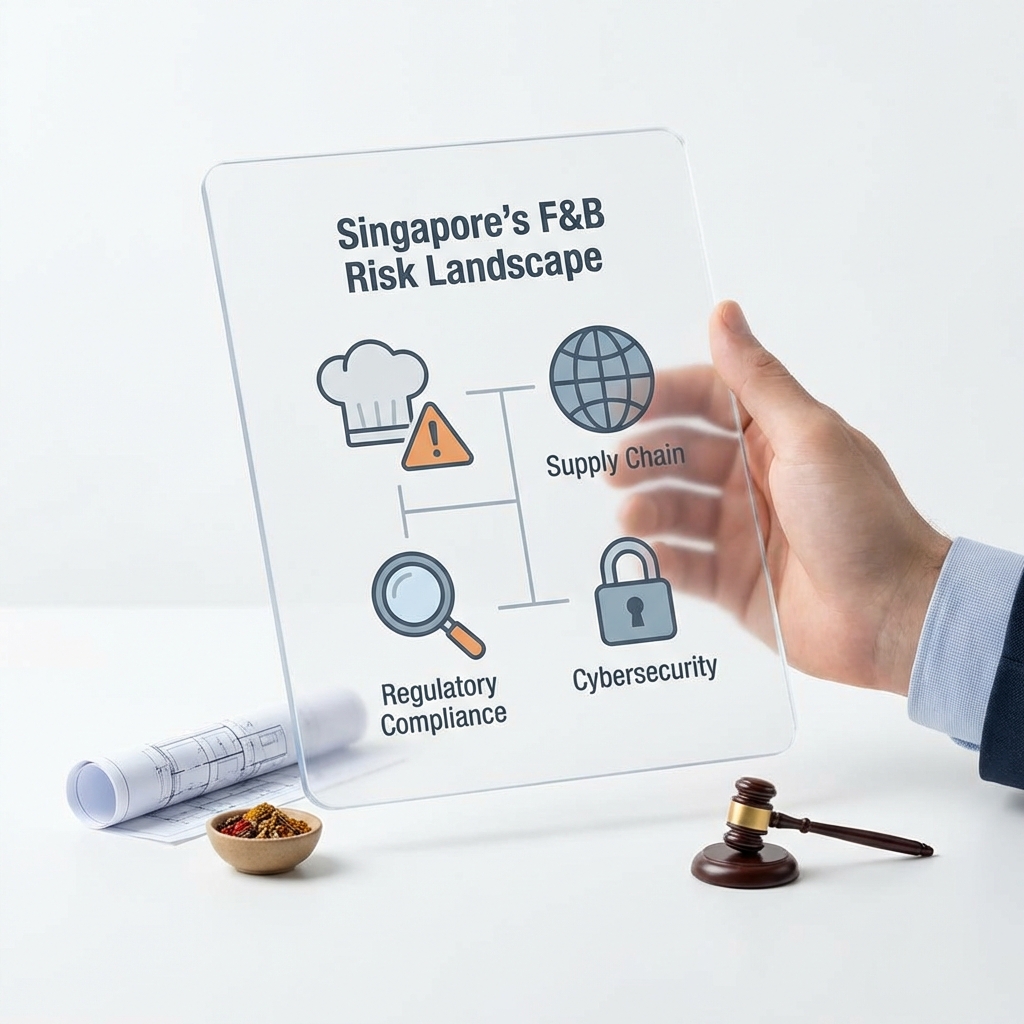
Singapore’s Food & Beverage (F&B) sector is a vibrant tapestry, celebrated globally for its diverse culinary offerings and innovative dining experiences. From hawker centers to Michelin-starred restaurants, this industry is a cornerstone of the nation’s economy and cultural identity. However, beneath the bustling facade of culinary innovation and robust consumer demand lies a complex and evolving landscape fraught with inherent risks. As technology advances, consumer preferences shift, and global economic dynamics fluctuate, F&B businesses in Singapore face an increasingly intricate array of challenges. This necessitates a profound understanding and proactive management of potential pitfalls. This trend report of the risk of Food & Beverage field in Singapore aims to dissect these complexities, providing invaluable insights into the vulnerabilities and opportunities that define this critical sector. Comprehensive risk assessment is no longer a luxury but a strategic imperative for sustainability and growth in this rapidly evolving market.
1. Singapore’s Dynamic F&B Market: Opportunities and Vulnerabilities
Singapore’s F&B market thrives as a global hub, attracting significant tourist inflows and boasting a discerning local populace with high disposable income. Opportunities abound, fueled by an appetite for novelty, convenience, and quality dining. The rise of food delivery platforms, sustainable dining trends, and innovative food technologies presents avenues for growth. Government initiatives, such as grants for digitalization, further support the sector. However, this vibrant ecosystem is not without its vulnerabilities. High operating costs—soaring commercial rents and increasing labor expenses—exert immense pressure on profit margins. The market is intensely competitive, with new entrants constantly challenging established players, leading to price wars and the need for continuous innovation. Supply chain disruptions, exacerbated by global events and climate change, pose significant threats to ingredient sourcing. Furthermore, evolving consumer preferences towards healthier, sustainable food, alongside stringent food safety regulations and persistent labor shortages, all contribute to a challenging operating environment. Understanding these intricate dynamics is crucial for any business navigating the F&B landscape.
2. Why Proactive Risk Assessment is Crucial for F&B Businesses
In an industry as fast-paced and susceptible to external shocks as F&B, a reactive approach can prove catastrophic. Financial stability, brand reputation, and business continuity hinge on anticipating and mitigating risks before they escalate. Proactive risk assessment goes beyond compliance; it’s a strategic framework empowering businesses to identify vulnerabilities across operations—from supply chain integrity and food safety protocols to financial management and digital security. Neglecting comprehensive risk assessment can lead to severe consequences: significant financial losses from operational disruptions or product recalls, legal liabilities from food safety breaches, and irreparable damage to brand image and consumer trust. In an era where social media amplifies public sentiment, a single incident can quickly erode years of goodwill. Moreover, ensuring regulatory compliance with agencies like the Singapore Food Agency (SFA) is paramount, requiring constant vigilance. By systematically evaluating threats, F&B businesses can develop robust mitigation strategies, allocate resources effectively, and build resilience. This foresight not only safeguards assets but also creates a stable foundation for innovation and market expansion, making informed decisions critical for long-term success in Singapore’s competitive culinary scene. For businesses looking to enhance their operational resilience, understanding comprehensive business risks is vital. More insights can be found at Enterprise Singapore’s Food Services page.
3. Overview of This Trend Report’s Scope and Methodology
This trend report of the risk of Food & Beverage field in Singapore is meticulously designed to offer a holistic and forward-looking analysis of the prevailing risk landscape. Our comprehensive scope encompasses critical risk categories: operational (labor, equipment), financial (costs, downturns), reputational (incidents, reviews), supply chain (sourcing, delivery), regulatory (compliance), technological (data security, digital transformation), and environmental (climate impacts). The report’s methodology is robust and data-driven, combining extensive market research, expert interviews, industry report analysis, and proprietary data insights. We delve into current trends, identify emerging threats, and forecast potential future challenges, aiming to provide actionable recommendations for F&B stakeholders—operators, investors, policymakers, and service providers. The ultimate goal is to equip businesses with the knowledge and tools necessary to navigate the complexities of the Singaporean F&B market, transforming potential threats into managed risks and ensuring sustainable growth. For a deeper dive into the specific risks covered and our analytical approach, explore the trend report of the risk of Food & Beverage field in singapore.
Emerging Food Safety & Hygiene Challenges
The global food landscape is undergoing unprecedented transformation, presenting the Food & Beverage (F&B) sector with a dynamic array of emerging safety and hygiene challenges. For Singapore, a nation highly reliant on food imports, understanding and mitigating these risks is paramount to national food security and public health. This section delves into critical new and evolving threats, offering insights crucial for any the trend report of the risk of Food & Beverage field in singapore, including advanced contamination risks, complex allergen management, and the profound impact of climate change on food sourcing and safety protocols. Staying ahead of these trends requires not just vigilance, but also proactive adaptation of strategies and technologies to safeguard consumer well-being and maintain trust in the food supply chain.
1. Advanced Contamination Risks and Enhanced Surveillance Needs
The nature of food contamination is evolving, moving beyond traditional microbial threats to encompass a new generation of complex risks. Microplastics, for instance, are increasingly found throughout the food chain, from seafood to packaged goods, posing unknown long-term health implications. The emergence of novel pathogens, some exhibiting enhanced resistance to antimicrobials, demands sophisticated detection methods and rapid response capabilities. Furthermore, complex chemical residues from advanced agricultural practices, new processing aids, and environmental pollutants present ongoing challenges. Singapore’s dependence on diverse global food sources means these advanced contamination risks can originate from anywhere, necessitating robust import controls and advanced analytical techniques.
Enhanced surveillance is no longer just about routine testing; it requires a predictive and preventative approach. This includes leveraging AI and big data analytics to identify potential risk hotspots in global supply chains, employing genomic sequencing for rapid pathogen identification and source tracing, and developing non-invasive, real-time monitoring solutions. Investment in cutting-edge laboratory infrastructure and collaboration with international food safety bodies are essential to detect, assess, and manage these intricate threats effectively, ensuring the safety of food consumed by Singaporeans.
2. Navigating Complex Allergen Management and Consumer Awareness
Food allergies and intolerances are on the rise globally, transforming the landscape of food safety beyond hygiene. For F&B businesses, navigating complex allergen management has become a critical operational and public health imperative. The challenges are multi-faceted: preventing cross-contamination in kitchens and production facilities that handle multiple allergens, accurately labeling products with diverse and sometimes obscure ingredients, and managing new allergens introduced through novel foods or globalized supply chains. Mislabeling or inadequate allergen controls can lead to severe allergic reactions, reputational damage, and significant legal liabilities.
Effective allergen management demands meticulous ingredient sourcing, segregated processing lines where feasible, rigorous cleaning protocols, and comprehensive staff training. Beyond operational controls, consumer awareness plays a vital role. Clear, unambiguous labeling — including advisory statements for potential cross-contamination — empowers consumers to make safe food choices. As an integral part of the trend report of the risk of Food & Beverage field in singapore, understanding the increasing prevalence of allergies and the need for transparent communication is crucial for businesses aiming to build trust and ensure inclusive food safety practices.
3. Climate Change’s Impact on Food Sourcing and Safety Protocols
Climate change is arguably one of the most significant overarching threats to global food security and safety, profoundly impacting food sourcing and demanding adaptive safety protocols. Rising temperatures and altered precipitation patterns affect agricultural yields, increase the incidence of pests and diseases, and expand the geographical range of certain foodborne pathogens. For example, warmer sea temperatures can lead to higher concentrations of marine toxins in shellfish or increased prevalence of *Vibrio* species in seafood.
Extreme weather events, such as floods and droughts, disrupt supply chains, leading to food shortages, price volatility, and potential compromises in food preservation during transport and storage. Singapore, with its reliance on food imports, is particularly vulnerable to these disruptions. The need for diversified sourcing strategies, investment in climate-resilient agriculture (both local and through international partnerships), and the development of robust, adaptive food safety protocols are paramount. Food safety management systems must evolve to account for new hazards arising from environmental shifts, ensuring the safety of food from farm to fork, even in a changing climate. The Food and Agriculture Organization (FAO) highlights these critical connections, underscoring the urgent need for integrated strategies to address Climate Change and Food Safety: Current and Emerging Issues globally.
Supply Chain Volatility & Resilience Strategies
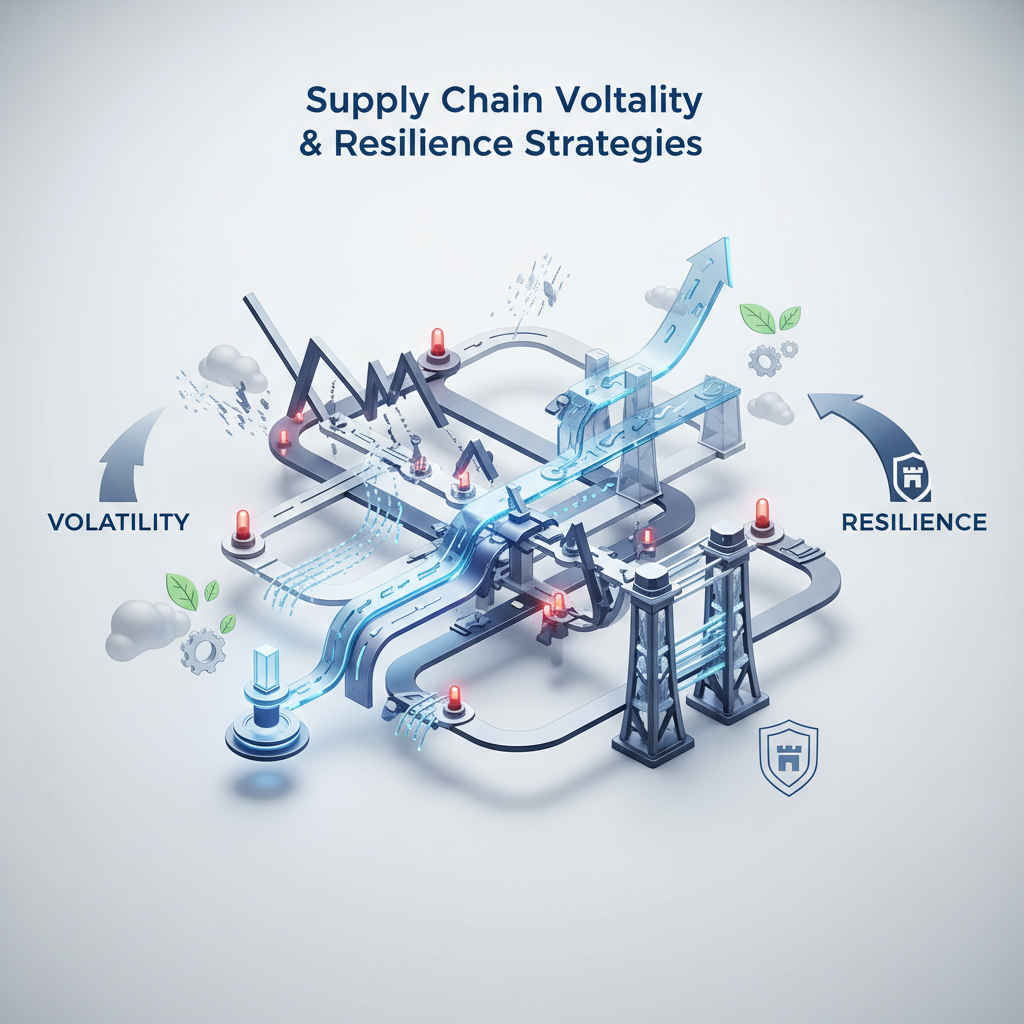
The global Food & Beverage (F&B) sector is grappling with unprecedented levels of disruption, profoundly impacting food-importing nations like Singapore. This section examines the inherent vulnerabilities within the global F&B supply chain, with a specific focus on their repercussions for Singapore’s food security and economic stability. We delve into significant external pressures, including geopolitical shifts and the escalating frequency of natural disasters, to understand their profound effects on trade flows and food availability. Ultimately, this analysis culminates in the exploration of crucial, forward-looking strategies designed to build long-term resilience and ensure a stable, diversified food supply for Singapore, addressing the critical insights found in the trend report of the risk of Food & Beverage field in Singapore. Understanding these dynamics is paramount for enhancing food supply chain resilience Singapore and safeguarding against future shocks.
-
Geopolitical Factors and Their Impact on Trade Disruptions
Geopolitical tensions represent a significant and growing threat to the stability of the global F&B supply chain. Conflicts, such as the war in Ukraine, have direct consequences on the supply of staple commodities like wheat and edible oils, leading to price surges and export restrictions. Beyond direct conflict, trade wars, protectionist policies, and even diplomatic disagreements can disrupt established trade routes and agreements. For a nation like Singapore, which imports over 90% of its food, these disruptions translate into heightened food insecurity and increased operational costs for businesses. Shipping routes can become contested or more expensive, insurance premiums rise, and the availability of specific food items can become unpredictable. The shifting geopolitical landscape necessitates constant vigilance and strategic foresight to mitigate risks to Singapore’s food security, highlighting the interconnectedness of global politics and local plate availability and contributing to the overall geopolitical impact food security challenges.
-
Climate-Induced Supply Chain Shocks and Their Local Effects
The escalating climate crisis is another primary driver of supply chain volatility. Extreme weather events — including prolonged droughts, devastating floods, unprecedented heatwaves, and more intense storms — are increasingly impacting agricultural productivity in key food-exporting regions. These phenomena directly affect crop yields, livestock health, and aquaculture, leading to significant reductions in global food supply. For instance, droughts in major grain-producing countries can drastically cut harvests, while floods can destroy crops and infrastructure alike. Beyond agricultural output, climate change also disrupts logistics. Ports can be inundated, roads made impassable, and shipping schedules delayed, adding further strain to the F&B supply chain. Singapore, a low-lying island nation, is not immune to these effects. While direct impacts on local food production might be limited due to its high reliance on imports, the indirect consequences are severe: higher import prices, reduced availability of certain goods, and increased pressure on existing reserves. Building food supply chain resilience Singapore requires anticipating and adapting to these climate-induced shocks.
-
Developing Robust Strategies for Supply Chain Resilience and Diversification
In response to these multifaceted threats, Singapore is actively pursuing a comprehensive suite of strategies to enhance its food supply chain resilience. A cornerstone of this approach is radical diversification of import sources, moving beyond traditional suppliers to establish relationships with a broader array of countries across various continents. This reduces over-reliance on any single market, mitigating risks from regional disruptions. Concurrently, Singapore is strategically building up its food reserves, maintaining buffer stocks of essential items to weather short-term supply shocks. The “30 by 30” goal — aiming to produce 30% of Singapore’s nutritional needs locally by 2030 — is a critical initiative. This involves significant investment in agri-tech, vertical farms, and sustainable aquaculture, leveraging technology to maximize output from limited land and sea resources. Moreover, embracing digital solutions like blockchain for enhanced traceability and AI for predictive demand forecasting can optimize logistics and improve transparency across the supply chain. International collaboration and partnerships are also vital, fostering mutual support mechanisms and shared best practices in food security. Investing in resilient infrastructure, both domestically and through partnerships abroad, ensures that food can continue to move efficiently even in challenging circumstances. These proactive measures are essential for Singapore to navigate the complexities of global F&B markets and secure its future food supply, as highlighted in numerous analyses concerning global trade dynamics and supply chain stability.
Evolving Regulatory Landscape & Compliance
The Food & Beverage (F&B) sector in Singapore operates within a dynamic and increasingly complex regulatory environment. As consumer expectations shift towards greater transparency, sustainability, and digital security, authorities are continually updating frameworks to ensure public health, promote ethical practices, and safeguard digital interactions. For businesses looking to thrive, understanding and proactively adapting to these changes is not merely an option but a critical component of risk management, significantly impacting the trend report of the risk of Food & Beverage field in singapore. Staying abreast of evolving mandates—from food safety to data protection—is paramount for operational continuity and long-term success.
-
Updates in Food Regulations, Licensing, and Labelling Standards
Singapore’s commitment to food safety Singapore and quality is consistently reflected in the stringent regulations enforced by the Singapore Food Agency (SFA). Recent updates have focused on enhancing consumer protection and streamlining industry practices. For instance, there have been revisions to food ingredient standards, requiring greater scrutiny over novel foods and additives, and clearer guidelines for manufacturing and handling. Businesses must ensure their operational licenses are current and reflect any changes in their service offerings, such as the expansion into online delivery or cloud kitchen models, which may necessitate different classifications or additional permits.
Labelling standards have also seen significant adjustments. There’s an increased emphasis on accurate and comprehensive allergen declarations, nutritional information, and ingredient lists. Businesses are urged to review their product packaging to comply with these enhanced transparency requirements, especially concerning common allergens like nuts, gluten, and dairy. Furthermore, the push for clearer origin labelling for certain products helps consumers make informed choices and ensures accountability across the supply chain. Non-compliance can lead to hefty fines, product recalls, and significant reputational damage, making robust internal audit processes for F&B regulatory compliance indispensable.
-
Sustainability Reporting and Ethical Sourcing Compliance Mandates
The global imperative for environmental stewardship is profoundly influencing the F&B sector in Singapore, moving sustainability from a voluntary initiative to a potential compliance mandate. While comprehensive mandatory sustainability reporting is still evolving for many F&B SMEs, larger corporations are already facing increasing pressure from stakeholders, investors, and consumers to disclose their environmental, social, and governance (ESG) performance. This includes reporting on carbon footprint, waste management, water usage, and energy consumption. Singapore’s Green Plan 2030 underscores the nation’s commitment to sustainability, signalling future implications for all sectors, including F&B, to align with greener practices.
Ethical sourcing has also moved to the forefront, with consumers increasingly demanding transparency regarding the origin and production methods of their food. This translates into expectations for businesses to ensure their supply chains are free from exploitative labour, deforestation, and unsustainable fishing practices. Compliance can involve certifications for fair trade, organic produce, or sustainably sourced seafood. The SFA, in conjunction with other agencies, continues to promote sustainable food systems, encouraging businesses to adopt practices that reduce food waste and enhance resource efficiency. Staying ahead of these trends is crucial, as public scrutiny and potential regulatory shifts will likely mandate more rigorous ethical sourcing and sustainable food systems reporting in the near future.
-
Data Privacy and Digital Security Risks in F&B Operations
In an increasingly digitalised F&B landscape, where online ordering, loyalty programs, and cashless payments are norms, the collection and handling of customer data have become central to operations. This expansion brings significant risks related to data privacy and digital security. Singapore’s Personal Data Protection Act (PDPA) mandates strict rules for how businesses collect, use, disclose, and protect personal data. F&B businesses must ensure they have robust consent mechanisms, transparent data handling policies, and secure data storage solutions to prevent breaches.
Cybersecurity threats pose a tangible risk to F&B operations. Point-of-Sale (POS) systems, online ordering platforms, and customer databases are attractive targets for cybercriminals seeking financial information or personal data. Ransomware attacks, phishing scams, and malware can disrupt operations, compromise sensitive information, and erode customer trust. Implementing strong encryption, multi-factor authentication, regular security audits, and staff training on data protection best practices are essential countermeasures. The integrity of customer data and the resilience of digital infrastructure are now critical components of operational risk management, significantly influencing the overall the trend report of the risk of Food & Beverage field in singapore and demanding proactive investment in secure digital environments.
Future Outlook & Actionable Risk Mitigation
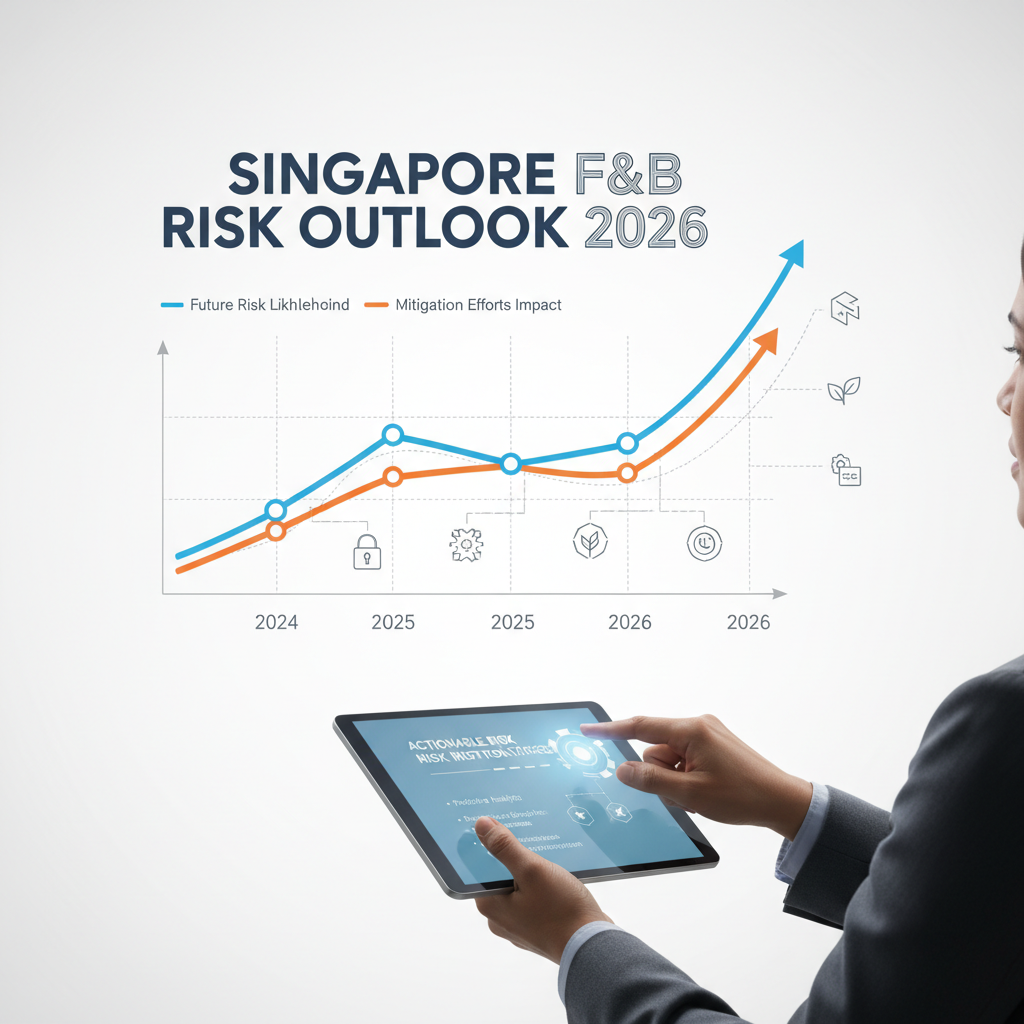
The dynamic landscape of Singapore’s Food & Beverage (F&B) sector demands a forward-looking perspective on potential disruptions and a proactive approach to risk mitigation. As businesses navigate an increasingly complex global environment, understanding anticipated challenges and implementing robust strategies for resilience and business continuity is paramount. This section provides an in-depth the trend report of the risk of Food & Beverage field in singapore, offering actionable insights for F&B businesses to not only survive but thrive amidst future uncertainties.
1. Anticipated Risks and Future Trends Shaping the F&B Sector
Singapore’s F&B industry faces a confluence of evolving risks that necessitate strategic foresight. Global supply chain vulnerabilities remain a top concern, susceptible to geopolitical tensions, trade restrictions, and climate-related disruptions affecting commodity prices and availability. The recent pandemic underscored the fragility of these chains, leading to increased demand for localised sourcing and diversified supplier networks. Furthermore, shifting consumer preferences towards health, sustainability, and plant-based options present both opportunities and risks; businesses failing to adapt risk losing market share. Labor shortages, particularly in a high-cost environment like Singapore, continue to challenge operational efficiency and growth. Climate change impacts, from extreme weather events affecting agricultural yields globally to rising sea levels threatening infrastructure, introduce long-term systemic risks. Businesses must also contend with the escalating costs of energy and raw materials, putting pressure on profit margins. The digital transformation, while offering immense potential, also brings cyber security risks that demand robust protection measures. Embracing these trends and proactively addressing the associated risks is crucial for sustained success in the Singaporean F&B market.
2. Leveraging Technology for Enhanced Risk Management (AI, Blockchain)
Technology offers powerful tools for F&B businesses to bolster their resilience and refine risk management strategies. Artificial Intelligence (AI) can revolutionize operations by enabling predictive analytics for demand forecasting, thereby minimizing food waste and optimizing inventory levels. AI-driven insights can also enhance operational efficiency, from automating kitchen processes to improving customer service, and even predict equipment failures for proactive maintenance. Crucially, AI can analyze vast datasets to identify emerging market trends and potential supply chain disruptions, allowing businesses to adapt swiftly. Blockchain technology, on the other hand, provides unparalleled transparency and traceability within the supply chain. By creating an immutable ledger of transactions, from farm to fork, blockchain can verify the origin and quality of ingredients, detect contamination faster, and prevent food fraud. This enhanced visibility is critical for ensuring food safety, building consumer trust, and navigating complex regulatory landscapes. For Singapore’s F&B sector, adopting such technologies is not merely an option but a strategic imperative for navigating future challenges and establishing a competitive edge. The Economic Development Board of Singapore highlights the nation’s efforts in fostering a vibrant agri-food tech ecosystem, underscoring the government’s commitment to leveraging technology for industry advancement. More on Singapore’s Agri-Food Tech Innovation Hub demonstrates how such initiatives are vital for building a resilient F&B future.
3. Best Practices for Business Continuity Planning and Crisis Response
Effective Business Continuity Planning (BCP) and a robust crisis response framework are indispensable for F&B businesses in Singapore. A comprehensive BCP begins with a thorough risk assessment, identifying potential disruptions (e.g., pandemics, supply chain failures, cyberattacks) and their likely impact. This should lead to the development of detailed strategies to mitigate these risks, including diversifying suppliers, establishing alternative production sites, and securing critical resources. Regular testing and updating of the BCP are essential to ensure its effectiveness and relevance in a constantly changing environment. Key components also include developing clear communication plans for internal and external stakeholders, ensuring employees are trained for various scenarios, and having redundant systems for critical operations. In the event of a crisis, rapid action and transparent communication are paramount. This involves activating the crisis management team, assessing the situation swiftly, implementing pre-defined response protocols, and communicating clearly and consistently with customers, staff, suppliers, and regulatory bodies. Proactive engagement with regulatory authorities, such as the Singapore Food Agency (SFA), can also facilitate a smoother response. Businesses that prioritize a strong BCP and crisis response strategy demonstrate resilience, protect their brand reputation, and ensure continuity even in the face of unforeseen adversities, safeguarding their long-term viability in Singapore’s competitive F&B sector.
Partner with Shelby Global
You are looking for reliable HR Sevice Suppliers? Contact Shelby Global Now! To connect with verified talents and upgrade your orginization.
—————————————
References
– Enterprise Singapore’s Food Services page: https://www.enterprisesg.gov.sg/industries/food-services
– Climate Change and Food Safety: Current and Emerging Issues by FAO: https://www.fao.org/documents/card/en/c/CB1958EN/
– WTO Report on Supply Chains and COVID-19: https://www.wto.org/english/tratop_e/covid19_e/supply_chains_e.htm
– :
– Singapore’s Agri-Food Tech Innovation Hub: https://www.edb.gov.sg/en/our-industries/agri-food.html



































































































