Understanding the Unique HR Landscape for Malaysian Medical SMEs
Explore the specific challenges and regulatory environment that shape HR practices for small to medium-sized medical enterprises in Malaysia.
Malaysian medical SMEs operate within a dynamic environment, grappling with both the intricacies of the healthcare sector and the general challenges faced by small and medium-sized enterprises. For a CEO in the medicine field in Malaysia, navigating the human resources landscape is critical for sustainable growth and delivering quality patient care. Unlike larger healthcare corporations with dedicated HR departments, SMEs often find their HR functions managed by the CEO or administrative staff, leading to a unique set of complexities. Establishing robust HR structures for SMEs the CEO in medicine field in malaysia is not just about compliance, but about strategic talent management, retention, and fostering a productive workplace culture.

1. Malaysian Labour Laws and Medical Industry Compliance
Malaysia’s employment laws are designed to protect employee rights while fostering a conducive business environment. For medical SMEs, compliance extends beyond the general Employment Act 1955, which covers fundamental aspects like working hours, wages, leave, and termination. The healthcare sector introduces additional layers of regulation. The Private Healthcare Facilities and Services Act 1998 (PHFSA) and its regulations impose strict requirements on staffing levels, qualifications, and facility standards, directly impacting HR planning and recruitment. Furthermore, the Medical Act 1971 governs the registration and practice of medical practitioners, ensuring all clinicians meet professional standards. Occupational Safety and Health Act 1994 (OSHA) is particularly pertinent in a medical setting, necessitating stringent protocols for handling biohazards, managing patient safety, and ensuring employee well-being in a high-risk environment.
For a small medical clinic or diagnostic lab, understanding these intricate legal frameworks can be overwhelming. Non-compliance, even unintentional, can lead to severe penalties, including fines, operational disruptions, and reputational damage. SMEs often lack the in-house legal expertise or dedicated HR professionals to meticulously interpret and implement these regulations. Therefore, establishing clear HR policies, employee handbooks, and regular training on legal updates becomes paramount. Proactive compliance not only mitigates risks but also builds a foundation of trust and professionalism, which is crucial in a patient-centric industry.
2. Talent Acquisition Challenges in Healthcare SMEs
Recruiting skilled healthcare professionals is a significant hurdle for Malaysian medical SMEs. They face stiff competition from larger private hospitals and public sector institutions that often offer more attractive salary packages, comprehensive benefits, and clearer career progression paths. Medical SMEs, with their typically leaner budgets, struggle to match these offers. The demand for qualified doctors, nurses, allied health professionals, and specialized technicians consistently outstrips supply, leading to a war for talent.
Beyond salary, other factors contribute to recruitment difficulties. Many healthcare professionals prefer the perceived stability and structured environment of larger organizations, or the specialized training opportunities these institutions can provide. SMEs might find it challenging to attract individuals seeking advanced research facilities or a wide variety of clinical cases. Furthermore, the niche requirements of some medical SMEs – perhaps a specific type of laboratory analysis or a highly specialized clinic – means the talent pool is even smaller. Effective talent acquisition strategies for these SMEs must therefore focus on differentiating themselves, perhaps through flexible working arrangements, a strong company culture, opportunities for direct impact, or unique professional development prospects that resonate with potential candidates looking for a more personalized career journey.
3. Balancing Growth with HR Infrastructure
As a medical SME grows, its HR needs become more complex, yet resources often remain constrained. Initially, HR functions might be ad-hoc, handled directly by the CEO or a senior administrator. However, as the team expands, this informal approach becomes unsustainable. Issues like performance management, employee relations, training and development, payroll administration, and benefits management require structured processes. The challenge lies in building a scalable HR infrastructure without diverting excessive resources from core medical operations.
Many CEOs in the medical field recognize the long-term value of investing in HR, but face immediate budget limitations. This often leads to a reactive approach rather than a proactive one. Developing clear job descriptions, establishing performance appraisal systems, and implementing fair disciplinary procedures are crucial for maintaining efficiency and compliance. Leveraging technology, such as HR information systems (HRIS) designed for SMEs, can automate routine tasks and provide valuable data insights, even with limited budgets. Ultimately, the successful balancing act involves strategic planning for HR structures for SMEs the CEO in medicine field in malaysia to support expansion. This includes defining roles, delegating responsibilities, and, where feasible, considering outsourcing certain HR functions to specialized consultants. By systematically addressing HR infrastructure needs, SMEs can ensure their growth is supported by a stable and engaged workforce, capable of delivering high-quality healthcare services consistently.
Foundational HR Structures for Lean Medical Operations
For the CEO navigating the dynamic healthcare landscape in Malaysia, establishing robust yet lean HR structures for SMEs in the medicine field is paramount. Without extensive resources, medical small and medium-sized enterprises (SMEs) must strategically implement cost-effective HR models that support operational efficiency, ensure compliance, and foster a productive work environment. This section delves into practical approaches to build essential HR functions, focusing on sustainable and scalable solutions tailored for the unique demands of healthcare.
1. Centralized vs. Decentralized HR Models for SMEs
Choosing the right HR model is foundational for any medical SME. A centralized HR model typically means all HR functions – from recruitment and payroll to employee relations and compliance – are managed by a single individual or a small team within the clinic or hospital. This model offers several advantages for lean medical clinics: it ensures consistency in policy application, simplifies communication channels, and can be highly cost-effective as it often requires fewer dedicated HR personnel. For many medical SMEs in Malaysia, especially those with a single location or a limited number of staff, a centralized approach ensures that HR best practices for medical SMEs are uniformly applied and easily monitored. It promotes better control over sensitive employee data and allows for a clearer chain of command.
Conversely, a decentralized HR model distributes HR responsibilities across different departments or locations. While less common for typical medical SMEs due to the additional overhead, it might be considered by larger multi-branch clinics or specialized medical groups where each branch operates with significant autonomy. In such cases, local HR representatives can offer more tailored support and quicker responses to specific departmental needs. However, the potential for inconsistency in policy application and higher administrative costs often makes this model less suitable for achieving lean HR for medical clinics without substantial resources.
2. Leveraging HR Software and Digital Tools
In today’s digital age, leveraging technology is no longer a luxury but a necessity for building efficient HR structures for SMEs the CEO in medicine field in Malaysia. Investing in accessible and user-friendly HR software and digital tools can dramatically streamline operations and reduce administrative burden. Cloud-based Human Resources Information Systems (HRIS) or simpler HR management platforms are invaluable for automating routine tasks such as payroll processing, leave management, attendance tracking, and employee record-keeping. These digital HR tools for healthcare can significantly improve accuracy, save time, and ensure HR compliance in medical practices, freeing up valuable staff time to focus on patient care.
For medical SMEs, selecting software that offers modular features allows for scalability – you can start with essential functions like employee data management and payroll, and later integrate more complex modules for performance reviews or training, as your organization grows. Many modern platforms offer intuitive interfaces that require minimal training, making them ideal for small teams without dedicated IT support. The initial investment in digital tools is often quickly recouped through increased efficiency, reduced errors, and enhanced data security, providing cost-effective HR solutions in Malaysia that are sustainable long-term.
3. Outsourcing HR Functions: Pros and Cons
When internal resources are stretched thin, or specialized expertise is required, outsourcing HR functions can be a highly strategic move for medical SMEs. This involves contracting third-party providers to manage specific HR tasks or even entire HR departments. Common outsourced functions include payroll administration, benefits management, recruitment, and legal compliance. The primary advantage is access to expert knowledge without the overhead of a full-time senior HR professional. This can be particularly beneficial for navigating complex labor laws and ensuring HR compliance in medical practices, especially in an evolving regulatory environment like Malaysia’s.
Outsourcing HR healthcare in Malaysia can lead to significant cost savings by converting fixed HR costs into variable ones, as you only pay for the services you need. It also allows medical CEOs to focus on their core medical operations and strategic growth, rather than getting bogged down in administrative tasks. Professional Employer Organizations (PEOs) or HR consulting firms can provide comprehensive support, including managing employee handbooks, onboarding, and even conflict resolution. However, there are also cons to consider. Outsourcing can sometimes lead to a perceived loss of control over HR processes and may result in a less personalized employee experience. Data security and confidentiality are also critical concerns when sharing sensitive employee information with external parties. Therefore, it’s crucial to choose a reputable outsourcing partner with a strong track record and robust data protection policies. According to the Society for Human Resource Management (SHRM), effective outsourcing requires clear delineation of responsibilities and a strong partnership with the vendor to ensure alignment with organizational goals.
In conclusion, building foundational HR structures for lean medical operations in Malaysia requires a thoughtful blend of internal efficiency, technological adoption, and strategic external partnerships. By carefully evaluating centralized versus decentralized models, embracing digital tools, and intelligently leveraging outsourcing, medical SMEs can cultivate a compliant, productive, and cost-effective workforce that supports high-quality patient care.
The CEO’s Role in Shaping HR Strategy & Culture
The role of a Chief Executive Officer (CEO) extends far beyond financial oversight and operational management, especially within the dynamic and critical healthcare sector. In medical organizations, particularly when considering the complex HR structures for SMEs the CEO in medicine field in malaysia, the CEO is the ultimate architect of not just business strategy but also the HR vision and foundational workplace culture. A CEO’s active involvement in shaping HR strategy is paramount for fostering a thriving, productive, and compassionate environment, directly impacting patient care, staff well-being, and organizational sustainability. This section delves into how medical CEOs can proactively drive their human resources agenda, ensuring strategic alignment, cultivating a positive culture, and ultimately cementing their organization’s long-term success.

1.
Defining HR Vision and Values from the Top
The journey to a robust HR strategy begins with the CEO’s articulation of a clear HR vision, directly linked to the organization’s overarching mission and values. For HR structures for SMEs the CEO in medicine field in malaysia, this means translating the commitment to patient care and medical excellence into tangible HR principles. The CEO must champion the core values – integrity, empathy, innovation, teamwork – and ensure they are deeply embedded in every HR policy, from recruitment and onboarding to performance evaluations and employee recognition. By defining these foundational elements, the CEO sets the ethical and professional tone, guiding all HR initiatives and empowering HR departments, even in smaller medical enterprises, to build systems that reflect these priorities. This top-down commitment ensures that HR is not merely an administrative function but a strategic partner, actively contributing to the organization’s identity and its ability to attract and retain top medical talent.
2.
Building a Performance-Driven Culture
A CEO committed to excellence will inevitably foster a performance-driven culture, one where accountability, continuous learning, and professional growth are celebrated. In the medical field, high performance is non-negotiable, directly correlating with patient outcomes and safety. The CEO’s role involves instituting clear performance metrics, promoting transparent feedback mechanisms, and investing in continuous professional development for all medical and administrative staff. This doesn’t imply a punitive environment; rather, it’s about creating a culture where individuals are empowered to excel, learn from mistakes, and are given the tools and support to do so. For HR structures for SMEs the CEO in medicine field in malaysia, this translates into designing effective performance management systems, encouraging leadership development, and ensuring that strategic HR planning aligns with operational goals. Such a culture, championed by the CEO, motivates staff to consistently deliver high-quality care and contribute to the institution’s reputation.
3.
Employee Engagement and Retention Strategies for Medical Staff
Retaining skilled medical professionals is a significant challenge globally, and particularly in competitive markets like Malaysia. The CEO is pivotal in designing and advocating for comprehensive employee engagement and retention strategies. Beyond competitive salaries, medical staff value a supportive work environment, opportunities for career progression, and a strong sense of purpose. CEOs must champion initiatives focused on employee well-being, mental health support, flexible work arrangements where feasible, and robust mentorship programs. Recognizing and rewarding contributions, fostering open communication channels, and creating pathways for specialist training are also crucial. By making employee satisfaction and professional development a strategic priority, the CEO directly reduces turnover, enhances team morale, and ensures the continuous delivery of high-quality patient care. Research indicates that a CEO’s strong leadership is a key factor in staff retention and engagement within healthcare. This holistic approach to HR, driven from the very top, ensures that HR structures for SMEs the CEO in medicine field in malaysia are geared towards creating a workplace where medical staff feel valued, supported, and motivated to stay and grow.
The CEO’s influence on HR strategy and organizational culture is profound and far-reaching, especially within the intricate world of healthcare. From defining the core values that underpin all people practices to actively fostering a culture of performance and diligently implementing strategies for staff engagement and retention, the CEO is the linchpin. For medical SMEs in Malaysia, understanding and leveraging this executive influence on HR structures for SMEs the CEO in medicine field in malaysia is not merely an advantage; it is a fundamental requirement for sustainable growth, exceptional patient care, and the cultivation of a truly positive and productive workplace. A CEO who prioritizes strategic HR transforms human resources from a back-office function into a powerful engine for organizational success.
Scaling HR as Your Medical SME Grows
As a medical Subject Matter Expert (SME) expands its operations, the initial lean approach to human resources often becomes insufficient. What starts as basic compliance and administrative tasks — payroll processing, leave management, and recruitment for immediate needs — must evolve into a sophisticated, strategic function. For HR structures for SMEs the CEO in medicine field in Malaysia, this transition is not merely about adding more staff but fundamentally redefining HR’s role to drive growth, foster a healthy work environment, and ensure long-term sustainability. The journey from a reactive administrative HR function to a proactive strategic partner is critical for any medical SME looking to scale successfully in the competitive Malaysian healthcare landscape. Effectively managing your human capital transitions from a necessity to a core competitive advantage, addressing everything from staffing specialist roles to navigating complex local labor laws and fostering a culture of excellence.
1. Transitioning from Administrative to Strategic HR
The early stages of a medical SME often see HR responsibilities handled by administrative staff or even the CEO directly. This approach, while cost-effective initially, quickly hits limitations as the organization grows. Basic functions like ensuring HR compliance medical SMEs and managing employee records are essential, but true growth demands more. Strategic HR moves beyond transactional duties to become a proactive force. This involves developing sophisticated talent management healthcare Malaysia strategies, including robust recruitment processes for specialized medical roles, performance management systems that align with clinical outcomes, and compensation and benefits packages that attract and retain top medical professionals. It’s about foreseeing future talent needs, analyzing workforce data to inform business decisions, and integrating HR initiatives with overall business strategy. This shift ensures that HR is not just supporting operations but actively contributing to the SME’s strategic objectives and long-term success, adapting to the unique demands of the medical sector.
2. Developing Robust Training & Development Programs
In the rapidly evolving medical field, continuous learning is non-negotiable. For a growing medical SME, developing robust training and development programs is paramount for maintaining high standards of care, ensuring regulatory compliance, and fostering professional growth. These programs go beyond mandatory certifications to include specialized medical training, soft skills development (e.g., patient communication, empathy), and technological proficiency with new medical equipment or digital health platforms. Effective programs should also address leadership development healthcare, preparing current and future leaders within the organization for expanded roles. Investing in employee growth enhances staff capabilities, improves service quality, and significantly boosts employee retention healthcare Malaysia. Such investments signal to employees that the organization values their career progression, fostering loyalty and reducing turnover, which is particularly crucial in a sector facing talent shortages. A well-structured medical HR strategy Malaysia will prioritize these development initiatives, linking them directly to organizational goals and individual career paths.
3. Succession Planning and Leadership Development
As a medical SME expands, identifying and nurturing future leaders becomes a strategic imperative. Succession planning isn’t just for C-suite roles; it extends to key medical personnel, department heads, and even senior nurses or technicians whose expertise is vital for continuity of care and operational efficiency. Leadership development healthcare programs are crucial here, designed to identify high-potential employees and provide them with the necessary skills, experience, and mentorship to step into more challenging roles. This proactive approach mitigates risks associated with the departure of key personnel, ensures a pipeline of skilled leaders, and fosters a culture of internal growth and upward mobility. For small businesses, effective succession planning is vital for long-term stability and growth. It’s about building resilience into the organization’s structure, allowing it to navigate changes and continue its growth trajectory seamlessly. Workforce planning medical clinics must consider future leadership needs, ensuring that critical positions can always be filled by capable internal candidates, thereby securing the future of the medical practice.
Future-Proofing HR for Medical SMEs in Malaysia
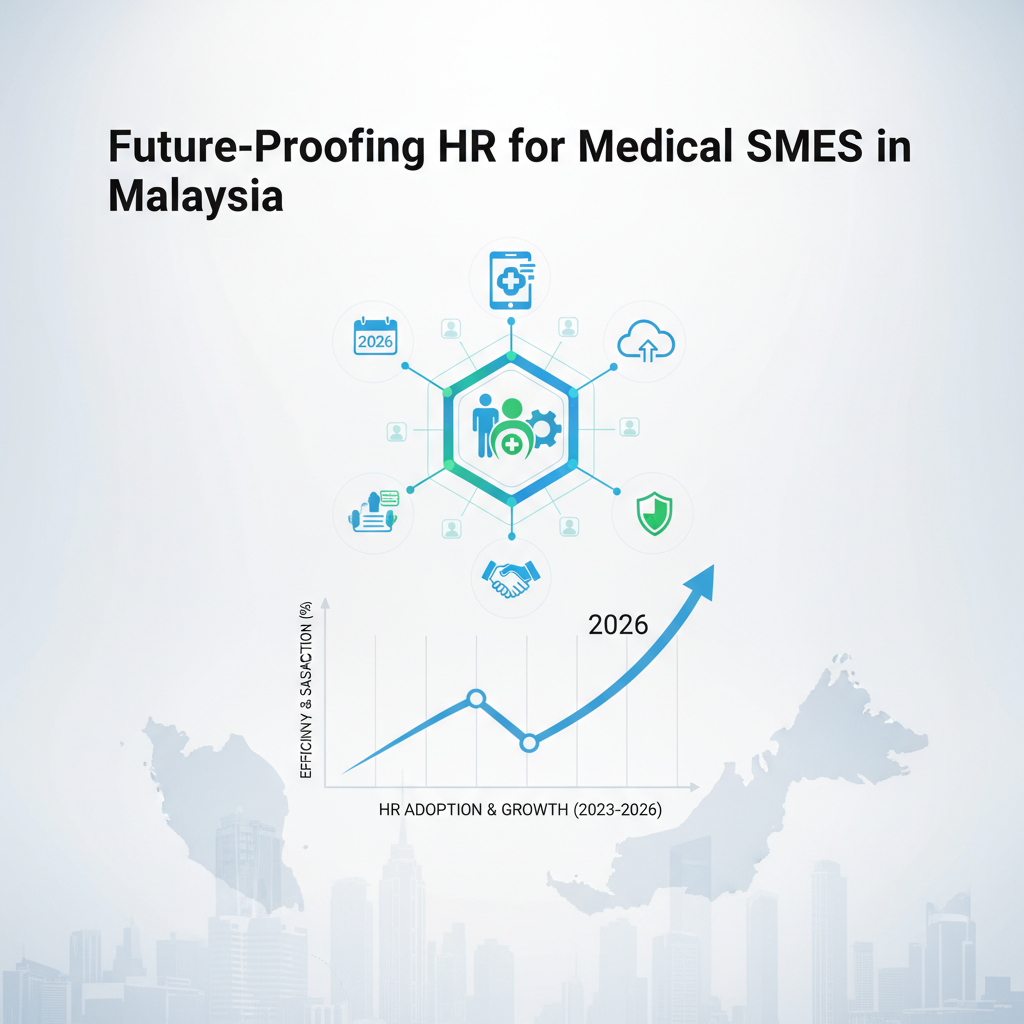
The healthcare landscape in Malaysia is undergoing rapid transformation, driven by technological advancements, evolving workforce expectations, and dynamic regulatory shifts. For Medical Small and Medium-sized Enterprises (SMEs), which form the backbone of the nation’s healthcare delivery, adapting their human resources strategies is not merely an option but a critical imperative for sustained growth and competitiveness. Proactive and robust HR structures for SMEs the CEO in medicine field in Malaysia are essential to navigate these changes up to and beyond 2026, ensuring that these organisations are not just surviving, but thriving in an increasingly complex environment. This forward-looking approach encompasses embracing digital tools, understanding demographic shifts, and staying abreast of policy changes.
1. Embracing AI and Automation in HR Processes
The advent of artificial intelligence (AI) and automation is poised to revolutionise HR functions within medical SMEs. Historically reliant on manual, time-consuming processes, HR departments can leverage AI to streamline operations, enhance efficiency, and improve employee experiences. For instance, AI-powered tools can automate recruitment by screening resumes, scheduling interviews, and conducting initial candidate assessments, significantly reducing time-to-hire. Automated onboarding platforms can ensure compliance with regulatory requirements, deliver essential training, and integrate new hires seamlessly into the organisation. Performance management systems can utilise AI to track employee progress, identify skill gaps, and suggest personalised development plans, transforming a reactive function into a proactive one.
This embrace of medical HR tech allows HR professionals in medical SMEs to shift their focus from administrative tasks to strategic initiatives, such as talent development, employee engagement, and culture building. While the initial investment for digital HR transformation might seem daunting for smaller entities, the long-term benefits of increased productivity, reduced operational costs, and improved data-driven decision-making make it an indispensable step towards future-proofing HR structures for SMEs the CEO in medicine field in Malaysia. Organisations like Malaysia Digital Economy Corporation (MDEC) are actively promoting digital transformation initiatives across industries, providing resources and insights that medical SMEs can leverage to embark on their automation journey.
2. Adapting to Changing Workforce Demographics
The Malaysian healthcare workforce is becoming increasingly diverse, characterised by a blend of generations, from seasoned Baby Boomers to tech-native Gen Z. Each demographic brings unique expectations regarding work-life balance, career progression, remuneration, and workplace culture. Medical SMEs must develop adaptable HR structures for SMEs the CEO in medicine field in Malaysia that cater to these varied needs to effectively attract, motivate, and retain talent. This involves offering flexible working arrangements, competitive benefits packages tailored to different life stages, and robust professional development pathways.
Furthermore, the rise of the gig economy means medical SMEs might increasingly rely on contract staff, locum doctors, and part-time specialists. HR strategies must evolve to manage this contingent workforce effectively, ensuring seamless integration, compliance with labour laws, and fostering a sense of belonging. Focusing on talent retention in medical SMEs through continuous learning opportunities, mentorship programs, and fostering an inclusive workplace culture will be paramount. Understanding future healthcare workforce trends and proactively adjusting HR policies will be crucial for maintaining a skilled and motivated team, vital for patient care and operational excellence.
3. Navigating Future Regulatory Changes in Malaysian Healthcare
The regulatory environment for healthcare and employment in Malaysia is subject to continuous evolution. Future changes in labor laws, healthcare policies, and data privacy regulations will significantly impact HR operations in medical SMEs. HR departments must remain vigilant and agile to ensure ongoing compliance and mitigate potential risks. This includes anticipating shifts in minimum wage laws, updates to the Employment Act, and new guidelines from bodies like the Ministry of Health or the Malaysian Medical Council concerning medical practice and professional conduct.
Specifically, the protection of personal data under the Personal Data Protection Act (PDPA) will become even more critical, requiring stringent protocols for handling employee and patient information. HR professionals need to be well-versed in these legal frameworks to safeguard the organisation from penalties and reputational damage. Proactive engagement with legal counsel and participation in industry HR forums can help HR teams stay informed about impending regulatory shifts. Establishing responsive HR compliance Malaysia mechanisms within the existing HR structures for SMEs the CEO in medicine field in Malaysia is not just about avoiding legal pitfalls, but also about building trust and demonstrating ethical leadership in the challenging landscape of Malaysian healthcare regulations.
In conclusion, future-proofing HR for medical SMEs in Malaysia demands a multi-faceted approach. By strategically embracing AI and automation, adapting to the dynamic needs of a diverse workforce, and proactively navigating regulatory changes, medical SMEs can build resilient and agile HR functions. This foresight will not only ensure operational stability and compliance but will also serve as a strategic advantage, empowering these vital healthcare providers to deliver exceptional patient care and achieve sustainable growth in the years to come.
Partner with Shelby Global
You are looking for reliable HR Sevice Suppliers? Contact Shelby Global Now! To connect with verified talents and upgrade your orginization.
—————————————
References
– Employment Act 1955: https://www.ilo.org/dyn/natlex/natlex4.detail?p_lang=en&p_isn=104100
– Outsourcing HR: When It Makes Sense – SHRM: https://www.shrm.org/resourcesandtools/hr-topics/technology/pages/outsourcing-hr-when-it-makes-sense.aspx
– The CEO’s Role In Employee Engagement And Retention: https://www.forbes.com/sites/forbeshumanresourcescouncil/2021/08/17/the-ceos-role-in-employee-engagement-and-retention/
– Developing Succession Plans for Small Business – SHRM: https://www.shrm.org/resources-and-tools/hr-topics/talent-acquisition/developing-succession-plans-for-small-business/
– :