Understanding the Unique HR Needs of Sales-Driven SMEs
Small and Medium-sized Enterprises (SMEs) are the backbone of many economies, including Singapore’s. However, when an SME is intensely sales-driven, particularly with its CEO deeply involved in the sales function, its Human Resources (HR) landscape becomes uniquely complex. Unlike businesses where the CEO focuses solely on strategic oversight, a sales-focused CEO often brings a distinct operational influence to every aspect of the company, especially talent management and organizational culture. This deep immersion, while often critical for early growth and market penetration, creates a specific set of HR challenges and opportunities that demand tailored strategies. Effective HR structures for SMEs with the CEO in the sales field in Singapore must account for this distinctive leadership model to ensure sustainable growth and employee satisfaction.

1. The CEO’s Dual Role: Leadership & Sales Performance
In a sales-driven SME, the CEO often wears multiple hats – not just as the visionary leader and strategic architect, but also as the lead salesperson, rainmaker, and chief deal-closer. This dual role profoundly impacts HR. The CEO’s extensive time spent on client acquisition, relationship building, and sales strategy means less dedicated time for formal HR planning, policy development, and talent management initiatives. While their direct involvement can inspire and motivate the sales team, it can also lead to an HR approach that is informal, reactive, and heavily biased towards sales metrics. Hiring decisions might prioritize immediate sales prowess over long-term cultural fit or diverse skill sets. Compensation and incentive structures are often personally designed by the CEO, sometimes lacking the systematic fairness and scalability that a dedicated HR function would provide. This intense focus, while driving revenue, can inadvertently overlook critical aspects of employee development, performance management beyond sales targets, and succession planning.
2. Impact of Sales Focus on Company Culture and Talent
The pervasive sales focus championed by a CEO deeply embedded in the field inevitably shapes the company culture. Such an environment is often characterized by high energy, strong competition, and a relentless pursuit of targets. While these traits can foster a results-oriented workforce, they can also inadvertently sideline non-sales departments or roles, making them feel less valued. Talent attraction becomes skewed towards individuals with strong sales acumen and resilience, potentially overlooking candidates with critical skills in operations, finance, or HR who may not thrive in such a high-pressure, sales-centric environment. Employee engagement strategies are frequently tied to sales performance, which can be demotivating for staff not directly involved in revenue generation. For a growing SME, particularly in a competitive market like Singapore, attracting and retaining a diverse range of talent is crucial, requiring a more balanced approach to culture that celebrates contributions from all departments, not just sales. Without intentional HR efforts, the company risks creating a monolithic culture that struggles to adapt to evolving market needs or attract the diverse talent required for holistic growth.
3. Common HR Gaps in Early-Stage Sales-Led SMEs
The inherent pressures of scaling a sales-driven business often mean that formal HR structures are not prioritized in early-stage SMEs. Common gaps include the absence of a comprehensive onboarding program beyond sales training, a lack of standardized performance review systems for non-sales roles, and minimal investment in employee learning and development. Policies related to employee grievances, leave management, and disciplinary actions may be ad-hoc or handled on a case-by-case basis by the CEO or a senior manager, leading to inconsistencies. Furthermore, compliance with local labor laws, such as those governed by the Ministry of Manpower in Singapore, can be overlooked without dedicated HR oversight, exposing the company to legal risks. As these SMEs grow, these informal HR practices become unsustainable, leading to increased employee turnover, reduced productivity, and potential legal ramifications. Establishing robust yet flexible HR frameworks early on is crucial to mitigate these risks and support the company’s expansion, ensuring that the human capital strategy evolves alongside the business’s sales success.
Foundational HR Structures for Singaporean SMEs
Delve into essential HR frameworks and compliance considerations vital for any SME operating in Singapore, setting the baseline before tailoring. For a CEO in the sales field in Singapore, understanding and implementing robust HR structures for SMEs isn’t just about compliance; it’s about building a stable foundation that empowers growth and minimizes operational distractions. Efficient HR operations allow leadership to focus on core business strategies, such as market penetration and revenue generation, without getting bogged down by administrative complexities. This section outlines the critical HR frameworks every Singaporean SME must master, ensuring both legal adherence and operational effectiveness.
1. Key Regulatory Compliance: MOM, CPF, and PDPA
Operating an SME in Singapore necessitates a deep understanding of the country’s stringent employment laws and regulations. Three primary bodies dictate the HR landscape: the Ministry of Manpower (MOM), the Central Provident Fund (CPF) Board, and the Personal Data Protection Commission (PDPC). Adhering to their guidelines is non-negotiable for Singapore HR compliance for small businesses.
- Ministry of Manpower (MOM): The MOM sets out core employment standards via the Employment Act, which covers aspects like working hours, public holidays, annual leave, sick leave, and termination procedures. SMEs must ensure all employment contracts comply with these provisions, including clear terms regarding salary, job scope, and benefits. Staying updated with MOM’s Fair Consideration Framework is also crucial, promoting fair employment practices and non-discrimination. For comprehensive details on the Employment Act, refer to the Ministry of Manpower’s official guide.
- Central Provident Fund (CPF): Mandatory for all Singaporean citizens and Permanent Residents, CPF contributions are a critical component of payroll management. Employers and employees must contribute a stipulated percentage of wages to the employee’s Ordinary, Special, and Medisave Accounts. Accurate and timely CPF contributions are vital, as penalties for non-compliance can be substantial. Proper payroll systems must be in place to calculate and submit these contributions monthly.
- Personal Data Protection Act (PDPA): Given the sensitive nature of employee information, SMEs must comply with the PDPA. This act governs the collection, use, and disclosure of personal data. HR departments must implement robust data protection policies, ensuring employee records (e.g., NRIC numbers, bank details, medical information) are handled securely, limiting access, and retaining data only for necessary periods. This extends to recruitment processes, where candidate data must also be protected.
2. Basic HR Functions: Recruitment, Payroll, and Leave Management
Beyond compliance, establishing efficient fundamental HR functions is paramount for an SME’s day-to-day operations. These form the backbone of employee management and contribute significantly to overall productivity and employee satisfaction.
- Recruitment: Effective recruitment is the first step to building a strong team. SMEs need to define clear job roles, advertise strategically, conduct thorough interviews, and offer competitive packages. A streamlined onboarding process ensures new hires integrate smoothly, understand company culture, and become productive quickly. Fair hiring practices, in line with MOM guidelines, are essential to attract diverse talent.
- Payroll: Accurate and timely payroll management is critical. It involves calculating basic salaries, allowances, overtime, statutory deductions (CPF, income tax), and any variable components. Errors can lead to employee dissatisfaction and legal issues. SMEs often benefit from dedicated payroll software or outsourcing services to ensure precision and compliance with payment deadlines and tax regulations.
- Leave Management: Managing various types of leave—annual leave, sick leave, maternity/paternity leave, childcare leave—requires clear policies and meticulous record-keeping. Employees should understand their entitlements, and a transparent system for leave requests and approvals is crucial. This helps prevent conflicts, ensures adequate staffing, and complies with statutory leave provisions. Optimizing these processes is key for HR structures for SMEs the CEO in sale field in singapore, allowing them to focus on revenue generation.
3. Implementing a Digital HR System for Efficiency
For modern SMEs, especially those led by sales-focused CEOs, leveraging technology to streamline HR operations is no longer a luxury but a necessity. Implementing a digital HR system for SMEs, also known as an HR Information System (HRIS), can dramatically enhance efficiency and accuracy.
- Automation of Routine Tasks: A digital HR system automates time-consuming tasks such as payroll processing, leave applications, expense claims, and benefits administration. This frees up valuable HR personnel time, allowing them to focus on more strategic initiatives like talent development and employee engagement.
- Centralized Data Management: An HRIS provides a single, secure repository for all employee data, from personal details and employment history to performance reviews and training records. This centralization improves data accuracy, reduces errors, and facilitates easier reporting and analysis.
- Employee Self-Service (ESS): Most digital HR systems include an ESS portal, enabling employees to access their pay slips, apply for leave, update personal information, and view company policies independently. This empowers employees, reduces administrative queries to HR, and enhances transparency.
- Improved Compliance and Reporting: Digital systems are often updated to reflect the latest regulatory changes, helping SMEs stay compliant with MOM, CPF, and PDPA requirements. They also generate comprehensive reports, aiding in better decision-making and auditing. This focus on digital HR solutions for SME efficiency directly contributes to a more agile and responsive workforce. Discover more about building effective HR foundations for your business by visiting our detailed guide on HR structures for SMEs the CEO in sale field in singapore.
By establishing these foundational HR structures—ensuring regulatory compliance, mastering basic HR functions, and embracing digital solutions—Singaporean SMEs can build a resilient operational core. This strategic approach to HR empowers leadership, particularly sales-driven CEOs, to concentrate on driving business growth with the confidence that their most valuable asset, their people, are managed effectively and compliantly.
Tailoring HR for a Sales-Focused CEO and Team
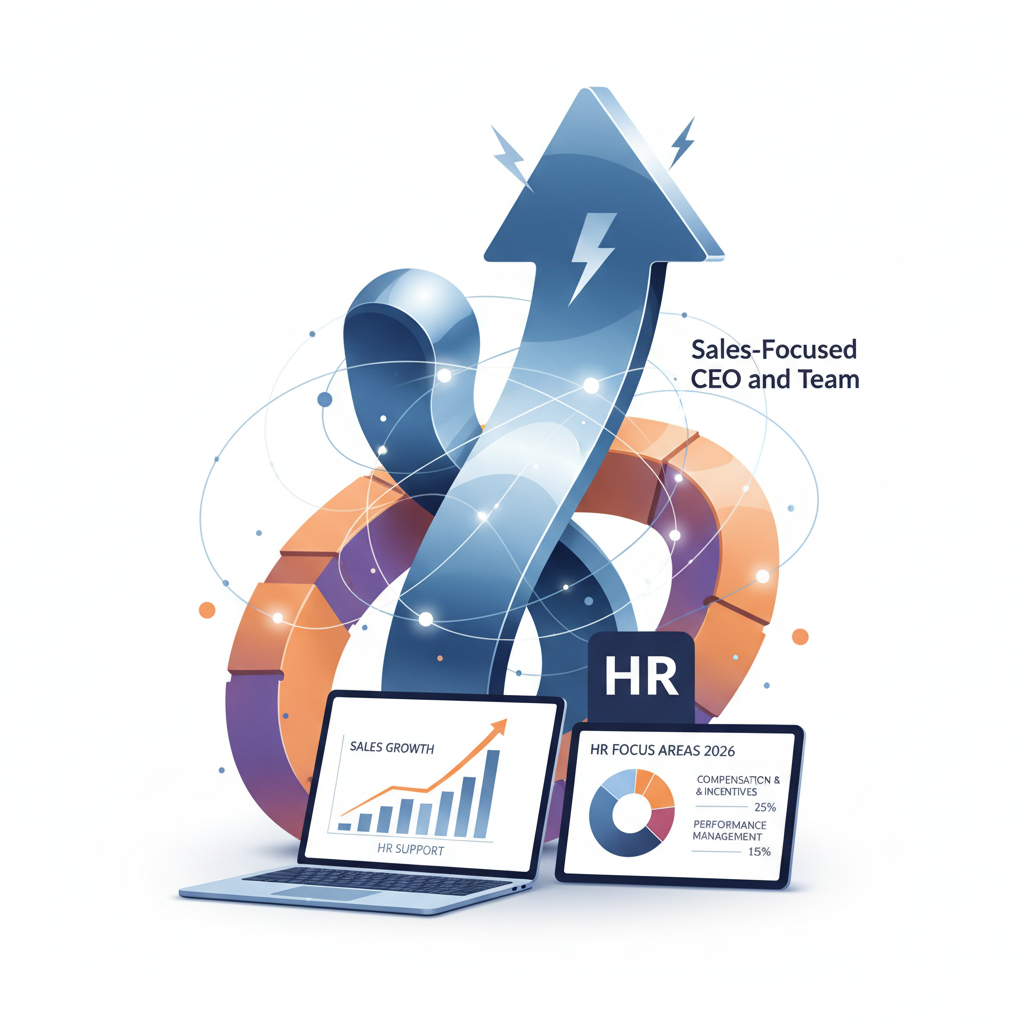
In the dynamic landscape of modern business, particularly within Small and Medium-sized Enterprises (SMEs) in Singapore, it’s increasingly common to find a CEO who is not only a visionary leader but also deeply ingrained in the sales process. For such organizations, standard Human Resources practices often fall short. HR’s role must transform from a purely administrative function into a strategic partner, crafting bespoke HR structures for SMEs the CEO in sale field in Singapore that directly bolster sales objectives and motivate a high-performing sales-oriented workforce. This specialized approach ensures that every HR initiative, from performance reviews to training programs, resonates with the company’s revenue-generating core.
1. Performance Management Aligned with Sales Targets
Traditional, annual performance reviews often lack the agility and direct relevance required for a sales-driven environment. Instead, HR must implement a continuous sales performance management system that is directly tied to measurable sales targets and key performance indicators (KPIs). This involves setting clear, quantifiable goals (e.g., revenue generated, new accounts acquired, conversion rates) and conducting frequent check-ins rather than waiting for a yearly assessment. The CEO, being sales-focused, will naturally appreciate this data-driven approach. HR can facilitate weekly or bi-weekly feedback sessions, coaching conversations, and performance dashboards that provide real-time insights into individual and team progress. This fosters a culture of accountability and continuous improvement, where salespeople understand exactly where they stand and what they need to do to achieve their targets. This approach supports a CEO who values direct impact on the bottom line, turning performance management into a proactive sales enablement tool.
2. Compensation and Incentives for Sales Roles
Motivating a sales team requires more than just a competitive base salary; it demands well-structured incentive programs for sales teams. HR is instrumental in designing and implementing compensation plans that directly reward sales success. This often involves a mix of base salary, commission, and bonuses, with accelerators for exceeding targets. Transparency is key: salespeople need to clearly understand how their efforts translate into earnings. HR should research and adopt best practices in sales compensation to ensure fairness, competitiveness, and motivation. For instance, exploring various models like tiered commission structures or goal-based bonuses can significantly impact drive. Beyond monetary rewards, HR can introduce non-monetary incentives such as recognition programs, leadership boards, and professional development opportunities. An authoritative resource like HubSpot’s guide to sales compensation plans provides valuable insights into crafting effective reward systems that keep sales professionals engaged and highly productive, crucial for any CEO in the sales field in Singapore.
3. Talent Development and Training for Sales Excellence
In a sales-focused organization, HR’s role in talent development shifts from generic skill-building to specialized training for sales excellence. This means continuous learning is paramount, covering not just product knowledge and sales techniques, but also advanced negotiation skills, customer relationship management (CRM) system proficiency, and understanding market trends. HR should partner with sales leadership to identify skill gaps and develop targeted training programs. This could include workshops, online courses, and mentorship opportunities where seasoned sales professionals guide newer team members. For an SME with a sales-driven CEO in Singapore, developing robust HR structures for SMEs the CEO in sale field in Singapore that foster a pipeline of skilled sales talent is critical. Furthermore, HR plays a vital role in establishing clear career paths within the sales function, offering growth opportunities into management or specialized sales roles. By investing in their development, HR ensures the sales team remains competitive, adapts to evolving customer needs, and consistently meets ambitious sales goals, directly contributing to the company’s growth and the CEO’s strategic vision.
Navigating Growth: Scaling HR as the SME Expands
For a CEO in Singapore, particularly one deeply embedded in the sales field, relentless growth is paramount. However, beneath impressive sales figures lies a critical, often overlooked challenge: scaling HR to support, not stifle, expansion. As a Small and Medium-sized Enterprise (SME) blossoms, its people management needs rapidly evolve, moving beyond informal processes to robust HR structures. Failure to proactively address these demands can lead to legal complications, disengagement, and a slowdown in sales momentum. This section explores strategies for evolving HR structures as your SME grows, ensuring HR keeps pace with business expansion, supporting sustainable growth without hindering your market leadership.
1. When to Hire a Dedicated HR Professional (or Outsource)
Initially, the CEO, operations manager, or even the sales leader juggles HR tasks. While this lean approach works for a handful of employees, a turning point inevitably arrives. Key indicators your SME needs dedicated HR expertise include:
- Employee Count: Reaching 20-30 employees often signifies where informal HR becomes unsustainable.
- Increased Complexity: Growing regulatory compliance (especially in Singapore), complex employee issues, and structured recruitment become overwhelming.
- High Turnover: A rising attrition rate can signal underlying HR issues requiring professional intervention.
- Strategic Growth Initiatives: Planning for significant expansion necessitates a strategic HR partner for talent acquisition, development, and retention.
At this juncture, a sales-focused CEO in Singapore has two primary options: hiring an in-house HR professional or outsourcing. An in-house HR manager offers dedicated attention. However, for many SMEs, outsourcing HR functions to a professional employer organization (PEO) or HR consultancy provides access to broad expertise (payroll, benefits, compliance, talent management) without the overhead of a full-time senior hire. This approach is often cost-effective and flexible, tapping into specialized knowledge as needed. Understanding when and how to transition these responsibilities is crucial for maintaining agility and ensuring compliance. To understand the strategic benefits, explore insights on the value of dedicated HR from SHRM.org.
2. Developing a Robust Employee Handbook and Policies
As an SME matures and its HR structures for SMEs evolve, establishing clear, documented policies becomes non-negotiable. An employee handbook serves as the foundational guide for both management and staff, outlining expectations, rights, and responsibilities. For a sales-driven organization operating in Singapore, clarity in policies fosters a consistent work environment, mitigates legal risks, and provides a framework for fair decision-making. Essential components of a robust employee handbook should include:
- Code of Conduct: Ethical guidelines and workplace behavior.
- Employment Terms: Working hours, leave policies (adhering to Singaporean regulations), public holidays.
- Compensation & Benefits: Payroll cycles, benefits eligibility, expense reimbursement.
- Performance Management: Appraisal processes, disciplinary procedures, grievance handling.
- Data Protection & Confidentiality: Guidelines on handling company and client data, critical in sales.
- Workplace Safety & Health: Adherence to WSH Act regulations in Singapore.
Developing and regularly updating these policies ensures consistency, reduces ambiguity, and protects the company from potential disputes. It’s a proactive step reflecting a professional approach to employee relations, vital for attracting and retaining top talent in Singapore. For a comprehensive overview of how effective HR structures support growth, read more about HR structures for SMEs the CEO in sale field in singapore.
3. Succession Planning and Leadership Development
Sustained growth requires more than just successful sales; it demands a pipeline of capable leaders ready for critical roles. For an expanding SME, especially one led by a sales-focused CEO, succession planning and leadership development are indispensable HR strategies. Relying solely on external hires for leadership positions can be costly, time-consuming, and detrimental to internal morale. Instead, identifying and nurturing talent from within provides stability, fosters loyalty, and ensures institutional knowledge retention. Key elements include:
- Talent Identification: Systematically identifying high-potential employees across various departments, including sales, who demonstrate leadership qualities and a desire for growth.
- Mentorship Programs: Pairing emerging leaders with experienced managers or the CEO to provide guidance and accelerate their development.
- Training & Development: Investing in leadership training, workshops, and courses that equip future leaders with essential management, strategic thinking, and decision-making skills (e.g., project management or advanced sales leadership).
- Performance Management Integration: Linking performance reviews with development plans, aligning employee career aspirations with company needs.
- Cross-Functional Exposure: Providing opportunities for high-potential employees to work on projects outside their immediate department, broadening their perspective.
By prioritizing succession planning, an SME secures its future leadership, minimizes disruption during transitions, and cultivates a culture of continuous learning. This strategic HR approach strengthens the organization and ensures today’s sales momentum can be sustained and amplified by tomorrow’s leaders.
Scaling an SME successfully is a marathon. By strategically evolving HR structures – from deciding when to bring in professional HR expertise, to codifying clear policies, and meticulously planning for future leadership – a CEO, especially one driving sales in Singapore, ensures their most valuable asset, their people, are empowered to propel the business forward. These proactive HR measures are fundamental investments in sustained profitability and market leadership.
The Future of HR for Sales-Driven Singaporean SMEs (2026 Perspective)
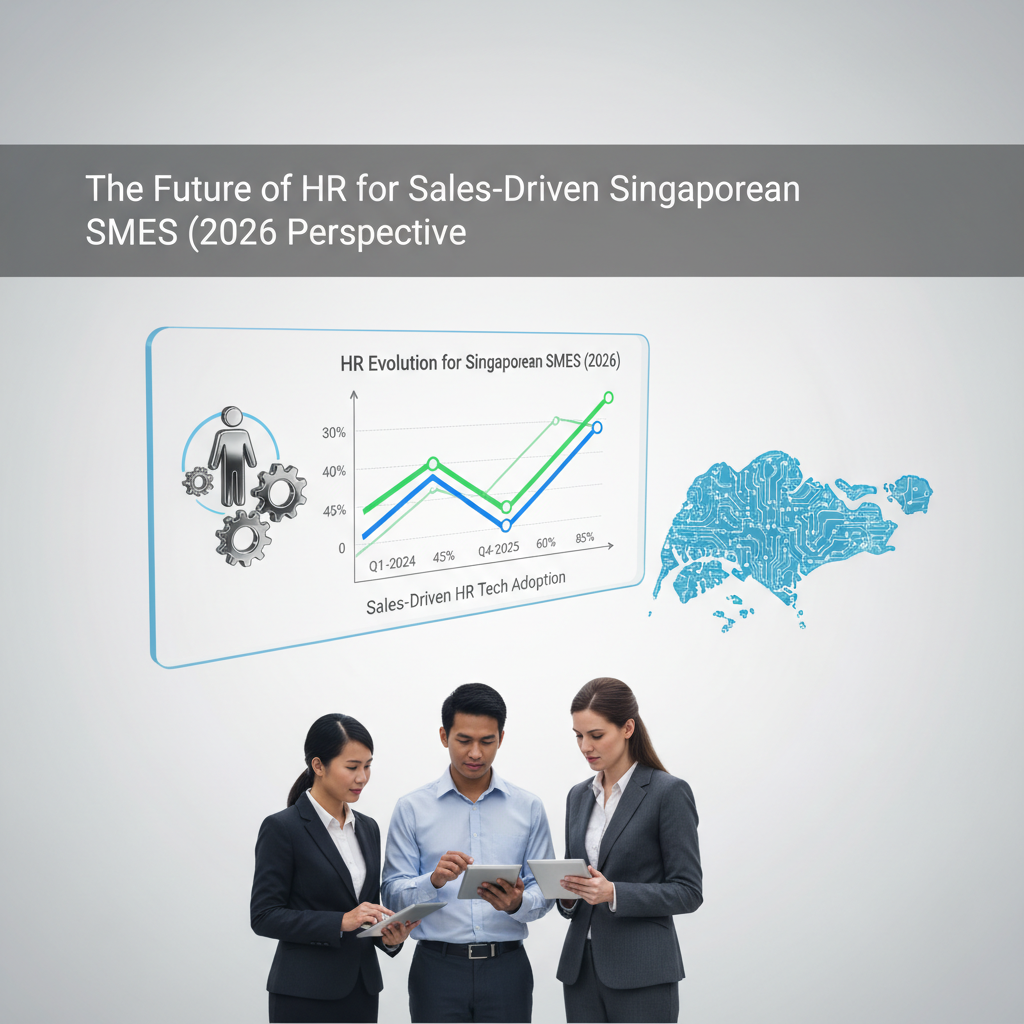
By 2026, sales-driven Small and Medium Enterprises (SMEs) in Singapore will navigate an even more competitive talent market and increasing demands for digital transformation and workforce flexibility. For CEOs in sales-focused fields, adaptive HR structures will be a strategic imperative, shifting from administrative support to a data-driven, agile, and employee-centric approach. This transformation is crucial for directly impacting sales performance, market penetration, and sustainable growth. The ability to attract, develop, and retain top sales talent will define success, making sophisticated HR strategies paramount.
1. Leveraging HR Analytics for Sales Team Insights
Historically, many Singaporean SMEs relied on intuition to manage their sales teams. However, by 2026, robust HR analytics will be indispensable. This involves collecting, analyzing, and interpreting data related to sales employee performance, training effectiveness, compensation structures, and even predictive attrition. Imagine identifying which training programs yield the highest sales conversion rates, understanding the key traits of top-performing representatives, or detecting early signs of potential turnover among high-value team members.
HR analytics offers CEOs actionable insights to optimize their sales force by:
- Performance Optimization: Pinpointing specific skills gaps and tailoring development programs.
- Recruitment Efficiency: Identifying the most effective recruitment channels and candidate profiles.
- Compensation Strategy: Ensuring commission structures truly incentivize desired sales behaviors and retain talent.
- Attrition Prediction: Proactively addressing factors that lead to valuable sales talent leaving.
Embracing this data-driven approach transforms HR into a strategic partner that directly enhances the bottom line. Research consistently shows businesses leveraging people analytics outperform peers in revenue per employee and profit margins. [Harvard Business Review highlights the profound impact of HR analytics on business performance].
2. Embracing Hybrid Work Models and Digital Tools
The post-pandemic world means hybrid work models will be the norm for many sales-driven SMEs by 2026. Offering flexibility is crucial for attracting and retaining talent, particularly among generations valuing work-life integration. Managing a distributed sales team, however, demands strong digital infrastructure and a refined HR approach.
Digital tools will be pivotal for maintaining productivity, collaboration, and engagement:
- Integrated CRM Systems: Essential for tracking sales pipelines, managing customer interactions, and ensuring seamless handoffs, regardless of location.
- Performance Management Platforms: Tools allowing continuous feedback, goal setting, and transparent reviews for remote and hybrid teams.
- Collaboration and Communication Software: Platforms like Microsoft Teams or Slack facilitate instant communication, virtual meetings, and knowledge sharing, fostering team cohesion.
- Virtual Training and Onboarding: Digital solutions for upskilling sales teams and integrating new hires efficiently, reducing costly in-person sessions.
For HR, this involves becoming experts in managing a geographically dispersed workforce, ensuring equitable policies, and leveraging technology to bridge communication gaps and foster a unified company culture.
3. Fostering Employee Engagement and Retention in a Competitive Market
Singapore’s talent market is highly competitive, and retaining top sales professionals will be even more challenging by 2026. For sales-driven SMEs, employee engagement and retention are critical for business continuity and growth, as high turnover costs impact client relationships, morale, and revenue.
Effective engagement and retention strategies include:
- Competitive Compensation & Incentives: Regularly reviewing salaries, commission structures, and bonus schemes to remain attractive, alongside non-monetary recognition.
- Clear Career Pathways: Defining clear growth paths from junior roles to senior management or specialized positions to show opportunities for advancement.
- Learning & Development: Investing in continuous training, coaching, and skill development to boost performance and demonstrate employee value.
- Strong Company Culture & Recognition: Cultivating a supportive, achievement-oriented culture that celebrates successes and recognizes efforts through regular feedback and open communication.
- Well-being Initiatives: Addressing employee mental and physical well-being, acknowledging the high-pressure nature of sales roles.
The future success of sales-driven Singaporean SMEs hinges on proactive and strategic HR management. CEOs must recognize that robust HR structures for SMEs the CEO in sale field in singapore are not just about compliance but about building a resilient, high-performing sales organization ready for 2026 and beyond.
Partner with Shelby Global
You are looking for reliable HR Sevice Suppliers? Contact Shelby Global Now! To connect with verified talents and upgrade your orginization.
—————————————
References
– Ministry of Manpower in Singapore: https://www.mom.gov.sg/
– Ministry of Manpower Employment Act: https://www.mom.gov.sg/employment-practices/employment-act
– HubSpot’s guide to sales compensation plans: https://blog.hubspot.com/sales/sales-compensation-plan
– value of dedicated HR: https://www.shrm.org/resources-and-tools/hr-topics/human-resource-metrics-and-analytics/pages/calculating-the-roi-of-hr.aspx
– Harvard Business Review highlights the profound impact of HR analytics on business performance: https://hbr.org/2019/06/the-power-of-people-analytics