Overview of Singapore’s Transportation Landscape & Job Market
Singapore, a small island nation with global ambitions, has meticulously carved out its niche as a pivotal player in the international transportation and logistics arena. Its strategic location at the crossroads of major shipping lanes, coupled with world-class infrastructure and a business-friendly environment, positions it as an indispensable hub for global trade and connectivity. This robust foundation directly influences the health and dynamism of its job market, particularly within the expansive transportation sector. Understanding the current demand and the future trajectory for professionals in this field is crucial, especially for those seeking insights into the salary range report of jobs in transportation field in Singapore.
The sector is not merely about moving goods and people; it’s a complex ecosystem encompassing maritime, aviation, land transport, and sophisticated logistics management. The sustained growth and constant innovation within these domains ensure a vibrant and evolving job market, offering diverse opportunities for skilled individuals. From traditional operational roles to cutting-edge technological positions, the demand for talent remains consistently high, reflecting Singapore’s commitment to maintaining its competitive edge globally.

1. Singapore’s Role as a Global Logistics Hub
Singapore’s reputation as a premier global logistics hub is well-earned. Its strategic geographic position in Southeast Asia places it within easy reach of half the world’s population, making it an ideal transshipment and distribution centre. The country boasts one of the world’s busiest container ports, handling a significant volume of global maritime trade, and Changi Airport consistently ranks among the best international airports, serving as a critical air cargo and passenger gateway. This dual strength in sea and air connectivity is bolstered by extensive Free Trade Agreements (FTAs) and a highly efficient customs clearance process, ensuring seamless flow of goods.
The government’s proactive approach to infrastructure development and investment in advanced logistics technologies has cemented this status. Companies engaged in logistics in Singapore benefit from exceptional connectivity and a highly skilled workforce, attracting multinational corporations to establish their regional and global supply chain operations here. This sustained activity translates into a consistent need for professionals across various segments of logistics jobs Singapore, from freight forwarding roles to complex supply chain management Singapore. The advanced infrastructure supports not only the flow of physical goods but also information, making it a truly smart logistics ecosystem.
2. Key Drivers of Transportation Job Growth
The transportation and logistics job market in Singapore is continually shaped by several powerful drivers. Firstly, technological innovation is paramount. The push towards smart transportation solutions, including automation in ports and warehouses, the adoption of Artificial Intelligence (AI) for route optimization, and Internet of Things (IoT) for real-time tracking, is creating new roles and transforming existing ones. This digital transformation means a growing demand for data analysts, automation engineers, and IT specialists within the sector.
Secondly, the exponential growth of e-commerce logistics has revolutionized delivery and warehousing models. The need for efficient last-mile delivery, sophisticated inventory management, and robust reverse logistics systems fuels the creation of numerous positions, especially in areas related to e-commerce logistics and warehouse automation jobs. The shift towards sustainable practices is another significant driver, with an increasing focus on green logistics and environmentally friendly transportation methods, requiring experts in sustainable supply chain operations. Government initiatives, such as the Smart Nation vision and industry transformation maps, further accelerate growth by providing grants for innovation and talent development, ensuring a dynamic environment for transportation industry outlook Singapore.
3. Current Demand for Skilled Professionals
The current landscape in Singapore reflects a strong and varied demand for skilled professionals across the transportation spectrum. In the maritime careers Singapore sector, there’s a continuous need for port operations specialists, marine engineers, and logistics coordinators, particularly those adept with digital port systems. The aviation sector jobs call for aircraft maintenance technicians, air traffic controllers, and aviation logistics planners, supported by Changi Airport’s ongoing expansion and upgrades.
Beyond these traditional roles, the rapid advancements necessitate skills in emerging areas. Supply chain management Singapore professionals with expertise in data analytics, predictive modeling, and blockchain technology are highly sought after. Similarly, there’s a strong demand for specialists in freight forwarding roles who can navigate complex international regulations and optimize global trade lanes. With the increasing sophistication of warehouse operations, expertise in warehouse automation jobs and robotics is also critical. Essentially, any professional who can contribute to enhancing efficiency, leveraging technology, and navigating the complexities of global trade will find ample opportunities in this thriving sector. The comprehensive salary range report of jobs in transportation field in Singapore often highlights these high-demand, high-skill positions, reflecting the value placed on expertise in this critical industry.
Salary Benchmarks for Key Transportation Sectors
Navigating career paths within Singapore’s dynamic transportation sector requires a clear understanding of remuneration expectations. This section offers a detailed detailed salary range report of jobs in Singapore’s transportation field, providing crucial insights for professionals and aspiring individuals alike. We’ll dive into specific transportation job salaries Singapore across major sub-sectors, examining various roles and their typical remuneration to help you benchmark your worth. Whether you’re interested in logistics remuneration Singapore, maritime pay scales Singapore, aviation career prospects Singapore, or public transport wages Singapore, this guide covers the essential figures and factors influencing them. Understanding these benchmarks is key to career progression and making informed decisions in this vital industry.
1. Logistics & Supply Chain Management Salaries
The backbone of Singapore’s trade-dependent economy, the logistics and supply chain sector offers diverse career opportunities with competitive salaries, varying significantly based on experience, specific skills, and company size. Entry-level Supply Chain Analyst salary Singapore roles can range from SGD 3,000 to SGD 4,500 per month, focusing on data analysis, inventory management, and operational support. With 3-5 years of experience, a Logistics Manager salary Singapore typically falls between SGD 5,000 and SGD 8,000 per month, involving strategic planning, team leadership, and optimisation of distribution networks. Senior roles, especially in larger multinational corporations, can command salaries upwards of SGD 9,000 to SGD 15,000 per month, reflecting greater responsibilities in areas like global supply chain strategy or extensive freight management. For a Transportation Planner salary Singapore, professionals can expect to earn between SGD 3,500 and SGD 6,000 monthly, depending on the complexity of routes and network optimisation required. Key factors influencing these figures include proficiency in supply chain software, lean methodologies, and strong negotiation skills. For more in-depth data, professionals can refer to a comprehensive logistics and supply chain salary guide for Singapore.
2. Public Transportation & Operations Salaries
Public transportation is a critical service in Singapore, employing a significant workforce in roles essential for daily urban mobility. Salaries in this sector are often influenced by shift work, overtime opportunities, and benefits packages, which can be substantial for public sector employees. A Bus Driver salary Singapore typically ranges from SGD 2,500 to SGD 4,000 per month, inclusive of allowances and overtime, with potential for higher earnings based on tenure and shift patterns. Similarly, a Train Operator salary Singapore can expect to earn between SGD 3,000 and SGD 4,500 monthly, with variations based on experience and the operating company. Supervisory or Operations Executive salary Singapore roles within public transport, which involve managing schedules, staff, and ensuring smooth service delivery, generally offer between SGD 4,000 and SGD 7,000 per month. Specialised roles requiring technical expertise in maintenance or signalling can attract higher pay. These roles are foundational to the urban infrastructure, providing stable employment and career progression within the broader public transport wages Singapore framework.
3. Aviation & Maritime Industry Pay Scales
Singapore’s status as a global aviation and maritime hub translates into a diverse array of highly specialised and competitive job markets. Aviation jobs salary Singapore for roles such as air traffic controllers or experienced aircraft maintenance engineers can start from SGD 5,000 and go well above SGD 10,000 per month, depending on qualifications, certifications, and specific airlines or MROs. Pilots, with extensive training and experience, command significantly higher salaries, often exceeding SGD 15,000 for senior captains. In the maritime sector, Maritime jobs salary Singapore also reflect the specialised skills required. Marine engineers, naval architects, or shipping analysts can expect salaries ranging from SGD 4,500 to SGD 9,000 per month, with senior positions in shipping companies or port management reaching SGD 10,000 to SGD 18,000 or more. Factors such as international experience, specific vessel types, and global demand for maritime expertise play a crucial role in determining these maritime pay scales Singapore. Both sectors offer robust aviation career prospects Singapore, particularly for those with advanced technical skills and a global outlook, contributing to high-value supply chain salaries Singapore and overall economic growth.
Factors Influencing Transportation Job Salaries in Singapore
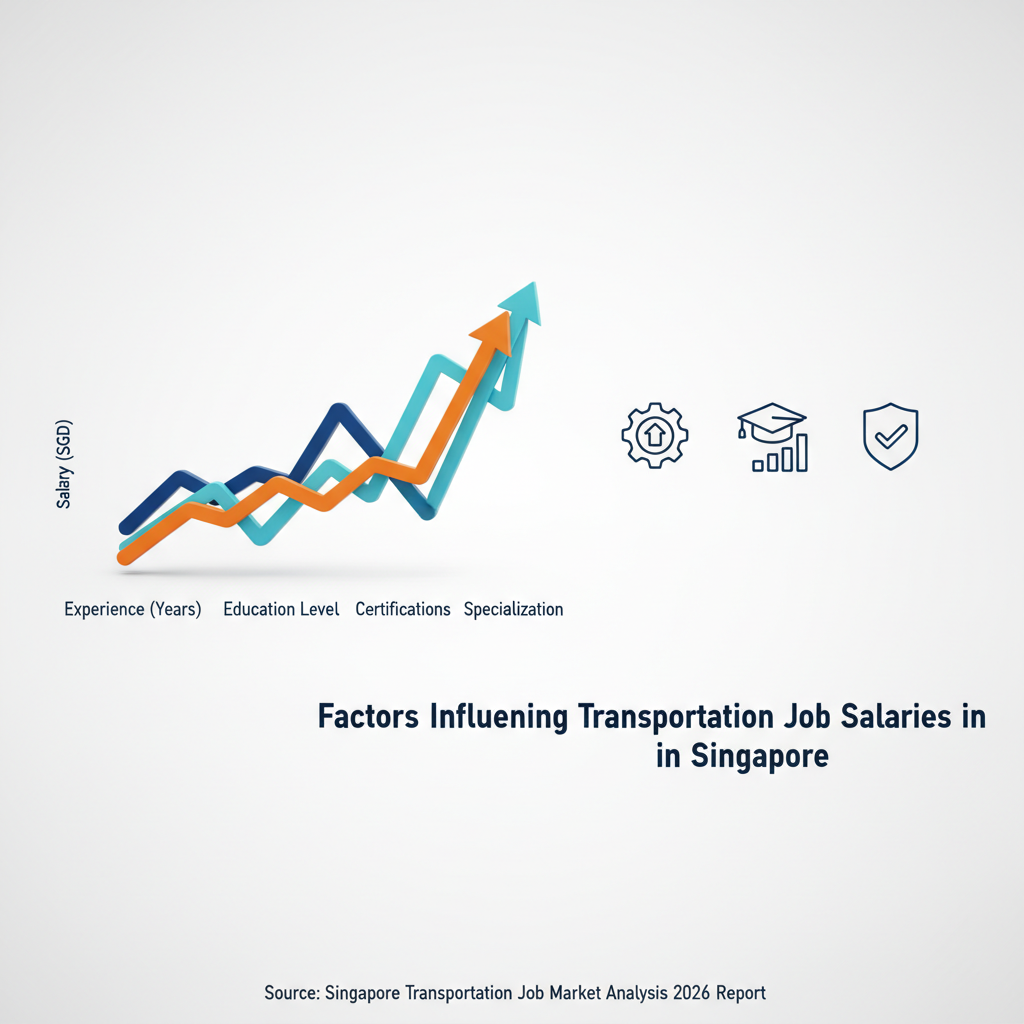
Singapore’s robust position as a global logistics hub makes its transportation sector a dynamic and attractive field for many professionals. However, understanding the intricate elements that dictate an individual’s earning potential within this vital industry is crucial. A salary range report of jobs in transportation field in Singapore often highlights significant disparities based on various factors. From the foundational aspects of experience and education to the nuanced influence of specialized skills and company structure, several key drivers shape the remuneration packages across different roles, impacting typical compensation for positions like logistics manager salary Singapore, warehouse supervisor salary Singapore, and even more specialized roles like a freight forwarder salary Singapore.
1. Experience Level and Seniority
One of the most significant determinants of a transportation professional’s salary in Singapore is their level of experience and seniority. Entry-level transportation jobs salary Singapore typically start at a foundational rate, reflecting the need for on-the-job training and skill development. These roles might include positions like junior logistics coordinators or warehouse assistants. As individuals gain a few years of experience, their earning potential rises significantly. Mid-career professionals, such as a logistics manager salary Singapore or a supply chain analyst salary Singapore, command higher remuneration due to their proven track record, problem-solving abilities, and operational expertise. Senior roles, like Supply Chain Directors, Regional Logistics Heads, or Operations Managers, which require extensive strategic oversight, team leadership, and a deep understanding of complex supply chain dynamics, attract the highest salaries within the sector. The progression from hands-on operational roles to strategic management positions directly correlates with increasing compensation, making experience accumulation a critical factor in career and financial growth.
2. Education, Certifications, and Specialized Skills
Beyond raw experience, an individual’s educational background, professional certifications, and specialized skill sets play a crucial role in shaping their transportation job salary in Singapore. While diplomas in logistics and supply chain management can secure good foundational roles, a bachelor’s or master’s degree in relevant fields often opens doors to higher-paying positions, especially in strategic planning or analytical roles like a supply chain analyst salary Singapore. Moreover, industry-recognized certifications such as those from APICS (e.g., CSCP, CPIM), or specific certifications for customs compliance specialists or freight forwarder salary Singapore roles, demonstrate a commitment to professional development and mastery of niche areas. In an increasingly digital landscape, specialized skills like data analytics, proficiency in AI/ML tools for logistics optimization, digital freight platforms, and e-commerce supply chain management are highly sought after. Expertise in areas like cold chain logistics, last-mile delivery solutions, or aviation jobs salary Singapore related to ground operations or air cargo management can also significantly boost earning potential, as these skills address specific, high-value industry needs and contribute directly to operational efficiency and competitive advantage.
3. Company Size and Type (MNC vs. Local SMEs)
The nature and scale of the employer significantly impact the salary range report of jobs in transportation field in Singapore. Multinational Corporations (MNCs) operating in Singapore’s logistics and transportation sector generally offer more competitive salaries and comprehensive benefits packages compared to local Small and Medium Enterprises (SMEs). MNCs often have larger budgets, more structured global compensation frameworks, and the ability to attract top talent with attractive remuneration, especially for roles like a maritime industry salary Singapore in global shipping lines or senior logistics manager positions. They may also provide better opportunities for international exposure and career progression. Conversely, while local SMEs might offer a more intimate work environment and broader scope of responsibilities, their base salaries might be lower. However, some specialized SMEs, particularly those in high-growth niches like technology-driven last-mile delivery or specialized freight services, can offer attractive packages to secure specific expertise. For instance, a delivery driver salary Singapore might vary considerably between a large e-commerce platform’s in-house fleet and a smaller local courier service. The trade-off between the structured career paths and higher pay of MNCs versus the potentially faster growth and varied experience of SMEs is a crucial consideration for transportation professionals.
Emerging Trends and Future Outlook for Transportation Careers
The global transportation sector is on the cusp of a profound transformation, driven by rapid technological advancements, an urgent global shift towards sustainability, and ever-evolving industry needs. These forces are not only reshaping how goods and people move but are also fundamentally altering the landscape of job roles, skill requirements, and salary expectations within the field. Professionals entering or currently working in transportation must adapt to these changes, embracing new competencies in automation, data analytics, and green logistics to thrive. This section delves into how these key trends will shape future job opportunities and influence the value of various positions, providing insight into the future for transportation careers. Understanding the evolving demands and compensation benchmarks, such as a comprehensive salary range report of jobs in transportation field in Singapore, will be crucial for strategic career planning.
-
Impact of Automation and AI on Job Roles
The integration of automation and Artificial Intelligence (AI) is set to revolutionize virtually every facet of the transportation industry. From autonomous vehicles and drones managing last-mile delivery to AI-powered predictive analytics optimizing shipping routes and warehouse operations, human interaction with these technologies is becoming increasingly critical. While some traditional roles, such as long-haul truck drivers or manual warehouse operators, may face significant transformation or even displacement, a surge in demand for new, specialized positions is anticipated. This includes roles like AI specialists for logistics systems, robotic maintenance technicians, data scientists focusing on autonomous fleet management, and remote operators overseeing automated transport networks. The shift necessitates a robust focus on upskilling and reskilling the existing workforce, moving away from purely manual tasks towards roles that involve supervising, maintaining, and developing AI-driven solutions. Professionals with expertise in machine learning, robotics, and complex system integration will command premium salaries, reflecting the high demand for their advanced skills in this evolving landscape of transportation technology jobs.
-
Sustainability and Green Logistics Initiatives
With growing global concern over climate change and environmental impact, sustainability has emerged as a paramount driver for innovation in transportation. Governments and corporations worldwide are investing heavily in green logistics initiatives, pushing for the adoption of electric vehicles (EVs), hydrogen fuel cell technology, and other alternative fuels. This pivot towards eco-friendly practices is creating a new ecosystem of job roles. We are seeing a rising demand for sustainability managers, environmental compliance officers, EV infrastructure developers, and green supply chain specialists. These professionals will be instrumental in designing and implementing carbon-neutral logistics strategies, optimizing energy consumption, and ensuring adherence to increasingly stringent environmental regulations. The importance of reducing carbon footprints and developing circular economy models within the transportation sector cannot be overstated. According to the International Transport Forum, the decarbonization of transport could create millions of new jobs globally, highlighting a significant shift towards sustainable transport careers. Expertise in areas like renewable energy integration, waste reduction in logistics, and carbon accounting will be highly valued, leading to attractive compensation packages for those who can navigate these complex environmental challenges effectively.
-
Demand for Data Analytics and Digital Transformation Skills
In an increasingly interconnected world, data has become the lifeblood of efficient and responsive transportation systems. The ability to collect, analyze, and interpret vast quantities of data is fundamental to optimizing routes, managing inventory, predicting demand, and enhancing overall operational efficiency. This burgeoning reliance on data is fueling an unprecedented demand for professionals skilled in data analytics and digital transformation. Key roles include logistics data scientists, supply chain optimizers, cybersecurity experts protecting smart transportation infrastructure, and digital transformation strategists guiding companies through technological transitions. These experts utilize big data, IoT, and cloud computing to create smarter, more resilient, and transparent supply chains. For instance, predictive analytics can prevent bottlenecks, optimize delivery schedules, and even forecast maintenance needs for vehicle fleets. As Singapore continues to solidify its position as a global logistics hub, the importance of these digital competencies will only grow. For professionals seeking insights into potential earnings, a detailed salary range report of jobs in transportation field in Singapore can offer valuable information, particularly for roles centered around data analysis and digital innovation. Those capable of leveraging data to drive strategic decisions and implement advanced digital solutions will be indispensable, with their skills directly translating into higher salary expectations within the competitive logistics jobs Singapore market.
Maximizing Your Earning Potential in Singapore’s Transportation Field
Singapore’s transportation sector is a dynamic and essential pillar of its economy, offering a wealth of career opportunities across logistics, maritime, aviation, and urban mobility. As a global hub for trade and connectivity, the demand for skilled professionals in this field remains consistently high. For those looking to not just participate but truly thrive and command higher salaries, strategic career planning is crucial. This section provides actionable advice and proven strategies for professionals aiming to advance their careers and significantly boost their earning potential within Singapore’s vibrant transportation and logistics landscape. Understanding the evolving needs of the industry, from sophisticated supply chain optimization to cutting-edge transport technology, is key to unlocking new levels of professional success.
1. Upskilling and Professional Development Opportunities
In a rapidly evolving sector, continuous learning is not just an advantage; it’s a necessity. To maximize your earning potential, focus on acquiring specialized skills that align with future industry trends. Consider certifications in areas like Lean Six Sigma for process improvement in logistics careers Singapore, or project management methodologies crucial for large-scale infrastructure projects. Expertise in data analytics, particularly in predictive modeling for logistics and supply chain optimization, is highly valued. Courses in sustainable transport solutions, autonomous vehicle technologies, and intelligent transportation systems can significantly enhance your profile.
Furthermore, pursuing advanced degrees such as an MBA with a specialization in supply chain management or logistics can open doors to senior transportation management salary roles. Specialized technical skills, like those required for a public transport engineer focusing on smart city initiatives or a freight forwarding specialist proficient in global trade compliance, are in high demand. Investing in transport technology skills, covering everything from IoT to AI in logistics, will set you apart. Singapore offers numerous government-supported schemes, such as SkillsFuture, which subsidize professional development courses, making it easier for individuals to acquire these crucial competencies. Staying updated with the latest industry reports, like a comprehensive salary range report of jobs in transportation field in singapore, can guide your upskilling efforts towards the most lucrative areas.
2. Networking and Industry Connections
Building a robust professional network is indispensable for career advancement in Singapore’s tightly-knit transportation community. Attending industry events, conferences, and seminars focused on topics like maritime industry jobs or aviation sector opportunities provides invaluable opportunities to connect with peers, leaders, and potential mentors. Organizations such as the Singapore Logistics Association (SLA), the Association of Singapore Marine Industries (ASMI), and the Chartered Institute of Logistics and Transport in Singapore (CILTS) offer excellent platforms for networking, knowledge sharing, and staying abreast of industry developments.
These connections can lead to insights into unadvertised job openings, partnership opportunities, and even mentorship that accelerates your career trajectory. Engage actively in professional LinkedIn groups dedicated to Singapore’s logistics and transportation scene. Volunteering for industry committees or special interest groups can further raise your profile and demonstrate your commitment to the sector. A strong network can provide crucial intelligence about market trends, emerging technologies, and, critically, the benchmark for your transportation management salary expectations within different roles and specializations. Leveraging these connections is a powerful strategy for uncovering top-tier roles that might not be publicly advertised.
3. Negotiating Your Salary Effectively
When it comes to securing a higher salary, effective negotiation is paramount. The first step is thorough research. Before entering any negotiation, understand the market rate for your specific role, experience level, and industry niche within Singapore. Consult specialized salary guides, such as the Michael Page Salary Report Singapore, which often details remuneration trends across various sectors including supply chain and logistics. Knowing the typical salary range report of jobs in transportation field in singapore empowers you to articulate your expectations confidently.
Beyond the numbers, be prepared to articulate your value proposition clearly. Highlight your unique skills, achievements, and how you have contributed to previous employers’ success, particularly in areas like supply chain optimization or implementing new transport technology skills. If you possess in-demand certifications or experience with complex projects (e.g., developing new public transport engineer solutions or optimizing international freight forwarding specialist operations), emphasize these points. Remember that salary is not the only component of compensation; consider benefits packages, bonuses, professional development allowances, and even flexible work arrangements. Presenting a well-reasoned argument based on market data and your demonstrated capabilities will significantly increase your chances of securing a compensation package that reflects your true worth and maximizes your earning potential in Singapore’s competitive transportation field.
Partner with Shelby Global
You are looking for reliable HR Sevice Suppliers? Contact Shelby Global Now! To connect with verified talents and upgrade your orginization.
—————————————
References
– logistics in Singapore: https://www.edb.gov.sg/en/our-industries/logistics.html
– :
– Supply Chain & Procurement Salary Guide 2024: https://www.michaelpage.com.sg/salary-survey/supply-chain-procurement-salary-guide-2024
– Decarbonising Transport: The Global Outlook for Jobs: https://www.itf-oecd.org/decarbonising-transport-jobs
– Michael Page Salary Report Singapore: https://www.michaelpage.com.sg/salary-report