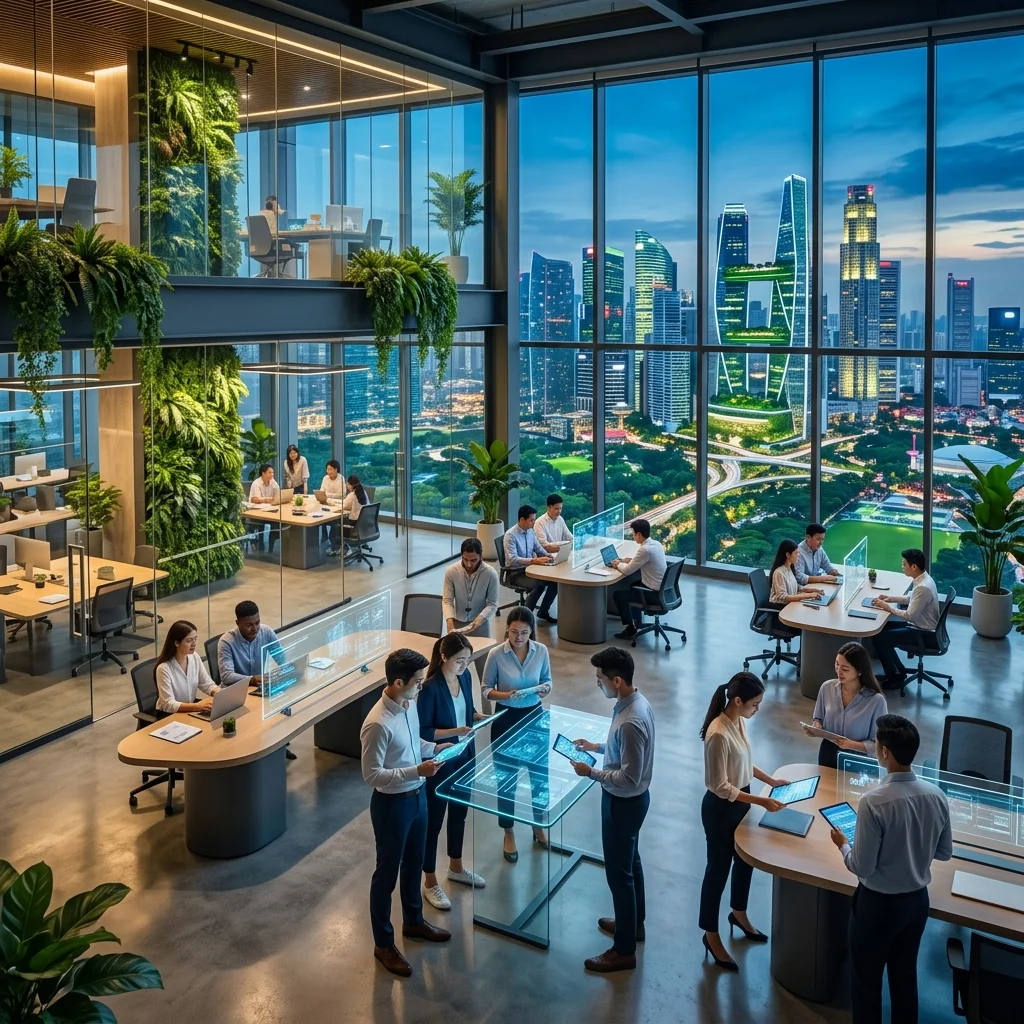
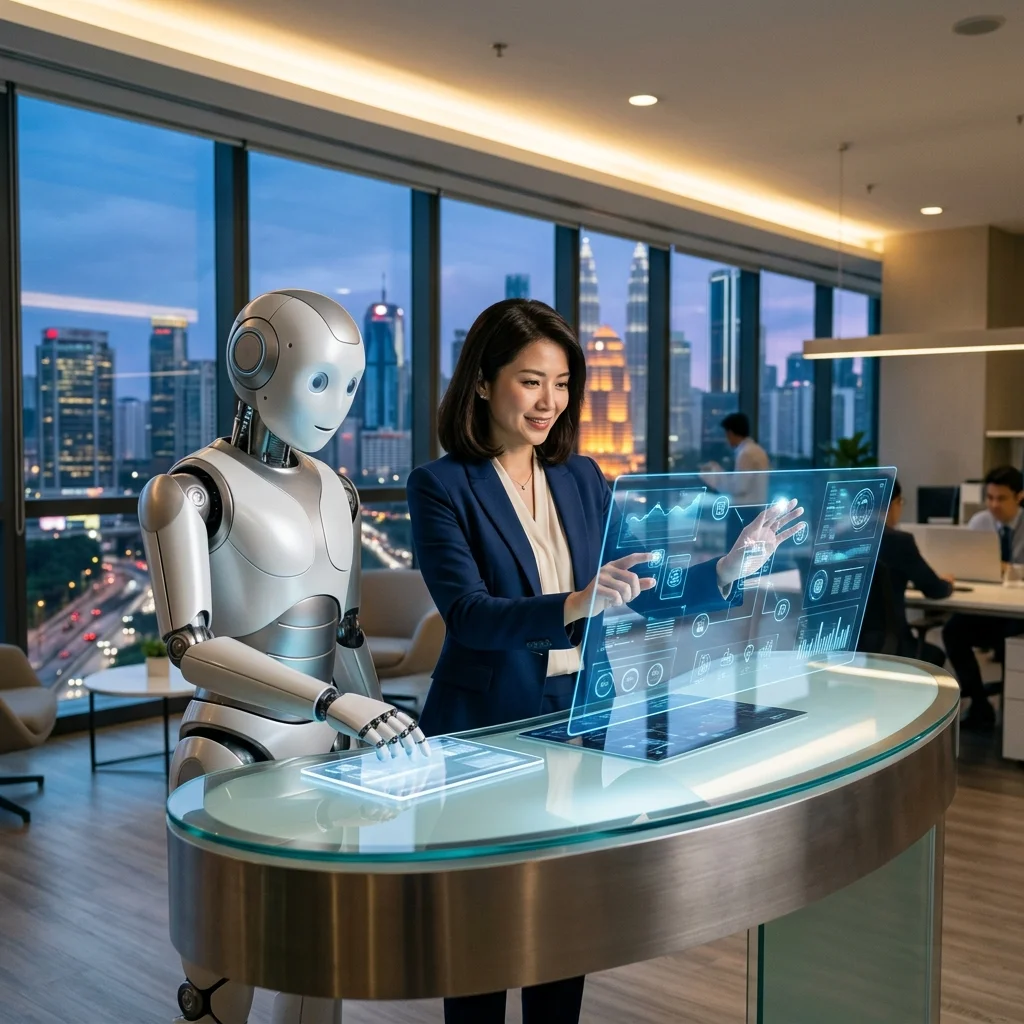
The Rise of AI Agents in Singapore’s Travel Sector
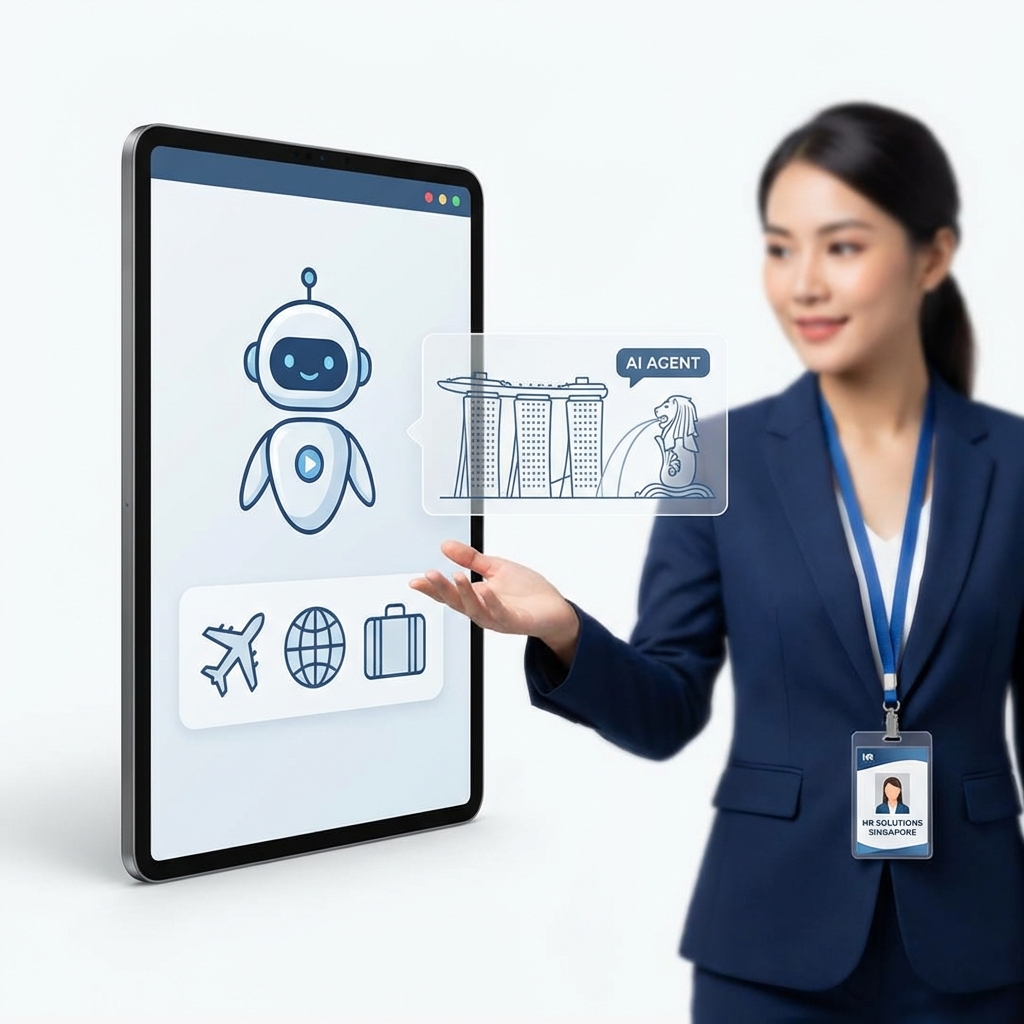
The global travel industry is in constant flux, driven by technological advancements and evolving consumer expectations. In the heart of Southeast Asia, Singapore stands as a vanguard, rapidly integrating cutting-edge artificial intelligence (AI) solutions to redefine its renowned tourism and hospitality landscape. The emergence of AI agents, sophisticated systems capable of autonomous decision-making and proactive problem-solving, is fundamentally changing how AI agent effect to travels field in Singapore. These intelligent entities are moving beyond traditional reactive tools, promising unprecedented levels of personalization, efficiency, and seamless experiences for visitors and residents alike. From pre-trip planning to in-destination assistance and post-travel follow-ups, AI agents are poised to revolutionize every touchpoint of the traveler journey, cementing Singapore’s reputation as a smart tourism destination.
1. Defining AI Agents: Beyond Traditional Chatbots
While the term “AI” often conjures images of simple chatbots, AI agents represent a significant leap forward. Unlike their predecessors, which primarily offer scripted responses to direct queries, AI agents are designed with a higher degree of autonomy, goal-orientation, and learning capabilities. They can perceive their environment (e.g., real-time flight data, hotel availability, user preferences), process complex information, make independent decisions, and even learn from interactions to improve future performance. In the travel sector, this translates into a powerful suite of functionalities:
- Proactive Personalization: An AI agent can anticipate a traveler’s needs, suggesting personalized itineraries, restaurant recommendations, or local attractions based on past behavior, stated preferences, and even real-time location.
- Dynamic Itinerary Management: Should a flight be delayed or a booking be canceled, an AI agent can autonomously re-route, re-book, and notify the traveler of optimized alternatives, minimizing disruption.
- Intelligent Concierge Services: Beyond answering FAQs, these agents can manage complex requests, such as booking multiple activities across different providers, arranging specialized transport, or even handling unique dietary requirements for dining experiences.
- Predictive Analytics: By analyzing vast datasets, AI agents can predict travel trends, optimize pricing, and even forewarn of potential issues, allowing businesses to adapt swiftly.
This shift from reactive tools to proactive, intelligent partners is what sets AI agents apart, offering a transformative potential for Singapore’s dynamic travel ecosystem.
2. Current Adoption Rates and Key Players in Singapore Tourism
Singapore, known for its strategic foresight and embrace of technology, has seen a growing adoption of AI agents across various facets of its travel and hospitality industries. While full-fledged autonomous agents are still evolving, many key players are already integrating advanced AI functionalities that lay the groundwork for their widespread deployment.
- Airlines and Airports: Singapore Airlines (SIA) and Changi Airport Group have been pioneers, utilizing AI for operational efficiency, predictive maintenance, and enhancing passenger experiences. AI-powered virtual assistants guide travelers through the airport, offer personalized flight updates, and streamline check-in processes.
- Hotels and Resorts: Leading hotel chains in Singapore are leveraging AI agents for everything from personalized guest services and room temperature control to predictive maintenance for facilities. These agents can manage bookings, provide instant local recommendations, and handle service requests, significantly improving guest satisfaction and operational efficiency.
- Online Travel Agencies (OTAs) and Tour Operators: Platforms catering to Singaporean tourism are deploying AI to offer highly curated travel packages, dynamic pricing, and instant customer support that understands context and intent far beyond basic keyword matching. This intelligent assistance aids travelers in discovering unique experiences tailored to their interests, boosting engagement with local attractions and businesses.
- Singapore Tourism Board (STB): The STB itself has been a strong advocate for digital transformation, encouraging industry players to adopt AI and other smart technologies to create a seamless and enriched visitor experience. Their initiatives often involve pilot programs and grants to foster innovation in the sector, highlighting the nation’s commitment to staying at the forefront of global tourism. According to industry reports, such as insights from Deloitte’s outlook on the travel and hospitality industry, AI and generative AI are becoming critical for competitiveness and operational excellence, a trend Singapore is keenly embracing.
These early adoption rates demonstrate a clear understanding within Singapore’s travel sector that AI agents are not merely a luxury but a strategic imperative for future growth and competitiveness.
3. Driving Forces Behind AI Integration in Travel Services
The push for AI agent integration in Singapore’s travel sector is multifaceted, driven by a combination of economic, operational, and customer-centric factors. Understanding these forces is key to appreciating the trajectory of this technological shift.
- Enhanced Customer Experience: Modern travelers expect hyper-personalization, instant gratification, and seamless service. AI agents deliver on these fronts by providing tailored recommendations, immediate support, and proactive problem-solving, creating memorable and hassle-free journeys.
- Operational Efficiency and Cost Reduction: Automating routine tasks, from booking management to customer inquiries, frees up human staff to focus on more complex, high-value interactions. This optimization leads to significant cost savings in labor and resources, allowing businesses to reinvest in other areas of innovation.
- Data-Driven Decision Making: AI agents gather and analyze vast amounts of data on traveler behavior, preferences, and market trends. This invaluable insight empowers travel businesses to make more informed strategic decisions, optimize marketing campaigns, and develop new services that truly resonate with their target audience. This understanding of how AI agent effect to travels field in Singapore extends to predictive analytics for demand forecasting and resource allocation.
- Competitive Advantage: In a highly competitive global tourism market, adopting advanced AI capabilities allows Singaporean businesses to differentiate themselves, attract tech-savvy travelers, and maintain a leading edge. Being at the forefront of AI adoption signals innovation and a commitment to world-class service.
- Talent Augmentation: AI agents don’t replace human talent entirely but rather augment it. They handle the repetitive, data-intensive tasks, allowing human employees to focus on empathy, creativity, and complex problem-solving that still requires a human touch, thereby elevating the overall quality of service.
- Resilience and Scalability: AI systems can operate 24/7 and scale rapidly to meet fluctuating demand, offering a level of resilience and scalability that is challenging for human-only workforces, especially during peak seasons or unforeseen events.
These compelling drivers underscore Singapore’s commitment to harnessing AI agents as a pivotal force in shaping the future of its dynamic and globally renowned travel sector, ensuring it remains at the pinnacle of innovation and visitor satisfaction.
Enhancing Customer Experience and Personalization
Artificial Intelligence (AI) agents are rapidly transforming the travel landscape in Singapore, ushering in an era of unprecedented customer experience and personalization. By leveraging advanced algorithms and machine learning, these intelligent systems are not just automating tasks but are actively revolutionizing how travelers discover, plan, and experience their journeys. From hyper-personalized recommendations to efficient, real-time support and proactive service delivery, AI agents are fundamentally changing the dynamics of the tourism sector, solidifying Singapore’s reputation as a smart and technologically advanced travel destination. This profound impact on the travel field in Singapore showcases the strategic integration of cutting-edge AI technologies to elevate every touchpoint of the traveler’s journey.
-
Hyper-Personalized Travel Itineraries and Recommendations
One of the most significant contributions of AI agents to the travel field in Singapore is their ability to craft hyper-personalized travel itineraries and recommendations. Moving beyond generic suggestions, AI systems analyze vast amounts of data, including a traveler’s past preferences, browsing history, social media activity, and even real-time location. This data-driven approach allows AI agents to suggest attractions, dining experiences, cultural events, and accommodation options that align perfectly with individual tastes and budgets. For instance, an AI agent might recommend a hidden hawker center to a food enthusiast, a specific art exhibition to a culture seeker, or family-friendly activities for those traveling with children, all dynamically adjusted based on the current weather or local events in Singapore. These intelligent itineraries are not static; they adapt as the traveler’s plans evolve, offering flexible re-routing suggestions or alternative activities if unexpected changes occur. This level of how AI agent effect to Travels field in Singapore ensures that every traveler feels uniquely catered to, enhancing satisfaction and fostering a deeper connection with their destination. The focus on AI-powered personalization makes each visit to Singapore feel like a bespoke adventure, significantly boosting the overall customer experience.
-
Real-time Multilingual Customer Support and Assistance
The global nature of tourism demands robust and accessible customer support, and AI agents are excelling in providing real-time, multilingual assistance around the clock. Travelers to Singapore, hailing from diverse linguistic backgrounds, can now rely on AI-powered chatbots and virtual assistants that offer instant responses to a wide array of queries, from visa requirements and local transport information to booking modifications and emergency support. These AI agents are equipped to understand and communicate in numerous languages, breaking down communication barriers and ensuring that help is always at hand, regardless of the time zone. This capability is crucial in a bustling hub like Singapore, where seamless communication is paramount for a stress-free travel experience. By handling routine inquiries efficiently, AI agents free up human staff to focus on more complex issues, leading to quicker resolutions and higher service quality. Furthermore, their 24/7 availability means travelers can get immediate help with unexpected issues, such as lost luggage or last-minute changes in plans, thereby significantly enhancing safety and convenience. This efficient customer service model, driven by AI, is reshaping expectations for responsiveness and accessibility in the travel industry.
-
Predictive Analysis for Anticipating Traveler Needs and Preferences
Beyond reacting to current needs, AI agents are revolutionizing the travel sector through predictive analysis, allowing service providers in Singapore to anticipate traveler needs and preferences even before they arise. By analyzing vast datasets, including historical travel patterns, economic indicators, and global events, AI can forecast potential disruptions, such as flight delays due to adverse weather, and proactively inform travelers with alternative solutions. More impressively, AI can predict individual preferences to offer proactive, highly relevant services or promotions. Imagine an AI agent suggesting a specific restaurant reservation based on your past dining choices and your current location, or recommending a comfortable airport lounge if a flight delay is predicted. This proactive service delivery extends to personalized marketing, where AI can identify potential interest in specific tours or attractions and send timely, targeted promotions. The World Tourism Organization (UNWTO) has highlighted the transformative potential of AI for tourism, noting its capacity to enhance visitor experience and operational efficiency, a vision Singapore is actively embracing. As the UNWTO emphasizes, AI is not just a tool but a strategic asset for anticipating demand and delivering seamless experiences. By leveraging predictive analytics, AI agents ensure that every aspect of a traveler’s journey in Singapore is not just reactive but intelligently foreseen and managed, leading to unparalleled levels of satisfaction and fostering long-term loyalty.
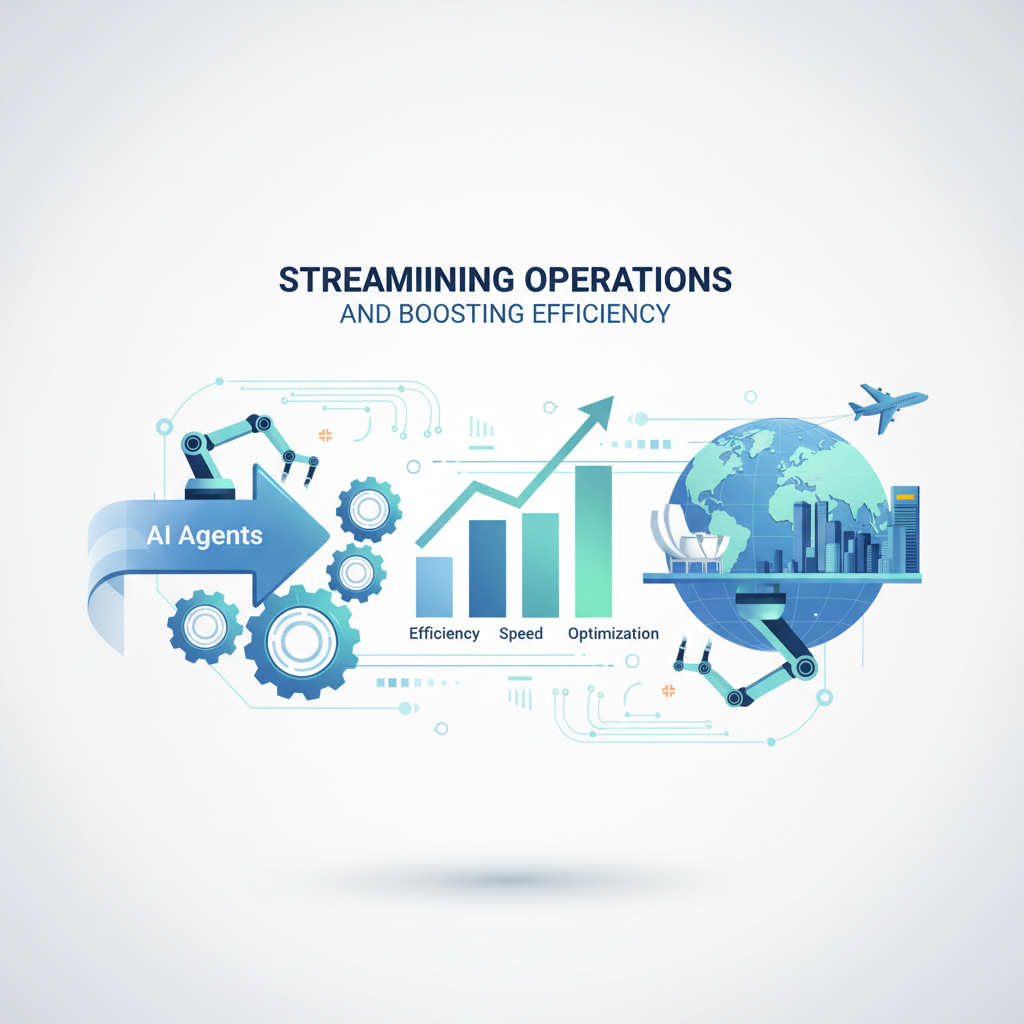
Streamlining Operations and Boosting Efficiency
The travel industry in Singapore, a vibrant hub for tourism and business, is continually seeking innovative ways to enhance service delivery and operational effectiveness. The advent of AI agents marks a significant paradigm shift, offering transformative solutions that streamline back-end processes and elevate customer experiences. Understanding how AI agents affect the travel field in Singapore is crucial for businesses aiming to stay competitive and efficient. From automating mundane tasks to providing deep analytical insights, AI agents are reshaping the operational landscape, promising not just cost savings but also unprecedented levels of productivity and personalized service.
Singapore’s forward-thinking approach to technology adoption positions its travel sector to fully leverage AI’s potential. These intelligent systems are not merely tools; they are evolving into indispensable partners that can manage complex workflows, anticipate customer needs, and optimize resource allocation across various facets of travel businesses. By offloading repetitive administrative burdens, AI agents free up human staff to focus on higher-value activities, such as creative problem-solving and direct customer engagement, ultimately enriching the overall service quality and operational agility.
-
Automated Booking, Ticketing, and Reservation Systems
One of the most immediate and impactful applications of AI agents in the Singaporean travel sector is the complete overhaul of booking, ticketing, and reservation processes. Traditionally labor-intensive and prone to human error, these systems are now being managed by AI-powered platforms that offer unparalleled speed and accuracy. AI agents can process bookings across multiple channels simultaneously, manage real-time inventory updates for flights, hotels, and tours, and issue tickets instantly. This automation significantly reduces processing times, minimizing customer wait times and the potential for booking conflicts.
Furthermore, these AI systems are capable of handling a vast volume of inquiries around the clock, offering 24/7 support without the need for additional human resources. They can guide customers through the booking journey, answer frequently asked questions, and even suggest personalized options based on user preferences and past travel history. For Singaporean travel agencies and hotels, this means improved customer satisfaction, reduced operational overheads, and the ability to scale services more effectively during peak seasons, ensuring a seamless and error-free reservation experience.
-
Dynamic Pricing and Revenue Management Strategies
AI agents are revolutionizing how travel businesses in Singapore approach pricing and revenue management. Gone are the days of static pricing models; AI-driven dynamic pricing algorithms analyze vast datasets, including real-time demand, competitor pricing, historical booking patterns, seasonal trends, and even external factors like public holidays or major events. This sophisticated analysis allows businesses to adjust prices in real-time, optimizing revenue generation for every available seat, room, or tour slot.
These intelligent systems can identify optimal pricing points that maximize occupancy rates and profitability simultaneously. For airlines, hotels, and tour operators in Singapore, this translates into higher yield management, preventing underpricing during high-demand periods and strategic price adjustments to stimulate demand during off-peak times. The ability to react instantaneously to market fluctuations gives Singaporean travel businesses a significant competitive edge, ensuring they capture maximum value from their offerings while maintaining attractive price points for consumers. Research from sources like McKinsey & Company highlights the increasing reliance on data analytics and AI for revenue optimization in the travel sector, reinforcing the importance of these strategies.
-
Optimized Logistics for Tour Operators and Transportation Services
For tour operators and transportation services across Singapore, AI agents are proving invaluable in optimizing complex logistics. These systems can process and analyze data related to vehicle availability, traffic conditions, driver schedules, fuel efficiency, and passenger demand to create the most efficient routes and schedules. This leads to significant reductions in operational costs, improved punctuality, and enhanced customer satisfaction.
AI can dynamically re-route vehicles in response to unexpected events like road closures or traffic jams, ensuring minimal disruption to planned itineraries. For tour operators, this means smoother tour execution, better allocation of guides and resources, and the ability to quickly adapt to last-minute changes in group size or preferences. By leveraging AI to manage the intricate web of logistics, Singaporean travel businesses can achieve higher operational efficiency, reduce their carbon footprint through optimized routing, and deliver a more reliable and enjoyable experience for travelers, solidifying Singapore’s reputation as a top-tier travel destination known for its seamless services.
New Opportunities and Emerging Challenges for Travel Businesses
The advent of artificial intelligence (AI) is rapidly reshaping the global travel landscape, and Singapore’s dynamic tourism sector is at the forefront of this transformation. As AI agents become more sophisticated, their effect on the travels field in Singapore is profound, driving the creation of innovative business models and services while simultaneously presenting significant challenges. From enhancing customer experience through hyper-personalization to streamlining operational efficiency, AI promises a future of unprecedented growth. However, this evolution demands careful consideration of critical issues such as data privacy, robust security protocols, and the imperative for workforce adaptation. Navigating these complexities will be key for Singaporean travel businesses to maintain a competitive advantage and ensure sustainable growth in this new era of digital transformation.
-
Creation of Niche AI-Driven Travel Products and Services
AI’s analytical prowess is empowering travel businesses in Singapore to move beyond generic offerings and craft highly personalized, niche products and services. AI-powered recommendation engines can now analyze vast amounts of customer data – including past travel history, browsing behavior, social media interactions, and real-time preferences – to suggest bespoke itineraries, accommodations, and activities. This hyper-personalization allows for the development of unique experiences, from custom-designed adventure tours for thrill-seekers to culturally immersive trips for history enthusiasts, previously difficult to scale manually. Virtual travel assistants, often AI chatbots or voice assistants, are becoming indispensable, providing instant, 24/7 customer support, handling bookings, answering queries, and even offering real-time translation services. This not only elevates the customer experience but also significantly boosts operational efficiency. Furthermore, dynamic pricing models, leveraging AI to predict demand fluctuations and adjust prices accordingly, optimize revenue management for hotels and airlines. Predictive analytics can also anticipate travel trends and visitor flows, enabling businesses to proactively tailor their marketing strategies and resource allocation. The integration of AI agents fundamentally redefines how travel services are conceived, marketed, and delivered, offering unparalleled opportunities for innovation and growth within the Singaporean travel sector. To understand more about how AI agents effect the travel field in Singapore, exploring these advanced applications is crucial.
-
Addressing Data Privacy, Security, and Ethical AI Concerns
While AI unlocks immense potential, its reliance on extensive data collection introduces significant ethical and practical challenges, particularly concerning data privacy and security. Travel businesses in Singapore must navigate a complex regulatory landscape, including the Personal Data Protection Act (PDPA), to ensure responsible handling of sensitive customer information. The collection, storage, and processing of personal details – from passport information and payment data to travel preferences and health declarations – necessitate robust cybersecurity measures to prevent breaches and maintain user trust. Any lapse in data security can lead to severe reputational damage and financial penalties. Beyond compliance, there’s a growing imperative for ethical AI deployment. This involves ensuring transparency in how AI algorithms make decisions, avoiding biases that could lead to discriminatory practices (e.g., in pricing or recommendations), and providing mechanisms for users to understand and control their data. Establishing clear AI governance frameworks is vital for building a trustworthy ecosystem. The industry must proactively invest in cutting-edge encryption, secure cloud infrastructure, and continuous monitoring systems to safeguard data. Moreover, fostering a culture of privacy-by-design and regularly auditing AI systems for fairness and accountability will be paramount to addressing these emerging challenges effectively and upholding consumer confidence in AI-driven travel solutions. Singapore’s commitment to responsible AI governance is exemplified by initiatives like the PDPC’s AI Governance Framework and Toolkit, providing valuable guidance for businesses.
-
Upskilling and Reskilling the Workforce for AI-Driven Roles
The rise of AI agents inevitably reshapes the workforce requirements within Singapore’s travel industry, necessitating a strategic focus on upskilling and reskilling. While AI can automate routine and repetitive tasks – such as booking confirmations, basic customer service inquiries, and data entry – it also creates new, more sophisticated roles. The demand will increase for professionals capable of managing AI systems, interpreting complex data analytics, developing AI strategies, and ensuring ethical AI deployment. Roles like AI trainers, data scientists, machine learning engineers, and ethical AI specialists will become increasingly critical. Existing travel professionals, such as travel agents, hotel staff, and tour guides, will need to adapt by acquiring new digital literacy skills, understanding AI tools, and focusing on human-centric skills that AI cannot replicate. These include creativity, critical thinking, complex problem-solving, emotional intelligence, and interpersonal communication. Government initiatives, educational institutions, and industry associations must collaborate to provide comprehensive training programs and continuous learning opportunities. This proactive approach to workforce development is crucial to ensure that Singapore’s travel sector remains vibrant and competitive, transforming potential job displacement into an opportunity for human-AI collaboration and a more skilled, adaptable workforce. Embracing this shift will empower employees to leverage AI for enhanced productivity and innovative service delivery, securing the industry’s future.
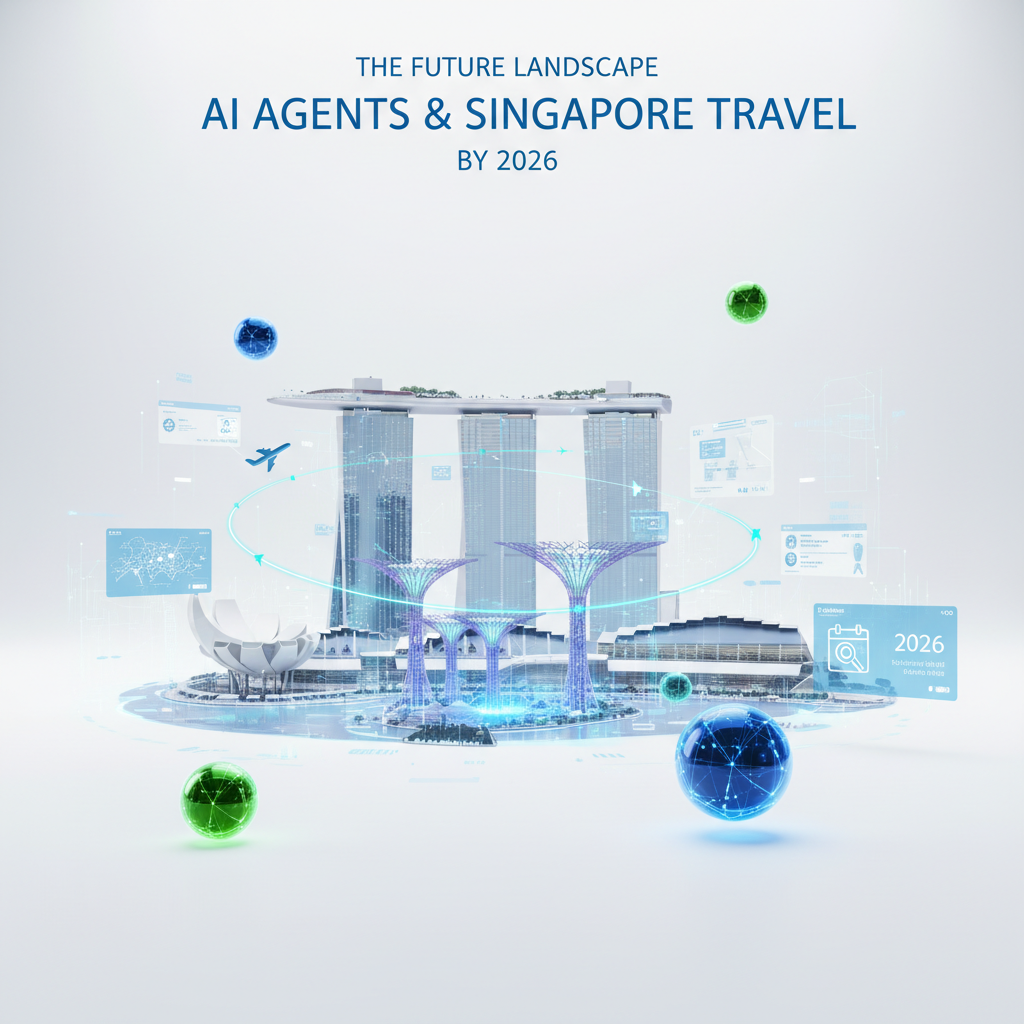
The Future Landscape: AI Agents and Singapore Travel by 2026
The bustling city-state of Singapore, renowned for its foresight and innovation, is on the cusp of a revolutionary transformation in its travel sector. By 2026, the advanced integration of AI agents will redefine the tourism experience, creating a more seamless, intelligent, and sustainable ecosystem. This isn’t merely an upgrade; it’s a fundamental shift in How AI agent effect to Travels field in Singapore, promising hyper-personalized journeys, proactive assistance, and a deeper connection to the Lion City’s rich offerings. The island nation, already a pioneer in smart technologies, is leveraging the power of artificial intelligence to not only enhance visitor satisfaction but also to address critical aspects of sustainability and operational efficiency within its vibrant tourism ecosystem. From the moment a traveler considers Singapore to their departure, AI will be an invisible, yet indispensable, guide, curator, and concierge.
1. Seamless Integration with Singapore’s Smart Nation Initiatives
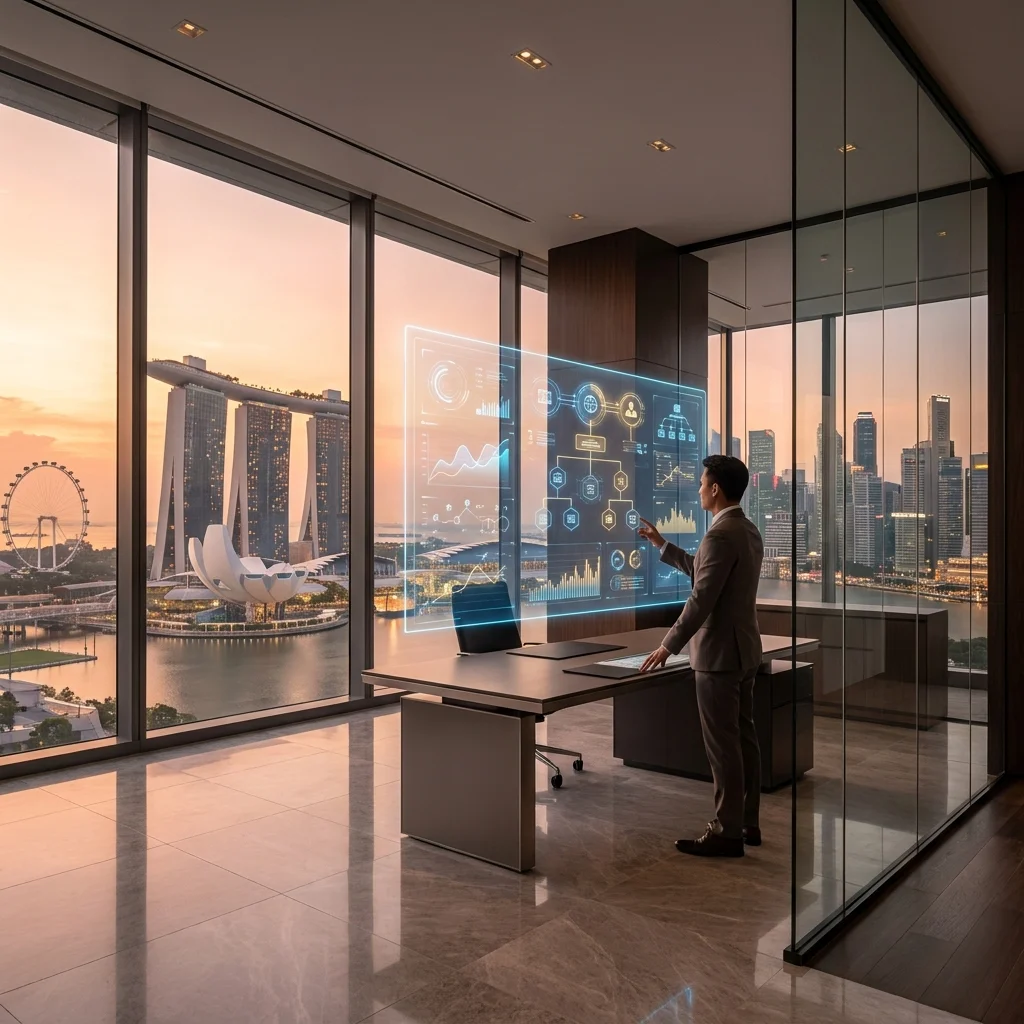
Singapore’s ambitious Smart Nation vision provides fertile ground for the pervasive deployment of AI agents in travel. By 2026, these digital entities will be intricately woven into the city’s intelligent infrastructure, offering a truly seamless experience. Imagine an AI digital concierge that anticipates your needs even before you articulate them. Leveraging predictive analytics drawn from your preferences, past travel, and real-time city data – such as weather, traffic, and event schedules – AI agents will craft dynamic, personalized itineraries. From booking a table at a Michelin-starred hawker stall to suggesting the quickest route via public transport to Marina Bay Sands, these agents will provide real-time assistance through conversational interfaces accessible via smartphones, smart displays, and even wearable tech.
This deep integration means AI agents won’t just recommend; they will execute. They’ll manage bookings across multiple platforms, alert you to potential delays, and even offer alternative plans proactively. For instance, if a popular attraction faces unexpected closure, your AI agent will instantly re-route your day with equally engaging alternatives, complete with revised transport and dining options. This level of personalized, intelligent support significantly enhances the overall visitor experience, making every moment in Singapore optimized and effortless. The impact of such deep integration profoundly influences How AI agent effect to Travels field in Singapore, moving beyond mere convenience to become an essential component of the city’s tourism fabric.
2. Augmented Reality (AR) and Virtual Reality (VR) Powered Experiences
The future of Singapore travel by 2026 will be characterized by deeply immersive experiences, largely powered by Augmented Reality (AR) and Virtual Reality (VR), curated and enhanced by AI agents. These intelligent systems will act as your personal guide through digital layers of information and engagement. Before even stepping foot on the island, travelers can embark on virtual reality tours of iconic landmarks like the ArtScience Museum or the Gardens by the Bay, customizing their virtual journey based on their interests. AI agents will learn from these interactions, further refining recommendations for their physical trip.
Upon arrival, augmented reality will transform exploration. Imagine pointing your smartphone at a historic shophouse in Chinatown, and your AI agent overlaying its rich history, past inhabitants, and relevant cultural anecdotes directly onto your view. This interactive storytelling will extend to navigating complex exhibition spaces, discovering hidden gems in neighborhood markets, or even experiencing vibrant cultural engagement through digital reenactments of historical events. AI agents will dynamically adjust the AR/VR content based on your location, time of day, and demonstrated curiosities, ensuring each interaction is fresh, relevant, and captivating. This creates a new dimension of exploration, blending the physical and digital worlds for an unparalleled Singapore travel adventure.
3. The Role of AI Agents in Promoting Sustainable and Responsible Tourism
As global awareness for environmental conservation grows, AI agents are poised to play a pivotal role in fostering sustainable tourism in Singapore by 2026. These intelligent systems will not only enhance individual travel experiences but also guide visitors towards more eco-friendly choices and responsible practices. AI agents can analyze current crowd management data to suggest less congested times to visit popular attractions, thereby minimizing environmental strain and improving the quality of experience for everyone. They will promote the use of Singapore’s excellent public transport network over ride-hailing services, automatically integrating bus and MRT schedules into itineraries.
Furthermore, AI agents can provide comprehensive information on sustainable accommodations, restaurants sourcing local produce, and ethical tour operators that contribute positively to local communities. They can educate tourists on local conservation efforts, cultural sensitivities, and responsible waste disposal, encouraging behaviors that align with Singapore’s commitment to being a “City in a Garden.” By offering transparent insights into the environmental impact of various choices, from flights to dining, AI agents empower travelers to make informed, responsible decisions. This proactive guidance is crucial for long-term preservation and aligns with global initiatives for responsible travel, ensuring the beauty and culture of Singapore remain vibrant for future generations.
In conclusion, by 2026, AI agents will be indispensable architects of the Singapore travel experience. They will elevate the journey from mere sightseeing to an intelligent, personalized adventure, seamlessly integrated with the city’s Smart Nation ethos. From curating immersive AR/VR explorations to championing sustainable practices, these digital companions will ensure that Singapore remains a world-leading destination, offering an unprecedented blend of innovation, convenience, and responsibility. The transformative impact of AI agents will truly reshape the future of Singapore travel, ushering in an era of intelligent and harmonious tourism.
Partner with Shelby Global
You are looking for reliable HR Sevice Suppliers? Contact Shelby Global Now! To connect with verified talents and upgrade your orginization.
—————————————
References
– Deloitte’s outlook on the travel and hospitality industry: https://www2.deloitte.com/us/en/insights/industries/travel-hospitality-leisure/travel-hospitality-industry-outlook.html
– UNWTO Highlights Potential of AI for Tourism: https://www.unwto.org/news/unwto-highlights-potential-of-ai-for-tourism
– McKinsey & Company: https://www.mckinsey.com/industries/travel-logistics-and-infrastructure/our-insights/travel-in-the-next-normal-the-future-of-travel-demand-and-the-next-traveler
– :
– UN World Tourism Organization (UNWTO): https://www.unwto.org/sustainable-development