
Overview of Singapore’s Fashion Landscape & Job Market
Singapore, a bustling metropolis renowned for its innovation and vibrant culture, has steadily carved out a significant niche in the global fashion arena. Far more than just a shopper’s paradise, the Lion City boasts a dynamic fashion landscape that beautifully intertwines local creativity with international luxury. This section delves into the current state and future trajectory of Singapore’s fashion industry, providing essential context for understanding the unique job market dynamics and anticipated salary expectations within this exciting sector. From its impressive growth trends to the diverse array of key players and evolving job roles, Singapore presents a compelling panorama for aspiring and established fashion professionals alike.
-
Growth Trends and Market Size in Singapore’s Fashion Sector
The fashion sector in Singapore continues to demonstrate robust growth, propelled by a confluence of factors including high disposable incomes, a strong tourism industry, and increasing digital adoption. As a wealthy nation with a discerning consumer base, Singapore serves as a prime market for both luxury and mass-market apparel. Projections indicate a sustained upward trajectory, with the apparel market alone expected to reach significant figures in the coming years. According to a Statista Market Forecast, the revenue in the Singaporean fashion market is projected to grow annually. This growth is further fueled by the burgeoning e-commerce segment, which has democratized access to local and international brands, and the rising awareness around sustainable fashion practices. Consumers are increasingly seeking ethically produced and environmentally conscious apparel, pushing brands to innovate and adapt their supply chains and product offerings. This shift not only shapes consumer behavior but also creates new opportunities and demands within the industry’s job market. Singapore’s strategic location also positions it as a key gateway to Southeast Asia, attracting regional players and investors looking to tap into broader ASEAN markets. The emphasis on innovation, technology integration, and consumer experience is a hallmark of this expanding sector.
-
Key Players: Local Boutiques vs. International Luxury Brands
Singapore’s fashion ecosystem is characterized by a vibrant dichotomy between established international luxury brands and a burgeoning scene of innovative local boutiques and designers. On one hand, Orchard Road, Singapore’s iconic shopping belt, is home to flagship stores of global powerhouses such as Chanel, Louis Vuitton, Gucci, and Prada. These luxury giants attract a high-net-worth clientele and offer a range of specialized career paths, from high-end retail management and visual merchandising to regional marketing and public relations roles. Working with these brands often provides exposure to global best practices and extensive professional development. On the other hand, the local fashion scene is flourishing, with designers like In Good Company, MAX.TAN, and multi-label boutiques like Manifest Store showcasing unique, often sustainably-focused, and culturally-inspired collections. These local players contribute significantly to Singapore’s creative identity, fostering roles in design, ethical production, e-commerce management, and community engagement. The rise of hybrid models, where local designers collaborate with larger retailers or expand through digital-first strategies, further enriches the market. This diverse landscape means that fashion professionals in Singapore have a wide spectrum of environments to choose from, each offering distinct learning curves and career progression opportunities, catering to different skill sets and aspirations.
-
Current Job Market Demand and Emerging Roles
The fashion job market in Singapore is continually evolving, driven by technological advancements, shifts in consumer preferences, and a growing emphasis on sustainability. While traditional roles such as retail associates, sales managers, visual merchandisers, and fashion designers remain foundational, there is an accelerating demand for professionals with specialized digital and analytical skills. E-commerce specialists, digital marketing managers with expertise in fashion campaigns, social media strategists, and data analysts who can interpret consumer trends are highly sought after. The increasing focus on ethical production and environmental impact has also opened doors for sustainability consultants and supply chain specialists with a strong understanding of responsible sourcing.
Furthermore, roles combining creativity with technology, such as 3D fashion designers for virtual garments or AI-powered stylists, are slowly emerging as Singapore embraces smart nation initiatives. Employers are looking for candidates who possess not only core fashion knowledge but also digital literacy, adaptability, excellent customer service skills, and a global perspective. Experience in omnichannel retail, where online and offline experiences seamlessly merge, is also highly valued. For those considering a career or seeking advancement in this dynamic field, understanding the current remuneration landscape is crucial. For a comprehensive look into the financial aspects, a detailed salary range report of jobs in the fashion field in Singapore can provide invaluable insights into earning potential across various positions and experience levels, guiding career decisions and negotiation strategies effectively. The industry’s push towards innovation and sustainability ensures a vibrant and continually expanding array of opportunities for skilled professionals.
Entry-Level Fashion Job Salary Ranges in Singapore
Stepping into the vibrant and competitive fashion industry in Singapore can be an exciting prospect for fresh graduates and career starters. The city-state is a regional hub for luxury brands, fast fashion, and burgeoning local designers, offering diverse opportunities. Understanding the typical salary expectations is crucial for those just starting their careers. This section provides a comprehensive salary range report of jobs in Fashion field in singapore, focusing on common entry-level positions and giving aspiring professionals a realistic outlook on compensation within the sector. While these figures represent general ranges, actual salaries can vary based on factors such as company size, brand prestige, educational background, portfolio strength, and specific skill sets.
1. Fashion Designer Assistant & Junior Stylist Salaries
For those with a passion for creation and styling, roles like Fashion Designer Assistant and Junior Stylist are popular entry points into the Singaporean fashion world. A Fashion Designer Assistant typically supports senior designers with tasks ranging from mood board creation and fabric sourcing to pattern making assistance and sample coordination. They require strong technical skills, a keen eye for detail, and proficiency in design software. A Junior Stylist, on the other hand, often works on photoshoots, editorials, or personal styling projects, assisting lead stylists with wardrobe management, accessories selection, and ensuring the overall aesthetic vision is met. These roles demand creativity, an understanding of current trends, and excellent organizational abilities.
The starting salaries for these creative entry-level fashion jobs Singapore generally fall within the range of S$2,200 to S$3,000 per month. Factors influencing this range include the type of company (e.g., a small independent label versus a large corporate fashion house), the scope of responsibilities, and the quality of the candidate’s portfolio. Exceptional portfolios and relevant internships can help command a salary towards the higher end of this spectrum, reflecting the value placed on practical experience and demonstrated talent in the competitive fashion industry salaries Singapore landscape.
2. Retail Assistant/Associate & Visual Merchandising Entry Pay
The retail front is often the most accessible entry point into the fashion industry, offering direct interaction with customers and products. Roles like Retail Assistant or Retail Associate are fundamental to the success of any fashion brand. Responsibilities typically include customer service, sales, inventory management, and maintaining store presentation. While seemingly straightforward, these positions require excellent communication skills, a proactive attitude, and a genuine passion for fashion to create a memorable customer experience. For those with an artistic flair and an understanding of brand aesthetics, an entry-level position in Visual Merchandising could be ideal. A Junior Visual Merchandiser assists in creating appealing store displays, window setups, and in-store promotions to enhance product visibility and drive sales.
Salaries for Retail Assistants/Associates in Singapore typically range from S$1,800 to S$2,500 per month, often supplemented by sales commissions or performance bonuses, especially in high-end or target-driven environments. Entry-level Visual Merchandising roles generally see slightly higher base pay, ranging from S$2,000 to S$2,800 per month, reflecting the specialized skill set involved in spatial design and brand storytelling. These roles are crucial for understanding consumer behavior and the commercial aspects of fashion, providing a solid foundation for career progression within the broader fashion industry salaries Singapore.
3. Merchandising/Marketing Intern & Coordinator Compensation
Behind the scenes, the roles of merchandising and marketing are vital for product development, brand promotion, and market positioning. For those interested in the strategic and business side of fashion, an internship or a coordinator role is an excellent starting point. A Merchandising Intern or Assistant Merchandiser might assist with market research, trend analysis, inventory planning, and supplier communication. This role requires strong analytical skills, attention to detail, and a good understanding of market dynamics. Similarly, a Marketing Intern or Marketing Coordinator supports branding initiatives, social media management, content creation, event planning, and public relations efforts, demanding creativity, digital proficiency, and strong communication skills.
Compensation for Interns in Merchandising or Marketing can vary widely. Full-time internships often offer a monthly stipend ranging from S$600 to S$1,200, while part-time or unpaid internships are also common, particularly for academic credit. For more permanent Coordinator positions, which involve greater responsibility and a more defined role, the starting salaries typically fall between S$2,300 and S$3,200 per month. These positions are foundational for building a career in fashion management, buying, or brand strategy, and offer significant learning opportunities within the competitive Singaporean fashion landscape. Aspiring professionals should research specific company cultures and growth prospects when considering these valuable entry-level fashion jobs Singapore.
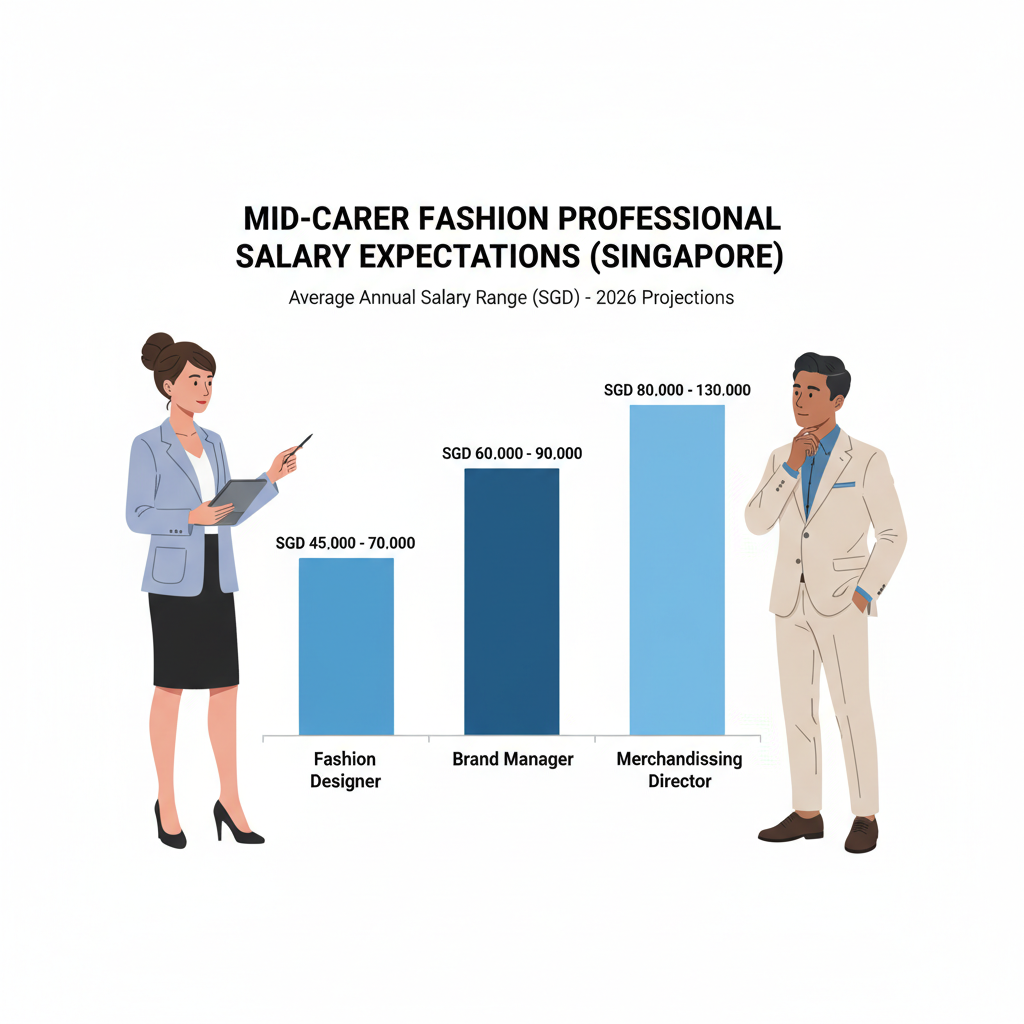
Mid-Career Fashion Professional Salary Expectations (Singapore)
This segment delves into the salary bands for fashion professionals with a few years of experience, highlighting earnings for roles requiring more autonomy and specialised skills. For those navigating the dynamic landscape of the fashion industry salaries Singapore, understanding compensation is crucial. This salary range report of jobs in Fashion field in singapore aims to provide clarity on what to expect as your career progresses.
As fashion professionals transition from entry-level positions to mid-career roles in Singapore, their salary expectations naturally evolve. With typically 3-7 years of experience, individuals in the fashion sector are often expected to demonstrate greater autonomy, leadership potential, and highly specialised skills. This career stage usually brings opportunities for significant salary growth, reflecting an increase in responsibilities, strategic input, and a deeper understanding of market trends and consumer behavior. Understanding the typical compensation for mid-level fashion jobs Singapore is essential for effective career planning and salary negotiation. According to the latest Robert Walters Singapore Salary Survey, mid-career professionals across various sectors in Singapore often see substantial increments based on their expertise and contribution.
-
Senior Fashion Designer & Product Development Salaries
For fashion professionals specializing in design and product development, mid-career roles often include titles like Senior Fashion Designer, Product Development Manager, or Lead Designer. These positions demand not only creative prowess but also a keen understanding of manufacturing processes, supply chain dynamics, and market viability. Professionals at this level are expected to manage design teams, oversee product lifecycles from concept to launch, and often liaise directly with factories and suppliers. In Singapore, a Senior Fashion Designer with 4-7 years of experience can expect a salary range of approximately S$4,500 to S$7,500 per month. Those in Product Development roles, particularly with a strong technical background and experience in managing diverse product categories, might earn slightly higher, ranging from S$5,000 to S$8,500 per month. Compensation is heavily influenced by the size and type of the company (e.g., luxury brand vs. fast fashion retailer), the complexity of products, and the professional’s portfolio and track record.
-
Brand Manager & Marketing Executive Compensation
Mid-career marketing and brand professionals in the fashion industry are pivotal in shaping a brand’s identity and market presence. Roles such as Brand Manager, Marketing Manager, or Senior Marketing Executive require a strategic mindset, strong communication skills, and a deep understanding of consumer psychology. Responsibilities often include developing and executing marketing campaigns, managing brand identity, overseeing digital marketing efforts, and analyzing market trends. In Singapore, a Brand Manager with 3-6 years of experience typically commands a salary between S$4,800 and S$8,000 per month. Senior Marketing Executives, with a focus on specific channels like digital or social media, might fall within S$4,000 to S$7,000. Professionals with proven success in driving brand growth, expanding market share, or orchestrating successful product launches can expect to be on the higher end of this scale, especially if they possess strong analytical and leadership capabilities.
-
E-commerce Merchandiser & Buyer Analyst Wages
The rapid growth of online retail has made e-commerce and buying roles increasingly critical. Mid-career professionals in this area might hold titles such as E-commerce Merchandiser, Senior Buyer, or Buyer Analyst. These roles require a blend of analytical skills, commercial acumen, and an understanding of digital platforms. E-commerce Merchandisers optimize product listings, manage inventory, and analyze sales data to maximize online revenue. Senior Buyers are responsible for selecting collections, negotiating with suppliers, and forecasting demand, while Buyer Analysts provide crucial data-driven insights to inform buying decisions. In Singapore, an E-commerce Merchandiser with 3-6 years of experience can anticipate a monthly salary ranging from S$4,200 to S$7,000. Senior Buyers, particularly those managing significant budgets or specific product categories, may earn S$5,500 to S$9,000 or more, depending on the scale of their responsibilities and the company’s revenue. Strong negotiation skills, a proven track record in sales performance, and proficiency in data analytics are key drivers for higher compensation in these roles.
In conclusion, mid-career fashion professionals in Singapore can expect substantial growth in their earning potential, reflecting their increased expertise, autonomy, and strategic contributions. Salaries are benchmarked against industry standards, with variations based on company size, specialization, and individual performance. Continuous skill development, particularly in digital competencies and leadership, remains crucial for maximizing salary expectations and career progression in Singapore’s competitive fashion landscape.
Senior & Leadership Roles: Top-Tier Fashion Salaries
Exploring the upper echelons of the fashion industry, this section covers the high-end salary ranges for experienced leaders and directors in Singapore’s competitive market.
Singapore’s fashion landscape is a dynamic blend of global luxury brands, innovative local designers, and burgeoning e-commerce platforms. For seasoned professionals with a proven track record, this vibrant market offers lucrative opportunities in senior and leadership roles. These positions demand not only extensive experience and strategic acumen but also a deep understanding of market trends, consumer behaviour, and operational excellence. Consequently, the remuneration packages for these top-tier roles reflect their significant responsibilities and impact on a company’s success. This exploration delves into the expected salary range report of jobs in Fashion field in singapore, highlighting the earning potential for those at the pinnacle of their careers.
1. Creative Director & Head of Design Remuneration
At the heart of any fashion brand’s identity lies its creative vision, spearheaded by the Creative Director or Head of Design. These pivotal roles are responsible for defining the aesthetic direction, overseeing design teams, and ensuring brand consistency across all collections and campaigns. Their impact on market perception and sales is immense, requiring a blend of artistic flair, commercial understanding, and strong leadership. In Singapore, a Creative Director at a well-established local brand or a regional head for an international label can command a significant salary. Depending on the brand’s prestige, its global reach, and the individual’s portfolio and track record of successful collections, annual remuneration typically falls within the S$150,000 to S$250,000 range. For those leading global creative teams or working with ultra-luxury houses, this figure can ascend even higher, sometimes exceeding S$300,000, often supplemented by performance bonuses and generous benefits packages.
2. Country Manager (Luxury Fashion) & General Manager Pay
The Country Manager or General Manager for luxury fashion brands in Singapore holds a comprehensive leadership position, overseeing all operational, commercial, and strategic aspects of the brand’s presence in the market. This includes retail operations, marketing, sales, finance, and human resources. Their primary goal is to drive profitability, market share, and brand equity within a highly competitive and discerning consumer base. Given the strategic importance and broad scope of responsibility, these roles are among the highest paying in the industry. For a luxury fashion brand in Singapore, a Country Manager or General Manager can expect an annual base salary ranging from S$180,000 to S$350,000. This often comes with substantial performance-based bonuses, which can add 20-50% (or more) to the base salary, along with executive perks such as company cars, high-tier health insurance, and stock options. Success in this role hinges on a deep understanding of the local market, exceptional leadership capabilities, and a proven ability to achieve ambitious sales targets and expand brand footprint.
3. Head of Merchandising/Buying & Supply Chain Director Salaries
Crucial for a fashion company’s profitability and operational efficiency are the roles of Head of Merchandising/Buying and Supply Chain Director. The Head of Merchandising or Buying is responsible for curating collections, managing inventory, forecasting trends, and making strategic purchasing decisions that align with brand vision and market demand. Their ability to predict consumer desires and manage product lifecycle directly impacts revenue. Salaries for these roles in Singapore typically range from S$120,000 to S$200,000 annually, with significant bonuses tied to sales performance and inventory efficiency. Meanwhile, the Supply Chain Director orchestrates the entire journey of a product, from sourcing raw materials to delivery to the end consumer. This involves managing logistics, manufacturing, warehousing, and ensuring ethical and sustainable practices. Given Singapore’s role as a regional hub, expertise in global supply chain management is highly valued. A Supply Chain Director in the fashion industry can anticipate an annual salary between S$140,000 and S$220,000, often with performance incentives linked to cost savings, efficiency improvements, and timely delivery. These roles demand strong analytical skills, negotiation prowess, and an in-depth understanding of international trade and compliance. For a broader perspective on executive remuneration across various sectors in Singapore, a comprehensive salary guide from leading recruitment firms often provides valuable insights into the competitive landscape.
In conclusion, senior and leadership roles within Singapore’s fashion industry offer highly competitive remuneration packages that reflect the extensive experience, strategic thinking, and leadership required. Whether driving creative vision, managing comprehensive market operations, or optimizing critical supply chains, top-tier professionals can anticipate significant earning potential, bolstered by performance bonuses and executive benefits. The demand for skilled leaders continues to grow, making Singapore an attractive hub for fashion executives aiming for the pinnacle of their careers.
Factors Influencing Fashion Salaries in Singapore
Navigating the dynamic landscape of Singapore’s fashion industry reveals a complex interplay of factors determining an individual’s earning potential. While job titles provide a baseline, a deeper dive into the specific elements beyond just the role itself is crucial for understanding the true salary range report of jobs in Fashion field in singapore. This section explores the diverse influences that shape compensation, from educational background and specialized skills to company prestige and the power of personal branding, offering a comprehensive overview for those looking to thrive in this competitive yet vibrant sector.

-
1. Education, Experience Level & Specialised Skills
Foundationally, an individual’s educational background significantly sets the stage for their earning potential in Singapore’s fashion industry. Degrees from reputable local or international institutions in fashion design, marketing, merchandising, or business administration are highly valued. However, beyond general qualifications, the depth of practical experience is often the most significant differentiator. Entry-level positions naturally command lower salaries, but with each successive year of relevant work, particularly in roles with increasing responsibility or project leadership, compensation typically sees a substantial upward trend. For instance, a junior fashion designer might earn between SGD 2,800 to SGD 3,500 monthly, whereas a senior designer with 5-7 years of experience and a strong portfolio could easily command SGD 5,000 to SGD 8,000 or more, depending on the employer and brand. Management roles, like Fashion Director or Head of Merchandising, with 10+ years of experience, can push salaries well into five figures.
Furthermore, specialised skills are increasingly critical in carving out a higher fashion industry Singapore salary. Proficiency in specific software (e.g., Adobe Creative Suite, CLO3D for 3D garment design, CAD tools), expertise in sustainable fashion practices, digital marketing acumen (SEO, social media strategy, e-commerce management), data analytics for trend forecasting, or supply chain optimization are highly sought after. In a market where digital transformation is paramount, fashion professionals with strong tech-savvy skills, particularly in areas like AI-driven trend analysis or virtual try-on technologies, find themselves in a premium position. Certifications in these niche areas, coupled with proven application, can dramatically enhance a candidate’s value, making them indispensable and justifying higher pay scales.
-
2. Company Type: Luxury, Fast Fashion, or Local Boutique Impact
The type of company one works for is a colossal factor in determining fashion designer salary Singapore and other roles. Singapore hosts a diverse array of fashion businesses, each with distinct compensation structures. At the pinnacle are international luxury brands (e.g., Louis Vuitton, Chanel, Gucci), which often offer the most competitive salaries, comprehensive benefits packages, and opportunities for global exposure. These companies operate on higher profit margins and typically seek top-tier talent with a global outlook, often justifying higher remuneration for roles across design, marketing, retail management, and public relations. Working for a luxury brand can elevate a professional’s market value significantly.
In contrast, fast fashion giants (e.g., Zara, H&M, Shein) operate on a high-volume, quick-turnaround model. While they offer numerous job opportunities, particularly in supply chain, merchandising, and retail, their salary structures might be more standardized and potentially lower than luxury counterparts, especially for mid-level positions. However, the sheer scale and rapid pace can provide invaluable experience. Local independent boutiques and emerging Singaporean designers often fall into a different category. While they might offer a more intimate, creative environment and unique learning experiences, their financial capacities often mean more modest salaries. Compensation in these settings can vary wildly, sometimes including performance-based incentives or a greater stake in creative ownership rather than just a higher base pay. Professionals considering these options should weigh the financial package against potential creative freedom and long-term career growth opportunities within a more niche market.
-
3. Portfolio Strength, Networking & Negotiation Skills
Beyond quantifiable metrics like education and experience, intangible yet powerful elements heavily influence an individual’s earning capacity. A compelling portfolio is the visual resume of any creative professional in fashion, from designers and stylists to photographers and marketers. A strong portfolio showcasing innovative projects, successful campaigns, and demonstrable results can speak volumes, demanding higher compensation. For instance, a fashion marketer with a portfolio demonstrating successful digital campaigns with significant ROI can command a higher fashion marketing jobs Singapore salary than one with less tangible achievements. It’s not just about what you’ve done, but how well you can present it and articulate its impact.
Networking is another cornerstone of career advancement and salary growth in Singapore’s tightly-knit fashion community. Building genuine connections with industry peers, mentors, and potential employers through industry events, workshops, and professional platforms like LinkedIn can open doors to opportunities that might not be publicly advertised, often leading to better-paying roles. These connections also provide invaluable insights into industry benchmarks and salary expectations, empowering candidates during negotiations. Finally, adept negotiation skills are paramount. Even with an impressive background and strong network, an inability to articulate one’s value and negotiate effectively can leave money on the table. Researching industry salary benchmarks (such as those found in a detailed salary range report of jobs in Fashion field in singapore), understanding one’s worth, and confidently advocating for fair compensation are crucial steps. Professionals who master these soft skills are better positioned to secure salaries that truly reflect their capabilities and contributions, as highlighted by various industry reports, including those compiled by recruitment experts like Michael Page Singapore’s Salary Benchmark Report, which offers broad insights into various sectors, including creative roles across Singapore.
Partner with Shelby Global
You are looking for reliable HR Sevice Suppliers? Contact Shelby Global Now! To connect with verified talents and upgrade your orginization.
—————————————
References
– Statista Market Forecast: https://www.statista.com/outlook/app/apparel/singapore
– Michael Page Singapore’s Salary Guide: https://www.michaelpage.com.sg/salary-report/salary-guide
– Robert Walters Singapore Salary Survey 2024: https://www.robertwalters.com.sg/salary-survey/singapore.html
– salary guide from leading recruitment firms: https://www.hays.com.sg/salary-guide
– :



































































































