The Rise of AI Agents in Singapore’s Tech Ecosystem
Singapore, a global hub for innovation and technology, is experiencing a significant shift with the accelerating rise of AI agents. These sophisticated entities are not just advanced algorithms but autonomous systems capable of perception, decision-making, and action, fundamentally reshaping various industries. Their emergence signifies a new frontier in the nation’s digital transformation journey, promising unparalleled efficiency, innovation, and enhanced service delivery across the vibrant technology field in Singapore. This section explores what AI agents are, their core capabilities, and the current landscape of their adoption, highlighting the key drivers accelerating their proliferation within the city-state’s dynamic tech sector.
-
Defining AI Agents and Their Capabilities
At their core, AI agents are computer programs designed to perceive their environment, make decisions, and take actions to achieve specific goals, often without constant human oversight. Unlike traditional AI models that primarily perform pattern recognition or data analysis, AI agents possess a higher degree of autonomy and proactive problem-solving capabilities. They operate on a perception-action loop, continuously sensing changes, processing information, and executing tasks to optimize outcomes.
Their core capabilities extend beyond simple automation. Key features include:
- Autonomy and Decision-Making: AI agents can independently analyze situations, evaluate options, and make choices, adapting their behavior based on real-time data and predefined objectives.
- Learning and Adaptation: Through machine learning techniques, agents can learn from experiences, refine their strategies, and improve performance over time, making them increasingly effective.
- Interaction with Environments: They can interface with various digital tools, APIs, databases, and even physical systems, enabling them to execute complex, multi-step operations across diverse platforms.
- Multi-Step Reasoning: Capable of breaking down complex problems into manageable sub-tasks and orchestrating a sequence of actions to achieve an overarching goal, demonstrating advanced problem-solving skills.
These capabilities enable AI agents to perform a wide range of tasks, from automating complex business processes and conducting sophisticated data analysis to personalizing customer experiences and optimizing supply chain logistics, marking a significant leap in intelligent automation.
-
Current Adoption Rate in Singapore’s Tech Sector
Singapore’s forward-looking approach to digital transformation has positioned it as an early and enthusiastic adopter of AI agent technologies. The current adoption rate is robust and rapidly expanding across key sectors, reflecting the nation’s strategic emphasis on innovation and productivity. Financial services, healthcare, logistics, smart city initiatives, and government services are leading the charge, integrating AI agents to streamline operations, enhance service delivery, and gain competitive advantages.
In finance, AI agents are deployed for fraud detection, algorithmic trading, personalized financial advice, and automated compliance checks, boosting efficiency and security. Healthcare leverages them for diagnostics, drug discovery, patient management, and operational optimization within hospitals. The logistics sector benefits from AI agents in route optimization, inventory management, and predictive maintenance for fleets. Furthermore, Singapore’s Smart Nation initiatives are increasingly powered by AI agents, contributing to intelligent traffic management, resource allocation, and public safety systems.
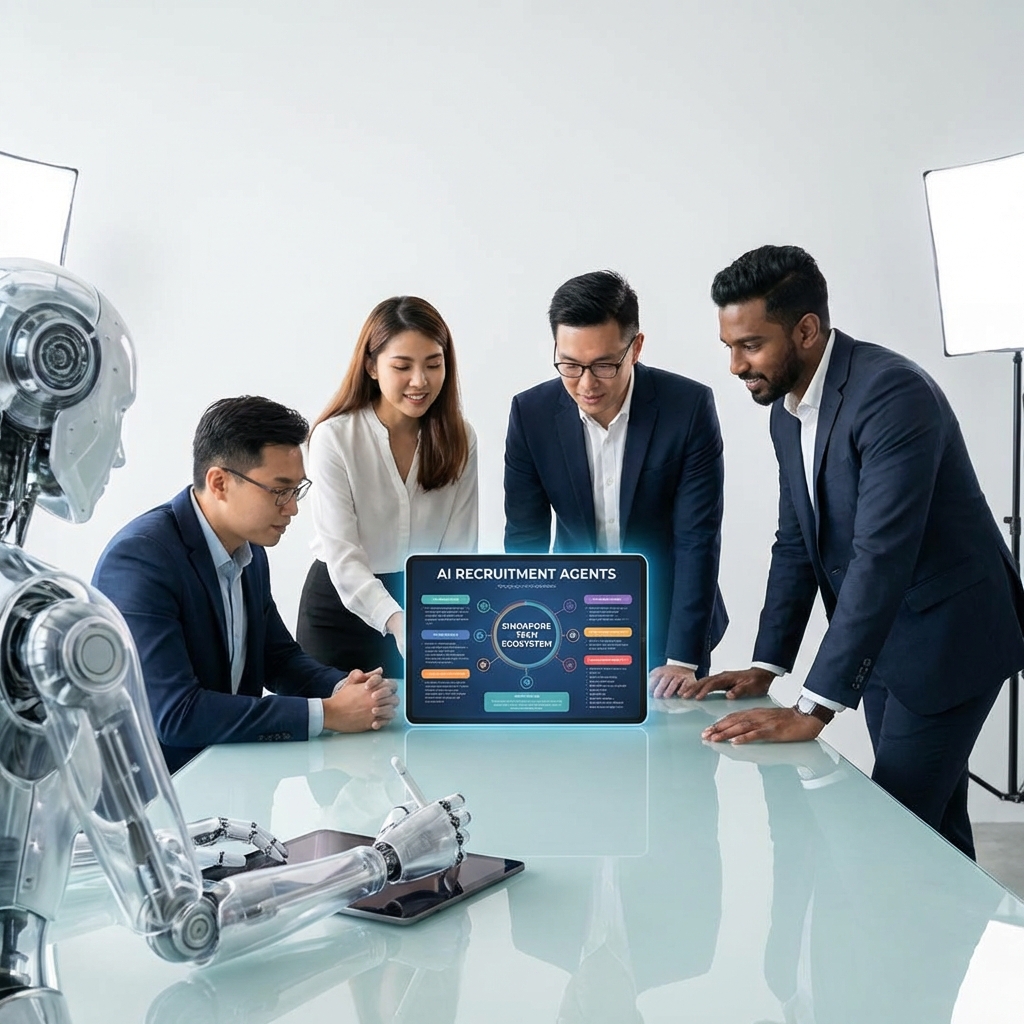
Early adopters among both multinational corporations and local startups are reporting significant gains in operational efficiency, cost reduction, and customer satisfaction, demonstrating the transformative impact of AI agents on Singapore’s economic landscape. This widespread integration underscores a strategic move towards a more autonomous and data-driven economy.
-
Key Drivers of AI Agent Proliferation and Investment
The accelerated proliferation and substantial investment in AI agents within Singapore are driven by a confluence of strategic factors, cementing the nation’s position at the forefront of AI innovation.
- Strong Government Support and National AI Strategy: Singapore’s government plays a pivotal role through initiatives like the National AI Strategy 2.0. This comprehensive roadmap outlines plans for developing AI capabilities, fostering talent, and encouraging adoption across various sectors, providing a clear impetus for AI agent development and deployment.
- Robust Digital Infrastructure: The nation’s advanced digital infrastructure, including high-speed connectivity and cloud computing capabilities, provides a fertile ground for the seamless operation and scalability of complex AI agent systems.
- Demand for Productivity and Efficiency: In a highly competitive global market and with a focus on sustainable growth, Singaporean businesses are continuously seeking ways to enhance productivity and operational efficiency. AI agents offer a powerful solution to automate repetitive tasks, optimize processes, and unlock new levels of performance.
- Talent Pool and Research Ecosystem: Singapore boasts a strong talent pipeline from world-class universities (e.g., NUS, NTU) and research institutions dedicated to AI. This vibrant ecosystem fosters innovation, attracts top researchers, and ensures a steady supply of skilled professionals capable of developing and managing advanced AI agent technologies.
- Emergence of Foundational Models: The rapid advancements in large language models (LLMs) and other foundational AI models provide robust building blocks for creating more sophisticated and versatile AI agents, lowering the barrier to entry for development and accelerating deployment.
These drivers collectively ensure that AI agents are not just a passing trend but a foundational pillar of Singapore’s future technology landscape, attracting continued investment and fostering a culture of innovation.
Impact on Workforce and Talent Development
The integration of AI agents is profoundly reshaping Singapore’s job market, presenting both formidable challenges and unprecedented opportunities. As artificial intelligence becomes increasingly sophisticated, its impact on the technology field in Singapore is particularly acute, driving a re-evaluation of traditional roles, demanding new skill sets, and necessitating innovative talent development initiatives. This section explores the dual-edged sword of automation, the imperative for continuous learning, and the evolving landscape where human-AI collaboration defines the future of work.
-
Automation and Job Displacement vs. Creation
The advent of AI agents inevitably raises concerns about job displacement, particularly for roles involving repetitive or routine tasks. In Singapore’s highly digitalized economy, sectors like manufacturing, administrative services, and even certain aspects of the IT industry face automation risks. For instance, AI-driven automation can handle data entry, basic customer service inquiries, and rudimentary code generation, leading to a reduction in demand for specific human roles. However, this narrative is incomplete. Simultaneously, AI agents are powerful catalysts for job creation, fostering an ecosystem for new specializations that previously didn’t exist. These include roles in AI development, maintenance, ethics, and integration, requiring highly specialized skills in machine learning, data science, and AI governance. The net effect is not merely a loss of jobs but a fundamental shift in the types of jobs available, compelling Singapore’s workforce to adapt swiftly to maintain its competitive edge. The challenge lies in managing the transition effectively, ensuring that displaced workers can pivot into emerging opportunities rather than being left behind.
-
Reskilling and Upskilling Initiatives for the AI Era
To navigate the evolving demands of the AI-driven economy, reskilling and upskilling initiatives are not merely beneficial but essential. Singapore, recognizing this imperative, has heavily invested in lifelong learning frameworks. Programs like SkillsFuture, for example, empower individuals to acquire new competencies and adapt existing ones to align with future industry needs. The focus has shifted from job-specific training to developing foundational and transversal skills that are resilient to technological change. Critical thinking, complex problem-solving, creativity, digital literacy, and emotional intelligence are now paramount. Furthermore, “AI literacy” – understanding how AI works, its capabilities, and its ethical implications – is becoming a crucial skill for all professionals, not just those in the tech sector. Education institutions and corporate training programs are collaborating to design curricula that address these emerging skill gaps, offering modules in data analytics, machine learning fundamentals, cybersecurity, and human-computer interaction. Singapore’s commitment to continuous learning is vital for transforming its workforce into an agile, AI-ready talent pool, ensuring that its citizens can thrive in the face of rapid technological advancements. Insights from global bodies emphasize the need for such transformative reskilling for the AI era.
-
Future of Work: Human-AI Collaboration and New Roles
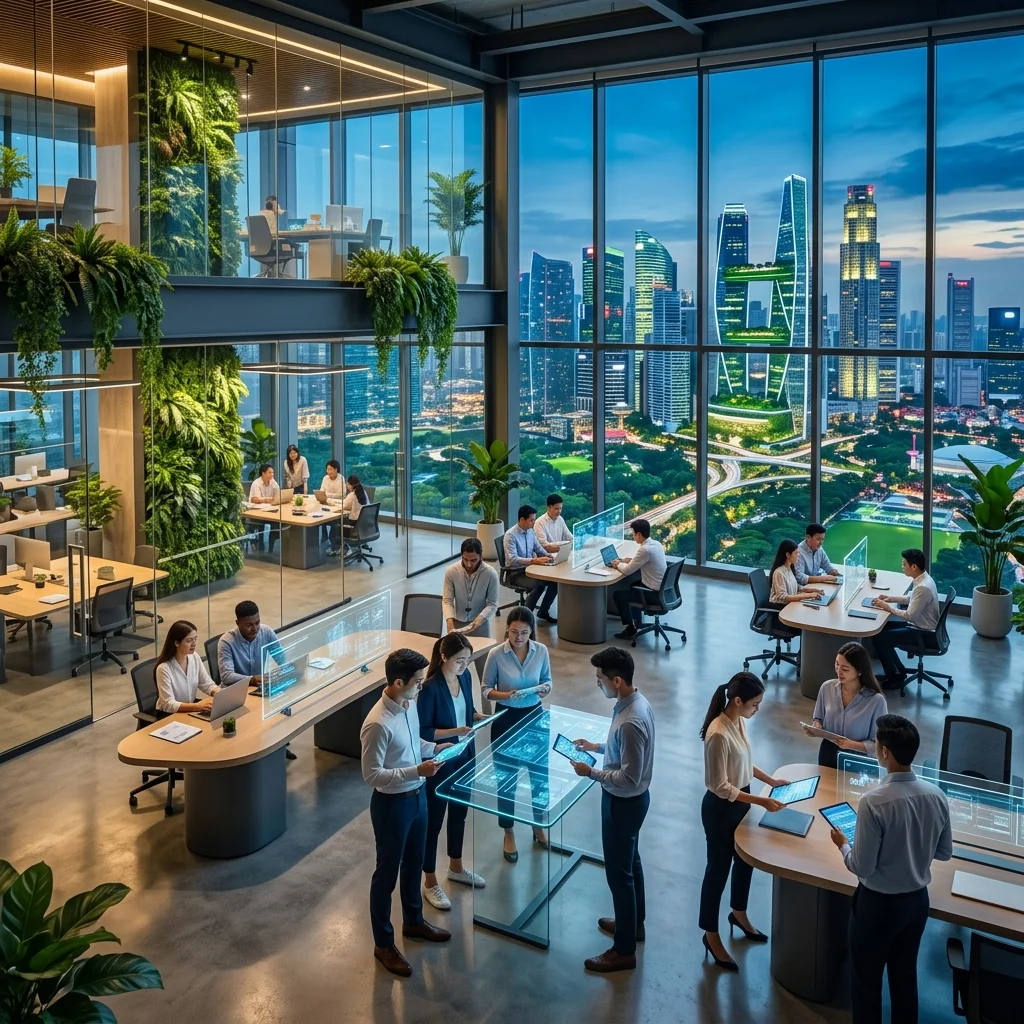
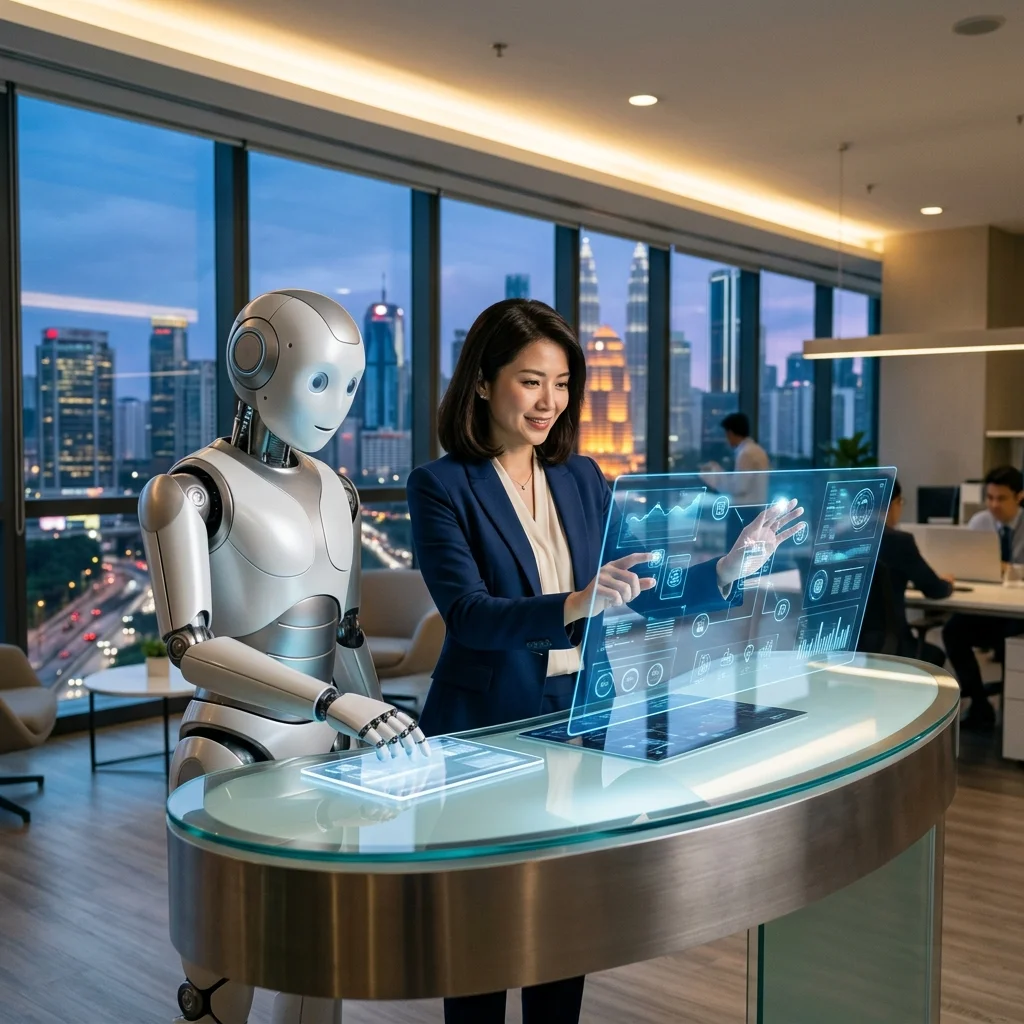
The future of work in an AI-dominated landscape is increasingly characterized by human-AI collaboration, where AI agents augment human capabilities rather than simply replacing them. This synergistic relationship allows humans to focus on higher-order tasks requiring creativity, strategic thinking, and interpersonal skills, while AI handles data processing, analysis, and routine automation. This paradigm shift gives rise to an array of new roles designed to facilitate and optimize human-AI interaction. Examples include “AI Trainers” who teach and fine-tune AI models, “Prompt Engineers” who specialize in crafting effective queries for generative AI, “AI Ethicists” who ensure responsible and fair AI deployment, and “Human-AI Teaming Managers” who oversee collaborative workflows. Professionals in fields suchs as healthcare, finance, and education will increasingly work alongside AI tools, leveraging them to enhance diagnosis, personalize financial advice, or customize learning experiences. Singapore’s talent development strategies are focused on preparing its workforce for these collaborative roles, fostering a culture of adaptability and continuous learning. By embracing human-AI partnership, Singapore aims to unlock new levels of productivity, innovation, and economic growth, cementing its position as a leading smart nation.
Driving Innovation and Business Transformation
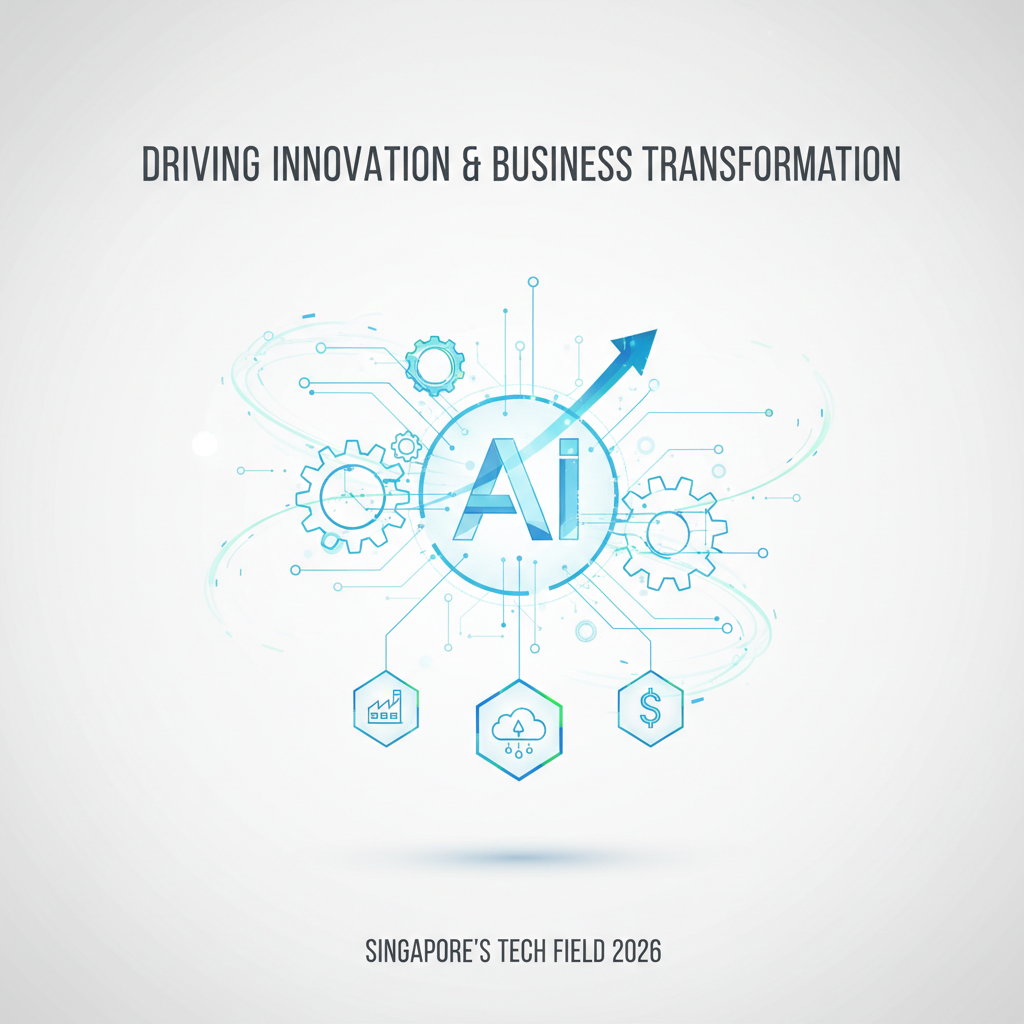
Singapore, a global leader in technological adoption and innovation, is witnessing a profound transformation driven by the pervasive integration of AI agents. These intelligent systems are not merely tools but catalysts, fundamentally altering how businesses operate, innovate, and compete across diverse industries. The impact of AI agents on Singapore’s technology field is multifaceted, accelerating progress from deep-tech R&D to agile operational frameworks and the genesis of entirely new economic paradigms.
The nation’s ambitious Smart Nation initiative provides a fertile ground for AI agent deployment, enabling unprecedented efficiencies and fostering a culture of continuous innovation. From enhancing patient care in healthcare to optimizing complex financial algorithms and streamlining supply chains, AI agents are at the forefront of Singapore’s drive towards a more intelligent and interconnected future. This strategic embrace of AI underscores the city-state’s commitment to maintaining its competitive edge and solving pressing societal challenges through technological prowess. Singapore’s progressive approach to AI is particularly evident in its National AI Strategy, which aims to leverage AI for national impact, affecting numerous sectors, including 17 critical ones identified for growth and transformation.
1. Enhancing R&D and Product Development Cycles
AI agents are revolutionizing research and development in Singapore, significantly compressing product development cycles and fostering breakthrough innovations. In sectors like pharmaceuticals and biotechnology, AI-driven platforms can analyze vast datasets of genetic information, molecular structures, and clinical trial results to accelerate drug discovery and identify potential therapeutic compounds with greater precision. This drastically reduces the time and cost traditionally associated with R&D, moving from hypothesis to market much faster. For instance, AI agents are being employed in material science to predict properties of new alloys or composites, leading to the development of advanced materials for various applications, from aerospace to consumer electronics.
Furthermore, in software development, AI agents are assisting engineers in writing, testing, and debugging code, automating repetitive tasks, and even suggesting optimal design patterns. This not only boosts productivity but also allows human developers to focus on higher-order creative and problem-solving challenges. AI-powered simulation tools enable companies to virtually test prototypes and refine designs before physical production, minimizing waste and accelerating time-to-market for a wide array of products, from smart city solutions to specialized industrial equipment. This proactive application of AI agents ensures that Singapore remains at the cutting edge of global innovation.
2. Optimizing Operations, Customer Service, and Supply Chains
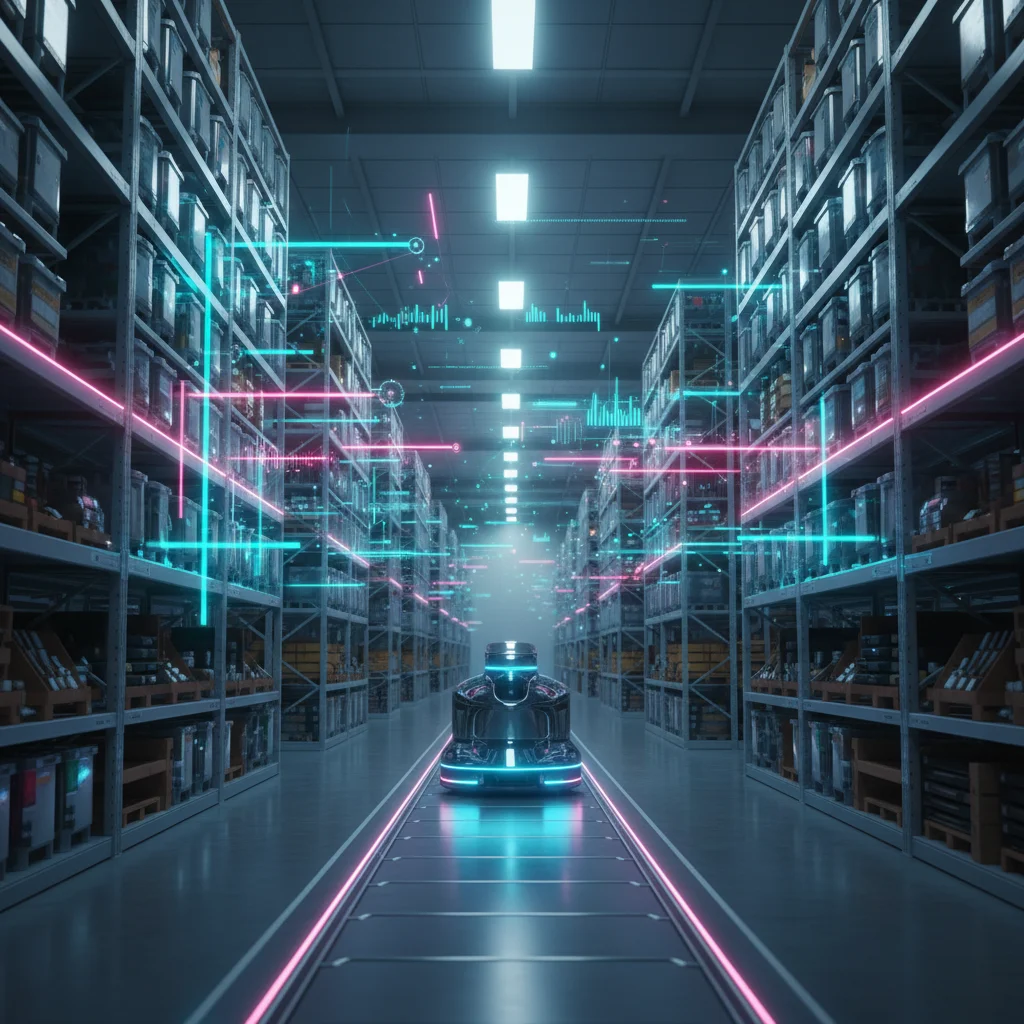
Operational efficiency is a cornerstone of Singapore’s economic strategy, and AI agents are playing a pivotal role in achieving this. In manufacturing, predictive maintenance AI algorithms monitor machinery in real-time, anticipating potential failures and scheduling maintenance proactively, thereby minimizing downtime and maximizing output. Logistics and supply chain management are being transformed by AI agents that optimize routing, manage inventory levels, and predict demand fluctuations, leading to more resilient and cost-effective global supply chains. This is particularly crucial for a trade-dependent nation like Singapore.
Customer service has seen a paradigm shift with the deployment of AI-powered chatbots and virtual assistants. These agents provide instant, personalized support 24/7, handling routine inquiries, resolving common issues, and escalating complex cases to human agents only when necessary. This significantly improves customer satisfaction while freeing up human resources for more intricate tasks. In the financial sector, AI agents are optimizing fraud detection, personalizing banking services, and automating compliance checks, enhancing both security and service delivery. The pervasive impact of How AI agent effect to technology field in singapore is clear, driving unparalleled efficiencies across the board.
3. Creating New Business Models and Market Opportunities
Beyond optimization, AI agents are fostering the creation of entirely new business models and unlocking previously unimaginable market opportunities within Singapore. The rise of platform economies is further propelled by AI, which facilitates hyper-personalization and intelligent matchmaking between service providers and consumers. In healthcare, AI-driven diagnostic tools are enabling remote consultations and personalized treatment plans, giving rise to new telehealth services and precision medicine initiatives that were once considered futuristic.
The financial technology (FinTech) sector is a prime example, where AI agents underpin robo-advisors, algorithmic trading, and innovative credit scoring models, democratizing access to financial services and creating new investment avenues. Furthermore, AI agents are instrumental in the development of smart city solutions, from intelligent traffic management systems to energy optimization, leading to new ventures focused on urban innovation. As articulated in Singapore’s National AI Strategy, the nation is actively nurturing an ecosystem where AI-driven startups can thrive, attracting significant investment and talent. These new models are not only generating economic growth but also enhancing the quality of life for citizens, solidifying Singapore’s position as a vibrant hub for AI-driven transformation.
Challenges and Ethical Considerations
The widespread deployment of AI agents, while promising transformative benefits, concurrently introduces a complex web of challenges and ethical dilemmas. As these autonomous systems become increasingly integrated into the fabric of daily operations and decision-making, understanding their potential hurdles, regulatory complexities, and profound societal and economic implications becomes paramount. For a technologically advanced nation like Singapore, grappling with how AI agents affect the technology field in Singapore requires a proactive and balanced approach to harness innovation responsibly.
-
Data Privacy, Cybersecurity, and Intellectual Property Concerns
The inherent nature of AI agents often necessitates the collection, processing, and analysis of vast datasets, leading to significant data privacy concerns. As these agents interact with users and environments, they gather sensitive personal and proprietary information, raising questions about data ownership, consent, and secure storage. Breaches of such data, whether accidental or malicious, could have catastrophic consequences for individuals and organizations. Furthermore, the proliferation of AI agents introduces new vectors for cyberattacks. Malicious actors could target agents to gain access to systems, manipulate data, or disrupt critical infrastructure, posing an evolving cybersecurity threat landscape. From an intellectual property (IP) standpoint, challenges arise concerning the ownership of data used for training AI models and, more critically, the IP rights associated with content or inventions generated autonomously by AI agents. As Singapore pushes for deeper digital transformation, robust frameworks for data protection and cybersecurity, alongside clarity on AI-generated IP, are crucial for mitigating risks and fostering trust in the expanding technological ecosystem.
-
Bias, Fairness, and Accountability in AI Algorithms
One of the most profound ethical dilemmas in AI agent deployment stems from the potential for algorithmic bias. AI models are trained on historical data, and if this data reflects existing societal biases, the agents can perpetuate and even amplify discriminatory outcomes. This can manifest in various applications, from biased hiring algorithms and credit scoring systems to unfair justice predictions, impacting individuals disproportionately. Ensuring fairness requires meticulous data curation, explainable AI (XAI) techniques, and continuous auditing of agent performance. Moreover, the autonomy of AI agents complicates the question of accountability. When an AI agent makes an erroneous decision or causes harm, determining who is responsible – the developer, the deployer, the user, or the agent itself – is a significant legal and ethical quandary. Establishing clear lines of accountability is essential for building public trust and for the responsible integration of AI agents across diverse sectors in Singapore.
-
Regulatory Frameworks and Governance for AI Agent Deployment
The rapid pace of AI innovation often outstrips the development of comprehensive regulatory frameworks, creating a vacuum that can lead to uncertainty and potential misuse. Effective governance for AI agent deployment requires a multi-faceted approach, encompassing clear guidelines for ethical development, robust safety standards, and transparent operational protocols. Jurisdictions globally are grappling with how to regulate AI, from data protection laws like GDPR to more specific AI acts. Singapore, a leader in Smart Nation initiatives, is actively shaping its regulatory landscape. The Infocomm Media Development Authority (IMDA) and the Personal Data Protection Commission (PDPC) have taken steps to address these challenges, including the development of the AI Governance Framework and the introduction of initiatives like AI Verify. These efforts aim to create a trusted environment for AI innovation, balancing economic opportunities with societal safeguards. Understanding how AI agents affect the technology field in Singapore requires not only technological prowess but also a forward-thinking approach to policy and governance to ensure responsible and beneficial integration into the nation’s digital future. The continuous evolution of these frameworks is vital to address emerging challenges and maintain public confidence in AI technologies.
Singapore’s Strategic Positioning and Future Outlook
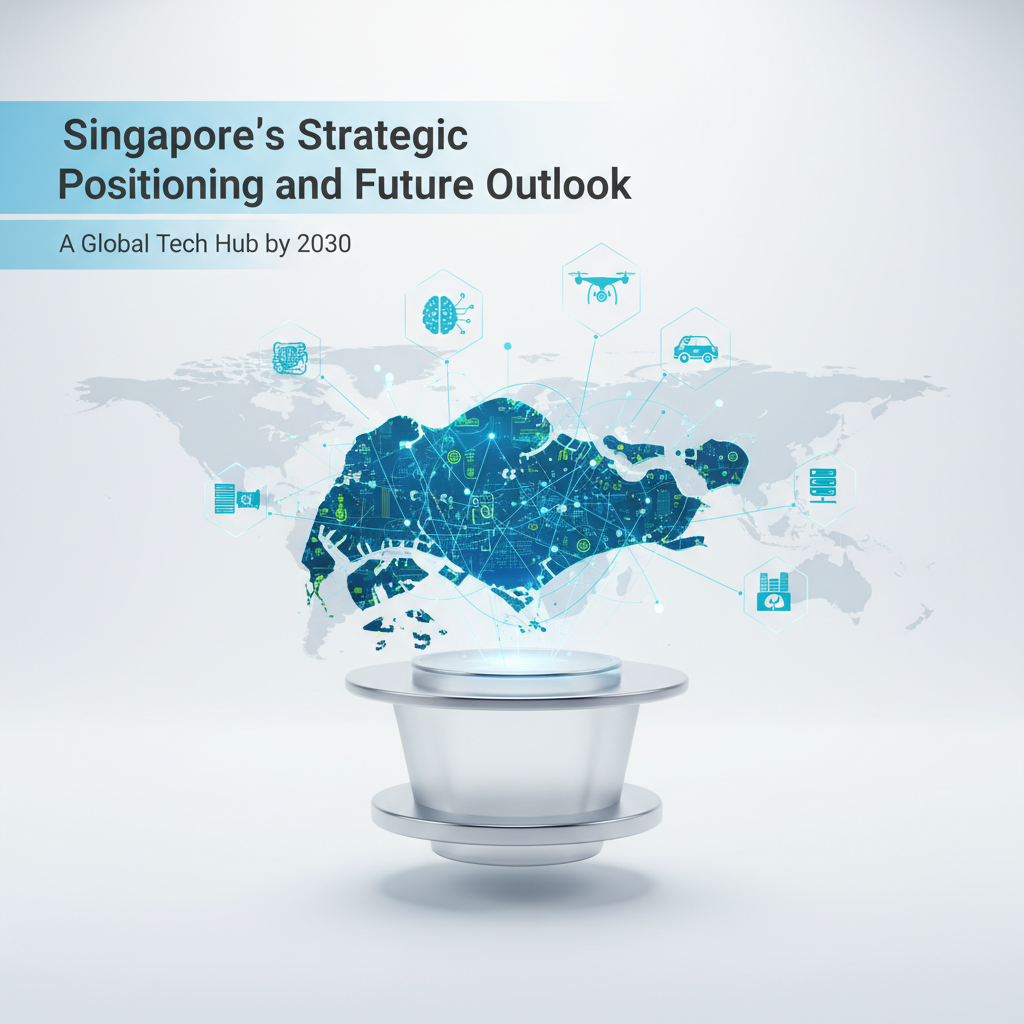
Singapore, a nation renowned for its foresight and agility, is actively solidifying its standing as a preeminent global technology hub. With an unwavering commitment to innovation, the city-state is strategically leveraging advanced technologies, particularly AI agents, to sustain its competitive edge. This section will delve into Singapore’s proactive government initiatives, significant strategic investments, and long-term vision for harnessing the transformative power of AI agents to maintain its position as a leading global technology hub by 2026 and beyond. Understanding how AI agents will affect the technology field in Singapore is crucial for appreciating the nation’s ambitious trajectory.
1. Government Policies and Investment in AI Infrastructure
At the heart of Singapore’s AI ambitions lies a robust framework of government policies and substantial investment in AI infrastructure. The National AI Strategy 2.0, unveiled in late 2023, articulates a clear roadmap for integrating AI across key economic sectors and public services. This strategy isn’t merely theoretical; it’s backed by significant funding directed towards foundational research, talent development, and the establishment of state-of-the-art computational resources. Initiatives like AI Singapore, a national programme, serve as a critical catalyst, bringing together researchers, companies, and government agencies to drive AI innovation. Investments are also pouring into developing secure and robust data infrastructure, essential for training and deploying sophisticated AI agents. Furthermore, Singapore is keen on fostering an ethical AI ecosystem, evidenced by its AI Governance Framework, ensuring responsible development and deployment of these powerful technologies. The goal is to create an environment where AI flourishes, underpinning the nation’s digital economy and enhancing its global competitiveness.
2. Singapore as a Hub for AI Innovation and Research
Singapore’s journey to becoming a global technology leader is underpinned by its vibrant ecosystem for AI innovation and research. The nation has cultivated a fertile ground for cutting-edge R&D, attracting top-tier talent and fostering collaborations between academic institutions, industry players, and startups. Prestigious universities like the National University of Singapore (NUS) and Nanyang Technological University (NTU) are at the forefront, conducting groundbreaking research in areas such as machine learning, natural language processing, computer vision, and the development of autonomous AI agents. Research institutes like A*STAR also play a pivotal role, translating scientific discoveries into practical applications. The government actively encourages proof-of-concept projects and provides sandbox environments for companies to test and refine AI solutions. This collaborative spirit ensures a continuous flow of innovative AI technologies, positioning Singapore not just as an adopter, but as a creator and exporter of advanced AI solutions. The presence of numerous AI-focused startups, supported by a strong venture capital landscape, further accelerates the pace of innovation, making Singapore a go-to destination for AI entrepreneurs and researchers alike.
3. Predictions for AI Agent Integration Across Key Sectors by 2026
By 2026, the integration of AI agents is predicted to be pervasive across Singapore’s key economic sectors, fundamentally transforming operations and enhancing productivity. In the financial sector, AI agents will automate complex trading strategies, enhance fraud detection, and provide personalized financial advice, leading to more efficient and secure transactions. Healthcare will see AI agents assisting in diagnostics, personalized treatment plans, drug discovery, and streamlining administrative tasks, ultimately improving patient outcomes and reducing operational burdens. The logistics and supply chain industry will leverage AI agents for optimized route planning, predictive maintenance of fleets, and automated warehouse management, ensuring greater efficiency and resilience. Furthermore, in the realm of smart city initiatives, AI agents will manage urban infrastructure, optimize traffic flow, enhance public safety through intelligent surveillance, and personalize public services. The manufacturing sector will adopt AI agents for predictive maintenance, quality control, and autonomous robotics on factory floors, driving Industry 4.0 adoption. This widespread deployment illustrates how AI agents will fundamentally reshape the technology landscape in Singapore, creating new industries, job roles, and economic opportunities while also demanding continuous upskilling of the workforce. The convergence of these advanced technologies promises a future where Singapore continues to lead in technological adoption and innovation.
In conclusion, Singapore’s proactive stance, coupled with strategic investments and a clear long-term vision, positions it strongly to harness the power of AI agents. By fostering a robust ecosystem of government support, R&D excellence, and widespread industry adoption, Singapore is not merely adapting to the future of AI but actively shaping it. The concerted efforts in infrastructure, talent, and ethical governance underscore a commitment to sustainable growth and technological leadership. As AI agents become increasingly sophisticated and integrated, Singapore is set to reinforce its status as a leading global technology hub, driving innovation and economic prosperity well beyond 2026.
Partner with Shelby Global
You are looking for reliable HR Sevice Suppliers? Contact Shelby Global Now! To connect with verified talents and upgrade your orginization.
—————————————
References
– National AI Strategy 2.0: https://www.smartnation.gov.sg/initiatives/national-ai-strategy-2-0
– The Future of Jobs Report 2023: https://www.weforum.org/reports/the-future-of-jobs-report-2023/
– Singapore’s National AI Strategy: https://www.imda.gov.sg/programme-listing/national-ai-strategy
– AI Governance Framework: https://www.pdpc.gov.sg/DPO-Resources/AI-Governance-Frameworks
– About AI Singapore: https://aisingapore.org/about-ai-singapore/