Understanding AI Agents in Malaysian Education
The landscape of education globally is on the cusp of a significant transformation, driven by advancements in artificial intelligence. While many countries are exploring and implementing these changes, Malaysia’s educational sector is still in the nascent stages of adopting advanced AI technologies. This section aims to demystify AI agents within an educational context and assess their current presence, or lack thereof, in Malaysia, thereby setting the stage for understanding how AI agents affect education companies in Malaysia and the broader educational ecosystem.
1. What are AI Agents in an Educational Context?
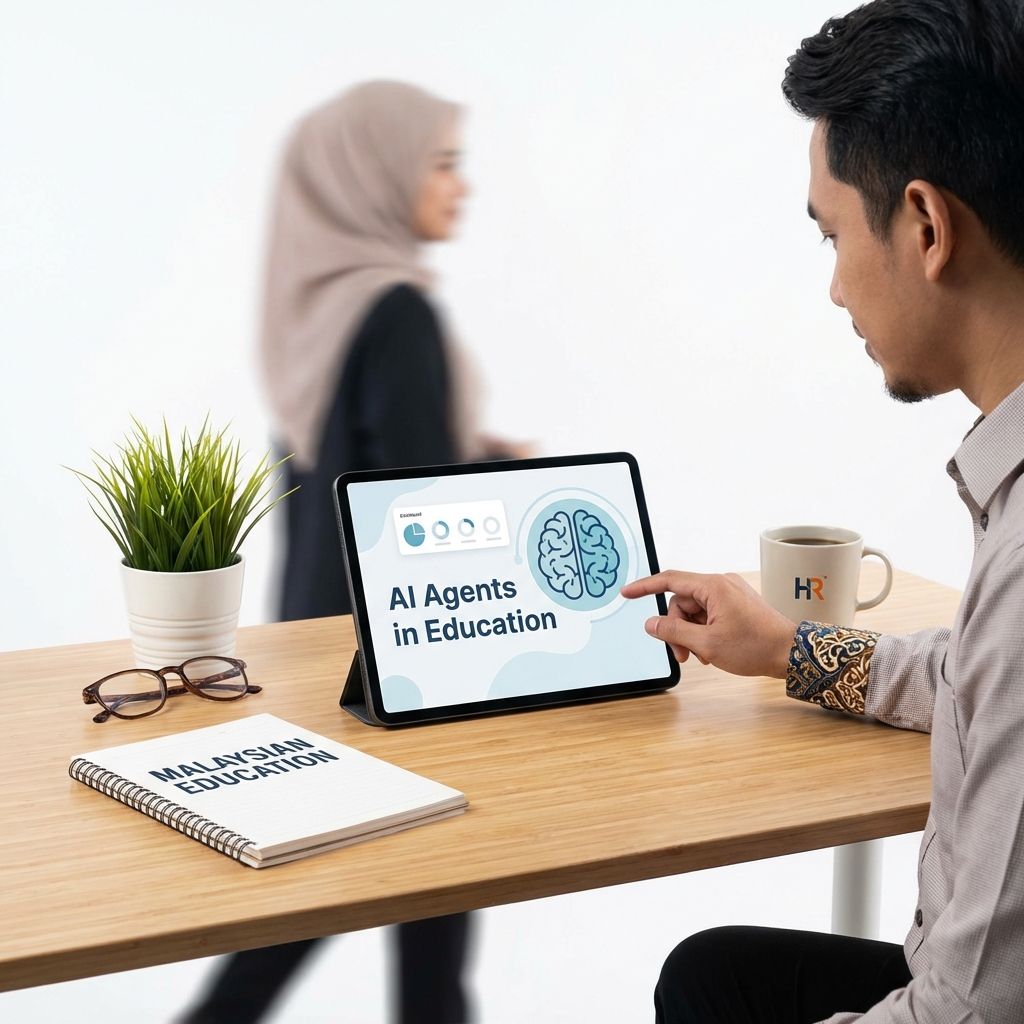
AI agents, at their core, are software entities that can perceive their environment, make autonomous decisions, and take actions to achieve specific goals. In education, these intelligent tutoring systems are designed to enhance the learning process by providing personalized learning experiences and automating various tasks. They manifest in several forms, from sophisticated adaptive learning platforms that adjust curriculum difficulty based on student performance to intelligent chatbots that answer student queries and provide instant feedback. Other examples include automated assessment tools that grade assignments, content recommendation systems that suggest relevant learning resources, and virtual teaching assistants that support educators with administrative duties. The goal of deploying AI in classrooms is to create a more engaging, efficient, and tailored learning environment, fostering greater student engagement and better skill development. These agents contribute significantly to personalized learning by adapting to each student’s pace and style, offering a dynamic and responsive educational experience that traditional methods often struggle to provide.
2. Current State of EdTech Adoption in Malaysia
Malaysia’s journey in EdTech adoption has been progressive, especially in recent years, propelled by the digital transformation agenda and the imperative for remote learning during the pandemic. However, the widespread integration of advanced AI agents, particularly intelligent tutoring systems and sophisticated adaptive learning technologies, remains limited. While many educational institutions have adopted digital platforms for content delivery, communication, and basic online learning, the use of AI agents that offer truly personalized learning paths or sophisticated learning analytics is not yet mainstream. Challenges such as infrastructure limitations, a lack of comprehensive teacher training in AI tools, and the cost associated with implementing and maintaining cutting-edge AI solutions have contributed to this slower adoption. Despite these hurdles, there’s a growing recognition of the potential of AI in Malaysian education. Initiatives by the Ministry of Education and various private sector companies are slowly paving the way for greater digital integration. For instance, efforts to bridge the digital divide and enhance digital literacy among students and educators are ongoing, as highlighted by reports on digital transformation in Malaysian schools. However, the advanced capabilities of AI agents are still largely untapped, presenting both a challenge and a significant opportunity for future educational innovation.
3. Why AI Agents are Gaining Relevance in Education Now
The increasing relevance of AI agents in education, even in regions with slower adoption like Malaysia, is driven by several compelling factors. Firstly, significant advancements in artificial intelligence, particularly in areas like natural language processing, machine learning, and data analytics, have made these agents more powerful and accessible than ever before. Secondly, there is an escalating global demand for personalized learning experiences. Traditional one-size-fits-all education models often fail to cater to the diverse needs and learning styles of students, leading to varied outcomes. AI agents can address this by providing tailored content, adaptive learning paths, and immediate feedback, thus improving student engagement and academic performance. Thirdly, the need for increased efficiency in educational administration and assessment is paramount. Teachers are often burdened with heavy workloads, and AI agents can automate routine tasks such as grading, scheduling, and student support, freeing up educators to focus on more impactful teaching and mentorship. Lastly, the global shift towards educational innovation and skill development for the future workforce underscores the urgency. As industries evolve rapidly, education systems must adapt to equip students with relevant 21st-century skills. AI in classrooms can facilitate this by providing interactive and dynamic learning environments that foster critical thinking and problem-solving. For education companies in Malaysia, embracing AI agents is no longer a luxury but a strategic imperative to remain competitive and contribute meaningfully to the nation’s educational progress, addressing challenges from curriculum development to teacher support systems and enhancing the future of education.
Transformative Opportunities for Education Companies
In an era defined by rapid technological advancements, the Malaysian education landscape stands at the precipice of a profound transformation. The emergence of Artificial Intelligence (AI) agents is not just a trend but a powerful catalyst poised to redefine learning, streamline operations, and sharpen the competitive edge of education firms across the nation. This section will explore the key benefits and innovative ways AI agents can enhance learning, operations, and competitiveness for Malaysian education firms, directly addressing the crucial question of How AI agent effect to education companies in Malaysia. From personalized student experiences to data-driven strategic decisions, AI offers unprecedented opportunities for growth and innovation in Malaysian education technology and beyond, fostering EdTech innovation Malaysia and shaping the future of education Malaysia.
1. Personalized Learning Paths & Adaptive Content Delivery
One of the most significant impacts of AI agents in Malaysian education is their capacity to revolutionize personalized learning. Traditional one-size-fits-all teaching methodologies often fail to cater to the diverse learning styles and paces of individual students. AI-powered agents, however, can dynamically assess a student’s strengths, weaknesses, engagement levels, and preferred learning modalities. By continuously analyzing performance data, these intelligent systems can create unique, adaptive learning paths, adjusting content difficulty, introducing new topics, or offering remedial support precisely when needed. This ensures optimal student engagement and comprehension, making learning more effective and enjoyable. For instance, an AI agent can recommend specific supplementary materials, provide real-time feedback on assignments, or even generate customized quizzes based on a student’s progress through a subject. This level of tailored instruction is a game-changer for student engagement AI and overall academic achievement, offering a clear competitive advantage for education companies that adopt these technologies. It pushes the boundaries of adaptive content AI, moving beyond static digital textbooks to truly interactive and responsive educational environments. These personalized learning Malaysia initiatives are crucial for the continued advancement of AI in Malaysian education.
2. Automated Administration & Operational Efficiency Gains
Beyond the classroom, AI agents are set to dramatically boost operational efficiency within education companies. Administrative tasks, often time-consuming and resource-intensive, can be largely automated through AI. This includes everything from student enrollment and scheduling to grading automated assignments and managing attendance records. AI can handle routine queries via chatbots, freeing up human staff to focus on more complex, high-value interactions. For example, an AI system can manage the entire application process, from initial inquiry to final registration, significantly reducing administrative overheads. Furthermore, AI agents can optimize resource allocation, such as classroom utilization or teacher scheduling, based on demand and availability. By automating these processes, education companies can achieve substantial cost savings and reallocate human capital to pedagogical development, direct student interaction, or strategic growth initiatives. This shift towards automated administration education is critical for Malaysian education firms looking to scale efficiently and improve their bottom line. The operational efficiency education Malaysia gains are not merely about cutting costs but about creating a more streamlined, responsive, and effective educational ecosystem. This comprehensive teacher support AI through automation allows educators to focus more on their core mission.
3. Enhanced Data Analytics for Performance and Curriculum Insights
The true power of AI in education extends into sophisticated data analytics, providing unparalleled insights into performance and curriculum effectiveness. AI agents can collect and analyze vast quantities of data from student interactions, assessments, and learning platform usage. This data goes beyond simple grades, delving into learning patterns, common misconceptions, areas of struggle, and even predictive analytics to identify students at risk of falling behind. For education companies, this means the ability to refine curricula in real-time based on empirical evidence rather than anecdotal feedback. For instance, if data analytics education AI reveals that a particular module consistently results in low comprehension scores, the curriculum team can quickly identify and address the issue, perhaps by modifying content or teaching methods. This iterative improvement cycle, powered by AI, leads to more robust and effective educational programs. Furthermore, AI can help in evaluating the efficacy of different teaching strategies, identifying best practices that lead to superior student outcomes. This enhanced data analytics for performance and curriculum insights capability offers a profound competitive advantage education for firms that leverage it. Understanding how AI can drive better educational outcomes is crucial, as highlighted by leading research like that from UNESCO on Artificial Intelligence in Education, which underscores the transformative potential of AI for learning systems globally. Such insights are invaluable for curriculum insights AI and for ensuring education technology Malaysia remains at the forefront.
The integration of AI agents presents a pivotal moment for education companies in Malaysia. By embracing personalized learning paths, automating administrative functions, and leveraging advanced data analytics, these firms can not only significantly improve the quality and accessibility of education but also secure a dominant position in a rapidly evolving market. The shift towards AI-powered tutoring and intelligent educational systems is not merely an upgrade; it’s a fundamental reimagining of how we learn and teach. For Malaysian education companies, investing in AI is an investment in a smarter, more efficient, and more competitive future, driving innovation and delivering superior educational outcomes for generations to come. This strategic adoption will ensure they remain relevant and thrive in the global EdTech landscape.
Navigating the Challenges and Ethical Considerations
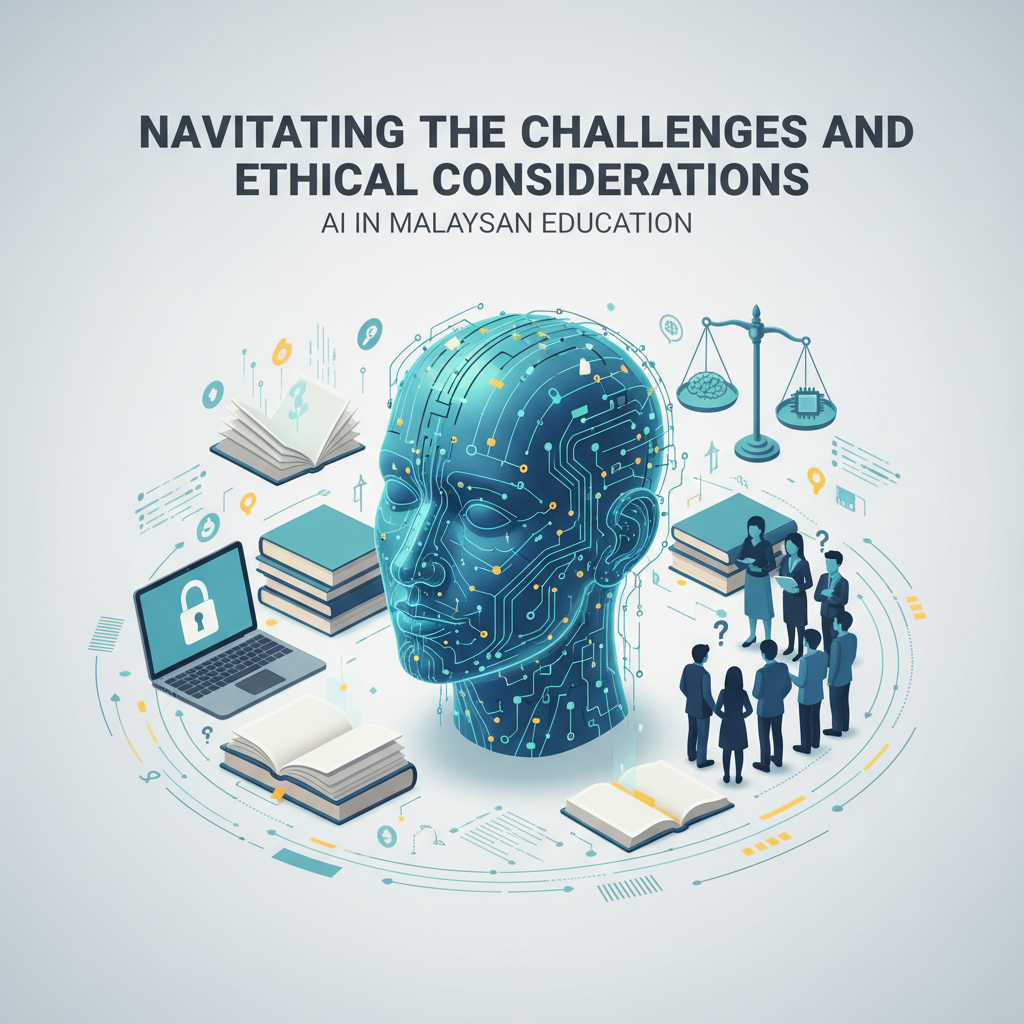
The advent of artificial intelligence (AI) agents presents a transformative opportunity for education companies in Malaysia, promising personalized learning, administrative efficiencies, and innovative pedagogical tools. However, understanding how AI agent effect to education companies in Malaysia is incomplete without a thorough examination of the formidable challenges and intricate ethical considerations that accompany their adoption. While the potential benefits are significant, navigating these hurdles requires foresight, strategic planning, and a deep commitment to responsible innovation.
1. Data Privacy, Security, and Compliance Concerns
One of the most pressing concerns for education companies integrating AI agents is the handling of sensitive student data. AI systems often require vast amounts of personal information – from academic performance and learning styles to biometric data and behavioral patterns – to function effectively. In Malaysia, adherence to the Personal Data Protection Act (PDPA) 2010 is paramount. Companies must ensure that data collection, storage, processing, and sharing practices are transparent, consent-driven, and fully compliant with national regulations. The ethical implications extend beyond legality; parents and students have a right to understand how their data is used, protected, and who has access to it. Breaches of data security could lead to severe reputational damage, legal repercussions, and a loss of trust from the community. Robust cybersecurity frameworks, secure cloud infrastructure (preferably local to comply with data residency requirements where applicable), and regular audits are indispensable. Furthermore, the algorithms themselves must be scrutinized to prevent biases that could unfairly impact student assessments or opportunities. The global discussion on AI ethics, as highlighted by initiatives like UNESCO’s Recommendation on the Ethics of Artificial Intelligence, underscores the universal importance of these considerations.
2. Cost of Implementation, Infrastructure Needs, and Accessibility
Adopting AI agents is not without substantial financial implications. Education companies in Malaysia face significant upfront investments in acquiring AI software licenses, developing custom AI solutions, and upgrading existing hardware infrastructure. Beyond initial costs, there are ongoing expenses for maintenance, technical support, data storage, and regular software updates. The efficacy of AI tools heavily relies on robust and reliable internet connectivity, high-performance computing resources, and scalable cloud services. While urban centers in Malaysia generally boast strong digital infrastructure, rural areas often lag, creating a potential digital divide. This disparity in access can exacerbate educational inequalities, making AI-driven learning tools inaccessible to a segment of the student population. Education companies must consider sustainable funding models, potential government grants, and partnerships to mitigate these costs and ensure equitable access. Without careful planning, the promise of AI could inadvertently widen the gap between well-resourced institutions and those with limited capabilities, hindering the overall positive effect of AI agents on education companies in Malaysia.
3. Teacher & Staff Training, Upskilling, and Job Displacement Fears
The successful integration of AI agents hinges on the readiness and adaptability of educators and administrative staff. Teachers require comprehensive training not just on how to operate AI tools, but also on how to effectively integrate them into pedagogical practices, interpret AI-generated insights, and leverage them to enhance student learning outcomes. This necessitates a paradigm shift from traditional teaching methods to a more hybrid, AI-assisted approach. Resistance to change, coupled with a lack of adequate training, can impede adoption rates and diminish the effectiveness of AI investments. Moreover, a pervasive concern among educators is the potential for job displacement. As AI agents automate tasks such as grading, administrative duties, and even aspects of personalized tutoring, fears of redundancy are legitimate. Education companies have an ethical responsibility to address these anxieties proactively. Instead of viewing AI as a replacement, the focus should be on upskilling and reskilling staff, repositioning teachers as facilitators, mentors, and experts in human connection and critical thinking – roles that AI cannot replicate. Investing in professional development programs that equip teachers with AI literacy and data interpretation skills is crucial for fostering a collaborative environment where humans and AI agents work synergistically.
In conclusion, while AI agents hold immense promise for revolutionizing education in Malaysia, their successful deployment demands a holistic approach that prioritizes data privacy, financial sustainability, equitable access, and comprehensive human resource development. Education companies must proactively address these challenges and ethical considerations to harness the full potential of AI, ensuring that technology serves to enhance, rather than complicate, the learning journey for all.
Strategies for Successful AI Agent Integration
The rapid evolution of artificial intelligence (AI) presents unprecedented opportunities for the education sector. For Malaysian education companies, effectively integrating AI agents is not merely an option but a strategic imperative for long-term growth and competitiveness. Understanding how AI agents affect education companies in Malaysia is crucial for unlocking benefits like personalized learning and administrative efficiency. This section outlines actionable strategies and best practices for adopting and leveraging AI agents to ensure sustainable success and drive digital transformation in education.
1. Phased Adoption, Pilot Programs, and Scalability Planning
A cornerstone of successful AI agent integration is a methodical approach, starting with phased adoption. Rushing deployment can lead to unforeseen challenges and user resistance. Malaysian education companies should begin with pilot programs in specific departments or courses. These smaller-scale initiatives allow for real-world testing of smart learning platforms and student engagement tools without disrupting the entire system. Key objectives for pilots include gathering user feedback, identifying technical glitches, and assessing the true impact on personalized learning AI. This iterative process allows for refinement and optimization before a wider rollout. Crucially, scalability planning must be a priority from the outset. Consider how the AI infrastructure will support an increasing number of users, diverse curriculum development AI needs, and evolving educational content. Future-proofing the system ensures that as the company grows, its EdTech innovation can keep pace without extensive overhauls. This approach mitigates risks and builds confidence among educators and students in the new educational technology adoption.
2. Forming Strategic Partnerships with AI Developers and Researchers
No single education company possesses all the necessary expertise to navigate the complex landscape of AI. Therefore, forging strategic partnerships with specialized AI developers, researchers, and technology providers is paramount. Such collaborations offer access to cutting-edge AI technologies, deep technical knowledge, and the latest research in areas like AI agent benefits and development. Malaysian education companies can benefit immensely from working with local universities’ AI departments or global AI workforce readiness programs to co-develop tailored solutions for AI in education Malaysia. These partnerships can facilitate knowledge transfer, enabling internal teams to upskill and manage AI systems more effectively. For instance, collaborating with institutions focused on the future of learning Malaysia can help integrate advanced pedagogical approaches into AI agent design. These alliances are vital for staying ahead of the curve, driving digital transformation education, and ensuring that the adopted AI solutions are robust, innovative, and aligned with educational goals. A strong partnership can also provide access to crucial insights on ethical AI frameworks and responsible deployment.
3. Developing a Robust Ethical AI Framework and User Guidelines
As AI agents become more deeply embedded in educational processes, the establishment of a robust ethical AI framework is non-negotiable. This framework must address critical concerns such as data privacy education AI, algorithmic bias, transparency in decision-making, and accountability. Malaysian education companies must prioritize the protection of student and teacher data, ensuring compliance with local and international privacy regulations. Proactive measures to identify and mitigate biases in AI algorithms are essential to ensure equitable learning opportunities for all students. Transparency regarding how AI agents operate and make recommendations builds trust among users. Beyond a core framework, clear user guidelines must be developed for students, educators, and administrators. These guidelines should outline the appropriate use of AI tools, clarify their roles, and set expectations for interaction. Training programs for teacher support AI tools are vital to empower educators to effectively leverage these technologies while understanding their limitations. An ethical framework and clear guidelines foster a responsible AI environment, promote responsible EdTech innovation, and ensure that AI agents truly serve the best interests of the educational community, driving positive impact in AI in education Malaysia.
By embracing phased adoption, strategic partnerships, and a strong ethical foundation, Malaysian education companies can confidently navigate the complexities of AI integration. These strategies ensure that AI agents become powerful enablers for enhanced learning experiences, operational efficiency, and a future-ready educational ecosystem, truly transforming education in Malaysia.
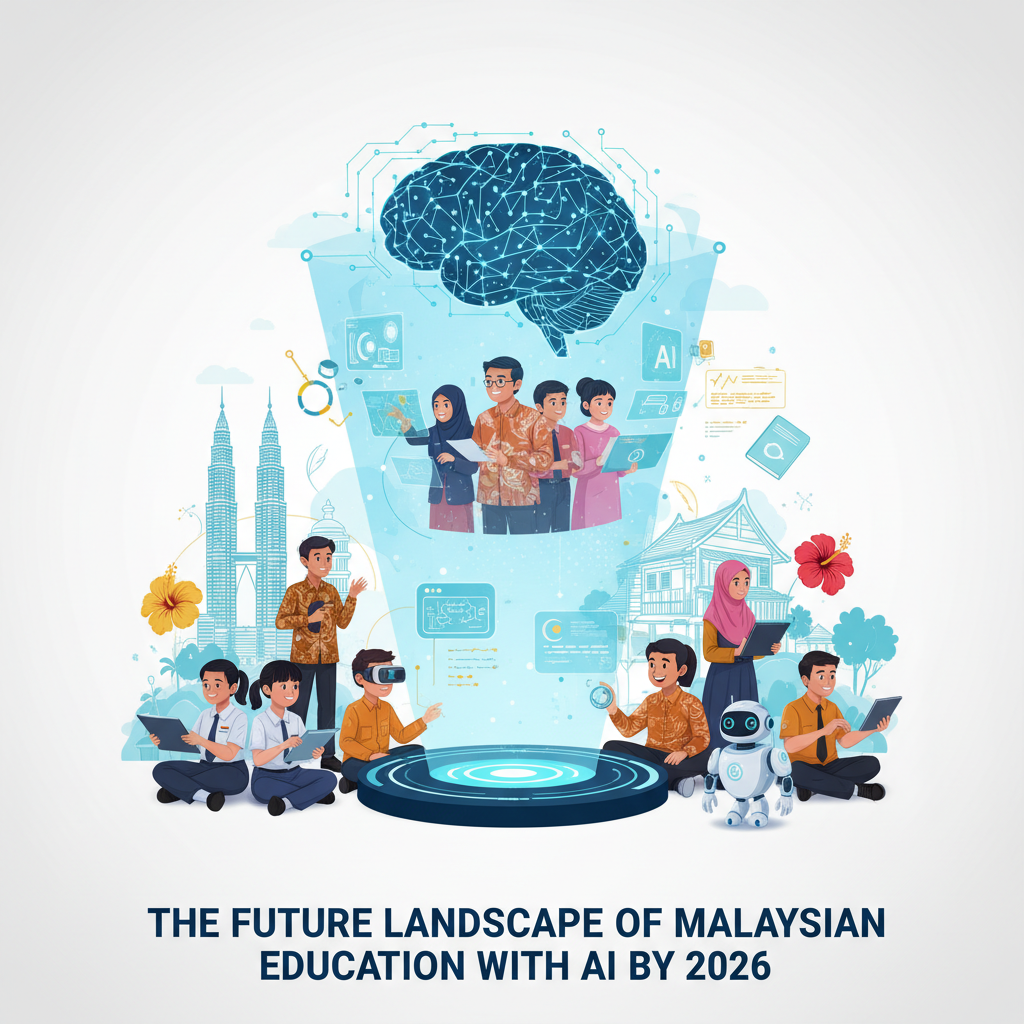
The Future Landscape of Malaysian Education with AI by 2026
The Malaysian education sector stands at the precipice of a profound transformation, with Artificial Intelligence (AI) agents poised to reshape its very foundations by 2026. This technological wave will not merely introduce new tools but fundamentally alter long-term trends, redefine competitive advantages, and necessitate a significant evolution in policy. The effect of AI agents on education companies in Malaysia will be particularly impactful, distinguishing innovators from those slow to adapt. From personalized learning pathways to intelligent administrative systems, AI promises to enhance efficiency, accessibility, and the overall quality of education, preparing students for an increasingly complex global workforce.
1. Shifting Skill Demands for Students and Educators
By 2026, AI agents will have significantly redefined the essential skills required for both students and educators in Malaysia. For students, the emphasis will shift dramatically from rote memorization to higher-order cognitive skills such as critical thinking, creativity, problem-solving, and adaptability. AI-powered tools will handle repetitive tasks and information retrieval, allowing students to engage with complex concepts, develop innovative solutions, and master digital literacy. Project-based learning, collaborative intelligence, and ethical reasoning in an AI-driven world will become core competencies.
For educators, the role will evolve from primary knowledge disseminators to facilitators, mentors, and designers of AI-enhanced learning experiences. Teachers will need to be proficient in leveraging AI to personalize learning paths, interpret data analytics on student performance, and create engaging, adaptive content. This necessitates robust professional development programs focused on AI literacy, ethical AI use in the classroom, and pedagogical strategies for human-AI collaboration. Education companies in Malaysia must pivot their offerings to include extensive teacher training and AI-integrated curriculum development, ensuring a smooth transition into this new educational paradigm.
2. Increased Global Competitiveness for Malaysian Institutions
The strategic adoption of AI agents will be a critical determinant of global competitiveness for Malaysian educational institutions. By 2026, institutions that effectively integrate AI will offer highly personalized learning experiences, adaptive assessments, and data-driven insights into student progress and institutional effectiveness. This level of customization and efficiency will attract both local and international students seeking cutting-edge educational opportunities. AI can help optimize resource allocation, enhance research capabilities through intelligent data analysis, and foster interdisciplinary collaboration.
Malaysian universities and schools embracing AI will stand out on the international stage, offering specialized programs in AI development, data science, and related fields, thereby positioning the nation as a hub for future-ready talent. The competitive advantages will extend to EdTech companies operating within Malaysia, as those that innovate with AI agents to create impactful solutions for learning management, content delivery, and student engagement will capture larger market shares. This proactive embrace of AI will not only elevate the quality of education but also strengthen Malaysia’s economic standing in the knowledge economy.
3. Evolution of Policy and Regulatory Frameworks for EdTech
As AI rapidly integrates into the Malaysian education sector, the evolution of policy and regulatory frameworks will be paramount to ensure responsible and equitable implementation. By 2026, the Malaysian government, in collaboration with educational institutions and industry stakeholders, will need to establish comprehensive guidelines addressing data privacy, algorithmic bias, ethical AI use, and digital equity. Policies must ensure that AI tools are accessible to all students, regardless of socio-economic background, preventing a digital divide.
Furthermore, regulatory frameworks will need to clarify standards for EdTech solutions incorporating AI, promoting interoperability and data security. Investment policies should prioritize infrastructure development, including reliable internet access and computing resources across all educational levels. The government’s proactive stance, possibly informed by global insights such as the UNESCO guidance on AI and the future of education, will be crucial in fostering an innovative yet controlled environment. This will enable Malaysian education companies to thrive within clear boundaries, encouraging innovation while safeguarding student welfare and maintaining public trust in AI-powered learning systems.
Partner with Shelby Global
You are looking for reliable HR Sevice Suppliers? Contact Shelby Global Now! To connect with verified talents and upgrade your orginization.
—————————————
References
– Unlocking the Digital Potential in Malaysian Schools: https://www.unesco.org/en/articles/unlocking-digital-potential-malaysian-schools
– UNESCO’s perspective on AI in education: https://www.unesco.org/en/articles/artificial-intelligence-education-challenges-and-opportunities
– UNESCO’s Recommendation on the Ethics of Artificial Intelligence: https://www.unesco.org/en/artificial-intelligence/recommendation-ethics
– UNESCO’s Recommendations on the Ethics of AI: https://www.unesco.org/en/articles/ethical-principles-artificial-intelligence-education
– UNESCO Guidance on AI and the Future of Education: https://www.unesco.org/en/articles/launching-groundbreaking-publication-unesco-guidance-ai-and-future-education