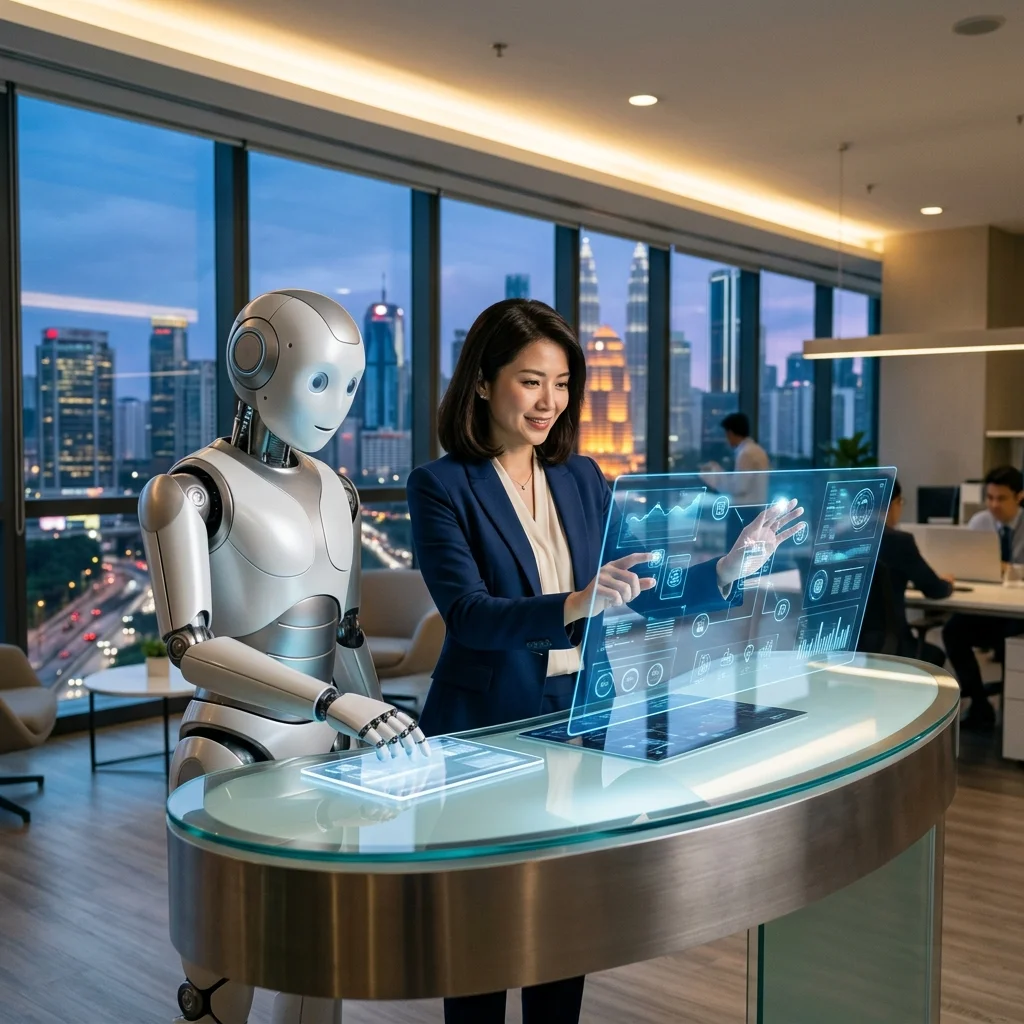
The Rise of AI Agents in Malaysian Travel
The travel industry, a cornerstone of Malaysia’s economy and cultural identity, is on the cusp of a revolutionary transformation driven by Artificial Intelligence. While rudimentary chatbots have long offered automated responses, the emergence of sophisticated AI agents promises a deeper, more personalized, and profoundly efficient travel experience. These advanced AI entities are not just reacting to user queries; they are proactively anticipating needs, optimizing itineraries, and providing bespoke recommendations, fundamentally reshaping how travelers discover, book, and experience their journeys both globally and within Malaysia’s vibrant tourism landscape. Understanding How AI agent effect to Travels field in malaysia is crucial for stakeholders looking to remain competitive and innovative in this evolving digital era.
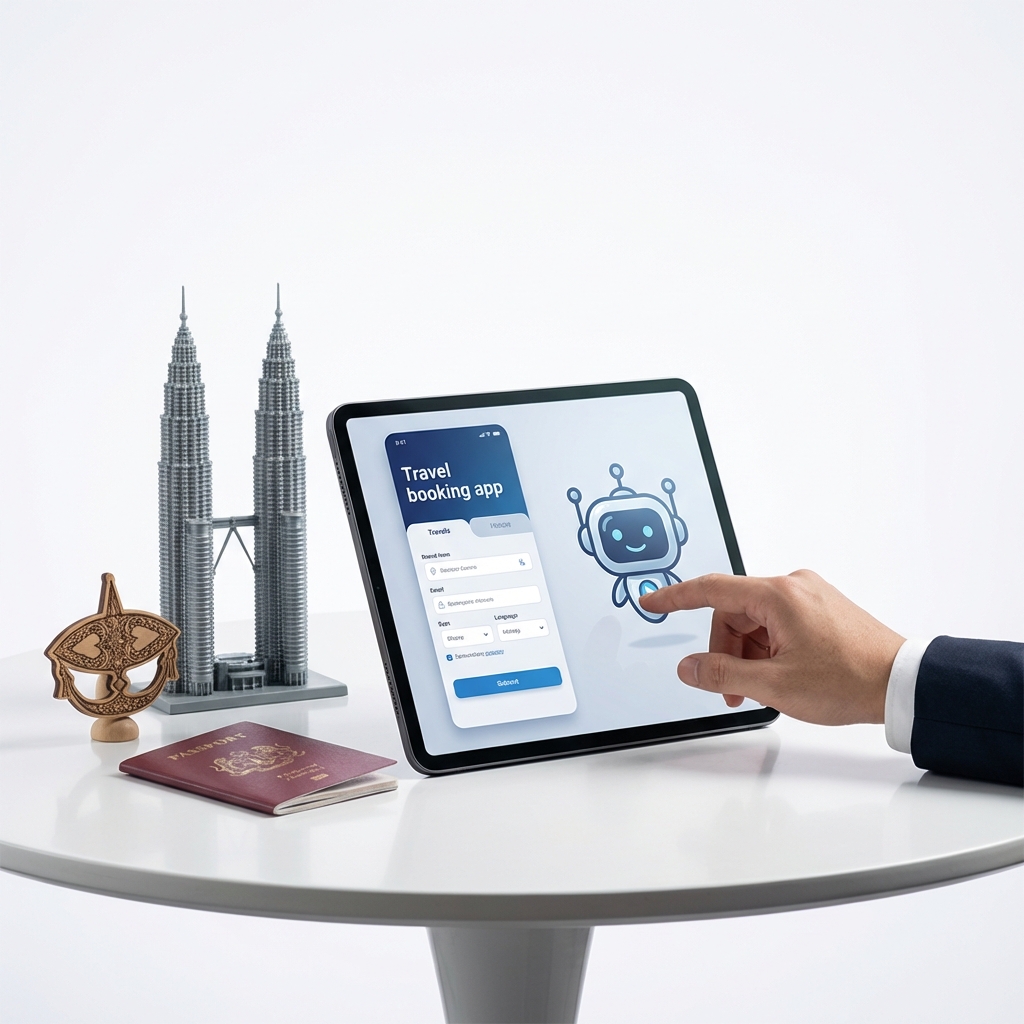
1. Defining AI Agents: Beyond Basic Chatbots
To truly grasp their impact, it’s essential to differentiate AI agents from their more simplistic predecessors, traditional chatbots. While chatbots are typically rule-based programs designed to answer specific questions or perform predefined tasks (like checking flight status or FAQs), AI agents possess a higher degree of intelligence and autonomy. They leverage advanced machine learning, natural language processing (NLP), and often neural networks to understand context, learn from interactions, and even make decisions. Think of a chatbot as a digital receptionist following a script, whereas an AI agent is a proactive, intelligent travel assistant. They can manage complex, multi-step tasks such as dynamic itinerary planning, real-time price negotiation, and personalized recommendations based on past travel behavior and current market trends. This cognitive leap allows them to provide a level of personalization and efficiency that was previously unimaginable, moving from mere information retrieval to intelligent, goal-oriented problem-solving in areas like booking management, crisis support, and even predictive analytics for travel demand.
2. Current AI Adoption Trends in Malaysia’s Travel Sector
Malaysia’s travel and tourism sector, known for its rapid adoption of digital technologies, is increasingly embracing AI. While still in nascent stages compared to some global counterparts, the trend is clear: hotels, airlines, and tour operators are experimenting with and deploying AI solutions to enhance various aspects of their operations and customer service. For instance, many Malaysian airlines and hospitality groups are integrating AI-powered chatbots with greater sophistication to handle booking inquiries, provide instant customer support, and even offer upsell opportunities. Beyond customer-facing applications, AI is also being used for internal operational efficiencies, such as optimizing pricing strategies, managing inventory, and personalizing marketing campaigns. The drive towards a ‘smart tourism’ ecosystem, as championed by government initiatives, further fuels this adoption, encouraging businesses to leverage technologies like AI for data-driven decision-making and sustainable growth. This push reflects a broader global movement towards digital transformation in travel, as highlighted by reports on global travel technology trends, where AI is consistently identified as a key disruptive force.
3. Key Drivers for Embracing AI in Malaysian Tourism
Several compelling factors are driving Malaysian tourism stakeholders to invest in AI agents and related technologies. Firstly, the demand for enhanced customer experience is paramount. Modern travelers expect instant, personalized, and seamless interactions across all touchpoints. AI agents can deliver 24/7 support, tailor recommendations to individual preferences, and resolve issues much faster than human agents alone, leading to higher customer satisfaction and loyalty. Secondly, operational efficiency and cost reduction are significant motivators. Automating routine tasks, from booking confirmations to frequently asked questions, frees up human staff to focus on more complex, high-value interactions, thereby optimizing resource allocation. Thirdly, AI offers a distinct competitive advantage. Businesses that successfully integrate AI can differentiate themselves by offering superior service, innovative products, and more efficient operations. This is crucial in Malaysia’s highly competitive travel market, where attracting and retaining both domestic and international tourists requires continuous innovation. Finally, AI’s ability to analyze vast datasets provides invaluable insights into traveler behavior, market trends, and potential disruptions, empowering businesses to make more informed strategic decisions and build greater resilience in the face of future challenges.
Personalizing the Malaysian Travel Experience with AI
Exploring how AI agents are revolutionizing personalized recommendations, itinerary planning, and creating highly tailored travel experiences for visitors to Malaysia.
The advent of artificial intelligence is fundamentally reshaping industries worldwide, and the travel sector in Malaysia is no exception. How AI agent effect to Travels field in malaysia is becoming increasingly evident, transforming generic trips into deeply personal and memorable adventures. As industry insights frequently highlight, AI is paving the way for the future of personalized travel, offering a level of customization previously unimaginable. From the bustling streets of Kuala Lumpur to the serene beaches of Langkawi, AI travel agents are emerging as indispensable tools, offering a level of customization previously unimaginable. These intelligent systems leverage vast datasets and advanced algorithms to understand individual preferences, predict needs, and deliver bespoke Malaysian travel experiences, ensuring every visitor discovers the magic of Malaysia in a way that resonates uniquely with them. This shift towards hyper-personalization is not just about convenience; it’s about enriching engagement and fostering a deeper connection with the destination.
1. Hyper-Personalized Itineraries & Destination Recommendations
Gone are the days of one-size-fits-all travel guides. AI agents now excel at crafting personalized Malaysia trips by delving into a traveler’s past preferences, social media activity, and even real-time behavior. Imagine an AI understanding your love for hiking and recommending a hidden trail in Taman Negara, coupled with a stay in an eco-lodge that aligns with your sustainability values. This capability for smart itinerary planning goes beyond basic filtering; it employs predictive analytics travel to anticipate desires. For instance, if a traveler has shown interest in historical sites, the AI might suggest a visit to Melaka’s UNESCO World Heritage sites, followed by a local Nyonya cuisine workshop, complete with detailed transport options and booking links. Furthermore, these agents can dynamically adjust recommendations based on local events, weather changes, or even crowd levels, ensuring an optimized experience. They can also provide cultural recommendations Malaysia, offering insights into local customs, festivals, and etiquette, which greatly enhances the immersive aspect of the journey. This level of detail and responsiveness sets a new benchmark for travel planning.
2. Dynamic Pricing Models & Customized Travel Deals
Another significant impact of AI in tourism is its ability to revolutionize pricing and deals. Dynamic pricing travel models, powered by AI, analyze supply and demand fluctuations, historical booking data, competitor pricing, and even individual user profiles to offer highly customized travel packages. This means a traveler might receive a unique discount on a flight and hotel bundle to Borneo if the AI identifies their price sensitivity and the availability of last-minute deals. These systems can also bundle relevant activities, tours, and even travel insurance options, presenting tailored packages that maximize value and relevance for the individual. The benefits extend beyond cost savings; AI can identify underutilized services or less popular timings and offer incentives, effectively spreading tourist traffic and potentially contributing to sustainable tourism AI initiatives by reducing overcrowding at peak times. Such targeted offerings not only enhance the traveler’s experience but also drive efficiency and revenue for the Malaysian tourism industry. The intelligence behind these offers ensures they are not random but strategically aligned with both traveler needs and industry goals.
3. AI-Powered Virtual Travel Assistants for Real-time Support
The journey doesn’t end with booking; AI agents provide unparalleled support throughout the travel experience. AI-powered virtual travel assistants are becoming indispensable for real-time travel support, acting as knowledgeable concierges available 24/7. Lost in a busy market? Your AI assistant can provide instant directions, recommend a nearby authentic eatery, or even help translate local phrases through language translation travel features. Facing an unexpected flight delay or hotel change? The AI can proactively rebook accommodations, suggest alternative transport, and update your itinerary instantly, minimizing stress and disruption. Some advanced systems can even offer immersive virtual tours of attractions before arrival, allowing travelers to pre-plan their routes or get a feel for a destination. This constant, intelligent support system elevates safety, convenience, and peace of mind, allowing visitors to fully immerse themselves in the rich tapestry of Malaysian culture and natural beauty without worrying about logistical challenges. The profound influence of How AI agent effect to Travels field in malaysia is undeniable, heralding a new era of travel where every aspect is meticulously crafted for the individual. As these technologies continue to evolve, the future of Malaysian tourism promises even more intuitive, responsive, and deeply personal journeys for every adventurer.
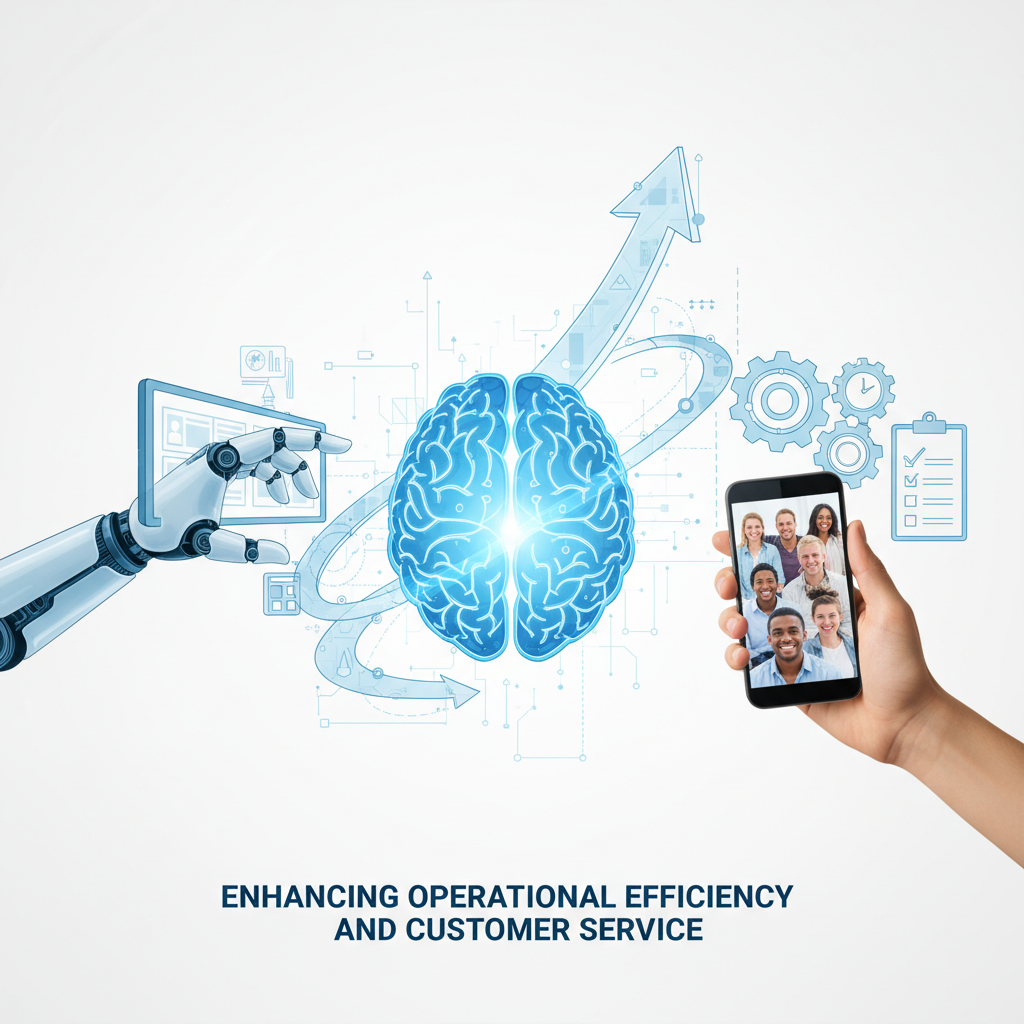
Enhancing Operational Efficiency and Customer Service
The Malaysian travel sector, encompassing travel agencies, hotels, and airlines, is undergoing a significant transformation driven by the integration of Artificial Intelligence (AI) agents. These intelligent systems are redefining how businesses operate, from initial customer interaction to complex back-end logistics. By automating mundane tasks, providing instant support, and optimizing resource allocation, AI agents are proving to be invaluable tools for enhancing How AI agent effect to Travels field in malaysia, ultimately leading to improved customer satisfaction and substantial operational savings. This digital evolution ensures that travel businesses in Malaysia can meet the ever-increasing demands of modern travelers efficiently and effectively.
1. Automated Booking & Reservation System Management
AI agents are revolutionizing the booking and reservation landscape for Malaysian travel businesses. Instead of manual processing, these intelligent systems streamline every aspect, from flight and hotel bookings to complex tour packages. They offer real-time inventory checks, dynamic pricing adjustments based on demand and market conditions, and instant confirmation, significantly reducing the potential for human error and accelerating the entire process. For travel agencies, this means enhanced travel agency automation, allowing human agents to focus on more intricate client needs rather than repetitive data entry. Booking process streamlining through AI-powered platforms also facilitates personalized recommendations, learning from user preferences and past travel history to suggest tailored itineraries and experiences, thereby boosting conversion rates and customer loyalty. This efficiency is paramount in a competitive market, enabling businesses to handle a higher volume of transactions with fewer resources.
2. 24/7 Multilingual Customer Support & Issue Resolution
One of the most profound impacts of AI agents in the Malaysian travel field is the provision of round-the-clock, multilingual customer support. AI chatbots and virtual assistants can handle a vast array of customer inquiries, from frequently asked questions (FAQs) about visa requirements or baggage allowances to more complex tasks like booking modifications, cancellations, and even real-time updates on flight delays or hotel check-in procedures. This real-time support capability ensures that customers receive immediate assistance, regardless of time zone or language barrier, as many multilingual AI agents are equipped to communicate in various local and international languages. The ability of customer service chatbots to resolve issues instantly not only significantly improves customer satisfaction but also reduces the workload on human customer service teams, allowing them to dedicate their expertise to more complex or sensitive cases. The transformative impact on customer service efficiency and quality is undeniable, offering a competitive edge to hotels, airlines, and tour operators.
3. Optimizing Logistics for Hotels, Airlines, and Tour Operators
Beyond customer-facing roles, AI agents are instrumental in optimizing the intricate back-end operations that underpin the Malaysian travel industry. For airlines, airline AI efficiency extends to predictive maintenance scheduling, crew management, and route optimization, leveraging vast datasets to forecast demand and allocate resources more effectively. Similarly, hotel AI solutions can predict occupancy rates, optimize staffing levels, manage inventory (e.g., room amenities, F&B supplies), and even control smart hotel systems like lighting and temperature for energy efficiency. Tour operators benefit from AI by generating dynamic and personalized itineraries, optimizing logistical arrangements for ground transportation and activity scheduling, and even predicting popular destinations or activities based on current trends and historical data. This back-end operations optimization powered by predictive analytics for travel leads to significant cost savings, reduced waste, and a more agile response to market changes. By providing deep insights and automating complex logistical decisions, AI ensures smoother operations and a seamless experience for travelers, solidifying its role as a critical tool for strategic growth in the Malaysian tourism sector.
Challenges and Ethical Considerations for AI Adoption
Integrating Artificial Intelligence (AI) agents into Malaysia’s vibrant travel field presents a transformative opportunity, yet it is not without significant hurdles and ethical considerations. While AI promises enhanced efficiency, personalized experiences, and optimized operations, stakeholders must proactively address potential pitfalls. These include critical concerns around data privacy, the imperative to bridge the digital divide, the thorny issue of job displacement, and the enduring need for maintaining the authentic ‘human touch’ that defines Malaysian hospitality. Understanding how AI agent effect to Travels field in malaysia necessitates a holistic view of these challenges to ensure responsible and sustainable adoption.
1. Data Privacy, Security, and Trust Concerns
One of the foremost challenges in deploying AI agents within Malaysia’s travel industry revolves around the collection, storage, and processing of sensitive personal data. Travel involves intricate details from passport information and financial data to dietary restrictions and personal preferences. AI systems, designed to personalize experiences, will necessarily handle vast amounts of this data, raising significant data protection and cybersecurity concerns. Ensuring compliance with Malaysia’s Personal Data Protection Act (PDPA) and potentially international standards like GDPR for global travelers is paramount. Companies must implement robust security protocols, conduct regular audits, and maintain transparency in data usage policies to safeguard traveler information. Building public trust in AI technologies requires not only secure systems but also clear communication about how data is used, anonymized where possible, and protected from misuse. Without this foundational trust, the adoption of even the most sophisticated AI solutions will face significant resistance, hindering the growth of ethical AI applications in the sector. The responsible AI deployment in this domain requires meticulous planning and adherence to strict ethical guidelines.
2. Bridging the Digital Divide: Ensuring Accessibility for All
While Malaysia boasts a relatively high internet penetration, a significant digital divide persists, particularly among older demographics, individuals in rural areas, and those with limited digital literacy. The widespread adoption of AI agents in travel services risks alienating these segments of the population who may struggle to interact with AI-driven platforms or lack access to the necessary technology. Ensuring digital inclusion means designing AI solutions that are accessible, intuitive, and complemented by traditional human-assisted channels. Travel providers must invest in training and support systems that guide all travelers, regardless of their digital proficiency, through AI interactions. This dual approach guarantees equitable access to services, preventing a scenario where advanced AI tools inadvertently exclude potential customers and communities, thereby hindering the potential for inclusive growth in Malaysia’s diverse tourism landscape. The goal should be to leverage AI to enhance, not restrict, access for every traveler, fostering human-centric design principles.
3. The Impact on Human Employment & the Need for Reskilling
Perhaps the most contentious ethical challenge concerns the potential for job displacement within the travel sector. AI agents can automate tasks traditionally performed by human employees, such as booking, customer service inquiries, and even basic tour guiding. Roles like conventional travel agents, hotel receptionists, and call centre operators could be significantly impacted, leading to fears of workforce transformation. However, it is crucial to reframe this narrative from job replacement to job evolution. AI can augment human capabilities, freeing up employees from repetitive tasks to focus on higher-value activities requiring empathy, complex problem-solving, and nuanced interpersonal skills—the very ‘human touch’ that elevates travel experiences. To mitigate job displacement and ensure a smooth transition, Malaysia must prioritize robust reskilling and upskilling programs. These initiatives, supported by government, educational institutions, and industry players, should equip the existing workforce with new digital competencies, AI literacy, and specialized skills for emerging roles in AI management, data analysis, and human-AI collaboration. This proactive approach ensures that the benefits of AI adoption contribute to overall economic growth and workforce development rather than creating social disruption in tourism jobs.
The Future Landscape: AI Agents in Malaysian Travel by 2026
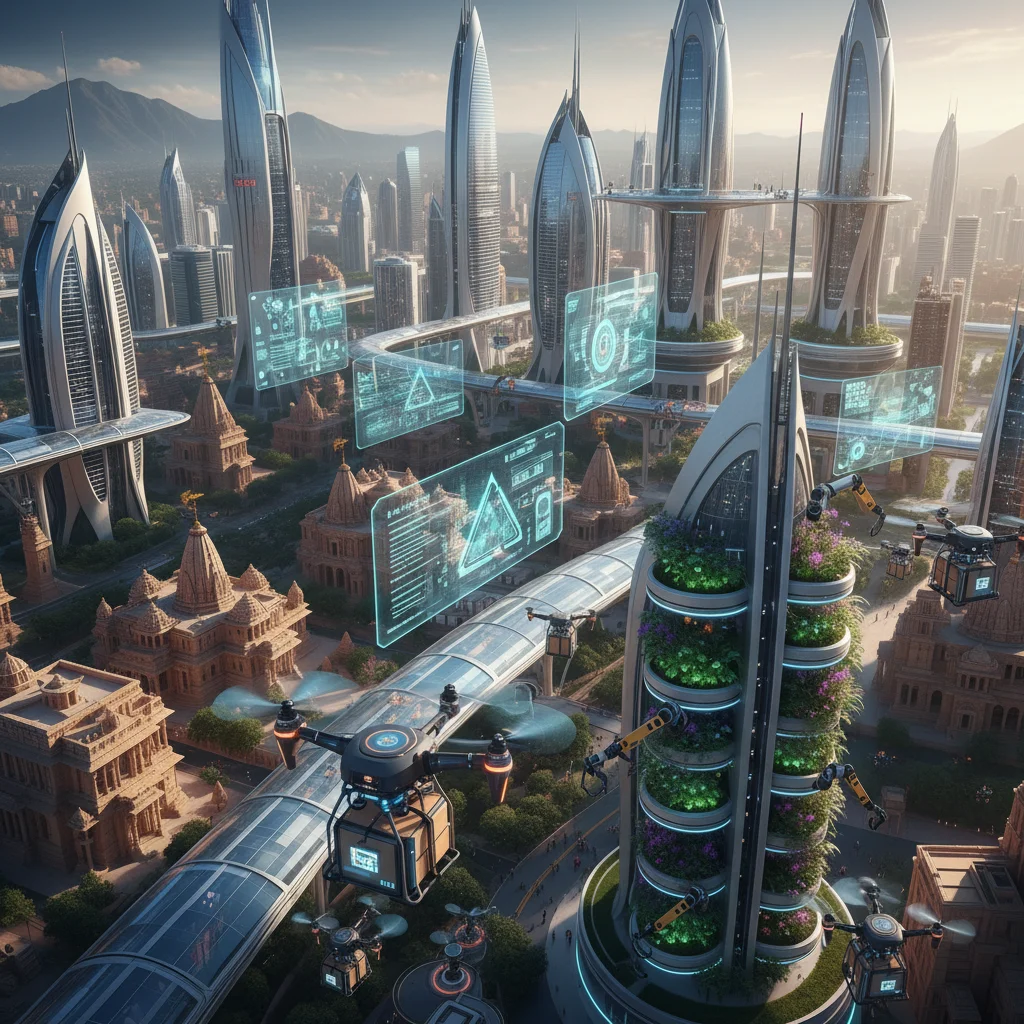
The Malaysian travel industry is on the cusp of a significant transformation, driven by the widespread adoption of Artificial Intelligence (AI) agents. By 2026, these intelligent systems will be integral to shaping tourism and traveler experiences across Malaysia. From hyper-personalized planning to real-time assistance, the AI agent effect on the travels field in Malaysia will be revolutionary, promising unparalleled efficiency, convenience, and immersive engagement for visitors. This analysis projects how AI agents will redefine travel within the nation, fostering innovation and elevating every journey.
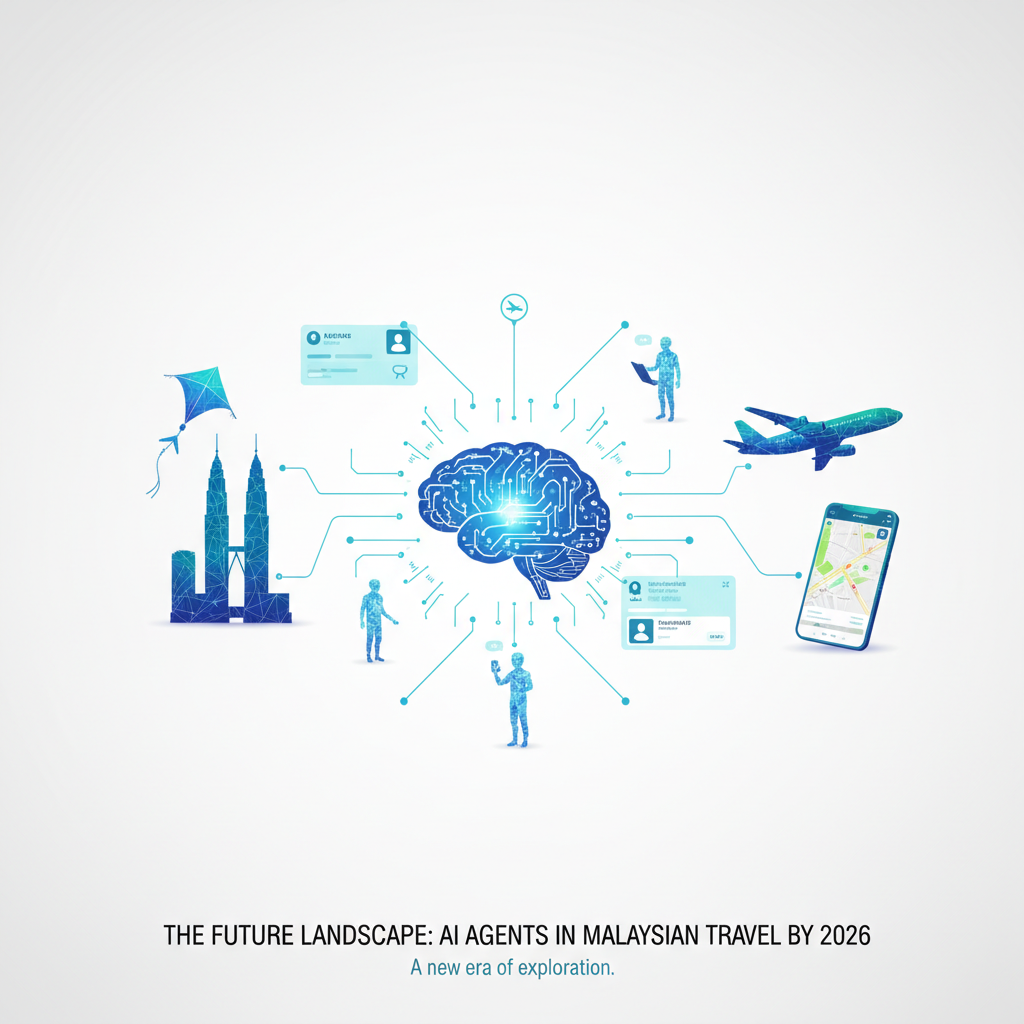
Here are key areas where AI agents are expected to make a significant impact:
1. Predictive Analytics for Future Tourism Trends & Demand
By 2026, AI agents will underpin strategic decision-making in the Malaysian travel sector, leveraging advanced predictive analytics to forecast tourism trends and demand with unprecedented accuracy. These sophisticated systems will process vast datasets, including social media sentiment, historical booking patterns, economic indicators, and local event schedules. This comprehensive analysis will allow hotels, airlines, and tour operators to optimize pricing, manage inventory efficiently, and tailor marketing campaigns to specific segments. For travelers, this means more relevant offers and better availability. Furthermore, AI will identify emerging destinations and niche preferences within Malaysia, guiding development and investment towards high-growth areas. For instance, an AI agent could predict a surge in eco-tourism demand in Borneo, prompting timely resource allocation. This deep insight, powered by AI, enables the industry to be proactive, adapting swiftly to market shifts and enhancing Malaysia’s competitive edge. According to leading consulting firms exploring AI in travel and hospitality, predictive analytics is a critical area for disruption.
2. Immersive VR/AR Experiences for Pre-Trip Exploration
The pre-trip exploration phase will be radically transformed by AI-powered Virtual Reality (VR) and Augmented Reality (AR) experiences. AI agents will curate highly personalized VR tours of Malaysian landmarks, from virtually walking through Kuala Lumpur’s bustling streets to exploring the pristine waters of the Perhentian Islands. Travelers will be able to ‘try before they buy,’ exploring accommodations, understanding local culture, and interacting with AI-generated avatars representing local guides. AR applications, integrated into travel apps, will overlay digital information onto the real world via smartphone cameras, showing points of interest, restaurant reviews, and historical facts in real-time, even before arrival. This immersive approach, guided by AI, builds anticipation and confidence, helping travelers make informed decisions and tailor their itineraries. Imagine exploring a Langkawi hotel room in VR, complete with an AI guide answering questions about amenities. These experiences transcend static media, offering dynamic, interactive previews that significantly enhance the planning stage and enrich understanding of Malaysian destinations.
3. Seamless Cross-Platform AI Integration for End-to-End Travel
The most profound impact of AI agents by 2026 will be the creation of a truly seamless, end-to-end travel experience across all platforms. From initial inspiration to post-trip feedback, AI agents will act as intelligent personal concierges, guiding travelers every step of the way. These systems will integrate across booking websites, mobile apps, smart devices, and even in-flight entertainment systems, ensuring consistent, personalized service. AI will handle dynamic itinerary adjustments based on real-time flight delays or weather changes, suggest alternative activities, and manage automated re-bookings. Multi-language support powered by AI will break down communication barriers, offering instant translation and culturally sensitive recommendations. Check-ins, luggage tracking, personalized dining suggestions, and local transport navigation will all be orchestrated by AI, minimizing stress and maximizing enjoyment. This holistic approach ensures that the How AI agent effect to Travels field in malaysia will be characterized by unparalleled convenience and hyper-personalization, turning complex logistics into effortless journeys. A traveler might speak to a voice AI agent at home, get an update via text, and then receive real-time navigation from an in-car AI system, all seamlessly connected.
In conclusion, AI agents are poised to revolutionize the Malaysian travel industry by 2026, delivering enhanced experiences through predictive analytics, immersive exploration, and seamless end-to-end integration. This transformation promises a future where travel is more intuitive, personalized, and efficient for everyone involved.
Partner with Shelby Global
You are looking for reliable HR Sevice Suppliers? Contact Shelby Global Now! To connect with verified talents and upgrade your orginization.
—————————————
References
– global travel technology trends: https://www.skift.com/category/ai/
– future of personalized travel: https://skift.com/2023/11/27/how-ai-is-driving-the-next-wave-of-travel-personalization/
– How Generative AI Will Transform Customer Service – Harvard Business Review: https://hbr.org/2023/10/how-generative-ai-will-transform-customer-service
– UNESCO Recommendation on the Ethics of Artificial Intelligence: https://www.unesco.org/en/artificial-intelligence/recommendation-ethics
– Deloitte’s AI in Travel and Hospitality Report: https://www2.deloitte.com/us/en/insights/focus/tech-trends/2024/travel-hospitality-ai-impact.html