The Evolving Landscape of HR for Singapore Marketing Agencies
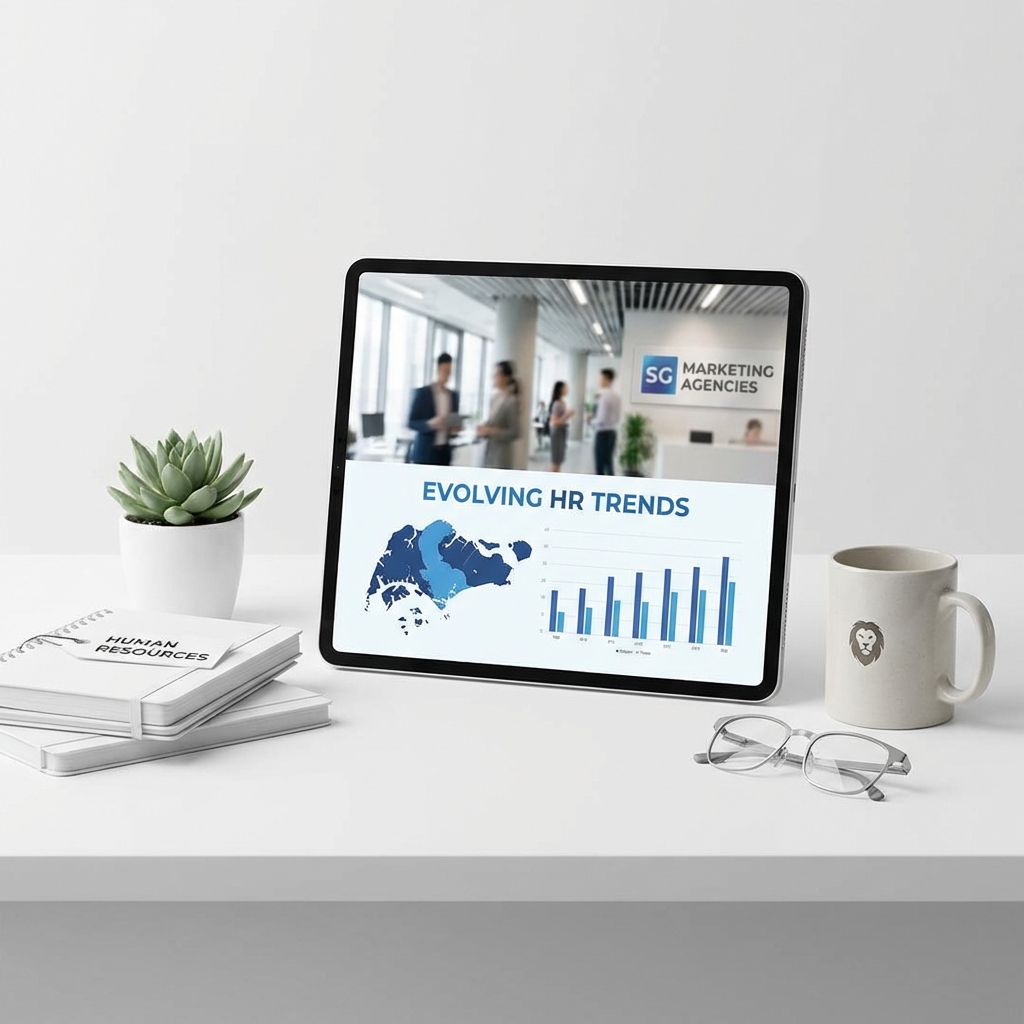
Singapore’s vibrant marketing industry is a hotbed of innovation, creativity, and intense competition. For marketing agencies operating in this dynamic environment, managing human resources isn’t just an administrative task; it’s a strategic imperative. Rapid industry changes, evolving client demands, and a fiercely contested talent pool present both unique challenges and significant opportunities for HR departments. Agencies must adapt swiftly, leveraging modern HR tools and applications for marketing agencies in Singapore to attract, retain, and develop their most valuable asset: their people.
The digital transformation has accelerated the need for specialized skills, from data analytics and AI integration to sophisticated content creation and programmatic advertising. This creates a constant demand for upskilling and reskilling initiatives. Concurrently, the workforce itself is changing, with new generations entering the market with different expectations regarding work-life balance, career growth, and workplace culture. HR strategies must be agile, proactive, and deeply integrated with business objectives to ensure agencies not only survive but thrive amidst these shifts.
1. Navigating talent acquisition in a competitive market
One of the most pressing challenges for Singaporean marketing agencies is securing top talent. The creative and digital sectors are experiencing a skills gap, with demand often outstripping supply. Agencies compete not only with each other but also with large corporations and tech giants for skilled professionals in areas like digital marketing, analytics, and creative design. This competitive market necessitates a robust and innovative talent acquisition strategy. It’s no longer enough to post job ads; agencies must cultivate strong employer branding, offer compelling career development paths, and provide a unique work culture that attracts the best. Utilizing specialized recruitment software and applicant tracking systems (ATS) can streamline the hiring process, enhance candidate experience, and allow HR teams to identify and engage with prospects more effectively. Predictive analytics can also play a role in forecasting future talent needs, enabling proactive recruitment efforts.
2. Addressing high employee turnover rates in creative fields
High employee turnover is a persistent issue in the creative industry, and marketing agencies in Singapore are no exception. The fast-paced, often high-pressure environment can lead to burnout, while the constant demand for new skills means employees are always sought after by competitors. Turnover not only incurs significant costs in recruitment and training but also impacts team morale and project continuity. To combat this, agencies must prioritize employee engagement and retention strategies. This includes fostering a supportive work culture, offering competitive compensation and benefits, providing clear paths for professional development, and recognizing achievements. Implementing performance management systems and employee feedback platforms, often facilitated by integrated HR tools, can help identify at-risk employees and address their concerns proactively. Mentorship programs, flexible work arrangements, and well-being initiatives are also crucial for building loyalty and reducing the desire to seek opportunities elsewhere.
3. The shift to hybrid work models and their HR implications
The COVID-19 pandemic accelerated the adoption of hybrid work models, and these flexible arrangements are now a staple for many marketing agencies. While offering benefits like increased flexibility and broader talent pools, hybrid work also introduces complex HR challenges. Agencies must develop clear policies regarding remote work, ensuring equitable treatment and maintaining a cohesive company culture across distributed teams. Managing performance, fostering collaboration, and maintaining communication can be more difficult when employees are not consistently co-located. HR departments need to invest in communication platforms, project management tools, and virtual collaboration software to support these models effectively. Furthermore, ensuring cybersecurity for remote workers and addressing potential legal or compliance issues related to cross-border employment (if applicable) are new considerations. Comprehensive HR software solutions that integrate performance tracking, communication portals, and learning management systems are essential for seamlessly managing a hybrid workforce, ensuring productivity and maintaining strong team bonds.
In conclusion, the HR landscape for Singaporean marketing agencies is multifaceted, requiring continuous adaptation and strategic foresight. By embracing advanced HR tools and focusing on talent acquisition, retention, and flexible work models, agencies can build resilient, high-performing teams ready to tackle the challenges and capitalize on the opportunities of tomorrow’s marketing world.
Essential HR Tools for Recruitment & Onboarding Excellence
Explore crucial HR tools that streamline the entire hiring process, from attracting top marketing talent to ensuring a seamless and effective onboarding experience.
In the dynamic landscape of Singapore’s marketing industry, attracting and retaining top talent is paramount for agency success. As competition for creative and strategic minds intensifies, the role of modern HR tools has never been more critical. These aren’t just administrative aids; they are strategic enablers that transform the entire talent lifecycle, from initial outreach to full integration. For a marketing agency in Singapore aiming for excellence, leveraging the right HR tools for recruitment and onboarding is not merely an advantage—it’s a necessity. They ensure efficiency, compliance, and a superior candidate and employee experience, setting the stage for a productive and engaged workforce.
1. Applicant Tracking Systems (ATS) tailored for creative roles
For marketing agencies, traditional ATS might fall short when evaluating creative portfolios and unconventional resumes. An effective ATS for a Singaporean marketing agency needs to go beyond keyword matching. It should facilitate visual parsing, allowing recruiters to easily review design portfolios, video reels, and copywriting samples linked to applications. Features like customizable workflows are crucial for managing diverse creative roles, from graphic designers to content strategists. These HR tools – applications for marketing agency in singapore streamline the entire application process, offering centralized communication, interview scheduling, and feedback collection. This not only enhances the candidate experience but also significantly reduces the time-to-hire, ensuring that top creative talent isn’t lost to competitors due to slow processes. Furthermore, an ATS can help marketing agencies in Singapore maintain a talent pool, making it easier to re-engage past candidates for future roles, a vital strategy in a competitive market.
2. Automated background checks and compliance in Singapore
Navigating the complexities of compliance and due diligence is a critical component of hiring in Singapore. Automated background check systems are indispensable HR tools – applications for marketing agency in singapore that ensure a secure and compliant hiring process. These platforms can conduct checks swiftly, covering employment history, educational qualifications, criminal records, and professional references, all while adhering to Singapore’s stringent data protection regulations and comprehensive background check guidelines. For a marketing agency, where trust and integrity are key, thorough vetting is essential, especially when dealing with client projects and sensitive information. Automation significantly reduces manual effort, minimizes human error, and provides a documented audit trail, which is crucial for legal and internal compliance. Services that specialize in local regulatory frameworks offer peace of mind, ensuring that checks are comprehensive and legally sound, thereby protecting the agency from potential liabilities.
3. Digital onboarding platforms for remote and local teams
Once the right talent is secured, the onboarding process dictates their initial success and long-term retention. Digital onboarding platforms are invaluable HR tools – applications for marketing agency in singapore for creating a consistent, engaging, and efficient experience, regardless of whether new hires are local or part of a growing remote team. These platforms digitize mountains of paperwork, from employment contracts and tax forms to policy acknowledgments, making the process paperless and accessible from anywhere. Beyond mere administration, they facilitate pre-boarding activities, sending welcome kits, initial training modules, and team introductions even before the first day. For remote employees, these platforms are crucial for fostering a sense of belonging, providing access to essential resources, communication channels, and cultural integration programs. They ensure that new hires are quickly equipped with the knowledge and tools they need to become productive members of the agency, accelerating their time-to-competence and reinforcing their decision to join. To explore more about specific HR tools and their applications, you can visit our resources on HR tools – applications for marketing agency in singapore.
Driving Performance & Development with Modern HR Solutions
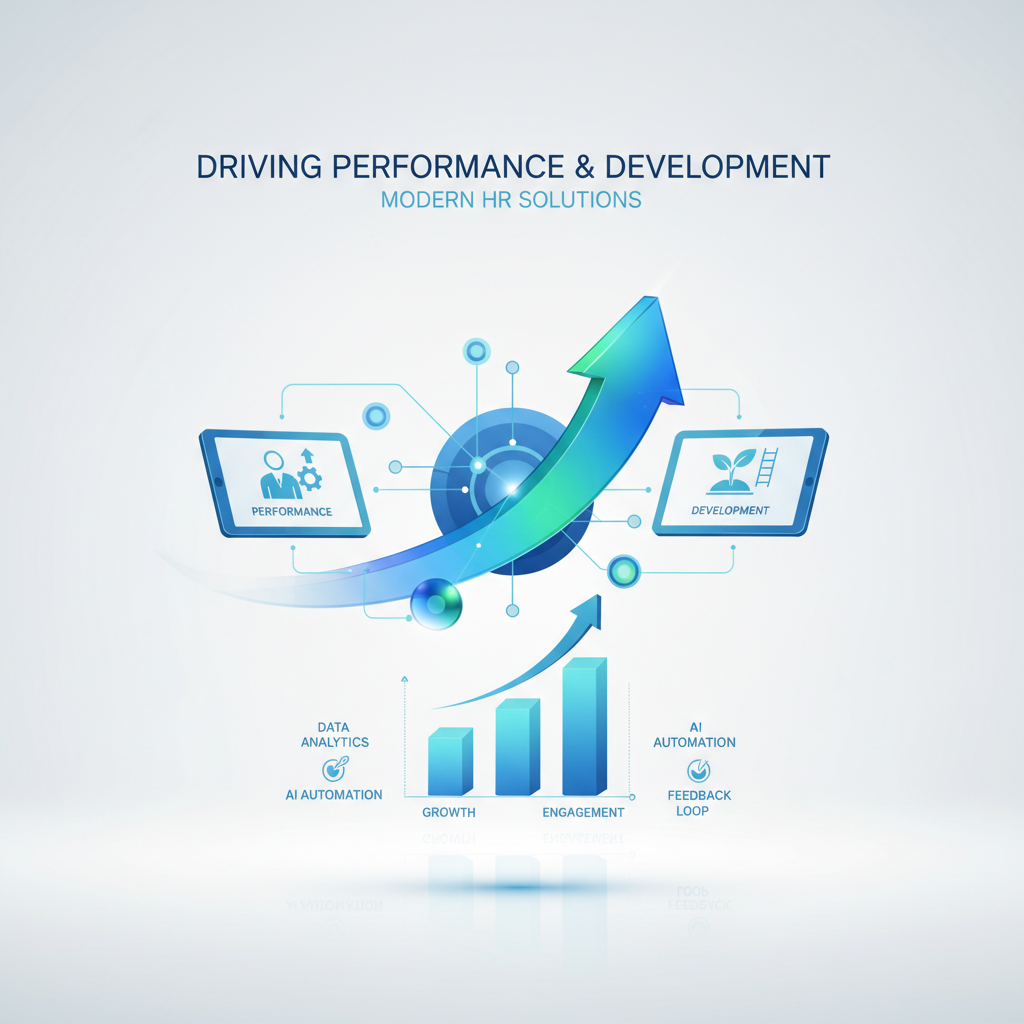
In the fiercely competitive and rapidly evolving landscape of marketing, particularly within a dynamic hub like Singapore, a marketing agency’s success hinges on its most valuable asset: its people. Attracting, retaining, and developing top talent requires more than just attractive compensation; it demands a robust framework for continuous performance management, skill development, and structured career growth. This is where modern HR solutions, specifically advanced HR tools – applications for marketing agency in singapore, become indispensable. These digital platforms transform traditional HR functions into strategic drivers, empowering agencies to foster a culture of excellence, innovation, and continuous improvement.
By leveraging the right HR technology, agencies can move beyond static annual reviews and generic training, creating an environment where employees are constantly engaged, growing, and contributing to the agency’s overarching goals. From streamlined goal setting to personalized learning paths and holistic feedback mechanisms, these tools are pivotal in navigating the complexities of talent management in a fast-paced industry.
1. Performance management systems for goal setting and feedback
Modern marketing agencies thrive on agility and clear objectives. Traditional, infrequent performance reviews often fall short in providing the real-time insights and continuous feedback necessary for a dynamic environment. Dedicated performance management systems are among the most crucial HR tools – applications for marketing agency in singapore, facilitating a shift towards a continuous performance culture. These systems allow for the setting of clear, measurable goals—whether through Objectives and Key Results (OKRs) or Key Performance Indicators (KPIs)—that align individual contributions with agency-wide strategic objectives. Employees gain clarity on their targets, while managers can conduct regular check-ins, provide timely feedback, and offer coaching as needed. This iterative process ensures that performance gaps are identified and addressed proactively, and achievements are recognized promptly. The continuous feedback loop, a cornerstone of these systems, has been shown to significantly enhance employee engagement and productivity, making it easier to manage talent effectively in a competitive market like Singapore. Research from sources like SHRM highlights how evolving performance management practices, embracing continuous feedback, are key to modern workforce development.
2. Learning Management Systems (LMS) for upskilling marketing teams
The marketing world is in a perpetual state of flux, with new technologies, platforms, and strategies emerging constantly. To remain competitive, marketing teams must continuously update their skills. Learning Management Systems (LMS) are essential HR tools – applications for marketing agency in singapore designed to address this challenge. An LMS provides a centralized platform for delivering, tracking, and managing all training and development initiatives. For a marketing agency, this means customized courses on SEO best practices, social media marketing trends, data analytics tools, creative software proficiency, or even new client communication strategies can be readily available. Employees can access self-paced modules, participate in virtual workshops, and track their progress, fostering a culture of self-directed learning. By identifying skill gaps and offering targeted learning paths, an LMS not only boosts individual capabilities but also strengthens the collective expertise of the entire team, ensuring the agency is always equipped with cutting-edge knowledge and skills.
3. 360-degree feedback tools for constructive development
For truly comprehensive talent development, a single perspective on an employee’s performance is often insufficient. This is where 360-degree feedback tools become invaluable. These powerful HR solutions gather feedback from multiple sources—peers, subordinates, clients, and managers—providing a holistic view of an individual’s strengths, development areas, and overall impact within the team and agency. For a marketing professional, this could reveal insights into their collaboration skills, leadership potential, communication effectiveness, or client management abilities from various viewpoints. The anonymous nature of such tools encourages candid and constructive input, helping employees identify blind spots and understand how their actions are perceived by others. This multi-faceted feedback is critical for personal and professional growth, enabling targeted development plans and fostering a more self-aware and adaptive workforce. Integrating these insights into individual development plans directly supports career growth and ensures that the agency is cultivating well-rounded, effective leaders and specialists.
In conclusion, harnessing the full potential of integrated HR tools – applications for marketing agency in singapore is no longer a luxury but a strategic imperative. By implementing sophisticated performance management systems, robust Learning Management Systems, and insightful 360-degree feedback tools, marketing agencies can build a resilient, high-performing, and continuously evolving workforce. These modern HR solutions not only streamline administrative tasks but fundamentally transform how talent is managed, nurtured, and grown, ultimately driving superior agency performance and securing a competitive edge in Singapore’s vibrant market.
Enhancing Employee Experience & Retention through HR Technology
The dynamic and often demanding environment of a marketing agency, particularly in a competitive hub like Singapore, places immense pressure on its most valuable asset: its people. Attracting and, more importantly, retaining top marketing talent requires a proactive approach that goes beyond competitive salaries. A truly thriving agency understands that employee experience is paramount. This is where modern HR technology steps in, offering powerful HR tools – applications for marketing agency in singapore that prioritize employee well-being, boost engagement, and enable effective communication. By strategically implementing these solutions, agencies can foster a supportive, productive culture, significantly enhancing retention rates and ensuring long-term success.
1. Employee Engagement and Survey Platforms for Cultural Insights
Understanding the pulse of your organization is fundamental to creating a positive work environment. Employee engagement and survey platforms provide invaluable mechanisms for gathering genuine feedback, enabling agencies to gain deep cultural insights. These sophisticated HR tools – applications for marketing agency in singapore move beyond annual reviews, offering features like pulse surveys, anonymous feedback channels, and sentiment analysis. For Singapore marketing agencies, these platforms are crucial for identifying unique challenges and opportunities within a diverse workforce. By consistently collecting data on job satisfaction, workload, team dynamics, and career development aspirations, agencies can pinpoint areas for improvement, address grievances promptly, and celebrate successes. This proactive approach to feedback demonstrates that employee voices are heard and valued, directly contributing to higher employee engagement and a stronger sense of belonging. The actionable data derived from these platforms empowers HR to tailor initiatives, refine policies, and build a culture where employees feel invested and understood, a critical factor in retaining top marketing talent. Effective communication through these channels also ensures that employees are aware of the changes implemented based on their feedback, closing the loop and reinforcing trust.
2. HRIS (Human Resource Information Systems) for Self-Service Capabilities
The administrative burden of traditional HR processes can often detract from strategic initiatives. Modern HRIS solutions revolutionize this by offering robust self-service capabilities, empowering employees to manage their own HR-related tasks efficiently. From updating personal details and requesting leave to accessing payslips and performance reviews, a well-implemented HRIS streamlines routine administrative functions. For busy marketing professionals, this means less time spent chasing HR for information and more time focusing on creative campaigns and client work, directly boosting overall productivity. The benefits extend beyond convenience; HRIS significantly improves effective communication by providing a centralized, accessible hub for company policies, benefits information, and announcements. This transparency fosters trust and reduces confusion. For HR departments within Singapore marketing agencies, freeing up time from manual data entry and routine inquiries allows them to dedicate more resources to strategic planning, talent development, and employee support programs. This shift not only enhances the employee experience by making essential information readily available 24/7 but also ensures greater accuracy and compliance in HR record-keeping, a vital aspect for any business operating in Singapore’s regulated environment. Ultimately, by reducing friction points and enhancing autonomy, HRIS plays a key role in improving satisfaction and, consequently, retaining top marketing talent.
3. Wellness Programs and Mental Health Support Integrations
In the high-pressure world of marketing, employee well-being and mental health are no longer fringe benefits but essential components of a sustainable and productive workforce. HR technology plays a pivotal role in integrating comprehensive wellness programs and mental health support directly into the employee experience. These integrations can range from platforms offering mindfulness exercises and stress management tools to direct access to Employee Assistance Programs (EAPs) or virtual counseling services. For Singapore marketing agencies, recognizing and addressing the prevalence of burnout and stress is critical. HR platforms can facilitate participation in wellness challenges, track personal health goals, and provide curated resources for physical and mental health. The seamless integration of these resources ensures that employees can easily access support when needed, removing barriers often associated with seeking help. By visibly prioritizing mental health, agencies demonstrate a genuine commitment to their employees’ overall well-being, fostering a culture of care and empathy. This commitment is a powerful differentiator in retaining top marketing talent, as employees increasingly seek workplaces that support their holistic health. As the World Health Organization highlights, investing in mental health support through HR technology not only reduces absenteeism and presenteeism but also cultivates a more resilient, engaged, and creative workforce, yielding significant returns in both human capital and business performance.
Strategic HR Analytics & Future-Proofing Your Agency’s Workforce
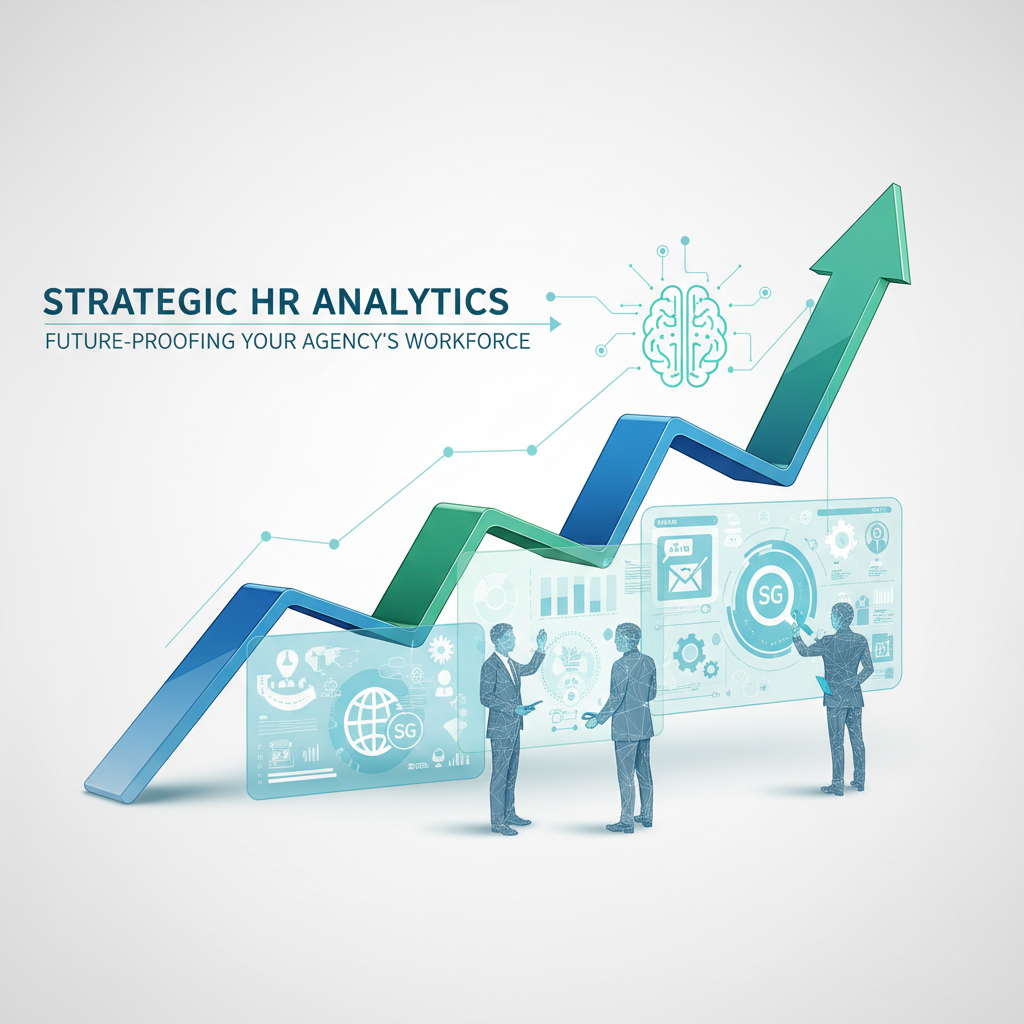
In the fast-paced and highly competitive landscape of Singapore’s marketing sector, human capital is undeniably the most valuable asset. A marketing agency in Singapore, much like any forward-thinking business, faces the constant challenge of attracting, developing, and retaining top talent while adapting to rapid market shifts. This is where strategic HR analytics steps in, transforming raw data into actionable insights. By leveraging advanced HR tools – applications for marketing agency in Singapore, agencies can not only understand their current workforce dynamics but also proactively prepare for future challenges, ensuring sustained growth and competitiveness. These applications are no longer a luxury but a strategic imperative for future-proofing operations.
1. HR analytics for talent retention and attrition prediction
Talent churn is a significant drain on resources for any creative business, especially for a marketing agency in Singapore where specialized skills and client relationships are paramount. The cost of recruiting, onboarding, and training a new employee can be astronomical, not to mention the loss of institutional knowledge and potential client dissatisfaction. HR analytics offers powerful HR tools to combat this. By analyzing vast datasets—including performance reviews, compensation, engagement survey results, tenure, and even peer feedback—agencies can identify patterns and precursors to attrition. Predictive models, powered by these analytics, can pinpoint employees who are at a higher risk of leaving, allowing HR and management to intervene proactively. Such interventions might include targeted professional development, mentorship programs, adjusted compensation, or enhanced work-life balance initiatives. Embracing data-driven insights from these applications helps a marketing agency in Singapore foster a more engaged and loyal workforce, significantly improving talent retention and reducing costly turnover. This strategic approach to talent management is crucial for maintaining stability and expertise within the team.
2. Workforce planning and forecasting tools for growth
The dynamic nature of the marketing industry, with its fluctuating project demands, evolving digital trends, and rapid client acquisition cycles, necessitates agile workforce planning. Traditional, reactive hiring methods are simply insufficient. Modern HR tools and analytics provide a robust framework for strategic workforce planning and forecasting. By integrating business projections with HR data, agencies can accurately predict future talent needs, identifying potential skill gaps before they become critical. For instance, if an agency anticipates a surge in demand for AI-driven content creation or programmatic advertising, workforce planning tools can highlight the need for specific training programs or strategic hires. These insights enable a marketing agency in Singapore to proactively develop reskilling initiatives for existing staff or embark on targeted recruitment campaigns. This foresight ensures that the agency always has the right people with the right skills at the right time, minimizing operational disruptions and maximizing growth opportunities. Effective workforce planning is, in essence, a strategic roadmap for sustained organizational success and agility.
3. AI-powered HR for predictive insights and operational efficiency
Moving beyond basic data reporting, the integration of artificial intelligence (AI) into HR elevates analytics to an entirely new level, offering unparalleled predictive insights and driving significant operational efficiencies. AI-powered HR tools can automate routine HR tasks—from screening resumes and managing onboarding paperwork to answering common employee queries—freeing up HR professionals to focus on more strategic initiatives. More critically, AI algorithms can process and analyze complex data points that human analysts might miss, identifying subtle correlations between employee performance, engagement, and various organizational factors. For a marketing agency in Singapore, this means the ability to forecast future performance trends, identify high-potential employees for leadership roles, and even predict the success rates of different recruitment channels. This advanced analytical capability allows for highly personalized employee experiences and proactive decision-making across 11 critical areas of talent management, from recruitment to succession planning. The strategic advantage gained through such sophisticated HR tools is immense, enabling agencies to operate with greater agility, precision, and a future-oriented perspective.
In conclusion, the strategic application of HR analytics and advanced HR tools is no longer optional for a marketing agency in Singapore aiming for long-term success. From bolstering talent retention and enabling precise workforce planning to harnessing the power of AI for predictive insights and efficiency, these data-driven approaches are essential. They empower agencies to make informed decisions, cultivate a resilient workforce, and confidently navigate the evolving demands of the marketing landscape, solidifying their position as industry leaders.
Partner with Shelby Global
You are looking for reliable HR Sevice Suppliers? Contact Shelby Global Now! To connect with verified talents and upgrade your orginization.
—————————————
References
– Ministry of Manpower Singapore Labour Market Statistics: https://stats.mom.gov.sg/Pages/Default.aspx
– Background checks – Ministry of Manpower Singapore: https://www.mom.gov.sg/employment-practices/hiring-and-firing/background-checks
– The Evolution of Performance Management: From Annual Reviews to Continuous Feedback: https://www.shrm.org/resources-and-tools/hr-topics/employee-relations/pages/the-evolution-of-performance-management.aspx
– World Health Organization: https://www.who.int/news-room/fact-sheets/detail/mental-health-at-work
– HR Analytics Is Key for Business Success: https://www.shrm.org/resources-and-tools/hr-topics/talent-management/pages/hr-analytics-is-key-for-business-success.aspx