Understanding the Singapore Ecommerce Manager Landscape
Singapore’s e-commerce landscape is a vibrant and rapidly evolving ecosystem, characterized by high digital adoption, a tech-savvy population, and strategic geographical positioning. As a key regional hub, it attracts significant investment and fosters intense competition, making the demand for skilled e-commerce managers exceptionally high. For businesses looking to thrive in this dynamic environment, understanding the unique market dynamics and talent expectations is paramount. Hiring an e-commerce manager in Singapore isn’t just about finding someone with a relevant resume; it’s about identifying a leader who can navigate complex local consumer behaviors, regulatory frameworks, and rapid technological shifts. This requires a robust approach to talent assessment, particularly when evaluating a candidate’s prior experience and potential impact.

1. Key trends in Singapore’s Ecommerce growth and expansion
Singapore’s e-commerce sector continues its impressive upward trajectory, fueled by several key trends. Firstly, ubiquitous smartphone penetration and advanced digital infrastructure underpin a thriving mobile commerce scene, making on-the-go shopping the norm. Secondly, cross-border e-commerce is a significant driver, with Singaporean consumers frequently purchasing from international platforms and local businesses expanding their reach beyond national borders. This trend necessitates managers with an understanding of international logistics, payments, and localization strategies. Thirdly, the rise of specialized marketplaces and social commerce platforms is diversifying the retail landscape, moving beyond traditional platforms. Furthermore, evolving consumer expectations for seamless experiences, personalized recommendations, and expedited delivery are pushing businesses to innovate constantly. According to Statista’s market outlook, the revenue in the Singaporean e-commerce market is projected to reach US$7.86 billion in 2024, indicating strong sustained growth. This vibrant growth underscores the need for e-commerce managers who are not only adaptable but also visionary, capable of leveraging these trends to achieve strategic objectives and drive market share.
2. Specific skills and local market nuances for success
Success for an e-commerce manager in Singapore hinges on a blend of universal managerial competencies and highly specific local insights. On the technical front, strong proficiency in data analytics, performance marketing (SEO, SEM, social media advertising), and marketplace management (e.g., Shopee, Lazada) is non-negotiable. Managers must be adept at interpreting complex data sets to inform decision-making, optimize campaigns, and drive conversion. An understanding of supply chain logistics and last-mile delivery challenges unique to Singapore’s urban density is also crucial. Beyond technical prowess, local market nuances play a significant role. This includes a keen awareness of Singaporean consumer psychology, which values efficiency, reliability, and often, value-for-money. Cultural sensitivity, understanding local holidays and promotional cycles, and navigating the nuances of a multi-ethnic society are also vital for effective localization of marketing campaigns and product offerings. Furthermore, knowledge of local regulatory requirements, such as data privacy laws (PDPA) and consumer protection acts, is essential to ensure compliance and build trust. The ideal candidate will possess not just hard skills but also excellent communication, problem-solving, and cross-functional collaboration abilities to navigate the fast-paced and interconnected nature of Singapore’s digital economy.
3. Challenges in identifying top-tier Ecommerce managerial talent
Despite the burgeoning opportunities, identifying and attracting top-tier e-commerce managerial talent in Singapore presents significant challenges. The high demand for skilled professionals often outstrips supply, leading to a highly competitive talent market. Many candidates may present impressive CVs, but discerning true strategic capability, leadership potential, and a genuine understanding of the local market requires more than a cursory review. A common pitfall is hiring individuals whose experience is primarily from larger, more mature e-commerce markets, which may not translate directly to Singapore’s unique landscape, especially concerning market maturity, consumer behavior, and competitive dynamics.
To overcome these hurdles, organizations must develop a rigorous and comprehensive Test structure to assess Manager Level CVs in Ecommerce field in singapore. This involves looking beyond job titles and focusing on tangible achievements, the impact of past roles, and the specific challenges overcome. Effective assessment includes behavioral interviews designed to probe problem-solving methodologies, strategic thinking, and adaptability. Case studies or simulations can be particularly effective in evaluating a candidate’s ability to tackle real-world e-commerce scenarios relevant to the Singaporean context, such as optimizing marketplace performance or launching a new product line. Verifying a candidate’s understanding of local regulations, consumer trends, and competitive landscape through targeted questions is also crucial. By employing a structured and multi-faceted assessment process, businesses can significantly improve their chances of securing an e-commerce manager who can truly drive growth and innovation in Singapore’s dynamic digital economy.
Core Competencies for Ecommerce Manager CVs
In the rapidly evolving landscape of digital commerce, particularly within the dynamic Singapore e-commerce market, the demand for highly skilled Ecommerce Managers is escalating. Businesses need leaders who can not only navigate current trends but also drive sustained growth and innovation. When reviewing manager-level CVs, a robust test structure to assess Manager Level CVs in Ecommerce field in Singapore becomes crucial. It ensures that candidates possess the comprehensive skill set required for success. Beyond basic operational knowledge, the focus must be on strategic acumen, digital marketing mastery, and an innate understanding of data-driven decision making. The ideal candidate demonstrates proven experience in orchestrating complex online operations, fostering profitability growth, and adapting swiftly to technological advancements and consumer behavior shifts. Effective e-commerce leadership is about more than just managing a store; it’s about shaping an entire online sales strategy that aligns with broader business objectives.
1. Strategic planning, P&L management, and business development experience
At the apex of an Ecommerce Manager’s responsibilities lies the ability to formulate and execute a cohesive online sales strategy. This involves long-term strategic planning, understanding market expansion initiatives, and identifying new opportunities within the competitive Singaporean market. A standout CV will clearly articulate instances where the candidate has spearheaded business development efforts, leading to tangible revenue growth and market share gains. Crucially, proficiency in P&L management is non-negotiable. Candidates must demonstrate a deep understanding of financial levers, cost control, budget allocation, and revenue forecasting to ensure profitability growth. This includes experience in managing budgets, optimizing operational expenditures, and driving top-line growth through strategic pricing, product assortment, and market positioning. Evidence of successful negotiation with vendors, partners, and logistics providers further highlights a candidate’s business development prowess. Look for specific examples of projects where they have transformed conceptual ideas into profitable ventures, showcasing their strategic foresight and capability in managing the financial health of an e-commerce division. Strong team leadership and development skills are often intertwined with these strategic responsibilities, as executing plans requires a cohesive and motivated team.
2. Digital marketing, customer acquisition, and retention proficiency
The lifeblood of any successful e-commerce operation is its ability to attract, engage, and retain customers. Therefore, an Ecommerce Manager must possess deep expertise across the entire spectrum of digital marketing. This includes advanced knowledge of SEO, SEM, social media marketing, email marketing campaigns, content strategy, and conversion rate optimization (CRO). A strong CV will detail successful customer acquisition strategies that have demonstrably lowered customer acquisition costs (CAC) while increasing lifetime value (LTV). Beyond acquisition, robust customer lifecycle management is paramount. This involves implementing effective loyalty programs, personalized customer journeys, and re-engagement tactics that foster long-term relationships and reduce churn. Candidates should be able to articulate their experience with various digital channel optimization techniques, showing how they have leveraged different platforms to maximize reach and engagement. Examples of driving significant increases in website traffic, improving conversion rates, and building loyal customer bases through innovative marketing initiatives are key indicators of a candidate’s proficiency in this domain. This multifaceted skill set ensures that the e-commerce platform is not just visible, but also continuously converting browsers into loyal buyers.
3. Data analytics, performance optimization, and technology literacy
In the digital realm, data is king, and an effective Ecommerce Manager must be an expert in data-driven decision making. A CV should showcase strong analytical skills, including proficiency with web analytics platforms (e.g., Google Analytics, Adobe Analytics), A/B testing tools, and CRM systems. The ability to interpret complex data sets, identify actionable insights, and translate them into performance optimization strategies is critical. This extends to understanding key performance indicators (KPIs) and how to leverage data to improve site performance, user experience, and overall sales. Furthermore, a high degree of e-commerce technology literacy is essential. This doesn’t necessarily mean being a coder, but rather understanding the capabilities and limitations of various e-commerce technology solutions, such as platforms like Shopify, Magento, or Salesforce Commerce Cloud. Candidates should demonstrate experience in managing platform migrations, integrating third-party tools, and staying abreast of emerging technologies like AI, machine learning, and automation that can enhance operational efficiency and customer experience. Familiarity with inventory and supply chain management systems, as they relate to e-commerce fulfillment, also adds significant value. According to Deloitte Insights on the future of retail, technology integration and data fluency are increasingly pivotal for driving success in digital commerce. This blend of analytical prowess and technical understanding ensures the e-commerce operation is not only efficient but also future-proof.
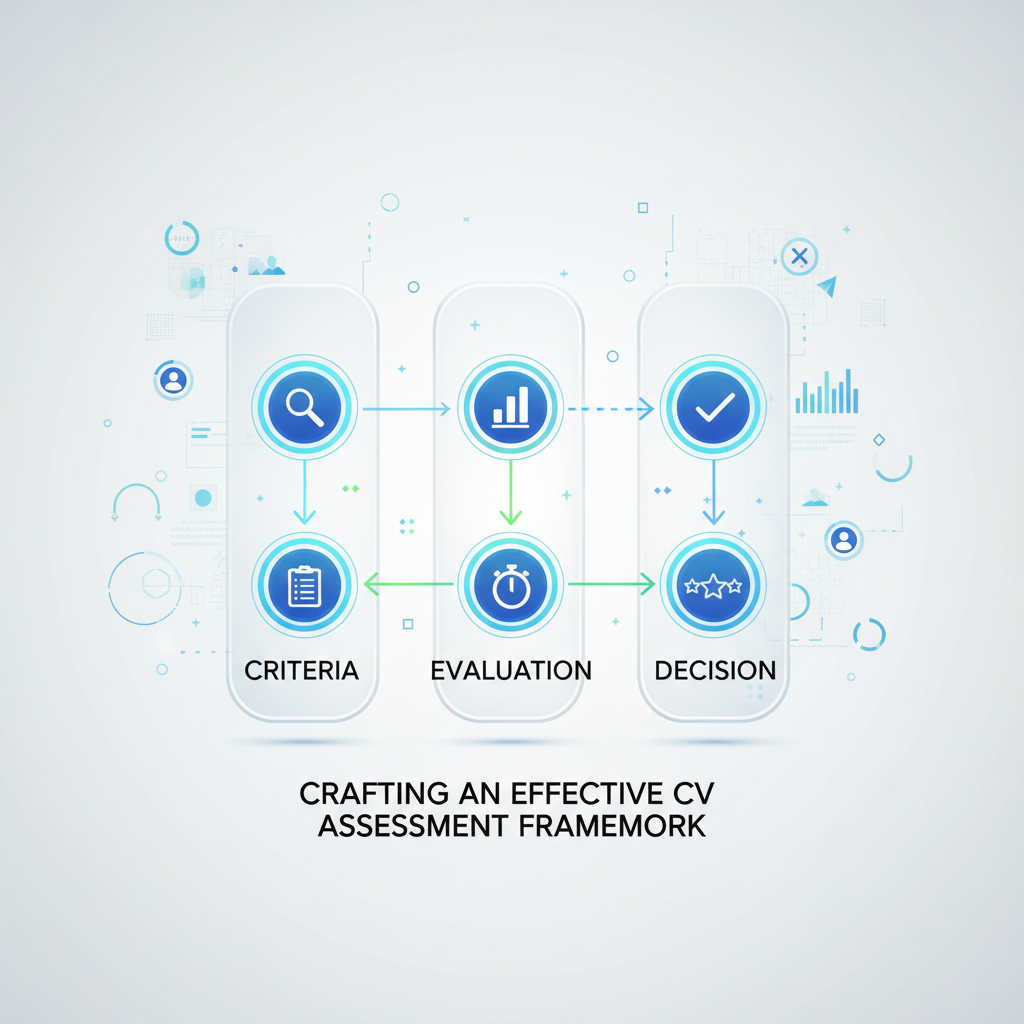
Crafting an Effective CV Assessment Framework
Outlines a systematic, structured approach to evaluating Manager Level CVs for efficiency and objectivity.
In the dynamic and highly competitive landscape of the Singapore e-commerce sector, identifying and securing top-tier managerial talent is paramount. The sheer volume of applications for manager-level roles necessitates a robust, objective, and efficient test structure to assess Manager Level CVs in Ecommerce field in Singapore. A haphazard approach not only consumes valuable time but can also lead to biases, overlooking ideal candidates, or, conversely, advancing unsuitable ones. This section outlines a systematic framework designed to enhance your CV screening processes, ensuring objectivity and a higher success rate in managerial talent acquisition. By implementing structured methodologies, organizations can streamline their e-commerce recruitment efforts, gain deeper Singapore job market insights, and make data-driven decisions.
-
Developing pre-screening checklists and custom scoring criteria
The first step in establishing an effective structured CV review system involves creating meticulous pre-screening checklists. These checklists act as initial filters, ensuring that only candidates meeting the absolute minimum requirements advance. For Manager Level CVs in e-commerce, this might include specific years of experience in digital marketing, supply chain management, or data analytics, demonstrable leadership experience, and a proven track record within the e-commerce domain. Beyond basic qualifications, developing custom scoring criteria is crucial. This involves assigning weighted scores to various aspects of a CV that directly align with the job description and the strategic goals of the role. For instance, strong scores could be awarded for quantifiable achievements in revenue growth, successful project launches, or significant team leadership successes. Prioritize skills critical for the role, such as strategic thinking, problem-solving, and adaptability – all essential for competency-based assessment. This method moves beyond subjective impressions, fostering a consistent and fair evaluation process that highlights true leadership potential and relevant digital transformation skills.
-
Utilizing rubrics for quantitative and qualitative CV evaluation
To further refine the assessment, the implementation of comprehensive rubrics provides a standardized framework for both quantitative and qualitative evaluation. A rubric defines specific criteria and provides a rating scale (e.g., 1-5) for each, detailing what performance looks like at different levels. For Manager Level CVs, this could involve assessing the depth of experience in specific e-commerce platforms, the scope of budgetary responsibility, or the impact of past roles on business metrics. Quantitative evaluation focuses on verifiable facts and figures, such as growth percentages, team sizes managed, or market share gains, providing clear performance indicators. Qualitative evaluation, on the other hand, delves into the narrative of the CV, assessing communication clarity, the strategic articulation of achievements, and the demonstration of core managerial competencies. By using rubrics, evaluators can objectively score aspects like strategic thinking, problem-solving methodologies, and understanding of market trend analysis, ensuring that every CV is measured against the same high standards and reducing individual assessor bias.
-
Identifying red flags, career gaps, and potential fit issues
A critical component of a robust CV assessment framework is the ability to identify potential red flags and evaluate career gaps judiciously. Frequent job changes within short periods, unexplained employment gaps, or inconsistencies in job titles versus responsibilities should prompt further investigation during later stages of the hiring process. While not immediate disqualifiers, these elements require careful consideration. Similarly, assessing potential candidate fit is vital, particularly for managerial roles where influence and team leadership are crucial. This involves looking beyond technical skills to glean insights into a candidate’s work ethic, adaptability, and cultural alignment from their past roles and achievements. Analyzing a candidate’s career trajectory can reveal growth patterns, ambition, and resilience, which are invaluable for leadership positions. A well-designed framework allows assessors to flag these areas for follow-up questions during interviews, ensuring that any concerns are addressed transparently. This comprehensive approach to identifying potential challenges upfront saves time and resources, contributing significantly to successful e-commerce recruitment outcomes and ensuring long-term retention of high-caliber talent.
Beyond the CV: Integrating Complementary Assessment Tools
In today’s dynamic e-commerce landscape, particularly in competitive markets like Singapore, relying solely on a candidate’s CV for manager-level roles is akin to judging a book by its cover. While a CV provides a snapshot of experience and qualifications, it often fails to illuminate critical competencies such as leadership potential, strategic thinking, and cultural fit. To truly gain a comprehensive understanding of a candidate’s potential, especially for pivotal e-commerce manager positions, organizations must implement a robust and multifaceted test structure to assess Manager Level CVs in Ecommerce field in singapore. This holistic approach moves beyond traditional screening, incorporating advanced assessment tools and methods to uncover deeper insights into an individual’s capabilities and how they align with specific organizational needs and the fast-paced nature of digital commerce.
1. Behavioral and Situational Interview Techniques for Leadership Assessment
For manager-level roles in e-commerce, leadership is paramount. Behavioral and situational interview techniques are indispensable tools for assessing an individual’s past actions and predicted future behavior in challenging scenarios. Behavioral questions, often leveraging the STAR method (Situation, Task, Action, Result), prompt candidates to describe how they handled specific work situations in the past. This reveals their problem-solving skills, decision-making processes, resilience, and ability to manage teams and projects effectively under pressure – crucial traits for an e-commerce manager navigating market shifts in Singapore. Situational questions, conversely, present hypothetical scenarios relevant to the role, such as managing a sudden supply chain disruption or launching a new product line with limited resources, probing how they would strategically approach these challenges. These techniques provide invaluable insights into a candidate’s strategic thinking, conflict resolution skills, and capacity for innovation, moving beyond generic responses to evaluate their actual leadership assessment capabilities and adaptability within a rapidly evolving digital environment.
2. Case Studies, Practical Challenges, and Project-Based Evaluations
To truly ascertain a candidate’s practical acumen and strategic capabilities, especially when assessing Manager Level CVs in the E-commerce field in Singapore, incorporating real-world simulations is vital. Case studies provide candidates with a detailed business problem or scenario, often mirroring actual challenges faced by e-commerce managers, such as optimizing conversion rates, devising a market entry strategy for a new product, or managing a large-scale digital marketing campaign. Their task is to analyze the situation, propose solutions, and justify their recommendations, often involving data analysis and presentation skills. Practical challenges could involve smaller, focused tasks like auditing an existing e-commerce website for UX improvements, drafting a compelling product launch plan, or analyzing a dataset to identify key growth opportunities. Project-based evaluations take this a step further, requiring candidates to develop a mini-project over a short period, demonstrating their ability to plan, execute, and deliver results. These methods are excellent for gauging analytical thinking, strategic planning, operational effectiveness, and the ability to apply theoretical knowledge to practical e-commerce scenarios, offering a clear view of their potential impact.
3. Effective Reference Checks and Background Verification Protocols
The final layer of a comprehensive assessment involves validating the information gathered through interviews and practical evaluations. Effective reference checks go beyond merely confirming employment dates; they are structured conversations with previous supervisors and colleagues designed to gather specific insights into a candidate’s performance, work ethic, collaboration skills, and overall professional conduct. Questions should be tailored to elicit behavioral examples, focusing on strengths, areas for development, and how the candidate performed in roles relevant to e-commerce management. Background verification protocols, meanwhile, are crucial for ensuring due diligence, especially for sensitive manager-level positions. This includes verifying educational qualifications, employment history, and, where legally permissible and relevant to the role, criminal records or financial checks. In Singapore, adherence to local data protection and labor laws (such as the Personal Data Protection Act) is paramount during these processes. By implementing thorough and legally compliant reference checks and background verification, organizations can mitigate risks, confirm integrity, and ensure that the candidate presented through their CV and interviews is truly the leader they claim to be, thus completing a robust assessment for an e-commerce manager role.
Future-Proofing Your Ecommerce Manager Hiring in Singapore
In Singapore’s fiercely competitive and rapidly evolving digital landscape, securing top-tier ecommerce managerial talent is not merely about filling a vacancy; it’s about making strategic investments for long-term growth and resilience. The city-state, a hub for innovation and digital commerce, demands that companies adopt sophisticated and forward-looking future-proof hiring strategies. This involves adapting ecommerce talent acquisition Singapore methodologies to meet evolving industry demands, anticipating technological shifts, and meticulously crafting a robust Test structure to assess Manager Level CVs in Ecommerce field in singapore. Companies that excel in this will secure the talent needed for sustained success in managing complex ecommerce leadership roles.

The quest for exceptional ecommerce managers in Singapore requires more than just reactive recruitment. It necessitates a proactive approach that understands the dynamic nature of the market and the capabilities required to navigate it. From understanding the nuances of the Singapore tech talent market to implementing cutting-edge assessment methods, businesses must prioritize securing candidates who can not only manage but also innovate and lead.
1. Anticipating Evolving Ecommerce Technologies and Market Shifts
The pace of change in ecommerce is relentless, driven by advancements in artificial intelligence, machine learning, data analytics, and immersive technologies like augmented reality. Future-proofing your hiring means identifying candidates who possess not just current expertise but also a demonstrable capacity for continuous learning and adaptation. When evaluating CVs and conducting interviews, look beyond immediate skillsets to assess a candidate’s curiosity, resilience, and aptitude for understanding emerging trends. Are they abreast of global ecommerce trends, or specifically the unique challenges and opportunities within the Southeast Asian market? Candidates must demonstrate an understanding of how these technologies can be leveraged for strategic advantage, whether it’s through hyper-personalization, supply chain optimization, or enhancing customer experience. This also involves navigating the complexities of digital transformation hiring, where candidates must bridge the gap between traditional retail models and innovative digital ecosystems. Assess their ability to articulate future scenarios and their potential impact on business, as well as their understanding of the skills for future ecommerce leaders.
2. Building a Diverse, Inclusive, and Agile Talent Pipeline
Resilience and innovation are often born from diverse perspectives. Building a diverse and inclusive talent pipeline is no longer just a corporate social responsibility initiative; it’s a strategic imperative for navigating unpredictable market shifts and fostering creativity. Companies should broaden their sourcing strategies beyond conventional channels, actively seeking candidates from varied backgrounds, industries, and geographies. An inclusive approach ensures that the recruitment process is free from unconscious bias, allowing for a fairer assessment of capabilities and potential. Furthermore, adopting agile recruitment processes is crucial. This means being able to quickly pivot hiring strategies in response to sudden market changes or emerging skill demands, ensuring that your organization can capitalize on opportunities as they arise. Optimizing the candidate experience optimization becomes paramount in a talent-scarce market, as top professionals often have multiple options. A positive, streamlined, and transparent hiring journey not only attracts better talent but also strengthens your employer brand amidst the fierce market demand for ecommerce managers. Prioritizing diversity in ecommerce hiring also brings a richer understanding of diverse customer segments, which is vital in a multicultural market like Singapore.
3. Continuous Refinement of Assessment Methodologies and Feedback Loops
Traditional CV screening and generic interviews are often insufficient for identifying the multifaceted skills required for modern ecommerce managerial roles. To genuinely future-proof your hiring, companies must invest in developing sophisticated managerial assessment frameworks. This includes scenario-based interviews, technical challenges relevant to ecommerce operations (e.g., performance marketing strategy, supply chain optimization, platform migration plans), and psychometric evaluations that gauge leadership potential, problem-solving abilities, and cultural fit. Crucially, these methodologies must be continuously refined based on performance data and feedback loops. What traits consistently correlate with high-performing ecommerce managers within your organization? How effectively does your current Test structure to assess Manager Level CVs in Ecommerce field in singapore predict success? Regular audits of your hiring processes, coupled with post-hire performance reviews, provide invaluable insights. This iterative approach ensures that your assessment tools remain relevant and effective in identifying candidates who are not only competent today but also possess the foresight and adaptability to lead your ecommerce initiatives into tomorrow. According to a McKinsey report on the digital imperative for Southeast Asia’s companies, digital skills and leadership capabilities are paramount for navigating the region’s rapidly transforming economy.
Partner with Shelby Global
You are looking for reliable HR Sevice Suppliers? Contact Shelby Global Now! To connect with verified talents and upgrade your orginization.
—————————————
References
– Ecommerce market in Singapore – Statistics & Facts | Statista: https://www.statista.com/outlook/dmo/ecommerce/singapore
– The future of retail: Digital commerce in the next era: https://www2.deloitte.com/us/en/insights/industry/retail-distribution/future-of-retail-digital-commerce.html
– How to Screen Resumes for Competencies – HR Dive: https://www.hrdive.com/news/how-to-screen-resumes-for-competencies/559828/
– SHRM: Behavioral Interviewing to Predict Success: https://www.shrm.org/resources-and-tools/hr-topics/talent-acquisition/behavioral-interviewing-to-predict-success/
– the digital imperative for Southeast Asia’s companies: https://www.mckinsey.com/capabilities/mckinsey-digital/our-insights/the-digital-imperative-for-southeast-asias-companies