Understanding the Singapore IT Salary Landscape
Singapore stands as a vibrant hub for technology and innovation in Southeast Asia, attracting top talent and significant investment. This dynamic environment naturally shapes the Salary Defining Strategy for all job titles in IT field in singapore. Diving into the current state of IT salaries across various roles, we will examine the key factors influencing compensation and market dynamics, offering a comprehensive view for professionals and employers alike. The city-state’s robust economy and commitment to digital transformation mean that the tech job market Singapore is constantly evolving, demanding strategic approaches to remuneration.

1. Current IT Salary Benchmarks Singapore
The landscape of Singapore IT salary benchmarks is highly competitive and reflects a strong demand for specialized skills. Entry-level roles in software development or network administration might start from S$3,500 to S$5,500 per month. Mid-level professionals (3-5 years experience) in areas like Java development, cloud engineering, or cybersecurity can expect S$6,000 to S$9,000. For senior and lead roles, particularly in emerging fields such as Artificial Intelligence, Data Science, or DevOps, IT compensation Singapore can range from S$10,000 to S$15,000+, with highly specialized principal architects or engineering managers potentially earning significantly more. Specialized skill sets in areas like blockchain, quantum computing, or advanced AI/ML models command premium rates. Keeping abreast of these figures is crucial for both job seekers and companies, and resources like the annual Hays Singapore Salary Guide provide valuable insights into these industry standards.
2. Key Influencers: Industry, Company Size, and Experience
Several critical factors dictate the specific IT compensation Singapore professionals receive. Firstly, the **industry impact on IT wages** is significant. Financial technology (FinTech), for instance, often offers higher salaries compared to sectors like manufacturing or logistics due to the high-value transactions and critical infrastructure involved. E-commerce and pharmaceutical companies also tend to be highly competitive. Secondly, **company size IT salaries** vary considerably. Large multinational corporations (MNCs) typically offer more structured compensation packages, better benefits, and often higher base salaries than startups or small and medium enterprises (SMEs). However, startups might offer equity options, rapid career progression, and unique learning experiences that can offset initial salary differences. Lastly, **experience level IT pay** is a paramount factor. A junior software engineer with 1-2 years of experience will naturally earn less than a senior architect with 10+ years, whose expertise is vital for strategic projects and mentorship. Specialization and certifications also play a huge role, enabling professionals to command higher salaries by demonstrating niche skills in high-demand areas.
3. Local Cost of Living & Regional IT Salary Comparisons
While Singapore’s IT salaries appear robust on paper, it’s crucial to consider the local cost of living Singapore tech professionals face. Singapore consistently ranks among the most expensive cities globally, particularly concerning housing, transport, and general expenditures. This high cost of living means that a higher gross salary might not translate into a significantly higher disposable income compared to other tech hubs. Therefore, professionals often assess their net financial gain rather than just the base salary. When making a regional IT salary comparison, it becomes clear that while countries like Vietnam, Malaysia, or Thailand might offer lower gross salaries, their significantly lower cost of living could result in comparable or even better purchasing power for some roles. Conversely, comparing with global tech hubs like Silicon Valley or London, Singapore’s tech salaries are competitive, especially considering the lower income tax rates. Understanding this balance is key for professionals weighing career opportunities in the region and for companies looking to attract and retain talent in a globalized market.
In conclusion, navigating Singapore’s IT salary landscape requires a nuanced understanding of benchmarks, influencing factors, and the practicalities of the local economy. For both employers and IT professionals, a strategic approach to compensation ensures fair remuneration and sustainable career growth in this dynamic tech ecosystem.
Crafting a Data-Driven Salary Defining Strategy
In Singapore’s dynamic and highly competitive IT landscape, attracting and retaining top talent requires more than just offering a job; it demands a sophisticated, data-driven approach to compensation. A robust Salary Defining Strategy for all job titles in IT field in Singapore is not merely about setting numbers, but about building a fair, transparent, and sustainable system that balances business objectives with employee expectations. This involves meticulous research, strategic structuring, and a keen understanding of both internal equity and external market forces.
1. Collecting & Analyzing Relevant IT Salary Data
The foundation of any effective salary strategy lies in comprehensive data collection and analysis. For IT professionals in Singapore, this means gathering diverse data points to establish reliable IT salary benchmarks Singapore. Start by leveraging reputable external salary surveys from global and regional consulting firms, as well as local HR agencies specializing in the tech sector. These surveys typically provide insights into base salaries, bonuses, stock options, and other benefits across various IT roles, seniority levels, and specific technologies (e.g., Cloud Engineers, Cybersecurity Analysts, Data Scientists, Software Developers). It’s crucial to ensure the data is recent and specific to the Singaporean market, as global averages can be misleading.
Beyond external benchmarks, analyze your internal compensation data. This includes current salary ranges, historical pay increases, and performance-based remuneration. Compare these figures against market data to identify discrepancies and areas where your organization might be overpaying or underpaying. Factor in non-monetary benefits and the overall employee value proposition. Effective data-driven compensation IT requires not just raw numbers but a nuanced understanding of market trends, talent scarcity in specific tech domains, and the economic outlook for Singapore’s tech industry. This rigorous approach ensures your data insights are actionable and reflective of current market realities, setting the stage for a competitive IT compensation structure Singapore.
2. Structuring Pay Grades and Bands for Diverse IT Roles
Once robust data is collected, the next step is to translate it into a structured framework: pay grades and salary bands. This is particularly vital given the diverse nature of IT roles, from entry-level helpdesk support to seasoned enterprise architects. Begin by conducting a thorough job evaluation process, assessing each IT role based on factors such as responsibility level, required skills, complexity of tasks, scope of impact, and necessary qualifications. Group roles with similar value and market pricing into distinct pay grades. For instance, a Junior Software Developer might fall into Grade 5, while a Lead Data Scientist could be in Grade 9.
For each pay grade, define specific salary bands, typically comprising a minimum, midpoint, and maximum salary. The midpoint should ideally align with the market median for that grade, reflecting a competitive target for experienced performers. The minimum ensures fair entry-level pay, while the maximum allows for growth and recognizes top talent. These salary bands IT Singapore must be broad enough to accommodate varying levels of experience, performance, and tenure within a role, yet narrow enough to maintain distinction between grades. Consideration must be given to career progression paths within the IT department, ensuring that employees can see a clear trajectory and corresponding salary growth. This transparent structure forms the backbone of a fair and manageable IT compensation structure Singapore.
3. Balancing Internal Equity with External Competitiveness
A critical challenge in developing a robust Salary Defining Strategy for all job titles in IT field in Singapore is striking the right balance between internal equity and external competitiveness. Internal equity refers to the perceived fairness of pay among employees within your organization, based on their roles, contributions, and experience. Ignoring internal equity can lead to demotivation, reduced productivity, and high turnover, even if external market rates are met. Ensuring fair pay IT Singapore requires consistent application of your job evaluation and pay grade structure across all departments and IT specializations, rewarding similar levels of contribution similarly.
Conversely, external competitiveness dictates how your organization’s pay rates compare to those of competitors in the market. In a talent-scarce market like Singapore’s IT sector, lagging behind market competitive salaries Singapore will hinder your ability to attract and retain high-caliber professionals. To achieve this balance, use market data to set the midpoints of your salary bands, ensuring you are competitive. Then, use your internal equity principles to guide salary progression within those bands, rewarding performance, skill acquisition, and loyalty. Regularly review both internal pay differentials and external market shifts to make timely adjustments. This dynamic approach to balancing internal equity IT roles with external competitiveness IT jobs is essential for building a resilient and attractive compensation strategy that supports both business growth and employee satisfaction in Singapore’s thriving tech industry.
Skills-Based Compensation & Future-Proofing IT Salaries
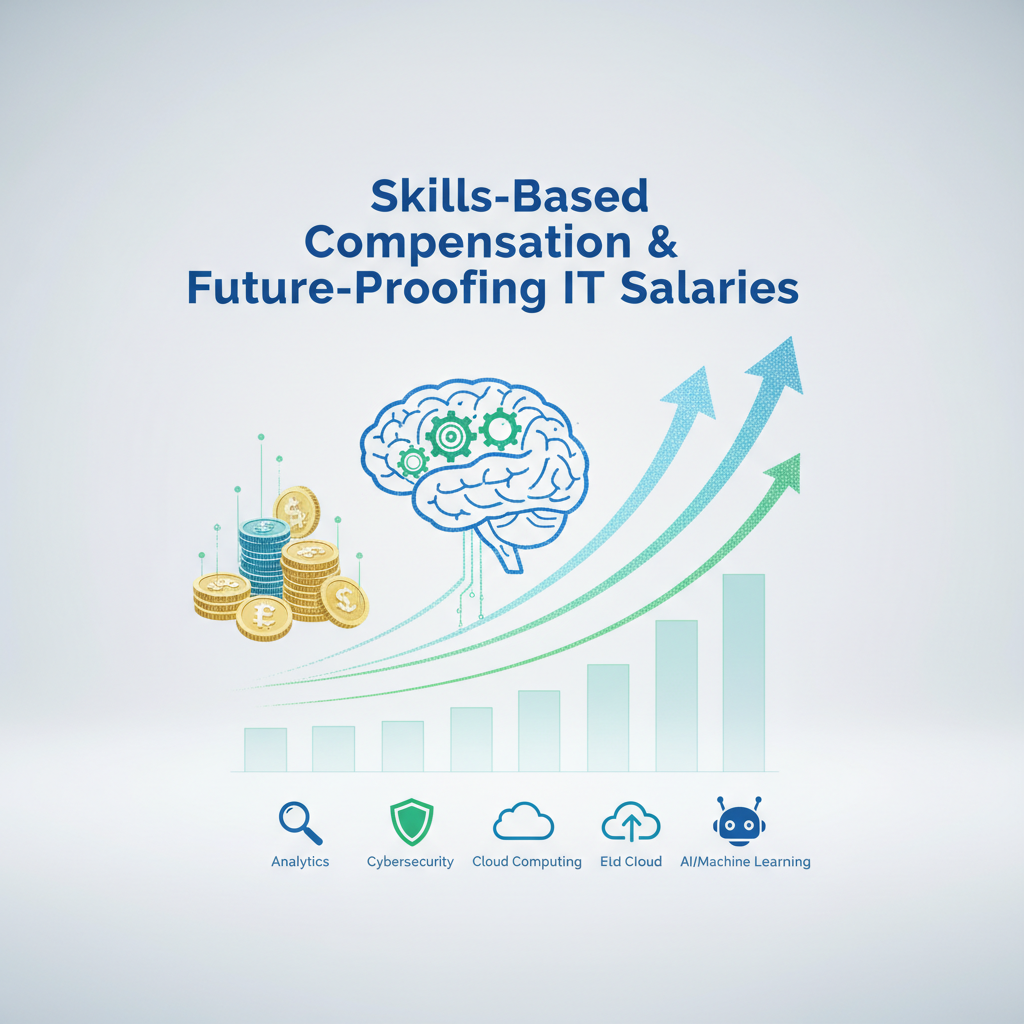
The landscape of information technology is in constant flux, driven by relentless innovation and evolving business demands. In such a dynamic environment, traditional compensation models, often tied to fixed job roles and seniority, are becoming increasingly obsolete. To truly future-proof IT salaries and cultivate effective Salary Defining Strategy for all job titles in IT field in Singapore, organizations must shift towards skills-based pay models. This strategic approach not only aligns compensation with demonstrable value but also fosters a culture of continuous learning, crucial for IT talent retention and navigating the rapid pace of digital transformation skills. By integrating future-demand skills into your salary strategy, businesses can secure a competitive edge and ensure their workforce remains relevant and highly motivated.
1. Adopting Skills-Based Pay for IT Professionals in Singapore
Adopting a skills-based pay model represents a paradigm shift in how companies value their IT professionals, particularly in a high-demand market like Singapore. Instead of rewarding based solely on job title or years of experience, this model compensates employees for the specific, verifiable skills they possess and apply. For IT professionals in Singapore, this means that an individual adept in multiple cutting-edge technologies – perhaps with strong cloud computing skills (AWS, Azure, GCP) alongside robust cybersecurity expertise – will be compensated commensurate with that broader, more valuable skill set, regardless of their official ‘job level’.
The benefits of this approach are multifaceted. It enhances fairness by directly linking pay to contribution, motivates employees to acquire new, valuable skills, and provides a clear pathway for career progression. For employers, it ensures that compensation budgets are allocated efficiently, rewarding the capabilities that directly drive business outcomes and address immediate project needs. Implementing this model requires a clear framework for identifying, assessing, and valuing skills, often through skill matrices and regular competency assessments. This strategic recalibration of a Salary Defining Strategy for all job titles in IT field in Singapore is vital for attracting and retaining top IT talent in a fiercely competitive global market.
2. Identifying High-Demand & Emerging IT Skills for Valuation
The cornerstone of an effective skills-based compensation strategy is the ability to accurately identify and value high-demand and emerging IT skills. The technology landscape is constantly evolving, with new capabilities becoming critical almost overnight. Currently, skills in areas like AI/ML skills, advanced data analytics professionals, DevOps, blockchain, and robust cybersecurity expertise are not just desirable but essential for many organizations. Companies must conduct regular skills gap analysis to understand where their current workforce stands and what future skills are needed to meet strategic objectives.
Market research and industry reports are invaluable tools for this identification process. For instance, reports from authoritative sources like the World Economic Forum consistently highlight the most in-demand skills for the future, emphasizing areas like analytical thinking, innovation, complex problem-solving, and technology design. According to the World Economic Forum’s Future of Jobs Report 2023, green skills, AI and big data skills, and management and leadership skills are among the fastest-growing. Integrating such insights into your Salary Defining Strategy for all job titles in IT field in Singapore ensures that compensation directly reflects the scarcity and strategic importance of these capabilities, driving both external competitiveness and internal equity. This proactive approach is critical for building future-proof IT careers within your organization.
3. Integrating Continuous Learning into Compensation Frameworks
In a skills-based economy, continuous learning isn’t just a benefit; it’s a necessity. Integrating continuous learning into compensation frameworks means creating a direct link between skill acquisition and salary progression. This involves incentivizing IT professionals to constantly upskill and reskill, ensuring their capabilities remain at the forefront of technological advancements. Organizations can achieve this through various mechanisms: offering bonuses for new certifications in critical areas (e.g., advanced cloud computing skills, ethical hacking), providing salary increments for mastering new programming languages or platforms, or even offering tuition reimbursement for relevant higher education programs.
Beyond direct financial incentives, companies should embed a culture that champions learning. This includes providing access to online learning platforms, internal training programs, mentorship opportunities, and dedicated time for professional development. By making learning a tangible part of an employee’s career trajectory and tying it to their overall compensation, organizations can significantly boost IT talent retention. Employees feel valued when their efforts to grow are financially recognized, and this fosters loyalty and a proactive approach to developing future-proof IT careers. Ultimately, integrating learning into the compensation framework fortifies your Salary Defining Strategy for all job titles in IT field in Singapore, making it agile and responsive to the industry’s ever-changing demands.
The shift towards skills-based compensation is not merely a trend but a strategic imperative for IT organizations in Singapore. By embracing this model, identifying and valuing in-demand skills, and fostering a culture of continuous learning, companies can create a robust and adaptable Salary Defining Strategy for all job titles in IT field in Singapore that attracts, motivates, and retains the best IT talent, ensuring long-term success in the digital age.
Negotiation, Retention, and Attracting Top IT Talent
Singapore’s technology sector continues its rapid expansion, creating a fiercely competitive landscape for talent. In this dynamic environment, organisations must develop a robust Salary Defining Strategy for all job titles in IT field in singapore to effectively negotiate with candidates, retain valuable employees, and consistently attract new expertise. Beyond mere compensation, a holistic approach encompassing benefits, career development, and a strong employer brand is crucial for long-term success in securing the best IT professionals.
1. Effective Negotiation Strategies for IT Salary Singapore
Successfully navigating salary negotiations in Singapore’s IT market requires both data-driven insights and strategic communication. For companies, establishing clear, transparent salary bands based on up-to-date IT salary benchmarks Singapore is paramount. This ensures fairness, minimises discrepancies, and demonstrates a commitment to equitable compensation. Researching average salaries for specific roles—from software engineers and data scientists to cybersecurity specialists and cloud architects—is critical before extending offers. It’s not just about meeting market rates, but understanding the value proposition of each role within the organisation.
Candidates, on the other hand, should meticulously research industry standards and come prepared with a strong understanding of their market worth. Highlighting unique skills, certifications, and project successes can significantly bolster their negotiation position. Beyond the base salary, both parties should consider the entire compensation package. This includes performance bonuses, stock options, sign-on bonuses, and annual increments, all of which contribute to the overall competitive compensation IT. Mastering effective negotiation skills IT is a two-way street; companies benefit from offering competitive, well-justified packages, while candidates gain from articulating their value clearly and confidently.
2. Beyond Salary: Comprehensive Benefits & Perks for IT Talent
While an attractive salary is often the initial draw, sustained tech talent retention Singapore hinges on a comprehensive suite of benefits and perks that address an employee’s overall well-being and professional growth. In today’s hybrid work era, flexibility—including remote work options, flexible hours, and compressed workweeks—is highly prized. Beyond this, a strong focus on professional development opportunities is key. Investing in continuous learning, certifications, workshops, and mentorship programmes demonstrates a commitment to an employee’s career development IT Singapore, fostering loyalty and preventing skill stagnation.
Organisations should curate a compelling package of employee benefits tech Singapore that goes beyond the standard health insurance. Consider offering enhanced leave policies, wellness programmes (e.g., gym memberships, mental health support), robust provident fund contributions, and even lifestyle perks like team-building events or company-sponsored meals. These non-monetary incentives contribute significantly to job satisfaction, create a positive work environment, and help differentiate an employer in a crowded market. When employees feel valued, supported, and see a clear path for growth, they are far more likely to commit long-term, reducing turnover costs and preserving institutional knowledge.
3. Talent Acquisition in Singapore’s Competitive Tech Job Market
Attracting top-tier IT professionals in Singapore requires a proactive and strategic approach. The traditional ‘post and pray’ method for IT recruitment Singapore is largely ineffective. Companies must cultivate a strong employer brand that resonates with the values and aspirations of modern tech talent. This involves showcasing a vibrant company culture, highlighting innovative projects, demonstrating a commitment to diversity and inclusion, and providing clear opportunities for impact and advancement.
Effective talent acquisition strategies include leveraging professional networks, engaging with industry communities, participating in tech events, and establishing robust internship and graduate programmes. A seamless and positive candidate experience, from initial contact through to onboarding, is also critical for attracting IT professionals. Speed and transparency in the hiring process are highly valued. Ultimately, success lies in painting a holistic picture: a competitive salary (aligned with a sound Salary Defining Strategy), comprehensive benefits, clear career progression, and a supportive, innovative work environment. By consistently communicating this value proposition, companies can position themselves as employers of choice in Singapore’s dynamic tech sector.
Future Outlook: The Evolution of IT Salaries in Singapore 2026
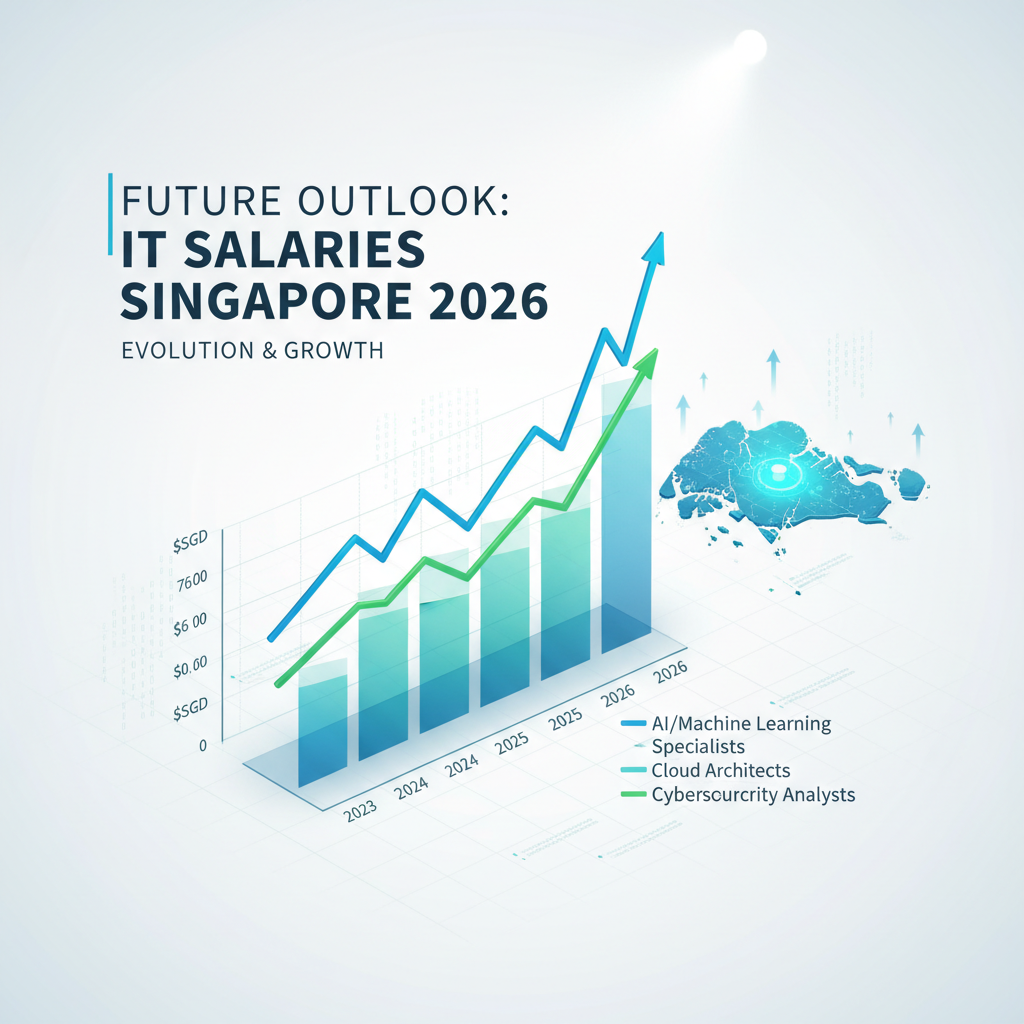
Singapore’s vibrant and dynamic technology landscape is poised for significant shifts, and with them, a fascinating evolution in IT compensation. As we look towards 2026, a confluence of economic shifts, rapid technological advancements, and proactive policy changes will fundamentally reshape the Salary Defining Strategy for all job titles in IT field in Singapore. Understanding these intricate dynamics is crucial for both employers seeking to attract top talent and professionals aiming to optimize their career trajectories in this competitive market. This forward-looking perspective explores the key drivers behind future IT salary trends.
1. Impact of AI and Automation on IT Roles & Compensation
The relentless march of artificial intelligence (AI) and automation is arguably the most significant technological advancement influencing IT roles and, by extension, compensation. By 2026, many routine or repetitive IT tasks, from basic data entry to certain levels of quality assurance and even some aspects of infrastructure management, will see increased automation. This economic shift will not necessarily lead to job losses across the board but will necessitate a profound transformation in job descriptions and required skill sets. The demand for professionals who can design, develop, implement, and maintain AI systems, as well as those who possess critical thinking, problem-solving, and ethical reasoning skills to work alongside AI, will surge. Roles like AI/ML engineers, data scientists, prompt engineers, MLOps specialists, and ethical AI strategists are already commanding premium salaries, a trend expected to intensify. Conversely, roles highly susceptible to automation may see moderated salary growth unless incumbents pivot their skills. Companies will need a robust Salary Defining Strategy for all job titles in IT field in Singapore that accounts for this skill-based differentiation, rewarding talent with specialized, future-proof capabilities. Continuous upskilling and reskilling will not just be beneficial but essential for career progression and optimal earning potential.
2. Government Initiatives and Singapore’s Tech Hub Growth
Singapore’s strategic positioning as a global tech regional hub is not accidental but a result of deliberate policy changes and significant government investment. Initiatives like the Smart Nation drive, various grants for tech startups and SMEs, and extensive talent development programs by agencies like the Infocomm Media Development Authority (IMDA) and SkillsFuture Singapore (SSG) are pivotal. These initiatives aim to cultivate a deep pool of local tech talent and attract international experts, fostering a vibrant ecosystem. The Economic Development Board (EDB) continues to attract leading multinational tech companies to establish their regional headquarters and R&D centers in Singapore, further bolstering market demand. This sustained growth ensures a healthy competition for skilled professionals, which typically translates into upward pressure on IT salaries, especially for niche and high-demand areas. The government’s focus on emerging technologies like cybersecurity, blockchain, quantum computing, and sustainable tech will create new job categories and drive specialized compensation trends. For a comprehensive overview of Singapore’s commitment to building a robust digital economy and fostering tech talent, you can explore the initiatives outlined by the Singapore Economic Development Board (EDB).
3. Forecasting Future Tech Compensation Trends Singapore 2026
By 2026, several distinct tech compensation trends are anticipated to solidify in Singapore. Firstly, salaries for roles in cybersecurity, cloud architecture, advanced data analytics, AI/ML engineering, and DevOps will continue to be at the forefront of the salary spectrum, reflecting their critical importance to digital resilience and innovation. There will also be a growing premium for professionals with full-stack capabilities, strong communication skills, and expertise in agile methodologies. Secondly, as the demand for IT professionals continues to outpace supply, especially for highly specialized roles, companies will increasingly adopt a comprehensive Salary Defining Strategy for all job titles in IT field in Singapore that goes beyond base pay. Expect a rise in attractive benefits packages, including flexible work arrangements, enhanced learning and development opportunities, stock options, and comprehensive wellness programs, all designed to attract and retain top talent amidst intense global competition. Economic shifts, coupled with technological advancements, mean that companies must remain agile in their compensation benchmarking. Furthermore, sustainability and Green IT roles are emerging, and while nascent, they are expected to see significant growth in compensation as environmental concerns gain prominence. Ultimately, adaptability, continuous learning, and strategic skill development will be the defining factors for IT professionals aiming to maximize their earning potential in Singapore’s rapidly evolving tech landscape.
Partner with Shelby Global
You are looking for reliable HR Sevice Suppliers? Contact Shelby Global Now! To connect with verified talents and upgrade your orginization.
—————————————
References
– Hays Singapore Salary Guide: https://www.hays.com.sg/salary-guide
– :
– World Economic Forum – Future of Jobs Report 2023: https://www.weforum.org/publications/future-of-jobs-report-2023/
– Michael Page Singapore Salary Report: https://www.michaelpage.com.sg/salary-report
– Singapore Economic Development Board (EDB): https://www.edb.gov.sg/en/our-industries/tech.html