
Understanding Malaysia’s Sales Compensation Landscape
Malaysia’s dynamic economic environment presents a unique landscape for sales professionals, making a precise Salary Defining Strategy for all job titles in sale field in malaysia crucial for attracting and retaining top talent. This section provides an in-depth overview of current salary trends and market dynamics specific to the Malaysian sales sector, offering invaluable insights for strategic decisions related to talent acquisition, remuneration packages, and overall workforce planning. Understanding these nuances—from average salaries and commission structures to the impact of economic shifts and regional differences—is paramount for businesses aiming to optimize their sales force’s performance and ensure competitive compensation.
1. Current Sales Salary Trends & Guides in Malaysia
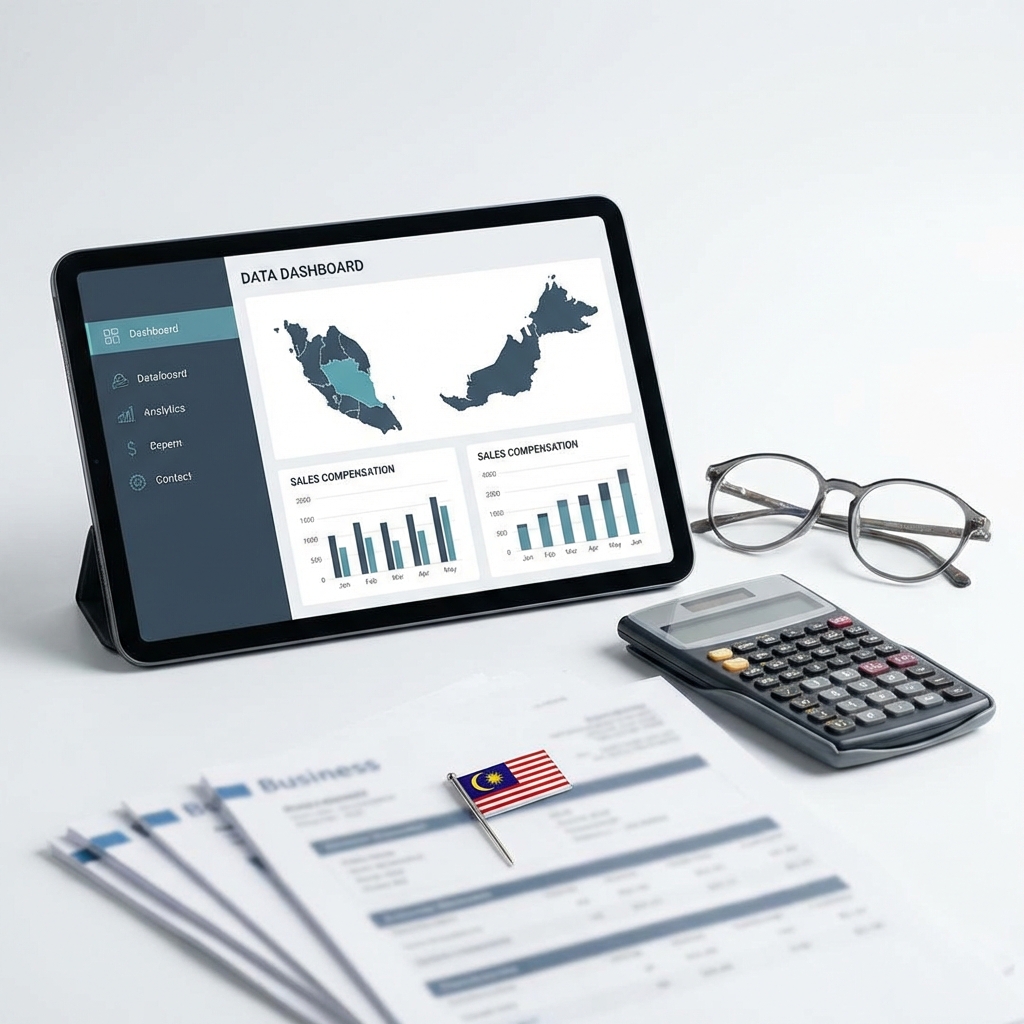
The Malaysian sales sector is currently experiencing a period of moderate growth, influencing salary trends across various job titles. Entry-level sales executives can expect starting salaries that reflect the competitive market, often complemented by performance-based incentives. Mid-level roles, such as Account Managers and Business Development Executives, see a significant uplift, with compensation packages increasingly tied to achieving specific sales targets and expanding client portfolios. For senior positions like Sales Managers, Regional Sales Directors, and Head of Sales, base salaries are substantially higher, reflecting their strategic responsibilities, leadership skills, and proven track record in driving revenue.
Beyond base salaries, variable pay components, including commissions, bonuses, and profit-sharing schemes, form a significant portion of total remuneration for sales professionals in Malaysia. Industries like technology, finance, and fast-moving consumer goods (FMCG) typically offer more aggressive commission structures due to the direct impact of sales on their bottom line. Regular updates from reliable salary guides are essential for businesses to benchmark their offerings. For comprehensive insights into current compensation benchmarks across various industries and roles in Malaysia, consulting resources like the Hays Malaysia Salary Guide can provide a valuable reference point.
Companies are also focusing on non-monetary benefits, such as professional development opportunities, flexible working arrangements, and comprehensive health packages, to enhance their overall employee value proposition. These elements are increasingly important in a market where skilled sales professionals are in high demand, emphasizing the need for a holistic approach to compensation and benefits.
2. Key Economic Factors Influencing Sales Pay
Several macroeconomic and industry-specific factors play a pivotal role in shaping sales compensation in Malaysia. The country’s Gross Domestic Product (GDP) growth directly correlates with business confidence and spending power, subsequently impacting sales volumes and the capacity of companies to offer competitive salaries and incentives. Inflation rates also influence the purchasing power of salaries, prompting businesses to adjust compensation to maintain real wage values, especially for those in high-cost urban areas.
Industry-specific growth is another major determinant. Sectors experiencing rapid expansion, such as e-commerce, digital services, and renewable energy, often offer more attractive sales packages to draw talent into emerging markets. Conversely, industries facing slowdowns may see more constrained salary adjustments. Foreign Direct Investment (FDI) inflows also stimulate economic activity and create new sales opportunities, particularly in international trade and manufacturing, leading to increased demand for skilled sales professionals and a subsequent upward pressure on salaries. The ongoing digital transformation across Malaysian businesses also means a growing demand for sales professionals with strong digital acumen, capable of leveraging CRM systems, data analytics, and online engagement strategies.
3. Regional Variations in Sales Compensation (e.g., KL vs. other states)
Malaysia’s diverse geography and varying levels of economic development lead to significant regional disparities in sales compensation. Kuala Lumpur and Selangor, being the economic heartlands and major commercial hubs, consistently offer the highest average salaries for sales roles. This is attributable to the higher cost of living, the concentration of multinational corporations, larger market opportunities, and a more competitive talent pool. Sales professionals in these regions are often responsible for larger revenue targets and managing key accounts, justifying higher remuneration packages.
States like Penang (known for its manufacturing and technology sectors) and Johor Bahru (a key southern economic corridor) also present competitive sales compensation, though typically slightly lower than the Klang Valley. These regions have growing industrial bases and increasing consumer markets, attracting businesses and creating demand for skilled sales staff. In contrast, sales salaries in other states, particularly those with more rural economies or less industrialized sectors, tend to be lower. This variation reflects the lower cost of living, different market dynamics, and a smaller concentration of high-value businesses. Companies operating nationwide must therefore adopt a nuanced approach to their sales compensation strategies, considering these regional differences to ensure fairness, competitiveness, and cost-effectiveness across their entire sales force.
Deconstructing Sales Job Titles and Their Value
In Malaysia’s vibrant and competitive market, a career in sales offers diverse paths, challenging opportunities, and significant rewards. However, navigating the landscape of sales job titles can be perplexing, as they often vary widely across industries and companies. Understanding these distinctions is crucial not only for job seekers looking to chart their career progression but also for employers aiming to craft a clear Salary Defining Strategy for all job titles in sale field in malaysia. This section breaks down common sales roles, their typical responsibilities, and how these factors correlate with compensation expectations, providing clarity on the true value behind each title.
-
Common Sales Roles & Responsibilities in Malaysia
Sales roles in Malaysia span a spectrum from entry-level positions to senior management, each with distinct duties and expected outcomes. At the foundational level, you’ll find roles like Sales Executive or Account Executive. These positions are typically responsible for prospecting new clients, managing existing customer relationships, achieving sales targets, and preparing sales reports. An entry-level sales executive salary Malaysia might start modestly but often includes performance-based commissions, reflecting the direct impact on revenue. As professionals gain experience, they might progress to Senior Sales Executive, taking on larger accounts or mentoring junior staff. Further up the ladder, a Sales Manager oversees a team, develops sales strategies, forecasts sales, and ensures the department meets its objectives. This role demands strong leadership and strategic thinking, commanding a significantly higher base salary plus team-based incentives. Specialized roles also exist, such as Business Development Executive, focused on identifying new market opportunities, or Key Account Manager, dedicated to nurturing high-value client relationships. Each title reflects a specific level of responsibility, autonomy, and strategic input, directly influencing their market value and potential earnings in the dynamic Malaysian sales industry.
-
Differentiating Retail, B2B, and B2C Sales Roles
The sales environment significantly shapes job titles, responsibilities, and compensation structures. Broadly, sales roles can be categorized into Retail, Business-to-Business (B2B), and Business-to-Consumer (B2C). Retail Sales primarily involves direct interaction with individual customers in physical stores or showrooms. Roles here, like Sales Assistant or Retail Specialist, focus on product knowledge, customer service, and often work with immediate transaction closures. Their retail sales compensation often includes a base salary augmented by commission on individual sales. B2C Sales, on the other hand, targets individual consumers directly but often through channels like telemarketing, digital platforms, or direct door-to-door sales (e.g., insurance, telecommunications). Titles such as Telemarketing Executive or Direct Sales Agent fall under this category, requiring excellent communication and persuasion skills. The sales cycle is generally shorter, and volume-based commissions are common. For B2B sales jobs Malaysia, the landscape is considerably different. Roles like Corporate Sales Manager, Solution Architect (Sales), or Technical Sales Specialist engage with other businesses. These sales typically involve higher-value contracts, longer sales cycles, complex negotiations, and relationship building over time. The focus shifts from transactional selling to solution selling, understanding client business needs, and providing tailored proposals. Consequently, B2B sales professionals often command higher base salaries, significant performance bonuses, and more comprehensive benefits due to the strategic importance and complexity of their sales. Understanding these distinctions is a critical part of developing a robust Salary Defining Strategy for all job titles in sale field in malaysia, as it helps align expectations with industry norms and value proposition.
-
Sales Career Progression and Specializations
A sales career path in Malaysia is often marked by clear progression and opportunities for specialization, directly impacting earning potential and professional growth. A typical career path sales Malaysia might begin as a Sales Executive, moving to Senior Sales Executive, then Sales Manager, potentially progressing to roles like Regional Sales Manager, Sales Director, or even Chief Revenue Officer. Each step up the ladder signifies increased strategic responsibility, team management, and a broader impact on the company’s bottom line, justifying higher compensation packages. Beyond general sales management, professionals can choose various specializations. Technical Sales Salary is often higher for those who combine sales acumen with deep product knowledge, particularly in IT, engineering, or pharmaceuticals, selling complex solutions. Key Account Manager duties involve managing strategic clients, demanding strong relationship management and negotiation skills. Other specializations include digital sales, channel sales, or international sales, each requiring a unique skill set and offering distinct compensation models. The continuous evolution of the sales industry trends Malaysia, driven by technology and market shifts, encourages ongoing learning and adaptation. Developing expertise in specific sectors or product categories, along with a proven track record, significantly enhances a sales professional’s market value, allowing them to define their own worth and command competitive remuneration. A well-defined Salary Defining Strategy for all job titles in sale field in malaysia acknowledges these progressions and specializations, ensuring fair and attractive compensation structures that motivate and retain top talent across all sales roles and industry sectors, from entry-level sales jobs to senior leadership positions.
Crafting Effective Salary & Commission Structures
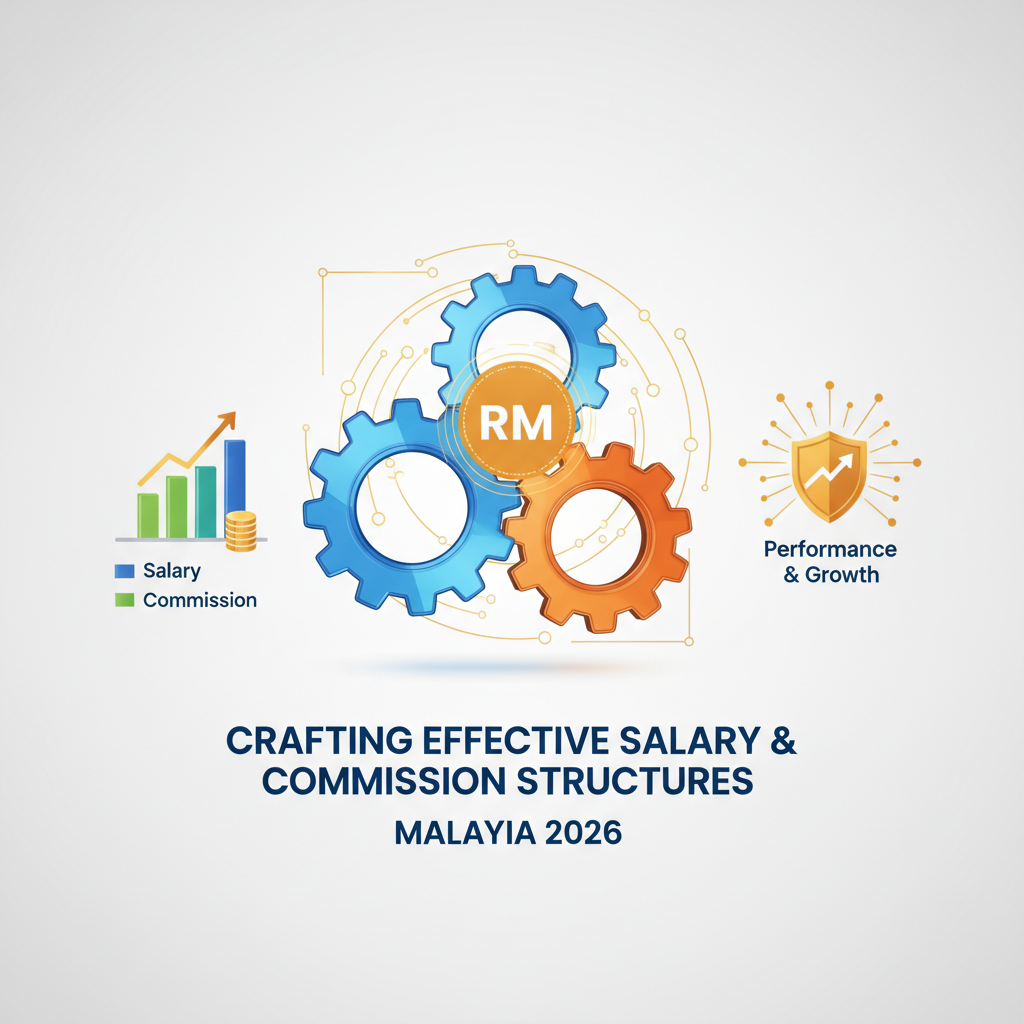
In the dynamic landscape of the Malaysian market, an effective sales compensation package is not merely a cost but a strategic investment. This section explores various critical components, including base salary, diverse commission models, and potent performance incentives, all meticulously tailored to attract, motivate, and retain top sales talent in Malaysia. A robust Salary Defining Strategy for all job titles in sale field in malaysia is paramount for fostering high-performing sales teams and achieving ambitious revenue targets.
1. Base Salary vs. Variable Pay: Striking the Right Balance
Achieving the optimal equilibrium between base salary and variable pay is fundamental to a successful sales compensation plan. The base salary serves as the bedrock, providing financial stability and attracting high-calibre candidates, particularly for roles requiring extensive relationship building or longer sales cycles. For sales professionals in Malaysia, a competitive base salary signals value and commitment from the employer, ensuring talent acquisition. However, it’s the variable pay—comprising commissions and bonuses—that truly ignites motivation and drives performance. For roles like inside sales or business development executives, a higher base might be appropriate, while field sales or direct sales roles often thrive with a greater proportion of variable compensation linked directly to sales performance metrics.
The right balance mitigates risk for the salesperson while offering unlimited earning potential, crucial for sales talent retention. Companies must consider their sales strategy, the complexity of their products/services, and the market standards for competitive sales salaries in Malaysia when defining this ratio. This balance directly impacts sales team motivation and overall sales productivity, ensuring alignment with company goals and market expectations.
2. Designing Competitive Commission Structures for Sales
The core of any sales compensation package lies in its commission structure. For the Malaysian sales market, designing a structure that is both competitive and clear is essential. Various commission models exist, each suited to different sales environments:
- Straight Commission: Often used for highly independent sales roles with high earning potential, where base salary is minimal or non-existent.
- Tiered Commission: Encourages higher sales volumes by increasing the commission rate once certain thresholds are met. This model is excellent for boosting sales productivity.
- Gross Margin Commission: Aligns sales incentives with profitability, rewarding sales professionals for selling products at higher margins rather than just volume. This is particularly relevant for complex B2B sales roles.
- Residual Commission: Rewards salespeople for ongoing revenue generated from existing accounts, fostering long-term customer relationships and retention.
Effective commission models Malaysia should be transparent, easy to understand, and directly linked to measurable sales performance metrics. Regular reviews and adjustments based on market shifts and business objectives are vital to maintain competitiveness and ensure the plan remains a strong driver of sales growth.
3. Implementing Performance Bonuses & Incentive Programs
Beyond the standard commission, performance bonuses and incentive programs provide additional layers of motivation and reward for exceptional achievement. These can take many forms, from annual bonuses tied to overall company or individual performance targets to more immediate, short-term incentives known as “spiffs” for selling specific products or achieving particular milestones. These sales incentives Malaysia are crucial for addressing short-term sales goals and maintaining high sales team motivation.
Implementing performance bonuses sales should be strategic, with clear, attainable goals that align with the company’s broader objectives. This could include bonuses for exceeding quarterly quotas, securing a high number of new clients, or successfully launching a new product. Non-monetary incentives, such as recognition programs, training opportunities, or travel incentives, also play a significant role in fostering a positive sales culture and contributing to sales talent retention. A holistic approach to sales compensation package Malaysia, combining a stable base, motivating commissions, and engaging performance bonuses, creates a compelling value proposition for sales professionals across all job titles in Malaysia, ultimately driving sustainable business growth.
Leveraging Data for Strategic Salary Definition
In today’s dynamic business environment, attracting and retaining top-tier sales talent is paramount for sustained growth. A critical component of this strategy is the careful and data-driven approach to sales compensation. This section delves into the significance of market research, robust data analysis, and precise benchmarking to craft a Salary Defining Strategy for all job titles in sale field in malaysia. By employing a comprehensive approach, organizations can ensure competitive and fair salary offerings, thereby bolstering sales talent retention and optimizing recruitment efforts in the Malaysian market. Data-driven salary decisions are no longer a luxury but a necessity for competitive sales salaries.
1.
Market Benchmarking for Sales Salaries in Malaysia
Understanding where your sales salaries stand in comparison to the broader market is the cornerstone of effective compensation planning sales. Market benchmarking involves systematically comparing your organization’s sales pay scales against those of competitors and similar industries within Malaysia. This process provides crucial insights into the going rate for various sales roles, from entry-level sales representatives to senior sales managers. Without accurate benchmarking, companies risk either overpaying, which impacts profitability, or underpaying, leading to high sales staff turnover and difficulty in sales recruitment Malaysia. Factors influencing these benchmarks include industry sector, company size, geographical location within Malaysia, and the specific skill sets required for each sales position. Regular benchmarking helps businesses establish a truly market-driven sales pay structure, ensuring their offers are appealing and align with current industry salary benchmarks.
2.
Utilizing Sales Salary Surveys and Industry Reports
To conduct effective market benchmarking, access to reliable data sources is indispensable. Sales salary surveys and comprehensive industry reports serve as invaluable tools in this regard. These resources, often compiled by reputable HR consulting firms, recruitment agencies, or industry associations, provide detailed breakdowns of compensation packages, including base salaries, sales commission structures, and potential bonuses across various sales job titles. For instance, reports like the Hays Salary Guide or surveys from Aon and Mercer often offer specific data for Malaysia, enabling companies to gain a precise understanding of competitive sales salaries. When leveraging these reports, it’s crucial to consider the methodology used, the sample size, and the recency of the data. Cross-referencing multiple sources can provide a more accurate picture. This data aids in developing sales performance incentives that are not only motivating but also consistent with market expectations, thus supporting sales talent retention.
One authoritative source for regional insights can be found in comprehensive reports that analyze economic and employment trends, such as those from the Department of Statistics Malaysia. Such bodies often provide macro-level data that, when combined with specific salary surveys, offers a holistic view of the labor market, informing your fair pay sales roles strategy.
3.
Internal Equity vs. External Competitiveness for Sales Roles
While external competitiveness is vital for attracting talent, internal equity is equally important for fostering a fair and motivated workforce. Internal equity refers to the perceived fairness of sales compensation within your organization, ensuring that employees with similar roles, responsibilities, and performance levels are compensated comparably. Discrepancies in internal pay can lead to dissatisfaction, decreased morale, and ultimately, higher turnover, even if external offers are competitive. The challenge lies in balancing the need for external market alignment with the imperative of internal fairness. This often requires a clear and transparent compensation philosophy, well-defined job descriptions for all sales compensation Malaysia roles, and a robust performance management system. Striking this balance ensures that while your organization remains competitive for new talent through attractive sales compensation packages, existing employees also feel valued and fairly treated, promoting long-term sales talent retention and overall organizational health. It’s about designing a compensation plan that motivates and rewards, balancing market demands with internal consistency for optimal talent acquisition sales Malaysia.
Beyond Base Pay: Benefits, Growth & Negotiation
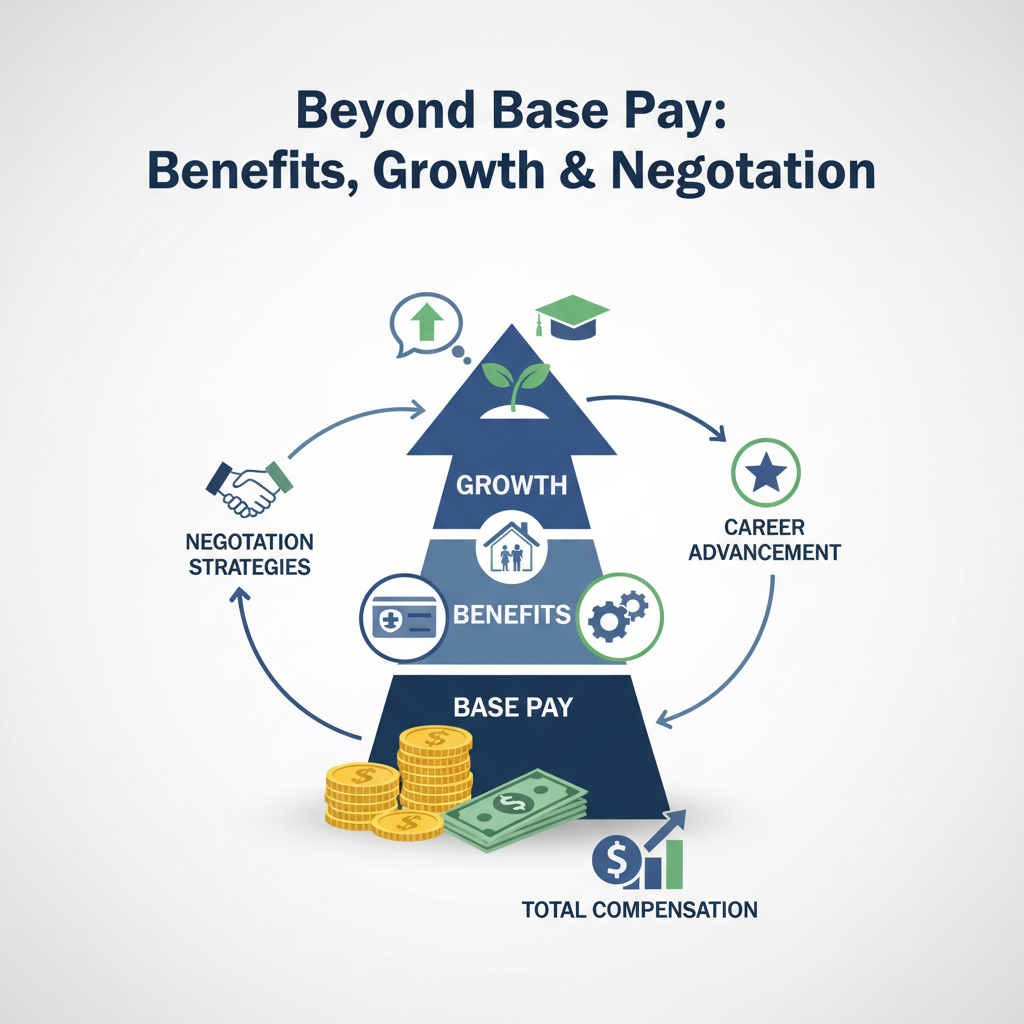
In the dynamic and competitive landscape of Malaysia’s sales sector, a comprehensive Salary Defining Strategy for all job titles in sale field in malaysia extends far beyond the basic fixed salary. While base pay remains a foundational element, the most effective strategies for attracting, motivating, and retaining top sales talent now encompass a holistic view of total compensation. This includes a robust package of benefits and perks, clear pathways for career development, and sophisticated negotiation tactics. For both employers seeking to build high-performing sales teams and sales professionals aiming for rewarding careers, understanding these non-monetary aspects is crucial for long-term success and job satisfaction.
1. The Role of Employee Benefits and Perks in Sales Packages
Beyond the monthly paycheck, the quality and scope of employee benefits and perks significantly influence a sales professional’s decision to join or stay with a company. For sales compensation Malaysia, a well-rounded benefits package typically includes essential provisions such as medical insurance, EPF contributions, annual leave, and potentially life or accident insurance. However, for sales roles, additional perks often become powerful differentiators. These might include car allowances or company vehicles, petrol reimbursement, mobile phone plans, and travel allowances – all crucial given the mobile nature of the job. Performance-based incentives, such as sales bonuses, tiered commission structures, and recognition programs, directly tie effort to reward, driving motivation and productivity. Companies that offer attractive sales benefits Malaysia and unique sales incentives Malaysia can significantly enhance their value proposition, making them employers of choice in a competitive market. These elements contribute to a compelling sales package Malaysia that addresses both financial security and job-specific needs.
2. Sales Talent Acquisition & Development Opportunities
Attracting and retaining high-calibre sales talent Malaysia requires more than just a good initial offer; it demands a clear vision for growth and continuous learning. Forward-thinking companies invest heavily in professional development sales, offering structured training programs that cover advanced sales techniques, product knowledge, customer relationship management (CRM) software proficiency, and even leadership skills. Mentorship programs, where seasoned professionals guide newer team members, can accelerate learning and foster a strong team culture. Providing clear sales career growth Malaysia paths—from entry-level sales executive to senior account manager, team leader, or regional sales director—is vital. This demonstrates a commitment to employee advancement and helps in sales employee retention Malaysia. Companies that offer ongoing development opportunities empower their sales professionals to evolve, adapt to changing market conditions, and ultimately contribute more effectively to the company’s success, ensuring a sustainable pipeline of future leaders.
3. Strategies for Sales Salary Negotiation & Review
Effective negotiation and regular salary reviews are crucial for ensuring fair and competitive compensation for sales roles. Both employers and sales professionals need strategic approaches.
For Sales Professionals:
- Market Research: Thoroughly research market rates sales Malaysia for similar roles and industries. Websites like Hays Salary Guide provide valuable benchmarks.
- Highlight Value: Document past achievements, quantifiable results (e.g., revenue generated, market share increased, new client acquisition), and how you’ve exceeded KPIs.
- Total Compensation Focus: Look beyond base salary. Evaluate the entire total compensation sales Malaysia package, including commissions, bonuses, benefits, and growth opportunities.
- Be Prepared: Understand your minimum acceptable offer and be prepared to articulate why you deserve it. Practice your negotiation points.
For Employers:
- Clear Structures: Implement transparent and well-defined sales commission structure Malaysia, outlining how performance translates into earnings.
- Regular Reviews: Conduct periodic performance and salary reviews to ensure compensation remains competitive and reflects individual contributions.
- Performance-Based Pay: Tie a significant portion of the sales compensation Malaysia to performance metrics, incentivizing high achievement.
- Flexibility: Be open to discussing and potentially customizing benefits packages where possible, within company guidelines, to attract specific talent.
Mastering negotiation sales salary Malaysia is a two-way street. For sales professionals, it’s about advocating for their value; for employers, it’s about creating a compensation system that motivates and rewards excellence while aligning with business goals. By focusing on total compensation, career progression, and strategic negotiation, both parties can achieve mutually beneficial outcomes, fostering a thriving sales environment in Malaysia.
Partner with Shelby Global
You are looking for reliable HR Sevice Suppliers? Contact Shelby Global Now! To connect with verified talents and upgrade your orginization.
—————————————
References
– Hays Malaysia Salary Guide: https://www.hays.com.my/salary-guide
– JobStreet Malaysia Salary Guide & Career Insights: https://www.jobstreet.com.my/career-resources/salary-guide/
– competitive sales salaries in Malaysia: https://www.randstad.com.my/hr-resources/salary-guide/sales-and-marketing-salary-guide/
– Department of Statistics Malaysia: https://www.dosm.gov.my/
– Hays Salary Guide: https://www.hays.com.my/hays-journal/malaysia-salary-guide



































































































