
Understanding the Unique HR Challenges in Singapore F&B
Singapore’s vibrant Food & Beverage (F&B) sector is a cornerstone of its economy and culture, offering a diverse array of culinary experiences. However, behind the bustling kitchens and welcoming service lies a complex landscape of human resource challenges that are unique to this fast-paced industry and the specific regulatory environment of the city-state. From managing a transient workforce to navigating stringent labor laws, F&B businesses in Singapore often find themselves grappling with operational and compliance hurdles that can significantly impact profitability and sustainability. This intense pressure underscores the critical need for specialized advanced HR tools tailored specifically as HR tools – applications for Food & Beverage field in singapore, designed to streamline operations and ensure robust HR management.
1. High Employee Turnover & Retention Strategies
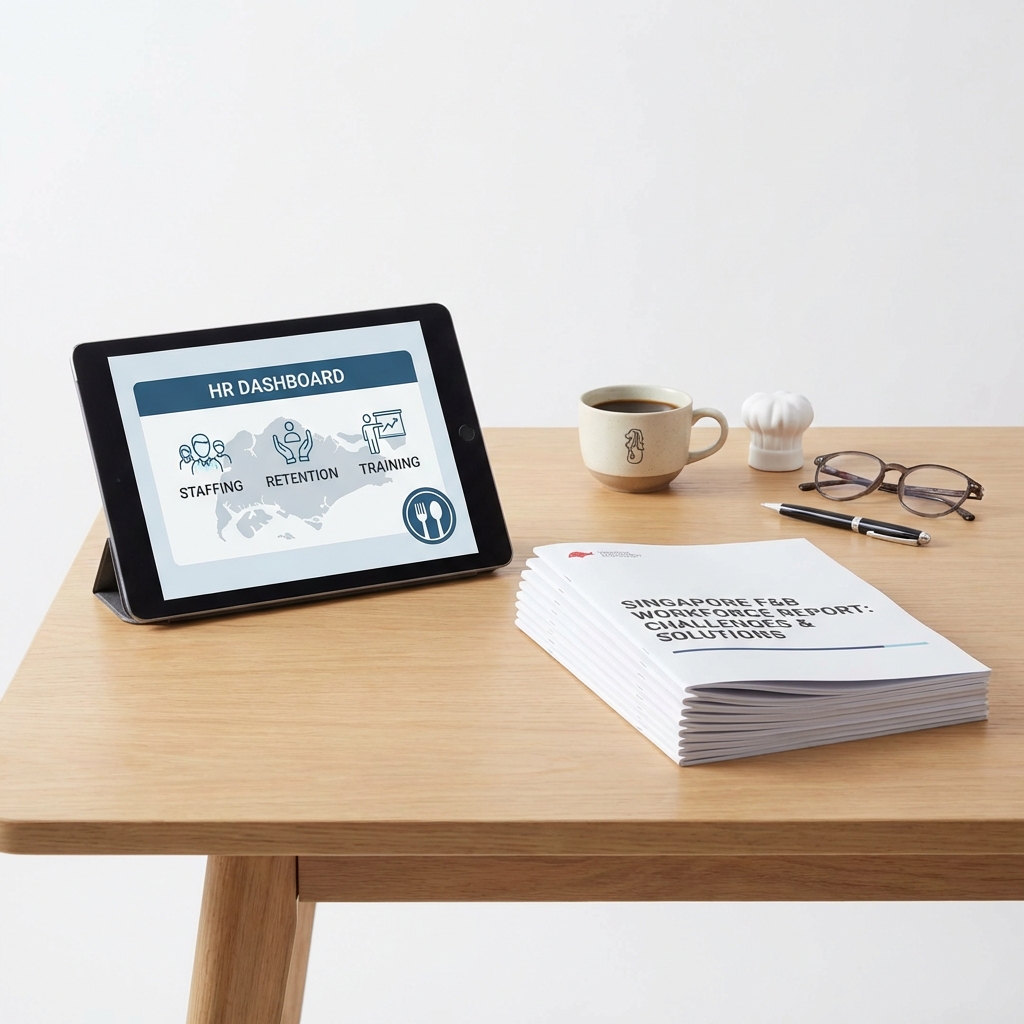
The F&B industry globally is notorious for high employee turnover, and Singapore is no exception. Long working hours, demanding physical environments, peak-hour stress, and the perception of limited career progression often lead to staff seeking opportunities elsewhere. This constant churn results in significant costs for F&B establishments – from recruitment and onboarding expenses to the lost productivity of experienced staff and the time investment in training new hires. Replacing a single employee can cost thousands of dollars, making retention a paramount concern. Effective retention strategies move beyond just competitive salaries; they encompass a positive work culture, clear career pathways, and regular feedback mechanisms. Specialized HR tools – applications for Food & Beverage field in singapore can be game-changers here. Such applications offer features like automated onboarding sequences to improve initial engagement, performance management modules that track employee development and identify high-potential staff, and feedback systems that allow management to address concerns proactively. By leveraging data analytics, these HR tools can pinpoint turnover trends, helping businesses develop targeted interventions and fostering a more stable, committed workforce.
2. Complex Shift Scheduling & Labor Costs
Operating an F&B business requires intricate dance of managing varying demand and staffing levels. Restaurants, cafes, and bars experience significant fluctuations in customer traffic throughout the day, week, and year. This necessitates complex shift scheduling that balances peak hours, off-peak periods, part-time staff availability, full-time employee preferences, and skill sets, all while adhering to working hour regulations. Manual scheduling is not only time-consuming but also prone to errors, leading to overstaffing (unnecessary labor costs) or understaffing (poor customer service and employee burnout). Labor costs typically represent a substantial portion of an F&B outlet’s operating expenses, making efficient scheduling directly impactful on profitability. Modern HR tools – applications for Food & Beverage field in singapore are equipped with advanced scheduling algorithms that optimize staff allocation based on historical sales data, predicted demand, and employee availability. These applications can automate shift assignments, manage leave requests, and track attendance, significantly reducing administrative overhead. By providing real-time visibility into labor costs and potential overtime, these HR tools empower managers to make data-driven decisions, ensuring optimal staffing without compromising service quality or financial efficiency.
3. Navigating Local Labor Laws & Compliance
Singapore has a robust framework of labor laws designed to protect employees and ensure fair employment practices. For F&B businesses, understanding and adhering to regulations such as the Employment Act, Central Provident Fund (CPF) contributions, foreign worker quotas and levies, mandatory leave policies, and anti-discrimination laws can be incredibly challenging. Non-compliance, whether intentional or accidental, can lead to severe penalties, including hefty fines, reputational damage, and even suspension of business licenses. Managing payroll, benefits, and statutory contributions for a diverse workforce – often comprising local full-timers, part-timers, and foreign workers – requires meticulous record-keeping and a deep understanding of legal requirements. This is where specialized HR tools – applications for Food & Beverage field in singapore become indispensable. Such platforms are often built with local compliance in mind, offering automated payroll processing that calculates CPF, taxes, and other deductions accurately. They can manage foreign worker documentation, track visa expiry dates, and generate compliance reports for relevant authorities. These HR tools provide peace of mind by ensuring that F&B businesses remain compliant with Singapore’s evolving labor landscape, minimizing risks and allowing management to focus on core operations. For detailed information on employment practices in Singapore, refer to the Singapore Ministry of Manpower – Employment Practices website.
In conclusion, while the Singapore F&B industry offers immense potential, its unique HR challenges – from high turnover and complex scheduling to stringent regulatory compliance – demand a proactive and technology-driven approach. Investing in robust HR tools – applications for Food & Beverage field in singapore is no longer a luxury but a strategic necessity. These specialized solutions empower businesses to not only overcome operational hurdles but also to foster a more engaged, efficient, and compliant workforce, ultimately driving sustainable growth and success in Singapore’s competitive culinary scene.
Essential HR Software Categories for F&B in Singapore
The vibrant and dynamic Food & Beverage (F&B) industry in Singapore faces unique human resource challenges, from high staff turnover and intense competition for talent to complex shift scheduling and stringent regulatory compliance. Modern F&B operations can no longer rely on manual processes; they require robust HR tools – applications for Food & Beverage field in Singapore to streamline operations, enhance employee experience, and drive profitability. Leveraging specialized HR software is not just an advantage; it’s a necessity for optimizing staff management and ensuring seamless restaurant operations. These solutions empower businesses to manage their workforce more effectively, reduce administrative burdens, and focus on delivering exceptional customer service. Below, we outline the different types of F&B HR software crucial for modern operations, from core HR functions to specialized solutions enhancing restaurant staff management tools.
1. Recruitment & Onboarding Systems
In an industry characterized by high turnover rates and the constant need for skilled personnel, efficient talent acquisition is paramount. Recruitment and onboarding systems are vital HR tools – applications for Food & Beverage field in Singapore that accelerate the hiring process and integrate new hires smoothly. These platforms typically include:
- Applicant Tracking Systems (ATS): For posting job vacancies, managing applications, screening candidates, and scheduling interviews. This streamlines the candidate journey and ensures no promising talent is overlooked.
- Digital Onboarding Workflows: Automating the collection of essential documents (NRIC, bank details, certifications), e-signing contracts, and assigning pre-boarding tasks or training modules. This significantly reduces paperwork and ensures compliance with Singaporean labor laws from day one.
- Candidate Experience Management: Providing timely communication and a professional experience for applicants, which is crucial for building a strong employer brand in a competitive labor market.
By automating these processes, F&B businesses can reduce time-to-hire, improve the quality of new recruits, and lay a solid foundation for employee retention and long-term success. It frees up HR personnel to focus on more strategic initiatives rather than administrative tasks.
2. Workforce Management (WFM) & Scheduling Solutions
Perhaps one of the most critical categories for F&B, Workforce Management (WFM) and scheduling solutions directly address the complexities of managing a diverse workforce with variable shifts, peak hours, and diverse roles. These HR tools – applications for Food & Beverage field in Singapore are designed to optimize labor cost optimization and improve operational efficiency. Key features include:
- Automated Scheduling: Generating optimal schedules based on forecast demand, employee availability, skills, and labor laws, minimizing over-staffing or under-staffing. This is particularly crucial for F&B outlets with fluctuating customer traffic.
- Time & Attendance Tracking: Utilizing biometric, facial recognition, or mobile clock-in/out systems to accurately record employee work hours, track breaks, and manage overtime. This ensures accurate payroll data and helps with regulatory compliance regarding working hours.
- Shift Swapping & Communication: Enabling employees to request shift changes and communicate with managers through a mobile app, reducing scheduling conflicts and improving employee experience.
- Labor Analytics: Providing real-time insights into labor costs versus revenue, helping managers make informed decisions to control operational expenses. This proactive approach to staff management is essential for profitability.
Implementing a robust WFM solution helps F&B businesses maintain optimal staffing levels, comply with labor regulations, and significantly reduce administrative time spent on manual scheduling and timecard approvals. It’s a cornerstone for managing the dynamic nature of restaurant staffing.
3. Payroll & Benefits Administration Platforms
Accurate and compliant payroll processing is non-negotiable for any business, especially in F&B, where varying pay structures (hourly, salaried, tips, commissions) and frequent staff changes add layers of complexity. Payroll and benefits administration platforms are essential HR tools – applications for Food & Beverage field in Singapore for ensuring financial accuracy and adherence to regulations.
- Automated Payroll Processing: Calculating wages, overtime, deductions, and CPF contributions automatically, ensuring accuracy and timeliness. This reduces the risk of errors and penalties.
- Tax & CPF Compliance: Ensuring full compliance with Singapore’s tax laws and Central Provident Fund (CPF) regulations, including auto-submission to relevant government bodies. This is a critical aspect of regulatory compliance for all employers in Singapore.
- Benefits Management: Streamlining the administration of employee benefits, such as leave management, medical insurance, and other perks. Employees can often access their benefits information through self-service portals.
- Expense Management: Integrating with payroll to handle employee expense claims efficiently, from submission to approval and reimbursement.
These platforms not only save countless hours of manual data entry and calculation but also significantly reduce the risk of errors and non-compliance, which can lead to hefty fines and reputational damage. By automating payroll and benefits, F&B businesses can ensure their employees are paid accurately and on time, fostering trust and improving overall employee satisfaction, which are key drivers for better operational efficiency.
Streamlining Staff Management with Dedicated F&B Tools
The bustling environment of cafes and restaurants in Singapore demands not just culinary excellence but also impeccable operational efficiency, especially when it comes to staff management. Traditional, manual processes often lead to inefficiencies, communication gaps, and compliance headaches. This is where modern HR tools – applications for Food & Beverage field in singapore step in, revolutionizing how F&B establishments manage their most valuable asset: their people. Often termed HR tech for cafes Singapore, these specialized applications are designed to enhance daily staff operations, covering everything from scheduling and communication to performance tracking and payroll automation. By adopting comprehensive F&B HR software, businesses can significantly reduce administrative burdens, improve employee satisfaction, and ensure seamless service delivery.
1. Optimizing Roster Planning & Shift Swaps
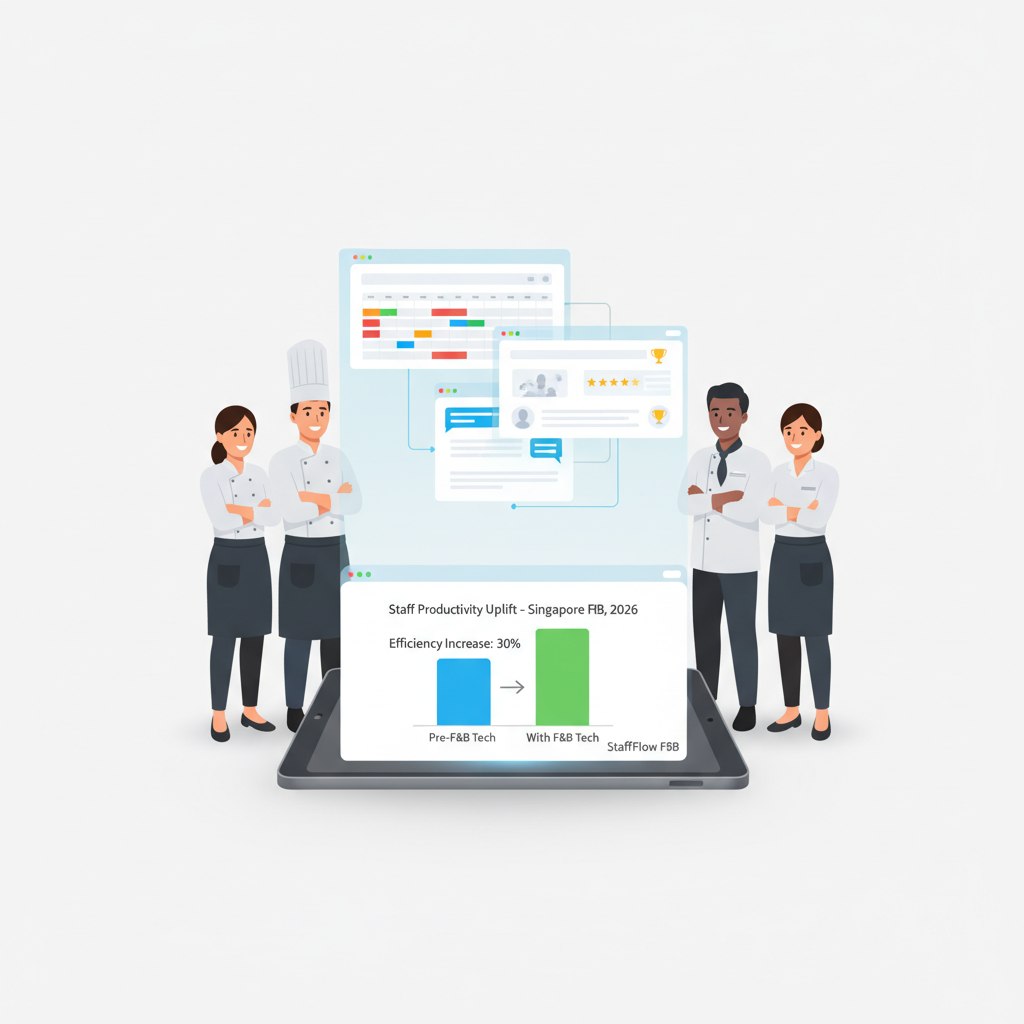
One of the most time-consuming and complex tasks in the F&B industry is roster planning. Managers often grapple with employee availability, skill sets, labor laws, and peak hour demands, leading to endless hours spent on spreadsheets and constant last-minute adjustments. Dedicated HR tools transform this process by offering intelligent scheduling features. These workforce management solutions automate roster creation, considering factors like staff preferences, certifications, and even predicted customer traffic to ensure optimal staffing levels at all times. Employees can easily view their schedules, request time off, and initiate shift swaps through the system, which then routes requests for manager approval, significantly streamlining the process. This not only saves valuable managerial time but also ensures fair distribution of shifts, reduces overtime costs, and minimizes human errors that could lead to non-compliance with labor regulations in Singapore.
2. Employee Self-Service Portals (ESS)
Empowering employees is crucial for fostering a positive work environment, and Employee Self-Service (ESS) portals are at the heart of modern employee engagement tools. An ESS portal provides F&B staff with direct access to their personal HR information, anytime and anywhere. This means employees can independently check their work schedules, submit leave requests, access their payslips, update personal details, and even view company policies without needing to involve HR or their direct manager. For F&B businesses, ESS portals drastically reduce the administrative workload on HR personnel and managers, freeing them up to focus on strategic initiatives rather than fielding routine queries. It enhances transparency, boosts employee morale by giving them control over their information, and ensures data accuracy, contributing to better overall cafe staff management.
3. Real-time Communication & Task Management
Effective communication is the backbone of any successful F&B operation, where quick decisions and coordinated actions are daily necessities. Modern HR applications integrate real-time communication features that allow managers to send instant announcements, updates, or critical instructions to individuals or entire teams. This ensures everyone is on the same page, whether it’s a menu change, a new promotional offer, or a health and safety directive. Furthermore, these tools often include robust task management functionalities, enabling managers to assign specific duties, set deadlines, and track progress. This fosters accountability and ensures that daily operational tasks, from opening checklists to cleaning duties, are completed efficiently. By centralizing communication and task assignments, these systems help to prevent misunderstandings, improve team collaboration, and ultimately enhance the speed and quality of service provided to customers. The integration of performance tracking within these tools also allows for continuous feedback and development, ensuring the team is always performing at its best.
In conclusion, the adoption of specialized HR tools – applications for Food & Beverage field in singapore is no longer a luxury but a necessity for F&B businesses aiming for operational excellence and sustainable growth. From optimizing rosters and empowering employees through ESS to facilitating real-time communication and payroll automation, these solutions provide a comprehensive framework for efficient and engaged staff management, proving indispensable for the dynamic landscape of Singapore’s F&B sector.
Ensuring Accurate Payroll & Compliance in Singapore F&B
In Singapore’s dynamic Food & Beverage (F&B) industry, where staff turnover can be high and working hours often irregular, managing payroll and ensuring compliance is a complex yet critical task. For F&B businesses, from bustling hawker stalls to high-end restaurants, an accurate and robust payroll system isn’t just about paying employees on time; it’s about navigating intricate labor laws, preventing costly penalties, and maintaining employee trust and morale. Without specialized HR tools – applications for Food & Beverage field in singapore, HR departments and business owners face an uphill battle in keeping pace with the Ministry of Manpower (MOM) regulations and the nuances of wage calculations. Investing in efficient payroll and HR solutions is paramount to operational stability, ensuring that every cent is accounted for and every regulation is met, thus safeguarding the business’s reputation and financial health.
1. Automating Salary & CPF Contributions
One of the foundational pillars of payroll compliance in Singapore is the accurate calculation and timely remittance of Central Provident Fund (CPF) contributions. This mandatory social security savings scheme requires precise contributions from both employers and employees, varying based on age, wage, and residency status. Manually managing these calculations for a fluctuating F&B workforce is prone to errors, which can lead to hefty fines and administrative burdens. Automated payroll systems are invaluable here, meticulously calculating gross salaries, deducting appropriate CPF amounts, and facilitating seamless submission to the CPF Board. These systems also automatically account for various components of an F&B employee’s compensation, such as basic salary, overtime, and allowances, ensuring the correct CPF rates are applied. By integrating with governmental platforms, modern payroll software streamlines the entire process, minimizing manual intervention and significantly reducing the risk of non-compliance. Employers can gain peace of mind knowing that their CPF Contributions for Employers are handled correctly and punctually, freeing up valuable time to focus on core F&B operations.
2. Managing Overtime, Allowances, & Deductions
The F&B sector is notorious for its unique working hours, often extending beyond standard office times to cover evenings, weekends, and public holidays. This inherently complex scheduling leads to a multitude of overtime scenarios, public holiday pay, and various allowances (e.g., transport, meal, laundry). Accurately calculating these fluctuating components requires a system that can track employee work hours with precision, apply different overtime rates as per Singapore’s Employment Act, and manage a diverse range of allowances and deductions. For instance, an F&B employee might work a split shift, earn overtime for a late closing, and receive a transport allowance, all while having a deduction for a uniform or breakage. A robust payroll system centralizes this data, integrating with time and attendance solutions to automatically compute complex wage structures. It ensures that overtime calculations adhere to the stipulated 1.5 times or 2 times the hourly basic rate, and that all allowances are correctly disbursed, and deductions legitimately applied. This level of granular control not only ensures fairness and transparency for employees but also provides businesses with clear audit trails, protecting them from potential disputes.
3. Adhering to MOM Regulations & Reporting
Beyond timely wage distribution, Singapore’s Ministry of Manpower (MOM) sets stringent regulations concerning employment practices, record-keeping, and reporting. F&B businesses must comply with the Employment Act, foreign worker quotas, and various other guidelines. This includes maintaining accurate employee records, generating detailed payslips, and submitting mandatory annual reports like the IR8A for income tax purposes, and monthly CPF statements. Manual record-keeping and report generation are not only time-consuming but also highly susceptible to errors, increasing the risk of non-compliance during MOM audits. Modern HR tools – applications for Food & Beverage field in singapore are specifically designed to meet these regulatory demands. They automate the generation of compliant payslips, provide easy access to historical payroll data, and facilitate the submission of required reports in the correct format. Furthermore, these systems are often updated to reflect changes in labor laws, ensuring businesses remain compliant without constant manual oversight. By streamlining these crucial HR and payroll functions, F&B establishments can mitigate legal risks, avoid penalties, and demonstrate their commitment to fair and lawful employment practices, fostering a stable and productive workforce.
Choosing the Right HR Tools for Your F&B Business
In Singapore’s dynamic and competitive Food & Beverage (F&B) landscape, effective human resource management is crucial for success. From bustling hawker stalls to high-end restaurant chains, F&B businesses face unique HR challenges, including high staff turnover, complex shift scheduling, compliance with local labour laws, and the need for rapid employee onboarding. The right HR tools can be transformative, streamlining operations, enhancing employee experience, and ensuring regulatory adherence. This guide provides essential factors to consider when selecting and implementing HR technology solutions tailored for small cafes to large restaurant groups across the city-state.
1. Assessing Your Business Size & Specific Needs
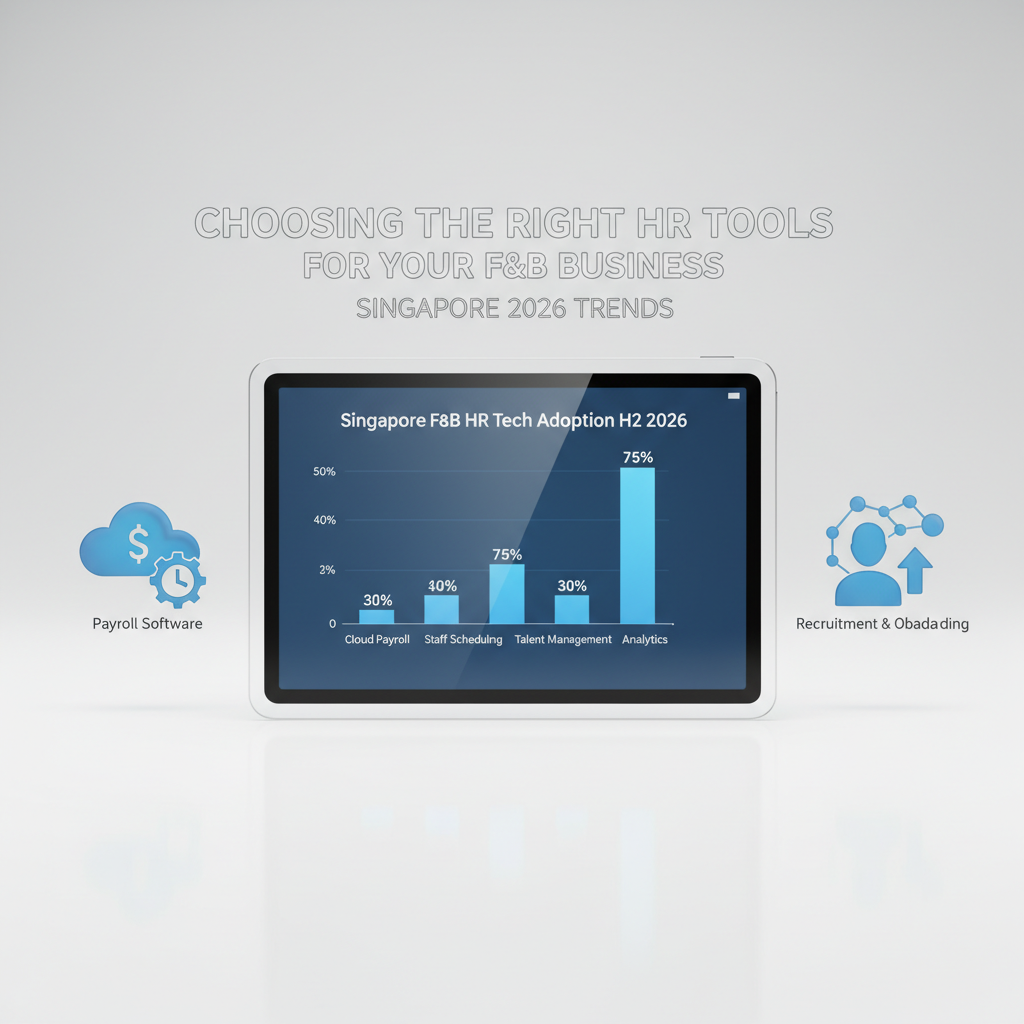
The first step in selecting appropriate HR tools – applications for Food & Beverage field in Singapore is to conduct a thorough assessment of your business’s current size, operational complexities, and specific HR requirements. What works for a small, family-run café will vastly differ from the needs of a multi-outlet restaurant chain.
- Small Cafes & Single-Outlet Restaurants: For smaller establishments, the focus is often on foundational HR functions. Solutions should primarily handle payroll processing, basic attendance tracking (e.g., clock-in/clock-out systems), leave management, and simple employee record-keeping. Overly complex systems can be overkill, leading to underutilization and wasted resources. Look for intuitive, cost-effective solutions that can be easily managed by a small team or even the owner.
- Mid-Sized Restaurants & Emerging Chains: As your business grows, so do your HR needs. Beyond core functions, you might require tools for performance management, basic training modules, and more robust recruitment tracking to manage growing applicant pools. Consider systems that offer features like employee self-service portals, allowing staff to view payslips, apply for leave, and update personal details, thereby reducing administrative burden on HR staff.
- Large Restaurant Chains & Hospitality Groups: Large enterprises demand comprehensive, integrated HR suites. These typically include advanced talent acquisition modules, learning management systems (LMS) for continuous staff development, sophisticated workforce planning and scheduling, benefits administration, and in-depth HR analytics. Compliance with Singapore’s Employment Act and other regulations becomes paramount, necessitating systems with strong compliance features and reporting capabilities. Understanding your current pain points – whether it’s high turnover, inefficient scheduling, or compliance issues – will guide you towards solutions that offer targeted relief.
2. Scalability & Integration Capabilities
F&B businesses, especially in Singapore, are often characterized by rapid growth or seasonal fluctuations. Therefore, the chosen HR solution must be scalable, capable of adapting to an increasing workforce, new outlets, or evolving business models without requiring a complete overhaul. A system that can seamlessly grow with you prevents future headaches and significant reinvestment.
Equally critical are integration capabilities. Modern HR software should not operate in a silo. It needs to connect with other essential business systems, such as Point-of-Sale (POS) systems for accurate sales data influencing staffing levels, accounting software for streamlined financial reporting, and potentially property management systems for larger hotel F&B operations. Integration ensures data consistency, eliminates manual data entry, and provides a holistic view of your operations. For example, a POS system that communicates with your HR software can automatically feed clock-in/out data, reducing payroll errors and administrative time. When evaluating different HR tools for F&B, inquire about open APIs (Application Programming Interfaces) and pre-built integrations with popular F&B specific software commonly used in Singapore. This foresight ensures that your HR tech ecosystem is efficient and interconnected, fostering greater operational synergy.
3. User-Friendliness & Employee Adoption Rate
The most advanced HR system is only effective if your employees and managers actually use it. In the F&B sector, where staff often work non-traditional hours and may have varying levels of technological proficiency, user-friendliness is non-negotiable. An intuitive interface, preferably with mobile accessibility, is crucial for high adoption rates. Employees should be able to easily clock in and out, request leave, view their schedules, and access company policies from their smartphones.
A clunky, complex system will lead to frustration, resistance, and ultimately, low adoption, forcing your HR team back to manual processes. Look for solutions that offer clear navigation, minimal clicks to complete tasks, and robust self-service options. Consider conducting pilot tests with a small group of employees to gather feedback on usability before a full-scale rollout. High employee adoption directly translates to improved efficiency, better communication, and a more engaged workforce. Selecting the right HR tools – applications for Food & Beverage field in Singapore isn’t just about features; it’s about finding a solution that fits your team’s daily workflow and enhances their experience, ultimately contributing to a more productive and satisfied F&B operation.
Partner with Shelby Global
You are looking for reliable HR Sevice Suppliers? Contact Shelby Global Now! To connect with verified talents and upgrade your orginization.
—————————————
References
– Singapore Ministry of Manpower – Employment Practices: https://www.mom.gov.sg/employment-practices
– :
– What Is HR Software?: https://www.forbes.com/advisor/business/what-is-hr-software/
– CPF Contributions for Employers: https://www.cpf.gov.sg/employer/employer-responsibilities/paying-cpf-contributions
– :



































































































