
Understanding the Unique HR Challenges for Malaysian Education SMEs
The dynamic landscape of Malaysia’s education sector presents distinct opportunities and significant hurdles for Small and Medium-sized Enterprises (SMEs). While known for their agility and innovation, education SMEs often grapple with unique human resource challenges. For the CEO in education companies in Malaysia, adeptly navigating these HR complexities is crucial for sustainable growth and operational efficiency. Unlike larger institutions with extensive HR departments, education SMEs typically operate with lean teams and restricted budgets, making strategic talent management, regulatory compliance, and employee development particularly intricate. Comprehending these specific HR structures for SMEs the CEO in education companies in malaysia is fundamental to crafting resilient and effective HR strategies that support their educational mission and overall business objectives.
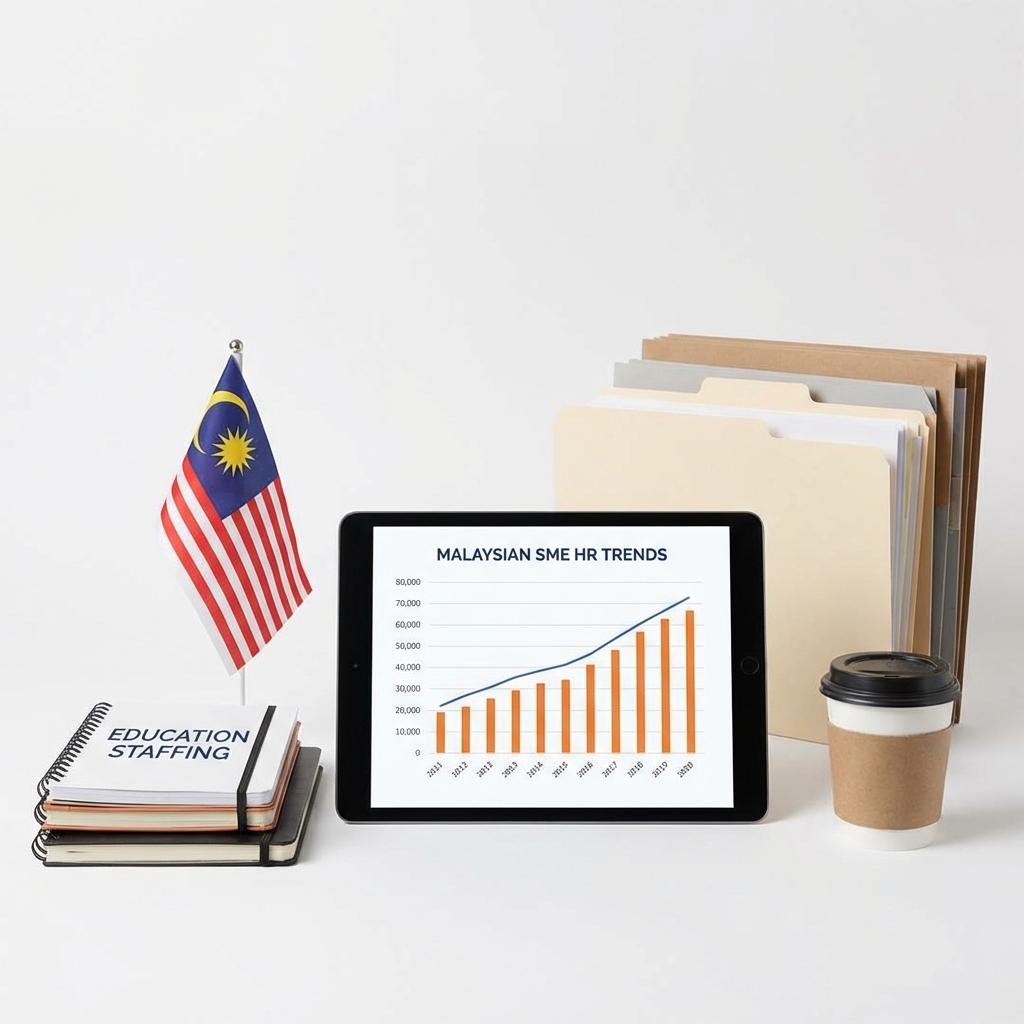
1. Navigating Malaysian Labor Laws and Regulations
One of the most pressing challenges for Malaysian education SMEs is the intricate framework of local labor laws. Acts like the Employment Act 1955, Industrial Relations Act 1967, and the Pembangunan Sumber Manusia Berhad Act 2001 (formerly HRDF Act) govern employment practices, benefits, and workplace relations. For a small education company, staying updated with amendments, understanding compliance requirements for payroll, working hours, termination, and statutory contributions (EPF, SOCSO) can be overwhelming. Missteps risk significant fines, legal disputes, and reputational damage. Many SMEs lack in-house HR expertise, often delegating these critical functions to administrative staff or the CEO. This informal approach can lead to non-compliance, inconsistent policies, and an unstable employment environment. Establishing proper documentation, adhering to minimum wage policies, and ensuring fair employment practices are not just legal necessities but foundations for a positive work culture. CEOs must invest time to understand these nuances or seek external advice to build robust HR compliance frameworks within their education enterprise.
2. Attracting and Retaining Specialized Education Talent
The education sector demands highly specialized talent: experienced educators, subject matter experts, curriculum developers, and proficient instructional designers. Malaysian education SMEs frequently struggle to compete with larger private institutions or public universities that offer more attractive compensation packages, comprehensive benefits, and clearer career progression. Attracting and recruiting qualified teachers requires more than just salary; it involves cultivating a unique organizational culture, offering compelling professional development, and providing a supportive work environment. Retention is equally critical, as high turnover disrupts learning continuity, escalates recruitment costs, and results in a loss of valuable institutional knowledge. For the CEO, developing creative talent management strategies, including non-monetary incentives like flexible work arrangements, opportunities for continuous learning, and fostering a strong sense of purpose, becomes paramount. Creating compelling reasons for educators to commit and grow within a smaller organization is a key differentiator, influencing the long-term success of the education company.
3. Budgetary Constraints and Limited HR Resources
Perhaps the most pervasive challenge for education SMEs in Malaysia stems from inherent budgetary limitations and restricted HR resources. Unlike larger corporations, few SMEs can afford a dedicated HR department or even a full-time HR manager. Consequently, HR responsibilities often fall upon the CEO, an administrative assistant, or an operations manager, who must juggle these duties alongside their primary roles. This ‘wearing many hats’ approach, while cost-effective in the short term, can result in inconsistent policy implementation, inadequate employee support, and a reactive rather than proactive stance on HR issues. Strategic HR planning – such as developing robust performance management systems, cultivating talent pipelines, or implementing comprehensive employee engagement programs – frequently gets sidelined by immediate operational demands. The lack of investment in HR technology or specialized training for those managing HR further complicates matters. Without adequate HR infrastructure, crucial functions like conflict resolution, performance appraisals, and succession planning become ad-hoc and less effective, potentially impacting employee morale and overall business performance. CEOs must innovate, perhaps by exploring outsourced HR services, strategic partnerships, or by empowering existing staff with fundamental HR competencies, to build a resilient and compliant workforce.
Conclusion
The enduring success of Malaysian education SMEs is inextricably linked to their ability to skillfully navigate complex HR challenges. From ensuring stringent compliance with local labor laws to strategically attracting and retaining specialized talent amidst tight budgets, the CEO’s role is central. By acknowledging these unique hurdles and proactively establishing thoughtful HR structures for SMEs the CEO in education companies in malaysia, even with limited resources, education companies can cultivate a stable, engaged, and high-performing workforce. This strategic approach to HR not only supports their core educational mission but also ensures long-term sustainability and competitiveness within Malaysia’s dynamic education landscape.
Strategic HR Models for Small to Medium-Sized Education Companies
In Malaysia’s dynamic education landscape, Small to Medium-Sized Enterprises (SMEs) face unique challenges and opportunities. For the CEO of an education company, navigating these complexities requires more than just operational efficiency; it demands a strategic approach to human resources. Effective HR structures for SMEs are not merely about compliance and payroll; they are about fostering talent, driving growth, and building a resilient organizational culture. This section explores various HR structures and models specifically tailored for SMEs in the education sector, focusing on efficiency, scalability, and their profound impact on achieving business objectives.
1. Centralized vs. Decentralized HR Approaches
The fundamental choice between centralized and decentralized HR dictates how HR functions are managed across an education company. A centralized HR model typically involves a single department or individual overseeing all HR activities from a core location. This approach offers consistency in policies, procedures, and brand messaging, which can be particularly beneficial for maintaining a unified culture across multiple branches or programs common in education SMEs. It also allows for greater control, streamlined decision-making, and potentially reduced costs through economies of scale, especially valuable for the CEO keen on optimizing resources.
Conversely, a decentralized HR model distributes HR responsibilities to individual departments, campuses, or regional offices. While this can foster greater responsiveness to local needs and empower managers, it risks inconsistency, duplication of efforts, and potential compliance issues if not managed carefully. For an education company operating in diverse geographical areas within Malaysia or with varied educational programs, a decentralized model might offer flexibility. However, for most growing education SMEs, a hybrid approach often proves most effective, centralizing core strategic functions like policy development and talent management strategy, while decentralizing operational tasks such as local recruitment and employee relations.
2. Outsourcing HR Functions: PEOs and HR Consultants
For many Malaysian education SMEs, the idea of building a comprehensive internal HR department from scratch can be daunting and costly. This is where outsourcing HR functions becomes an attractive and strategic option. Professional Employer Organizations (PEOs) and HR consultants offer specialized expertise that can dramatically enhance an education company’s HR capabilities without the overhead of an in-house team.
PEOs act as co-employers, handling a broad spectrum of HR tasks including payroll processing, benefits administration, workers’ compensation, and compliance. By leveraging a PEO, a small education company can offer competitive benefits packages typically reserved for larger corporations, attracting and retaining top teaching and administrative talent. This arrangement frees up the CEO and leadership team to focus on core educational services and strategic growth. Similarly, HR consultants provide expert advice on specific areas, such as developing performance management systems, creating employee handbooks, or navigating complex labor laws in Malaysia. They can be engaged on a project basis, offering flexible support as needed. Choosing to outsource can be a highly efficient way for education SMEs to access high-level HR expertise, ensure regulatory compliance, and mitigate risks, ultimately contributing to a more stable and professional operational environment.
3. Building a Lean and Agile Internal HR Team
While outsourcing offers significant advantages, many education companies eventually aim to develop an internal HR function that aligns more closely with their specific culture and long-term vision. Building a lean and agile internal HR team means creating a small, highly effective unit focused on strategic initiatives rather than just transactional tasks. For the CEO, this involves identifying critical HR needs that directly impact organizational success, such as talent acquisition, employee engagement, culture development, and strategic workforce planning. Even a team of one or two dedicated HR professionals can make a monumental difference.
Such a team should be empowered to act as strategic partners, not just administrators. They can develop bespoke training programs, foster a positive learning environment, and implement robust performance review systems tailored to the unique demands of an educational setting. Leveraging technology, such as HRIS (Human Resources Information Systems), is crucial for a lean team to manage administrative burdens efficiently, allowing them to focus on high-impact activities. By carefully optimizing HR structures for SMEs in education companies in Malaysia, internal HR can become a powerful engine for talent retention, organizational development, and sustained growth, ensuring the company remains competitive and aligned with its educational mission.
The CEO’s Pivotal Role in Shaping HR Strategy and Culture
In the dynamic landscape of education companies, particularly SMEs in Malaysia, the Chief Executive Officer (CEO) is far more than just the head of operations. Their influence permeates every facet of the organization, none more critically than in shaping Human Resources (HR) strategy and fostering a vibrant work culture. The CEO’s vision, values, and direct involvement are instrumental in designing effective HR structures for SMEs, driving talent development, and ensuring a positive employee experience. This direct leadership ensures that HR initiatives are not merely administrative tasks but strategic imperatives that propel the company towards its educational mission and business objectives. A CEO’s commitment to strategic HR can significantly impact everything from skill development and performance management to employee engagement and overall organizational growth. It is this overarching leadership that defines the HR landscape, setting the tone for how employees are valued, developed, and retained within the company.
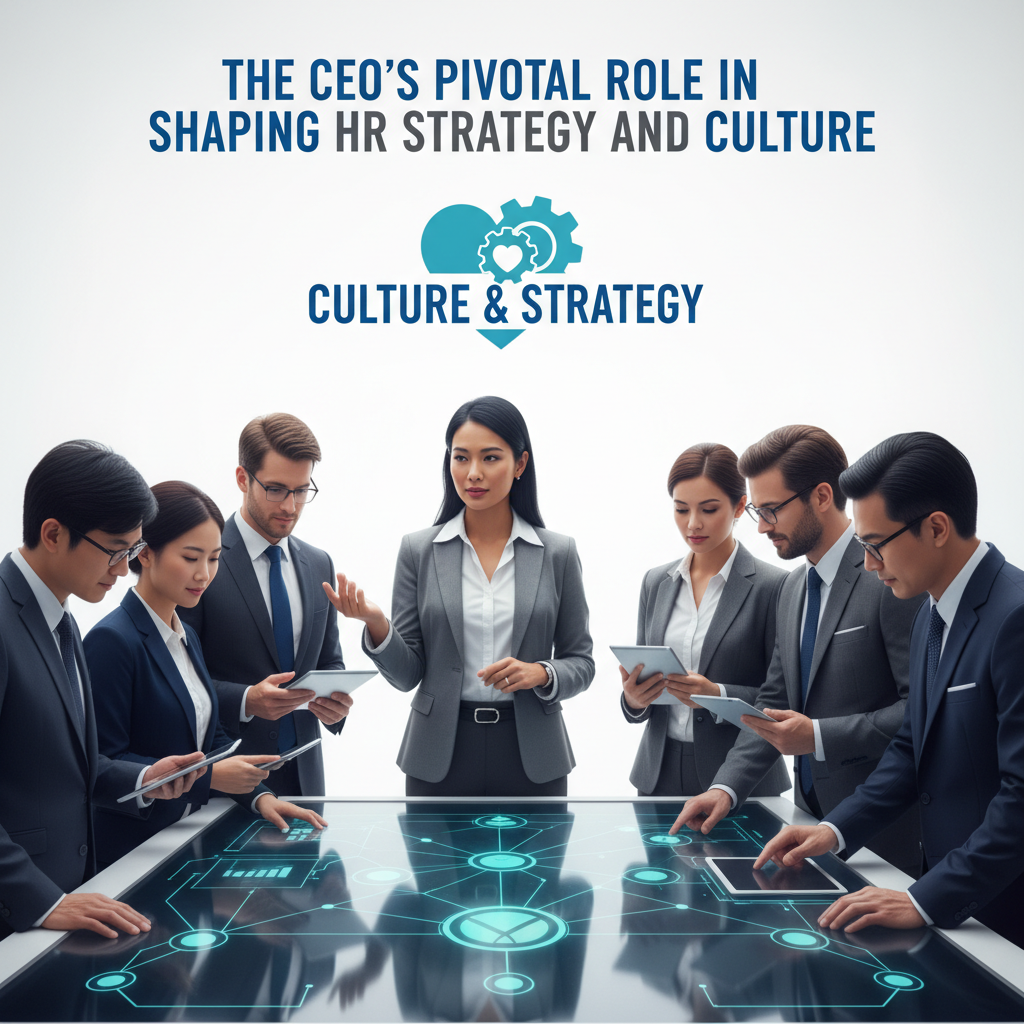
1. Aligning HR Strategy with Business Goals and Vision
The CEO serves as the primary architect connecting the overarching business vision with practical HR structures for SMEs in education. It is their responsibility to ensure that every HR initiative, from recruitment to compensation, directly supports the company’s strategic goals – whether that’s expanding into new markets, improving educational program quality, or enhancing student enrollment. This strategic alignment begins with the CEO clearly articulating the company’s long-term objectives and then collaborating with HR leaders to translate these into actionable talent strategies. For instance, if the goal is to become a leader in digital learning, the HR strategy must prioritize attracting and developing educators with strong digital pedagogical skills. The CEO’s active participation in defining key performance indicators (KPIs) for HR, such as talent acquisition efficacy, retention rates, and employee productivity, ensures that HR investments yield tangible results. This proactive stance helps Malaysian education SMEs build a resilient workforce capable of adapting to industry shifts and achieving sustained organizational growth.
2. Fostering a Culture of Learning and Development
A forward-thinking CEO understands that an organization’s most valuable asset is its human capital. Therefore, fostering a culture of continuous learning and development is a top priority, directly influenced by the CEO’s advocacy. In education companies, this commitment translates into robust training programs, mentorship opportunities, and pathways for professional growth for teaching staff and administrative personnel alike. The CEO champions the idea that investing in skill development not only enhances individual capabilities but also elevates the quality of education provided. By allocating resources, setting clear expectations for professional growth, and personally endorsing learning initiatives, the CEO creates an environment where employees are encouraged to pursue new knowledge and skills. This proactive approach to talent development is crucial for remaining competitive and innovative. According to a report by McKinsey & Company, organizations with a strong learning culture are more likely to be innovators and market leaders, underscoring the CEO’s critical role in driving this agenda. This dedication to lifelong learning is particularly vital for education companies, as it directly mirrors the values they impart to their students.
3. Leading by Example in Employee Engagement and Retention
Perhaps the most palpable impact of a CEO on HR and culture is through their personal example in driving employee engagement and retention strategies. The CEO’s leadership style, accessibility, communication frequency, and genuine concern for employee well-being significantly influence morale and loyalty. By demonstrating transparency, offering clear feedback, and actively recognizing employee contributions, the CEO sets a benchmark for the entire leadership team. This hands-on approach builds trust and fosters a sense of belonging, which is paramount for creating a positive work culture. Furthermore, a CEO who actively participates in skip-level meetings, town halls, or even informal interactions signals that every employee’s voice matters. This directly contributes to higher employee retention rates, reducing turnover costs and preserving institutional knowledge—a critical factor for education companies, especially SMEs in Malaysia navigating competitive talent markets. Ultimately, the CEO’s commitment to creating a supportive and inspiring positive work environment underpins successful HR structures for SMEs the CEO in education companies in malaysia, reinforcing the idea that strong leadership is the bedrock of a thriving workforce.
In conclusion, the CEO’s role in an education company, especially an SME, transcends financial and operational oversight. They are the chief architect of its human capital strategy, the custodian of its culture, and the ultimate driver of its HR effectiveness. By strategically aligning HR with business goals, championing learning, and leading by example in engagement, the CEO ensures a robust, dynamic, and resilient workforce ready to meet the demands of Malaysia’s educational landscape.
Leveraging Technology and Compliance for Effective HR in Malaysia
For education SMEs in Malaysia, navigating the dual imperatives of rapid growth and stringent regulatory adherence can be a significant challenge. CEOs of these dynamic companies are increasingly recognizing that robust HR structures for SMEs the CEO in education companies in malaysia are not just about managing people, but about strategically integrating technology and ensuring unwavering compliance. This section explores how HR technology can streamline operations, enhance efficiency, and guarantee adherence to Malaysian regulations, providing a competitive edge in a demanding market.
1. Implementing HRIS/HRM Systems for Efficiency
The adoption of Human Resources Information Systems (HRIS) or Human Resources Management (HRM) systems represents a transformative step for education SMEs. These integrated HR technology solutions consolidate various HR functions into a single platform, moving beyond fragmented spreadsheets and manual processes. Key benefits include automated payroll processing, streamlined leave and attendance management, and efficient recruitment and onboarding. A modern HRIS facilitates digital HR transformation, providing payroll management systems that reduce errors and ensure timely compensation.
Furthermore, these systems often incorporate employee self-service portals, empowering staff to update personal details, apply for leave, and access payslips independently. This not only significantly reduces the administrative burden on HR personnel but also improves employee satisfaction through greater transparency and accessibility. By freeing up HR teams from routine administrative tasks, education SMEs can pivot their focus towards strategic initiatives such as talent development, performance management, and fostering a positive workplace culture, directly impacting educational quality and student outcomes.
2. Ensuring Adherence to the Malaysian Employment Act 1955
Compliance with Malaysian labor laws is non-negotiable for all businesses, and education SMEs are no exception. The cornerstone of employment regulation in Malaysia is the Employment Act 1955, which has undergone significant amendments to address contemporary employment practices. Adherence to this Act covers critical aspects such as minimum wage, working hours, overtime, public holidays, annual leave, sick leave, maternity protection, and termination procedures. Failure to comply can result in hefty penalties, legal disputes, and reputational damage.
Modern HRIS platforms are invaluable tools for ensuring robust employment law compliance. They can be configured to automatically apply local regulations to payroll calculations, leave accruals, and work schedules. Features like automated reminders for contract renewals, probationary period reviews, and integrated HR policy automation ensure that HR practices align with statutory requirements. By maintaining accurate digital records and generating compliant reports, HR technology provides an audit trail that demonstrates due diligence, safeguarding the SME against potential legal challenges and allowing CEOs to confidently navigate the complex regulatory landscape.
3. Data Privacy and Security in HR Operations
In the digital age, the protection of sensitive employee data is paramount. HR departments handle a vast array of personal information, including names, addresses, identification numbers, bank details, medical records, and performance evaluations. In Malaysia, the Personal Data Protection Act 2010 (PDPA) governs how personal data is collected, processed, and stored, imposing strict obligations on organizations. Education SMEs must implement robust data security best practices to prevent unauthorized access, data breaches, and misuse of information, which could lead to severe penalties and a loss of trust.
HR technology plays a crucial role in ensuring comprehensive PDPA compliance. Advanced HRIS/HRM systems are built with security features such as multi-factor authentication, role-based access controls, data encryption, and secure cloud hosting. These measures restrict access to sensitive information only to authorized personnel and protect data during transmission and storage. Furthermore, these systems aid in managing data retention policies and facilitate secure data destruction, aligning with legal requirements. Emphasizing strong HR data management and cybersecurity protocols not only protects employee privacy but also reinforces the organization’s commitment to ethical data handling, crucial for maintaining stakeholder confidence and avoiding legal ramifications.
In conclusion, for education SMEs in Malaysia, leveraging technology and prioritizing compliance is no longer optional but a strategic imperative. By implementing HRIS/HRM systems, ensuring strict adherence to the Employment Act 1955, and safeguarding employee data, businesses can achieve operational excellence, mitigate risks, and build a resilient workforce. This integrated approach ultimately strengthens the overall HR structures for SMEs the CEO in education companies in malaysia, enabling them to thrive and expand their educational impact within a well-regulated and efficient framework.
Future-Proofing HR: Talent Management and Growth for 2026
The education sector in Malaysia is undergoing rapid transformation, driven by technological advancements, evolving pedagogical approaches, and a dynamic global talent landscape. For Small and Medium-sized Enterprises (SMEs) in this vital industry, proactively adapting their Human Resources strategies is not just an advantage but a necessity for sustainable growth. This section explores critical strategies for HR structures for SMEs the CEO in education companies in malaysia must consider to future-proof their operations, focusing on talent management and fostering a culture of continuous growth towards 2026 and beyond.
The future of work demands agile and adaptive HR practices. For education SMEs, this means moving beyond traditional administrative functions to embrace strategic talent management that aligns directly with business objectives. The CEO, often wearing multiple hats, needs robust HR frameworks that support scaling, innovation, and employee retention in a competitive market.
1. Developing a Robust Talent Acquisition Pipeline
Attracting and securing top talent is paramount for education SMEs in Malaysia. The competition for skilled educators, curriculum developers, and administrative professionals is intensifying. A robust talent acquisition pipeline goes beyond reactive hiring; it involves proactive strategies to identify, engage, and nurture potential candidates long before a vacancy arises. This includes leveraging digital recruitment platforms, building strong employer branding within the education community, and fostering partnerships with universities and vocational schools. CEOs must invest in understanding future skill requirements, such as digital literacy, blended learning expertise, and emotional intelligence, to ensure their talent pool is prepared for evolving educational paradigms. For instance, focusing on skills-based hiring over purely academic qualifications can broaden the candidate pool and inject fresh perspectives. Furthermore, optimizing the candidate experience is crucial. From initial contact to onboarding, a seamless and positive journey reflects positively on the company culture and helps secure desired talent. According to recent reports, effective talent acquisition is critical for organizational success, impacting everything from productivity to innovation. For deeper insights into this evolving area, consider resources like The Future of Talent Acquisition from SHRM.
2. Performance Management and Employee Development Programs
Once talent is acquired, effective performance management and continuous employee development become the cornerstones of growth. For education SMEs, this translates into fostering an environment where employees are not only productive but also continuously upskilling and adapting to new methodologies. Traditional annual reviews are giving way to more frequent, feedback-rich interactions. Implementing modern performance management systems that focus on goal setting, regular check-ins, and constructive feedback can significantly boost employee engagement and productivity. Furthermore, investing in tailored professional development programs is vital. This could include workshops on new teaching technologies, leadership training for aspiring team leads, or certifications in specialized educational fields. Such programs not only enhance individual capabilities but also demonstrate a commitment to employee growth, which is a key driver for retention. Understanding that the workforce evolves, especially in the context of global trends affecting work, is essential for designing relevant development paths. 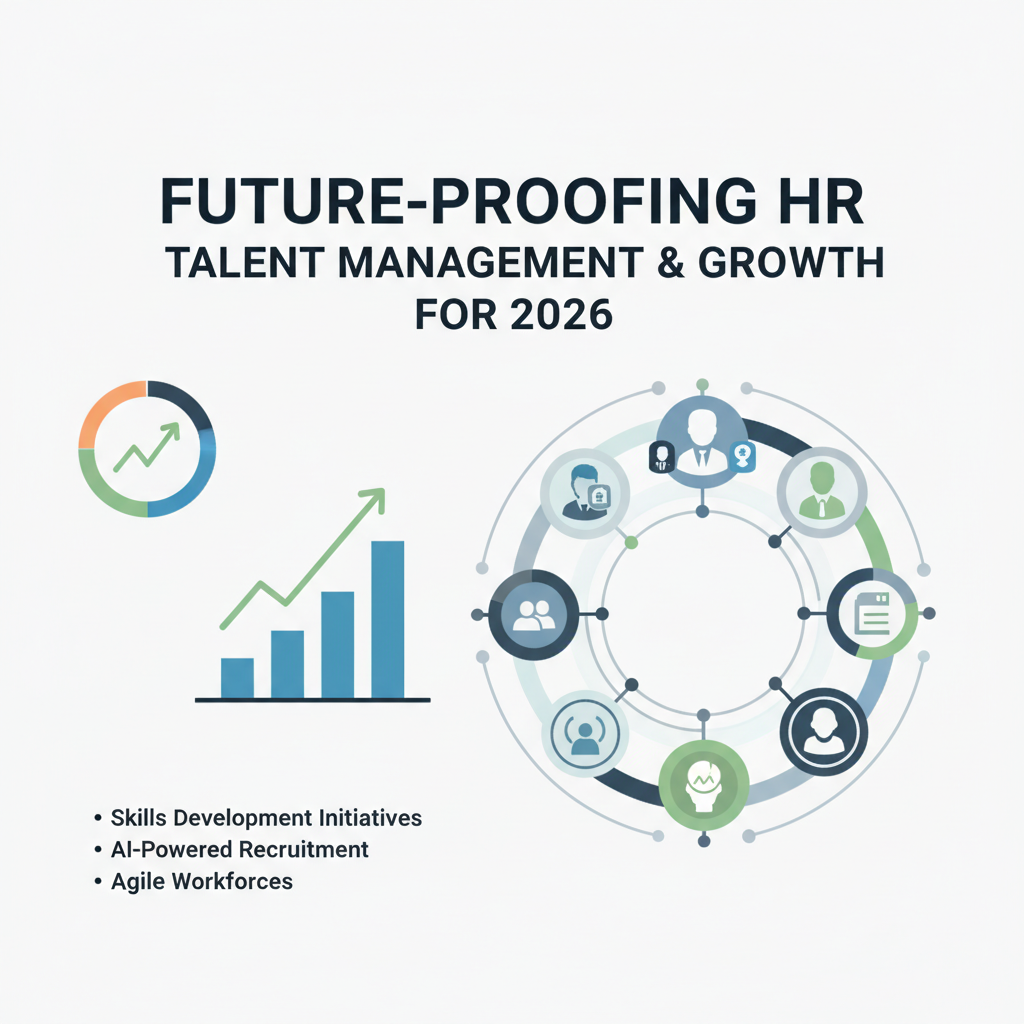 This commitment to growth is crucial for building resilient HR structures for SMEs the CEO in education companies in malaysia must prioritize.
3. Succession Planning and Leadership Development
The long-term sustainability of any education SME hinges on its ability to identify and cultivate future leaders. Succession planning is not just for large corporations; it’s a critical component of strategic HR for SMEs, especially in dynamic sectors like education. It ensures continuity, minimizes disruption during leadership transitions, and provides clear career paths for high-potential employees. CEOs need to identify key roles within their organizations and pinpoint individuals who possess the potential and desire to step into these roles. Leadership development programs should focus on equipping these individuals with not only management skills but also strategic thinking, innovation, and an understanding of the broader educational landscape. Mentorship programs, cross-functional projects, and opportunities for external training can be invaluable in this regard. By proactively developing internal talent, education SMEs can reduce reliance on external hiring for senior roles, foster a sense of loyalty, and build a strong, resilient leadership core. This foresight in developing robust HR structures for SMEs the CEO in education companies in malaysia will underpin their ability to navigate future challenges and opportunities effectively. For more insights on optimizing HR strategies for educational businesses in Malaysia, explore comprehensive guides related to strategic HR for educational businesses in Malaysia.
By implementing these strategic HR approaches, education SMEs in Malaysia can cultivate a thriving workforce capable of driving innovation and sustained growth. Future-proofing HR is about foresight, investment in people, and creating an agile system that adapts to the inevitable changes in the educational and economic environment.
Partner with Shelby Global
You are looking for reliable HR Sevice Suppliers? Contact Shelby Global Now! To connect with verified talents and upgrade your orginization.
—————————————
References
– Malaysian Department of Labour Laws: https://www.mohr.gov.my/index.php/en/labour-laws
– Why Small Businesses Should Outsource HR: https://www.forbes.com/sites/forbesfinancecouncil/2021/08/25/why-small-businesses-should-outsource-hr/
– McKinsey & Company on Organizational Performance: https://www.mckinsey.com/capabilities/people-and-organizational-performance/our-insights/the-organization-for-the-future
– Employment Act 1955 Amendments: What Employers Need to Know: https://www.skrine.com/insights/alerts/september-2022/employment-act-1955-amendments-what-employers-ne
– The Future of Talent Acquisition: https://www.shrm.org/resources-and-tools/hr-magazine/fall2023/pages/the-future-of-talent-acquisition.aspx



































































































