Understanding the Unique HR Landscape in Malaysian Healthcare
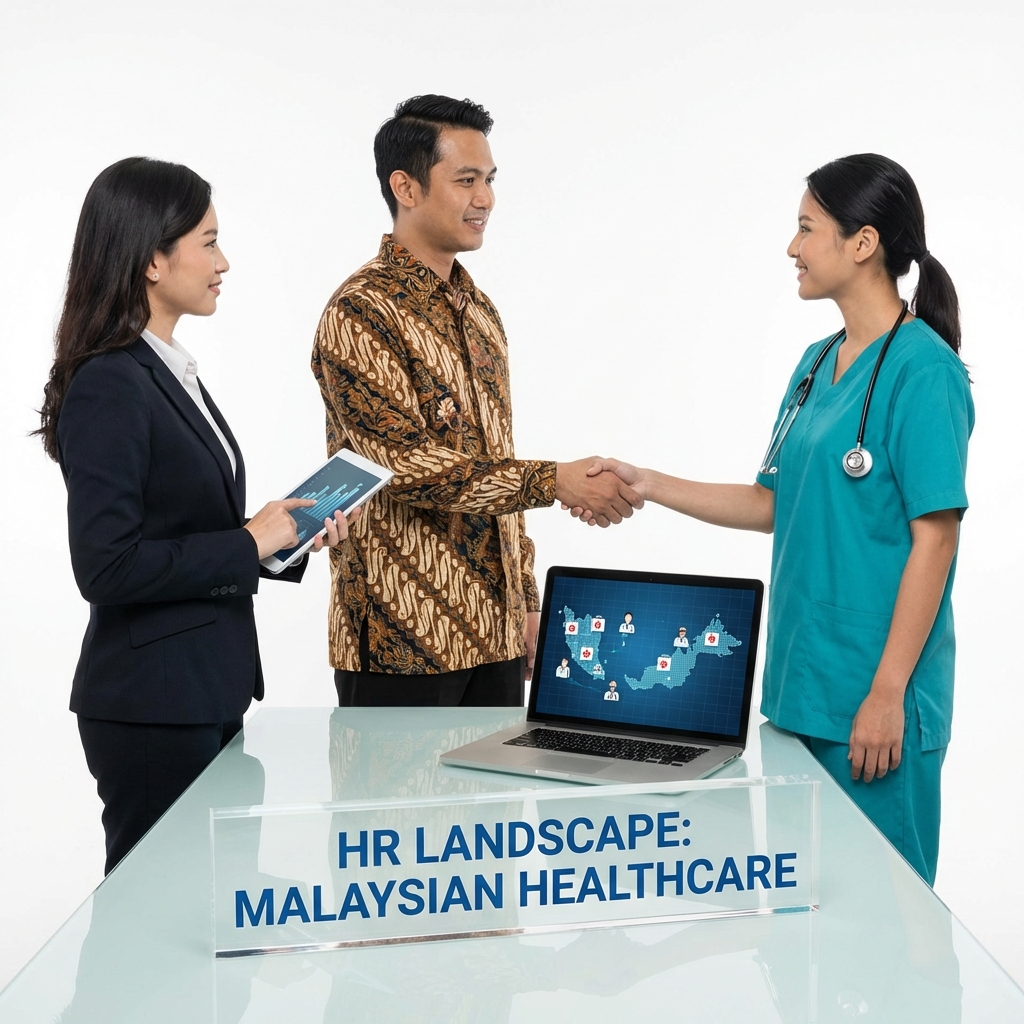
The Malaysian healthcare sector operates within a dynamic and often complex environment, presenting unique challenges for Human Resources professionals. From navigating intricate regulatory frameworks to addressing persistent workforce shortages and managing a culturally diverse medical staff, HR functions in this domain require more than generic solutions. This section delves into the specific intricacies that shape the HR landscape in Malaysian medicine, underscoring the critical need for specialized HR tools – applications for medicine field in malaysia designed to meet these distinct demands.
-
Navigating Malaysian Healthcare Regulations & Policies
The regulatory environment is arguably one of the most significant complexities for healthcare HR in Malaysia. Professionals must contend with a myriad of rules and guidelines set forth by various bodies, including the Ministry of Health (MOH), the Malaysian Medical Council (MMC) for doctors, the Pharmacy Board for pharmacists, and other professional councils. HR departments are tasked with ensuring strict compliance regarding licensing, credentialing, continuous professional development (CPD) requirements, and ethical practices. For instance, managing doctor re-registration, nurses’ practicing certificates, and pharmacists’ licenses involves meticulous record-keeping and timely submissions, which can be overwhelming without robust systems. Furthermore, data privacy laws, such as the Personal Data Protection Act (PDPA), add another layer of complexity, mandating strict handling of sensitive patient and employee data. Modern HR management systems, particularly HR compliance software tailored for healthcare, are indispensable for tracking these evolving policies and ensuring that all medical staff meet the necessary professional standards and legal mandates. Specialized HR technology for healthcare helps automate compliance checks, streamline documentation, and mitigate risks associated with non-adherence, becoming a cornerstone for effective human capital management in healthcare.
-
Addressing Workforce Shortages & Retention Strategies
Malaysia, like many countries, faces persistent challenges in maintaining an adequate and skilled healthcare workforce. Issues such as the ‘brain drain’ where medical professionals seek opportunities abroad, coupled with disparities in urban-rural distribution and competition from the private sector, create a constant need for strategic talent management in healthcare. HR professionals are on the front lines of attracting, recruiting, and retaining top talent in a highly competitive market. This involves developing sophisticated talent acquisition platforms, offering competitive compensation and benefits, and fostering a supportive work environment that promotes professional growth and employee well-being. Effective onboarding processes, continuous training and development programs, and clear career progression pathways are crucial for boosting employee engagement and reducing turnover. Specialized HR software solutions for healthcare can aid in workforce planning, identifying skill gaps, managing recruitment pipelines, and implementing robust performance appraisal systems. By leveraging HR analytics for hospitals, organizations can gain insights into retention drivers and employee satisfaction, allowing for proactive strategies to retain valuable medical staff and ensure optimal staffing levels across various departments and facilities.
-
Cultural Nuances in Medical Staff Management
Malaysia’s rich multicultural fabric directly translates into a diverse healthcare workforce, encompassing individuals from various ethnic, religious, and linguistic backgrounds. Managing such a diverse team requires a nuanced and culturally sensitive approach to HR. This includes understanding different communication styles, accommodating religious observances (e.g., prayer times, fasting months), and promoting an inclusive work environment that respects varied beliefs and traditions. Conflict resolution, performance feedback, and even team-building activities must be handled with cultural sensitivity to avoid misunderstandings and foster harmony. HR professionals need to be adept at implementing diversity and inclusion initiatives that celebrate differences and ensure equitable treatment for all staff members. Employee engagement platforms tailored to the Malaysian context can help gauge staff sentiment and provide channels for feedback that resonate with a multicultural workforce. From managing leave requests for diverse religious holidays to developing culturally appropriate wellness programs, specialized HR tools for healthcare must integrate features that support a diverse employee base, ensuring that all medical staff feel valued, understood, and motivated to provide the best possible care to patients.
Essential HR Tools for Recruitment & Onboarding
Explore technologies crucial for attracting, hiring, and seamlessly integrating medical professionals, ensuring a robust and compliant talent pipeline for healthcare facilities.
The healthcare sector in Malaysia faces unique challenges in talent acquisition and retention. From a highly competitive landscape to stringent regulatory requirements, attracting and seamlessly integrating skilled medical professionals demands more than traditional HR practices. Modern HR tools – applications for medicine field in malaysia are no longer a luxury but a necessity, serving as the backbone for a robust and compliant talent pipeline. These digital solutions streamline complex processes, enhance candidate experience, and ultimately contribute to superior patient care by ensuring that the right professionals are in the right roles. Embracing advanced HR technology is crucial for healthcare facilities aiming for efficiency, compliance, and long-term success in managing their most valuable asset: their people. For a deeper dive into how these technologies are transforming the landscape, explore resources on HR tools – applications for medicine field in malaysia.
1. Applicant Tracking Systems (ATS) for Medical Roles
An Applicant Tracking System (ATS) is perhaps the most fundamental HR tool in modern recruitment, particularly vital for medical roles. Given the high volume of applications and the specialized skill sets required in healthcare, a dedicated ATS for medical jobs in Malaysia acts as a powerful filter and organizer. These systems automate the entire recruitment lifecycle, from job posting to offer management. For healthcare facilities, an ATS efficiently sifts through countless resumes, identifying candidates who possess the necessary medical qualifications, licenses, and experience.
Key functionalities include resume parsing, keyword matching (e.g., specific medical specializations, certifications), candidate communication management, and interview scheduling. This level of automation significantly reduces administrative burden on HR departments, allowing them to focus on qualitative assessments rather than data entry. Furthermore, an ATS ensures a consistent and fair application process, which is paramount in a highly regulated industry like healthcare. It helps maintain compliance with labor laws and internal hiring policies, making it an indispensable part of e-recruitment healthcare Malaysia strategies. The ability to track candidates through various stages provides valuable insights into recruitment bottlenecks and helps optimize the talent acquisition medical sector process.
2. Seamless Digital Onboarding Processes & Platforms
Once a medical professional is hired, the onboarding phase is critical for their long-term success and integration into the healthcare facility. Traditional paper-based onboarding is often cumbersome, time-consuming, and prone to errors, especially when dealing with the extensive documentation required for medical staff. This is where seamless digital onboarding platforms become invaluable. These HR tech healthcare Malaysia solutions automate the collection of necessary documents, distribute policy handbooks, facilitate mandatory training modules (e.g., patient safety, ethics, data privacy), and manage benefit enrollments – all through a secure, online portal.
For healthcare professionals, a smooth digital onboarding experience fosters a positive first impression and enhances employee experience healthcare right from the start. They can complete paperwork from anywhere, at any time, reducing stress and allowing them to focus on preparing for their clinical duties. For HR, these platforms ensure that all compliance requirements are met, licenses are verified, and training is completed before the new hire steps onto the ward. By integrating with other HR systems, digital onboarding also provides a holistic view of the new employee, laying a strong foundation for ongoing talent management healthcare Malaysia and facilitating faster time-to-productivity for medical professionals. It’s a key component of HR digital transformation healthcare.
3. Credential Verification & Background Checks Automation
In the medical field, patient safety and institutional integrity hinge on the qualifications and reliability of every staff member. Therefore, rigorous credential verification & background checks automation are non-negotiable. Manually conducting these checks for doctors, nurses, and allied health professionals can be an incredibly time-consuming and complex task, involving verification of medical licenses, educational degrees, professional certifications, and criminal history. Automated solutions revolutionize this critical process.
These specialized HR tools – applications for medicine field in malaysia integrate with official databases and regulatory bodies, swiftly cross-referencing candidate information to confirm authenticity and validity. They flag discrepancies, alert HR to expired licenses, or potential red flags, significantly mitigating risks. For instance, an automated system can quickly verify a doctor’s medical license with the Malaysian Medical Council or a nurse’s registration with the Malaysian Nursing Board. This not only speeds up the hiring process but also ensures unwavering compliance with national healthcare regulations, a core aspect of compliance healthcare HR. Furthermore, automated pre-employment screening healthcare platforms enhance the accuracy and consistency of checks, reducing human error and providing a documented audit trail. This level of diligence protects both the patients and the healthcare facility from potential liabilities and reinforces public trust in the medical establishment. Ensuring rigorous and compliant background checks is a critical step, as highlighted by resources from institutions like the Society for Human Resource Management (SHRM) on best practices for background screening.
In conclusion, the strategic implementation of these advanced HR tools – applications for medicine field in malaysia empowers healthcare facilities to navigate the complexities of talent acquisition and management with greater efficiency and confidence. From attracting top-tier medical talent through sophisticated ATS, to ensuring a smooth and compliant integration with digital onboarding, and safeguarding patient care with automated credential verification, these technologies are pivotal for building and sustaining a high-performing medical workforce in Malaysia’s dynamic healthcare landscape. They represent a significant investment in human capital, ultimately leading to improved operational outcomes and enhanced healthcare service delivery.
Optimizing Employee Management & Performance
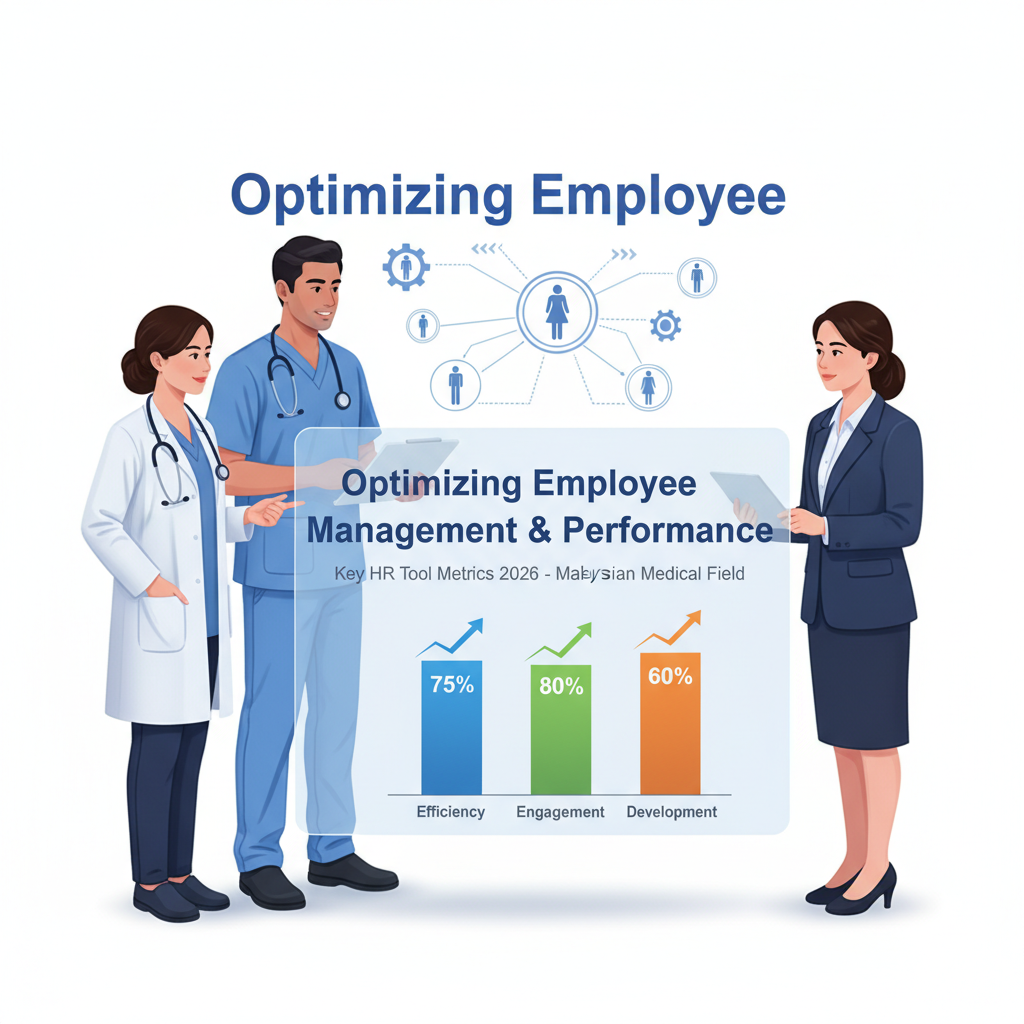
In the demanding landscape of Malaysia’s medical sector, effective human resource management is not just an administrative function; it’s a strategic imperative. The well-being and efficiency of a medical workforce directly impact patient care quality and organizational success. Navigating the complexities of daily HR operations, performance evaluation, and fostering employee well-being requires robust solutions. This is where advanced HR tools – applications for medicine field in Malaysia become indispensable, transforming traditional processes into streamlined, data-driven systems that empower both HR departments and employees.
Modern HR software provides the infrastructure needed to maintain an efficient, motivated, and compliant medical team, from managing intricate payrolls to tracking professional development. By embracing these technological advancements, healthcare providers in Malaysia can dedicate more time to their core mission while ensuring their most valuable asset – their people – are well-managed and supported.
1. Integrated HR Information Systems (HRIS) Solutions
The foundation of modern employee management in the medical field lies in a comprehensive Human Resources Information System (HRIS). An HRIS consolidates all crucial employee data – from personal details and employment history to qualifications, certifications, and compliance records – into a single, accessible database. For healthcare organizations in Malaysia, this integration is revolutionary, eliminating disparate spreadsheets and manual filing. It significantly reduces administrative burdens and the risk of human error, especially when tracking specific licensing requirements and continuing education mandates unique to medical professionals, ensuring regulatory compliance.
Furthermore, an integrated HRIS often includes employee self-service portals, allowing medical staff to access payslips, apply for leave, and update personal information independently. This empowers employees and frees up HR personnel to focus on strategic initiatives like talent development. By centralizing data and automating routine tasks, HRIS solutions enhance operational efficiency, improve data accuracy, and provide valuable insights for strategic workforce planning within the Malaysian healthcare context.
2. Performance Management & Appraisal Software
Effective performance management is critical for fostering a motivated and high-performing medical workforce. Traditional, annual appraisal systems often lack the timely feedback needed in dynamic healthcare environments. Performance management and appraisal software addresses this by offering tools for ongoing feedback, goal setting, skill tracking, and developmental planning. These platforms enable managers to set clear, measurable objectives, align individual performance with organizational goals, and provide constructive feedback in real-time.
For healthcare professionals, this means transparent performance expectations and a clear pathway for career progression. The software tracks certifications, training, and professional development, ensuring staff remain competent and compliant. It also facilitates 360-degree feedback, invaluable in team-based medical settings. By streamlining reviews, identifying training needs, and recognizing achievements, these HR applications contribute to employee growth, satisfaction, and ultimately, enhanced patient care. According to an article by SHRM on the benefits of performance management software, such systems lead to improved employee engagement and productivity, a crucial factor for any medical facility striving for excellence.
3. Automating Payroll and Benefits Administration
Payroll processing and benefits administration in the medical field can be notoriously complex, involving shift differentials, on-call pay, various allowances, and intricate leave entitlements specific to healthcare roles. Manual processing is prone to errors, time-consuming, and carries significant compliance risks. Automating payroll and benefits administration using specialized HR tools mitigates these challenges. These systems automatically calculate salaries, deductions, taxes (including Malaysian income tax and EPF/SOCSO contributions), and process payments accurately and on time.
Beyond basic payroll, these platforms manage complex benefits packages, including health insurance and retirement plans. Automated leave management systems integrate with payroll, ensuring accurate pay for time off and reducing conflicts. By minimizing manual data entry and ensuring adherence to local labor laws and regulations, these automation tools save HR departments countless hours and boost employee confidence. A transparent, accurate, and timely payroll system is fundamental to employee well-being and a key driver of motivation, enabling medical facilities in Malaysia to maintain a highly efficient and satisfied workforce.
Embracing these sophisticated HR tools is no longer a luxury but a necessity for medical practices in Malaysia. They pave the way for optimized operations, enhanced employee well-being, and a robust, high-performing medical team, ultimately contributing to superior healthcare delivery.
Training, Development, and Compliance Solutions
In Malaysia’s dynamic healthcare sector, continuous learning, mandatory training, and stringent adherence to medical and labor regulatory standards are necessities. Modern HR tools – applications for medicine field in malaysia play a pivotal role, enabling healthcare organizations to navigate this complex landscape. These solutions ensure medical professionals are equipped with the latest knowledge and skills, meeting the rigorous demands of Malaysian medical regulations. By leveraging advanced healthcare HR software, institutions streamline processes, enhance talent management in healthcare, and foster ongoing professional development in medicine, ultimately improving patient care. This section explores key technologies vital for achieving these objectives, from eLearning for medical professionals to sophisticated platforms for healthcare compliance management.
1. Learning Management Systems (LMS) for CME
Effective Continuous Medical Education (CME) is the bedrock of a competent medical workforce in Malaysia, a requirement efficiently managed through sophisticated Learning Management Systems (LMS). These digital learning platforms are specifically tailored to deliver, track, and manage CME activities, offering a flexible and accessible way for doctors, nurses, and allied health professionals to pursue skill development for doctors and other specialties. An LMS hosts a vast library of online courses, webinars, and materials covering diverse medical topics, clinical skills training, and ethical guidelines. Beyond content delivery, these systems provide robust assessment tools, certification management, and comprehensive reporting, allowing HR to monitor progress. This ensures all staff meet CME obligations, maintaining licensure and promoting advanced workforce upskilling. A well-implemented LMS fosters lifelong learning, directly contributing to improved patient safety training and overall healthcare quality. Integrating an LMS with other healthcare HR software allows for a holistic view of an employee’s professional journey. The ability to access relevant training anytime, anywhere is crucial for busy medical practitioners, making LMS an indispensable HR tool – application for medicine field in malaysia.
2. Mandatory Compliance Training Platforms
Adherence to regulatory frameworks is non-negotiable within Malaysian healthcare. Organizations face myriad Malaysian medical regulations and labor laws necessitating regular, documented compliance training. Dedicated medical compliance training platforms address this critical need, providing structured, auditable means to deliver mandatory courses on topics like patient data privacy (e.g., PDPA), infection control, ethical conduct, and occupational safety and health (OSHA). These platforms ensure every employee understands their legal and ethical obligations. Key features include interactive modules, quizzes, and robust tracking systems for completion rates. This meticulous record-keeping is vital during audits, demonstrating commitment to regulatory adherence solutions. Without such systems, managing mandatory training for a large healthcare workforce training becomes an administrative nightmare, exposing institutions to significant non-compliance risks. These platforms are essential HR tools – applications for medicine field in malaysia, simplifying complex compliance and safeguarding the institution and its patients. They contribute directly to healthcare compliance management, ensuring consistent operation within legal and ethical boundaries. The Ministry of Health Malaysia (MOH) frequently updates guidelines, making these platforms indispensable.
3. Skills Gap Analysis & Succession Planning Tools
Optimizing healthcare workforce training and ensuring future leadership stability requires proactive strategies, where skills gap analysis & succession planning tools are indispensable. These advanced HR tools – applications for medicine field in malaysia empower healthcare institutions to identify discrepancies between current employee competencies and future organizational needs. By conducting detailed competency assessment and leveraging HR analytics for healthcare, organizations pinpoint specific areas for further workforce upskilling or training. This strategic insight develops targeted programs, ensuring investments in professional development in medicine yield maximum returns. Furthermore, these tools are crucial for robust succession planning in hospitals and clinics. Identifying high-potential employees, assessing their readiness for leadership, and creating structured career pathing for medical staff are streamlined. This proactive approach minimizes disruption during leadership transitions, safeguards institutional knowledge, and ensures a continuous pipeline of qualified professionals for critical roles. Effective talent management in healthcare extends beyond current needs; it anticipates future demands. By integrating performance management systems with skills gap analysis, organizations foster employee growth, enhance employee retention in healthcare, and build a resilient workforce adapting to the evolving medical field in Malaysia.
Future Trends & Strategic Implementation for HR Tech
In the dynamic landscape of healthcare, the strategic adoption of HR technology is no longer an option but a necessity. For medical institutions in Malaysia, leveraging advanced HR tools – applications for medicine field in Malaysia is pivotal for optimizing workforce management, enhancing employee experience, and ultimately, improving patient care outcomes. This section delves into the emerging technologies, best practices for their integration into medical settings, and strategies to ensure a robust return on investment for healthcare HR departments.
-
Leveraging AI & Automation in Medical HR
The integration of Artificial Intelligence (AI) and automation stands at the forefront of transforming healthcare HR. AI in healthcare HR can revolutionize processes from talent acquisition to workforce planning. Predictive analytics, for instance, can help identify potential attrition risks among medical staff, allowing HR departments to implement targeted retention strategies. Automated screening tools streamline the recruitment process for doctors, nurses, and allied health professionals, ensuring a faster and more efficient candidate experience. Chatbots powered by AI can handle routine HR inquiries, freeing up HR staff to focus on more strategic initiatives. Furthermore, AI-driven solutions are becoming indispensable for intricate medical staff scheduling, optimizing shifts to ensure adequate coverage while complying with regulations and staff preferences. This not only enhances efficiency but also significantly improves the employee experience by offering flexible work arrangements where possible. The shift towards data-driven decisions in HR ensures that medical institutions are always proactive in their talent management strategies.
-
Cloud-Based HR for Scalability and Access
Cloud-based HR solutions offer unparalleled scalability and accessibility, making them ideal for the distributed and often complex structures of medical settings. Moving HR data and processes to the cloud (SaaS models) significantly reduces the IT infrastructure burden on hospitals and clinics. This allows for secure, on-demand access to critical HR information from various locations, crucial for healthcare networks with multiple branches or for remote HR support. Cloud HR platforms facilitate seamless integration with other hospital management systems, ensuring a holistic approach to data management. Data security and regulatory compliance, particularly with sensitive employee and patient-related data, are paramount, and leading cloud providers offer robust security protocols and compliance frameworks. The cost-efficiency of cloud solutions, achieved through reduced hardware investments and subscription-based models, makes them an attractive option for healthcare organizations aiming for digital transformation without substantial upfront capital outlay. Their inherent flexibility supports rapid scaling up or down of operations, adapting to fluctuating workforce needs—a common scenario in the medical field.
-
Measuring ROI and Best Practices for Adoption
To maximize the return on investment (ROI) from HR tech implementation, a strategic approach is essential. Healthcare HR departments must define clear objectives and key performance indicators (KPIs) before adopting any new HR tool. Measuring metrics such as reduction in time-to-hire, improvement in employee retention rates, decrease in HR administrative costs, and enhanced employee satisfaction can demonstrate tangible ROI. Best practices for adoption include robust change management strategies, ensuring that all stakeholders—from senior leadership to frontline medical staff—understand the benefits and are equipped to use new systems effectively. Comprehensive training programs are vital for user adoption, ensuring that the technology is utilized to its full potential. Continuous improvement through feedback mechanisms and regular system updates is also crucial. Engaging key stakeholders early in the selection and implementation process fosters ownership and reduces resistance. Ultimately, the successful deployment of HR tools in medicine field in Malaysia hinges on a well-planned strategy that aligns technology investments with the organization’s overarching goals of operational efficiency and superior patient care.
Partner with Shelby Global
You are looking for reliable HR Sevice Suppliers? Contact Shelby Global Now! To connect with verified talents and upgrade your orginization.
—————————————
References
– Malaysian Healthcare – Ministry of Health Malaysia: https://www.moh.gov.my/index.php/pages/view/malaysian-healthcare
– Society for Human Resource Management (SHRM) on best practices for background screening: https://www.shrm.org/resources-and-tools/tools-and-samples/hr-qa/what-are-some-best-practices-for-conducting-background-checks
– Benefits of Performance Management Software: https://www.shrm.org/resources-and-tools/hr-topics/technology/pages/benefits-of-performance-management-software.aspx
– Malaysian Medical Council’s guidelines on professional development: https://mmc.gov.my/professional-development/
– Artificial Intelligence in HR: https://www.shrm.org/resources-and-tools/hr-topics/technology/pages/artificial-intelligence-hr.aspx