
Overview of Malaysia’s FMCG HR Landscape
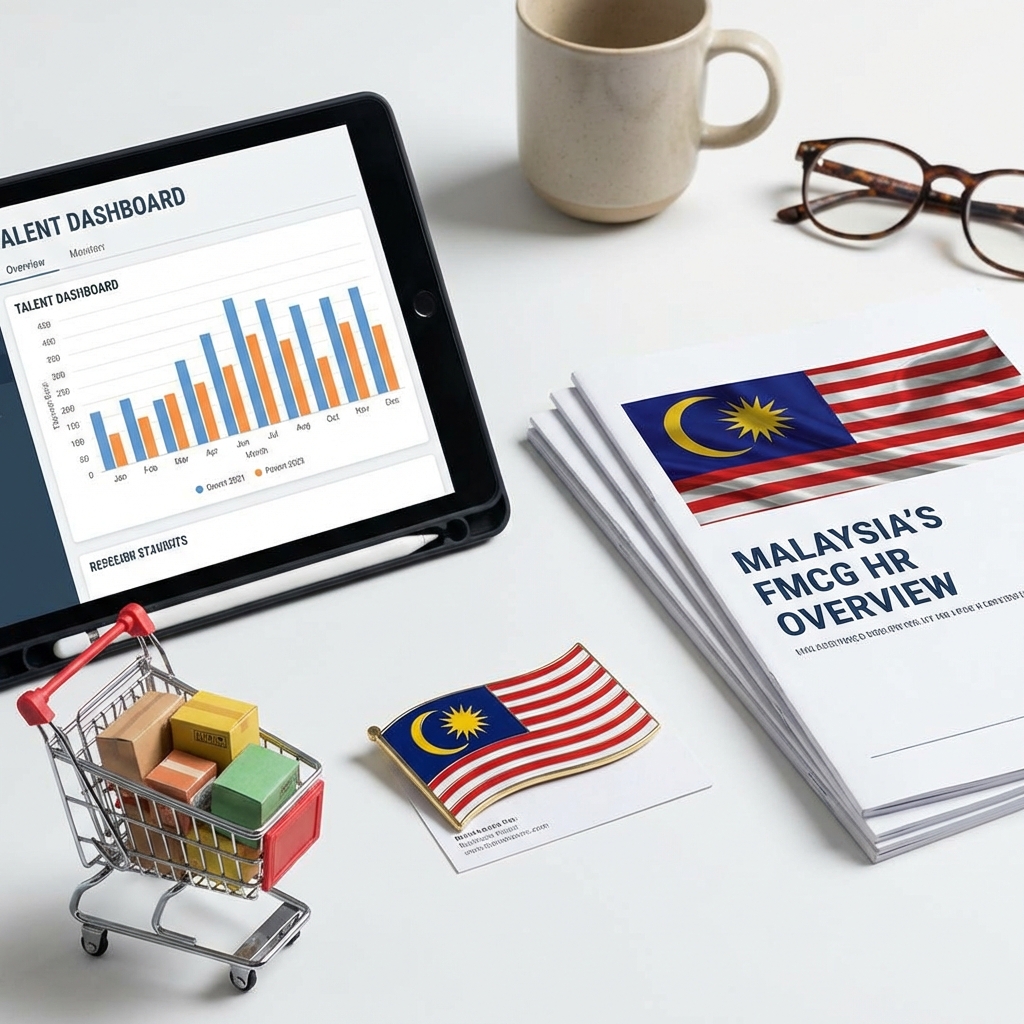
Malaysia’s Fast-Moving Consumer Goods (FMCG) sector is a cornerstone of its vibrant economy, characterized by rapid innovation and intense competition. In the lead-up to 2026, the HR landscape within this sector is undergoing significant transformation, driven by evolving market dynamics, technological advancements, and a shift in workforce expectations. This section delves into the current state and key trends shaping human resources in Malaysian FMCG, offering insights into recent developments and future outlooks. Understanding these shifts is crucial for any comprehensive HR report of FMCG companies in malaysia, highlighting the strategic importance of talent management in securing competitive advantage.
-
Market Dynamics & Their Impact on HR Priorities
The Malaysian FMCG market continues to be propelled by strong domestic consumption, a growing middle class, and increasing urbanization. However, it’s also highly susceptible to global economic fluctuations, supply chain disruptions, and shifting consumer preferences, such as a heightened demand for sustainable and health-conscious products. These dynamics directly influence HR priorities. As the market expands and diversifies, the competition for skilled professionals intensifies, making robust talent acquisition FMCG Malaysia strategies paramount. Companies are increasingly seeking talent with expertise in digital marketing, e-commerce operations, data analytics, and sustainable supply chain management to meet evolving consumer demands. Furthermore, economic outlooks, such as those detailed by institutions like the World Bank, often signal periods of growth or challenge that necessitate agile workforce planning and resource allocation. HR departments are thus tasked with not only finding the right people but also future-proofing their workforce against unforeseen market shifts and consumer trends.
-
Key HR Trends in FMCG Malaysia
Several significant HR trends are shaping the sector. Firstly, workforce retention strategies Malaysia are taking center stage. High employee turnover, particularly in sales, marketing, and operational roles, is a persistent challenge. FMCG companies are responding by investing in competitive compensation packages, comprehensive benefits, career development pathways, and fostering a positive work culture that prioritizes employee well-being. Secondly, employee engagement FMCG initiatives are evolving beyond traditional team-building activities. There’s a growing emphasis on psychological safety, flexible work arrangements, and inclusive leadership to ensure employees feel valued and connected. Thirdly, addressing the pervasive skills gap FMCG Malaysia is critical. As technology advances and consumer behaviors evolve, there’s a constant need for upskilling and reskilling in areas such as digital literacy, advanced analytics, and artificial intelligence. Many companies are partnering with educational institutions and launching internal learning academies to bridge these gaps. Finally, Diversity, Equity, and Inclusion (DEI) are gaining traction, with organizations recognizing that a diverse workforce fosters innovation and better reflects the diverse consumer base.
-
The Role of Digital Transformation in HR Practices
Digital transformation is no longer a luxury but a necessity for HR in the Malaysian FMCG sector. The accelerated adoption of HR technology, driven by the need for efficiency and enhanced employee experience, is profoundly reshaping HR practices. From automated recruitment platforms utilizing AI to cloud-based HRIS (Human Resource Information Systems) for payroll and performance management, HR technology adoption Malaysia is on the rise. These digital tools enable HR professionals to shift from administrative tasks to more strategic roles, leveraging data analytics for informed decision-making in areas like talent forecasting, employee sentiment analysis, and identifying potential flight risks. Predictive analytics, for instance, is being used to optimize staffing levels and anticipate future skill requirements. The integration of digital platforms also facilitates remote onboarding, continuous learning, and seamless communication across distributed teams, which became particularly relevant during recent global health crises. Preparing for the future of work FMCG means building a digitally fluent workforce and HR function that can adapt swiftly to technological shifts, ensuring agility and resilience in an increasingly dynamic market.
In conclusion, the Malaysian FMCG HR landscape in 2026 will be defined by agility, strategic talent management, and digital prowess. Companies that proactively adapt to these trends, focusing on talent development, engagement, and technological integration, will be best positioned to thrive in this competitive and ever-evolving sector. A well-executed HR report of FMCG companies in malaysia will continue to be a vital resource for navigating these complexities.
Key HR Challenges & Opportunities in FMCG Malaysia
The Fast-Moving Consumer Goods (FMCG) sector in Malaysia is a dynamic and fiercely competitive arena, characterized by rapid product cycles, intense market demands, and a diverse consumer base. For Human Resources (HR) departments within these companies, navigating this environment presents a unique set of significant hurdles and potential growth areas. This section delves into the critical challenges and strategic opportunities faced by HR leaders, focusing on the intricate dynamics of talent acquisition and retention, the complexities of regulatory compliance, and the imperative to foster evolving workplace needs, all crucial for sustained success in the Malaysian market. An insightful HR report of FMCG companies in Malaysia highlights these pressing concerns, underscoring the need for proactive and adaptive HR strategies.
1. Addressing Talent Scarcity and Skill Gaps
One of the foremost challenges for FMCG companies in Malaysia is the perennial struggle with talent management and the growing disparity between available skills and industry demands. While Malaysia boasts a relatively young workforce, attracting and retaining top-tier talent in specialized areas such as digital marketing, e-commerce analytics, supply chain optimization, and data science remains a significant hurdle. Many graduates lack the practical experience or industry-specific skills required, leading to critical skill gaps that impact operational efficiency and innovation. FMCG Malaysia HR trends indicate a rising competition for candidates who possess both technical prowess and soft skills like adaptability, problem-solving, and cross-cultural communication.
To mitigate this, HR departments are increasingly focusing on robust talent acquisition strategies, including strengthening employer branding, collaborating with universities for tailored internship and graduate programs, and implementing sophisticated applicant tracking systems. Beyond recruitment, the emphasis has shifted dramatically towards continuous learning and development. Companies are investing in upskilling and re-skilling initiatives, leveraging internal training platforms, and external certifications to bridge existing skill gaps and future-proof their workforce. Developing clear career pathways and offering mentorship programs are also vital components in enhancing workforce retention and ensuring a steady pipeline of skilled professionals for key roles.
2. Navigating Evolving Employment Regulations & Compliance
The regulatory landscape in Malaysia is continuously evolving, posing a significant compliance challenge for FMCG HR departments. Recent amendments to the Malaysian Employment Act 1955 (Amendment 2022), for instance, have introduced significant changes related to working hours, paternity leave, flexible working arrangements, and the computation of wages, among others. Keeping abreast of these legal shifts, interpreting their nuances, and ensuring full compliance across diverse operational units (manufacturing, distribution, sales) is a complex undertaking. Non-compliance can lead to hefty penalties, reputational damage, and industrial disputes, making it a high-stakes area for HR.
The opportunity here lies in transforming compliance from a mere obligation into a strategic advantage. Proactive HR teams are not just reacting to new laws but are using them as a catalyst to review and modernize their internal policies and procedures. This includes updating employee handbooks, re-evaluating compensation and benefits structures, and implementing comprehensive training programs for managers and employees on their rights and responsibilities. Leveraging HR technology, such as integrated HRIS (Human Resources Information Systems) with built-in compliance features, can streamline processes, reduce manual errors, and provide real-time insights into adherence, thereby minimizing risks and enhancing operational efficiency within the Malaysian labor law FMCG context.
3. Fostering Employee Well-being and Engagement Initiatives
In the aftermath of global shifts and increased awareness, fostering employee well-being and engagement has become a paramount concern for FMCG companies. The demanding nature of the industry, often involving shift work, tight deadlines, and high-pressure sales targets, can contribute to stress and burnout. HR departments are increasingly recognizing that a healthy, engaged workforce is directly correlated with productivity, innovation, and reduced attrition. Employee engagement FMCG Malaysia strategies are now extending beyond traditional perks to holistic well-being programs.
Initiatives include comprehensive mental health support, flexible working arrangements (where feasible), ergonomics assessments, and robust health and wellness programs. Diversity, Equity, and Inclusion (DEI) initiatives are also gaining traction, aiming to create an inclusive workplace culture where every employee feels valued and respected. Regular pulse surveys, open communication channels, and recognition programs are being utilized to gauge employee sentiment and celebrate achievements, boosting morale and a sense of belonging. By prioritizing employee well-being, FMCG companies can cultivate a positive work environment, enhance job satisfaction, and ultimately drive higher levels of commitment and performance, turning a challenge into a sustainable competitive advantage in attracting and retaining talent.
Effective Talent Acquisition & Retention Strategies
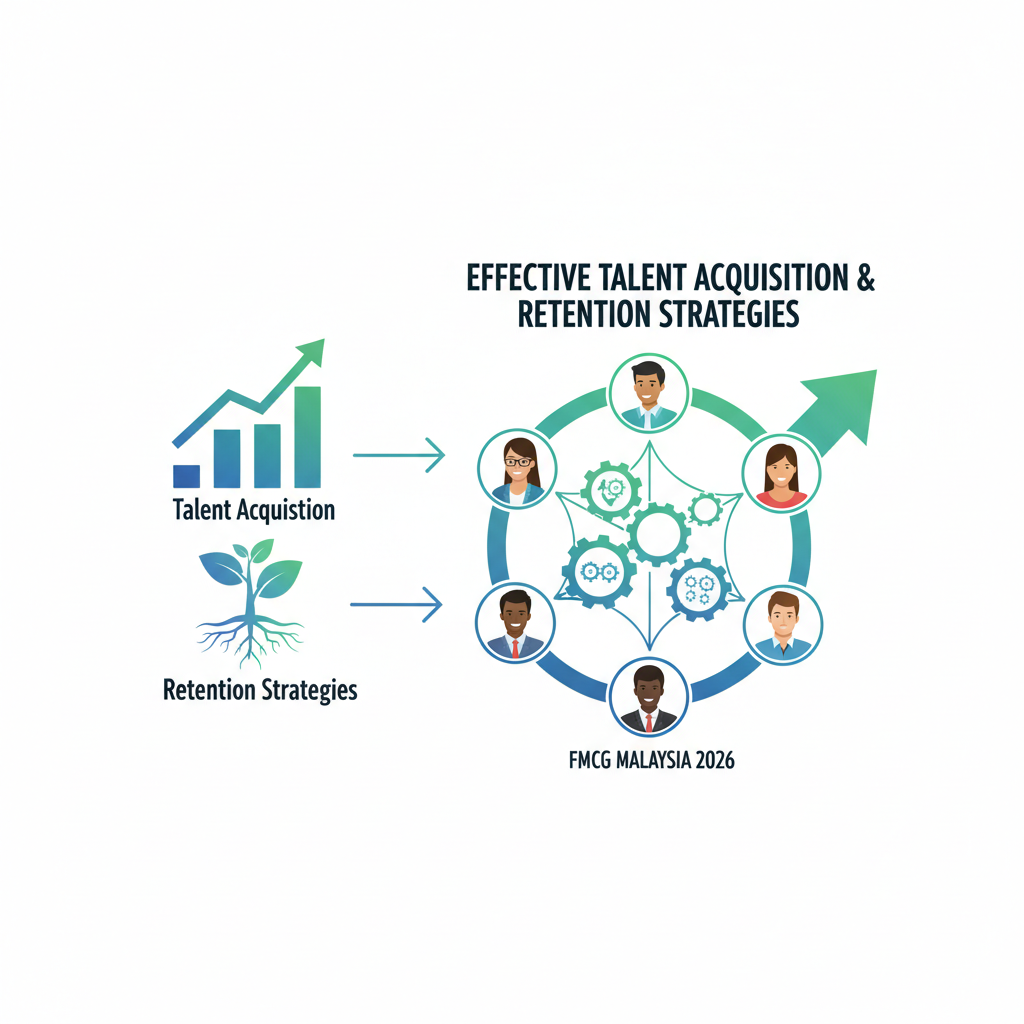
In Malaysia’s highly competitive Fast-Moving Consumer Goods (FMCG) industry, attracting, hiring, and retaining top talent presents a significant and ongoing challenge. A comprehensive HR report of FMCG companies in Malaysia consistently highlights the dynamic nature of the job market, characterized by evolving candidate expectations and intense competition for skilled professionals. To thrive, FMCG companies must move beyond traditional HR practices, embracing innovative methods for talent acquisition and robust strategies for employee retention. This section delves into proactive approaches designed to build a resilient workforce capable of navigating the demands of this fast-paced sector.
1. Innovative Recruitment Approaches for FMCG Talent
The quest for premier FMCG talent acquisition Malaysia demands a departure from conventional recruitment tactics. Forward-thinking companies are leveraging technology and creative engagement to cast a wider net and identify suitable candidates more effectively. This includes the adoption of AI-powered screening tools that can swiftly sift through large volumes of applications, identifying candidates whose skills and experience align with specific roles in manufacturing, supply chain, marketing, or sales. Data analytics plays a crucial role, allowing HR departments to pinpoint successful hiring channels and optimize future recruitment campaigns. Virtual career fairs and online assessment centers have also gained traction, offering accessibility and efficiency, particularly for reaching candidates in diverse geographical locations within Malaysia.
Furthermore, innovative approaches extend to gamified assessments, which provide an engaging experience for candidates while revealing critical problem-solving and decision-making skills pertinent to the fast-paced FMCG environment. Strategic partnerships with universities and vocational colleges are vital, establishing talent pipelines through internships, co-op programs, and sponsored projects. These collaborations not only foster early talent identification but also help shape curricula to better meet industry needs. Emphasizing recruitment innovation FMCG companies are increasingly using social media platforms for targeted advertising and employer branding, showcasing their workplace culture and career progression opportunities to attract a new generation of professionals.
2. Building a Strong Employer Brand in Malaysia’s FMCG Sector
In a talent market where candidates have choices, a compelling employer brand is indispensable for attracting and securing top-tier talent. A strong employer branding Malaysia FMCG strategy goes beyond attractive salaries; it communicates the company’s unique value proposition, culture, and commitment to employee growth. This involves clearly articulating the company’s mission, vision, and values, and demonstrating how these are embedded in daily operations and employee experience. Authenticity is key, with companies showcasing real employee testimonials, success stories, and initiatives that reflect a positive and inclusive work environment. Transparency about career paths, learning and development opportunities, and the impact employees can make within the company are powerful attractors.
Digital presence is paramount for employer branding. An engaging company website, active social media channels (like LinkedIn, Facebook, Instagram), and positive reviews on platforms like Glassdoor contribute significantly to how potential employees perceive the organization. Engaging in Corporate Social Responsibility (CSR) activities and publicizing these efforts also enhances a company’s image, appealing to candidates who seek purpose-driven work. By proactively managing their reputation and consistently communicating what makes them a great place to work, FMCG companies can address the common HR challenges FMCG Malaysia faces in talent attraction, effectively positioning themselves as employers of choice in a competitive landscape.
3. Strategies for Reducing Employee Turnover and Enhancing Loyalty
Acquiring talent is only half the battle; retaining it requires ongoing strategic effort, especially given the high costs associated with employee turnover. Effective employee retention strategies FMCG focus on creating an environment where employees feel valued, challenged, and supported. Competitive compensation and benefits packages remain foundational, but increasingly, employees seek more than just monetary rewards. Career development and continuous learning opportunities are crucial. This includes offering robust training programs, upskilling initiatives, and clear pathways for career progression within the organization. Mentorship programs, leadership development initiatives, and cross-functional project assignments can significantly boost employee engagement and loyalty.
Beyond professional growth, fostering a positive work-life balance and a supportive company culture are critical. Flexible work arrangements, well-being programs, and a focus on employee recognition contribute to a healthier, more engaged workforce. Regular performance feedback, open communication channels, and opportunities for employees to voice their opinions and contribute to decision-making processes enhance their sense of belonging and ownership. Ultimately, a holistic approach to talent management FMCG companies must prioritize not only attracting the best but also nurturing, developing, and rewarding them, ensuring long-term loyalty and reducing turnover in a demanding industry where HR reports often highlight the need for continuous improvement in these areas. According to a report on human capital trends in Malaysia, organizations must adapt to evolving workforce expectations to maintain competitiveness.
Compensation, Benefits, and Workforce Development
Examining the critical components of employee remuneration and professional growth in Malaysian FMCG firms, this section highlights competitive practices and strategic investment in human capital. In the dynamic and highly competitive Fast-Moving Consumer Goods (FMCG) sector in Malaysia, attracting, retaining, and developing top talent is paramount for sustained success. This requires a sophisticated approach to compensation, well-rounded benefits, and robust workforce development initiatives. As revealed in our comprehensive HR report on FMCG companies in Malaysia, these elements are not merely operational costs but strategic investments designed to enhance employee engagement, productivity, and market leadership.
1. Competitive Salary Benchmarking and Rewards
A fundamental pillar of talent attraction and retention in Malaysian FMCG firms is the establishment of competitive salary structures. The sector, characterized by its rapid pace and high demand for skilled professionals across supply chain, marketing, sales, and R&D, necessitates a data-driven approach to remuneration. Companies are increasingly engaging in rigorous salary benchmarking, comparing their pay scales against industry peers and the broader Malaysian market using reliable data from HR consultancies and industry surveys.
Beyond base salaries, FMCG companies are designing sophisticated reward systems encompassing performance-based bonuses, sales incentives, and profit-sharing schemes. These variable components are crucial for motivating employees, aligning individual performance with organizational goals, and fostering high achievement. Recognizing and rewarding exceptional contributions through both monetary and non-monetary means is vital for maintaining employee morale and reducing attrition in a sector where talent mobility is high, reinforcing a meritocratic environment.
2. Designing Holistic Benefits Packages for Modern Workforce
While competitive salaries lay the groundwork, a holistic benefits package often differentiates an employer and caters to the diverse needs of the modern Malaysian workforce. Traditional benefits such as EPF, SOCSO, and comprehensive medical insurance remain non-negotiable. However, leading FMCG firms are going beyond the basics, offering additional perks designed to enhance employee well-being, work-life balance, and professional development. This includes flexible working arrangements (hybrid models, staggered hours), wellness programs (gym memberships, mental health support), and enhanced parental leave policies.
The evolving expectations of millennials and Gen Z employees, who prioritize purpose, flexibility, and personal growth, are driving this shift. Companies increasingly offer educational assistance, professional certification sponsorships, and opportunities for community engagement. Customization and choice are key, with some firms adopting “flexi-benefits.” This strategic investment in employee welfare not only boosts satisfaction and loyalty but also positions the company as an employer of choice, critical for navigating the tight labor market for specialized roles within the FMCG landscape. Understanding and responding to current Malaysian market trends in compensation and benefits is crucial for this strategic design.
3. Upskilling and Reskilling Initiatives for Future-Proofing Talent
In a rapidly evolving global market, particularly for FMCG companies facing digital disruption, changing consumer behaviors, and supply chain complexities, continuous workforce development is indispensable. Malaysian FMCG firms are heavily investing in upskilling and reskilling initiatives to future-proof their talent pool and ensure organizational agility. This involves equipping employees with new competencies required to navigate technological advancements, such as AI in analytics, e-commerce strategies, digital marketing prowess, and advanced supply chain management tools.
Programs range from structured internal training and external certifications to leadership development, mentorship, and cross-functional rotations. Sales teams might receive training in digital selling, while marketing professionals could be upskilled in data analytics and personalized consumer engagement. The focus extends beyond technical skills to critical soft skills like adaptability, problem-solving, and emotional intelligence, vital for innovation and collaboration. By fostering a culture of lifelong learning, FMCG companies aim to retain their most valuable assets, reduce external hiring in critical areas, and cultivate a resilient workforce capable of driving growth and innovation in an unpredictable business environment. This proactive approach to talent development contributes directly to the firm’s long-term competitive advantage.
Leveraging HR Analytics for Strategic Decision-Making
In the dynamic and fiercely competitive Fast-Moving Consumer Goods (FMCG) sector, particularly in Malaysia, the ability to make swift, informed strategic decisions is paramount. Traditionally, HR functions operated largely on intuition and anecdotal evidence. However, the modern landscape demands a more data-driven approach. HR analytics transforms raw human resources data into actionable insights, providing FMCG companies with a powerful tool to not only understand their current workforce but also to proactively shape their future talent landscape. By meticulously analyzing HR data, businesses can optimize operations, enhance employee productivity, reduce turnover, and ultimately drive sustainable growth, moving beyond reactive measures to strategic foresight in their HR report of FMCG companies in Malaysia.

-
Importance of Robust HR Data Collection and Analysis
The foundation of effective HR analytics lies in comprehensive and accurate data collection. For FMCG companies, this means gathering information across the entire employee lifecycle – from recruitment and onboarding to performance management, training, and exit. Robust data collection systems are crucial for understanding the unique challenges and opportunities within the Malaysian FMCG market. Analyzing this data can reveal patterns in employee behavior, identify skill gaps critical for market adaptation, and highlight areas for improving employee engagement FMCG. For instance, detailed analysis of recruitment sources can pinpoint the most effective channels for attracting top talent, while data on training program effectiveness can demonstrate ROI and guide future learning initiatives. By systematically collecting and analyzing this data, organizations can develop targeted talent retention strategies FMCG, ensuring a stable and skilled workforce that can meet consumer demands and navigate market fluctuations.
-
Key HR Metrics to Track for Performance and Efficiency
To truly leverage HR analytics, FMCG companies must focus on tracking specific, actionable metrics that directly correlate with business outcomes. Beyond basic headcount, crucial HR productivity metrics include turnover rates, time-to-hire, cost-per-hire, training completion rates, employee satisfaction scores, and productivity per employee. For a sector like FMCG, where sales targets and distribution efficiency are key, metrics like sales force effectiveness, average delivery time per employee, and safety incident rates also become highly relevant. Regularly monitoring these indicators allows HR departments to identify bottlenecks, measure the impact of HR initiatives, and make evidence-based adjustments. For example, a high turnover rate among sales staff might prompt an investigation into compensation structures or management effectiveness, while a drop in employee satisfaction could signal issues with workplace culture. Staying abreast of broader HR analytics trends also ensures that FMCG firms are adopting best practices and utilizing the most effective measurement tools to drive their strategic goals.
-
Predictive Analytics for Workforce Planning and Talent Forecasting
Moving beyond descriptive and diagnostic analytics, predictive analytics represents the pinnacle of HR data utilization. For FMCG companies operating in a fast-paced environment, the ability to forecast future workforce needs is a game-changer. Predictive models can analyze historical data, market trends, and economic indicators to anticipate talent gaps, identify potential flight risks, and optimize recruitment pipelines. This capability is vital for effective workforce planning FMCG Malaysia, enabling companies to proactively hire and train staff for future roles, rather than scrambling to fill urgent vacancies. For instance, by predicting seasonal demand for certain products, FMCG companies can forecast the need for additional production or sales personnel well in advance, streamlining recruitment and training processes. Similarly, predictive analytics can identify high-potential employees at risk of leaving, allowing for targeted intervention through enhanced development opportunities or improved compensation, thereby supporting robust succession planning FMCG. Embracing HR technology adoption Malaysia is key to implementing these advanced analytics, leading to a more agile, resilient, and strategically aligned workforce ready to meet the evolving demands of the FMCG market.
Partner with Shelby Global
You are looking for reliable HR Sevice Suppliers? Contact Shelby Global Now! To connect with verified talents and upgrade your orginization.
—————————————
References
– :
– Skrine – Employment Act 1955 (Amendment 2022) Insights: https://www.skrine.com/insights/alerts/september-2022/employment-amendment-act-2022
– Deloitte Human Capital Trends Malaysia: https://www.deloitte.com/my/en/pages/human-capital/articles/human-capital-trends-malaysia.html
– Malaysian market trends in compensation and benefits: https://www.hrinasia.com/compensation-and-benefits/malaysian-salaries-benefits-trends-for-2023/
– HR analytics trends: https://www.shrm.org/resources-and-tools/hr-topics/technology/pages/hr-analytics-data-trends-best-practices.aspx



































































































