The Unique Landscape of Malaysian Fashion SMEs in 2026
The year 2026 presents a fascinating, albeit complex, tableau for Malaysian fashion SMEs. Operating within a dynamic economic landscape, these businesses face a unique set of challenges and opportunities that profoundly influence their salary budgeting strategies. From shifting consumer behaviors to the relentless pursuit of skilled talent, understanding these nuances is critical for implementing truly Optimized Salary Budget Structures for SMEs in Fashion field in malaysia. This section delves into the intricate factors shaping the remuneration landscape, providing insights for fashion entrepreneurs aiming for sustainable growth and talent retention in the coming years.

1. Navigating Post-Pandemic Economic Shifts
The global economic recovery post-COVID-19 has been uneven, and Malaysia is no exception. While domestic demand has shown resilience, fashion SMEs must contend with persistent inflationary pressures, fluctuating raw material costs, and supply chain vulnerabilities. These factors directly impact operational costs and, by extension, the funds available for salary increments and employee benefits. Consumer spending patterns have also evolved, with a greater emphasis on value, sustainability, and online shopping, forcing fashion businesses to adapt their models. An increase in the Cost of Living Index, as reported by authoritative sources like Bank Negara Malaysia’s economic reports, means employees often expect higher wages to maintain their purchasing power. For fashion SMEs, this necessitates a delicate balancing act: offering competitive salaries to attract and retain talent while maintaining fiscal prudence. Strategic budgeting and cost-efficiency measures become paramount in these times, pushing businesses to innovate in their compensation packages rather than simply raising base salaries.
2. Talent Demand vs. Supply in Local Fashion
The Malaysian fashion industry, particularly within the SME sector, is experiencing a growing demand for specialized skills that often outstrips local supply. Designers with a strong grasp of digital fashion, e-commerce managers proficient in global marketplaces, sustainable fashion practitioners, and skilled production managers are highly sought after. This scarcity drives up salary expectations, making it challenging for smaller businesses to compete with larger corporations or international brands. Furthermore, the ‘gig economy’ and increased awareness of work-life balance among younger generations are reshaping employment preferences. To achieve Optimized Salary Budget Structures for SMEs in Fashion field in malaysia, businesses must consider not just monetary compensation but also non-monetary benefits, career development opportunities, and a positive work culture. Understanding the current talent landscape and implementing innovative recruitment and retention strategies are crucial. For a deeper dive into crafting effective compensation plans, explore resources on Optimized Salary Budget Structures for SMEs in Fashion field in malaysia, which can offer valuable insights into balancing talent needs with financial realities.
3. Understanding Key Malaysian Labor Regulations
Compliance with Malaysian labor laws is not just a legal obligation but a critical component of responsible salary budgeting. The Employment Act 1955 (and its recent amendments), the Employees Provident Fund (EPF) Act 1991, and the Employees’ Social Security Act 1969 (SOCSO) dictate minimum wage requirements, working hours, statutory contributions, and benefits. For SMEs, navigating these regulations can be complex, and non-compliance carries significant penalties, including fines and reputational damage. Recent increases in the minimum wage, for instance, directly impact the salary floor for all employees, requiring SMEs to adjust their budgets accordingly. Beyond statutory contributions, fashion SMEs also need to consider benefits such as annual leave, sick leave, maternity/paternity leave, and potentially, performance-based bonuses. A thorough understanding of these legal frameworks ensures that Optimized Salary Budget Structures for SMEs in Fashion field in malaysia are not only competitive but also fully compliant, avoiding unforeseen costs and fostering a fair working environment. Proactive planning and staying updated on legislative changes are essential for sound financial management in the human resources department.
In conclusion, Malaysian fashion SMEs in 2026 operate within a multifaceted environment where economic shifts, talent dynamics, and regulatory compliance converge to shape salary budgeting. By strategically addressing these factors, focusing on competitive yet sustainable compensation models, and leveraging both monetary and non-monetary incentives, fashion businesses can develop robust and Optimized Salary Budget Structures for SMEs in Fashion field in malaysia. This forward-thinking approach is vital for attracting top talent, ensuring operational stability, and fostering long-term growth in a vibrant, evolving industry.
Crafting Core Salary Structures: Beyond Base Pay
Dive into the essential elements that form a comprehensive and competitive salary structure, tailored for the fashion industry.
In Malaysia’s vibrant and evolving fashion landscape, small and medium-sized enterprises (SMEs) face a unique challenge: attracting and retaining top talent within stringent budget constraints. An effective salary structure goes beyond merely offering a base wage; it’s a strategic framework encompassing various components designed to motivate, reward, and foster loyalty. For Optimized Salary Budget Structures for SMEs in Fashion field in malaysia, a holistic approach is crucial. This section explores how fashion SMEs can craft compelling compensation packages that resonate with employees and drive business success, ensuring competitiveness.
-
Defining Competitive Base Salaries for Fashion Roles
The foundation of any robust compensation package lies in competitive base salaries. For fashion SMEs in Malaysia, this means understanding local market rates for various roles—from designers to merchandisers. Setting salaries requires meticulous research into industry benchmarks, considering job complexity, skills, experience, and geographical location. Salaries for a designer in Kuala Lumpur, for instance, might differ significantly from other Malaysian cities. To accurately define competitive base pay, SMEs should conduct thorough salary surveys and analyze competitor offerings. Underpaying leads to high turnover, while overpaying strains the budget. Clearly defined job descriptions and career progression paths are essential to justify salary differentials and provide employees with a clear understanding of their earning potential. A well-researched base salary forms the bedrock for further incentives and benefits, ensuring fairness and equity.
-
Integrating Performance-Based Incentives and Bonuses
Beyond base pay, performance-based incentives and bonuses are powerful tools for motivating employees and aligning individual efforts with organizational goals in the fashion sector. These variable pay components reward employees for achieving specific targets, contributing to overall company success, or demonstrating exceptional performance. For roles like sales associates or merchandisers, direct commissions linked to sales volumes or profit margins can be highly effective. Designers might receive project-based bonuses for successful collections or designs that achieve commercial success. Implementing such incentives requires transparent metrics and clear communication. KPIs (Key Performance Indicators) should be specific, measurable, achievable, relevant, and time-bound (SMART)—whether it’s meeting design deadlines or exceeding production efficiency. Annual bonuses, profit-sharing, or spot bonuses also foster a culture of high performance. Carefully structured programs boost motivation and productivity, and can enhance an employee’s total compensation, making the SME a more attractive employer without permanently increasing fixed costs.
-
Non-Monetary Benefits and Employee Value Proposition (EVP)
In today’s competitive talent market, especially in creative industries like fashion, a strong Employee Value Proposition (EVP) beyond monetary compensation is critical for attraction and retention. Non-monetary benefits significantly enhance job satisfaction and loyalty. These include flexible working hours, professional development (e.g., workshops on new design software or sustainable fashion), mentorship, and clear career progression pathways. Perks like a positive work environment, recognition programs, health initiatives, and creative autonomy are incredibly appealing to fashion professionals. Many creative talents value work-life balance and a supportive culture highly. For SMEs, offering these benefits is a cost-effective way to compete with larger corporations. As research by SHRM highlights, an effective EVP helps organizations attract and retain top talent by clearly articulating what they offer employees. For fashion SMEs, this means consciously crafting an experience that makes employees feel valued, inspired, and integral to the brand’s success.
Crafting an Optimized Salary Budget Structures for SMEs in Fashion field in malaysia involves a sophisticated blend of competitive base pay, strategic performance incentives, and compelling non-monetary benefits. By adopting a holistic approach, fashion SMEs can develop compensation packages that are not only financially viable but also highly attractive to top talent. This strategic investment in human capital fosters a motivated workforce, strengthens the company’s brand, enhances its competitive edge, and ensures sustainable growth in Malaysia’s dynamic fashion industry.
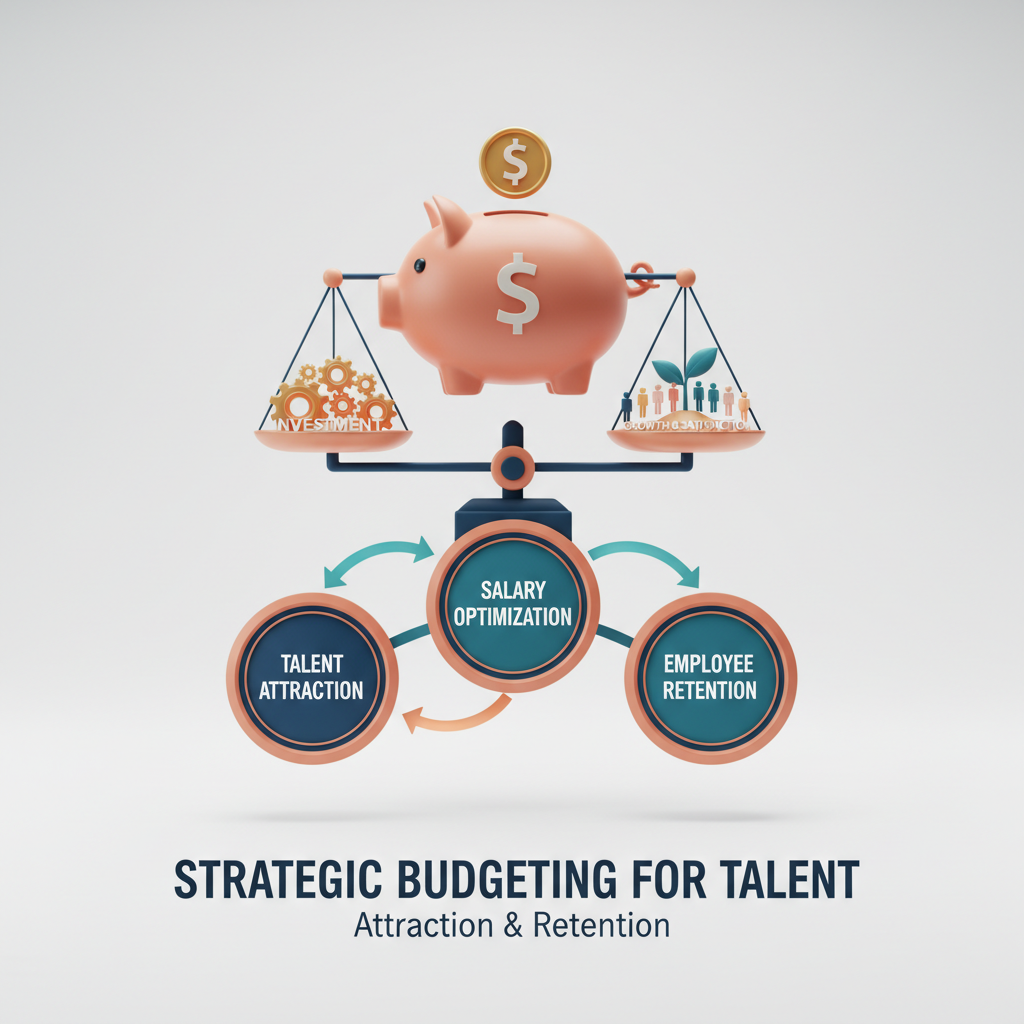
Strategic Budgeting for Talent Attraction & Retention
In Malaysia’s vibrant yet competitive fashion landscape, small and medium-sized enterprises (SMEs) face the unique challenge of attracting and retaining top-tier talent amidst larger players. Effective talent attraction and retention are not merely about recruitment drives but fundamentally hinge on strategic financial planning. This section delves into sophisticated strategies to allocate budget effectively, ensuring your SME can both draw in the brightest fashion minds and secure their long-term commitment, focusing on how to build Optimized Salary Budget Structures for SMEs in Fashion field in malaysia, supporting overall fashion SME talent acquisition Malaysia.
1. Benchmarking Salaries Against Industry Standards
To craft truly competitive compensation packages, fashion SMEs in Malaysia must first understand the prevailing market rates. This involves more than just a cursory glance; it requires detailed salary benchmarking against both local industry standards and international trends relevant to the fashion sector. For instance, a fashion designer with specific textile expertise or digital fashion illustration skills might command different rates, impacting overall HR budgeting fashion startups. Comprehensive salary surveys, industry reports, and consultations with HR specialists can provide invaluable data. By understanding what competitors are offering for roles like pattern makers, merchandisers, and digital marketers specific to fashion, SMEs can develop Optimized Salary Budget Structures for SMEs in Fashion field in malaysia that are attractive yet sustainable. Overpaying can strain resources, while underpaying leads to high turnover and difficulty in talent acquisition. The goal is to find that sweet spot – a fair and appealing wage that reflects the candidate’s skills, experience, and market value, forming the basis for competitive salaries fashion SMEs. Regular review of these benchmarks is crucial, as the fashion industry, like many creative sectors, sees rapid shifts in demand for certain skill sets. For detailed insights into prevailing compensation packages fashion Malaysia, a report like the Randstad Malaysia Market Outlook & Salary Guide offers invaluable data for creative roles in Southeast Asia, giving SMEs a concrete basis for their budgeting.
2. Forecasting Future Talent Needs and Budget Allocation
Proactive talent management goes beyond immediate hiring needs. Strategic budgeting for talent attraction and retention demands a clear foresight into the company’s growth trajectory and the evolving skill requirements of the fashion industry. This involves forecasting future talent needs based on business expansion plans, new product lines, or technological advancements (e.g., 3D fashion design, sustainable material sourcing). For Malaysian fashion SMEs, anticipating these needs means allocating budget not just for current open roles but for potential future hires and critical skill development. This could involve setting aside funds for a dedicated talent pipeline, internships for up-and-coming designers, or specialized training programs for existing staff to enhance skill development fashion talent. A well-planned budget allocation fashion industry Malaysia allows for flexibility, ensuring that when a key talent opportunity arises, the financial resources are readily available. This forward-thinking approach minimizes the frantic scramble often associated with reactive hiring, giving SMEs an edge in securing niche skills. By understanding the long-term vision, businesses can tailor their Optimized Salary Budget Structures for SMEs in Fashion field in malaysia to support sustainable growth, factoring in not just base salaries but also potential performance-based pay fashion Malaysia, skill-based increments, and employee benefits fashion SMEs that will become increasingly important as the company scales.
3. Developing Retention Programs with Budget in Mind
Attracting talent is only half the battle; retaining it is equally, if not more, critical, especially for SMEs where every individual contributes significantly. Effective talent retention strategies fashion Malaysia don’t necessarily require extravagant budgets. Instead, they demand creativity and a deep understanding of employee motivations. Beyond competitive salaries (which are foundational), SMEs in the fashion field in Malaysia can explore a range of cost-effective retention strategies. These include professional development opportunities, mentorship programs, flexible working arrangements (highly valued in creative fields), recognition schemes, and creating a positive, collaborative work culture. A portion of the budget should be earmarked for these initiatives. For example, investing in workshops for sustainable fashion practices or digital marketing skills can upskill employees, making them more valuable to the company and increasing their job satisfaction. Employee benefits, even seemingly small ones like health and wellness programs or team-building activities, contribute significantly to morale and loyalty. Performance-based incentives, such as bonuses linked to successful collection launches or sales targets, can directly align employee compensation with company success. By integrating these programs into the overall Optimized Salary Budget Structures for SMEs in Fashion field in malaysia, SMEs can foster a work environment where employees feel valued, challenged, and committed to the company’s vision, significantly reducing turnover costs and building a stable, high-performing team. For more insights on this, you can explore resources on Optimized Salary Budget Structures for SMEs in Fashion field in malaysia.
Leveraging Technology and Data for Budget Optimization
Discover how digital tools and data analytics can streamline the salary budgeting process, improve accuracy, and identify cost efficiencies.
For Small and Medium-sized Enterprises (SMEs) in Malaysia’s vibrant fashion sector, achieving optimized salary budget structures is crucial for growth and talent retention. Manual budgeting methods are often time-consuming and error-prone. Modern digital tools and sophisticated data analytics offer a transformative approach. By embracing HR technology, Malaysian fashion SMEs can streamline their salary budgeting, gaining invaluable insights for fair, competitive, and cost-effective compensation strategies. This section will explore how HR Information Systems (HRIS), payroll software, and data-driven methodologies revolutionize salary budgeting, leading to greater accuracy, efficiency, and strategic resource allocation.
-
Utilizing HRIS and Payroll Software for Efficiency
Achieving optimized salary budget structures for SMEs in Fashion field in Malaysia begins with robust HR Information Systems (HRIS) and integrated payroll software. These digital tools centralize all employee data, moving beyond manual record-keeping and spreadsheets. HRIS automates key functions from onboarding to performance tracking, providing immediate access to accurate headcounts and historical compensation data crucial for precise budget forecasting.
Integrated payroll software automates wage and deduction calculations, drastically reducing errors and ensuring compliance with Malaysian labor laws. This efficiency saves administrative hours and provides reliable data for developing accurate, forward-looking optimized salary budget structures. Quick reporting on salary expenses empowers businesses to monitor budgets in real-time, allowing HR and finance teams to focus on strategic initiatives rather than transactional tasks.
-
Data-Driven Insights for Compensation Decisions
Leveraging technology transforms raw data into actionable insights, crucial for fashion SMEs aiming for optimized salary budget structures. HRIS and payroll systems gather rich data—demographics, performance, tenure—which, when analyzed, enables strategic, evidence-based compensation decisions. This moves budgeting away from guesswork.
Market benchmarking is a key application. By comparing internal salaries with external trends, particularly within the Malaysian fashion industry, businesses ensure competitive compensation. Data analytics identify pay disparities, highlighting under/overpaid roles relative to market rates for effective budget reallocation. Understanding specific market rates (e.g., for a digital marketing specialist in Kuala Lumpur’s fashion sector) facilitates tailored offers. Integrating performance data links compensation directly to output, fostering meritocracy. As Deloitte’s insights on HR and people analytics suggest, data integration leads to equitable and effective compensation, allowing SMEs to strategically invest in human capital while managing costs.
-
Automating Salary Reviews and Adjustments
The traditionally resource-intensive salary review process is significantly streamlined for SMEs maintaining optimized salary budget structures through modern HR technology. Manual data collation and subjective assessments are replaced by automated systems, ensuring objectivity, transparency, and efficiency.
Automated platforms, integrated with HRIS, configure parameters like performance and budget caps to generate suggested salary increases or bonus recommendations. These proposals are routed through management for approval. Advanced AI/ML tools can provide accurate, unbiased adjustment proposals based on historical data and market fluctuations. This automation drastically reduces administrative time and minimizes human bias, fostering fairness and trust. For fashion SMEs, this means quicker implementation of competitive salary adjustments, crucial for talent retention. By automating reviews, companies ensure adjustments align with overall optimized salary budget structures, preventing cost overruns and ensuring strategic, data-backed compensation decisions.
In conclusion, for Malaysian fashion SMEs, embracing digital tools and data analytics is no longer optional but essential for achieving optimized salary budget structures. From the operational efficiency of HRIS and payroll software to the strategic insights provided by data analysis and the fairness introduced by automated reviews, technology empowers businesses to manage their most significant expense—salaries—with unprecedented accuracy and foresight. This holistic approach ensures not only cost efficiencies but also fosters a competitive and motivated workforce, driving sustainable success in a dynamic market.
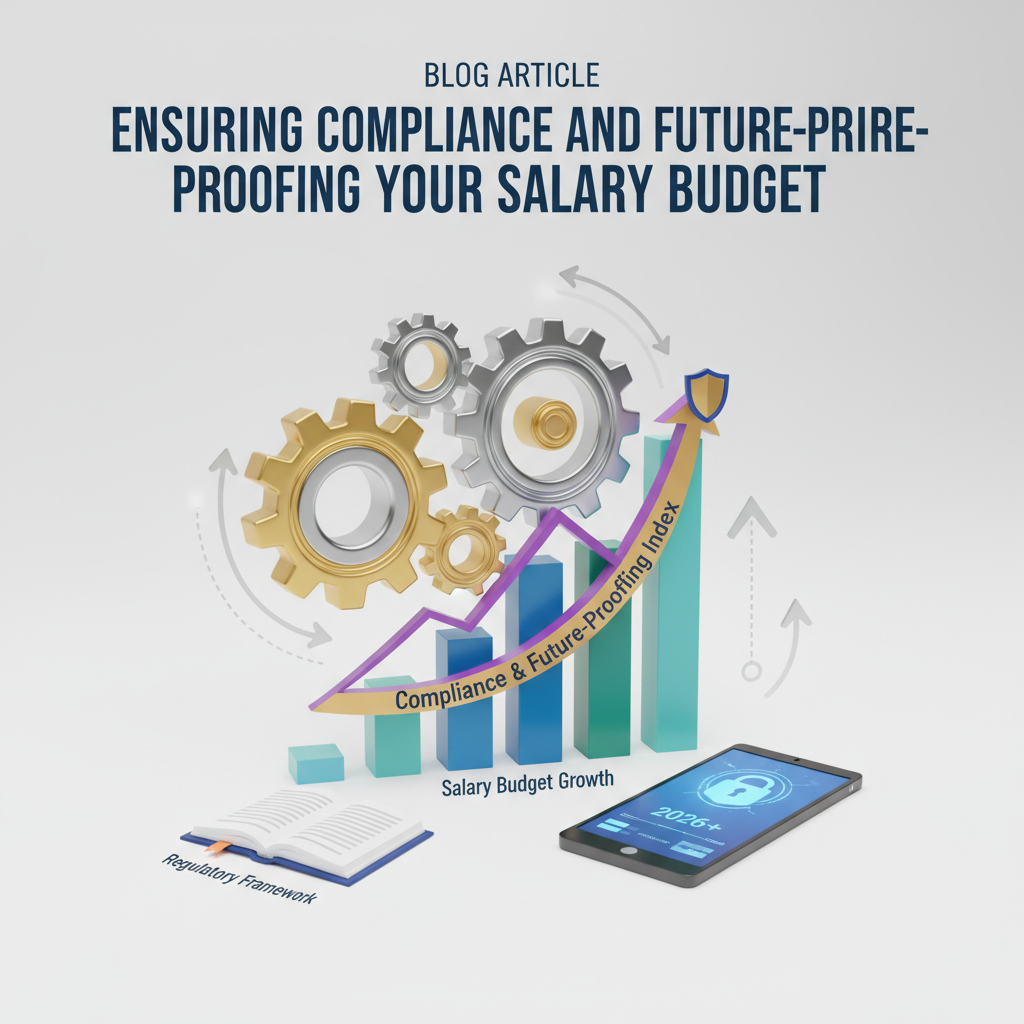
Ensuring Compliance and Future-Proofing Your Salary Budget
For Small and Medium-sized Enterprises (SMEs) in Malaysia’s vibrant fashion sector, navigating the complexities of human resources goes beyond merely attracting talent. It involves meticulously crafting Optimized Salary Budget Structures for SMEs in Fashion field in Malaysia. This strategic approach ensures not only operational efficiency but also robust legal compliance, ethical conduct, and the sustainable growth necessary to thrive in a competitive market. Future-proofing your salary budget means anticipating regulatory shifts, fostering a fair and equitable work environment, and implementing practices that support expansion without compromising financial stability. In an industry as dynamic as fashion, an agile and compliant salary framework is paramount for long-term success and resilience against economic fluctuations and talent market shifts.
1. Adhering to Malaysian Employment Act Updates
Staying abreast of the latest legal frameworks is non-negotiable for any SME, particularly regarding employee compensation and benefits. The Malaysian Employment Act 1955 (EA 1955) has undergone significant revisions, with the most recent amendments effective from January 1, 2023. These changes introduce crucial updates that directly impact salary budgeting and HR policies for fashion SMEs. Key amendments include a reduction in weekly working hours from 48 to 45, an increase in maternity leave to 98 days and paternity leave to 7 days, and new provisions for flexible working arrangements. Furthermore, the Act now explicitly prohibits discrimination in employment, emphasizing fair treatment and equal opportunities across all roles, from designers to production staff. For fashion businesses, understanding these updates is vital not only to avoid penalties but also to maintain a reputation as a responsible employer. Failure to comply can lead to fines, legal disputes, and reputational damage, all of which can severely impact a growing SME. Regular reviews of employment contracts, payroll systems, and HR policies against the backdrop of these recent amendments to the Employment Act 1955 are essential to ensure full adherence and to safeguard your business’s future.
2. Building a Scalable Salary Structure for Growth
Growth is a common aspiration for fashion SMEs in Malaysia, and an effective salary structure must be designed with scalability in mind. A static compensation model can quickly become a bottleneck as your business expands its product lines, enters new markets, or increases its workforce. Developing a scalable salary structure involves a systematic approach to job evaluation, establishing clear salary bands, and defining a compensation philosophy that aligns with your company’s values and financial capabilities. This means differentiating roles based on responsibility, skill, and market value, creating a transparent grading system. Incorporating performance-based remuneration, such as bonuses or profit-sharing schemes, can motivate employees and tie their success directly to the company’s growth. For fashion SMEs, this might include incentives for meeting sales targets, achieving design milestones, or contributing to sustainable practices. A scalable structure allows you to attract and retain specialized talent—be it experienced merchandisers, e-commerce strategists, or skilled artisans—without completely overhauling your entire compensation strategy with every new hire or departmental expansion. Ultimately, the goal is to create Optimized Salary Budget Structures for SMEs in Fashion field in Malaysia that not only support current operations but also seamlessly accommodate future growth, ensuring that your human capital strategy remains agile and effective.
3. Addressing Pay Equity and Transparency
In today’s evolving business landscape, pay equity and transparency are no longer just ethical considerations but increasingly legal and strategic imperatives. For fashion SMEs, fostering a culture of fairness and openness around compensation can significantly enhance employee morale, build trust, and strengthen your employer brand. Pay equity ensures that employees performing similar work, with similar skills and experience, receive comparable compensation, regardless of gender, age, or background. Addressing potential disparities often involves conducting internal pay audits to identify and rectify any gaps. While full pay transparency (disclosing individual salaries) might not be feasible for all SMEs, adopting transparency in pay philosophy—explaining how salaries are determined, what factors influence raises, and how performance impacts compensation—can be incredibly beneficial. This approach reduces speculation, minimizes resentment, and empowers employees to understand their career progression and earning potential within the company. For fashion businesses, where creativity and collaboration are key, a transparent and equitable pay system signals a commitment to valuing every team member. It helps attract a diverse talent pool, mitigates risks of discrimination claims, and contributes to a positive, inclusive workplace culture, all of which are crucial for sustainable budgeting and future growth in a socially conscious market.
Partner with Shelby Global
You are looking for reliable HR Sevice Suppliers? Contact Shelby Global Now! To connect with verified talents and upgrade your orginization.
—————————————
References
– Bank Negara Malaysia’s economic reports: https://www.bnm.gov.my/publications/annual-reports
– SHRM Employee Value Proposition: https://www.shrm.org/resources-and-tools/hr-topics/compensation/employee-value-proposition
– Randstad Malaysia Market Outlook & Salary Guide: https://www.randstad.com.my/hr-trends/salary-benchmarking/market-outlook-and-salary-guide-malaysia/
– Deloitte’s insights on HR and people analytics: https://www2.deloitte.com/us/en/pages/human-capital/articles/hr-and-people-analytics.html
– Employment Act 1955 (Amendment) 2022: Key Changes and Implications: https://www.skrine.com/insights/alerts/september-2022/employment-act-1955-amendments-2022