Navigating Malaysia’s F&B Job Market in 2026
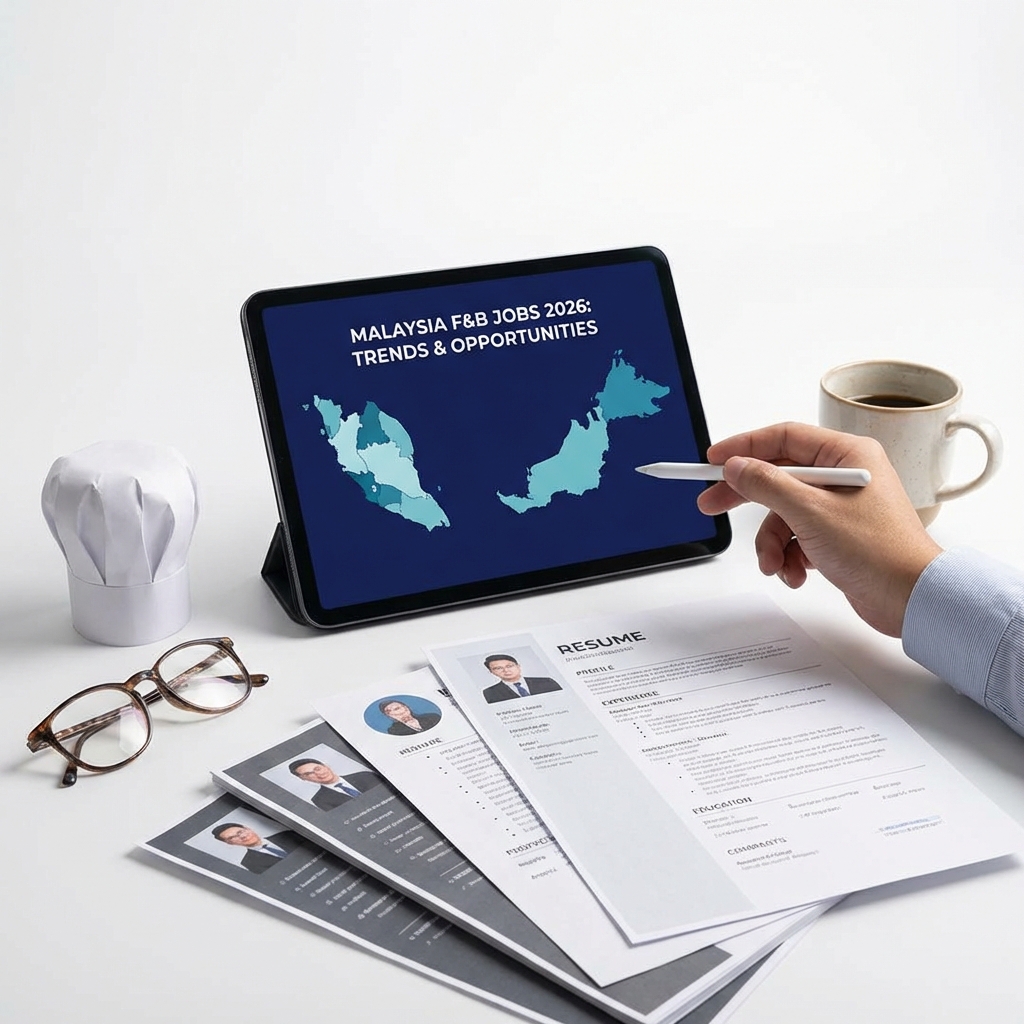
The Malaysian Food & Beverage (F&B) industry is a dynamic and essential pillar of the nation’s economy, renowned for its vibrant culinary scene and rapidly expanding hospitality sector. As we approach 2026, this sector continues to demonstrate remarkable resilience and growth, driven by increasing domestic consumption, a thriving tourism industry, and evolving consumer preferences for diverse dining experiences. From bustling hawker centers to upscale fine dining establishments and innovative food tech startups, the F&B landscape offers a wealth of career opportunities. However, for both aspiring professionals and seasoned industry veterans, understanding the compensation landscape is crucial. This comprehensive salary range report of jobs in Food & Beverage field in Malaysia for 2026 aims to demystify the earning potential within this exciting industry, providing invaluable insights for job seekers, employers, and human resource professionals looking to navigate the competitive talent market effectively.
1. Growth and Economic Impact of Malaysian F&B Sector
Malaysia’s F&B industry has consistently proven to be a robust engine for economic growth, making significant contributions to the national GDP and job creation. The sector’s expansion is not merely confined to traditional dining but extends across various segments, including food manufacturing, catering, hotel F&B job market, and burgeoning e-commerce food delivery services. Post-pandemic recovery has seen a strong resurgence in consumer confidence and spending on dining out, further fueled by a strategic focus on boosting tourism. The tourism’s impact on F&B jobs is undeniable, with government’s initiatives to promote Malaysia as a culinary destination, combined with a youthful and increasingly affluent population, continuing to drive the F&B industry growth Malaysia. This sustained momentum creates diverse job prospects Malaysia F&B, from entry-level positions to senior management roles. We’re seeing an increased demand for skilled professionals in areas like restaurant management roles, chef compensation Malaysia, and specialized roles such as patissiers and mixologists. The hospitality sector salaries are directly influenced by this vibrant growth, as establishments compete for top talent, often leading to competitive compensation packages and employee benefits F&B Malaysia. The overall F&B industry trends 2026 suggest continued innovation, particularly in sustainable practices and technological integration, further shaping career paths in food service.
2. Purpose and Scope of the 2026 Salary Report
The primary purpose of this salary range report of jobs in Food & Beverage field in Malaysia is to provide a transparent and data-driven overview of compensation across various roles and experience levels within the Malaysian F&B sector. In an industry characterized by rapid change and fierce competition for talent, having access to accurate compensation analysis Malaysia is vital for strategic decision-making. This report aims to equip job seekers with realistic salary expectations F&B, enabling them to negotiate effectively and make informed career choices. For employers, it offers critical industry salary benchmarks, helping them to structure competitive compensation packages, attract and retain high-caliber talent, and optimize their F&B recruitment insights. Our scope encompasses a wide array of F&B roles, including but not limited to, Head Chefs, Sous Chefs, Pastry Chefs, Restaurant Managers, Assistant Restaurant Managers, Bar Managers, Baristas, Servers, Bartenders, Kitchen Staff, and F&B Directors. We delve into how factors like location (urban vs. regional), type of establishment (e.g., hotel, standalone restaurant, cafe chain), and years of experience impact earning potential, providing a granular view of barista pay scale and other specialized positions. This report serves as an essential guide for anyone involved in the food and beverage employment opportunities landscape.
3. Methodology: How We Compiled Our Data
The integrity and accuracy of this salary range report of jobs in Food & Beverage field in Malaysia are paramount. Our methodology for compiling the 2026 data involved a multi-faceted approach, drawing from both quantitative and qualitative sources to ensure a robust and comprehensive compensation guide Malaysia. We began by analyzing a vast dataset of actual job postings and accepted offers from a network of leading recruitment agencies specializing in the Malaysian F&B and hospitality sector salaries. This was complemented by insights gathered through direct surveys and interviews with HR professionals, F&B managers, and industry leaders across various segments of the market. Confidential salary contributions from a diverse pool of F&B professionals at different career stages provided invaluable real-world data points. Furthermore, we cross-referenced our findings with publicly available economic reports from authoritative bodies such as the Department of Statistics Malaysia to validate broader economic trends influencing wages. Our rigorous process also included segmenting data by role, experience level, geographical location, and establishment type to provide nuanced and actionable insights. This meticulous approach ensures that the information presented in this report is reliable, current, and reflective of the actual job outlook Malaysia F&B in 2026. For a more detailed look at the F&B employment landscape, please refer to our comprehensive salary range report of jobs in Food & Beverage field in Malaysia.
Key Determinants of F&B Salaries in Malaysia
Understanding the compensation landscape within Malaysia’s vibrant Food & Beverage (F&B) sector can be complex, influenced by a myriad of factors. For anyone seeking a comprehensive salary range report of jobs in Food & Beverage field in Malaysia, it’s crucial to look beyond basic job titles and delve into the underlying determinants that shape earning potential. From entry-level service staff pay to executive culinary jobs Malaysia, salaries reflect a dynamic interplay of individual capabilities, the nature of the establishment, and geographical economics. This section unpacks these key factors, providing insights into what drives F&B compensation trends across the nation.
1. Impact of Experience, Skills, and Qualifications
The adage that experience pays holds particularly true in the F&B industry Malaysia. Entry-level positions, such as those for a barista salary Malaysia or junior kitchen staff, often align closely with the national minimum wage Malaysia. However, as professionals accumulate years of dedicated service, their value to employers significantly increases. A seasoned chef salary Malaysia, for instance, can be substantially higher than that of a commis chef, reflecting not just time served but also a broader repertoire of culinary skills and management acumen.
Specialized skills are a powerful differentiator. Expertise in specific cuisines, pastry arts, mixology, or sommelier services can command a premium, contributing to higher skill-based pay F&B. For roles like a restaurant manager salary Malaysia, leadership abilities, operational efficiency, and a proven track record in cost control and staff management are paramount. Formal qualifications, such as culinary degrees, hospitality management diplomas, or relevant certifications, also play a vital role. These credentials often accelerate career progression F&B, opening doors to more lucrative positions and managerial responsibilities within hotels or high-end restaurants. Continuous professional development F&B through workshops and advanced courses further enhances earning capacity, pushing individuals towards the upper echelons of hospitality salaries.
2. Influence of Establishment Type (e.g., Fine Dining, Casual, QSR)
The type of F&B establishment an individual works for significantly dictates their compensation. Generally, the more upscale and specialized the venue, the higher the potential earnings. Fine dining establishments, characterized by their premium service, intricate menus, and often international acclaim, typically offer the most competitive fine dining salary packages. These roles demand exceptional skill, attention to detail, and often longer hours, justifying the higher pay scales for their culinary jobs Malaysia and service staff.
In contrast, casual dining restaurants and Quick Service Restaurants (QSRs) operate on tighter margins and higher volume, leading to a different salary structure. A QSR salary for frontline staff, while often providing stable employment, may sit closer to the industry benchmarks for entry-level food service wages. However, managerial roles within large QSR chains can still offer attractive compensation due to the scale of operations and the need for strong leadership. Hotel F&B jobs also represent a distinct category, often providing comprehensive benefits packages, structured career paths, and opportunities for advancement within a larger corporate structure, which can sometimes outweigh direct salary comparisons in smaller independent outlets. The prestige and complexity associated with various establishment types directly influence the expected F&B career paths and their corresponding remuneration.
3. Geographical Differences: Urban vs. Rural Compensation
Location is a critical factor influencing F&B salaries in Malaysia, largely driven by the cost of living Malaysia and the concentration of F&B businesses. Major urban centers like Kuala Lumpur, Penang, and Johor Bahru, with their higher population density, tourist influx, and bustling commercial activity, generally offer higher compensation levels. The demand for skilled F&B professionals is greater in these areas, and employers must offer more competitive regional salary variations to attract and retain talent in a more expensive living environment. The sheer number of dining establishments, from luxury hotels to trendy cafes, creates a vibrant and competitive job market, pushing hospitality salaries upwards.
Conversely, F&B jobs in more rural or less developed regions tend to have lower salary ranges. This disparity is often a reflection of lower operating costs for businesses, reduced demand for highly specialized roles, and a generally lower cost of living. While opportunities might be fewer and salaries modest, these areas can offer a different quality of life and potentially lower living expenses. Aspiring F&B professionals researching a salary range report of jobs in Food & Beverage field in Malaysia should always consider the regional context, as the same role can have significant pay variations depending on whether it’s located in the Klang Valley or a smaller town in East Malaysia. Understanding these geographical nuances is vital for setting realistic salary expectations and making informed career decisions within the diverse Malaysian F&B landscape.
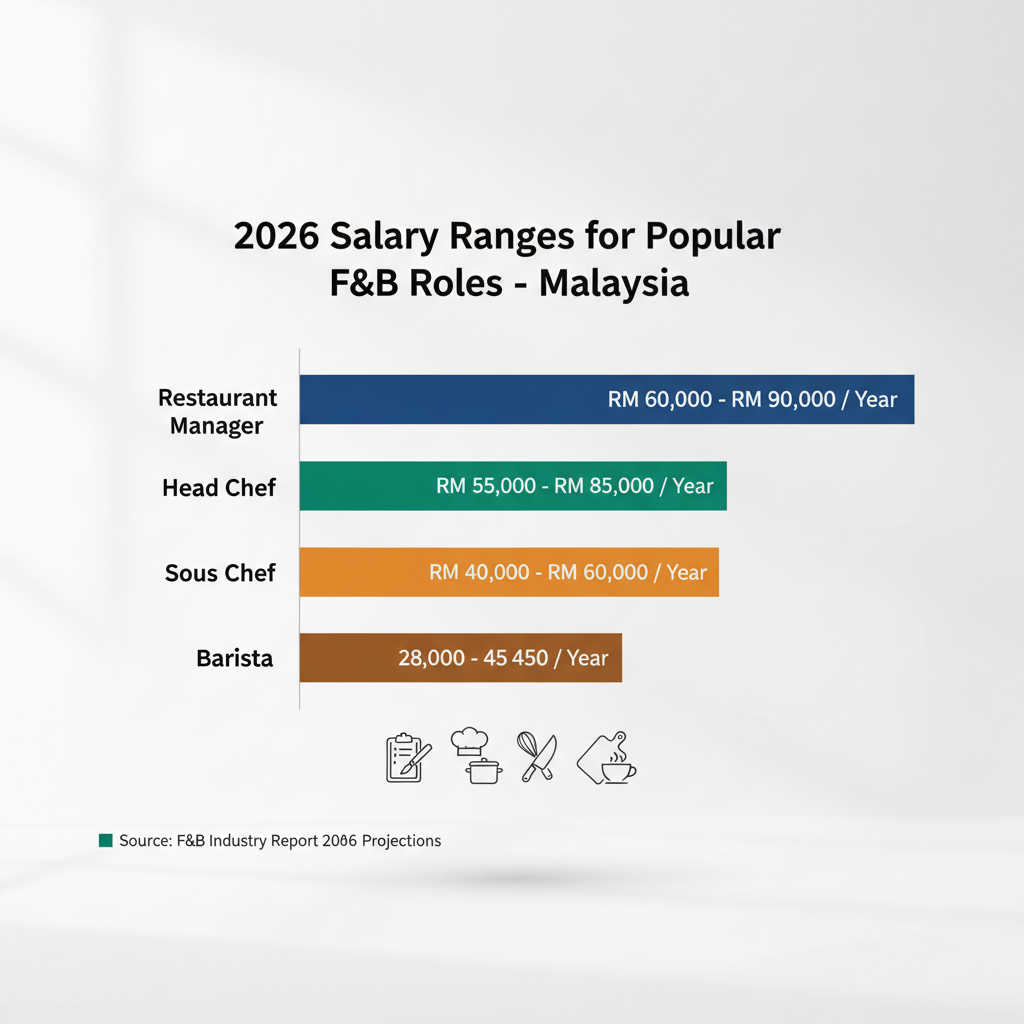
2026 Salary Ranges for Popular F&B Roles
Understanding the salary range report of jobs in Food & Beverage field in malaysia is crucial for both employers and job seekers navigating Malaysia’s dynamic culinary landscape. As we look towards 2026, the Food & Beverage (F&B) industry continues its robust recovery and evolution, influenced by shifting consumer preferences, technological integration, and a renewed focus on unique dining experiences. This detailed breakdown provides expected salary ranges for a variety of common and in-demand job positions, reflecting a blend of market demand, skill sets, and industry growth for the year 2026.
The Malaysian F&B sector is projected to experience steady growth, driven by returning tourism, a vibrant local food scene, and the expansion of modern F&B concepts. Salaries will largely be shaped by factors such as location (Kuala Lumpur, Penang, Johor Bahru typically offer higher rates), type of establishment (fine dining hotels vs. casual cafes), experience, specialized skills, and the individual’s ability to contribute to revenue and brand reputation. The figures presented here are indicative monthly basic salaries in Malaysian Ringgit (MYR), often supplemented by service charges, tips, and other benefits.
1. Entry-Level Positions (e.g., Barista, Waiter, Kitchen Helper)
Entry-level roles are the foundation of any F&B establishment, offering crucial support and frontline service. These positions are often accessible to individuals with minimal experience but require a strong work ethic, eagerness to learn, and good interpersonal skills. For 2026, with a sustained demand for service staff, these roles are expected to see a slight increase from previous years to attract and retain talent.
- Waiter/Waitress: Expected range of MYR 1,500 – MYR 2,200. This often includes a basic salary plus a share of the service charge, which can significantly boost overall earnings. Proficiency in multiple languages and exceptional customer service can command the higher end.
- Barista: Ranges from MYR 1,600 – MYR 2,400. Specialized coffee-making skills, latte art proficiency, and a good understanding of coffee origins and brewing methods are highly valued. Baristas in high-traffic, specialty coffee shops may earn more.
- Kitchen Helper: Typically MYR 1,400 – MYR 2,000. These roles are essential for kitchen operations, assisting with food preparation, cleaning, and inventory. While generally lower-paying, they offer invaluable experience and a stepping stone into culinary careers.
These roles are critical training grounds, and employers often look for individuals who demonstrate reliability and a positive attitude, providing opportunities for rapid advancement within the industry.
2. Mid-Career Roles (e.g., Sous Chef, Restaurant Supervisor, Outlet Manager)
Mid-career professionals in the F&B sector possess a blend of hands-on experience and supervisory skills, making them vital for the smooth operation and success of any outlet. These roles require leadership, problem-solving abilities, and a deeper understanding of F&B operations and management. Salaries reflect the increased responsibility and specialized expertise required.
- Sous Chef: Projected range of MYR 2,800 – MYR 5,000. A Sous Chef is second-in-command in the kitchen, responsible for daily operations, menu execution, staff supervision, and maintaining food quality and safety standards. Experience in specific cuisines (e.g., fine dining, pastry, Asian) can influence the salary ceiling.
- Restaurant Supervisor: Expect MYR 2,500 – MYR 4,000. Supervisors oversee front-of-house operations, manage staff, handle customer complaints, and ensure service standards are met. Strong communication and leadership skills are paramount.
- Outlet Manager (e.g., Cafe Manager, Restaurant Manager): Salaries can range from MYR 3,500 – MYR 5,500. This role involves comprehensive management of an outlet, including staffing, inventory, sales targets, customer satisfaction, and operational efficiency. Managers with a proven track record of increasing revenue and managing costs effectively will command higher salaries.
Candidates for these roles are often expected to have several years of relevant experience, a strong grasp of F&B best practices, and the ability to train and motivate junior staff.
3. Senior Management & Specialized Roles (e.g., Executive Chef, F&B Director)
At the pinnacle of the F&B career ladder are senior management and highly specialized roles, which demand extensive experience, strategic vision, and exceptional leadership capabilities. These professionals are instrumental in shaping an establishment’s brand, financial performance, and overall culinary direction. Their salaries reflect the significant impact they have on the business.
- Executive Chef: Ranges from MYR 6,000 – MYR 12,000+. An Executive Chef is responsible for all kitchen operations, menu development, cost control, staff hiring and training, and maintaining the culinary vision of the establishment. Those leading multiple outlets or working in prestigious hotels/fine dining restaurants can earn substantially more, often with performance bonuses.
- Food & Beverage Director: Typically MYR 8,000 – MYR 15,000+. The F&B Director oversees all aspects of an organization’s food and beverage operations, including restaurants, bars, banqueting, and room service. This strategic role involves financial planning, marketing, supplier relations, and ensuring guest satisfaction across all F&B outlets. Exceptional leadership, business acumen, and a deep understanding of market trends are essential.
- Specialized Roles (e.g., Head Sommelier, Mixologist, Pastry Chef): While highly variable, these specialized positions can command salaries ranging from MYR 3,000 – MYR 8,000+, depending on expertise, reputation, and the establishment. Master sommeliers or award-winning mixologists, for instance, are highly sought after.
These top-tier roles often come with additional benefits like performance bonuses, health coverage, and sometimes even profit-sharing schemes, reflecting the high level of responsibility and contribution to the organization’s success. For more comprehensive insights into the broader Malaysian labor market trends, including the F&B sector, referring to recent Kelly Services Malaysia Salary Guide can provide a valuable benchmark for projecting 2026 salaries.
Regional Variances & Emerging F&B Trends
Understanding the intricate landscape of the Malaysian Food & Beverage (F&B) industry requires more than just a glance at national averages. A comprehensive salary range report of jobs in Food & Beverage field in malaysia reveals significant regional variances and dynamic shifts driven by emerging industry trends. From bustling urban centers to serene tourist hotspots, F&B salaries fluctuate, influenced by local economies, cost of living, and the concentration of high-end establishments. Furthermore, the industry is undergoing a profound transformation, with digitalization and new culinary demands reshaping job roles and remuneration structures across the nation.
-
Salary Comparison: Klang Valley vs. Northern & Southern Regions
The F&B sector in Malaysia showcases notable disparities in salary structures, primarily between the economic powerhouse of Klang Valley (encompassing Kuala Lumpur and Selangor) and other key regions like the Northern states (Penang, Kedah) and Southern states (Johor, Malacca). Generally, F&B salary Malaysia is highest in Klang Valley. This is primarily due to the higher cost of living, the concentration of multinational corporations, luxury hotels, and fine dining establishments, which demand premium talent and offer more competitive compensation packages for roles such as executive chefs, restaurant managers, and marketing directors. Klang Valley F&B jobs typically command a 15-25% higher salary compared to similar roles elsewhere, with a seasoned chef salary Malaysia in a high-end KL restaurant potentially reaching well into five figures monthly.
In contrast, the Northern Malaysia F&B sector, particularly in Penang, thrives on its vibrant street food culture and burgeoning cafe scene, while Johor Bahru in the Southern Malaysia F&B region benefits from its proximity to Singapore. While salaries in these regions might be slightly lower, the cost of living is also more affordable. Roles like a restaurant manager salary Malaysia in these areas remain competitive, especially for establishments catering to tourists or a discerning local clientele. The demand for skilled baristas, pastry chefs, and service staff is robust, though the upper echelons of management might not see the same pay scale as their Klang Valley counterparts. These regional F&B salaries reflect a dynamic balance between talent supply, operational costs, and local market demand.
-
Influence of Tourism and Hospitality Sector Recovery
The post-pandemic recovery of Malaysia’s tourism and hospitality sector has been a significant catalyst for growth in the F&B industry, directly influencing job availability and pay scales. With borders reopened and international tourists returning, there’s been a surge in demand for skilled personnel across all F&B segments. The hospitality sector recovery Malaysia has led to increased investment in hotels, resorts, and integrated F&B concepts, creating numerous F&B employment trends for chefs, service staff, bartenders, and management roles. This renewed vigor has pushed salaries upwards in tourist-heavy states like Penang, Langkawi, and Sabah, where the Malaysia tourism impact F&B is most pronounced.
The Department of Statistics Malaysia (DOSM) highlights the positive trajectory of the services sector, including F&B, underscoring the vital role of tourism in economic recovery. This tourism growth F&B jobs phenomenon has also led to a greater emphasis on quality and specialized culinary experiences, commanding better pay for those with niche skills. The rebound isn’t just about volume; it’s about elevating the entire dining experience, which translates into better opportunities and increased pay for dedicated professionals in the hotel F&B salary segment and beyond. For up-to-date insights on the sector’s performance, refer to official statistics such as the Statistics of Services, Fourth Quarter 2023, by the Department of Statistics Malaysia.
-
Impact of Digitalization and Sustainability on F&B Roles
Two transformative forces shaping the future of F&B jobs and compensation are digitalization and sustainability. The widespread adoption of technology, driven by the pandemic, has fundamentally altered operational models. F&B digitalization Malaysia is evident in the proliferation of online ordering platforms, food delivery services, and sophisticated point-of-sale (POS) systems. This has created new food tech F&B roles, such as digital marketing specialists, e-commerce managers, and data analysts who can leverage consumer insights. The rise of cloud kitchen jobs Malaysia exemplifies this shift, requiring a different set of skills focused on efficiency, logistics, and online brand presence.
Simultaneously, the growing consumer demand for ethical and environmentally friendly practices is driving the adoption of sustainable F&B practices. This trend impacts menu development, sourcing, and waste management. Concepts like plant-based menu trends are gaining traction, leading to increased demand for chefs specialized in vegan and vegetarian cuisine. Roles focused on sustainability, such as procurement specialists with expertise in ethical sourcing or waste reduction managers, are emerging. These F&B industry trends Malaysia suggest that future F&B professionals with a strong grasp of technology, data analytics, and sustainable practices will be highly valued, commanding premium salaries as the industry evolves to meet new consumer expectations and operational efficiencies. These are indeed the future F&B jobs that will shape the sector.
Strategies to Boost Your F&B Earnings in Malaysia
The vibrant and ever-evolving Food & Beverage (F&B) sector in Malaysia presents both challenges and unparalleled opportunities for professionals seeking career growth and higher earning potential. From bustling hawker centres to high-end dining, the Malaysian F&B landscape is dynamic, demanding a blend of traditional expertise and modern adaptability. To truly excel and boost your F&B earnings in this competitive market, a strategic approach encompassing continuous learning, shrewd negotiation, and foresight into future skills is paramount. Understanding the nuances of the industry and actively pursuing avenues for professional development will not only enhance your career trajectory but also significantly impact your financial rewards, including opportunities in restaurant management salary Malaysia and hotel F&B manager salary.
The Malaysian economic resilience continues to foster a fertile ground for the hospitality sector, making it an opportune time for F&B professionals to invest in their growth. This section provides actionable advice to help you navigate the industry, enhance your skills, and ultimately secure a more lucrative position within the Food & Beverage field.
1. Importance of Continuous Learning and Certifications
In a rapidly innovating industry, standing still is akin to moving backward. Continuous learning and acquiring relevant hospitality certifications Malaysia are crucial for career advancement F&B and maximizing your earning potential. Beyond foundational culinary skills development, consider specialized training in areas such as food safety (e.g., HACCP certifications), advanced culinary techniques, sommelier courses, or hospitality management. These certifications not only validate your expertise but also signal to employers your commitment to professional excellence and adherence to international standards. For instance, a certified Food Safety Manager can command a higher salary due to their critical role in ensuring compliance and protecting brand reputation.
Furthermore, staying abreast of global food service industry trends, dietary preferences, and sustainable F&B practices is vital. Participating in workshops, industry seminars, and online courses can broaden your perspective and equip you with the knowledge to innovate menus, optimize operations, and enhance customer experience F&B. This proactive approach to upskilling F&B professionals positions you as a valuable asset, ready to tackle complex challenges and drive business success, thereby directly influencing your salary and opportunities for F&B career growth Malaysia. Investing in yourself through education is the most direct path to increasing your market value and securing higher chef salary Malaysia and other F&B roles.
2. Effective Salary Negotiation Tactics and Benchmarking
Knowing your worth is the first step towards achieving it. Effective salary negotiation tactics are indispensable for F&B professionals. Before entering any negotiation, thorough research is essential. Utilise resources like the internal link to access a comprehensive salary range report of jobs in Food & Beverage field in Malaysia. This report provides valuable benchmarks, helping you understand typical compensation packages for various roles, from junior staff to senior management. This data empowers you to set realistic yet ambitious salary expectations and articulate your value based on market rates.
When negotiating, highlight your achievements, skills, and how they directly contribute to the employer’s success. Quantify your accomplishments whenever possible (e.g., “reduced food waste by 15%,” “increased customer satisfaction ratings by 10%”). Be prepared to discuss not just the base salary but also benefits such as bonuses, health insurance, professional development allowances, and opportunities for career progression. Practicing your pitch and remaining confident yet flexible are key negotiating F&B salaries successfully. Understanding the competitive landscape and what other professionals with similar experience and qualifications are earning is a powerful tool to ensure you are fairly compensated and unlock your full earning potential F&B Malaysia.
3. Future Outlook: In-Demand Skills for F&B Professionals
The F&B industry is continually evolving, driven by technological advancements and shifting consumer demands. To secure your future and maximize your earning potential, focus on developing in-demand skills that align with the industry’s trajectory. Digital transformation F&B is no longer optional; proficiency in POS systems, online ordering platforms, inventory management software, and data analytics for menu engineering are becoming standard requirements. These technological skills allow for greater efficiency, better decision-making, and enhanced operational control.
Beyond technology, strong leadership, team management, and problem-solving abilities remain crucial. With the growing emphasis on sustainability, expertise in managing supply chains ethically, minimizing environmental impact, and implementing sustainable F&B practices will be highly valued. Furthermore, exceptional customer experience F&B design, including personalized service and effective feedback management, is paramount in differentiating establishments. Developing these multifaceted skills – from digital marketing for F&B to advanced culinary techniques and strategic business acumen – will ensure you remain competitive, adaptable, and highly sought after, paving the way for significant F&B career growth Malaysia and higher salaries in the years to come. Embracing these evolving requirements will set you apart and position you as a leader in the Malaysian F&B sector.
Partner with Shelby Global
You are looking for reliable HR Sevice Suppliers? Contact Shelby Global Now! To connect with verified talents and upgrade your orginization.
—————————————
References
– Department of Statistics Malaysia: https://www.dosm.gov.my/
– Randstad Malaysia Salary Guide: https://www.randstad.com.my/hr-resources/salary-information/salary-guide/
– Kelly Services Malaysia Salary Guide 2023: https://www.kellyservices.com.my/uploadedFiles/Jobseekers_Resources/MY_Salary_Guide_2023.pdf
– Statistics of Services, Fourth Quarter 2023 (including F&B services): https://www.dosm.gov.my/portal-main/release-content/statistics-of-services-quarter-4-2023
– World Bank Malaysia Economic Monitor: https://www.worldbank.org/en/country/malaysia/publication/malaysia-economic-monitor