Understanding the Unique HR Landscape for IT in Singapore
Singapore, a global hub for technological innovation and digital transformation, presents a vibrant yet complex HR landscape for its burgeoning IT sector. The city-state’s strategic location, pro-business policies, and highly skilled workforce attract numerous multinational tech giants and innovative startups alike. However, this dynamic environment also brings specific challenges and unique opportunities for Human Resources professionals, particularly when it comes to the adoption and effective use of HR tools – applications for IT field in singapore. Optimizing HR operations with advanced software is no longer a luxury but a strategic imperative to navigate the intricacies of this competitive market and foster a thriving tech workforce.
HR teams in Singapore’s IT domain must contend with fierce competition for talent, evolving regulatory frameworks, and a diverse, multicultural workforce. These factors necessitate a proactive and technology-driven approach to recruitment, retention, compliance, and employee experience. Understanding these unique facets is crucial for any organization looking to thrive and for HR leaders seeking to implement the most effective HR solutions.

1. Singapore’s Tech Talent Shortage & Competition
One of the most pressing challenges for HR in Singapore’s IT sector is the acute tech talent shortage and the ensuing fierce competition for skilled professionals. Despite Singapore’s robust education system and government initiatives like the TechSkills Accelerator (TeSA), the demand for specialized IT roles—such as AI engineers, cybersecurity experts, data scientists, and cloud architects—often outstrips supply. This creates a highly candidate-driven market where companies must aggressively compete on salaries, benefits, and workplace culture to attract and retain top talent.
For HR, this translates into a need for highly efficient and intelligent tech talent acquisition strategies. Advanced HR tools, including Applicant Tracking Systems (ATS) with AI-powered matching, recruitment marketing platforms, and sophisticated onboarding solutions, become indispensable. These tools streamline the hiring process, enhance candidate experience, and allow HR teams to focus on strategic sourcing rather than administrative tasks. Furthermore, effective employee retention strategies are vital. Performance management software, engagement platforms, and continuous learning modules embedded within HR systems help monitor employee sentiment, identify potential flight risks, and foster an environment of growth and recognition, thereby boosting loyalty in a competitive market.
2. Regulatory Compliance and Employment Laws
Navigating Singapore’s comprehensive and ever-evolving regulatory landscape is another critical responsibility for HR in the IT sector. The Ministry of Manpower (MOM) oversees a wide array of Singapore employment law, including the Employment Act, foreign workforce regulations, Central Provident Fund (CPF) contributions, and fair employment practices like the Tripartite Guidelines on Fair Employment Practices (TGFEP). Compliance is not merely about avoiding penalties; it’s about upholding ethical standards and maintaining a reputable employer brand.
HR teams must ensure strict adherence to regulations concerning working hours, leave entitlements, compensation, termination procedures, and the hiring of foreign talent, which often involves complex visa and work pass applications. Without robust compliance management tools, manual processes can lead to errors, inefficiencies, and significant legal risks. Integrated HR Information Systems (HRIS) that incorporate local regulatory updates, automate payroll calculations, manage leave accruals, and maintain accurate employee records are crucial. These HR tools – applications for IT field in singapore minimize compliance risks, free up HR bandwidth for strategic initiatives, and provide transparency in all employment-related matters.
3. Cultural Nuances in IT Workforce Management
Singapore’s IT workforce is remarkably diverse, comprising local talent alongside a significant expatriate population from various countries. This multicultural environment, while enriching, introduces unique cultural nuances that HR must skillfully manage. Expectations regarding communication styles, hierarchy, work-life balance, and career progression can vary significantly across different cultural backgrounds. Successful global talent management requires an understanding of these differences to foster an inclusive and productive workplace.
HR professionals need to develop strategies that promote diversity, equity, and inclusion (DEI), ensure clear cross-cultural communication, and tailor employee engagement initiatives to resonate with a varied workforce. HR analytics for IT can provide insights into workforce demographics, engagement levels, and training needs, helping HR develop data-driven strategies. Furthermore, HR tools that facilitate flexible work arrangements, provide multilingual support, and offer customized learning and development paths can significantly enhance the employee experience for this diverse IT talent pool. By leveraging these applications, HR can create a harmonious environment where all employees feel valued, understood, and motivated, regardless of their cultural origin.
In conclusion, the unique HR landscape for IT in Singapore demands a sophisticated, strategic, and tech-enabled approach. From tackling the talent shortage and ensuring regulatory compliance to managing cultural nuances, the effective adoption of advanced HR tools is paramount. These applications empower HR professionals to move beyond administrative duties and become strategic partners, driving organizational success in Singapore’s dynamic and competitive IT sector.
Essential HR Tools for Streamlined Recruitment & Onboarding
In Singapore’s dynamic and competitive technology landscape, attracting and retaining top tech talent is paramount for IT companies aiming for growth and innovation. The war for skilled professionals is fierce, making efficient and effective HR processes not just an advantage, but a necessity. This section delves into critical HR tools – applications for IT field in singapore that empower organizations to streamline their recruitment lifecycle, from initial candidate attraction and rigorous vetting to seamless integration of new hires, ultimately enhancing their overall talent acquisition strategy and ensuring a superior HR tools – applications for IT field in singapore experience.
1. Applicant Tracking Systems (ATS) for Tech Roles
For IT companies dealing with a high volume of specialized applications, a robust Applicant Tracking System (ATS) is the backbone of efficient recruitment. An ATS acts as a centralized database, allowing recruiters to manage job postings, track applications, screen resumes, and communicate with candidates all within a single platform. Specifically tailored for tech roles, these systems are adept at parsing complex resumes filled with jargon, identifying key skills (e.g., Python, AWS, Docker, AI/ML frameworks), and matching them against job requirements with precision. This is particularly vital in Singapore, where companies often seek candidates with very specific, in-demand technical proficiencies.
Beyond basic tracking, modern ATS platforms for IT recruitment software integrate features like automated interview scheduling, customizable workflows, and compliance reporting, which are crucial for navigating Singapore’s employment regulations. By automating repetitive tasks, an ATS frees up HR teams and hiring managers to focus on more strategic aspects, such as candidate engagement and building strong relationships with potential hires. This not only significantly reduces time-to-hire but also ensures a consistent and fair candidate experience, which is key to attracting and securing top tech talent acquisition Singapore in a competitive market.
2. AI-Powered Candidate Sourcing & Screening
Moving beyond reactive application processing, AI-powered tools are revolutionizing how IT companies in Singapore source and screen candidates. These sophisticated HR tech solutions Singapore leverage artificial intelligence and machine learning to proactively identify suitable candidates from vast talent pools, including passive candidates who may not be actively looking but possess desirable skills. AI algorithms can analyze publicly available data (e.g., LinkedIn profiles, GitHub repositories, professional forums) to identify individuals with the right technical skills, experience, and even cultural fit indicators.
For screening, AI tools go beyond keyword matching, employing natural language processing (NLP) to understand the context and nuances of resumes and cover letters. They can conduct initial assessments, evaluate technical skills through coding challenges or simulations, and even help mitigate unconscious bias by focusing purely on qualifications and performance metrics. This accelerated and objective screening process is invaluable for IT recruitment, allowing companies to quickly narrow down large applicant pools to the most qualified candidates, significantly improving efficiency and the quality of hires. These platforms are becoming indispensable candidate experience platforms by speeding up the initial stages and ensuring relevant matches.
3. Digital Onboarding Platforms for Remote IT Hires
As remote and hybrid work models become standard, especially for global tech talent acquisition Singapore, digital onboarding platforms are essential for seamlessly integrating new IT hires. For companies hiring internationally or regionally into Singapore, these platforms are critical for managing the complexities of immigration, work passes, compliance, and IT setup. A comprehensive digital onboarding solution automates the mountains of paperwork, from employment contracts and non-disclosure agreements to tax forms and benefits enrollment, ensuring all legal and company requirements are met efficiently and accurately, reducing the administrative burden on HR teams.
More than just paperwork, these remote onboarding tools facilitate a positive and engaging start for new employees. They can provide virtual tours of the company, introduce new hires to their teams, schedule initial training sessions, and coordinate the setup of essential IT equipment and software access—all before their first day. This proactive approach ensures new IT professionals feel supported and integrated from day one, accelerating their time-to-productivity and fostering a stronger sense of belonging. In an industry where talent retention is as crucial as acquisition, a well-executed digital onboarding experience is a powerful tool for employee engagement and long-term success, making these critical HR tools – applications for IT field in singapore for any forward-thinking tech company.
By strategically implementing these essential HR tools – from advanced ATS and AI-powered sourcing to robust digital onboarding platforms – IT companies in Singapore can not only streamline their recruitment and onboarding processes but also gain a significant competitive edge in attracting, vetting, and seamlessly integrating the top tech talent vital for their future success.
Optimizing Performance Management & Employee Engagement
Explore HR tools designed to foster a high-performance culture and keep IT professionals engaged, motivated, and continuously developing.
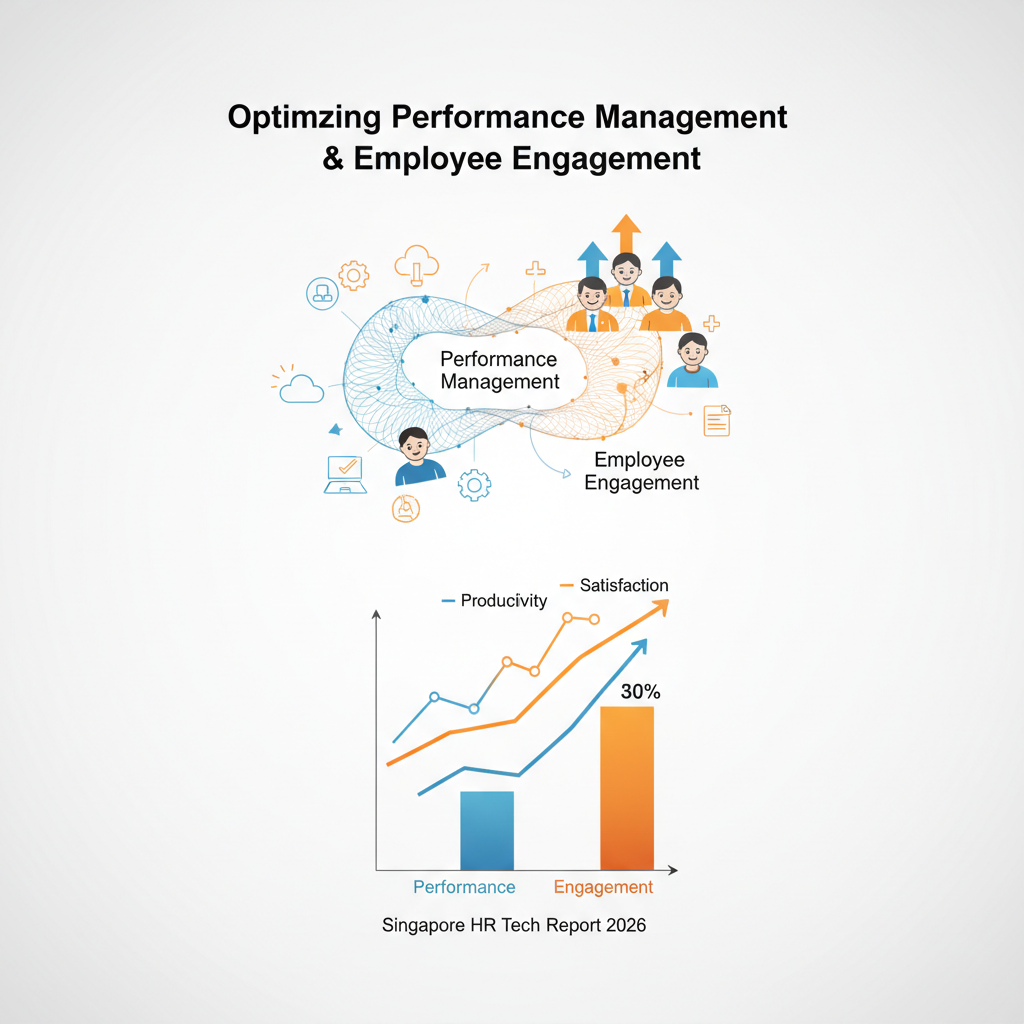
The competitive landscape for IT talent in Singapore demands a strategic approach to nurturing growth, recognizing contributions, and ensuring a fulfilling work environment. Modern HR tools – applications for IT field in Singapore are pivotal. By integrating advanced platforms, organizations can streamline performance management, boost employee engagement, and cultivate continuous development, directly impacting productivity and retention in the fast-paced tech sector. These innovative HR tools empower IT leaders and HR to proactively address employee needs and aspirations.
1. Continuous Performance Feedback Platforms
For IT professionals in agile environments, continuous feedback is essential. HR tools like continuous performance feedback platforms facilitate regular, real-time discussions. These allow for instant recognition, constructive feedback, and alignment on evolving project goals. This iterative approach helps IT teams stay agile, adapt quickly, and course-correct efficiently.
In Singapore’s dynamic tech industry, immediate feedback loops ensure IT professionals receive timely insights, refining skills and enhancing contributions. These HR tools applications for IT field in Singapore promote transparency and open communication, reducing anxiety from traditional annual reviews. Focusing on ongoing development, organizations foster a proactive culture where feedback drives continuous improvement. Research by authoritative sources like SHRM highlights that organizations leveraging continuous feedback see significant improvements in employee engagement and performance outcomes. For more details on this, you can refer to SHRM’s insights on continuous performance management.
2. Employee Engagement & Pulse Survey Tools
Keeping IT professionals engaged is crucial for retention and innovation. High-performing IT teams have a strong sense of purpose and growth opportunities. HR tools for employee engagement and pulse surveys provide invaluable insights into workforce morale and satisfaction. Unlike lengthy annual surveys, pulse surveys are short, frequent check-ins that quickly gauge sentiment on topics like workload or team dynamics.
These HR tools – applications for IT field in Singapore enable organizations to identify potential issues early, such as burnout or dissatisfaction, before attrition. By collecting anonymous feedback, companies show IT professionals their voices are heard. Actionable data allows HR and management to implement targeted interventions, adjusting policies or providing new training. A highly engaged IT workforce is more productive, innovative, and likely to remain with the company long-term, reducing significant talent turnover costs in Singapore’s competitive tech market.
3. Skills Matrix and Learning & Development Platforms
The technology landscape evolves rapidly, making continuous learning vital for IT professionals. HR tools incorporating a robust skills matrix alongside integrated learning and development (L&D) platforms are essential. A skills matrix visually represents current capabilities, identifying strengths and critical skill gaps. This clarity aids strategic planning for future projects and proactive upskilling.
Coupled with L&D platforms, these HR tools applications for IT field in Singapore offer personalized learning paths tailored to individual career goals and organizational needs. Whether mastering new programming languages or understanding cloud infrastructure, platforms provide access to vast resources: online courses, certifications, mentorship. For IT professionals, clear development paths and accessible learning are strong motivators, showing commitment to their growth. By empowering employees to continuously enhance skills, companies boost individual performance and build a resilient, adaptable IT department. These comprehensive HR tech solutions are indispensable for talent development and retention in Singapore’s demanding tech ecosystem. To explore more about these integrated HR tools applications for IT field in Singapore, visit our resource page.
By strategically implementing these advanced HR tools – applications for IT field in Singapore, organizations can move beyond traditional HR functions. They can create an environment where IT professionals are empowered, fostering continuous feedback, open communication, and personalized development. These tools are instrumental in building a resilient, high-performing, and engaged IT workforce capable of driving innovation and sustained success in Singapore’s vibrant tech industry.
HR Analytics and Workforce Planning for IT Growth
The rapid evolution of the IT landscape in Singapore presents unique challenges and opportunities for human resources. To navigate this dynamic environment, strategic HR decisions must be data-driven, enabling proactive workforce planning. This requires leveraging advanced HR tools – applications for IT field in singapore that provide deep insights into talent acquisition, skill gap analysis, and employee engagement. By embracing digital HR platforms and predictive analytics, organizations can optimize their talent strategies, ensuring they have the right people with the right skills at the right time to fuel IT growth.
1. HR Information Systems (HRIS) for IT Data
At the core of any robust HR analytics strategy lies a comprehensive HR Information System (HRIS). For IT companies in Singapore, an advanced HRIS acts as the central repository for all employee data, from onboarding and compensation to performance management and training records. These digital HR platforms are foundational for creating a single source of truth, automating routine administrative tasks, and ensuring compliance with local regulations. Beyond mere record-keeping, a modern HRIS provides powerful reporting capabilities, allowing HR teams to extract crucial insights into workforce demographics, tenure, and compensation trends. This data forms the bedrock for sophisticated analytics, enabling data-driven HR decisions in areas like identifying hiring needs for specific tech roles, managing global IT teams, and initiating targeted talent acquisition efforts. By consolidating diverse data points, an HRIS empowers organizations to move beyond reactive HR to a more strategic, insight-led approach essential for scaling IT operations effectively.
2. Predictive Analytics for Talent Retention
Retaining top IT talent is paramount in Singapore’s competitive tech ecosystem. Predictive analytics tools leverage historical HR data, alongside operational and external market data, to forecast future HR outcomes such as employee turnover, performance trends, and future skill requirements. By employing machine learning algorithms, these tools can identify “flight risks” – employees who are statistically more likely to leave the organization – allowing HR to intervene proactively with tailored retention strategies. This might involve customized professional development plans, mentorship programs, or adjusting compensation and benefits. Furthermore, predictive analytics can pinpoint factors contributing to high employee engagement and satisfaction within IT departments, enabling organizations to replicate successful strategies across the board. The ability to anticipate and mitigate talent loss significantly reduces recruitment costs and maintains operational continuity, proving why HR analytics is so important for strategic decision-making and fostering a stable, high-performing IT workforce.
3. Workforce Planning & Succession Management Tools
Proactive workforce planning and robust succession management are critical for IT companies aiming for sustainable growth and resilience. Specialized tools in this domain enable organizations to project future talent needs based on business strategy, market trends, and technological advancements. This includes conducting thorough skill gap analysis to identify discrepancies between current workforce capabilities and future requirements for emerging technologies like AI, cybersecurity, or cloud computing. These platforms facilitate scenario planning, helping HR and leadership model the impact of different growth trajectories or market shifts on talent demand and supply. For instance, they can forecast the number of data scientists or full-stack developers needed in the next 3-5 years. Simultaneously, succession management features identify and develop internal talent for critical IT leadership roles, creating clear career paths and reducing reliance on external talent acquisition for senior positions. By integrating with performance data and learning management systems, these tools ensure continuous development and strategic talent deployment, safeguarding the organization’s future in a dynamic IT landscape through comprehensive data-driven HR planning.
Future Trends: AI, Automation, and Integrated HR Platforms
In Singapore’s competitive IT landscape, strategic HR technology adoption is a necessity. The evolution of HR tools – applications for IT field in singapore will profoundly shape human resource management. This section explores emerging HR technology trends, influencing HR tool adoption and best practices for IT companies in Singapore, fostering innovation, efficiency, and an engaging employee experience.

1. AI in HR: From Chatbots to Predictive Resourcing
Artificial Intelligence (AI) is rapidly transforming HR, moving beyond simple chatbots to sophisticated predictive analytics crucial for talent management in Singapore’s IT sector. For IT companies, where talent acquisition and retention are critical, AI-powered HR tools will become indispensable. AI algorithms can analyze data to predict future talent needs, identify skill gaps, and suggest personalized learning paths for upskilling. This predictive resourcing capability ensures IT firms anticipate market shifts, securing the right talent for emerging technologies like cybersecurity, cloud computing, and AI development.
Beyond resourcing, AI enhances recruitment by automating resume screening, identifying best-fit candidates through advanced analysis, and conducting initial interviews. AI-driven platforms also personalize employee experiences, from tailored onboarding to customized benefits, significantly boosting engagement and reducing attrition—a major concern in high-demand IT roles. AI can monitor employee sentiment, alerting HR to potential issues, fostering a proactive and supportive work environment essential for the innovation-driven IT industry.
2. Low-Code/No-Code HR Workflow Automation
The demand for agility and efficiency in HR drives the rise of low-code/no-code (LCNC) platforms. These intuitive HR tools empower HR professionals to design, build, and deploy automated workflows and applications rapidly, often without extensive technical backgrounds. For IT companies in Singapore, LCNC solutions offer a significant advantage, reducing reliance on stretched IT departments for custom development. This allows HR teams to quickly adapt to changing business needs, streamline repetitive administrative tasks, and improve service delivery.
LCNC platforms can automate complex HR processes like new hire onboarding, performance review cycles, leave requests, or employee feedback loops. HR can create custom forms, integrate with existing systems, set up approval workflows, and send automated notifications with minimal coding. This frees up HR personnel to focus on strategic initiatives like talent development and culture building, while ensuring consistent and efficient employee experiences. The ability to rapidly prototype and deploy solutions means HR can iterate quickly, refining processes based on feedback—an agile approach vital for the fast-paced IT industry.
3. All-in-One HR Suites vs. Best-of-Breed Solutions
The debate between comprehensive, all-in-one HR suites and integrating multiple best-of-breed (BoB) solutions continues. All-in-one suites offer a single vendor, unified data, and seamless integration across modules like payroll, HRIS, talent management, and benefits. This appeals to companies seeking simplicity, centralized data management, and consistent user experience. For growing IT companies, a well-implemented suite provides a scalable foundation for HR operations, reducing integration headaches and offering a holistic workforce view.
Conversely, best-of-breed solutions allow companies to select highly specialized HR tools that excel in specific functions, such as advanced analytics or niche recruitment software. While offering flexibility and access to industry-leading features, this often brings complex integration and data silo challenges. The trend, however, leans towards hybrid models and robust integration platforms that allow BoB solutions to communicate more effectively. For Singaporean IT firms, the decision depends on specific needs, budget, and integration appetite. Smaller startups might prefer BoB for specialized needs, while larger firms may favor the stability of an integrated suite. Regardless, the future demands interoperability and data fluidity to maximize value from any HR tools – applications for IT field in singapore adopted.
The future of HR technology in Singapore’s IT sector promises intelligent, agile, and integrated solutions. Embracing these trends will streamline operations and empower HR as a strategic partner, driving innovation and fostering a thriving workforce in a constantly evolving digital economy.
Partner with Shelby Global
You are looking for reliable HR Sevice Suppliers? Contact Shelby Global Now! To connect with verified talents and upgrade your orginization.
—————————————
References
– :
– Why an Applicant Tracking System is Essential for Every Business: https://www.shrm.org/resources-and-tools/hr-topics/technology/pages/why-an-applicant-tracking-system-is-essential-for-every-business.aspx
– SHRM’s insights on continuous performance management: https://www.shrm.org/resources-and-tools/hr-topics/talent-acquisition/pages/performance-management-strategies.aspx
– Why HR Analytics Is So Important: https://www.shrm.org/resources-and-tools/hr-topics/technology/pages/why-hr-analytics-is-so-important.aspx
– What AI Can Do for HR – Harvard Business Review: https://hbr.org/2023/12/what-ai-can-do-for-hr