Navigating Singapore’s IT Job Market in 2026: An Overview
Singapore, a global economic powerhouse, continues to solidify its position as a vibrant hub for technology and innovation within Southeast Asia. As we delve into 2026, the nation’s IT industry is characterized by unprecedented growth, driven by aggressive digital transformation initiatives across all sectors, robust government support, and a burgeoning ecosystem of startups and multinational corporations. Understanding the nuances of this dynamic landscape is crucial for both aspiring and experienced professionals seeking opportunities, as well as for employers striving to attract and retain top talent. This comprehensive salary range report of jobs in IT field in Singapore serves as an indispensable guide, offering critical insights into compensation trends, demand for specific skills, and the overall trajectory of the IT job market in the Lion City.
The consistent expansion of Singapore’s digital economy is reshaping talent requirements and compensation structures, making timely and accurate data more vital than ever. From emerging technologies like AI and blockchain to established domains in cybersecurity and cloud computing, the demand for specialized IT talent Singapore remains exceptionally high. This report aims to equip professionals with the knowledge needed to negotiate competitive salaries and plan their career trajectories, while providing employers with benchmarks for attractive remuneration packages, crucial for effective talent attraction Singapore and fostering a thriving workforce. We explore key growth drivers, delve into the methodology behind our findings, and examine the broader macro trends impacting tech compensation in the region.
1. Why Singapore Remains an IT Talent Hub
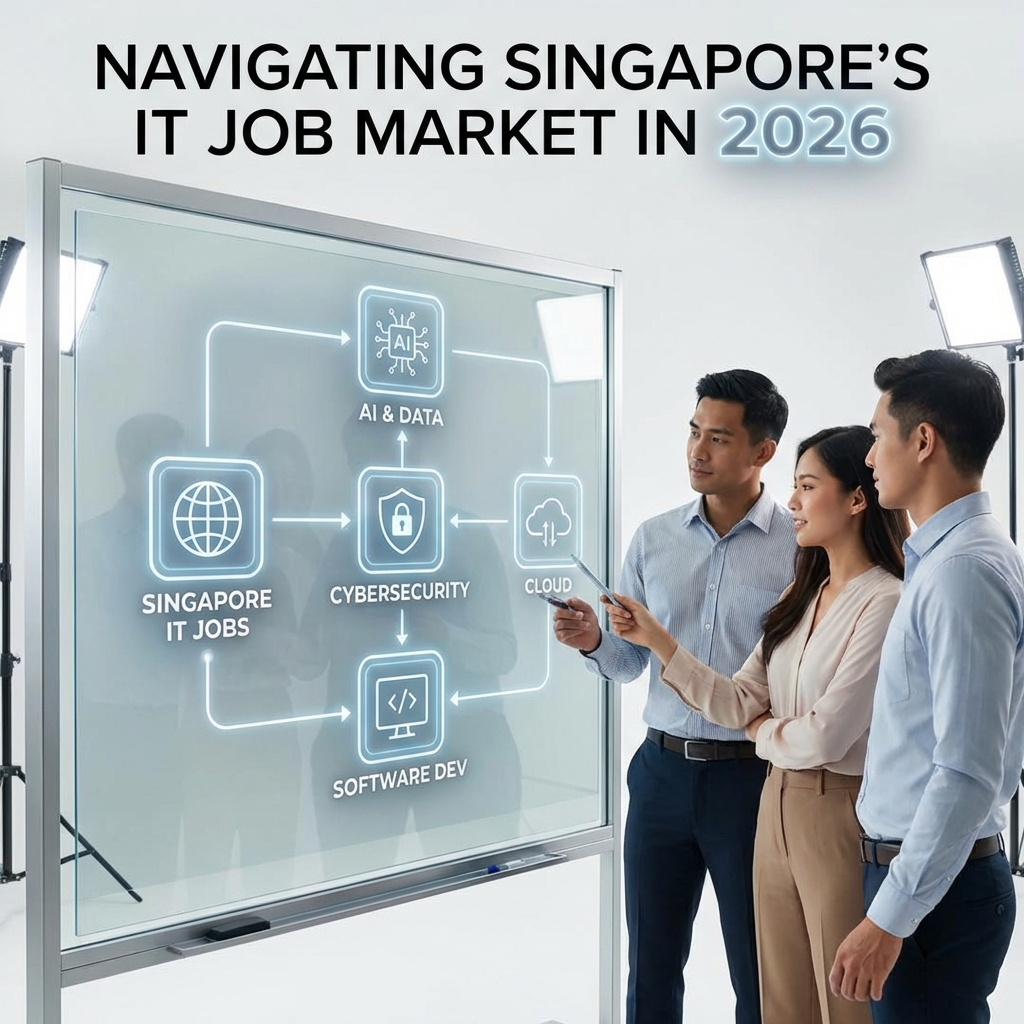
Singapore’s enduring appeal as a premier IT talent hub stems from a confluence of strategic advantages. The government’s forward-thinking policies, exemplified by initiatives like the Smart Nation push, have created a fertile ground for technological advancement and innovation. This commitment translates into significant investments in digital infrastructure, R&D, and talent development programs, fostering a robust environment for IT industry growth Singapore. Furthermore, Singapore’s strategic geographical location serves as a gateway to the broader Southeast Asia tech market, attracting major global tech firms looking to establish regional headquarters. This concentration of multinational corporations (MNCs) and a thriving startup ecosystem ensures a diverse array of opportunities across various IT domains, from software engineer salary Singapore benchmarks to specialized roles in data scientist salary Singapore or fintech jobs Singapore. The emphasis on high-quality education and continuous upskilling initiatives also ensures a steady supply of highly skilled professionals, making Singapore tech jobs 2026 highly sought after and competitive. The sophisticated regulatory framework, political stability, and high quality of life further enhance its attractiveness for global tech talent demand Singapore.
2. Methodology: How This Salary Report Was Compiled
The integrity and accuracy of any salary range report of jobs in IT field in Singapore are paramount. Our comprehensive report for 2026 is meticulously compiled using a multi-faceted approach, drawing data from a wide array of reliable sources. This includes extensive analysis of thousands of job postings across leading job boards and recruitment agencies specific to Singapore, ensuring real-time insights into market demand and advertised compensation. We also incorporate anonymized salary data from industry professionals, direct surveys with employers and HR leaders, and expert interviews to capture qualitative perspectives on IT recruitment trends Singapore and tech compensation trends. By cross-referencing these diverse datasets, we achieve a holistic view, accounting for variations based on experience levels, specific skill sets (e.g., cloud computing jobs Singapore, cybersecurity jobs Singapore, AI jobs Singapore), company size, and industry sector. Our methodology emphasizes transparency and statistical rigor to provide the most precise and actionable IT salaries Singapore benchmarks, making this an invaluable resource for anyone navigating the complex tech job market outlook Singapore.
3. Macro Trends Shaping IT Compensation in Southeast Asia
The landscape of IT compensation in Singapore and the broader Southeast Asia tech market is continually shaped by several overarching macro trends. A primary driver is the accelerating pace of digital transformation Singapore across industries, leading to an intensified demand for IT skills. This surge in demand, often outpacing the available supply of highly specialized professionals, contributes to upward pressure on IT salaries Singapore, particularly for niche expertise in areas like advanced analytics, machine learning, and DevOps. Another significant trend is the increasing impact of remote and hybrid work models, which has introduced a new layer of global competition for tech talent, compelling Singaporean companies to offer more competitive packages. The rising cost of living in major urban centers also plays a role, necessitating higher compensation to maintain attractive employee value propositions. Furthermore, the rapid evolution of technology means that skills quickly become obsolete, placing a premium on continuous learning and specialization, directly influencing tech compensation trends. These factors collectively contribute to a dynamic and often upward-trending environment for future of IT jobs Singapore, making strategic compensation planning critical for employers and career planning vital for professionals.
Core IT Roles: Salary Benchmarks & Insights for 2026
Singapore’s dynamic technology sector continues to attract global talent, with robust growth projected across various IT specializations through 2026. For both professionals and employers, understanding the anticipated salary range report of jobs in IT field in Singapore is vital for strategic career planning and talent acquisition. This section provides detailed compensation benchmarks for high-demand IT positions, offering clear salary ranges for different experience levels and specialized skill sets within Singapore’s competitive market. Our projections are informed by current market dynamics, economic forecasts, and ongoing digital transformation, delivering valuable insights into tech compensation for the coming years.
1. Software Development & Engineering Salary Ranges
Software Development and Engineering remain foundational to the IT industry, consistently featuring high demand and competitive remuneration. As businesses globally accelerate digital transformation, the need for skilled developers—from front-end to full-stack and specialized roles—is set to intensify. For 2026, we foresee continued upward pressure on salaries, particularly for professionals proficient in cloud-native development (AWS, Azure, GCP), microservices architecture, and modern programming languages like Python, Go, Java, and leading JavaScript frameworks (React, Angular, Vue.js).
- Junior Software Developer (0-2 years): S$4,000 – S$6,000 per month.
- Mid-Level Software Engineer (3-6 years): S$6,500 – S$9,500 per month, contributing to complex projects.
- Senior Software Engineer / Lead Developer (7+ years): S$10,000 – S$15,000+ monthly for architecture and leadership. Niche expertise can exceed S$18,000.
- DevOps Engineer: S$7,500 (mid-level) to S$14,000+ (senior/lead), critical for CI/CD pipelines.
Salaries vary based on company size, industry, and tech stacks. Comprehensive Singapore IT salary trends indicate specialist skills often attract a 15-20% premium.
2. Cybersecurity & Network Professional Compensation
In an era of escalating global cyber threats, cybersecurity professionals are critical for protecting digital assets and ensuring business continuity. Singapore’s status as a regional financial and technology hub makes robust cybersecurity imperative, driving high demand for experts. Compensation in this domain reflects the high stakes, with significant demand anticipated in 2026 for specialists in threat intelligence, incident response, security architecture, and compliance.
- Junior Security Analyst (0-2 years): S$4,500 – S$7,000 monthly, focusing on monitoring and basic support. Certifications enhance prospects.
- Mid-Level Cybersecurity Engineer (3-6 years): S$7,500 – S$11,000 per month, implementing solutions and managing firewalls.
- Senior Security Consultant / Architect (7+ years): S$12,000 – S$18,000+ for designing security frameworks and leading projects. CISO roles can exceed S$20,000 – S$35,000+.
- Network Architect/Engineer: Mid-level S$6,000 – S$10,000; senior architects S$11,000 – S$16,000+, for secure network design.
Continuous learning and advanced certifications (e.g., CISSP, CISM, OSCP) are key for career advancement due to the evolving threat landscape.
3. Data Science, AI & Analytics Pay Scales
Leveraging data for insights and building intelligent systems defines the core of Data Science, AI, and Analytics. Demand for professionals skilled in these areas in Singapore is experiencing rapid growth, fueled by innovation across finance, healthcare, and smart city initiatives. This sector is set to offer some of the most competitive pay scales in 2026, especially for those proficient in machine learning, deep learning, natural language processing, and big data technologies (Spark, Hadoop).
- Junior Data Analyst (0-2 years): S$4,800 – S$7,500 per month, focusing on data processing and visualization. SQL and Tableau/Power BI are essential.
- Mid-Level Data Scientist (3-6 years): S$8,000 – S$12,000 monthly, deploying ML models and conducting advanced analysis. Python/R and cloud expertise are highly valued.
- Senior AI/ML Engineer / Lead Data Scientist (7+ years): S$13,000 – S$20,000+ per month for designing complex AI solutions and leading teams. Head of Data roles can exceed S$25,000.
- Big Data Engineer: Mid-level S$7,000 – S$11,000; senior roles S$12,000 – S$18,000+, for large-scale data systems.
A strong academic foundation with practical experience in scalable solution deployment is crucial for maximizing compensation. For a more granular overview, consult a comprehensive salary range report of jobs in IT field in Singapore.
The Singaporean IT job market in 2026 promises sustained opportunities across software development, cybersecurity, and data science/AI. While these benchmarks offer a robust guide, actual salaries can vary based on specific technical proficiencies, soft skills, company culture, and market conditions. Continuous skill enhancement and staying abreast of industry trends will be pivotal for maximizing earning potential in this dynamic and rewarding sector.
Emerging Technologies: High-Demand Niche IT Salaries
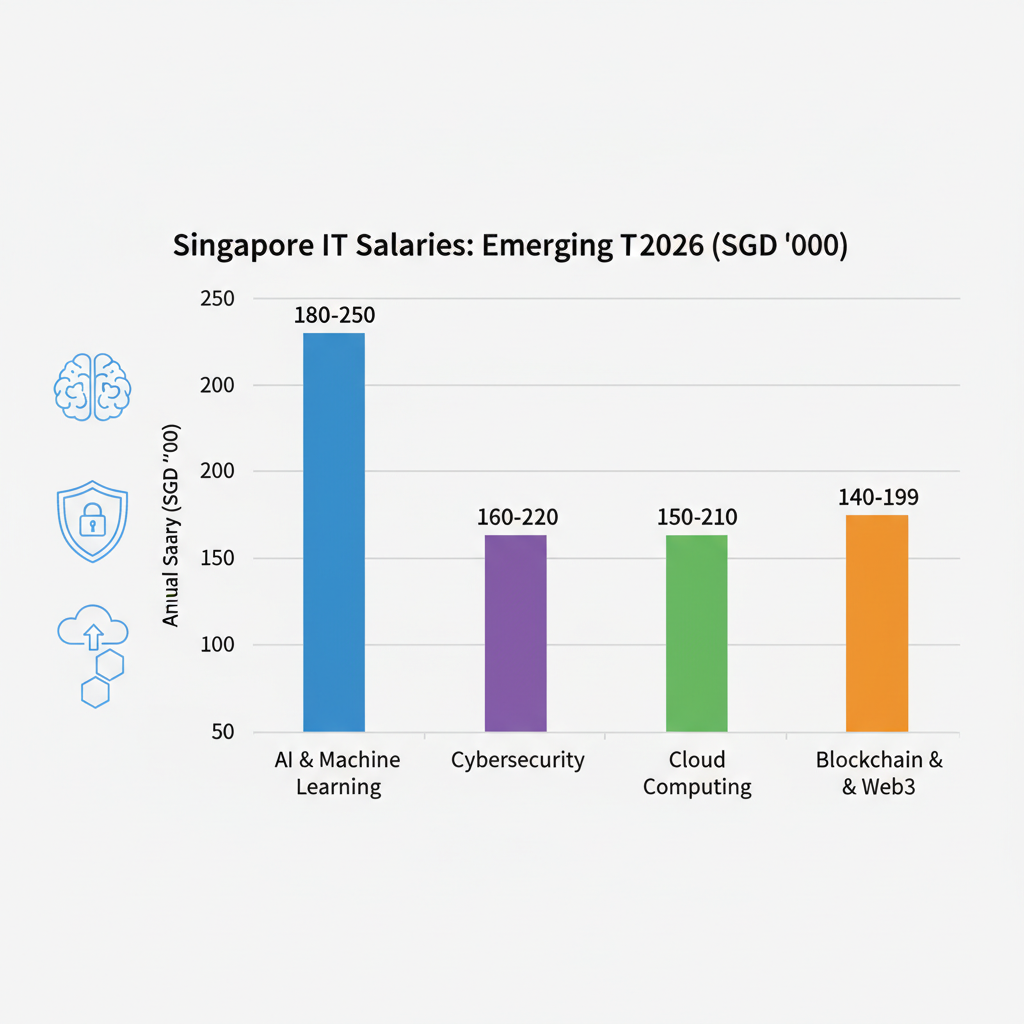
Explore the financial rewards for professionals specializing in cutting-edge and rapidly growing technological domains, providing insights into the premium commanded by unique skill sets in 2026. The landscape of information technology is continuously evolving, creating new roles and demanding specialized expertise that commands premium compensation. In 2026, the salary range report of jobs in IT field in Singapore reveals a significant uplift for professionals who have honed their skills in emerging technologies. As digital transformation accelerates across industries, companies are willing to invest heavily in talent that can drive innovation, secure critical infrastructure, and enhance user experiences. This trend is particularly evident in Singapore, a vibrant tech hub where competition for top-tier IT talent compensation is fierce. Understanding these high-demand niche IT salaries is crucial for both aspiring tech professionals and organizations aiming to attract and retain the best.
1. Cloud Computing & DevOps Engineer Salaries
The rapid adoption of cloud infrastructure continues to fuel immense demand for Cloud Computing and DevOps engineers. Businesses globally, including those in Singapore, are migrating their operations to platforms like AWS, Azure, and Google Cloud, necessitating experts who can design, implement, and manage scalable and secure cloud environments. DevOps engineers bridge the gap between development and operations, streamlining software delivery pipelines and ensuring continuous integration and deployment. Their expertise in automation, infrastructure-as-code, and agile methodologies is invaluable. In 2026, a skilled Cloud Architect or Senior DevOps Engineer in Singapore can expect a substantial IT professional compensation package, often exceeding traditional IT roles. Salaries for these specialists reflect the critical nature of their work in ensuring operational efficiency, system reliability, and robust cybersecurity. Entry-level cloud professionals might start at a competitive base, but those with 3-5 years of experience, holding certifications like AWS Certified Solutions Architect or Google Professional Cloud DevOps Engineer, command significantly higher wages, reflecting their immediate impact on business resilience and scalability. The ability to navigate complex cloud migrations and optimize cloud spend further elevates their earning potential.
2. UX/UI Design & Product Management Wages
As digital products become central to customer engagement, the importance of User Experience (UX) and User Interface (UI) design, alongside strategic Product Management, has surged. These roles are pivotal in creating intuitive, engaging, and successful digital solutions. UX designers focus on the overall user journey, conducting research and usability testing, while UI designers craft the visual and interactive elements. Product Managers, on the other hand, define the product vision, strategy, and roadmap, acting as the bridge between business, technology, and design. The high-demand IT salaries in this sector reflect the direct correlation between good design and product success, translating into higher user adoption and revenue. Experienced UX/UI Leads and Senior Product Managers in Singapore are highly sought after. A deep understanding of user psychology, market trends, and agile product development processes, combined with strong communication skills, places these professionals at the top of the tech professional compensation ladder. The blend of creative problem-solving and strategic business acumen makes these roles uniquely valuable, ensuring attractive wages as companies strive to deliver exceptional user experiences in a competitive digital marketplace. For a comprehensive overview of how these roles stack up, consider reviewing a detailed Hays Salary Guide for current market insights. This will provide further context on the specific salary range report of jobs in IT field in Singapore.
3. Blockchain & Web3 Developer Earnings
The emergence of decentralized technologies, blockchain, and the broader Web3 ecosystem is creating a fascinating new frontier for IT professionals. While still nascent compared to other domains, the specialized skills required for Blockchain and Web3 development are already commanding impressive earnings. Developers proficient in smart contract languages like Solidity, distributed ledger technologies, and decentralized application (dApp) frameworks are in exceptionally high demand. These roles involve designing and implementing secure, transparent, and immutable digital solutions, from cryptocurrencies and NFTs to decentralized finance (DeFi) platforms and supply chain solutions. The scarcity of talent combined with the transformative potential of these technologies leads to premium niche IT salaries. As the Web3 space matures, requiring expertise in areas like zero-knowledge proofs, interoperability, and decentralized autonomous organizations (DAOs), the demand for such specialized future IT skills will only intensify. Professionals with a proven track record in securing blockchain networks or developing innovative dApps can expect significantly higher-than-average wages. This rapidly evolving domain offers immense opportunities for those willing to specialize and stay ahead of technological curves, promising lucrative career paths in the years to come. For more detailed information on specific roles and their potential earnings within the Singapore tech sector, explore a comprehensive salary range report of jobs in IT field in Singapore to guide your career decisions.
Key Factors Influencing IT Salaries in Singapore
Understand the various elements that dictate an individual’s earning potential within Singapore’s IT sector, from educational background and experience to company type and specific technical proficiencies.
Singapore has solidified its position as a leading technology hub in Southeast Asia, attracting global tech giants, fostering a vibrant startup ecosystem, and driving significant innovation. This dynamic environment naturally leads to a competitive landscape for IT talent, with salaries reflecting a complex interplay of various factors. For anyone looking to enter, grow, or understand the earning potential within Singapore’s IT sector, discerning these key influences is crucial. From foundational qualifications to niche technical expertise, several elements collectively determine an individual’s earning potential and career trajectory in this bustling digital economy.
1. Impact of Experience Level & Educational Qualifications
The most fundamental determinants of IT salaries in Singapore are an individual’s experience level and educational background. Entry-level professionals, typically with 0-2 years of experience, can expect foundational salaries that provide a starting point in the industry. As individuals gain more experience (3-7 years), moving into mid-level roles with increased responsibilities and specialized tasks, their salaries see a significant uptick. Senior professionals and those in leadership positions (8+ years of experience), such as Tech Leads, Solutions Architects, or IT Directors, command substantially higher remuneration due to their strategic input, extensive knowledge, and proven track record in delivering complex projects.
Educational qualifications also play a pivotal role. A Bachelor’s degree in Computer Science, Information Technology, Engineering, or a related field from a reputable university is often a baseline requirement for many professional IT roles. Those with Master’s degrees or PhDs, particularly in specialized areas like Artificial Intelligence, Cybersecurity, or Data Science, frequently enter the workforce at higher salary bands or accelerate their career progression into research or advanced technical roles. While the tech industry is increasingly meritocratic, valuing practical skills over degrees, a strong academic foundation still signals analytical capability and theoretical depth. Understanding the detailed salary range report of jobs in IT field in Singapore can further illuminate these trends.
2. How Company Size and Industry Sector Affect Pay
The type and size of the employing company, alongside its industry sector, significantly influence IT compensation packages. Multinational Corporations (MNCs) and global tech giants like Google, Meta, Amazon, and Microsoft typically offer the most attractive salary packages, comprehensive benefits, and often stock options, reflecting their global scale and profitability. These companies compete fiercely for top talent, driving up remuneration. In contrast, local Small and Medium-sized Enterprises (SMEs) and early-stage startups might offer slightly lower base salaries but could compensate with equity, faster career progression, or a more hands-on, impactful work environment. As startups mature, their salary structures tend to align more closely with larger corporations.
Furthermore, the industry sector in which an IT professional operates is a strong determinant of pay. Singapore’s robust financial sector, particularly FinTech, consistently offers some of the highest IT salaries, driven by the critical need for secure, high-performance systems and innovative financial solutions. Other high-paying sectors include cybersecurity, artificial intelligence, cloud computing services, and rapidly growing e-commerce platforms. Sectors with less intense competition or lower profit margins might offer more moderate salaries, though they can still provide stable and fulfilling careers.
3. In-Demand Skills & Certifications That Boost Your Salary
Beyond experience and education, specific technical skills and industry certifications are powerful salary accelerators in Singapore’s competitive IT market. The demand for proficiency in emerging technologies continually reshapes salary expectations. Professionals skilled in Artificial Intelligence (AI) and Machine Learning (ML), Cloud Computing (e.g., AWS, Azure, Google Cloud Platform), Cybersecurity, DevOps, Data Science, and Full-stack Development are consistently among the highest earners. Expertise in specific programming languages like Python, Java, Go, or JavaScript frameworks (React, Angular, Vue.js) also commands a premium.
Complementing technical prowess, relevant industry certifications can significantly boost an individual’s market value. Certifications such as AWS Certified Solutions Architect, Certified Information Systems Security Professional (CISSP), Google Cloud Professional Data Engineer, Microsoft Certified: Azure Solutions Architect Expert, or Project Management Professional (PMP) validate specialized knowledge and practical skills. These credentials demonstrate a commitment to continuous learning and often translate directly into higher earning potential, as they prove a professional’s ability to implement and manage complex systems. Keeping abreast of the latest IT salary trends and investing in skills development aligned with future industry needs is paramount for maximizing one’s earning potential in Singapore’s thriving tech landscape.
Career Growth & Salary Negotiation Strategies for 2026
Equip yourself with practical advice on how to leverage salary range report of jobs in IT field in singapore for effective negotiation and strategic career planning, ensuring long-term professional and financial growth in Singapore’s competitive IT landscape. In an ever-evolving digital world, securing your position and ensuring your compensation reflects your value requires proactive steps, especially within Singapore’s dynamic technology sector. Understanding market trends, honing critical skills, and mastering negotiation techniques are paramount for IT professionals aiming for sustained career advancement and optimal remuneration.
The IT job market in Singapore remains vibrant, driven by continuous digital transformation across industries. From fintech to healthcare, the demand for skilled tech talent continues to outpace supply in many specialized areas. This landscape presents both opportunities and challenges for career growth and salary expectations. Staying informed about the latest industry benchmarks and future-proofing your skill set are not just beneficial but essential strategies for any IT professional in the city-state.

1. Tips for Benchmarking Your Worth & Negotiating Offers
In the highly competitive Singaporean IT landscape, knowing your market value is the cornerstone of effective salary negotiation. To accurately benchmark your worth, begin by consulting comprehensive salary range report of jobs in IT field in singapore, such as those published by leading recruitment agencies or industry bodies. These reports provide invaluable insights into typical compensation packages for various IT roles, including software engineers, cybersecurity specialists, data scientists, and cloud architects, across different experience levels. Compare your skills, experience, and responsibilities against these benchmarks. Don’t solely focus on the base salary; consider the entire compensation package, which might include bonuses, stock options, health benefits, and professional development allowances. Research average IT salaries for similar positions in Singapore to establish a realistic range.
When it comes to negotiation, preparation is key. Articulate your value proposition clearly, highlighting specific achievements and how your contributions have driven results for previous employers. Demonstrate your impact with quantifiable metrics whenever possible. Understand the company’s needs and how your skills directly address them. Be confident, professional, and prepared to justify your desired salary. If you have competing offers, leverage them strategically, but always remain respectful. Remember that negotiation isn’t just about demanding more; it’s about finding a mutually beneficial agreement that reflects your expertise and the company’s budget, ensuring competitive compensation for your tech talent.
2. Upskilling & Reskilling for Future IT Job Market Demands
The rapid pace of technological innovation means that skills that are highly valued today might be obsolete tomorrow. To ensure long-term career growth and maintain a competitive edge in Singapore’s IT job market, continuous upskilling and reskilling are imperative. Focus on acquiring future-proof skills that are in high demand and projected to grow. Key areas include Artificial Intelligence (AI) and Machine Learning (ML), advanced Cybersecurity, Cloud Computing (AWS, Azure, GCP), Data Science and Analytics, DevOps, and Full-Stack Development. Certifications from recognized bodies (e.g., AWS Certified Solutions Architect, Certified Information Systems Security Professional – CISSP) can significantly boost your employability and salary potential.
Beyond technical prowess, cultivating strong soft skills is equally crucial for career advancement. Employers increasingly seek IT professionals with excellent problem-solving abilities, critical thinking, adaptability, communication, and leadership qualities. Participate in online courses, bootcamps, workshops, and industry conferences to stay abreast of emerging technologies and best practices. Many government initiatives in Singapore also support workforce development, offering subsidies for relevant training programs. Proactively investing in your professional development ensures you remain a valuable asset, ready to tackle the evolving demands of the digital transformation landscape and secure higher-paying roles.
3. Future Outlook: What’s Next for IT Salaries in Singapore?
The trajectory of IT salaries in Singapore is expected to remain on an upward trend, particularly for niche and highly specialized roles. Factors such as the persistent demand-supply gap for skilled tech professionals, ongoing digital transformation efforts across all sectors, and Singapore’s strategic push to become a leading global tech hub will continue to fuel wage growth. We anticipate robust growth in areas like AI ethics, quantum computing, blockchain development, and advanced robotics, driving up the compensation for experts in these fields. However, the market will become increasingly discerning, with a premium placed on individuals who can demonstrate tangible impact and possess skills that directly contribute to innovation and business outcomes.
Global economic conditions and geopolitical shifts could introduce volatility, but Singapore’s strong economic fundamentals and government support for the tech sector provide a stable foundation. Companies will likely prioritize retention of top talent through competitive compensation packages and attractive career pathways. For IT professionals, staying updated with global tech trends, demonstrating adaptability, and actively seeking opportunities to lead or innovate will be crucial for sustained career growth and securing top-tier salaries. The competitive landscape means that continuous learning and strategic networking will be key differentiators for those aspiring to thrive in Singapore’s vibrant tech scene, ensuring robust IT salary trends Singapore for those who adapt and excel.
Partner with Shelby Global
You are looking for reliable HR Sevice Suppliers? Contact Shelby Global Now! To connect with verified talents and upgrade your orginization.
—————————————
References
– Singapore’s digital economy: https://www.imda.gov.sg/digital-economy
– Hays Singapore IT Salary Guide: https://www.hays.com.sg/salary-guide
– Hays Salary Guide: https://www.hays.com.sg/salary-guide
– Hays Singapore Salary Guide: https://www.hays.com.sg/salary-guide
– Hays Asia Salary Guide: https://www.hays.com.sg/salary-guide