The Evolving Landscape of HR for Singapore Retail

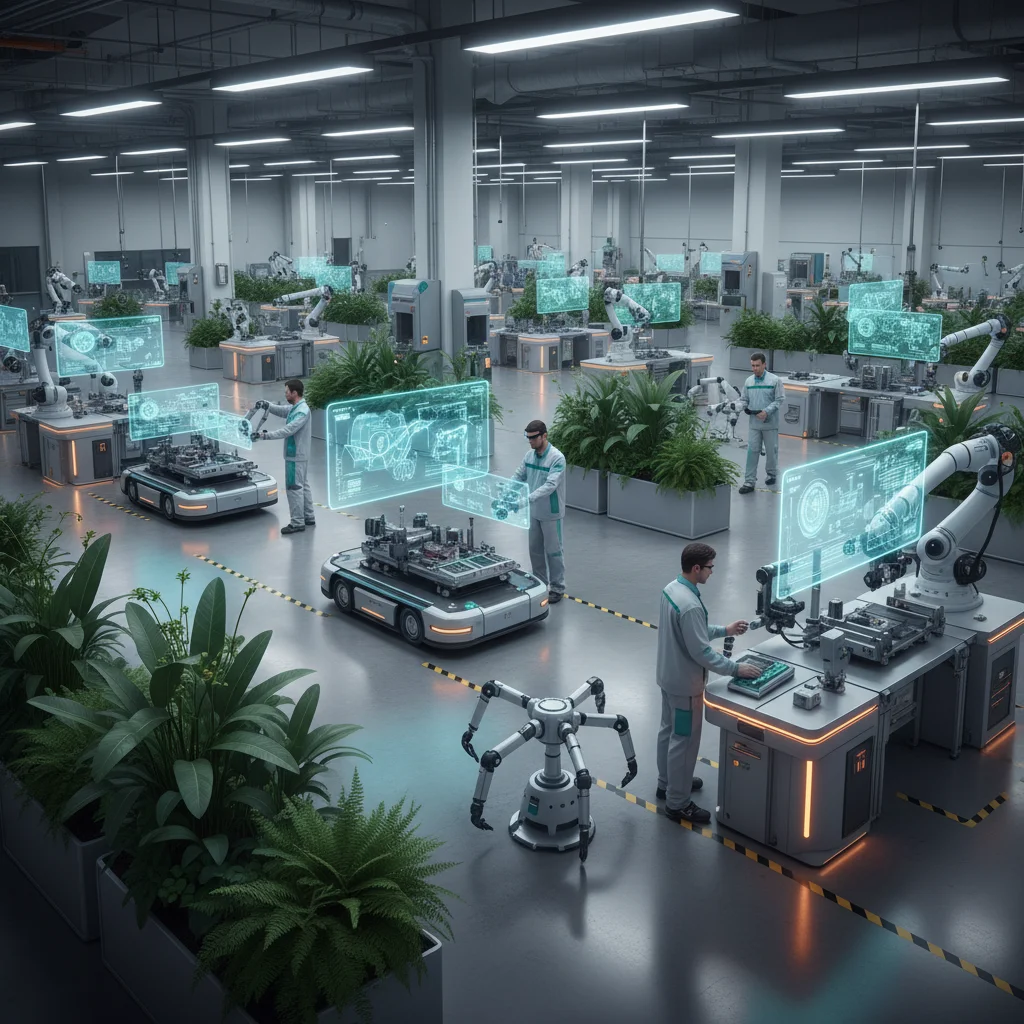
Singapore’s retail sector, a vibrant cornerstone of its economy, faces a unique confluence of challenges that are rapidly reshaping its human resources landscape. From navigating a tight labor market to managing diverse generational workforces and catering to demanding consumer expectations, traditional HR approaches are no longer sufficient. In this dynamic environment, technology isn’t just an option; it’s becoming a crucial differentiator and a competitive advantage for retail companies in Singapore. The strategic adoption of advanced HR tools – applications for retail companies in singapore is paramount for those aiming to thrive amidst these complexities.
1. Unique HR Challenges in Singapore’s Retail Sector
Singapore’s retail businesses grapple with several distinct HR challenges that necessitate specialized solutions:
- Labor Shortage & Turnover: The nation’s low unemployment rate intensifies the struggle for retailers to attract and retain talent. This often leads to high employee turnover, especially in frontline roles, which impacts service quality and operational costs. Implementing effective employee retention strategies is more critical than ever.
- Diverse Workforce: Retail workforces are typically a mix of locals, permanent residents, and foreign workers, each with distinct needs, expectations, and regulatory requirements. Managing this diversity efficiently requires robust workforce management solutions that can handle varied compliance and engagement needs.
- Fluctuating Demand: Retail is inherently cyclical, with significant peaks during holidays and major sales seasons. This necessitates flexible staffing models and efficient shift scheduling software to optimize coverage without overspending on labor.
- Wage & Compliance: Singapore’s strict labor laws and employment regulations demand meticulous adherence. Manual payroll processes are prone to errors and consume valuable time, highlighting the urgent need for accurate payroll automation and compliance tracking.
- Skills Gap: As retail evolves with e-commerce integration, omnichannel experiences, and digital payments, there’s a growing need for new skills (e.g., digital marketing, data analytics for in-store insights). Bridging this gap through continuous training and development is a key HR challenge. According to the Ministry of Manpower, Singapore’s competitive labor market demands continuous upskilling across sectors, including retail.
2. The Shift Towards Digital Transformation in Retail HR
The digital revolution has fundamentally altered how businesses operate, and HR is no exception. For Singaporean retailers, embracing digital transformation in HR is no longer a luxury but a strategic imperative. This shift involves moving away from manual, paper-based processes to integrated, cloud-based systems that streamline operations, enhance data accuracy, and improve the overall employee experience.
The goal is to create more agile, responsive, and data-driven HR functions. This transformation empowers HR teams to transition from administrative tasks to strategic partners, focusing on talent development, employee engagement, and business growth. Leveraging advanced HR tools – applications for retail companies in singapore means better insights into workforce trends, enabling proactive decision-making rather than reactive problem-solving. It’s about optimizing every aspect, from efficient talent acquisition retail processes to sophisticated performance management software.
3. Benefits of Adopting Specialized HR Software for Retail
Implementing specialized HR tools – applications for retail companies in singapore offers a multitude of benefits that directly translate into competitive advantage:
- Increased Efficiency & Cost Savings: Automating routine tasks like payroll processing, leave management, and attendance tracking significantly reduces administrative burden, minimizes errors, and frees up HR staff for more strategic initiatives. This includes robust payroll automation and comprehensive workforce management solutions.
- Enhanced Employee Experience & Engagement: Modern HR software provides self-service portals, easy access to information, and streamlined communication channels, significantly boosting employee engagement platforms. This leads to higher job satisfaction and more effective employee retention strategies.
- Improved Talent Management: From sourcing and onboarding to development and succession planning, integrated systems streamline the entire talent lifecycle. Efficient talent acquisition retail modules help attract the best candidates, while robust performance management software supports continuous employee growth and development.
- Data-Driven Decision Making: Centralized data provides invaluable insights into workforce trends, performance metrics, and potential areas for improvement. Advanced HR analytics for retail enables informed decisions regarding staffing, training needs, compensation, and overall business strategy.
- Compliance & Risk Mitigation: Automated systems help ensure consistent adherence to Singapore’s complex labor laws and regulations, significantly reducing the risk of penalties, legal issues, and reputational damage.
- Flexible Operations: Features like mobile access for shift swaps, time clocking, and instant communication empower a flexible workforce, which is critical for retail’s dynamic and often unpredictable environment. This is especially true for intuitive shift scheduling software.
In conclusion, the unique demands of Singapore’s retail landscape necessitate a forward-thinking approach to HR. By embracing digital transformation and investing in advanced HR tools – applications for retail companies in singapore, retailers can overcome operational hurdles, attract and retain top talent, foster a highly engaged workforce, and ultimately secure a significant competitive edge in a challenging market.
Streamlining Core Operations: Payroll & Scheduling Solutions
In Singapore’s vibrant and competitive retail landscape, managing daily operations efficiently is paramount. Businesses, especially those with multi-outlet structures, often grapple with the complexities of human resources – from ensuring accurate payroll processing to optimizing staff schedules. This section focuses on critical HR tools – applications for retail companies in Singapore that automate these daily tasks, significantly improving efficiency and accuracy in payroll and staff management. By leveraging advanced solutions, retail businesses can not only reduce administrative burdens but also foster a more productive and engaged workforce.
1. Top Retail Payroll Solutions for Singapore Companies
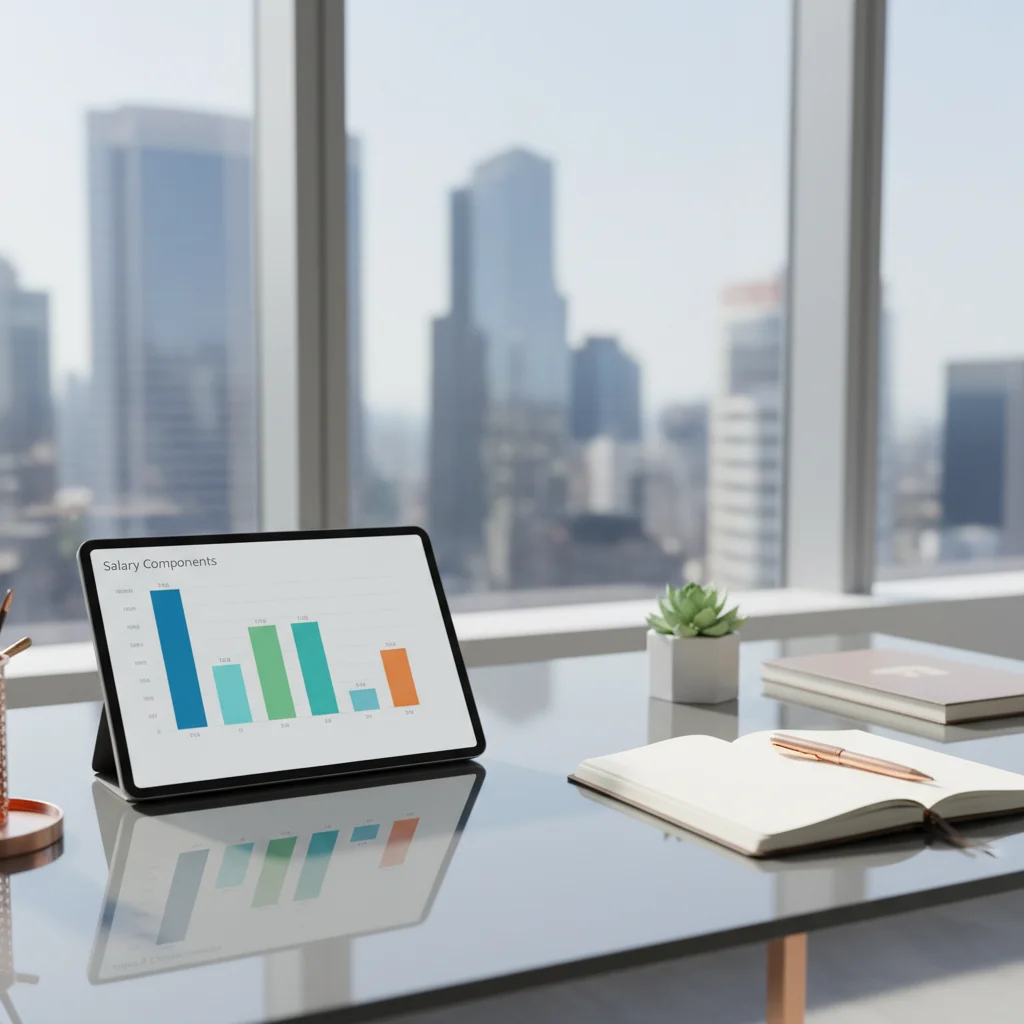
For retail companies in Singapore, payroll is more than just paying salaries; it involves meticulous calculations for CPF contributions, statutory deductions, variable pay for commissions or overtime, and accurate IR8A submissions. Manual payroll processing is not only time-consuming but also prone to errors, which can lead to compliance issues and employee dissatisfaction. This is where dedicated retail payroll software becomes indispensable. The best payroll solutions for Singapore businesses are designed to automatically calculate CPF, SDL, and foreign worker levy, ensuring full compliance payroll with local regulations. They offer features like automated leave and attendance tracking integration, multi-currency support for international staff, and robust reporting for financial auditing. Investing in an advanced HR software Singapore solution for payroll can drastically reduce processing time, minimize errors, and ensure timely and accurate disbursements, freeing up HR personnel to focus on more strategic initiatives.
2. Effective Staff Scheduling Apps for Multi-Outlet Retail
Managing staff across multiple retail outlets presents a unique set of challenges, including fluctuating customer demand, varying staff availability, skill set requirements, and the need to optimize labor costs. Inefficient scheduling can lead to overstaffing (increased costs) or understaffing (lost sales and poor customer experience). Modern employee scheduling software offers powerful features to tackle these complexities. These apps allow managers to create optimal schedules based on sales forecasts, employee availability, skill sets, and labor laws, all from a centralized platform. Features like drag-and-drop scheduling, automated shift notifications, swap requests, and real-time communication tools enhance flexibility and transparency. Implementing such staff management solutions can significantly improve operational efficiency, reduce overtime costs through better planning, and boost employee morale by providing clear schedules and greater work-life balance. For effective workforce management, these apps are a game-changer.
3. Integrating Time & Attendance with Payroll Systems
The true power of modern HR technology for retail businesses lies in the seamless integration of different modules. Specifically, linking time and attendance systems directly with payroll software creates a robust, end-to-end solution. Traditional methods of tracking employee hours, such as manual timesheets or spreadsheets, are often inaccurate and require considerable manual data entry for payroll processing. Integrated systems, however, automate the entire process. Employees can clock in and out using various methods (biometrics, mobile apps, web portals), and this data is automatically fed into the payroll system. This eliminates manual errors, ensures accurate calculation of hours worked, overtime, and late arrivals, and vastly simplifies payroll preparation. The benefits are profound: reduced administrative burden, enhanced accuracy in wage calculations, improved labor cost optimization, and better compliance. These integrated HR tools provide a holistic view of employee data, enabling data-driven decisions and contributing to overall operational excellence for retail companies in Singapore.
Attracting & Nurturing Talent: Recruitment to Performance
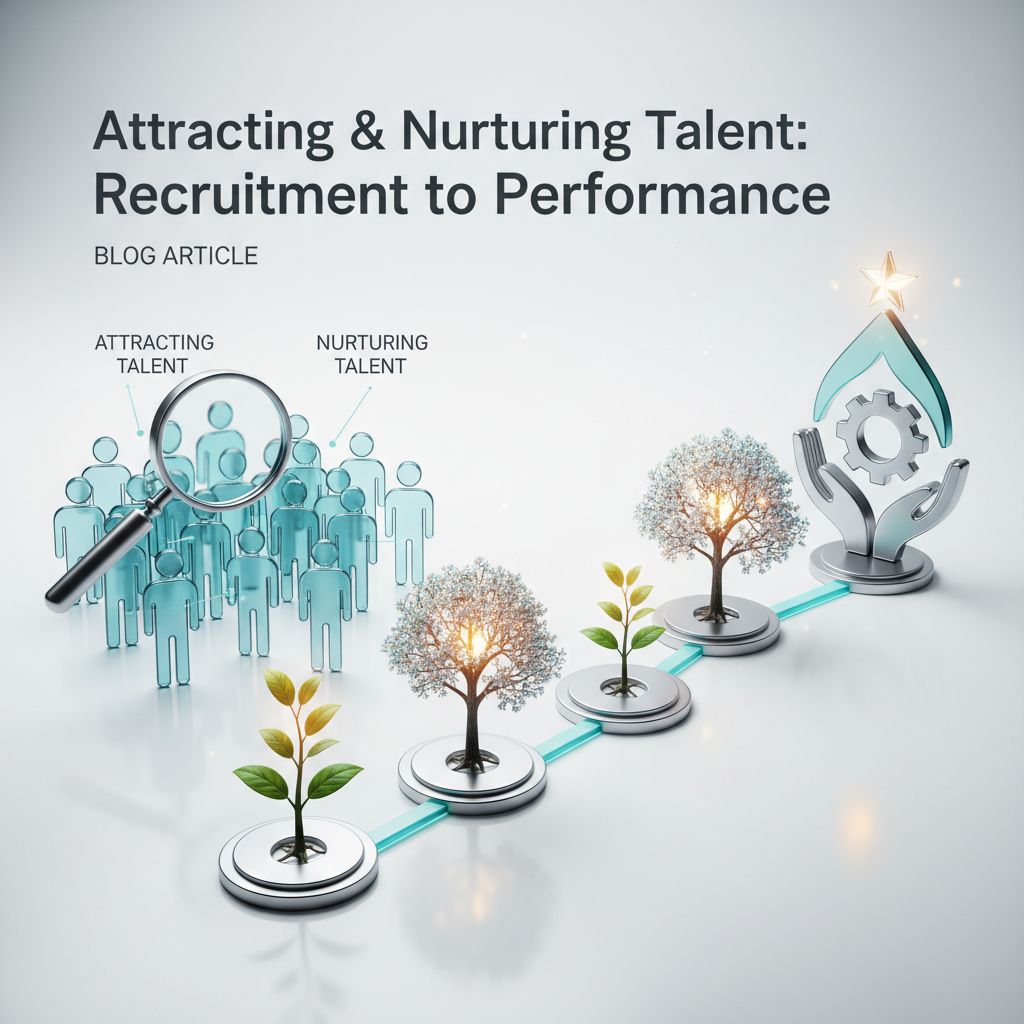
In Singapore’s dynamic and competitive retail landscape, the ability to effectively attract, onboard, develop, and retain a skilled workforce is paramount. Modern HR tools – applications for retail companies in Singapore are no longer just administrative conveniences; they are strategic assets that drive efficiency, boost employee engagement, and ultimately impact the bottom line. From navigating the intricacies of talent acquisition in a tight labor market to fostering a culture of continuous learning and performance, leveraging the right HR technology is crucial for retail businesses aiming to thrive and adapt to evolving customer demands and workforce expectations. These sophisticated platforms help streamline processes, provide data-driven insights, and empower HR teams to focus on strategic initiatives rather than transactional tasks, addressing critical challenges such as high turnover and the need for specialized skills.
The journey from a prospective candidate to a high-performing, loyal employee is complex, requiring a cohesive suite of retail HR software. Singaporean retail companies are increasingly investing in these solutions to build resilient teams capable of delivering exceptional customer experiences and adapting to digital transformation. This involves everything from advanced HR technology trends that shape the future of work to specialized platforms designed for the unique demands of the retail sector. Integrating these tools provides a holistic view of the employee lifecycle, ensuring consistency and effectiveness across all HR functions. It enables proactive workforce planning and helps in implementing robust workforce retention strategies, which are vital for sustained success in Singapore’s retail market.
1. Essential Recruitment Tools for Singapore Retail
For retail companies in Singapore, effective talent acquisition Singapore is the first step towards building a strong team. Given the high turnover rates often seen in the retail sector, efficient and rapid recruitment processes are non-negotiable. Applicant Tracking Systems (ATS) are foundational HR tools for retail companies in Singapore, automating the entire hiring workflow from job posting to offer letter. These systems allow retailers to post jobs across multiple platforms, screen resumes for specific keywords and qualifications, and manage candidate communications seamlessly. Advanced ATS solutions often integrate AI to parse resumes, identify best-fit candidates, and even conduct preliminary video interviews, significantly reducing the time-to-hire.
Beyond ATS, modern recruitment strategies for retail involve leveraging social media for employer branding and utilizing specialized job boards focused on the retail industry in Singapore. Digital assessment tools help evaluate candidates’ soft skills, customer service aptitude, and product knowledge relevant to the retail environment. Furthermore, robust employee onboarding solutions ensure that once hired, new staff are quickly integrated, understand company culture, and are prepared for their roles, laying the groundwork for long-term retention. These tools minimize administrative burdens, allowing HR to focus on engaging with top talent and creating a positive candidate experience, which is crucial for attracting the best retail professionals.
2. Leveraging Employee Training Platforms for Skill Development
The rapidly evolving retail landscape necessitates continuous retail staff training and skill development platforms. Learning Management Systems (LMS) are integral HR tools for retail companies in Singapore that deliver tailored training modules. These platforms can host a diverse range of content, from product knowledge updates and customer service best practices to training on new point-of-sale (POS) systems or omnichannel strategies. The flexibility of LMS allows for microlearning modules, gamified content, and mobile accessibility, making learning convenient and engaging for busy retail staff who may have varying schedules and on-the-go responsibilities.
Investing in training through these platforms not only enhances individual capabilities but also contributes to greater job satisfaction and reduces turnover. By offering clear pathways for upskilling and reskilling, retail companies can prepare their workforce for future challenges, such as the increasing integration of e-commerce and in-store experiences. Tools that track learning progress and completion rates also provide valuable data, allowing HR to identify skill gaps and tailor future training programs more effectively. This proactive approach to skill development is a cornerstone of modern HR technology retail, fostering a culture of continuous improvement and growth.
3. Implementing Performance Appraisal Software for Retail Staff
Effective performance management is critical for recognizing high achievers, addressing areas for improvement, and fostering growth within a retail team. Performance appraisal software has become an essential suite of HR tools for retail companies in Singapore, moving beyond traditional annual reviews to facilitate continuous feedback and real-time recognition. These performance management systems allow managers to set clear, measurable goals, track progress, and conduct regular check-ins with their staff. This ongoing dialogue ensures that retail employees understand their contributions and areas for development, leading to greater transparency and engagement.
The software often includes features for 360-degree feedback, allowing input from peers, subordinates, and customers, providing a comprehensive view of an employee’s performance. Linking performance directly to compensation, promotions, and career development plans becomes more transparent and equitable with these tools. For retail businesses, identifying and nurturing top talent through robust performance evaluation is key to reducing churn and building a high-performing sales force. By providing clear career progression paths and regular, constructive feedback, these systems contribute significantly to employee motivation and overall job satisfaction, reinforcing workforce retention strategies in a highly competitive market.
Driving Insight & Compliance: Analytics and Legal Tools
In Singapore’s dynamic retail landscape, HR departments face the dual challenge of optimizing talent strategy and meticulously adhering to a stringent regulatory framework. This is where modern HR tools – applications for retail companies in Singapore become indispensable. By harnessing the power of data analytics and specialized compliance software, retail HR professionals can transition from reactive problem-solving to proactive, data-driven decision-making, ensuring both strategic growth and legal soundness. These advanced platforms empower businesses to gain deep insights into their workforce, streamline complex HR processes, and navigate the nuances of local employment legislation with confidence, ultimately fostering a more efficient, compliant, and thriving retail operation.
1. Utilizing HR Analytics for Retail Growth and Strategy
The strategic application of retail HR analytics is transforming how companies manage their most valuable asset: their people. Beyond simple reporting, advanced retail HR analytics tools allow HR teams to identify trends in employee turnover, measure the effectiveness of training programs, and forecast future staffing needs. For Singaporean retail companies, this means optimized workforce planning tools that can predict peak shopping seasons and allocate staff accordingly, reducing labor costs while maintaining service quality. Analytical insights also drive more effective talent acquisition software strategies, helping identify the best channels for recruiting and the profiles of high-performing employees. Furthermore, these tools are crucial for enhancing employee performance management, providing objective data to support appraisal processes, identify skill gaps, and develop targeted upskilling initiatives. By transforming raw HR data into actionable intelligence, retail HR can align its strategies directly with business objectives, fostering sustainable growth and competitive advantage in a fast-paced market.
2. Ensuring Regulatory Compliance with Singapore Employment Law Tools
Navigating Singapore’s comprehensive employment laws requires vigilance and precision. Dedicated Singapore employment law compliance tools are vital for retail businesses to avoid costly penalties and reputational damage. These applications help HR departments stay updated with ever-evolving regulations, including the Employment Act, Central Provident Fund (CPF) contributions, and various leave entitlements. Features often include automated updates on legal changes, digital record-keeping that meets statutory requirements, and frameworks for implementing best practices such as the Tripartite Guidelines on Fair Employment Practices (TGFEP). By leveraging these HR technology Singapore solutions, retail companies can automate compliance checks for aspects like overtime pay, annual leave accrual, and termination procedures, significantly reducing manual errors and administrative burdens. Such tools ensure that all employment practices, from onboarding to offboarding, adhere strictly to legal mandates, providing a robust defense against potential disputes and fostering a fair and equitable workplace environment.
3. Data Security and Privacy in Retail HR Systems
In an age of increasing cyber threats, safeguarding sensitive employee data is paramount for any retail business utilizing HR systems. Adhering to the Personal Data Protection Act (PDPA) is not just a legal obligation but a cornerstone of trust between employees and their employer. Modern HR data security measures embedded within retail HR systems are designed to protect personal information from unauthorized access, breaches, and misuse. These measures include robust encryption for data at rest and in transit, multi-factor authentication, granular access controls, and regular security audits. For PDPA compliance Singapore, HR tools provide functionalities such as consent management, data anonymization, and secure data storage solutions that are critical for managing employee records, payroll information, and performance reviews responsibly. Choosing HR tools that prioritize data privacy and security demonstrates a commitment to ethical data handling, mitigating the risks associated with data breaches and maintaining employee confidence in the HR processes and the organization as a whole. This vigilance ensures that while data fuels strategic decisions, it is always handled with the utmost care and respect for individual privacy.
Choosing the Right HR Solution for Your Retail Business
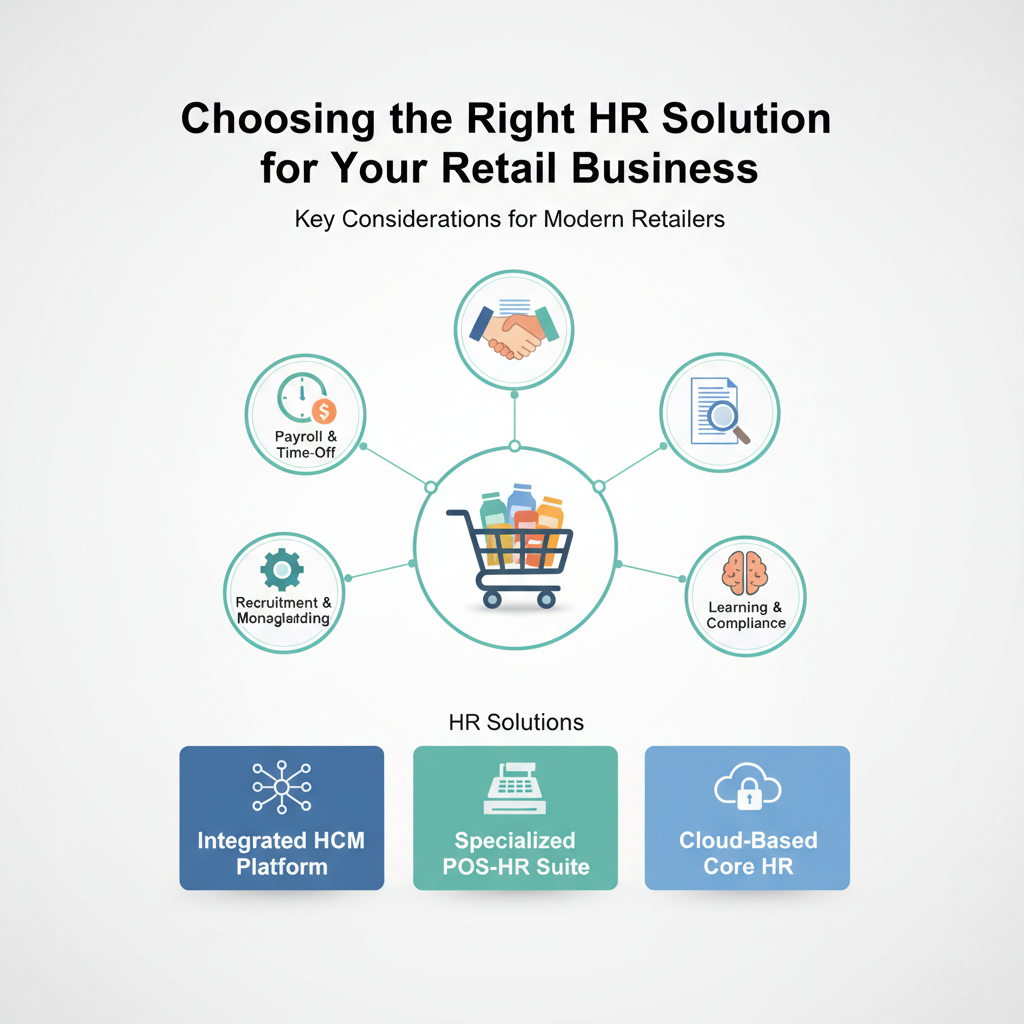
In the fast-paced and dynamic retail sector, managing human resources effectively is paramount to success. From high staff turnover to complex scheduling and diverse employee needs, retail businesses in Singapore face unique HR challenges. Selecting the appropriate HR tools – applications for retail companies in Singapore is not just about automation; it’s about strategic growth, compliance, and fostering a productive workforce. This guide explores the critical factors retail companies should consider when selecting and implementing HR solutions tailored to their specific needs and future aspirations.
1. Key Considerations for Selecting HR Tools
The foundation of a robust HR system for retail begins with understanding the core operational demands. Unlike many corporate environments, retail often involves a large proportion of part-time, seasonal, or shift-based employees. Therefore, your HR solution must excel in areas like employee scheduling software, which can handle variable hours, last-minute changes, and ensure adequate coverage without overstaffing. Integrating this with precise time and attendance tracking systems is crucial for accurate payroll and compliance.
When evaluating options, prioritize user-friendliness. Retail staff may have varying levels of tech proficiency, so an intuitive interface for tasks like clocking in/out, requesting leave, or accessing payslips via employee self-service portals is vital. Furthermore, ensuring your chosen platform facilitates seamless payroll management systems that adhere strictly to Singaporean labor laws, including CPF contributions and foreign worker levies, is non-negotiable. Don’t overlook the importance of robust compliance management features to mitigate legal risks associated with employment regulations, especially as your business grows or hires diverse talent.
2. Scalability and Integration Capabilities
As your retail business expands, whether by opening new outlets or increasing headcount, your HR tools must be able to scale effortlessly. A solution that serves 50 employees today should seamlessly accommodate 500 in the future without a complete system overhaul. Look for platforms designed with scalability in mind, capable of handling increased data volumes and user loads without compromising performance.
Integration is another cornerstone. Your HR system shouldn’t operate in a silo. The ideal solution will integrate smoothly with other critical business systems such as Point-of-Sale (POS) for sales data, Enterprise Resource Planning (ERP) for overall operations, and accounting software. This interconnectedness allows for a unified data environment, reducing manual data entry errors and providing comprehensive HR analytics. By centralizing data, you gain deeper insights into workforce trends, labor costs, and operational efficiency. Platforms that can connect with talent acquisition platforms are also beneficial, streamlining the recruitment process from applicant tracking to onboarding and ensuring a consistent candidate experience.
3. ROI and Future-Proofing Your HR Investment
Investing in new HR technology is a significant decision, and demonstrating a clear Return on Investment (ROI) is essential. Calculate potential savings from reduced administrative overhead, improved efficiency from automated processes, and benefits from better employee retention through enhanced performance management tools and engagement initiatives. A well-chosen HR solution can lead to measurable improvements in productivity and employee satisfaction, ultimately impacting your bottom line.
To future-proof your investment, consider the vendor’s commitment to innovation and regular updates. The modern HR technology landscape is constantly evolving, with new features like AI-driven insights, mobile-first designs, and advanced data security protocols emerging regularly. Choose a partner that actively develops their platform to meet future HR needs and regulatory changes. This foresight ensures your HR tools remain relevant and effective, supporting your retail business’s long-term growth and competitiveness in Singapore’s challenging market. By carefully evaluating these factors, retail companies can select HR solutions that not only address current needs but also lay a strong foundation for future success.
Partner with Shelby Global
You are looking for reliable HR Sevice Suppliers? Contact Shelby Global Now! To connect with verified talents and upgrade your orginization.
—————————————
References
– Ministry of Manpower: https://www.mom.gov.sg/employment-practices/employment-standards/employment-act
– Paying CPF Contributions – CPF Board: https://www.cpf.gov.sg/employer/employer-responsibilities/paying-cpf-contributions
– HR Technology Landscape: 7 Trends Shaping the Future of Work: https://www.shrm.org/resources-and-tools/hr-topics/technology/pages/hr-technology-landscape-7-trends-shaping-the-future-of-work.aspx
– Ministry of Manpower Singapore: Tripartite Guidelines: https://www.mom.gov.sg/employment-practices/tripartite-guidelines
– SHRM: Selecting HR Technology: https://www.shrm.org/resources-and-tools/hr-topics/technology/pages/selecting-hr-technology.aspx