Foundations of HR for Singapore Beauty SMEs
Stepping into the role of CEO for a beauty SME in Singapore is an exhilarating journey, filled with innovation and client delight. However, beneath the glamour of new treatments and satisfied customers lies a critical foundation: Human Resources (HR). For a fresh CEO, understanding the HR landscape isn’t just about managing people; it’s about building a resilient, compliant, and thriving business. This section provides a Step by Step to understand SMEs HR Structure for the fresh the CEO in beauty field in singapore, ensuring your beauty business operates smoothly and legally, paving the way for sustainable growth. We’ll delve into essential HR functions, navigate Singapore’s unique employment laws, and outline how to establish a basic yet effective HR framework, crucial for any small beauty business.

1. Key HR Functions in Small Beauty Businesses
Even without a dedicated HR department, a beauty SME in Singapore performs several vital HR functions daily. For a fresh CEO, recognizing and managing these is paramount for effective HR for beauty SMEs. The core functions include:
- Recruitment and Selection: Attracting and hiring skilled beauticians, therapists, and front-desk staff who align with your brand’s ethos. This involves crafting compelling job descriptions, conducting effective interviews, and ensuring background checks.
- Onboarding and Training: Seamlessly integrating new hires into your team, familiarizing them with salon operations, client service standards, and product knowledge. Continuous training on new beauty trends, techniques, and customer service protocols is crucial for maintaining competitive edge and staff development.
- Performance Management: Setting clear expectations, providing regular feedback, conducting performance reviews, and recognizing achievements. This is especially important in a service-oriented industry where individual performance directly impacts client satisfaction and business reputation.
- Compensation and Benefits: Managing payroll, understanding commission structures common in beauty salons, and administering benefits like annual leave, sick leave, and medical benefits in compliance with Singaporean standards.
- Employee Relations: Fostering a positive work environment, addressing grievances, resolving conflicts, and promoting team cohesion. This proactive approach minimizes staff turnover and enhances workplace morale.
- HR Administration: Maintaining accurate employee records, managing leave requests, and ensuring all administrative tasks are handled efficiently to support daily operations.
Effectively managing these functions will significantly impact your beauty business’s operational efficiency and client satisfaction.
2. Singapore Employment Laws & MOM Compliance
Operating a beauty SME in Singapore means navigating a specific set of Singapore employment laws. Compliance with the Ministry of Manpower (MOM) regulations is non-negotiable for any fresh CEO. Key legislative aspects to be aware of for MOM compliance include:
- The Employment Act: This is the cornerstone of Singapore’s labour laws, covering general terms and conditions of employment, including hours of work, overtime, public holidays, annual leave, sick leave, and termination procedures. Understanding the nuances of the Employment Act is critical to avoid legal pitfalls and ensure fair treatment of your employees.
- Central Provident Fund (CPF): As an employer, you are legally obligated to make monthly CPF contributions for all Singaporean citizens and Permanent Resident employees. This covers retirement, healthcare, and housing needs. Correct calculation and timely submission are vital.
- Foreign Worker Policies: If your beauty business employs foreign workers, you must understand regulations concerning work permits, S Pass, Employment Pass, foreign worker levies, and quotas. These policies are stringent and require meticulous adherence to avoid penalties.
- Workplace Safety and Health Act (WSHA): Ensuring a safe and healthy environment for your staff and clients, especially given the use of chemicals, equipment, and close contact in a beauty setting.
- Tripartite Guidelines on Fair Employment Practices (TGFEP): While not a law, these guidelines promote fair and merit-based employment practices, discouraging discrimination based on age, gender, race, religion, marital status, or disability. Adhering to TGFEP fosters an inclusive and equitable workplace.
Staying updated with these regulations is crucial for preventing disputes and maintaining a good standing with the authorities. Regular checks on the MOM website are highly recommended.
3. Building a Basic HR Framework (Policies & Procedures)
For a fresh CEO, formalizing your HR practices through a basic HR framework might seem daunting, but it’s essential for clarity, consistency, and compliance. This small business HR framework doesn’t need to be complex; it just needs to be clear and accessible. Here’s how to start:
- Employee Handbook: A simple handbook outlining your company’s vision, mission, values, and essential policies. This serves as a primary reference for employees and reinforces your brand culture.
- Key Policies: To ensure effective HR policies for your beauty salon, consider:
- Leave Policy: Detail annual leave, sick leave, compassionate leave, and parental leave entitlements in accordance with the Employment Act.
- Code of Conduct: Clearly define expected professional behavior, dress code (if applicable), and client interaction standards.
- Disciplinary and Grievance Procedures: Establish a clear process for addressing misconduct and employee complaints. Transparency in these procedures builds trust.
- Data Protection Policy: Given the handling of client and employee personal data, a policy adhering to Singapore’s Personal Data Protection Act (PDPA) is critical.
- Standard Operating Procedures (SOPs): Document key HR processes, such as hiring steps, onboarding checklists, performance review cycles, and payroll processing. These SOPs ensure consistency, even as your team grows.
- Documentation: Maintain organized records of all HR-related activities, including employment contracts, performance reviews, training logs, and leave applications. Proper documentation is vital for compliance and dispute resolution.
By establishing these foundational policies and procedures, you create a stable and predictable environment for your team, empowering your beauty SME to flourish without constant HR firefighting.
Strategic Talent Acquisition & Onboarding in Beauty
Stepping into the CEO role of a beauty SME in Singapore’s dynamic market presents a unique set of challenges, especially when it comes to human capital. The industry thrives on skilled professionals who embody both technical expertise and a passion for service. Effectively attracting, recruiting, and integrating the right talent isn’t just about filling vacancies; it’s about building a foundation for sustainable growth and competitive advantage. This section provides a practical, Step by Step to understand SMEs HR Structure for the fresh the CEO in beauty field in singapore, guiding new leaders through the intricacies of talent management in this vibrant sector. Mastering these strategies is crucial for securing top Singapore beauty industry talent and ensuring your SME flourishes.
-
Defining Roles & Skills for Beauty Professionals
Before launching into recruitment, a new CEO must gain absolute clarity on the specific roles and the associated skill sets essential for their beauty SME. This goes beyond generic job titles. For instance, a ‘beauty therapist’ in one spa might focus purely on massage, while in another, they might be skilled in advanced aesthetic treatments, sales, and client consultation. Begin by conducting a thorough audit of your current and projected business needs. What services do you offer, and what new ones are on the horizon? What technical proficiencies are non-negotiable (e.g., facial techniques, nail artistry, hair styling, advanced aesthetic procedures)? Beyond technical skills, identify crucial soft skills: exceptional customer service, effective communication, sales acumen, adaptability, and a genuine passion for beauty and wellness. Clearly define career pathways within the SME to show potential hires a future with your company, contributing to better talent retention in beauty. This detailed understanding forms the bedrock for creating accurate job descriptions and person specifications, ensuring you target candidates who align perfectly with your brand identity and long-term vision, laying the groundwork for robust SME recruitment strategies.
-
Effective Recruitment Channels (Job portals, industry networks)
With precise role definitions in hand, the next step involves strategically leveraging the most effective channels to reach your desired Singapore beauty industry talent. In Singapore, traditional job portals like MyCareersFuture.sg, JobStreet, and LinkedIn remain vital for broad outreach. However, for specialized beauty roles, consider niche platforms or industry-specific job boards that cater specifically to beauty and wellness professionals. Beyond digital platforms, cultivating strong relationships within industry networks is paramount. Engage with local beauty schools and academies to tap into fresh graduates or experienced alumni. Attend industry workshops, trade shows, and networking events where potential candidates gather. Employee referral programs can also be incredibly potent, as current employees often know others with similar skills and cultural fit. Furthermore, social media platforms, particularly Instagram for visually-driven portfolios, can be excellent for showcasing your brand culture and attracting talent. When posting, always adhere to Singapore’s Fair Consideration Framework to ensure inclusive and non-discriminatory hiring practices, a cornerstone of sound HR best practices for SMEs.
-
Crafting an Engaging Onboarding Experience
Recruitment is only half the battle; integrating new hires effectively is key to their success and your SME’s productivity. An engaging onboarding experience goes far beyond signing paperwork; it’s about making new beauty specialists feel welcomed, valued, and prepared to contribute from day one. Start with pre-boarding: send a welcome email with essential information, company culture snippets, and an itinerary for their first few days. On their first day, ensure their workstation is ready, and introduce them to the team. Implement a ‘buddy system’ where a seasoned employee guides the newcomer through company routines, culture, and key processes. Provide comprehensive training not just on technical skills (if needed) but also on your SME’s unique service philosophy, product lines, and sales techniques. Schedule regular check-ins during their first 30, 60, and 90 days to gather feedback, address concerns, and set performance expectations. An immersive and supportive onboarding process significantly improves job satisfaction, reduces early turnover, and enhances overall talent retention in beauty, transforming new hires into productive, loyal team members. This structured approach to onboarding beauty specialists is a critical investment in your SME’s long-term success.
For a new CEO in Singapore’s competitive beauty landscape, a strategic approach to talent acquisition and onboarding isn’t merely an HR function; it’s a strategic imperative. By defining roles clearly, utilizing diverse recruitment channels, and crafting an engaging onboarding experience, you can build a formidable team that drives innovation, enhances customer satisfaction, and secures your SME’s position at the forefront of the beauty industry.
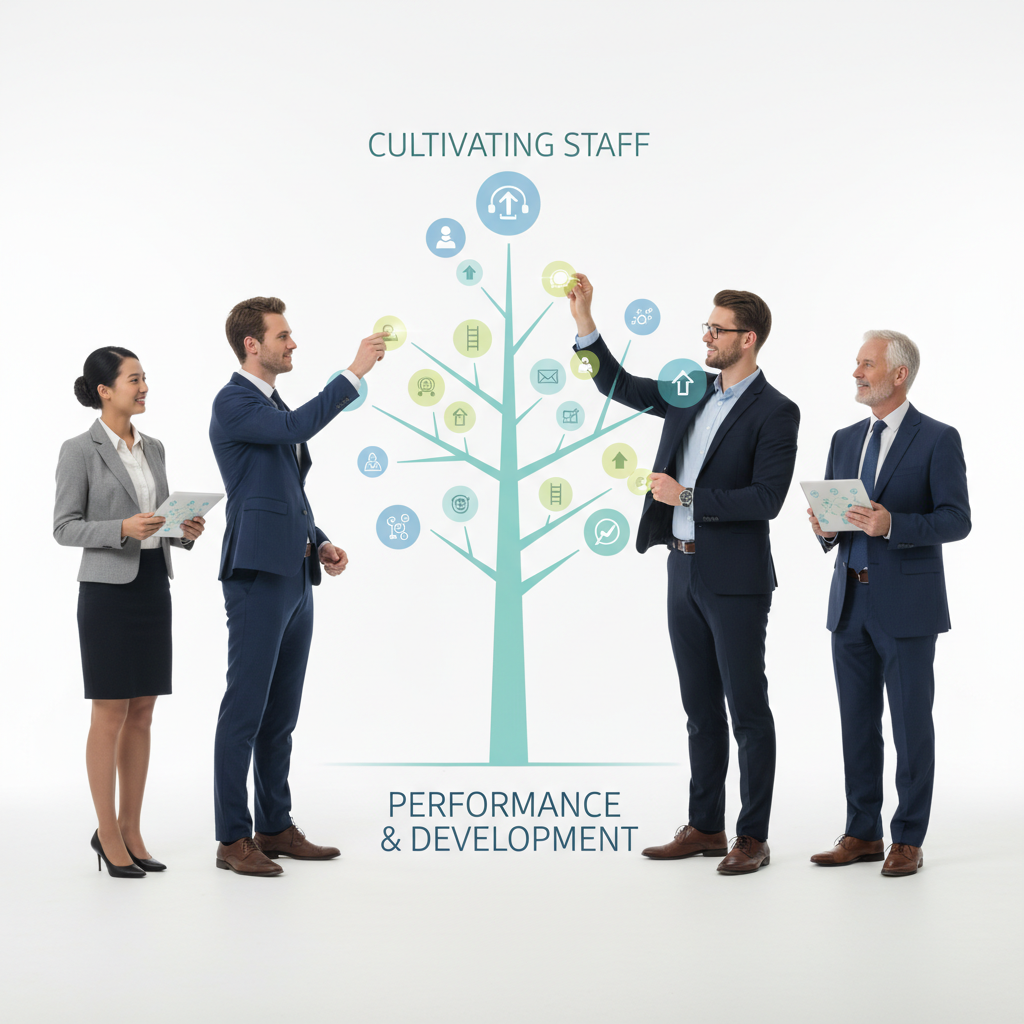
Cultivating Performance & Development for Staff
For a fresh CEO navigating the dynamic beauty landscape of Singapore, understanding and nurturing your team’s performance and development is paramount. This section delves into effective strategies for managing employee performance, fostering continuous growth, and providing targeted training within the unique environment of a beauty SME. A robust approach to performance management strategies is not just about appraisals; it’s about creating a culture of excellence, enhancing the customer experience, and ensuring your business thrives amidst fierce competition.
Developing a comprehensive framework for employee growth and talent development requires a clear understanding of your business goals and the individual capabilities of your staff. It’s an essential part of the Step by Step to understand SMEs HR Structure for the fresh the CEO in beauty field in singapore, ensuring that your HR practices are aligned with your operational objectives and contribute directly to profitability and staff retention. Let’s explore the key pillars of cultivating a high-performing team in your beauty SME.
1. Setting Performance Expectations & KPIs for Beauty Staff
Clear expectations are the foundation of strong performance. In a beauty SME, this means defining specific, measurable, achievable, relevant, and time-bound (SMART) Key Performance Indicators (KPIs) tailored to each role, be it a therapist, beautician, or front-desk staff. For example, KPIs for a beautician might include:
- Sales Targets: Monthly revenue from services and product sales.
- Customer Satisfaction: Measured through feedback forms, online reviews, or repeat booking rates.
- Service Quality: Adherence to treatment protocols, hygiene standards, and product application techniques.
- Efficiency: Time taken for standard procedures without compromising quality.
- Attendance & Punctuality: Crucial for maintaining client schedules and operational flow.
It’s vital to involve staff in the KPI-setting process to foster buy-in and ownership. Regularly review and adjust these KPIs to ensure they remain relevant to business goals and individual development. This proactive approach to defining what success looks like empowers your team and provides a clear roadmap for their professional journey.
2. Conducting Performance Reviews & Feedback Sessions
Performance reviews should be a constructive dialogue, not a monologue. For beauty staff, regular feedback sessions (quarterly or bi-annually) are crucial for continuous improvement. These sessions should be structured to:
- Review KPIs: Discuss achievements and areas where targets were not met, providing specific examples.
- Highlight Strengths: Acknowledge excellent work and positive contributions.
- Identify Development Areas: Collaboratively pinpoint skills that need enhancement or new knowledge to acquire.
- Set Future Goals: Work with staff to establish new objectives and a plan to achieve them.
- Encourage Two-Way Communication: Provide a safe space for staff to share their challenges, aspirations, and suggestions for improving the workplace or services.
In the beauty industry, incorporating client feedback (anonymously where appropriate) into reviews can offer invaluable insights. Feedback should always be specific, timely, and focused on behavior rather than personal traits, aiming to motivate and guide rather than criticize. This helps in fostering a positive environment for skill enhancement and personal growth.
3. Training & Upskilling Programs (New techniques, customer service)
The beauty industry in Singapore is ever-evolving, driven by new technologies, trends, and customer demands. Therefore, continuous staff training and upskilling programs are non-negotiable for maintaining a competitive edge and ensuring employee growth. Key areas of focus should include:
- New Techniques & Technologies: Regular workshops or certifications on the latest facial treatments, aesthetic procedures, massage techniques, or hair styling innovations.
- Product Knowledge: In-depth training on new product lines, their ingredients, benefits, and how to effectively recommend them to clients.
- Customer Service Excellence: Refresher courses on communication skills, handling difficult clients, upselling, and cross-selling, tailored to Singaporean cultural nuances for an exceptional customer experience.
- Hygiene & Safety Standards: Regular reinforcement of best practices to ensure client safety and compliance with health regulations.
- Soft Skills: Workshops on teamwork, time management, and problem-solving, which are vital for a cohesive and efficient operation.
Investing in skill development demonstrates your commitment to your team, boosting morale and significantly impacting staff retention. This strategic approach to learning ensures your beauty SME remains at the forefront of the industry, delivering cutting-edge services and unparalleled client satisfaction.
Employee Engagement & Retention Strategies
The vibrant beauty industry in Singapore, characterized by its dynamism and ever-evolving trends, presents a unique challenge for business owners: attracting and, more importantly, retaining top talent. In a high-demand sector where skilled aestheticians, therapists, and stylists are constantly sought after, high employee turnover can significantly impact service quality, client relationships, and ultimately, profitability. For fresh CEOs entering the beauty field in Singapore, understanding the nuances of HR and developing robust engagement and retention strategies is paramount. This section explores critical methods to keep your beauty staff motivated, engaged, and loyal, ensuring the sustained success of your enterprise. To effectively navigate these waters, a deep dive into your operational framework is often required. Understanding the Step by Step to understand SMEs HR Structure for the fresh the CEO in beauty field in singapore is foundational for building a stable and thriving workforce.
-
Building a Positive Workplace Culture
A thriving beauty business is built on more than just excellent services; it flourishes within a positive and supportive workplace culture. This foundational element is crucial for effective beauty salon HR strategies Singapore. Cultivating an environment where employees feel valued, respected, and heard significantly impacts their job satisfaction and commitment. Start by fostering open communication channels, encouraging feedback, and actively listening to your team’s suggestions and concerns. Regular team meetings can ensure everyone feels informed and connected, while one-on-one sessions offer opportunities for personalized growth discussions.
Furthermore, invest in career development. Offering clear pathways for advancement, whether through new skill acquisition, specialization in specific treatments, or leadership roles, signals to employees that you are committed to their professional growth. This proactive approach not only enhances their capabilities but also strengthens employee loyalty beauty sector, reducing the likelihood of them seeking opportunities elsewhere. A culture that celebrates success, supports continuous learning, and promotes a sense of belonging is a powerful antidote to the pressures of the industry, making your salon or spa an attractive place to build a long-term career.
-
Compensation, Benefits & Incentives (beyond salary)
While competitive salaries are undoubtedly important, modern staff retention beauty industry strategies must extend far beyond the basic paycheck. To truly motivate and retain motivating beauty professionals Singapore, businesses need to craft a comprehensive package of benefits and incentives that address both financial stability and personal well-being. Consider performance-based bonuses or commission structures that reward exceptional service and sales targets. This directly links individual effort to financial gain, fostering a sense of ownership and driving ambition.
Beyond direct monetary incentives, explore non-salary benefits that add significant value. This could include subsidized professional training and certification courses, allowing staff to update their skills in the latest beauty techniques (e.g., advanced facials, new nail art trends, specialized massage therapies). Product discounts or complimentary services for staff members are highly appreciated perks within the beauty sector. Health and wellness benefits, such as medical insurance subsidies, dental plans, or even a small transport allowance, demonstrate genuine care for employees’ overall welfare. For HR for small beauty businesses, these creative benefits can often differentiate an employer in a crowded market, signaling a commitment that goes beyond standard remuneration. These thoughtful additions enhance job satisfaction and reinforce the idea that their employer genuinely cares about their success and well-being.
-
Employee Wellness & Work-Life Balance Initiatives
The nature of work in the beauty industry can be physically demanding, with long hours on one’s feet, repetitive motions, and constant client interaction. Addressing employee wellness and promoting a healthy work-life balance is not merely a perk but a critical component of sustainable staff retention beauty industry. Implementing flexible scheduling options, where feasible, can greatly empower employees to manage personal commitments, reducing stress and and burnout. Ensuring adequate breaks during shifts, and providing comfortable staff rest areas, also contributes to physical and mental rejuvenation.
Initiatives focused on physical well-being might include providing ergonomic tools and training to minimize strain, or even partnering with local gyms or wellness centers for corporate discounts. Mental health support, whether through access to counseling services or promoting a culture where it’s okay to discuss stress, is increasingly vital. Encouraging staff to take their annual leave without guilt and ensuring coverage during these periods demonstrates a commitment to their personal time. By prioritizing employee well-being and actively supporting work-life balance, beauty businesses in Singapore can create a more resilient, happier, and dedicated workforce. These proven strategies for boosting employee retention are key to a thriving business. Such holistic approaches ensure that staff feel supported both inside and outside the workplace, leading to increased job satisfaction and a stronger desire to stay with the company long-term.
In conclusion, for fresh CEOs navigating the competitive Singapore beauty landscape, a proactive and empathetic approach to HR is essential. By meticulously building a positive culture, offering competitive and creative benefits, and genuinely investing in employee wellness and work-life balance, beauty businesses can significantly reduce turnover, foster deep employee loyalty beauty sector, and cultivate a highly engaged team ready to drive sustained success.
Leveraging HR Technology & Future-Proofing Your SME
As a fresh CEO entering Singapore’s dynamic beauty sector, mastering your human resources strategy is as crucial as perfecting your service offerings. The journey from a budding entrepreneur to a seasoned leader requires a sharp focus on understanding your SMEs HR structure. In today’s fast-paced environment, manual HR processes are no longer sustainable for achieving HR efficiency and ensuring compliance management. Embracing HR technology offers a robust pathway to streamline operations, optimize employee retention, and lay the groundwork for strategic HR planning, ultimately future-proofing your beauty business against evolving market demands and workforce shifts.

For beauty SMEs, where human capital is the core asset, leveraging technology isn’t just an advantage—it’s a necessity. It empowers fresh CEOs to move beyond administrative burdens and focus on talent development, customer experience, and business growth.
-
Simple HR Software Solutions for SMEs (Payroll, Leave management)
One of the most immediate and impactful steps a fresh CEO can take is to automate foundational HR processes. For the Singapore beauty sector, this typically involves managing staff schedules, commissions, attendance, payroll, and leave requests. Manual methods are prone to errors, time-consuming, and can lead to compliance issues with local labor laws. Simple, cloud-based HR software solutions are designed specifically for SMEs, offering intuitive interfaces and essential functionalities without the hefty price tag or complexity of enterprise systems.
Investing in such software can significantly boost HR efficiency. Imagine a system that automatically calculates payroll, deducting CPF contributions, managing overtime, and generating payslips with a few clicks. Similarly, leave management systems allow employees to apply for leave via a mobile app, managers to approve it instantly, and the HR team to track leave balances accurately. This automation reduces administrative workload, minimizes payroll discrepancies, and frees up valuable time for strategic tasks like talent development and improving employee experience. These systems also help ensure your business remains compliant with Singapore’s Employment Act and other relevant regulations, reducing potential legal risks and fostering a fair working environment for your team.
-
Data Analytics for HR Decision-Making
Beyond automation, HR technology offers powerful tools for data-driven decision-making. Even for a small beauty salon or spa, data is constantly being generated—from employee work hours and service bookings to client feedback and product sales performance linked to individual therapists. Analyzing this data can provide invaluable insights into operational effectiveness and employee retention strategies. For instance, tracking staff turnover rates helps identify underlying issues in your workplace culture or compensation structure. Analyzing productivity metrics (e.g., services per hour, client rebooking rates) can pinpoint top performers and areas needing additional training.
With basic HR analytics features often integrated into modern HR software, fresh CEOs can generate reports on key performance indicators (KPIs) such as absenteeism rates, recruitment costs, and even employee engagement levels through pulse surveys. This evidence-based approach enables more informed decisions regarding staffing levels during peak seasons, optimizing schedules, and tailoring talent development programs. Understanding these metrics is critical for HR technology trends for small businesses, allowing you to proactively address challenges and leverage strengths, leading to better employee satisfaction and, ultimately, a more profitable business.
-
Adapting to Industry Trends & Workforce Shifts
The beauty sector in Singapore is dynamic, constantly influenced by new treatments, technologies, and evolving consumer preferences. Concurrently, the workforce itself is undergoing significant shifts, with growing demands for flexible work arrangements, continuous learning, and personalized career paths. Future-proofing your SME means being agile and adaptable to these trends, and HR technology is your ally.
Embrace platforms that facilitate continuous learning and talent development. This could involve e-learning modules for new beauty techniques, upskilling opportunities in customer service, or certifications in advanced treatments. Flexible scheduling tools within HR software can help accommodate staff needs for work-life balance, crucial for employee retention in a competitive market. Furthermore, considering tools that support performance management, feedback loops, and career development plans will empower your employees and keep them engaged. By leveraging technology to adapt to these changes, fresh CEOs can build a resilient, skilled, and motivated workforce ready to meet the future demands of the Singapore beauty sector, ensuring sustained growth and success.
Partner with Shelby Global
You are looking for reliable HR Sevice Suppliers? Contact Shelby Global Now! To connect with verified talents and upgrade your orginization.
—————————————
References
– Singapore’s Employment Act: https://www.mom.gov.sg/employment-practices/employment-act
– Fair Consideration Framework: https://www.mom.gov.sg/employment-practices/fair-consideration-framework
– Developing a performance management framework | Enterprise Singapore: https://www.enterprisesg.gov.sg/tools-resources/sme-portal/grow/develop-performance-management-framework
– Strategies for Employee Retention: https://www.shrm.org/resources-and-tools/hr-topics/employee-relations/pages/strategies-for-employee-retention.aspx
– HR Technology Trends for Small Businesses: https://www.shrm.org/hr-today/news/hr-magazine/fall15/pages/hr-technology-trends-for-small-business.aspx