Foundational HR Structure & Team Dynamics
This section explores the core setup and size of Human Resources departments, highlighting the fundamental structural differences between the SMEs’ HR Structure and the Corporates’ HR Structure in Entertainment field in malaysia. Understanding these disparities is crucial for effective HR management within the nation’s dynamic entertainment industry, where agile startups co-exist with established media giants. From talent acquisition and retention to compliance and employee development, the approach to HR is profoundly shaped by an organization’s scale and operational philosophy, reflecting key Malaysian HR trends.

-
Team Size and Reporting Lines: Centralized vs. Decentralized HR
In Malaysia’s vibrant entertainment sector, the differences between the SMEs’ HR Structure and the Corporates’ HR Structure in Entertainment field in malaysia are starkly evident in team size and reporting lines. Small and Medium-sized Enterprises (SMEs) typically operate with a lean HR function, often comprising one or two HR generalists, or even having HR duties absorbed by administrative staff. These individuals manage a broad spectrum, from payroll and recruitment to employee relations and legal compliance. Reporting directly to the CEO or owner, this centralized, hands-on approach integrates HR deeply into daily operations. While allowing rapid decision-making, it can also stretch HR thin, impacting strategic initiatives and posing HR challenges.
Conversely, large entertainment corporations – encompassing media conglomerates and major film studios – boast significantly larger, more structured HR departments. These entities often adopt a decentralized HR model, with specialized teams or HR business partners embedded within different business units. Reporting lines can be complex, involving functional reporting to a Chief HR Officer and dotted-line reporting to business unit heads. This structure allows for specialized expertise and tailored support for a large, diverse workforce. While providing comprehensive coverage and strategic depth, a decentralized model requires robust communication for consistent policy application. This choice impacts HR service efficiency, especially for talent management and employee engagement across diverse entertainment segments.
-
Role Specialization vs. Generalist Approach in HR Teams
The distinct scale of operations further dictates the level of HR role specialization within Malaysian entertainment companies. SMEs, by necessity, rely heavily on HR generalists. An HR generalist in a smaller production house might handle everything from drafting employment contracts to managing visa applications for international artists. This generalist approach demands versatility and a broad understanding of all HR facets, invaluable in a fast-paced environment where adaptability is key. However, the lack of deep specialization can mean complex HR challenges, such as intricate labor law disputes or advanced compensation design, may require external consultation.
In contrast, large corporations within Malaysia’s entertainment landscape, such as broadcast networks, possess resources to cultivate highly specialized HR teams. Here, you’ll find dedicated professionals focusing solely on areas like talent acquisition, compensation and benefits, learning and development, and even HR technology (e.g., managing HRIS). This specialization enables greater expertise and sophisticated HR strategy tailored to specific functions or segments. For instance, a dedicated specialist might recruit top-tier directors, while another focuses on technical crew. This ensures HR best practices are followed and complex issues are handled by experts, but necessitates careful coordination for seamless service delivery across the entire employee lifecycle. Understanding these HR structures is critical when evaluating an organization’s people strategy in the entertainment industry HR landscape.
-
Influence of Organizational Culture on HR Practices
Organizational culture profoundly shapes HR practices, creating another key distinction in the differences between the SMEs’ HR Structure and the Corporates’ HR Structure in Entertainment field in malaysia. In many entertainment SMEs, the culture is often informal, entrepreneurial, and highly collaborative, reflecting the passion and close-knit nature typical of creative industries. HR practices often mirror this, being more flexible, relationship-driven, and less bureaucratic. Policies might be less formalized, with an emphasis on direct communication, fostering a strong sense of community and shared purpose. This benefits employee engagement, but challenges consistency without robust frameworks.
Conversely, larger entertainment corporates, while also striving for a creative atmosphere, often operate with more established, sometimes hierarchical, cultures. Their HR practices tend to be more structured, policy-driven, and focused on compliance with labor laws and corporate governance. There’s a greater emphasis on standardized processes for everything from performance management to grievance handling. HR departments in these larger entities play a crucial role in maintaining consistency, promoting diversity, and ensuring ethical practices across a broad employee base. While this structure offers stability and clear guidelines, it can sometimes be perceived as less agile or personal. Reputation management and adherence to complex regulations mean HR best practices are often formalised. Ultimately, whether an HR structure thrives on agility or on comprehensive policy is a reflection of the company’s deeply ingrained cultural values and its strategic approach to organizational development within the challenging Malaysian entertainment landscape.
In summary, the foundational HR structure and team dynamics within Malaysia’s entertainment sector present a fascinating dichotomy. SMEs lean towards lean, generalist HR functions with centralized reporting, fostering agility and close relationships. Large corporates, conversely, adopt specialized, often decentralized HR teams with complex reporting lines, prioritizing expertise, compliance, and comprehensive coverage. These fundamental differences between the SMEs’ HR Structure and the Corporates’ HR Structure in Entertainment field in malaysia directly influence everything from talent acquisition and development to employee relations and strategic planning, underscoring the necessity for HR strategies to align seamlessly with organizational scale and cultural ethos.
Talent Acquisition & Development Strategies
The Malaysian entertainment industry, a vibrant and rapidly expanding sector, relies heavily on its human capital to drive creativity, innovation, and growth. However, the approaches to attracting, hiring, and nurturing this workforce vary significantly between Small and Medium-sized Enterprises (SMEs) and larger corporate entities. Understanding these Differences between the SMEs’ HR Structure and the Corporates’ HR Structure in Entertainment field in malaysia is crucial for both job seekers and industry stakeholders. This comparison highlights how these distinct organisational structures influence everything from initial recruitment to long-term talent retention strategies.
1. Recruitment Strategies: Agility for SMEs vs. Employer Branding for Corporates
For SMEs in Malaysian entertainment, recruitment often hinges on agility and direct outreach. Lacking extensive HR departments, these smaller companies frequently leverage personal networks, industry referrals, and targeted social media campaigns to identify and attract talent. Their hiring decisions are often swift, prioritizing a strong cultural fit and immediate skill alignment with specific project needs. Candidates are often expected to wear multiple hats, making versatility a highly valued trait. This lean approach allows SMEs to be responsive to project-based demands and quickly fill critical roles with individuals who possess niche expertise or a passionate drive for the industry.
In contrast, corporate entities in the entertainment sector, often part of larger media conglomerates, employ more structured and resource-intensive recruitment strategies. They invest significantly in employer branding, crafting compelling narratives about their company culture, career development opportunities, and market leadership to attract a broad pool of candidates. Their processes typically involve dedicated HR teams, Applicant Tracking Systems (ATS), multiple interview stages, and collaborations with recruitment agencies. Corporates can offer more stable career paths, comprehensive benefits, and often higher remuneration, positioning themselves as desirable employers. While this approach might be less agile, it ensures a thorough vetting process and access to a wider talent pool, including fresh graduates from universities and established professionals seeking upward mobility.
2. Onboarding, Training & Development Programs
The onboarding experience in SMEs tends to be less formal, relying heavily on on-the-job training and direct mentorship from founders or senior team members. New hires are often immersed quickly into projects, learning through practical application and immediate feedback. Training and development, while crucial, are typically ad-hoc and budget-dependent, focusing on essential skills required for current projects. This can foster a strong sense of ownership and accelerated learning for individuals capable of self-direction, but may lack the structured support systems found in larger organisations. Growth opportunities are often tied to the company’s expansion and the individual’s proactive initiative.
Corporates, conversely, offer more comprehensive and structured onboarding programs designed to integrate new employees seamlessly into their larger organisational frameworks. These programs often include formal orientations, detailed training modules, and dedicated mentors. Training and development are proactive, with substantial investments in internal academies, external workshops, e-learning platforms, and leadership development initiatives. Employees often have access to a wider array of resources for skill enhancement and continuous professional development, contributing to long-term career progression within the company. This systematic approach ensures a consistent standard of competency across the workforce and supports succession planning.
3. Talent Management & Retention Initiatives
Retaining talent within SMEs often hinges on fostering a strong, cohesive team culture and offering employees a direct impact on the company’s success. Personal relationships with management, recognition for contributions, and a sense of belonging are powerful motivators. While formalized career paths might be less defined, rapid growth within a successful SME can offer unique opportunities for advancement and increased responsibility. However, SMEs often face challenges in matching the comprehensive benefits and structured career progression offered by larger players, making retention a continuous effort based on intangible benefits.
Corporates typically employ sophisticated talent management systems, including regular performance appraisals, 360-degree feedback, and clearly articulated career progression frameworks. Retention strategies involve competitive compensation and benefits packages, robust employee wellness programs, flexible work options, and initiatives promoting diversity and inclusion. Furthermore, corporates often provide avenues for internal mobility, allowing employees to explore different roles or departments, which can significantly enhance job satisfaction and career longevity. The structured nature of their HR operations provides a clear roadmap for employees’ professional journeys, reinforcing loyalty and reducing turnover in a competitive talent landscape.
In conclusion, while SMEs champion agility, direct engagement, and a tight-knit culture, corporates excel through structured processes, extensive resources, and comprehensive development pathways. Both models contribute uniquely to the vibrant tapestry of the Malaysian entertainment industry, each presenting distinct advantages and challenges in the ongoing quest for top talent.
Compensation, Benefits & Performance Management
Delves into how each entity manages employee rewards, benefits packages, performance evaluations, and fosters employee engagement within the entertainment industry.
The dynamic and talent-driven nature of the entertainment industry in Malaysia presents unique challenges and opportunities for Human Resources. A key area where significant disparities emerge between smaller entities (SMEs) and larger corporations lies in their approach to compensation, benefits, and performance management. Understanding these Differences between the SMEs’ HR Structure and the Corporates’ HR Structure in Entertainment field in malaysia is crucial for talent attraction and retention. While both strive for employee well-being and productivity, their operational scales dictate vastly different strategies in the Malaysian entertainment industry HR landscape.
-
Compensation & Benefits Structures: Budget vs. Market Leadership
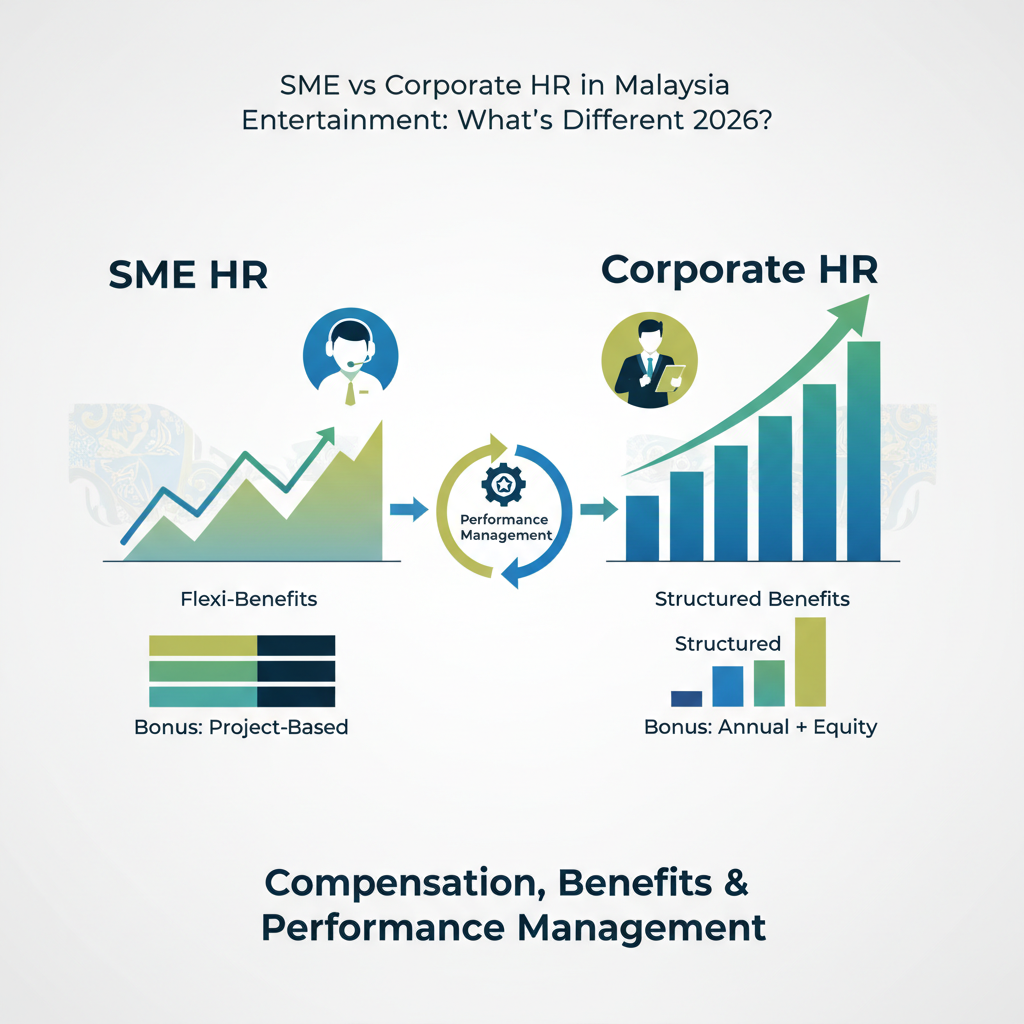
For SMEs in the entertainment sector, HR budget constraints SMEs often dictate a more agile and sometimes unconventional approach to compensation and benefits. Instead of offering expansive, standardized packages, these entities frequently rely on performance-based bonuses, project-specific incentives, and a strong culture of recognition to supplement more modest base salaries. Benefits might be more localized, focusing on team-building activities, flexible working hours, or professional development opportunities relevant to specific creative skills. This contrasts sharply with corporate HR benefits Malaysia, where larger players typically offer comprehensive packages aligned with market leadership compensation strategies. These corporations, often with international ties, can afford to provide competitive salaries, robust health insurance, retirement plans, and structured career progression paths, mirroring global best practices. The goal is to attract top-tier talent through a combination of financial security and extensive perks, ensuring they remain competitive in the broader talent market.
-
Performance Appraisal Systems and Feedback Loops
The approach to performance management entertainment Malaysia also varies significantly. SMEs often utilize less formal, more frequent, and direct feedback loops. Appraisals might be project-centric, informal check-ins with team leads, or peer reviews that are part of the daily workflow. While this can foster a highly collaborative environment and immediate course correction, it can sometimes lack the structured documentation and objectivity of larger systems. Conversely, large corporation HR practices Malaysia typically involve sophisticated performance appraisal systems. These often include annual reviews, mid-year check-ins, 360-degree feedback, clear key performance indicators (KPIs), and goal-setting frameworks. Such structured feedback systems entertainment professionals receive are designed to provide consistent, objective evaluations, support talent retention entertainment Malaysia, and link directly to career development and compensation adjustments. While potentially more bureaucratic, these systems offer transparency and clear pathways for growth, which are critical for ambitious employees in a competitive industry.
-
Employee Engagement & Recognition Programs
Fostering employee engagement entertainment sector-wide is paramount, yet the methods employed by SMEs and corporates differ. SMEs often excel at creating a close-knit community where informal recognition programs HR initiatives, like public praise, small team celebrations, or direct appreciation from founders, are common. The personal touch and a strong sense of belonging are key drivers of engagement, leveraging the passion often found in creative industries. Their compensation strategies entertainment SMEs may also incorporate unique forms of recognition, such as profit-sharing on successful projects. For larger corporations, employee engagement tends to be driven by structured recognition programs HR, often digital platforms for peer-to-peer acknowledgment, awards ceremonies, service anniversaries, and comprehensive wellness initiatives. These programs are designed to be scalable and consistent across larger workforces, ensuring fairness and broad participation. Both approaches aim to motivate and retain talent, but the ‘how’ reflects their inherent structural differences between the SMEs’ HR structure and the corporates’ HR structure in entertainment field in Malaysia. Ultimately, while SMEs offer agility and a personal touch, corporates provide stability, comprehensive benefits, and structured growth, each catering to different aspects of employee needs and aspirations within the vibrant Malaysian entertainment industry.
HR Technology Adoption & Legal Compliance
In the dynamic landscape of the Malaysian entertainment industry, both Small and Medium-sized Enterprises (SMEs) and large corporations face the dual challenge of optimizing operations through advanced HR technology while rigorously adhering to the nation’s complex legal framework. The drive for digital transformation is not merely about efficiency; it’s a strategic imperative that significantly impacts an organization’s agility, competitive edge, and ability to attract and retain top talent. However, the path to digital HR must be carefully navigated to ensure robust legal compliance, protecting both the employer and employee. Understanding the Differences between the SMEs’ HR Structure and the Corporates’ HR Structure in Entertainment field in malaysia is crucial, as their approaches to technology and compliance often vary significantly due to scale, resources, and operational complexity.
-
HR Technology & Digital Transformation in Operations
The embrace of HR technology marks a significant shift towards digital transformation in human resources. Modern HR Information Systems (HRIS) and cloud-based HR solutions are at the forefront of this evolution, automating previously manual and time-consuming processes. For entertainment entities, from burgeoning production houses to established media conglomerates, these systems streamline critical functions such as talent acquisition, from initial recruitment to onboarding, and significantly enhance performance management through continuous feedback loops and goal tracking. Payroll automation minimizes errors and ensures timely compensation, a critical factor for project-based entertainment professionals. Furthermore, employee self-service portals empower staff to manage leave requests, update personal information, and access payslips, fostering greater transparency and reducing administrative burden on HR teams. These technological advancements contribute directly to improved HR efficiency, allowing HR professionals to pivot from transactional tasks to more strategic initiatives like training and development and fostering a positive workplace culture. While SMEs might opt for simpler, integrated solutions, corporates often require sophisticated, scalable systems capable of managing diverse workforces, including freelancers and contract-based talent prevalent in the entertainment sector. Remote work solutions, increasingly vital, are also facilitated by these platforms, ensuring seamless operations regardless of geographical dispersion.
-
Data Management & Analytics Capabilities in HR
Beyond automation, HR technology unlocks powerful data management and analytics capabilities. By centralizing employee data, organizations can leverage HR analytics to gain deep insights into their workforce. This shift enables data-driven decisions, moving away from intuition to evidence-based strategies. For instance, predictive analytics can help forecast talent needs, identify potential turnover risks, and inform workforce planning, allowing entertainment companies to proactively address staffing requirements for upcoming projects. Robust data collection also fuels insights into employee engagement levels, helping HR departments design targeted retention strategies and improve overall employee experience. The ability to track key HR metrics, such as time-to-hire, employee satisfaction scores, and training effectiveness, provides tangible benefits. These insights are not only valuable for internal strategic planning but also crucial for compliance reporting. Ensuring data security and privacy within these systems is paramount, especially when handling sensitive personal information, making adherence to data protection principles a non-negotiable aspect of modern HR operations. The scale of big data in HR for large corporates often necessitates advanced analytical tools, whereas SMEs might focus on more foundational reporting.
-
Navigating Legal Compliance in Malaysian HR Laws
The integration of HR technology must go hand-in-hand with an unwavering commitment to navigating legal compliance in Malaysian HR laws. The landscape of employment regulations in Malaysia is complex, primarily governed by key legislations such as the Employment Act 1955, which covers minimum standards for terms and conditions of employment; the Personal Data Protection Act (PDPA) 2010, crucial for the secure handling of employee data; and the Industrial Relations Act 1967, which addresses trade union matters and industrial disputes. For entertainment entities, compliance management also extends to specific considerations like varying contract types for artists, performers, and crew, as well as potential immigration regulations for foreign talent. HR technology can significantly aid in this area by automating compliance checks, maintaining accurate records for statutory requirements, and ensuring fair labor practices. For instance, automated leave and payroll systems reduce the risk of non-compliance with statutory holidays and minimum wage requirements. Effective risk management is crucial, as non-compliance can lead to hefty fines, reputational damage, and industrial disputes. Corporates, with their larger and more diverse workforces, often face greater scrutiny and require more sophisticated compliance frameworks, potentially including dedicated legal counsel. SMEs, while having fewer resources, must still ensure their HR practices and technological implementations align with the prevailing legal frameworks to avoid penalties. A thorough understanding and regular update on Malaysian employment law are indispensable for sustainable HR operations.
Strategic HR Challenges & Future Trends
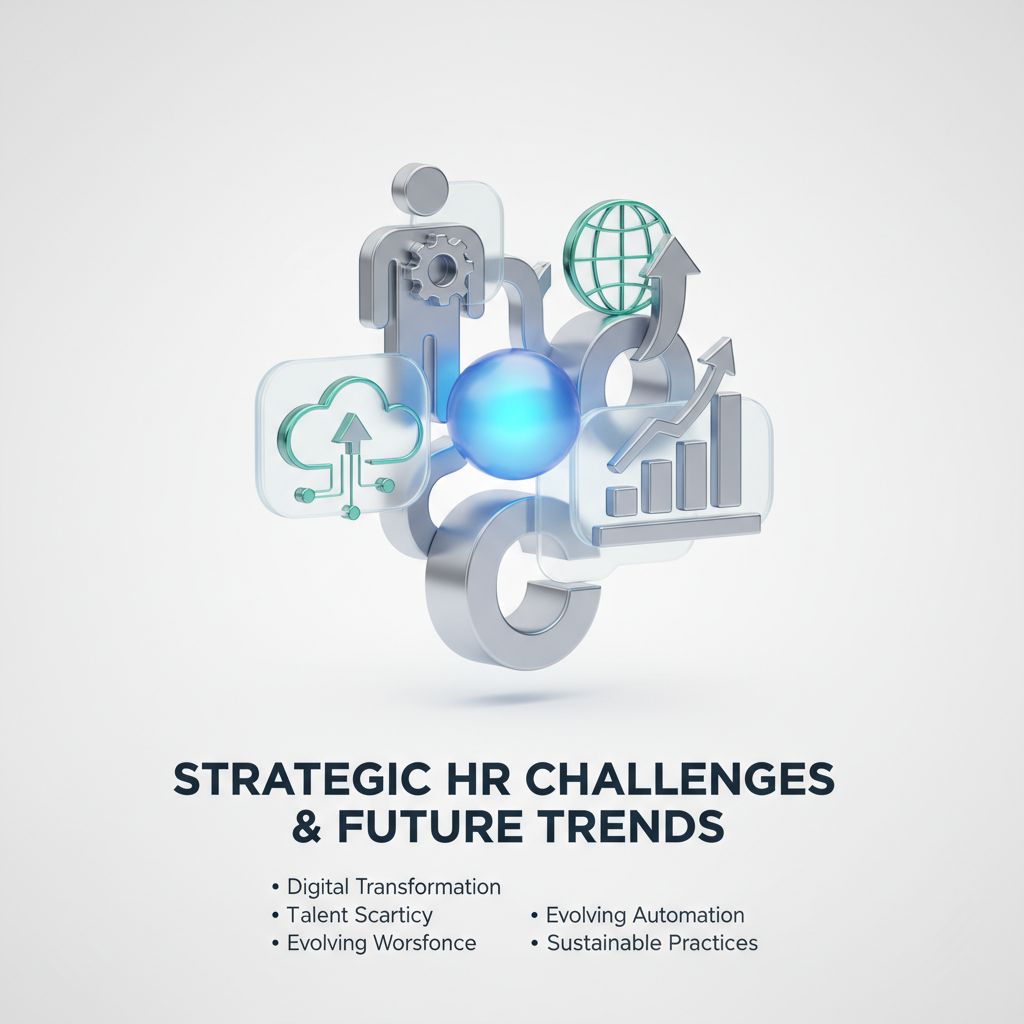
The dynamic and ever-evolving entertainment sector in Malaysia presents a unique set of human resource challenges, particularly when comparing the distinct operational landscapes of Small and Medium-sized Enterprises (SMEs) and large corporates. Understanding the Differences between the SMEs’ HR Structure and the Corporates’ HR Structure in Entertainment field in Malaysia is crucial for navigating these complexities and strategizing for future growth. While both segments grapple with attracting and retaining creative talent, managing project-based work, and adapting to rapid technological shifts, their approaches, resources, and inherent challenges diverge significantly.
For SMEs in the entertainment realm, HR often means a lean team, or even one individual wearing multiple hats, focusing heavily on operational necessities like payroll and compliance. In contrast, large corporates boast specialized HR departments, investing in advanced HR technology and comprehensive talent development programs. This foundational difference shapes everything from budget allocation to long-term strategic planning, profoundly impacting talent management in Malaysian entertainment.
1. HR Budget Allocation & Resource Constraints
One of the most significant distinctions lies in HR budget allocation Malaysia entertainment. SMEs typically operate with tighter financial constraints, leading to a pragmatic approach where HR spending is often limited to essential functions. This means less investment in sophisticated HR technology adoption Malaysia, comprehensive training programs, or specialized recruitment campaigns. The HR challenges for SMEs in entertainment Malaysia often revolve around competing for top talent against larger, better-funded entities. They struggle to offer competitive salaries, benefits, and career progression pathways, leading to higher turnover rates and a constant need for recruitment. Multi-tasking HR personnel in SMEs often lack the time and resources to engage in strategic initiatives, focusing instead on day-to-day administration.
Corporates, on the other hand, benefit from robust budgets, allowing for dedicated departments focusing on various HR facets such as talent acquisition, learning & development, compensation & benefits, and HR analytics. Their corporate HR strategies entertainment industry often involve substantial investments in cutting-edge HRIS, AI-driven recruitment platforms, and employee well-being programs. While they can attract premium talent with attractive packages, their challenge might lie in navigating complex internal bureaucratic structures and ensuring agility in a fast-paced creative industry, rather than pure resource scarcity.
2. Scaling HR Operations & Growth Challenges
Growth, while desirable, presents unique scaling HR operations & growth challenges for both SMEs and corporates. For smaller entertainment businesses, rapid expansion can quickly overwhelm their lean HR structures. The absence of formalized HR policies, standardized procedures, and scalable HR systems can lead to compliance risks, inconsistent employee experiences, and a strain on existing staff. HR scaling for small businesses demands foresight, anticipating future talent needs, and gradually professionalizing HR functions from reactive to proactive. They must grapple with managing a growing contingent workforce and project-based teams, which is common in the entertainment sector.
Large corporates face a different set of scaling complexities. Their growth might involve mergers, acquisitions, or international expansion, necessitating the integration of diverse HR systems, cultures, and legal frameworks. Maintaining a consistent corporate culture and ensuring equitable practices across various business units or global operations become paramount. Developing a robust talent pipeline development that aligns with long-term business goals is a continuous endeavor, requiring sophisticated workforce planning and succession strategies.
3. Future Trends and the Evolving Role of HR in Entertainment
The future of HR entertainment industry is being shaped by several transformative trends. Digital transformation and HR technology adoption Malaysia are revolutionizing how HR operates. AI and automation are streamlining recruitment, onboarding, and performance management, freeing up HR professionals to focus on strategic initiatives. The rise of the gig economy HR challenges is particularly pertinent for the entertainment sector, with its reliance on freelancers, contractors, and project-based talent. HR’s role is evolving to effectively manage this blended workforce, ensuring compliance, fair treatment, and seamless integration into project teams.
Furthermore, there’s a heightened focus on the employee experience entertainment sector. HR is increasingly responsible for fostering a positive and inclusive workplace culture, emphasizing employee well-being, engagement, and development. Upskilling and reskilling programs are critical to ensure that creative talent remains adaptable to new technologies and evolving audience demands. Diversity, Equity, and Inclusion (DEI in creative industries Malaysia) initiatives are gaining traction, promoting equitable representation and fostering a more inclusive environment both onscreen and behind the scenes. As HR transitions from administrative to a strategic HR partnership Malaysia role, it becomes a crucial driver of business success, leveraging data analytics to inform talent strategies and contribute directly to the organization’s competitive advantage in this dynamic industry. This strategic shift is vital for both SMEs and corporates to thrive in the complex landscape of Malaysian entertainment.
Partner with Shelby Global
You are looking for reliable HR Sevice Suppliers? Contact Shelby Global Now! To connect with verified talents and upgrade your orginization.
—————————————
References
– HR Trends Malaysia 2024 – Talent Intelligence: https://www.talentintelligence.my/blog/hr-trends-malaysia-2024
– Why Small Businesses Struggle With HR (And How To Fix It): https://www.forbes.com/sites/forbeshumanresourcescouncil/2023/07/20/why-small-businesses-struggle-with-hr-and-how-to-fix-it/
– Malaysia Salary Budget Planning Report 2023: https://www.willistowerswatson.com/en-MY/insights/2023/11/malaysia-salary-budget-planning-report-2023
– Malaysian Ministry of Human Resources: https://www.mohr.gov.my/index.php/en/
– What Is the Future of HR? – SHRM: https://www.shrm.org/resources-and-tools/tools-and-samples/hr-qa/pages/whatisthefutureofhr.aspx