The Rise of AI Agents in Marketing: What Agencies Need to Know
The marketing landscape is undergoing a profound transformation, driven by the rapid evolution of artificial intelligence. The emergence of sophisticated AI agents marks a new era, fundamentally reshaping how marketing agencies operate and deliver value. These advanced systems are becoming indispensable partners, capable of executing complex tasks with autonomy and precision. For forward-thinking markets like Singapore, renowned for its digital adoption and innovation, understanding and integrating AI agents is not merely an an advantage—it’s a necessity. The question of how AI agent effect to marketing agency in singapore is quickly shifting from theoretical discussion to practical implementation, demanding immediate attention. Agencies embracing this shift will be equipped to navigate an increasingly complex digital world, offering unparalleled efficiency, personalization, and strategic foresight.
1. Defining AI Agents: From Chatbots to Autonomous Systems
To truly grasp their potential, it’s crucial to distinguish AI agents from their more rudimentary predecessors. While initial forays into AI might bring to mind basic chatbots or rule-based automation scripts, true AI agents represent a significant leap forward. These are sophisticated software entities designed to perceive their environment, make decisions, and take actions to achieve specific goals, often without constant human oversight. Unlike simple chatbots that follow predefined conversational flows, an AI agent possesses greater autonomy, reasoning capabilities, and the ability to learn and adapt over time. They are goal-oriented, meaning they can interpret complex objectives (e.g., “increase conversion rates by 10%”) and then strategize, execute, and refine campaigns. This evolution from static, reactive tools to proactive, adaptive systems fundamentally changes the calculus of how AI agent effect to marketing agency in singapore, moving beyond mere task automation to strategic partnership. They can self-correct, optimize performance based on real-time data, and even explore novel solutions to marketing challenges.
2. Key Capabilities: Automation, Personalization, and Predictive Analytics
The power of AI agents in marketing is most evident in their core capabilities: advanced automation, hyper-personalization, and sophisticated predictive analytics.
- Automation: Beyond scheduling posts or sending email blasts, AI agents can automate entire campaign lifecycles. This includes dynamic content generation, audience segmentation, multi-channel distribution, real-time bidding for ad placements, and A/B testing across platforms. This level of automation frees up human marketers from repetitive tasks, allowing them to focus on high-level strategy and creative development. For agencies, this means vastly increased operational efficiency and the ability to manage more complex campaigns with fewer resources.
- Personalization: AI agents excel at creating deeply personalized customer experiences at scale. By analyzing vast datasets of user behavior, they can tailor messages, offers, and content in real-time for individual consumers. This extends to dynamically adjusting website content, product recommendations, and conversational responses based on a user’s current intent. This granular personalization drives higher engagement, stronger brand loyalty, and improved conversion rates, a critical factor for competitive agencies in Singapore. According to a recent report by Accenture, businesses leveraging AI for personalization see significant uplift in customer satisfaction and revenue, highlighting the strategic imperative for adoption.
- Predictive Analytics: One of the most transformative capabilities, predictive analytics allows AI agents to forecast future trends and consumer behaviors with remarkable accuracy. They can analyze historical campaign data, market trends, and social sentiment to predict effective strategies, identify emerging opportunities, or foresee potential risks. This empowers agencies to make data-driven decisions, optimize budget allocation, and proactively adapt strategies, ensuring maximum ROI. Understanding these predictive capabilities is vital for understanding how AI agent effect to marketing agency in singapore by transforming reactive marketing into proactive, foresight-driven strategy.
3. Current Adoption Landscape in Singapore’s Marketing Sector
Singapore stands at the forefront of digital transformation, making its marketing sector particularly ripe for AI agent integration. The city-state’s strong emphasis on innovation, robust digital infrastructure, and a highly skilled workforce creates an ideal environment. Government initiatives, such as the Smart Nation push and various grants for AI adoption, further incentivize businesses, including marketing agencies, to explore and implement AI solutions. While the journey is ongoing, many agencies in Singapore are already experimenting with or deploying AI agents for tasks ranging from content optimization and lead generation to customer service automation. The competitive nature of Singapore’s market, coupled with its aspiration to be a global tech hub, means that agencies are under constant pressure to innovate and deliver superior results. Therefore, the strategic application of AI agents is becoming a key differentiator. The overall impact of these technologies is not just about efficiency; it’s about fundamentally redefining client expectations and the capabilities of a modern marketing agency. The question of how AI agent effect to marketing agency in singapore is no longer about if, but how quickly and effectively agencies can integrate these powerful tools to stay ahead. To learn more about this transformative impact, explore resources on How AI agent effect to marketing agency in singapore and the broader implications for digital marketing.
Revolutionizing Marketing Operations and Efficiency
The marketing landscape in Singapore is undergoing a profound transformation, driven by Artificial Intelligence (AI) agents. These sophisticated tools are no longer futuristic concepts but integral components of daily operations within marketing agencies. From streamlining mundane tasks to supercharging complex data analysis, AI agents are proving to be game-changers, significantly enhancing overall campaign performance and efficiency. For any marketing agency in Singapore aiming to stay competitive, understanding how AI agents effect their operations is crucial for unlocking new levels of productivity and strategic insight.
The integration of AI agents across various facets of marketing operations is reshaping workflows, allowing human teams to focus on creativity, strategy, and client relationships. This shift is particularly evident in several key areas where AI delivers tangible, measurable benefits.
1. Automating Content Creation and Distribution
One of the most immediate and impactful ways AI agents effect a marketing agency in Singapore is through automating content creation and distribution. Generating high-quality, relevant content consistently is often a massive undertaking. AI tools now assist in drafting blog posts, social media updates, and ad copy based on topics, target audiences, and brand guidelines. These agents analyze vast data to identify trending topics, popular keywords, and optimal content formats, ensuring material resonates with the audience.
AI agents also excel in content distribution. They schedule posts across multiple platforms at optimal times, personalize email marketing campaigns by segmenting audiences, and adapt content for different channels automatically. This automation accelerates the content pipeline, ensures greater consistency and reach, and frees up human marketers to focus on refining strategy and innovative campaigns. Rapidly testing ad copy variations also leads to faster optimization and improved campaign results.
2. Enhancing Data Analysis and Performance Measurement
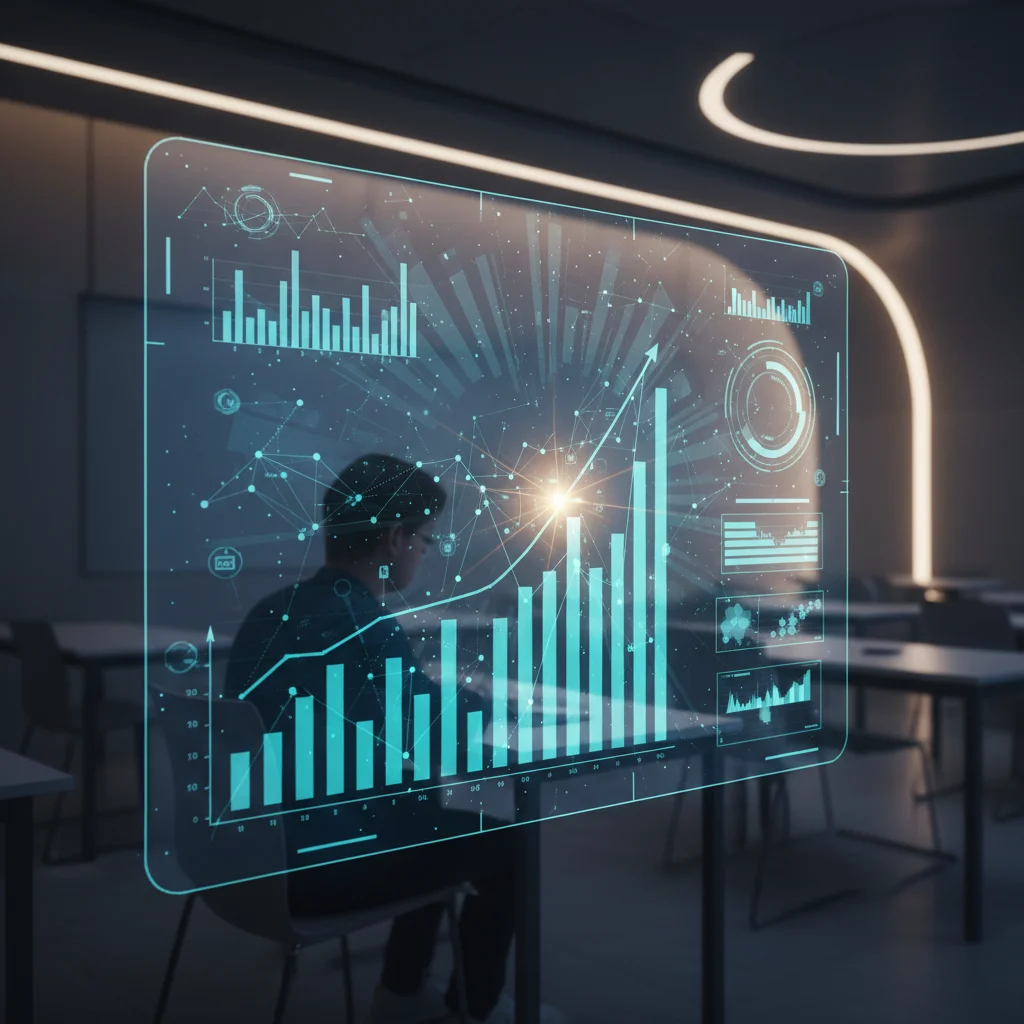
The sheer volume of data from modern marketing campaigns can overwhelm human analysts. This is where AI agents truly shine, revolutionizing how a marketing agency in Singapore approaches data analysis and performance measurement. AI-powered analytics tools process and interpret massive datasets from various sources—social media, website traffic, CRM systems—in real-time, identifying patterns, trends, and anomalies impossible for humans to detect manually.
AI provides granular insights into customer behavior, predicts future trends, and pinpoints campaign successes or weaknesses. It identifies influential touchpoints, segments audiences with precision, and uncovers hidden growth opportunities. This enhanced analytical capability allows marketing agencies to make data-driven decisions based on deep, actionable intelligence. According to a report by McKinsey & Company on the state of AI, organizations adopting AI for data analysis often report significant improvements in efficiency and decision-making accuracy. This directly translates to more effective strategies and better ROI for clients.
3. Optimizing Ad Spend and Campaign Management
Optimizing ad spend and managing complex campaigns are critical functions where AI agents offer substantial advantages to a marketing agency in Singapore. Traditional campaign management involves manual adjustments and reactive strategies. AI agents, however, bring predictive analytics and real-time optimization, dramatically enhancing efficiency and effectiveness.
AI-driven platforms continuously monitor ad performance across multiple channels, automatically adjusting bids, targeting, and creative elements to maximize ROI. They identify underperforming ads and reallocate budgets to those delivering the best results, often in milliseconds. This dynamic optimization ensures every dollar of ad spend is utilized efficiently, minimizing waste and maximizing conversions. Furthermore, AI agents predict campaign goal likelihood, allowing agencies to proactively make adjustments. For agencies seeking deeper insights into how these agents transform advertising, exploring resources on How AI agent effect to marketing agency in singapore can be beneficial. This proactive approach ultimately leads to superior campaign outcomes and greater client satisfaction.
The impact of AI agents on marketing agencies in Singapore is undeniable and growing. By automating repetitive tasks, providing unparalleled data insights, and optimizing campaign performance, AI is not just changing how marketing is done; it’s redefining what’s possible. Agencies that embrace these intelligent tools will be well-positioned to deliver innovative, efficient, and highly effective campaigns, ensuring their relevance and success in an increasingly dynamic digital world.
Navigating Challenges and Ethical Considerations
The integration of AI agents presents Singaporean marketing agencies with a transformative landscape, ripe with both unprecedented opportunities and significant challenges. While AI promises enhanced efficiency, personalized campaigns, and data-driven insights, it also introduces a complex array of hurdles, particularly concerning job security, data privacy, and the preservation of human ingenuity. Understanding How AI agent effect to marketing agency in singapore requires a proactive approach to address these potential pitfalls, ensuring a responsible and sustainable transition.
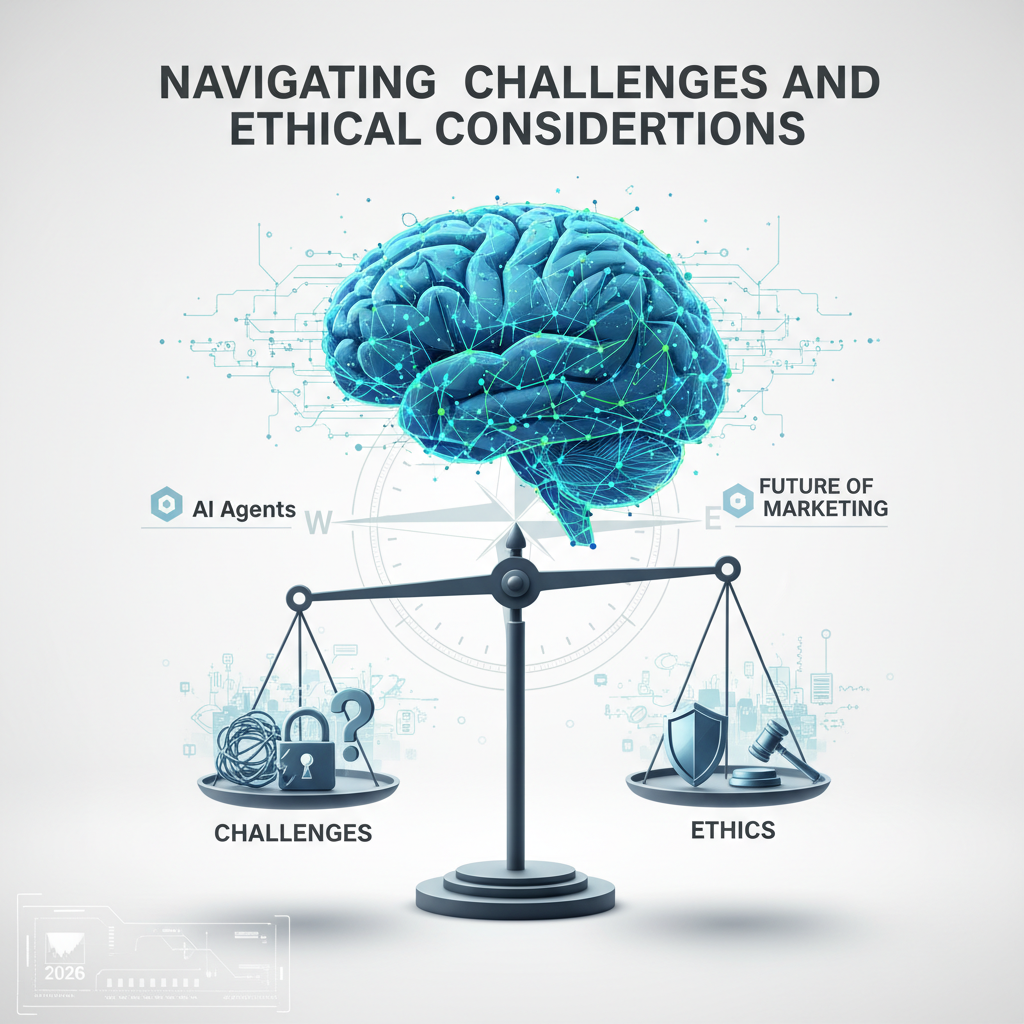
1. Job Displacement Concerns and Skill Gaps
One of the most immediate and sensitive concerns surrounding AI integration in marketing agencies is the potential for job displacement. AI agents excel at automating repetitive and data-intensive tasks such as keyword research, ad bidding, performance reporting, and even generating basic content. This automation, while boosting efficiency, naturally raises questions about the future roles of human employees. Marketing professionals, especially those in entry-level or operational roles, might fear their positions becoming redundant.
However, the narrative isn’t purely one of replacement but rather transformation. The demand for new roles focused on AI training, ethical oversight, prompt engineering, and strategic interpretation of AI-generated insights is growing. Singaporean agencies must prioritize upskilling and reskilling their workforce. Investing in training programs that equip employees with data science literacy, AI ethics knowledge, and advanced analytical skills will be crucial. This proactive strategy turns the challenge of skill gaps into an opportunity for talent development, ensuring that human expertise evolves alongside technological advancements to navigate these significant AI integration challenges.
2. Data Privacy, Security, and Algorithmic Bias
The efficacy of AI agents is inherently tied to their access to vast amounts of data. For Singaporean marketing agencies, this raises critical questions about data privacy and security. Adhering to the Personal Data Protection Act (PDPA) is paramount. Agencies must implement robust data governance frameworks, ensuring transparent data collection, explicit consent from consumers, effective anonymization techniques, and secure storage protocols. The risk of data breaches, given the immense volume of sensitive information AI systems handle, necessitates state-of-the-art cybersecurity measures to protect both client and consumer data.
Beyond privacy, algorithmic bias presents another significant ethical dilemma. AI models are trained on historical data, which often reflects existing societal biases. If unchecked, these biases can lead to discriminatory marketing outcomes, such as targeting specific demographics unfairly or perpetuating stereotypes in ad creative. Agencies must actively audit their AI systems for bias, diversify their training data sets, and implement explainable AI (XAI) tools to understand how decisions are being made. Singapore’s commitment to responsible AI governance, as outlined in frameworks like the Model AI Governance Framework, provides a crucial foundation for addressing these complex issues, underscoring the importance of robust marketing ethics Singapore.
3. Maintaining Human Creativity and Strategic Oversight
While AI agents can generate countless content variations and optimize campaign performance with remarkable speed, the essence of truly impactful marketing often lies in human creativity, empathy, and strategic foresight. AI can be an incredible tool for automating tactical execution and identifying patterns, but it lacks the capacity for genuine innovation, emotional storytelling, or understanding nuanced cultural contexts. The ‘human touch’ remains indispensable for crafting compelling brand narratives, building authentic client relationships, and navigating unforeseen market shifts.
Marketing agencies must position AI as an augmentative force, freeing human strategists and creatives from mundane tasks to focus on higher-value activities. This includes developing innovative campaign concepts, fostering deep client engagement, interpreting complex market dynamics beyond data points, and making ethical judgments that AI cannot. The ultimate success of AI integration hinges on maintaining a harmonious balance where AI empowers human potential, rather than diminishing it. The question of How AI agent effect to marketing agency in singapore will ultimately be defined by how effectively agencies leverage technology while preserving the irreplaceable elements of human insight and strategic direction.
Unlocking New Opportunities and Business Models
Singapore’s vibrant and hyper-competitive marketing landscape demands constant innovation. As digital transformation accelerates, AI agents are emerging not just as tools, but as transformative partners for marketing agencies, fundamentally reshaping how they operate and create value. By automating complex tasks, generating deep insights, and facilitating hyper-personalization, AI agents present a unique opportunity to unlock new revenue streams, develop cutting-edge service offerings, and establish formidable competitive advantages. The profound impact of how AI agent effect to marketing agency in singapore is becoming increasingly clear, moving beyond mere efficiency gains to enabling entirely new business models. This paradigm shift allows agencies to transcend traditional boundaries, offering unparalleled value to their clients and securing their position at the forefront of the digital marketing evolution.
1. Personalized Customer Experiences at Scale
In an era where consumers expect bespoke interactions, generic marketing approaches are rapidly losing efficacy. AI agents are revolutionizing personalization by enabling agencies to deliver highly customized experiences at an unprecedented scale. These intelligent systems can analyze vast amounts of customer data—from browsing history and purchase patterns to social media interactions and sentiment—to create hyper-segmented audiences and dynamic content. Imagine an AI agent instantly tailoring ad copy, email subject lines, or even website layouts based on an individual user’s real-time behavior and preferences. This goes beyond simple segmentation; it involves truly responsive and adaptive communication. For Singaporean agencies, this means offering clients campaigns that resonate deeply with individual customers, fostering stronger engagement, higher conversion rates, and ultimately, greater customer lifetime value. Agencies can now promise a level of individualized attention that was previously impossible, leveraging AI-powered marketing strategies to craft unique customer journeys without the intensive manual labor.
2. Predictive Marketing and Proactive Strategy
One of the most powerful capabilities of AI agents lies in their ability to not just react to data, but to predict future trends and consumer behavior. By sifting through historical campaign performance, market data, economic indicators, and competitor activities, AI algorithms can identify patterns and forecast outcomes with remarkable accuracy. For marketing agencies, this translates into a significant strategic advantage. Instead of waiting for campaign results to optimize, agencies can leverage AI to predict which campaigns will perform best, identify potential challenges before they arise, and recommend optimal budget allocations. This proactive approach allows for dynamic strategy adjustments, risk mitigation, and the timely identification of emerging opportunities. Singapore’s fast-paced market environment, characterized by rapid technological adoption and evolving consumer preferences, makes predictive capabilities invaluable. Agencies can now offer clients a distinct edge, moving from reactive campaign management to a truly foresight-driven, intelligent marketing approach, ensuring resources are always directed towards the most promising avenues and maximizing ROI.
3. Developing AI-Powered Niche Services
The integration of AI agents is not just about enhancing existing services; it’s about creating entirely new ones. Marketing agencies in Singapore can differentiate themselves by developing specialized AI-powered niche services that address specific client needs or market gaps. Consider services like AI-driven content generation and optimization, where agents can draft ad copy, blog posts, or social media updates, and then A/B test variations to identify the most effective language and tone. Another burgeoning area is advanced sentiment analysis and brand reputation management, where AI agents continuously monitor online conversations, identify emerging trends, and alert agencies to potential PR issues or opportunities in real-time. Furthermore, agencies can offer AI-powered competitive intelligence, providing clients with unparalleled insights into competitor strategies and performance. These specialized offerings, often bundled with existing services or sold as standalone premium solutions, open up significant new revenue streams. By investing in expertise around marketing automation Singapore and AI implementation, agencies can position themselves as cutting-edge innovators, attracting high-value clients seeking sophisticated, data-driven solutions that deliver measurable results and sustainable growth.
The landscape of marketing in Singapore is undergoing a profound transformation, driven by the rapid advancements in artificial intelligence. Specifically, the emergence of sophisticated AI agents is redefining operational paradigms for marketing agencies. These intelligent systems, capable of automating complex tasks from data analysis and content generation to campaign optimization, present both unprecedented opportunities and significant challenges. For Singaporean agencies, understanding how AI agents affect marketing agencies in Singapore is not just about keeping pace, but about strategically adapting to thrive. The key to maintaining a competitive edge in 2026 and beyond lies in proactive integration, meticulous risk mitigation, and a forward-thinking approach to talent development and operational frameworks.
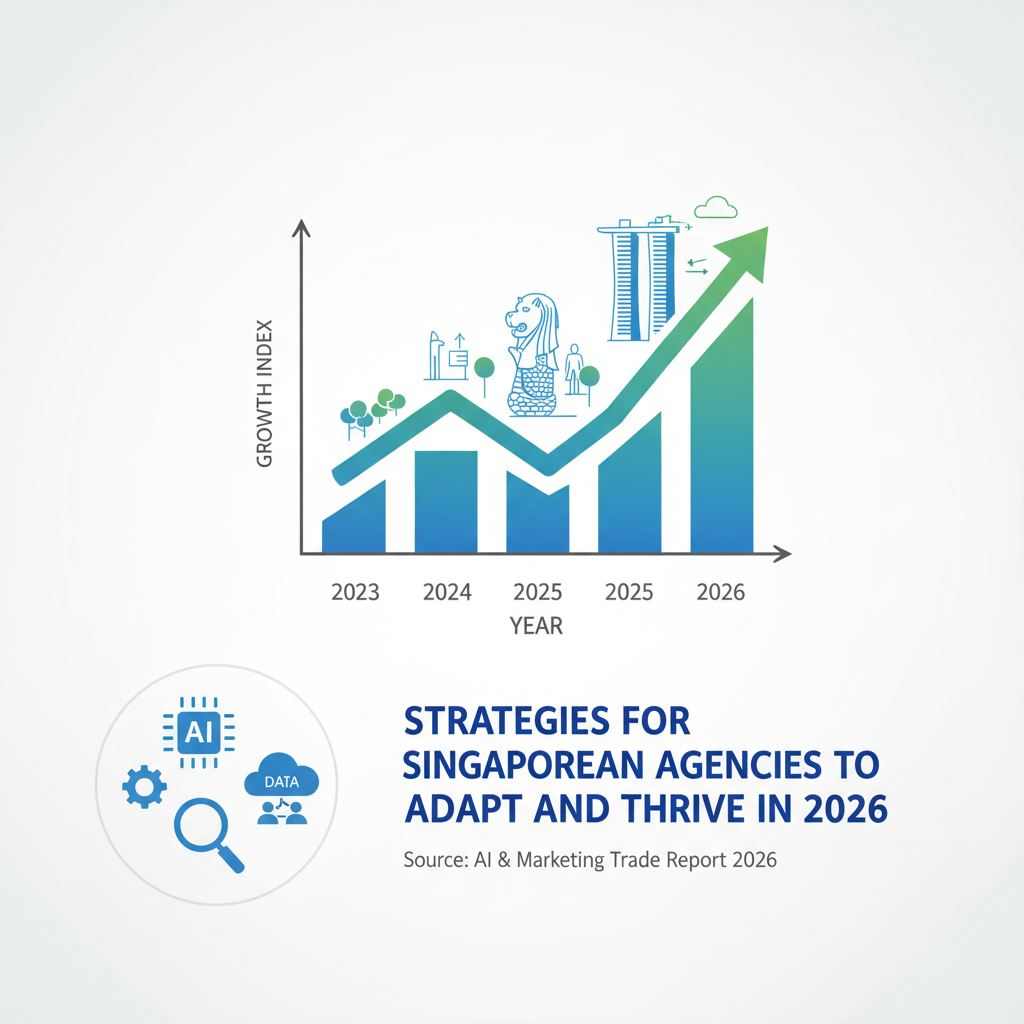
1. Investing in AI Training and Upskilling Staff
The successful integration of AI agents hinges critically on the human element within marketing agencies. It’s imperative for Singaporean agencies to prioritize comprehensive AI training and upskilling initiatives for their existing workforce. This goes beyond merely understanding how to use new software; it involves developing a deep comprehension of AI capabilities, limitations, and ethical implications. Training programs should cover areas such as prompt engineering for AI content generation, advanced data interpretation using AI tools, AI-powered analytics, and automated campaign management. By empowering employees with these new skill sets, agencies can bridge the knowledge gap, foster innovation, and ensure that human expertise remains at the forefront of strategic decision-making. Furthermore, investing in existing staff cultivates a culture of continuous learning and demonstrates a commitment to employee growth, crucial for retention in a rapidly evolving industry. This strategic investment transforms employees into adept ‘AI orchestrators,’ capable of leveraging AI agents to enhance productivity and deliver superior results for clients.
2. Developing AI Governance and Ethical Frameworks
As AI agents become more intertwined with marketing operations, the need for robust governance and ethical frameworks becomes paramount. Singaporean agencies must establish clear guidelines for the deployment and usage of AI, addressing critical concerns such as data privacy, algorithmic bias, transparency, and intellectual property. Compliance with local regulations, such as Singapore’s Personal Data Protection Act (PDPA), must be a foundational principle, ensuring that client and consumer data is handled responsibly by AI systems. An ethical framework should dictate how AI-generated content is vetted, how data used by AI is sourced, and how potential biases in AI outputs are identified and mitigated. This proactive approach not only safeguards the agency from legal and reputational risks but also builds invaluable trust with clients and their audiences. Demonstrating a commitment to responsible AI use is a powerful differentiator, signaling maturity and reliability in an increasingly AI-driven market. For further insights on responsible AI development, refer to resources like IBM’s framework for developing trustworthy AI.
3. Fostering Collaboration Between Human and AI Teams
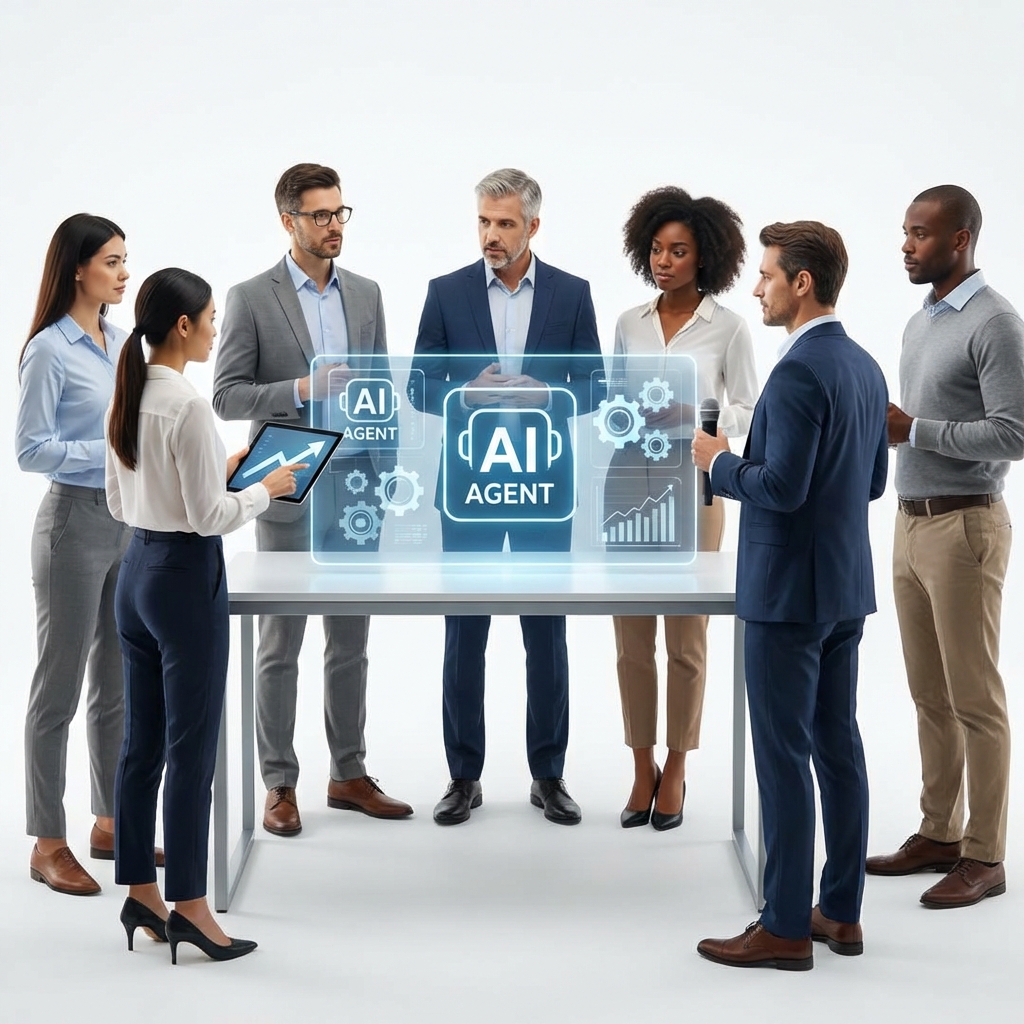
The future of marketing agencies in Singapore is not about replacing humans with AI, but rather fostering a symbiotic relationship where human creativity and strategic thinking are augmented by AI’s analytical power and efficiency. Agencies should design workflows that promote seamless collaboration between human teams and AI agents. AI can excel at repetitive, data-intensive tasks like keyword research, competitor analysis, basic content drafts, and performance reporting, freeing up human marketers to focus on higher-value activities such as client relationship management, developing innovative strategies, cultivating emotional connections with audiences, and providing critical creative oversight. Implementing ‘AI co-pilot’ models, where AI tools assist human experts in brainstorming, refining ideas, and executing campaigns, will become standard. This collaborative model ensures that while AI handles the heavy lifting of data processing and automation, the unique human touch – intuition, empathy, and strategic foresight – remains central to delivering impactful and meaningful marketing solutions. This strategic partnership ultimately elevates the overall quality and efficiency of an agency’s offerings.
In conclusion, the integration of AI agents presents a pivotal moment for marketing agencies in Singapore. By strategically investing in staff upskilling, establishing robust ethical AI governance, and actively fostering collaboration between human and AI capabilities, agencies can not only mitigate the challenges but also unlock unprecedented opportunities for growth and innovation. The agencies that embrace these strategies proactively will be best positioned to adapt, thrive, and lead the way in Singapore’s dynamic marketing landscape of 2026 and beyond.
Partner with Shelby Global
You are looking for reliable HR Sevice Suppliers? Contact Shelby Global Now! To connect with verified talents and upgrade your orginization.
—————————————
References
– Accenture, businesses leveraging AI for personalization see significant uplift in customer satisfaction and revenue: https://www.accenture.com/us-en/insights/artificial-intelligence/personalization-ai-opportunity
– McKinsey & Company report on the state of AI: https://www.mckinsey.com/capabilities/quantumblack/our-insights/the-state-of-ai-in-2023-generative-ais-breakout-year
– Model AI Governance Framework: https://www.imda.gov.sg/programme-listing/artificial-intelligence-governance-and-ethics/AI-Governance-Framework
– Digital Advertising in Singapore: https://www.statista.com/outlook/dmo/digital-advertising/singapore
– IBM’s framework for developing trustworthy AI: https://www.ibm.com/blogs/research/2023/07/28/responsible-ai-a-framework-for-developing-trustworthy-ai/