
Scope and Strategic Role of HR in Sales
In Malaysia’s dynamic market, the effectiveness of sales teams is paramount for business success. However, the strategic involvement and day-to-day functions of Human Resources (HR) in supporting these teams diverge significantly between Small and Medium-sized Enterprises (SMEs) and large Corporations. This examination will highlight the fundamental Differences between the SMEs’ HR Structure and the Corporates’ HR Structure in sale field in malaysia, particularly how organizational scale dictates HR’s capacity to drive sales performance.

1. Operational vs. Strategic Focus: Sales HR Malaysia
For Malaysian SMEs, HR’s role in sales is often inherently operational. With limited resources, HR personnel typically wear multiple hats, handling everything from initial sales recruitment and onboarding to payroll administration and basic compliance. The immediate priority for Sales HR Malaysia in an SME is often problem-solving – filling urgent sales vacancies, managing basic performance issues, or coordinating ad-hoc training sessions. Strategic planning for sales force effectiveness, long-term talent pipeline development, or advanced incentive design takes a backseat to day-to-day necessities. This transactional approach, while essential for immediate survival, can sometimes limit the SME’s ability to develop a robust, high-performing sales culture.
Conversely, in large Corporations, HR for sales operates with a distinctly strategic focus. These organizations have the luxury of dedicated HR Business Partners (HRBPs) for sales, who are deeply integrated into the sales leadership team. Their role extends far beyond administration to include workforce planning, talent analytics, leadership development for sales managers, and designing sophisticated compensation and benefits structures that align with aggressive sales targets. Corporate sales HR professionals engage in proactive initiatives, such as implementing advanced CRM training, developing comprehensive career progression paths for sales professionals, and leveraging data to predict and address sales talent gaps, thereby directly contributing to the company’s market share growth.
2. HR Team Size and Specialization for Sales
The starkest contrast lies in the size and specialization of HR teams supporting sales functions. In an SME, the HR department might consist of one or two generalists responsible for the entire employee lifecycle across all departments, including sales. Specific expertise in sales talent acquisition or performance management is rare; instead, sales managers often bear the primary responsibility for coaching and developing their teams. This can lead to inconsistencies in sales training and development, relying heavily on the individual capabilities of sales leadership rather than a standardized, HR-driven approach.
Corporates, on the other hand, boast large, multi-layered HR departments. Within these structures, there are often dedicated specialists for sales recruitment, learning and development (L&D) tailored for sales, and compensation & benefits specific to sales incentives. An HRBP for sales acts as a strategic advisor, understanding the unique challenges and opportunities within the sales domain. This specialization allows for the implementation of best practices, access to cutting-edge sales methodologies, and the ability to attract and retain top sales talent through expertly crafted employee value propositions, significantly enhancing sales force capability and reducing attrition.
3. Impact of Organizational Scale on HR Budget Allocation Sales
Budgetary constraints are a significant factor shaping HR’s capacity in SMEs versus Corporations. SMEs typically operate with tighter budgets, meaning HR expenditure for sales-specific initiatives is often minimal. Investment in advanced sales training platforms, external coaching, or sophisticated sales performance management systems may be deemed cost-prohibitive. Recruitment might rely on general job boards rather than specialized headhunters, and compensation packages may be less competitive, making it harder to attract high-caliber sales professionals. According to SME Corp. Malaysia, supporting SMEs in sustainable growth often involves addressing resource limitations, a challenge that extends directly to HR investment.
In contrast, large Corporations allocate substantial budgets to their HR functions supporting sales. This enables them to invest heavily in premium sales training programs, cutting-edge sales enablement tools, robust performance analytics platforms, and highly competitive, tiered incentive structures that motivate high-achieving sales personnel. They can afford to engage top-tier recruitment agencies, conduct extensive market research for compensation benchmarking, and offer comprehensive benefits packages designed to attract and retain the best sales talent in the industry. This significant investment allows corporates to maintain a competitive edge, fostering a highly skilled and motivated sales force capable of driving substantial revenue growth.
In conclusion, the fundamental Differences between the SMEs’ HR Structure and the Corporates’ HR Structure in sale field in malaysia are profound, shaped by organizational scale, resource availability, and strategic imperatives. While SMEs focus on operational survival and immediate needs with limited HR specialisation, Corporations leverage extensive resources and highly specialized HR teams to strategically enhance sales performance, talent management, and long-term market dominance. Understanding these distinctions is crucial for businesses aiming to optimise their HR strategies for sales success in the Malaysian landscape.
Sales Talent Acquisition and Recruitment Strategies
The landscape of sales talent acquisition in Malaysia presents a dynamic challenge for businesses of all sizes. With a competitive market demanding high-performing sales professionals, the strategies employed for attracting, screening, and hiring differ significantly between Small and Medium-sized Enterprises (SMEs) and large Corporations. Understanding these distinctions is crucial for effective Differences between the SMEs’ HR Structure and the Corporates’ HR Structure in sale field in malaysia, enabling organizations to tailor their approaches and secure the best sales talent available.
1. Recruitment Channels and Employer Branding: Talent Acquisition Sales Malaysia
For SMEs in Malaysia, sales recruitment often leverages more localized and relationship-based channels. Networking, employee referrals, and local job boards are primary avenues, relying heavily on the personal connections of the business owner or sales manager. SME sales hiring strategies typically involve a less formal approach to employer branding; their reputation often stems from word-of-mouth, the direct appeal of a dynamic work environment, or the opportunity for significant impact within a smaller team. While cost-effective, this can limit their reach and ability to attract a diverse pool of candidates, especially in a competitive market for sales recruitment Malaysia.
Conversely, Corporations employ sophisticated, multi-channel strategies for corporate sales talent acquisition. They invest significantly in professional platforms like LinkedIn Recruiter, engage with national and international recruitment agencies, and actively participate in career fairs at universities and industry events. Their employer branding is meticulously crafted and communicated through dedicated marketing campaigns, showcasing career progression, comprehensive benefits, and a stable, globally recognized environment. This robust approach allows them to cast a wider net, attracting a larger volume of candidates and competing more effectively for top-tier talent in the demanding Talent Acquisition Sales Malaysia market.
2. Candidate Pool and Selection Processes
The size and quality of the candidate pool often reflect the recruitment channels and employer branding efforts. SMEs, with their more localized reach, may encounter a smaller, often more generalized candidate screening sales jobs pool. Their selection processes tend to be less structured, often involving one or two rounds of interviews primarily conducted by the business owner or sales manager. The emphasis is typically on immediate sales experience, personality fit within a close-knit team, and a candidate’s perceived ability to adapt quickly and wear multiple hats. While agile, this informal approach might overlook a candidate’s long-term potential or specific strategic fit.
Corporations, due to their extensive reach, typically attract a larger and more specialized candidate pool, often including individuals with specific industry experience or advanced qualifications. Their selection processes are rigorous and multi-layered. This usually involves initial HR screenings, psychometric assessments to gauge sales aptitude and personality traits, multiple interview rounds (including panel interviews with various stakeholders), and sometimes assessment centers designed to simulate real-world sales scenarios. This comprehensive approach aims to ensure a strong match for specific roles, cultural fit within a large organization, and a higher probability of long-term success, reducing turnover and enhancing sales professional retention Malaysia.
3. Onboarding Programs for New Sales Hires
The integration of new sales hires also showcases a clear divergence. For SMEs, onboarding is frequently informal and hands-on. New sales professionals are often immediately immersed into sales activities, shadowing senior colleagues or directly learning from the business owner. Training is typically product-focused and “on-the-job,” with a strong emphasis on achieving quick sales results. While this rapid deployment can be beneficial for small teams requiring immediate contributions, it may lack the foundational support needed for long-term development or a comprehensive understanding of sales methodologies.
In contrast, Corporations typically implement highly structured and comprehensive sales onboarding best practices. These programs can span weeks or even months and often include formal classroom training sessions covering product knowledge, company culture, CRM systems, sales methodologies, and compliance. New hires may be assigned mentors or “buddies” to guide them through the initial stages. The objective is a gradual, well-supported integration, ensuring new sales professionals are thoroughly equipped with the tools, knowledge, and network to succeed within the corporate structure. This robust onboarding, though more resource-intensive, aims to significantly improve new hire productivity, reduce early attrition, and foster a stronger sense of belonging. According to insights on talent acquisition, effectively integrating new hires is paramount for sustained success in competitive markets like Malaysia. Recruiting high-performing sales talent in Malaysia requires a strategic investment in not just hiring but also integrating talent.
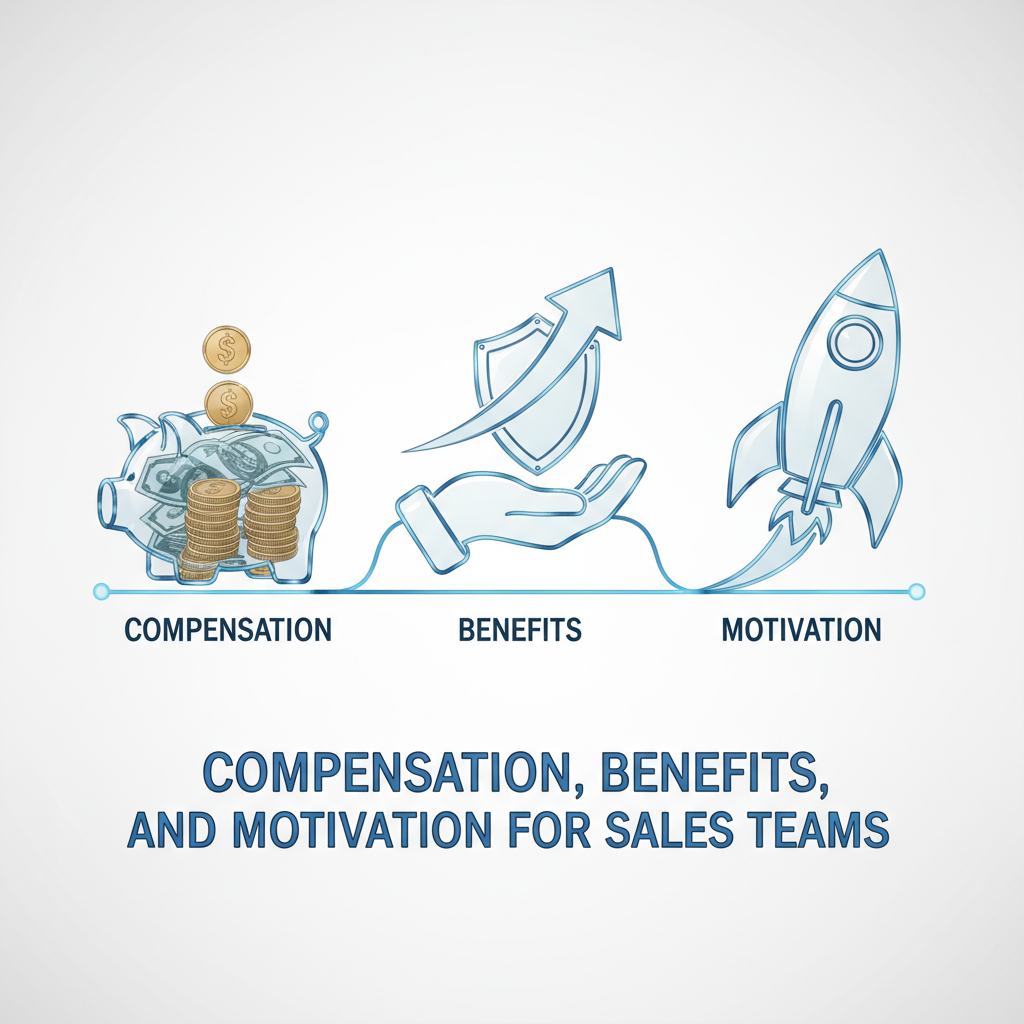
Compensation, Benefits, and Motivation for Sales Teams
Delve into the varying compensation structures, benefits packages, and non-monetary incentives used by SMEs and Corporates to motivate and retain their sales workforce in Malaysia. Understanding the nuanced Differences between the SMEs’ HR Structure and the Corporates’ HR Structure in sale field in Malaysia is crucial for attracting top talent and fostering a high-performing sales environment in Malaysia’s dynamic market.
1. Base Salary vs. Commission Structures: Sales Force Compensation Malaysia
The bedrock of any sales role’s remuneration in Malaysia shows significant Differences between the SMEs’ HR Structure and the Corporates’ HR Structure in sale field in Malaysia. When it comes to Sales Force Compensation Malaysia, both SMEs and corporates utilise a blend of base salary and commission, but with differing emphasis.
SMEs, often operating with leaner budgets, typically favour commission-heavy models. This approach minimises fixed costs and directly ties earnings to performance, appealing to highly self-motivated, entrepreneurial individuals. Sales professionals in SMEs might receive a lower base salary, with the bulk of their income derived from aggressive commission rates. While this can attract driven talent, it also carries higher turnover risk during challenging market conditions or long sales cycles due to financial instability.
In contrast, large corporations usually offer more robust base salaries, reflecting greater financial stability and a desire to attract experienced professionals seeking security alongside performance incentives. Corporate sales roles often involve longer sales cycles and complex relationship management, where substantial base pay allows sales staff to focus on strategic, long-term goals without constant immediate income pressure. Commission structures within corporates are generally more nuanced, incorporating tiered systems or accelerators, providing a safety net that smaller entities struggle to match. These distinctions are critical for both employers designing packages and professionals evaluating career paths.
2. Employee Benefits and Perks in Sales
Beyond monetary compensation, Employee Benefits and Perks in Sales are vital for attraction and retention in Malaysia. Both SMEs and Corporates provide statutory benefits like EPF, SOCSO, and annual leave. However, the scope of additional perks diverges significantly.
Corporates, with deeper resources, typically offer comprehensive benefits extending beyond statutory minimums. This often includes robust private health insurance (sometimes for dependents), dental/optical benefits, car allowances, mobile phone reimbursements, and generous travel budgets. They also invest heavily in professional development, training, certifications, and even international exposure. These extensive sales benefits Malaysia packages attract top-tier talent, providing security and investment in an employee’s long-term well-being and career growth. The differences in employer contributions and benefits between company sizes are a significant factor for sales professionals.
SMEs, operating with more constrained resources, often focus on core statutory requirements. However, many innovative SMEs leverage flexibility and a personal touch as compensatory perks. This could involve flexible working hours, cross-functional learning, or a direct influence on business strategy. While less structured, the agility of SMEs can sometimes offer more rapid career progression for high-performers, even with more basic benefits packages.
3. Incentive Programs and Recognition Schemes
Motivation in sales extends beyond financials; non-monetary incentives and robust recognition schemes are crucial for sustained performance and positive sales culture. Here too, notable Differences between the SMEs’ HR Structure and the Corporates’ HR Structure in sale field in Malaysia are observed.
Corporates often deploy highly structured and sophisticated incentive programs. These include elaborate sales contests with significant prizes (e.g., overseas trips, luxury goods), tiered performance ladders, and formal annual awards ceremonies. Career progression paths are usually well-defined, offering clear routes to management. Recognition is frequently public and formal, providing high-achievers with visibility across large organizations. These extensive non-monetary incentives sales strategies foster competition and build team accomplishment.
SMEs, while often lacking the budget for grand gestures, excel in delivering more personal and immediate recognition. This might involve direct praise from founders, informal team outings, or opportunities to lead new initiatives. The closer-knit environment allows for heartfelt acknowledgment of individual contributions, which can be highly motivating. Career growth, though less formal, can be faster for high-performers due to increased responsibility. Ultimately, whether through structured corporate programs or the personal touch of SMEs, effective sales motivation Malaysia hinges on understanding these distinct approaches.
Training, Development, and Career Progression for Sales Professionals
In Malaysia’s dynamic business landscape, the approach to training, development, and career progression for sales professionals varies significantly between Small and Medium-sized Enterprises (SMEs) and large corporations. Understanding these Differences between the SMEs’ HR Structure and the Corporates’ HR Structure in sale field in malaysia is crucial for both organizations aiming to optimize their sales force and for professionals seeking to advance their careers. While both strive for high-performing sales teams, the investment, methodology, and long-term vision for upskilling, continuous professional development sales, and career pathing often diverge due to differing resources, strategic priorities, and organizational structures. This analysis will explore these distinctions across key areas of sales professional development in the Malaysian context, highlighting the unique challenges and opportunities each presents for HR for sales Malaysia.
1. Sales Skill Development Programs: Sales Training Programs Malaysia
For Malaysian SMEs, effective sales training strategies often take a more ad-hoc and informal approach. Budget constraints frequently limit extensive investment in structured sales training programs Malaysia. Instead, sales skill development programs might rely on on-the-job coaching from experienced managers or owners, attending occasional public workshops, or leveraging free online resources. The focus is often on immediate sales results and foundational product knowledge, with less emphasis on advanced negotiation tactics, CRM proficiency, or complex solution selling. While this can foster agility and practical learning, it may lack the depth and consistency needed for comprehensive sales upskilling programs.
Conversely, large corporations typically boast well-defined and substantial sales training programs Malaysia. They allocate significant budgets for continuous professional development sales, often partnering with external training providers or establishing in-house academies. These programs are structured to cover a wide array of skills, from initial onboarding and product mastery to advanced negotiation, strategic account management, digital selling techniques, and soft skills like emotional intelligence. Regular assessments, certifications, and refresher courses are common, ensuring a high standard of competency across their sales force. This systematic approach allows for targeted sales upskilling programs that address specific market needs and technological advancements, nurturing a more sophisticated and adaptable sales team.
2. Leadership and Management Training for Sales Leaders
The development of sales leaders also presents a stark contrast. In Malaysian SMEs, individuals are often promoted to sales leadership roles based on their exceptional individual sales performance, sometimes without formal leadership training. Their leadership development is largely organic, learning through experience and direct mentorship from business owners. While this can cultivate hands-on leaders deeply connected to the business, it might lead to inconsistencies in team management, strategic planning, or talent development. There’s often less emphasis on formal sales leadership training Malaysia, coaching methodologies, or advanced performance management techniques, primarily due to resource limitations and the lean HR for sales Malaysia structures.
Large corporations, on the other hand, invest substantially in cultivating their sales leaders. They typically have comprehensive leadership and management training for sales leaders programs that cover strategic planning, team motivation, performance coaching, conflict resolution, and data-driven decision-making. These programs often incorporate 360-degree feedback, executive coaching, and opportunities for cross-functional leadership exposure. The aim is not just to create effective sales managers but strategic leaders who can drive long-term growth and foster a culture of excellence. This structured approach to sales leadership training Malaysia is integral to their overall sales talent management Malaysia strategy, ensuring a pipeline of capable and well-equipped leaders.
3. Career Pathing and Succession Planning for HR Scalability Sales
Career pathing and succession planning are areas where the Differences between the SMEs’ HR Structure and the Corporates’ HR Structure in sale field in malaysia are most evident. For SMEs, formal career paths for sales professionals are often less defined. Growth opportunities might be more lateral or dependent on the company’s expansion, with promotions often being informal and based on personal relationships or long tenure. Succession planning sales is typically minimal, often resting on the shoulders of the owner or a key manager, making HR scalability sales a challenge when key personnel depart. This can sometimes lead to higher turnover as ambitious professionals seek more structured growth opportunities.
In large corporations, clearly articulated corporate sales career paths are a cornerstone of their HR strategy. Employees typically have access to transparent frameworks outlining potential progressions from junior roles to senior management, often with specified criteria for promotion (e.g., performance metrics, skill acquisition, leadership capabilities). Performance reviews are often linked directly to career progression and development plans. Robust succession planning sales is a strategic imperative, identifying high-potential individuals and preparing them for future leadership roles through targeted development programs. This proactive approach ensures HR scalability sales, maintains continuity, and significantly enhances sales talent management Malaysia. Clear corporate sales career paths and effective succession planning not only attract top talent but also foster loyalty and long-term commitment, contributing to a stable and high-performing sales organization.
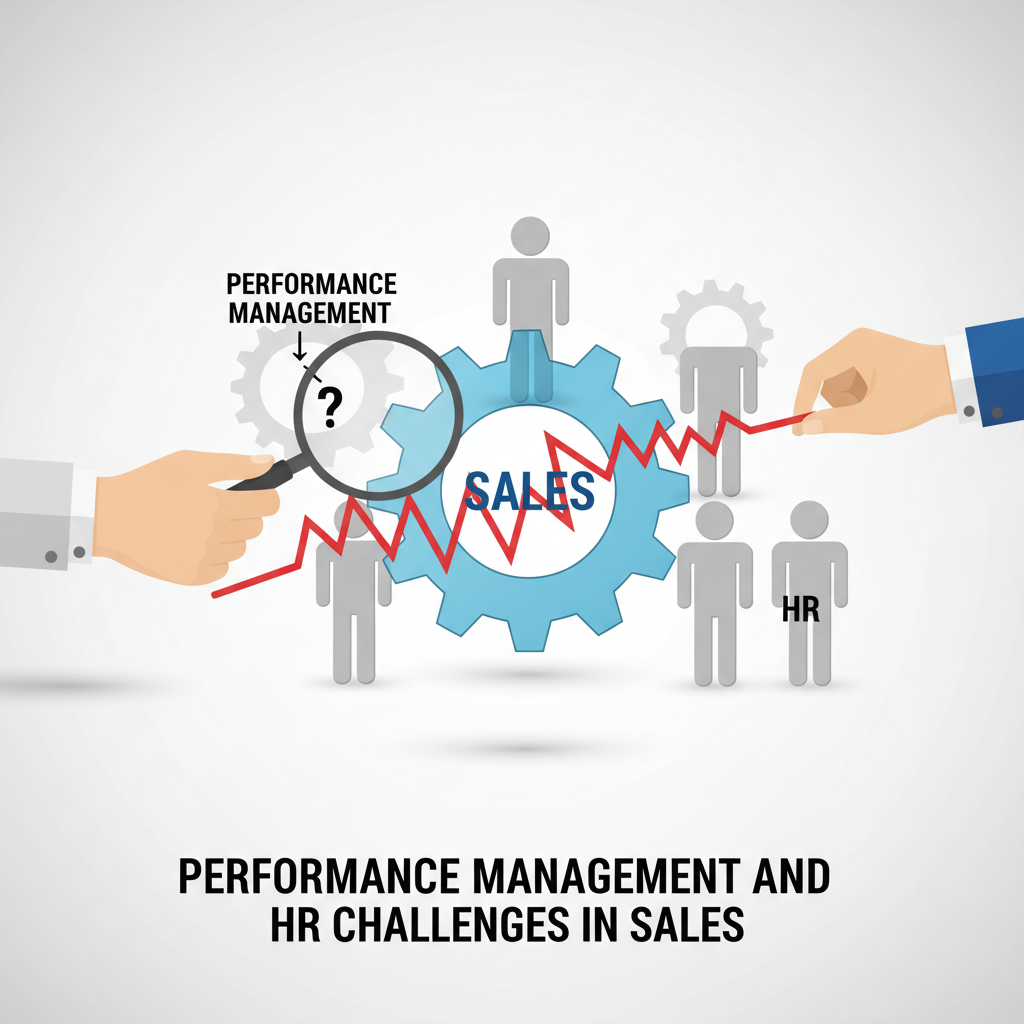
Performance Management and HR Challenges in Sales
Effective performance management is the bedrock of a thriving sales division, ensuring that individual efforts align with organizational goals and contribute to overall business success. In the dynamic Malaysian market, how sales performance is measured, managed, and reviewed presents unique HR challenges, particularly when comparing Small and Medium-sized Enterprises (SMEs) against large Corporates. The Differences between the SMEs’ HR Structure and the Corporates’ HR Structure in the sales field in Malaysia significantly impact their ability to maintain sales productivity and foster engagement.
While both strive for ambitious sales targets, the resources, methodologies, and human capital strategies employed often diverge dramatically. This section explores these nuances, highlighting how HR functions adapt to drive sales excellence amidst varying organizational scales and market demands.
-
Sales Performance Metrics and KPIs
The foundation of sales performance management lies in clearly defined metrics and Key Performance Indicators (KPIs). For sales teams in Malaysia, common metrics include revenue generated, gross profit margins, customer acquisition cost (CAC), conversion rates, average deal size, and pipeline value. Activity-based KPIs, such as calls made, meetings scheduled, and proposals submitted, are also crucial for monitoring effort and predicting future success. Corporates often employ sophisticated Customer Relationship Management (CRM) systems like Salesforce or Microsoft Dynamics to meticulously track these metrics, providing real-time dashboards and comprehensive reporting. This allows for granular analysis of sales productivity, identification of top performers, and areas needing improvement across a large sales force.
SMEs, however, typically operate with simpler tracking mechanisms, often relying on spreadsheets or basic CRM tools. Their KPIs might be less complex, focusing predominantly on revenue and customer acquisition. While this lean approach can be agile, it sometimes lacks the depth for proactive strategic adjustments or early detection of performance dips. Both types of organizations, however, must ensure their KPIs are SMART (Specific, Measurable, Achievable, Relevant, Time-bound) and directly linked to broader business objectives. According to HubSpot’s comprehensive guide, effective sales performance indicators are essential for optimizing sales strategies and achieving consistent growth.
-
Handling Underperformance and Conflict Resolution: SME HR Challenges
Addressing underperformance and resolving conflicts are critical HR functions that expose the stark differences between SMEs and Corporates. In Malaysian SMEs, HR departments are often lean, sometimes consisting of a single generalist or the owner themselves managing HR tasks. This means underperformance reviews, coaching, and disciplinary actions often fall directly on sales managers, who may lack formal HR training. The absence of structured performance improvement plans (PIPs), limited training budgets, and less formal conflict resolution processes can lead to subjective evaluations, potential bias, and higher sales force turnover. Employee engagement can suffer if fair and transparent processes are not perceived.
Conversely, Corporates benefit from dedicated HR Business Partners (HRBPs) and specialized HR teams. They possess robust frameworks for performance reviews, clear guidelines for managing underperformance, access to professional development programs, and formal conflict resolution channels. This structured environment ensures consistency, legal compliance, and a more objective approach to talent management. The inherent differences between the SMEs’ HR Structure and the Corporates’ HR Structure in the sales field in Malaysia mean SMEs must innovate with limited resources, often fostering a more personal, albeit less formalized, approach to staff relations, which can be both a strength and a weakness.
-
Leveraging HR Technology and Data Analytics for Corporate HR Strategies
The adoption of HR technology and data analytics is another key differentiator. Large Corporates in Malaysia extensively leverage Human Resources Information Systems (HRIS), integrated CRM platforms, and Business Intelligence (BI) tools to gain deep insights into their sales force. These technologies enable sophisticated performance reviews, track training effectiveness, analyze compensation structures against performance, and predict attrition risks. HR analytics can identify patterns of success among top sales performers, inform recruitment strategies, and personalize development plans, thereby enhancing overall sales engagement and productivity. Data-driven HR strategies allow Corporates to proactively manage their talent pipeline and optimize their sales force.
For SMEs, the cost and complexity of implementing such advanced HR tech solutions are often prohibitive. They typically rely on more manual processes or simpler, standalone tools. This digital divide impacts their ability to conduct in-depth analysis of sales force performance, identify nuanced trends, or implement highly personalized talent management strategies. While some cloud-based HR solutions are becoming more accessible, the investment in both technology and the expertise to utilize it remains a significant hurdle. Bridging this gap is crucial for SMEs to compete effectively, fostering sales productivity through more informed HR decisions and strategic talent management.
Partner with Shelby Global
You are looking for reliable HR Sevice Suppliers? Contact Shelby Global Now! To connect with verified talents and upgrade your orginization.
—————————————
References
– SME Corp. Malaysia Encourages SMEs to Adopt Environmental, Social, and Governance (ESG) Practices: https://www.smecorp.gov.my/index.php/en/media-centre/media-releases/4282-press-release-sme-corp-malaysia-encourages-smes-to-adopt-environmental-social-and-governance-esg-practices
– Recruiting high-performing sales talent in Malaysia: https://www.hays.com.my/insights/blog/recruiting-high-performing-sales-talent-in-malaysia
– Differences in Employer Contributions and Benefits Between Company Sizes: https://www.ey.com/en_my/tax/employers-remuneration-and-social-security
– What Successful Salespeople Do: https://hbr.org/2011/02/what-successful-salespeople-do
– Key Sales Performance Indicators You Should Be Tracking: https://blog.hubspot.com/sales/sales-performance-indicators



































































































