The Evolving Landscape of E-commerce HR in Vietnam
Vietnam’s e-commerce sector is experiencing explosive growth, driven by a burgeoning digital economy, a young, tech-savvy population, and increasing internet penetration. This rapid expansion creates immense economic opportunities but also presents unique and complex challenges for Human Resources. HR professionals are tasked not only with traditional functions but also with navigating a fast-paced environment characterized by fierce competition for specialized talent, evolving digital landscapes, and the urgent need for adaptable HR strategies. Understanding the intricacies of this landscape is crucial for businesses aiming to thrive and secure a competitive edge in one of Southeast Asia’s most promising digital markets.

1. Unique HR Challenges in Vietnamese E-commerce
The Vietnamese e-commerce market, while vibrant, poses distinct HR challenges. A significant hurdle is the persistent digital skills gap. Demand for specialized roles in digital marketing, data analytics, supply chain management, logistics optimization, and advanced customer service far outstrips the current supply. This creates intense competition for talent, leading to high turnover and making employee retention a top priority. Companies often face bidding wars for experienced staff, necessitating robust compensation & benefits packages that extend beyond basic salaries.
Moreover, the youthful demographic in e-commerce often has different expectations regarding workplace culture, career progression, and work-life balance. HR departments must develop sophisticated talent acquisition strategies appealing to this group, focusing on employer branding, flexible arrangements, and clear development pathways. Navigating complex and frequently updated labor regulations in a rapidly changing industry also demands meticulous compliance management. Fostering a strong organizational culture that promotes agility and innovation is critical. Effective HR tools – applications for Ecommerce field in vietnam are essential to streamline these complex processes and provide actionable insights, aiding in every aspect from recruitment to fostering a positive workplace.
2. Growth Drivers and Talent Demands
Several powerful drivers fuel Vietnam’s e-commerce boom: high smartphone penetration, affordable internet access, and a youthful population eager to embrace digital lifestyles. The rise of international giants like Shopee and Lazada, alongside strong local players such as Tiki and Sendo, has created a highly competitive ecosystem. Government initiatives promoting digital transformation further accelerate this growth.
This expansion translates directly into soaring talent demands across various functions. Beyond core digital marketing and IT roles, there’s a significant need for specialists in e-commerce logistics, warehouse management, payment gateway integration, and cybersecurity. The emphasis on customer experience also drives demand for skilled customer support representatives. Consequently, proactive workforce planning becomes indispensable, requiring businesses to forecast future talent needs and invest heavily in talent development programs. HR teams must collaborate closely with business units to understand specific skill requirements and tailor e-commerce training, including upskilling and reskilling initiatives, to bridge existing gaps. Integrating advanced HR technology solutions can significantly enhance these talent management efforts, ensuring a ready and capable workforce.
3. Impact of Digital Transformation on HR Roles
Digital transformation isn’t just reshaping e-commerce operations; it’s fundamentally transforming the role of HR. Departments are moving from purely administrative tasks to become strategic business partners. The adoption of sophisticated HR technology, including Human Resources Information Systems (HRIS), Applicant Tracking Systems (ATS), and integrated performance management platforms, automates routine processes. This frees HR professionals to focus on strategic initiatives, demanding new skills in HR analytics, data interpretation, and leveraging technology for informed decision-making.
Furthermore, the prevalence of remote work challenges and hybrid models necessitates new approaches to employee engagement and well-being. HR is now responsible for fostering a connected culture across distributed teams, implementing robust communication strategies, and providing support systems for remote employees. HR automation, from onboarding to offboarding, is crucial for maintaining efficiency and ensuring a seamless employee experience. Ultimately, the future of HR in Vietnamese e-commerce lies in its ability to harness the power of specific HR tools – applications for Ecommerce field in vietnam to drive strategic value, enhance employee productivity, and foster a resilient, adaptive workforce capable of meeting the ever-evolving demands of the digital marketplace.
Essential HR Tools for Recruitment & Onboarding Excellence
In the dynamic and hyper-competitive landscape of e-commerce, particularly within Vietnam’s burgeoning digital economy, attracting, hiring, and seamlessly integrating top talent is not just an advantage—it’s a critical imperative. The rapid pace of innovation, fluctuating consumer demands, and the constant need for agile teams mean that traditional HR processes often fall short. This is where modern HR tools – applications for Ecommerce field in vietnam become indispensable, transforming the way businesses approach talent acquisition and employee integration. By leveraging technology, e-commerce operations can streamline their entire talent lifecycle, from initial outreach to full productivity, ensuring they build and retain high-performing teams essential for sustained growth.
1. Applicant Tracking Systems (ATS) for E-commerce
For e-commerce businesses, HR tools – applications for Ecommerce field in vietnam like Applicant Tracking Systems (ATS) are foundational. These robust platforms automate and manage every stage of the recruitment process, from job posting to offer acceptance. In a sector characterized by high-volume hiring and specialized skill sets (e.g., digital marketing, logistics, web development), an ATS helps centralize candidate data, making it easier to track applications, screen resumes, and communicate efficiently. Key benefits include improved recruitment automation, allowing HR teams to focus on strategic initiatives rather than administrative tasks. It enhances the candidate experience management by providing timely updates and a structured application process, which is crucial for maintaining a positive employer brand. Furthermore, for the Vietnamese talent market, an ATS can be tailored to local hiring practices and regulations, ensuring compliance and effectiveness. These systems are pivotal in achieving streamlined hiring, reducing time-to-hire, and ensuring that e-commerce operations secure the best possible talent.
2. Digital Onboarding Platforms & Remote Workforce Solutions
Once a candidate is hired, the onboarding phase is paramount for long-term retention and productivity. For fast-growing e-commerce companies, especially those with distributed or remote teams, digital onboarding solutions are a game-changer. These platforms automate paperwork, compliance checks, and training delivery, ensuring a smooth and engaging welcome for new employees. New hires can complete necessary forms, review company policies, and access training modules online, often before their first day. This efficiency accelerates employee integration and significantly reduces administrative burden on HR staff. Beyond initial integration, robust remote workforce tools become vital. These include communication platforms, performance management software, and collaboration tools that maintain team cohesion and productivity regardless of physical location. As e-commerce increasingly embraces flexible work models, such e-commerce HR platforms facilitate seamless operations, foster engagement, and help businesses adapt to evolving work dynamics while maintaining high standards of compliance management and efficient performance management software.
3. AI-powered Sourcing and Enhanced Candidate Experience
The latest advancements in HR technology are revolutionizing how e-commerce companies identify and engage with potential talent. AI in recruitment is emerging as a powerful ally, especially for proactive talent acquisition strategies. AI-powered sourcing tools can scour vast databases and professional networks to identify passive candidates who possess the precise skills and experience required for specialized e-commerce roles. This capability significantly broadens the talent pool beyond active job seekers. Moreover, AI enhances the overall candidate experience management by personalizing interactions, automating initial screenings, and scheduling interviews efficiently, thereby reducing biases and speeding up the selection process. For example, chatbots can answer common applicant questions 24/7, providing immediate support and improving engagement. These intelligent HR technology adoption solutions not only boost hiring efficiency but also free up recruiters to focus on deeper candidate engagement and relationship building. Investing in such innovative HR software for e-commerce allows businesses to strengthen their employer branding in e-commerce and gain a competitive edge in securing top-tier talent. According to SHRM, artificial intelligence is reshaping recruitment, offering unprecedented capabilities for identifying and engaging candidates, which is particularly relevant for the fast-evolving e-commerce sector in Vietnam.
In conclusion, the strategic implementation of advanced HR tools – applications for Ecommerce field in vietnam is no longer optional for e-commerce businesses aiming for excellence. From intelligent Applicant Tracking Systems that streamline hiring to digital onboarding platforms that ensure seamless integration and AI-powered solutions that elevate the candidate experience, these technologies are essential for building agile, high-performing teams. Embracing these innovations leads to superior talent management, better HR analytics, and ultimately, a stronger position in the competitive e-commerce market, ensuring sustained growth and operational excellence.
Streamlining Core HR Operations: Payroll, Benefits & Compliance
In the dynamic and competitive landscape of Vietnamese e-commerce, managing core HR operations efficiently is paramount for sustained growth and profitability. From processing payroll accurately to ensuring robust benefits administration and unwavering legal compliance, the complexity can be overwhelming for rapidly expanding online businesses. This is where modern HR tools – applications for Ecommerce field in Vietnam become indispensable. They don’t just simplify tasks; they transform how businesses handle their most valuable asset – their people – by enhancing efficiency, accuracy, and adherence to intricate local regulations.
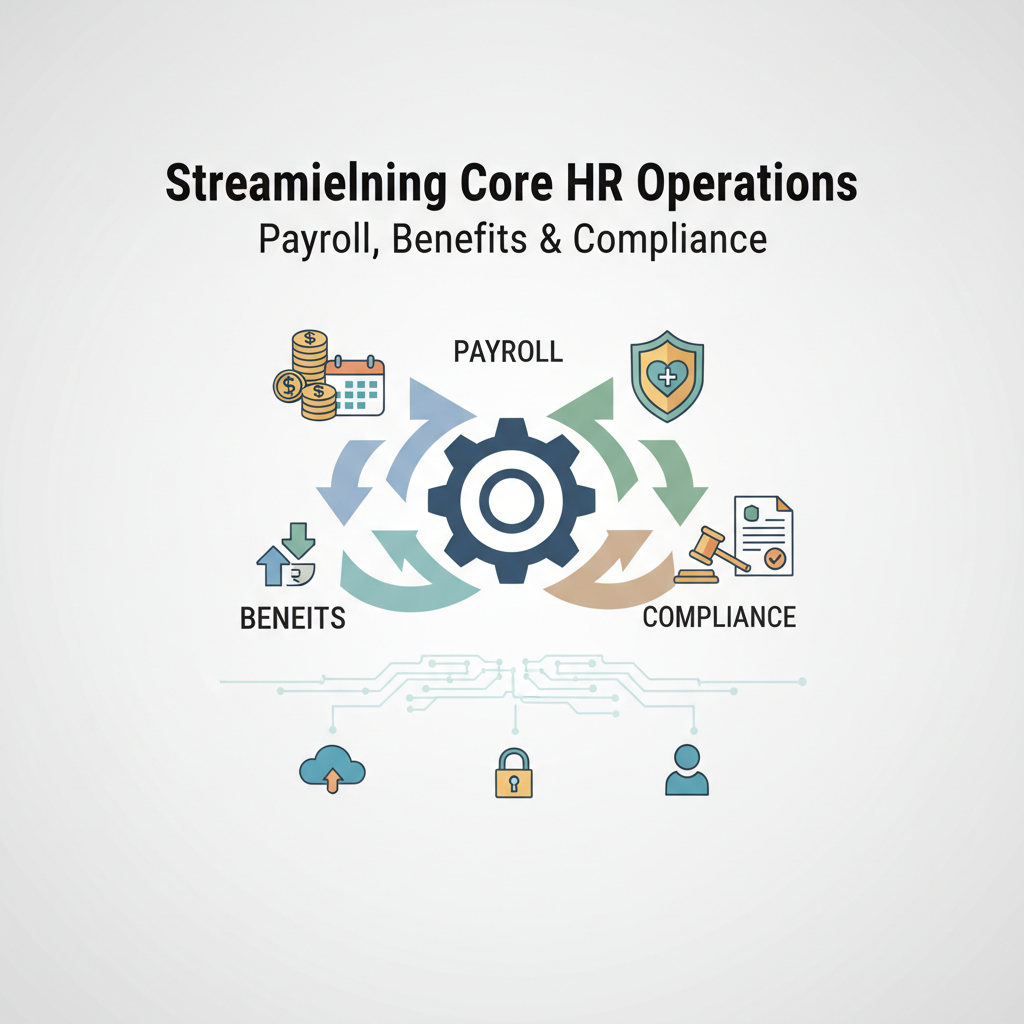
Leveraging specialized HR software Vietnam can alleviate significant administrative burdens, allowing e-commerce companies to focus on their core business objectives. These e-commerce HR solutions are tailored to address the unique challenges of online retail, where fluctuating workforce sizes, diverse compensation structures, and rapid scaling are common. By embracing these digital advancements, Vietnamese e-commerce businesses can achieve a higher level of operational excellence and strategic foresight in their human resources management, propelling their digital HR transformation.
1. Automated Payroll and Compensation Management Systems
Manual payroll processing is not only time-consuming but also highly susceptible to errors, which can lead to significant financial penalties and employee dissatisfaction. For Vietnamese e-commerce businesses, payroll automation Vietnam through dedicated HR tools offers a transformative solution. These systems automatically calculate salaries, allowances, deductions, and taxes, ensuring every employee is paid accurately and on time. Beyond basic payroll, advanced platforms incorporate comprehensive compensation management features, handling various pay structures prevalent in e-commerce, such as commission-based sales, hourly wages for logistics staff, and monthly salaries for administrative roles.
Furthermore, these tools streamline benefits administration Vietnam, managing health insurance, social insurance contributions, and other employee benefits in accordance with local regulations. Integration with attendance tracking software and a robust leave management system means that all data points — from work hours to approved leave — are automatically factored into payroll calculations, drastically reducing the chances of discrepancies. This level of precision and automation not only saves countless HR hours but also builds trust and transparency with employees, crucial for retention in a competitive market.
2. Employee Self-Service (ESS) Portals for HR Tasks
Empowering employees through online HR portals is a cornerstone of modern HR management. Employee self-service Vietnam (ESS) portals offer a secure and accessible platform where employees can manage various HR-related tasks independently. This includes viewing payslips, checking leave balances, requesting time off, updating personal information, and accessing company policies. For fast-paced e-commerce environments, ESS portals significantly reduce the administrative load on HR departments, freeing them from routine inquiries and data entry tasks. This allows HR professionals to focus on more strategic initiatives like talent management e-commerce and developing robust recruitment strategies.
These portals enhance transparency and convenience for employees, improving their overall experience and engagement. The immediate access to personal HR data fosters a sense of control and reduces frustration often associated with manual processes. Moreover, ESS systems are often part of broader HR technology e-commerce platforms that integrate seamlessly with other HR functions, providing a unified experience. This not only boosts efficiency but also plays a role in attracting and retaining top talent by showcasing a commitment to modern, employee-centric practices. Robust HR data security features ensure that sensitive employee information remains protected.
3. Ensuring Local Labor Law Compliance & Reporting
Navigating the complexities of Vietnamese labor law is a significant challenge for any business, particularly for e-commerce companies that may have diverse workforces and rapid scaling needs. Dedicated HR tools – applications for Ecommerce field in Vietnam are designed with built-in functionalities to ensure strict labor law compliance Vietnam. These systems continuously update with the latest regulatory changes, helping businesses stay compliant with local statutes concerning working hours, minimum wage, social insurance contributions, severance pay, and employment contracts.
Beyond compliance, these tools facilitate accurate and timely reporting to relevant government bodies, minimizing the risk of penalties and legal issues. They provide comprehensive audit trails and generate necessary reports with ease, which is crucial for due diligence and regulatory scrutiny. Understanding the nuances of the Vietnam Labour Code is critical, and HR software acts as a vital safeguard. Furthermore, integrating features like HR analytics Vietnam allows businesses to monitor compliance trends, identify potential risks, and proactively adjust their HR strategies. Whether it’s for recruitment software Vietnam or performance management e-commerce, ensuring legal adherence from the outset is non-negotiable for sustainable success in the Vietnamese market.
In conclusion, the strategic adoption of advanced HR tools is no longer a luxury but a necessity for Vietnamese e-commerce businesses aiming for operational excellence. By automating payroll, empowering employees through self-service, and ensuring robust compliance with local labor laws, these platforms provide the foundation for scalable, efficient, and legally sound HR operations. Embracing these technologies enables e-commerce ventures to not only overcome administrative hurdles but also to strategically manage their human capital, fostering growth and sustained success in a competitive digital economy.
Elevating Employee Performance & Engagement with Tech
In Vietnam’s dynamic and competitive e-commerce market, attracting and retaining top talent is paramount for sustainable growth. Investing in human capital through advanced technology is a strategic imperative. The right HR tools – applications for Ecommerce field in vietnam significantly foster employee growth, satisfaction, and productivity, essential for talent retention. These applications streamline HR processes, enhance employee experience, and provide actionable insights, driving a more engaged and high-performing workforce.
1. Performance Management Systems (PMS) with OKRs
Modern e-commerce demands agility and clear objective alignment. Traditional annual reviews often fall short, lacking continuous feedback and forward-looking goal setting. Robust Performance Management Systems (PMS), integrated with Objective and Key Results (OKRs), are invaluable. A well-implemented PMS enables businesses to set clear, measurable goals (Objectives) and track progress via quantifiable Key Results. For e-commerce teams, this means specific metrics like sales conversion rates, customer service response times, or marketing campaign ROI. Regular check-ins and real-time feedback ensure employees are aware of their performance, receive timely guidance, and understand how their contributions align with company objectives. This clarity boosts individual performance and accountability, fostering a culture of transparency and continuous improvement. Automating tracking allows HR to focus on strategic initiatives, making these applications a cornerstone of effective talent management.
2. Learning & Development (L&D) Platforms for Skill Growth
The e-commerce landscape evolves rapidly, necessitating continuous upskilling and reskilling. Learning & Development (L&D) platforms offer accessible, flexible solutions for employee skill growth. They provide a centralized hub for training materials, online courses, webinars, and certifications tailored to specific e-commerce roles – from digital marketing and data analytics to supply chain management and customer relationship skills. For instance, customer service reps access modules on new product features, while marketing specialists delve into the latest SEO techniques. Personalized learning paths empower employees to own professional development, proactively addressing skill gaps and preparing them for future roles. This commitment to career progression significantly enhances employee satisfaction and loyalty, making L&D platforms powerful tools for talent retention. Investing in employee growth signals value, fostering belonging and reducing turnover.
3. Employee Feedback and Engagement Analytics Tools
Understanding employee sentiment and fostering a positive work environment are critical for preventing burnout and ensuring high productivity. Employee Feedback and Engagement Analytics Tools provide invaluable insights into workforce well-being and satisfaction. These applications facilitate various feedback mechanisms, including anonymous pulse surveys, 360-degree reviews, and personalized check-ins. By collecting and analyzing this data, HR departments can identify potential issues like low morale or communication breakdowns before they escalate. Engagement analytics go beyond simple satisfaction scores, delving into factors like job satisfaction, work-life balance, and recognition. For e-commerce businesses, where high-pressure situations are common, these insights are crucial for proactively implementing support systems and refining management practices. Demonstrating that employee voices are heard builds trust and strengthens relationships, directly contributing to higher engagement, reduced absenteeism, and better talent retention rates. These tools are indispensable for maintaining a thriving and resilient e-commerce workforce.
In conclusion, the strategic adoption of advanced HR tools – applications for Ecommerce field in vietnam is fundamental for success. From performance management and continuous learning to robust feedback mechanisms, these technological solutions empower organizations to cultivate a motivated, skilled, and engaged workforce capable of navigating the complexities of the digital marketplace. By prioritizing employee growth and satisfaction through tech-driven HR strategies, Vietnamese e-commerce companies can build a formidable competitive advantage and ensure long-term prosperity.
Future Trends and Selecting the Right HR Tech Stack
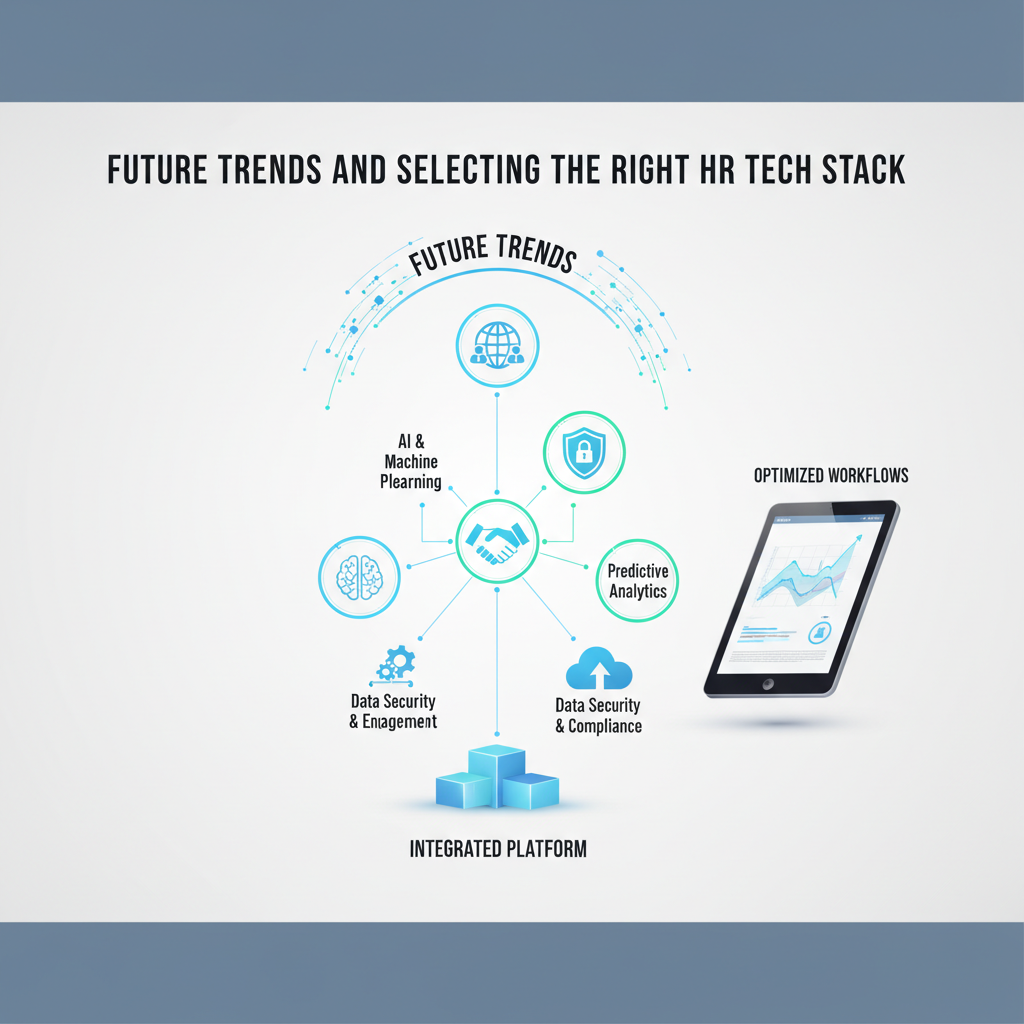
The dynamic landscape of Vietnamese e-commerce demands an agile and intelligent approach to human resources. As online retail continues its explosive growth, driven by digital native consumers and a burgeoning middle class, the traditional HR functions are no longer sufficient. Businesses need to look ahead at emerging HR technology trends and gain guidance on how to effectively choose and implement suitable HR solutions that not only streamline operations but also foster a thriving workforce. A robust HR tech stack is no longer a luxury but a strategic imperative for competitive advantage in Vietnam’s fast-paced digital economy.
1. HR Analytics & Data-Driven Decision Making
The future of HR is undeniably data-driven. For Vietnamese e-commerce businesses, leveraging HR analytics moves beyond simple reporting to predictive insights that can transform talent management. This trend focuses on collecting, analyzing, and interpreting HR data to make informed decisions about recruitment, retention, performance management, and workforce planning. Imagine identifying key performance indicators (KPIs) that correlate directly with customer satisfaction or sales targets, then using this data to optimize training programs or identify high-potential employees. Advanced HR analytics tools can pinpoint reasons for employee turnover, predict future staffing needs based on seasonal e-commerce peaks, and even personalize employee experiences to boost engagement. By adopting sophisticated analytics platforms, companies can shift from reactive HR to proactive talent strategies, ensuring they have the right people in the right roles at the right time. This data-centric approach is crucial for understanding the evolving workforce needs and optimizing human capital investments in a competitive market. For a deeper dive into global HR trends emphasizing data, refer to insights from Deloitte’s Global Human Capital Trends.
2. Integration with Existing E-commerce Platforms
Seamless integration is paramount for any modern HR tech stack, especially within the e-commerce sector. For businesses operating online, the HR system cannot exist in a silo. It must effectively communicate and integrate with existing e-commerce platforms such as ERP (Enterprise Resource Planning), CRM (Customer Relationship Management), inventory management, and even marketing automation tools. This integration means that data flows effortlessly between systems, reducing manual data entry, minimizing errors, and providing a holistic view of the business and its people. For instance, sales performance data from the e-commerce platform can feed directly into HR’s performance management module for commission calculations or incentive programs. Customer service feedback can inform training needs identified within the HR learning management system. A unified system allows for better workforce scheduling based on anticipated demand, more accurate payroll processing linked to sales volumes, and a clearer understanding of the ROI on human capital. Such integration ensures that the HR function actively supports business objectives, making the entire operation more efficient and agile. Implementing comprehensive HR tools – applications for Ecommerce field in vietnam that offer robust integration capabilities is a critical step towards operational excellence.
3. Key Considerations for HR Software Implementation in Vietnam
Implementing HR software in Vietnam requires a nuanced approach, considering the unique local context. First and foremost, compliance with Vietnamese labor laws and regulations is non-negotiable. The chosen solution must be adaptable to specific local payroll, tax, social insurance, and leave policies. Secondly, cultural fit and user adoption are critical. The interface should be intuitive and preferably support Vietnamese language, catering to the digital literacy levels and work habits of the local workforce. Mobile accessibility is also key, given the high smartphone penetration in Vietnam, allowing employees to access HR services on the go.
Scalability is another vital factor. As e-commerce businesses experience rapid growth, the HR system must be able to scale up seamlessly, accommodating an increasing number of employees and complex organizational structures without significant re-investment. Local support and vendor reliability are crucial; having a vendor with a strong presence in Vietnam ensures timely support, localized expertise, and understanding of market nuances. Finally, cost-effectiveness and ROI must be carefully evaluated. While investing in advanced HR tech is essential, the chosen solution should offer a clear return on investment, optimizing processes and contributing to business growth without undue financial strain. Cloud-based SaaS (Software-as-a-Service) models are often preferred for their flexibility, lower upfront costs, and continuous updates, making them an attractive option for Vietnamese e-commerce businesses looking to modernize their HR functions. Careful planning and due diligence during the selection phase will pave the way for successful implementation and long-term benefits.
Partner with Shelby Global
You are looking for reliable HR Sevice Suppliers? Contact Shelby Global Now! To connect with verified talents and upgrade your orginization.
—————————————
References
– World Bank Report on Vietnam’s Digital Economy: https://www.worldbank.org/en/country/vietnam/overview
– SHRM: Artificial intelligence is reshaping recruitment, offering unprecedented capabilities for identifying and engaging candidates: https://www.shrm.org/topics-tools/news/hr-magazine/ai-recruitment-future-hr
– Vietnam’s New Labour Code: A Guide to Changes: https://www.vietnam-briefing.com/news/vietnams-new-labour-code-a-guide-to-changes.html/
– What Is Performance Management?: https://www.shrm.org/resourcesandtools/tools-and-samples/hr-qa/pages/whatisperformancemanagement.aspx
– Deloitte’s Global Human Capital Trends: https://www2.deloitte.com/us/en/pages/human-capital/articles/human-capital-trends.html