What Are The Core Needs of Travel HR in Singapore?
Singapore’s travel and tourism industry is a vibrant, high-stakes environment defined by its relentless pace and commitment to world-class service. For HR professionals operating within this sector, the primary challenge lies in balancing operational agility with strict regulatory adherence. To streamline these complex requirements, adopting robust HR tools – applications for Travels field in singapore has become a necessity rather than a luxury. These digital solutions empower teams to manage human capital effectively, ensuring that the service-first culture of Singaporean hospitality remains consistent even during periods of intense market pressure.
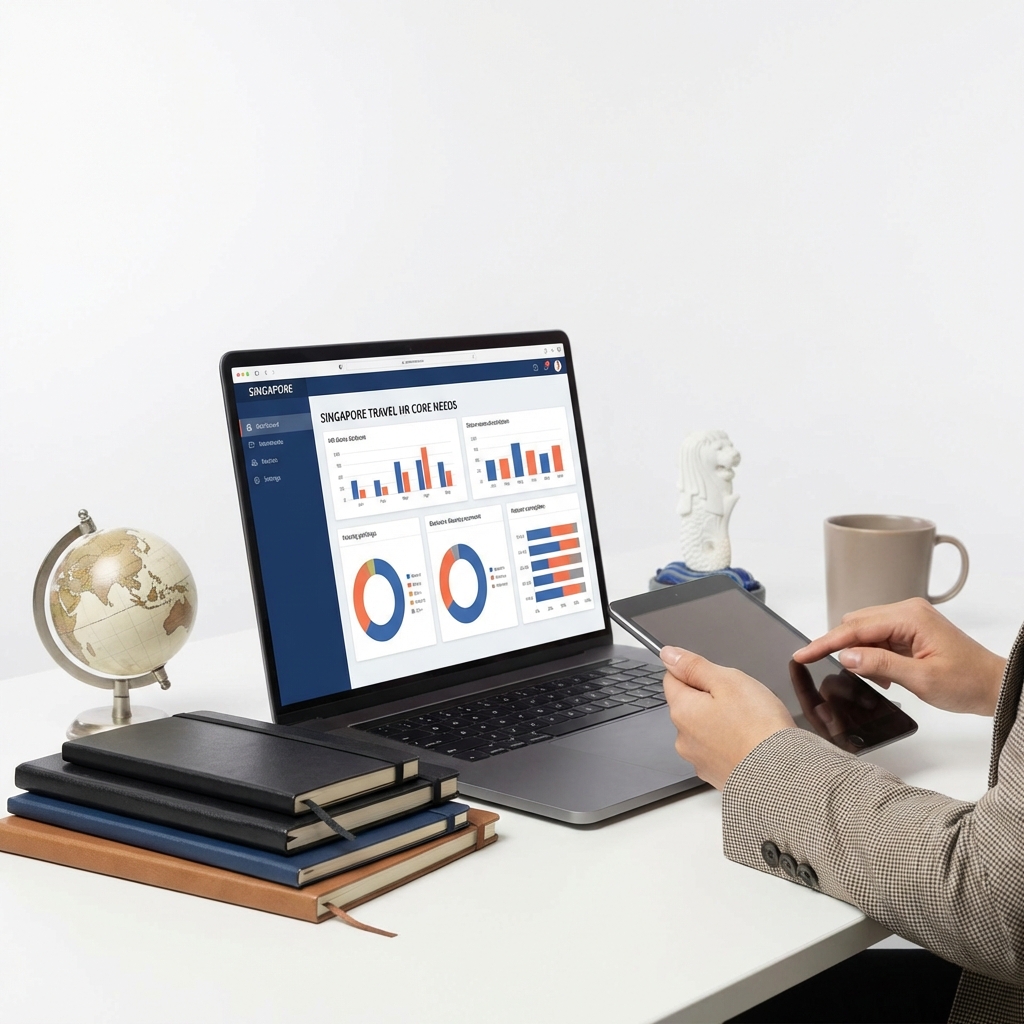
1. Managing seasonal workforce fluctuations
Tourism in Singapore is inherently cyclical, often tethered to international holiday calendars, major conventions, and grand-scale events like the F1 Grand Prix. HR managers must quickly scale their headcount up or down, requiring sophisticated systems that handle rapid onboarding and offboarding without compromising security or quality. Utilizing automated HR technology allows travel companies to maintain a flexible talent pool, ensuring that staffing levels align perfectly with visitor inflow without incurring unnecessary labor overheads.
2. Addressing high staff turnover rates
The travel sector is notorious for high attrition, driven by intense competition for service-oriented talent. Maintaining employee engagement requires a proactive approach to career development and workplace satisfaction. Companies must invest in retention strategies that go beyond competitive salaries, focusing on continuous learning, clear performance management, and effective feedback loops. By leveraging data-driven insights through modern platforms, HR departments can identify burnout early and implement interventions that keep top talent motivated within the organization.
3. Navigating local MOM labor compliances
Compliance with the Ministry of Manpower (MOM) regulations is the cornerstone of responsible business in Singapore. With complex requirements surrounding the Employment Act, Work Pass eligibility, and Foreign Workforce Levies, manual tracking is prone to errors. Non-compliance can result in significant legal risks and financial penalties. To ensure a seamless operation, it is essential to stay updated with the latest policies published by the Ministry of Manpower, ensuring all employment contracts and payroll processes remain strictly aligned with the latest statutory updates. Integrated software solutions mitigate these risks by automating compliance checks, keeping the organization audit-ready at all times.
Ultimately, the core needs of HR in Singapore’s travel sector are rooted in efficiency and precision. By digitizing workflows, HR professionals can shift their focus from administrative burden to strategic workforce management, ensuring the organization remains competitive in a global tourism hub.
How Do Shift Scheduling Applications Optimize Operations?
In the fast-paced landscape of Singapore’s tourism industry, managing a dynamic workforce is a primary operational hurdle. Travel agencies often juggle a complex mix of tour guides, ground staff, and customer service representatives, each with varying availability and certifications. By leveraging advanced HR tools – applications for Travels field in singapore, agencies can transform their scheduling processes from a manual burden into a strategic advantage.
1. Automated roster generation and updates
Gone are the days of managing complicated spreadsheets that are prone to human error. Modern scheduling software utilizes algorithms to generate rosters instantly, accounting for staff availability, skill sets, and labor regulations. Whether a guide is fluent in a specific language required for a tour or a service rep is designated for a specific client group, these automated systems ensure the right person is in the right place at the right time. Furthermore, updates are synchronized across the entire organization instantly, ensuring that when an itinerary changes, the staff roster adapts without a single missed notification.
2. Real-time shift swapping functionalities
The travel industry is inherently unpredictable—tours are delayed, flights are rescheduled, and employees occasionally fall ill. Manual shift adjustments often trigger a chain reaction of administrative headaches. With automated scheduling platforms, staff can manage their own requests through a self-service portal. Employees can propose shift swaps directly via their mobile devices, which are then routed to supervisors for instant approval. This democratization of schedule management not only reduces administrative friction but also minimizes the time management spends on reactive planning, allowing them to focus on high-value tasks.
3. Preventing team burnout and overtime
Singapore’s labor laws are stringent, and the health of travel staff is paramount to maintaining quality service. Overworked guides and customer service agents are less effective, leading to decreased customer satisfaction scores. Robust scheduling applications act as a safeguard by providing built-in alerts for maximum hours and required rest periods. By monitoring total logged hours in real-time, these systems proactively prevent illegal overtime and alert managers when a specific employee is approaching burnout levels. According to insights from the Ministry of Manpower Singapore, effective management of working hours is essential for ensuring employee well-being and regulatory compliance. Consequently, agencies that adopt these digital solutions see a marked improvement in staff retention and morale, as employees feel their personal boundaries and physical health are prioritized within the organizational structure. By optimizing the balance between work intensity and downtime, agencies can ensure that their team remains energetic, professional, and ready to provide world-class service to every traveler.
Why Are Mobile-First Portals Crucial for Field Staff?
In the fast-paced travel industry, field staff are rarely tethered to a desk. Whether they are coordinating logistics for corporate clients or managing group tours, these professionals require constant connectivity to their home office. The shift toward cloud-based mobile applications has transformed operational efficiency, allowing businesses to thrive in a digital-first economy. For companies operating in Singapore, adopting robust HR tools – applications for Travels field in singapore is no longer an optional luxury but a strategic necessity to remain competitive and compliant with local labor standards.
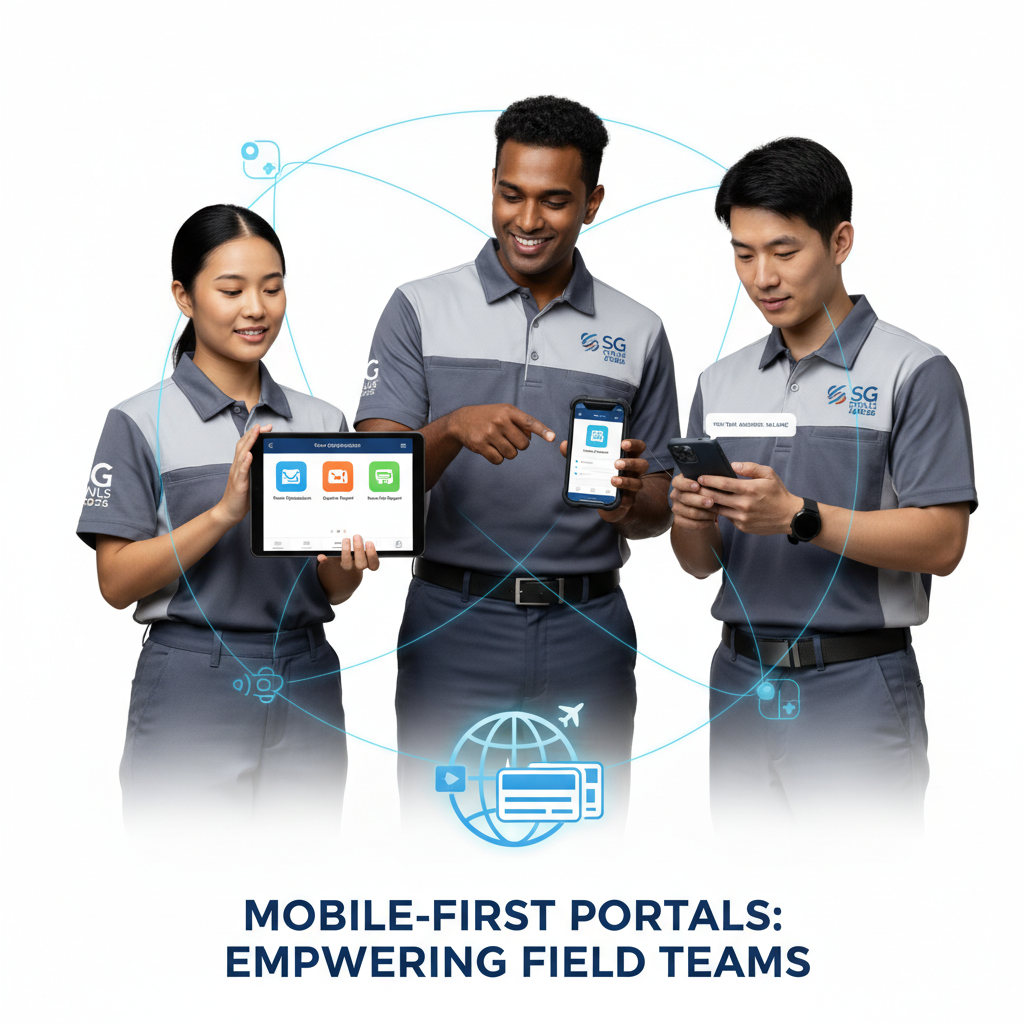
Mobile-first portals serve as the central nervous system for remote personnel. By bridging the gap between field operations and administrative headquarters, these platforms minimize latency in decision-making and ensure that data is accurate and synchronized in real-time. According to Gartner’s insights on digital workplace technology, organizations that prioritize mobile accessibility for mobile employees see a measurable boost in morale and operational speed.
1. On-the-go leave and absence management
Managing a distributed team means that leave requests are often handled asynchronously. Traditional paper-based or desktop-dependent systems often lead to communication bottlenecks. With a mobile-first portal, field employees in Singapore can request time off or report sudden absences directly from their smartphones. This instant digital trail allows HR managers to reassign tasks in real-time, preventing gaps in client service and ensuring that regional leave policies are strictly followed.
2. Instant expense claim submissions
Travel field staff frequently incur out-of-pocket costs, from transportation fees to client hospitality. Without mobile-enabled tools, expense tracking becomes a burdensome, end-of-month administrative nightmare that leads to reimbursement delays and lost receipts. Mobile-first applications allow personnel to capture receipts using their phone cameras and submit claims immediately after a transaction. This real-time submission capability improves cash flow visibility for the finance department and significantly reduces the processing time for employees waiting on reimbursements.
3. Seamless internal communication channels
Maintaining a cohesive company culture is difficult when employees are spread across different time zones or project sites. Mobile portals act as a dedicated communication hub, moving away from fragmented email threads or unregulated messaging apps. By housing company announcements, policy updates, and team collaboration tools in one secure, centralized application, organizations can ensure that every field worker remains aligned with corporate objectives. This streamlined connectivity fosters a sense of belonging and ensures that critical safety updates or itinerary changes reach the staff the moment they are posted, mitigating risk and enhancing professional coordination.
Ultimately, integrating these mobile-first technologies is about empowering the workforce. When field staff have the right digital tools in their pockets, they can focus on delivering exceptional travel experiences rather than fighting with administrative hurdles.
Which Tools Streamline Payroll and Commission Tracking?
Managing compensation in the travel industry requires high levels of precision, particularly when balancing base salaries with variable sales commissions. For agencies operating within the competitive Singaporean market, utilizing specialized HR tools – applications for Travels field in singapore is no longer optional; it is a necessity for operational efficiency. These platforms help navigate the intricacies of travel agent remuneration while ensuring full compliance with local labor regulations.
1. Automated commission calculation systems
Travel agents often work on tiered commission structures that fluctuate based on booking volumes, package types, and client destinations. Manual calculation of these commissions is prone to human error and consumes valuable administrative time. Modern automated systems allow agency owners to input specific rules—such as percentage splits on flight margins or hotel markups—directly into the payroll dashboard. By leveraging cloud-based platforms, these systems sync real-time sales data with commission modules, ensuring that agents receive accurate payouts at the end of each cycle without the need for manual spreadsheet reconciliation.
2. Integration with Singaporean CPF structures
Operating a travel business in Singapore demands strict adherence to the Central Provident Fund (CPF) requirements. Payroll systems that do not automatically account for CPF contributions, Skill Development Levy (SDL), and race-based self-help group fund deductions often lead to compliance risks. The most effective HR tools for the travel sector are those that offer localized payroll engines. These tools automatically calculate the correct employer and employee contributions based on the specific salary components, ensuring that every pay slip is compliant with Singaporean law. This automated integration removes the burden of manual tax filings and helps maintain a seamless audit trail for business owners.
3. Multi-currency payroll handling
The nature of the travel industry is inherently global. Agencies frequently deal with international vendors, overseas commissions, and agents based in different regions. Handling these transactions requires payroll software that supports multi-currency conversion and management. Advanced HR applications enable travel firms to process base pay in SGD while accounting for commissions earned in USD, EUR, or AUD. By automating the exchange rate calculations at the time of the transaction, these tools prevent currency-related discrepancies and ensure that travel agents are paid accurately, regardless of the currency in which the original booking was made. This versatility provides a scalable foundation for travel agencies looking to expand their footprint across the Southeast Asian region and beyond, ensuring that payroll remains a streamlined, predictable process even as business complexity grows.
How to Choose the Best Software Stack for 2026?
As the Singaporean travel industry continues to evolve, selecting the right HR tools – applications for Travels field in singapore is no longer just an administrative choice; it is a strategic imperative. By 2026, the intersection of AI-driven workforce management and cloud-based operations will define the market leaders. To remain competitive, your tech stack must prioritize agility, security, and interoperability.
1. Evaluating software scalability and pricing
For travel agencies and tour operators, business volume often fluctuates based on seasonal trends. When selecting HR tools – applications for Travels field in singapore, you must choose platforms that offer modular pricing. Scalability is essential—your software should handle a small team during low season and scale seamlessly when your operations expand during peak travel periods. Avoid vendor lock-in by vetting platforms that allow you to upgrade features without forcing a total system overhaul.
2. Ensuring data security and PDPA compliance
Given the sensitivity of traveler data and employee records, adhering to the Personal Data Protection Act (PDPA) is non-negotiable for any Singapore-based enterprise. Your HR software must feature robust encryption, multi-factor authentication, and automated data archiving. When vetting vendors, ask for their data sovereignty policies. Ensure that their cloud hosting locations comply with local regulations, as maintaining strict compliance not only mitigates legal risks but also builds trust with your employees and stakeholders alike.
3. Seamless API integration with booking platforms
The efficiency of a travel business relies heavily on the synergy between front-end booking systems and back-end HR management. If your HR tools operate in a silo, you lose valuable time on manual data entry for payroll, shift scheduling, or commission calculations based on booking volumes. Look for platforms that offer comprehensive RESTful APIs. This connectivity allows your HR system to “talk” directly to your booking engines and ERP software. By automating these data pipelines, you reduce human error and ensure that your staff is compensated accurately and on time, regardless of how complex your business operations become in the coming year.
Ultimately, future-proofing your business in 2026 requires a balanced approach. Don’t just look for the software with the most features; look for the one that best fits your operational maturity and growth trajectory in the unique Singaporean market.
Partner with Shelby Global
You are looking for reliable HR Sevice Suppliers? Contact Shelby Global Now! To connect with verified talents and upgrade your orginization.
—————————————
References
– Ministry of Manpower: https://www.mom.gov.sg/
– Ministry of Manpower Singapore: https://www.mom.gov.sg/
– Gartner’s insights on digital workplace technology: https://www.gartner.com
– Central Provident Fund (CPF) – Employer Services: https://www.cpf.gov.sg/employer
– Personal Data Protection Commission Singapore: https://www.pdpc.gov.sg/