Understanding the Malaysian Employment Act 1955 Updates
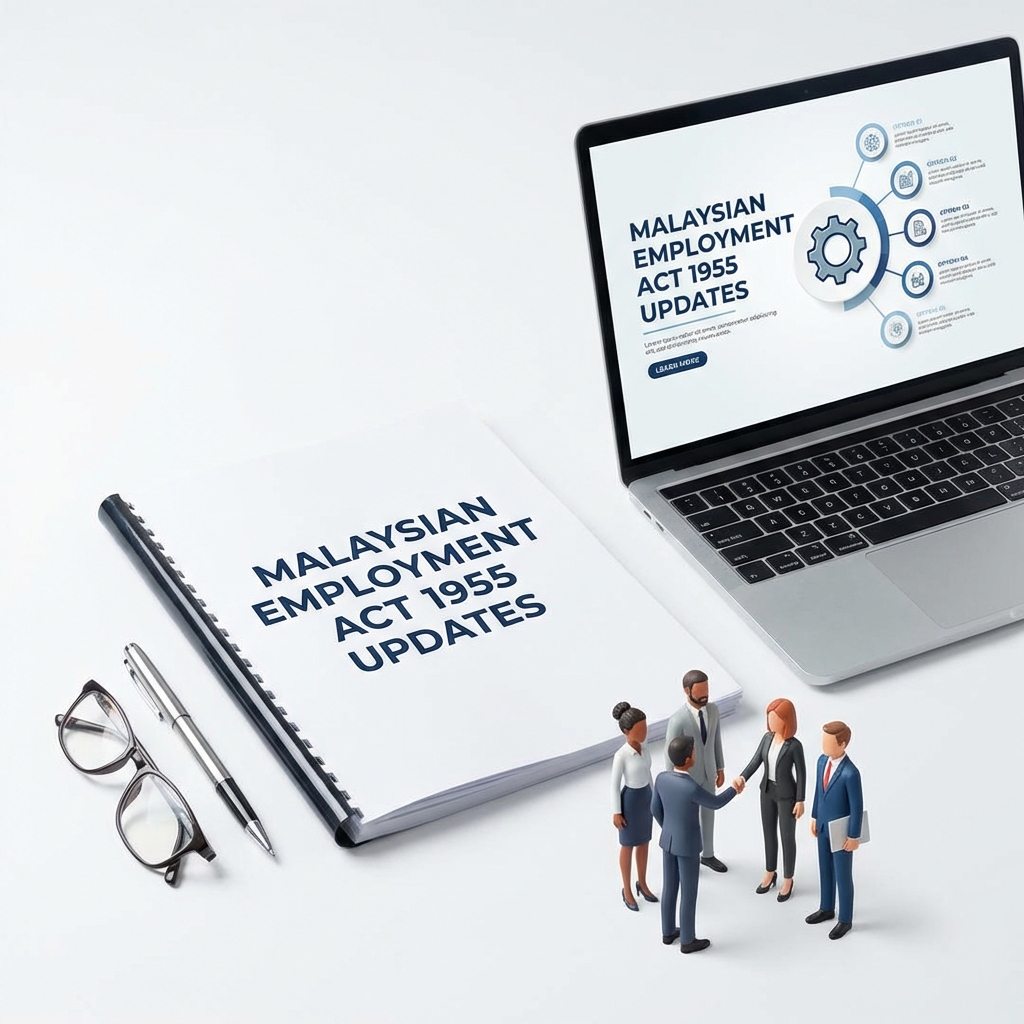
In the fast-paced Fast-Moving Consumer Goods (FMCG) sector, maintaining compliance with labor laws is critical for operational continuity and workforce stability. The Malaysian Employment Act 1955 serves as the cornerstone of industrial relations, and recent amendments have fundamentally shifted how HR departments manage their human capital. Organizations must navigate these evolving Legal HR terms & conditions for FMCG companies in malaysia to mitigate litigation risks and ensure ethical employment practices.
-
Key legislative amendments impacting FMCG operations
The 2022 amendments to the Employment Act, which came into full effect, have introduced significant changes that directly impact the FMCG manufacturing and distribution landscape. Key highlights include the expansion of the act to cover all employees regardless of wage threshold, the introduction of paternity leave, and enhanced provisions against sexual harassment. For FMCG companies, which often rely on a mix of permanent staff and contract labor, these changes necessitate an immediate audit of existing employment contracts. Companies must ensure their Malaysian labor policies align with these statutory standards to avoid penalties and foster a compliant workplace culture.
-
Regulating working hours and rotating shift schedules
The FMCG industry is defined by high-volume production and continuous supply chain cycles, often requiring 24/7 rotating shift schedules. The updated Employment Act has reduced the maximum weekly working hours from 48 to 45, forcing HR leaders to rethink shift patterns. This reduction impacts overtime calculations and workforce scheduling strategies. To maintain productivity without violating the law, FMCG firms must implement sophisticated HR management systems that track shift durations precisely, ensuring that no employee exceeds statutory limits while maintaining the high output levels required for inventory replenishment and market distribution.
-
Minimum wage requirements and compliance tracking
Regulatory updates regarding minimum wage remain a dynamic aspect of Malaysian labor law. The government frequently adjusts the national minimum wage to combat inflation and ensure a living wage for workers, particularly those in the production and logistics tiers of the FMCG supply chain. Compliance tracking is no longer an annual exercise but a constant monitoring process. HR departments must ensure that payroll systems are updated in real-time to reflect new wage mandates, including the integration of allowances and variable pay structures. By digitizing compliance, FMCG companies can maintain audit trails that prove adherence to these evolving wage requirements, thereby protecting the organization from industrial disputes and non-compliance fines.
Core FMCG Employment Contracts & Policy Guidelines
In the fast-paced Fast-Moving Consumer Goods (FMCG) sector in Malaysia, maintaining robust employment contracts is vital for operational stability and regulatory compliance. Managing a hybrid workforce comprising factory floor operators and retail staff necessitates precise, legally sound documentation. Implementing structured Legal HR terms & conditions for FMCG companies in Malaysia is essential to mitigate risks associated with labor disputes and to ensure alignment with the Employment Act 1955.
1. Structuring probationary periods and terminations
Probationary periods in the FMCG industry should be clearly defined, typically ranging from three to six months. It is crucial to specify that employment is subject to satisfactory performance and conduct during this term. Contracts must explicitly state that the company reserves the right to terminate employment without notice if performance standards are not met, provided that the employee has been given reasonable opportunity for improvement. For permanent terminations, adherence to the Ministry of Human Resources Malaysia guidelines is mandatory to avoid claims of unfair dismissal, ensuring that all procedural requirements, such as domestic inquiries, are properly documented.
2. Overtime calculations for rank-and-file shift workers
FMCG production lines and retail outlets frequently operate on shift schedules, making accurate overtime (OT) calculation critical. Contracts must clearly outline the basis for OT, specifically defining the ‘ordinary rate of pay’ according to statutory regulations. Policies should delineate the difference between normal working hours, rest days, and public holidays, as compensation rates differ significantly for each. To prevent payroll disputes, HR policies should dictate strict protocols for overtime authorization, ensuring that all extra hours worked are pre-approved by supervisors and recorded in an auditable time-tracking system.
3. Drafting confidentiality and non-compete agreements
Protecting intellectual property, proprietary manufacturing processes, and sensitive retail strategies is a top priority for FMCG firms. Employment contracts must include robust confidentiality clauses that remain in effect during and after employment. Furthermore, restrictive covenants such as non-compete or non-solicitation clauses should be carefully drafted to be reasonable in scope, duration, and geographical coverage. While enforceability varies, having well-drafted restrictive covenants serves as a significant deterrent against employees leaking trade secrets or moving to direct competitors with sensitive market insights. These clauses should be tailored specifically to the employee’s level of access to sensitive information, balancing business protection with the employee’s right to earn a livelihood.
Workplace Health, Safety, and SOCSO Compliance
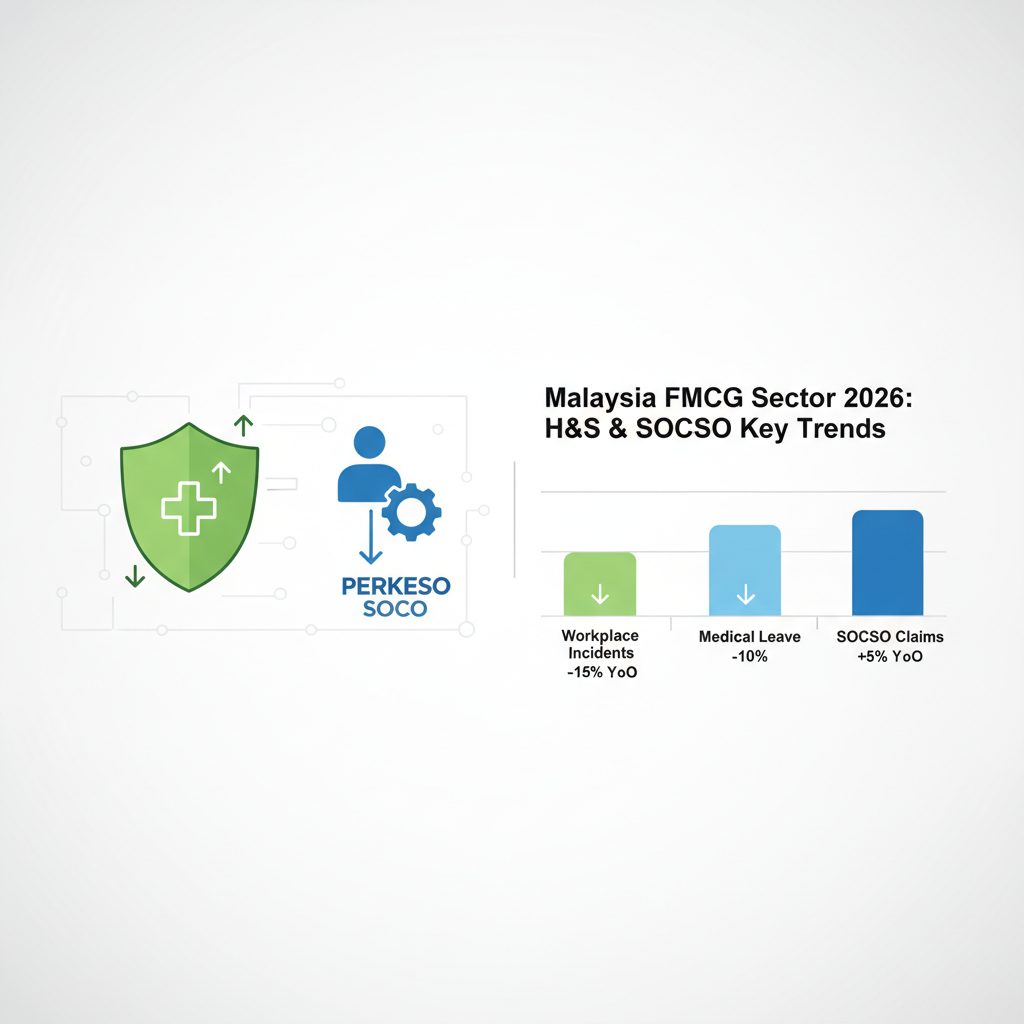
In the fast-paced FMCG sector, operational efficiency must be balanced with the strict Legal HR terms & conditions for FMCG companies in malaysia. Ensuring a secure environment is not merely a moral imperative but a core regulatory requirement to maintain licensure and operational continuity in both manufacturing plants and distribution hubs.
1. OSHA regulations for high-risk warehouse environments
FMCG manufacturing involves heavy machinery, high-speed conveyor systems, and constant forklift activity, classifying these spaces as high-risk environments. Under the Occupational Safety and Health Act 1994 (OSHA), employers are legally obligated to conduct regular Hazard Identification, Risk Assessment, and Risk Control (HIRARC) processes. Warehouse managers must ensure that aisles are clearly marked, racking systems undergo structural integrity audits, and personnel are equipped with mandatory Personal Protective Equipment (PPE). Compliance requires documenting safety training, maintaining clear emergency exit pathways, and ensuring that all automated equipment features functional fail-safe mechanisms to prevent crush injuries or thermal hazards.
2. Reporting workplace injuries and managing SOCSO claims
Proactive management of workplace incidents is a critical component of the HR compliance framework. Should an accident occur, Malaysian law mandates the immediate reporting of workplace injuries to the Social Security Organization (SOCSO) through the Employment Injury Scheme. HR departments must ensure that the Accident Report (Form 21) is submitted within the stipulated timeframe to prevent administrative penalties. Effective management involves maintaining comprehensive digital health records, facilitating medical leave certification from panel clinics, and assisting employees in the claims process. By streamlining these workflows, companies not only reduce liability risks but also demonstrate a commitment to employee welfare, which is vital for maintaining staff morale and retention.
3. Mandating adequate rest breaks and employee welfare
To prevent fatigue-related accidents, FMCG firms must adhere to the resting requirements outlined in the Employment Act 1955. Workers in labor-intensive roles—such as those on high-speed bottling lines or in cold-storage distribution hubs—require strictly enforced rest intervals. Legal HR terms dictate that no employee should work more than five consecutive hours without a period of leisure of not less than thirty minutes. Furthermore, providing adequate hydration stations, ergonomic workstations, and proper ventilation is a non-negotiable aspect of workplace health. Fatigue management programs are now becoming industry standard, ensuring that operational pressure does not compromise the physical integrity or long-term health of the workforce. By prioritizing these welfare mandates, FMCG organizations can significantly decrease absenteeism and cultivate a resilient, compliant corporate culture.
Managing Foreign Workers in the Malaysian FMCG Sector
The Fast-Moving Consumer Goods (FMCG) industry in Malaysia relies heavily on a diverse workforce to maintain supply chain efficiency and production output. For businesses operating in this sector, understanding the complex regulatory landscape regarding non-citizen employment is essential to maintain compliance and operational continuity. Navigating Legal HR terms & conditions for FMCG companies in Malaysia requires a proactive approach to immigration law, labor welfare, and contract management to mitigate risks associated with human capital.
1. Streamlining work permit and visa application processes
The employment of foreign nationals in Malaysia is strictly governed by the Immigration Department and the Ministry of Human Resources. FMCG companies must navigate a multi-tiered approval process, often requiring specialized professional work passes for expatriates or temporary employment visits for migrant labor. Efficiency is key; HR departments should maintain a robust documentation trail, ensuring all educational and professional credentials are verified and endorsed by the relevant authorities. Given the Malaysian Immigration Department requirements, companies are encouraged to utilize integrated tracking systems to monitor visa expiry dates and eligibility criteria, ensuring no employee falls into an undocumented status, which can lead to severe operational disruptions and hefty penalties.
2. Complying with the Minimum Standards of Housing (Act 446)
A critical pillar of HR compliance in the Malaysian FMCG sector is the strict adherence to the Workers’ Minimum Standards of Housing and Amenities Act 1990 (Act 446). This legislation mandates that employers provide decent living conditions for their foreign workers, covering specific requirements for space, hygiene, safety, and essential utilities. For FMCG manufacturers, failing to meet these standards can result in legal action, significant fines, or even the suspension of business licenses. Compliance is not merely a bureaucratic hurdle but a fundamental aspect of corporate social responsibility that directly impacts worker productivity and health. Companies must ensure their facilities undergo periodic inspections and that all certifications of accommodation are current to avoid non-compliance risks during official enforcement audits.
3. Handling repatriation protocols and contract renewals
Managing the end-to-end lifecycle of a foreign worker’s employment necessitates clear protocols for both contract renewals and eventual repatriation. When an employment contract nears its term, HR managers must assess the feasibility of renewal, which involves fresh medical screenings through FOMEMA and potential re-application for work permits. Conversely, when an employee is set to leave or their contract is terminated, the employer holds the legal obligation to facilitate safe and timely repatriation. This includes the provision of flight arrangements and the settling of all final dues as per the Employment Act 1955. Documenting every step of this process is vital to prove that the company has fulfilled its obligations under Malaysian labor laws, effectively insulating the business from claims of abandonment or illegal detention of documentation.
Preparing Your FMCG HR Strategy and Policies for 2026
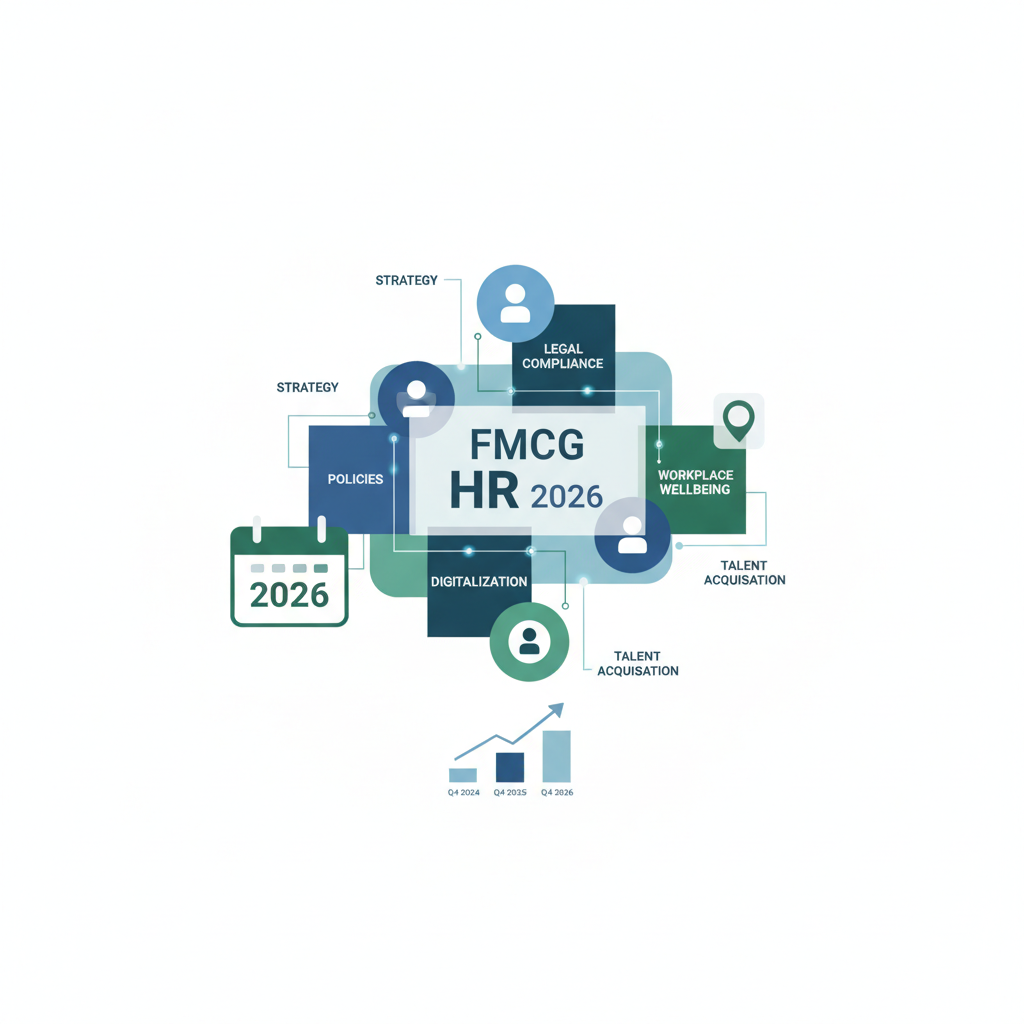
As the Malaysian fast-moving consumer goods (FMCG) landscape becomes increasingly competitive, the ability to pivot your human capital management is no longer a luxury but a strategic necessity. Future-proofing your organization requires a proactive approach to Legal HR terms & conditions for FMCG companies in malaysia, ensuring that your operational backbone remains resilient against evolving legislative shifts. By 2026, companies that fail to integrate agility and compliance into their core policies risk falling behind in both legal standing and talent acquisition.
1. Adopting legal frameworks for flexible work arrangements
The post-pandemic era has solidified flexible work as a standard expectation. For the Malaysian FMCG sector, where distribution and manufacturing often require physical presence, the challenge lies in balancing operational uptime with employee flexibility. Implementing robust remote work policies requires an update to the Employment Act 1955. Employers must clearly define the scope of ‘work’ under flexible arrangements, ensuring that occupational health and safety requirements extend to the home environment. By establishing legally sound criteria for these arrangements, companies protect themselves from liability while fostering a high-trust culture.
2. Digitalizing HR contracts and data privacy compliance
As businesses migrate to cloud-based HR systems, the risk of data breaches grows proportionally. Digitalization of contracts is essential for efficiency, yet it must be balanced with strict adherence to the Personal Data Protection Act (PDPA) in Malaysia. FMCG firms handling massive databases of employee records must ensure that their digital contract platforms offer end-to-end encryption and audit trails. Ensuring that data governance standards are embedded into every HR contract is critical for safeguarding the organization against high-stakes litigation and reputational damage in 2026.
3. Integrating ESG-compliant labor practices into policies
Environmental, Social, and Governance (ESG) criteria are rapidly becoming the benchmark for corporate health in Malaysia. For FMCG organizations, the ‘Social’ pillar is particularly vital, involving fair wage structures, ethical recruitment, and non-discrimination policies. Future-ready HR strategies must move beyond tokenism, weaving ESG metrics into employment agreements and performance reviews. By codifying these commitments into internal handbooks, FMCG leaders can ensure compliance with international sustainability reporting standards, thereby strengthening their position with investors and local regulatory bodies.
Partner with Shelby Global
You are looking for reliable HR Sevice Suppliers? Contact Shelby Global Now! To connect with verified talents and upgrade your orginization.
—————————————
References
– Ministry of Human Resources Malaysia: https://www.mohr.gov.my/
– Ministry of Human Resources Malaysia: https://www.mohr.gov.my/
– Department of Occupational Safety and Health (DOSH) Malaysia: https://www.dosh.gov.my/
– Malaysian Immigration Department: https://www.imi.gov.my/
– Personal Data Protection Commissioner Malaysia: https://www.pdp.gov.my/