What Are the Core Roles in Vietnam Retail HR?
The retail landscape in Vietnam is evolving at a breakneck speed, driven by digital transformation and a rapidly growing middle class. For HR professionals, this environment necessitates a nuanced understanding of leadership expectations, particularly when analyzing the differences between the SMEs’ HR Manager and the Corporates’ HR Director in retail companies in vietnam. While both roles aim to optimize human capital, their scope, strategic influence, and operational focus differ significantly.

1. Defining the SME HR Manager’s Hands-On Role
In Vietnam’s burgeoning SME retail sector, the HR Manager is typically a jack-of-all-trades. Operating in a lean environment, they are responsible for the entire employee lifecycle—from payroll processing and social insurance compliance to hands-on recruitment and floor-level conflict resolution. These professionals often report directly to the CEO or founder, meaning they must possess high emotional intelligence to navigate the close-knit, sometimes informal, organizational cultures common in Vietnamese SMEs.
Their work is inherently tactical. They are often the ones physically onboarding staff, managing local labor code adherence, and filling administrative gaps. Because SMEs in retail often face high turnover rates, these HR Managers spend a significant amount of time focusing on immediate operational continuity rather than long-term talent management infrastructure.
2. Exploring the Corporate HR Director Function
Conversely, a Corporate HR Director in a large-scale Vietnamese or multinational retail firm operates at a strategic level. Rather than managing daily payroll, they focus on aligning HR policies with business objectives, organizational design, and enterprise-level culture development. They lead specialized departments tasked with performance management systems, learning and development (L&D) frameworks, and complex talent acquisition strategies for corporate headquarters and regional store networks.
The HR Director must navigate internal politics across various departments, manage budgets involving hundreds or thousands of employees, and utilize sophisticated HR technology stacks. They are essentially architects of company culture, tasked with scaling retail operations while maintaining consistency in employer branding across multiple locations.
3. Key Retail HR Recruitment Vietnam Trends
To succeed in this market, understanding the broader retail recruitment trends is essential. The industry is currently witnessing a critical shift toward skills-based hiring. Employers are moving away from traditional degree-centric requirements and placing higher value on digital literacy, customer-centricity, and adaptability—crucial traits for success in the omnichannel retail environment currently dominating Vietnam.
Furthermore, as competition for talent intensifies, both SMEs and large corporates are focusing heavily on “Employee Value Proposition” (EVP) improvement. SMEs are trying to compete by offering flexibility and faster growth trajectories, while corporates are leveraging structured development programs and international exposure. Whether operating in an SME or a corporate structure, the ability to pivot and integrate technology into the HR function is the defining skill for modern retail leaders in Vietnam.
How Does Strategic Scope and Vision Compare?
In the evolving retail landscape of Vietnam, the structural divide between SMEs and large-scale corporations dictates how HR leadership is perceived and executed. Understanding the differences between the SMEs’ HR Manager and the Corporates’ HR Director in retail companies in vietnam requires a granular look at how these roles balance immediate retail pressures against long-term organizational maturity.
1.
Short-term Agility vs Long-term Strategy
For an HR Manager in a Vietnamese retail SME, the focus is inherently tactical. They often operate in a ‘firefighting’ capacity, managing high staff turnover rates common in the sector and ensuring daily staffing coverage for retail outlets. Their vision is defined by the next pay cycle or the upcoming seasonal sales peak. Conversely, an HR Director in a corporate retail environment is tasked with shaping the employer brand and workforce planning years in advance. They pivot away from daily grievances to focus on high-level talent pipelines and organizational design. According to Harvard Business Review, this separation of administrative tasks from strategic talent development is essential for scaling, a transition that many Vietnamese retailers grapple with as they grow.
2.
Budgeting and Resource Allocation Dynamics
Budgetary authority marks a distinct divergence in these leadership tiers. The SME HR Manager often operates with limited financial autonomy, frequently having to justify every expenditure—from training materials to recruitment software—to the business owner. Their resource allocation is reactive and cost-conscious. In contrast, the Corporate HR Director oversees institutionalized budgets. They manage complex compensation and benefits packages, enterprise-wide HRIS implementations, and massive learning and development initiatives. This director-level role is less about saving pennies and more about maximizing human capital ROI to support aggressive market expansion across multiple provinces.
3.
Aligning HR Leadership Roles Comparison
When we examine the alignment of these roles to the business, the HR Manager acts as a direct extension of the owner’s persona, ensuring that the company’s retail culture remains intimate and consistent. The HR Director, however, acts as a bridge between the board of directors and the vast workforce, ensuring that corporate governance and legal compliance are maintained at scale. For a detailed breakdown of these distinct organizational requirements, refer to our comprehensive analysis on Differences between the SMEs’ HR Manager and the Corporates’ HR Director in retail companies in vietnam. While the Manager focuses on the health of the individual retail unit, the Director focuses on the health of the entire retail ecosystem, balancing profit margins with sustainable labor practices that withstand intense market competition in Vietnam.
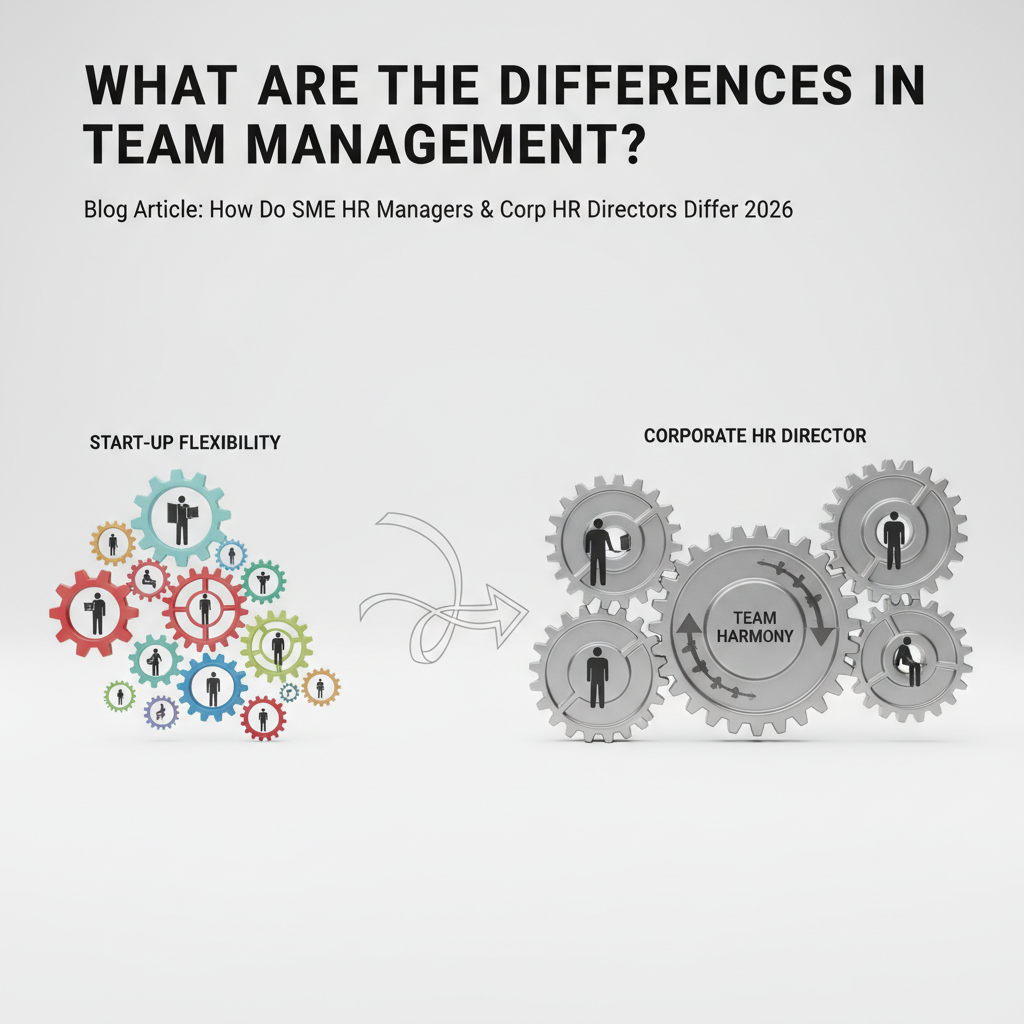
What Are the Differences in Team Management?
Navigating the Differences between the SMEs’ HR Manager and the Corporates’ HR Director in retail companies in vietnam requires an understanding of how scale influences leadership. In the fast-paced Vietnamese retail sector, management styles diverge significantly based on whether a leader operates in an agile, localized business or a sprawling, multinational organization.
1. Execution in Tight-Knit SME Environments
In Vietnamese SMEs, the HR Manager is often a jack-of-all-trades, directly involved in the daily execution of personnel tasks. Due to smaller team sizes, there is little room for administrative distance. HR managers in these settings prioritize hands-on problem-solving, such as managing local recruitment drives or resolving staff grievances on the shop floor. The hierarchy is flat, allowing for rapid decision-making, which is essential for survival in competitive local retail markets. However, this proximity often means the HR manager is also responsible for administrative overhead that would otherwise be automated in a larger firm, creating a high-pressure environment where personal relationships with employees drive retention.
2. Delegating Across Corporate Departments
Conversely, the HR Director in a corporate retail environment functions as a strategist rather than a tactical executor. Because these entities often manage large-scale operations across multiple provinces in Vietnam, the HR Director must master the art of delegation. They oversee specialized departments—such as Compensation & Benefits, Learning & Development, and Talent Acquisition—ensuring that company-wide policies align with Vietnam’s Labor Code. Delegation here is not about offloading tasks, but about empowering functional leads to maintain standardized service levels. This requires a shift from personal oversight to the management of systems, KPIs, and reporting structures that span vast retail networks.
3. SME vs Corporate Organizational Structure
The structural hierarchy dictates the scope of authority. In an SME, the HR Manager often reports directly to the business owner or CEO, bridging the gap between operations and strategy with minimal friction. This allows for an organic, responsive HR culture. In corporate retail, the HR Director occupies a mid-to-top-tier executive position, often answering to a regional board or headquarters. They must navigate a matrix organization where internal politics, cross-departmental alignment, and adherence to international branding standards take precedence over the casual, personalized management style found in smaller shops. While the SME manager focuses on employee loyalty through direct mentorship, the Corporate HR Director focuses on institutional loyalty through career pathing and standardized human resource information systems (HRIS).
How Do Compliance and Risk Management Differ?
In the evolving retail landscape of Vietnam, understanding the distinct responsibilities of HR leaders is critical for operational success. While the Differences between the SMEs’ HR Manager and the Corporates’ HR Director in retail companies in vietnam are vast, both roles must master the interplay between compliance and risk management. Compliance focuses on adhering to established laws and internal policies, whereas risk management involves identifying, assessing, and mitigating potential threats that could disrupt business continuity.
1. Handling Local Labor Regulations Quickly
For an SME HR Manager, agility is the primary currency. Operating within Vietnam’s strict labor law framework requires a hands-on approach to local labor regulations. These managers are often responsible for immediate implementation, ensuring that employment contracts, social insurance contributions, and overtime policies align with the Ministry of Labor, Invalids and Social Affairs (MOLISA) requirements. Because SMEs often lack specialized legal departments, the HR Manager must act as the first line of defense, interpreting regional updates and applying them to the workforce without delay to avoid costly penalties.
2. Complex Corporate Compliance Protocols
Conversely, the Corporate HR Director in a large retail chain operates in a sphere of systemic complexity. Compliance here is not merely about adherence; it is about building a scalable infrastructure. These directors manage corporate governance protocols that ensure consistency across hundreds of store locations. They design standardized workflows for recruitment, training, and disciplinary actions that satisfy both national laws and international corporate standards. Their challenge lies in embedding compliance into the organizational culture, ensuring that every store manager—regardless of their geographical location—operates within the same regulatory guardrails established at the headquarters level.
3. Mitigating Risk Across Multiple Branches
Risk management in Vietnam’s retail sector grows exponentially with the number of branches. An SME HR Manager typically handles localized risks, such as high turnover rates or localized labor disputes. Their mitigation strategy is usually direct and interpersonal. In contrast, a Corporate HR Director must view risk through a macro lens. They are responsible for enterprise-wide risk management, which includes data privacy protection, supply chain labor ethics, and managing large-scale industrial relations. By developing predictive analytics and internal audit programs, the Corporate HR Director safeguards the brand’s reputation against systemic risks that could threaten a company with a nationwide footprint. While the SME manager focuses on maintaining the status quo, the Corporate Director is constantly scanning the horizon for structural vulnerabilities that could undermine the entire retail network.
Which Talent Retention Strategies Work Best?
In the vibrant and rapidly evolving retail landscape of Vietnam, the approach to keeping top talent varies significantly depending on the size and scale of the organization. Understanding the Differences between the SMEs’ HR Manager and the Corporates’ HR Director in retail companies in vietnam is essential for anyone looking to optimize their workforce management. While both roles aim to minimize turnover, their methodologies, resources, and cultural frameworks differ profoundly.
1. Creative SME Employee Engagement Tactics
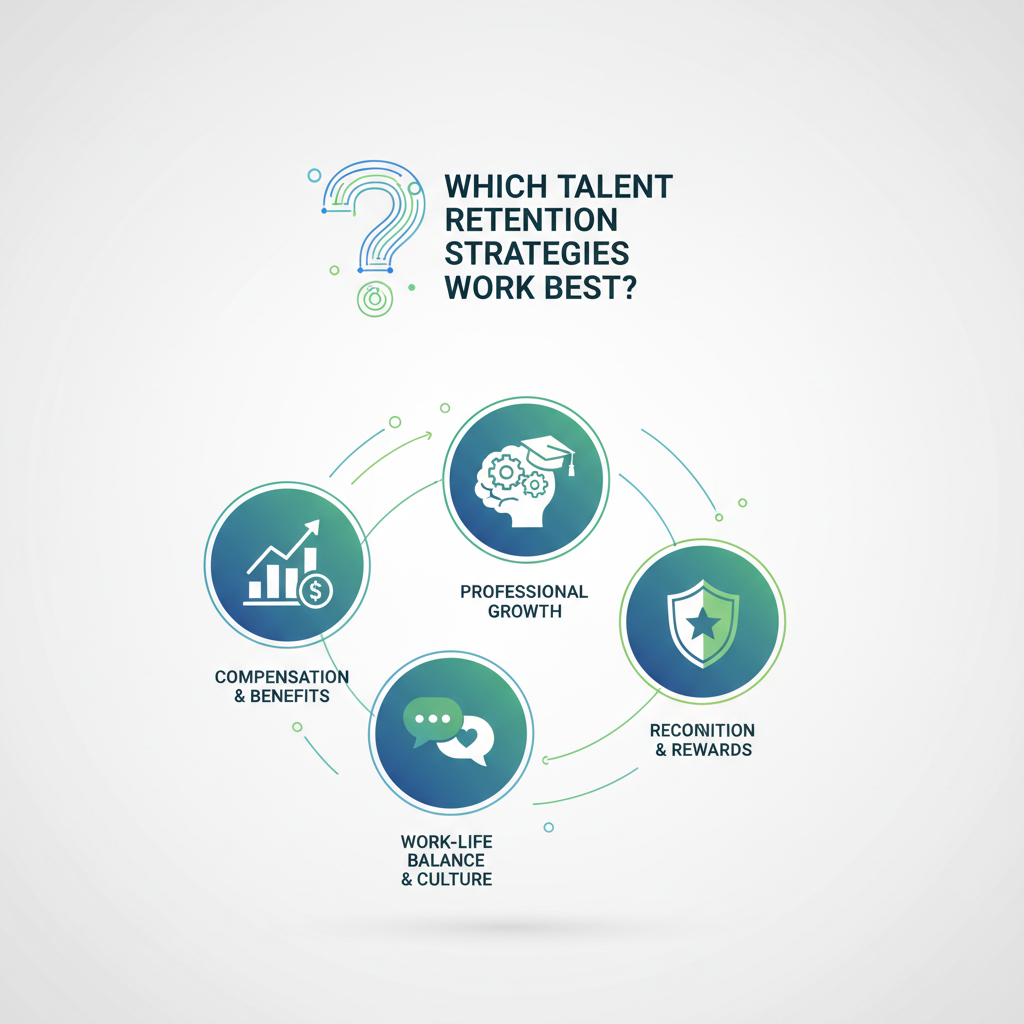
In smaller retail enterprises, the HR Manager often wears many hats, focusing on agility and personal connection. Because SMEs lack the deep pockets of massive corporations, their engagement strategies rely heavily on culture and direct recognition. Tactics here often include flat organizational structures that grant employees a voice in decision-making and flexible working arrangements tailored to individual needs. By fostering a close-knit environment, SME HR Managers cultivate loyalty through a sense of belonging rather than rigid corporate policy.
2. Corporate Structured Career Progression
Conversely, the HR Director in a large retail corporate entity operates within highly structured frameworks. The primary retention tool here is a well-defined career path. Large retail players in Vietnam invest heavily in sophisticated Learning and Management Systems (LMS) and transparent promotion cycles. These organizations provide employees with a clear roadmap for advancement, ensuring that high-potential staff understand exactly what skills are required to climb the ladder. This predictability offers a sense of security and long-term professional growth that is highly valued by top-tier talent.
3. Effective Talent Retention Strategies Vietnam
Developing effective talent retention strategies in Vietnam requires adapting to the local cultural emphasis on ‘family’ and ‘face.’ Regardless of company size, the most successful leaders prioritize competitive remuneration paired with a deep respect for work-life balance. Corporates may leverage high-end benefits packages, such as comprehensive health insurance and international training opportunities, to retain their workforce. In contrast, SMEs retain staff by emphasizing local community impact and rewarding individual contributions with immediate, visible praise. The choice between these models ultimately depends on the brand’s market position and the specific psychological contracts established with their frontline employees. By aligning retention strategies with the core values and size-specific strengths of the organization, retail leaders can significantly reduce churn and build a sustainable competitive advantage.
Partner with Shelby Global
You are looking for reliable HR Sevice Suppliers? Contact Shelby Global Now! To connect with verified talents and upgrade your orginization.
—————————————
References
– McKinsey Retail Insights: https://www.mckinsey.com/industries/retail/our-insights
– It Is Time to Split HR: https://hbr.org/2016/07/it-is-time-to-split-hr
– Vietnam’s Labor Code: https://molisa.gov.vn/en/Pages/default.aspx
– International Labour Organization – Labour Law: https://www.ilo.org/beirut/areasofwork/labour-law/lang–en/index.htm
– Effective talent retention strategies in Vietnam: https://www.hr-guide.com/