Understanding the Singapore Tech Talent Landscape
Singapore has solidified its reputation as a premier global technology hub, attracting multinational corporations and ambitious startups alike. However, the equilibrium between supply and demand for digital expertise is constantly shifting. To remain competitive, organizations must adopt a rigorous Salary Defining Strategy for all job titles in technology field in singapore, ensuring they can attract top-tier talent while maintaining fiscal health.

-
Current Market Benchmarks
The tech landscape in the Lion City is characterized by extreme demand for specialized roles such as Cloud Architects, AI/ML Engineers, and Cybersecurity experts. According to the Infocomm Media Development Authority (IMDA), the drive toward digital transformation across all sectors has pushed salary benchmarks upward. Companies are no longer competing only with other tech firms but with traditional banks and logistics companies heavily investing in internal digital infrastructure. This horizontal demand means that benchmarking salaries requires a granular approach, looking beyond industry averages to specific role-based value propositions.
-
Impact of Inflation and Cost of Living
Macroeconomic pressures, particularly rising costs in rental and daily expenses, have significantly altered compensation expectations. Employees are increasingly negotiating for total compensation packages that reflect the reality of the local cost of living. A robust salary defining strategy must account for these inflationary pressures, moving away from static pay bands toward flexible models that incorporate performance-based bonuses, housing allowances, and comprehensive wellness benefits. Failing to adjust for these economic realities often leads to high attrition rates as talent seeks employers who proactively address their changing financial needs.
-
Influence of Government Tech Initiatives
The Singapore government plays a pivotal role in shaping the talent market through initiatives such as the Tech.Pass and the Global Investor Programme. These policies are designed to draw elite global talent to the city-state, which inherently affects the local compensation landscape. By increasing the available pool of highly specialized talent, these initiatives help stabilize salary spikes in certain segments but also set a high bar for excellence. Local firms must align their salary strategies with the international standards brought in by these government-backed programs to ensure they remain viable alternatives to global tech giants. As the ecosystem matures, the focus has shifted from merely hiring for growth to hiring for long-term sustainability, necessitating a data-driven approach to compensation that mirrors the sophisticated nature of Singapore’s tech economy.
Core Components of a Modern Tech Compensation Plan
Creating a robust framework for talent acquisition requires a comprehensive Salary Defining Strategy for all job titles in technology field in singapore. In a landscape defined by rapid innovation and fierce competition, employers must look beyond standard industry averages to craft packages that resonate with top-tier talent. A modern compensation structure is no longer just about the monthly paycheck; it is a holistic ecosystem that balances immediate financial needs with long-term wealth creation and personal well-being.
1.
Base Pay vs Variable Performance Bonuses
Base pay serves as the foundational pillar of any compensation model, yet it is increasingly being supplemented by variable pay structures. In Singapore’s tech sector, base salary ranges are typically determined by benchmark data from the Ministry of Manpower, ensuring that the organization remains compliant with local labor standards. However, to remain truly competitive, companies are shifting toward performance-driven bonuses. These variable incentives, often linked to quarterly KPIs or product launch milestones, allow firms to reward exceptional contributors without bloating fixed overhead costs. Striking the right balance between a competitive, stable base and an aggressive bonus structure is critical for retaining high-performing software engineers, product managers, and data scientists.
2.
Equity, RSUs, and Stock Options
For many technology professionals, equity is the primary differentiator when choosing between a startup and an established corporation. Restricted Stock Units (RSUs) and stock options have become standard components for mid-to-senior level roles. These instruments provide employees with a sense of ownership, effectively aligning their individual success with the long-term growth of the firm. By offering a vesting schedule, companies not only incentivize top talent to join the team but also ensure institutional knowledge remains within the organization for the duration of the vesting period. This long-term incentive plan (LTIP) is essential for those looking to compete with global tech giants that offer significant share-based compensation.
3.
Flexible Perks and Wellness Benefits
In a post-pandemic work environment, flexible perks have transitioned from being ‘nice-to-have’ to ‘must-have’ components of a compensation strategy. This includes hybrid working stipends, comprehensive health insurance plans that cover mental health, and professional development budgets. Modern compensation packages must acknowledge that tech workers prioritize agility and autonomy. By offering wellness benefits—such as annual gym memberships, ergonomic home office setups, and flexible leave policies—employers signal that they value the employee as a whole person, not just a line of code. These intangible benefits often tip the scales in a hiring decision, especially when salary offers are otherwise comparable across the industry.
Structuring Pay Scales by Specific Tech Job Families
Developing a robust Salary Defining Strategy for all job titles in technology field in singapore requires more than a one-size-fits-all approach. Because the demand for specialized digital skills fluctuates rapidly, companies must categorize roles into distinct job families to ensure competitiveness and internal equity. By tailoring compensation to the market value of specific skill sets, organizations can attract top talent while maintaining fiscal discipline.
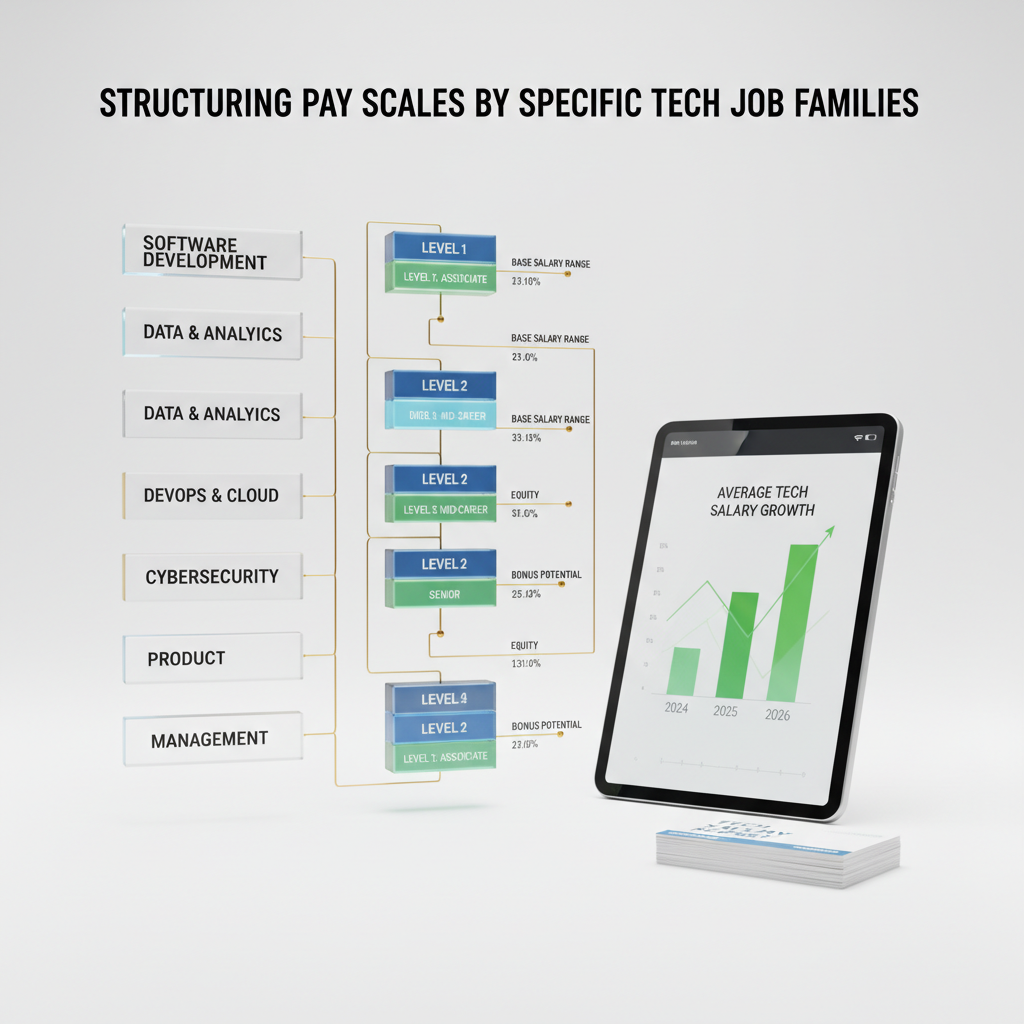
To establish a Salary Defining Strategy for all job titles in technology field in singapore, businesses must first perform granular market benchmarking. This ensures that the compensation reflects the distinct pressures, such as the scarcity of talent or the high demand for certifications within specific domains.
-
Software Engineering and Development
Software development remains the bedrock of Singapore’s tech ecosystem. Compensation here is often tied to the specific tech stack, with high demand for expertise in cloud-native frameworks and backend systems. Pay scales in this family should be structured by proficiency tiers—Junior, Mid, Senior, and Staff—and further adjusted based on the complexity of the systems being built. Incorporating stock options or performance-based bonuses alongside a competitive base salary is standard practice to retain top-tier engineering talent.
-
Data Science, Machine Learning and AI
The compensation landscape for AI and Data Science is exceptionally volatile due to the rapid innovation cycle. According to the Infocomm Media Development Authority (IMDA), the focus on AI adoption in Singapore has driven salaries for specialized roles like Machine Learning Engineers and Data Architects significantly higher than traditional development roles. A successful strategy must frequently review market data to adjust for premiums paid to candidates with advanced degrees or proven track records in deploying large-scale neural networks.
-
Cloud Computing and Cybersecurity
As enterprises migrate to hybrid cloud environments, roles in Cloud Architecture and Cybersecurity have become mission-critical. Unlike other tech job families, pay scales here are often heavily influenced by industry-recognized certifications (e.g., CISSP, AWS Certified Solutions Architect). Compensation packages should reward the attainment of these credentials, which demonstrate the candidate’s commitment to maintaining security standards and system reliability. Given the high stakes associated with data breaches, firms often pay a premium for deep expertise in threat detection and cloud security governance.
By segmenting the workforce into these logical job families, firms can design nuanced compensation frameworks that accurately reflect the evolving Singaporean tech market, ensuring they remain an employer of choice while managing overhead effectively.
Factoring in Experience, Seniority, and Skill Scarcity
In the highly competitive Singaporean technology sector, establishing a robust compensation framework is essential for talent retention. Implementing a comprehensive Salary Defining Strategy for all job titles in technology field in singapore requires more than just benchmarking against market averages; it necessitates a granular approach that accounts for varying experience levels, career progression, and the volatile market value of emerging technologies.
-
Navigating Junior vs Senior Pay Gaps
-
Premium Rates for Niche Technical Skills
-
Compensating Engineering Leadership Roles
The gap between junior and senior roles in Singapore’s tech market is often widened by the high demand for autonomous contributors. Junior roles are typically benchmarked against entry-level cost-of-living adjustments, but senior roles command premiums based on their ability to deliver results with minimal supervision and their capacity to mentor junior staff. When structuring these bands, organizations must avoid aggressive flattening of salary scales, as this risks losing top-tier talent to competitors. Instead, utilize a progressive multiplier system where senior roles reflect not just tenure, but the depth of impact they bring to product development and team efficiency.
Technological advancement often outpaces the development of the talent pool, creating acute shortages in specific domains. According to data from the Infocomm Media Development Authority (IMDA), the demand for specialists in fields such as artificial intelligence, cybersecurity, and cloud architecture frequently exceeds supply, leading to significant salary inflation. A rigid salary structure fails here. Organizations should implement a ‘skill premium’ or ‘market allowance’ modifier. This allows for base salary brackets to remain stable while providing an additional, adjustable percentage for candidates possessing verified, scarce technical competencies, ensuring the organization remains agile without distorting the internal pay parity of the broader engineering team.
Compensating engineering leadership—such as Staff Engineers, Engineering Managers, and CTOs—requires a shift from valuing purely technical output to valuing strategic influence and organizational scalability. Unlike individual contributors, leaders are compensated based on their ability to align technical roadmaps with business objectives, manage complex stakeholder relationships, and build high-performing cultures. In Singapore’s fast-paced environment, this compensation often includes a higher variable component, such as long-term incentives (LTI) or equity, to align the leader’s interests with the company’s long-term growth. When defining these salary strategies, HR leaders must ensure that the total compensation package for these roles reflects the critical nature of their decision-making impact, rather than just headcount management.
Executing and Communicating Your New Salary Strategy
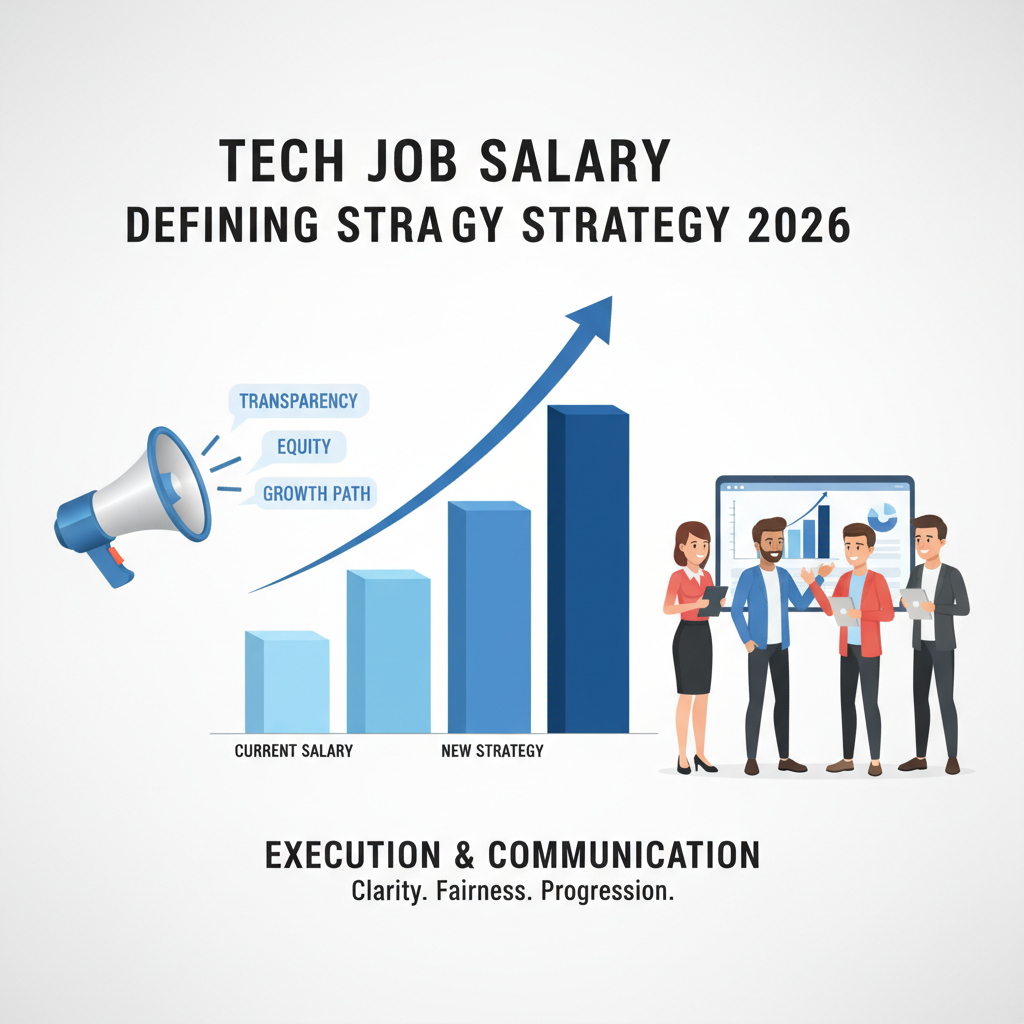
In the highly competitive technology ecosystem of Singapore, implementing a new compensation framework is just as critical as its design. Your approach must prioritize clarity, equity, and strategic alignment to ensure that your Salary Defining Strategy for all job titles in technology field in singapore is well-received by your workforce. Below is a roadmap to effectively roll out these changes.
1. Establishing Internal Pay Transparency
Transparency is no longer optional; it is a fundamental expectation of the modern tech workforce. By clearly communicating how compensation is structured, you build trust and reduce anxieties surrounding pay equity. Start by providing employees with clear visibility into the salary bands applicable to their roles. Explain the market data points, such as those provided by the Ministry of Manpower, which help validate your decisions. When employees understand the methodology behind their salary—including skill-based premiums and market benchmarking—they are more likely to view the framework as objective and fair, which is crucial for maintaining morale during organizational transitions.
2. Conducting Fair Annual Salary Reviews
To keep your compensation competitive, annual salary reviews must be systematic and grounded in data. Move away from ad-hoc adjustments and toward a structured cycle that aligns with performance appraisals. During these reviews, ensure managers are trained to communicate outcomes effectively. They must be able to articulate not just the final number, but the reasoning behind it, linking it directly to the employee’s contributions and growth within the company’s defined tech career ladders. A robust review process effectively demonstrates that compensation is a dynamic reflection of value, preventing talented employees from seeking opportunities elsewhere due to stagnation.
3. Strategies for Long-term Talent Retention
Beyond base salary, long-term retention requires a holistic rewards strategy. While salary is a primary driver, the tech industry in Singapore is increasingly focused on the ‘total rewards’ package. This includes performance bonuses, equity incentives, opportunities for continuous professional development, and flexible working arrangements. By integrating these elements into your broader compensation narrative, you demonstrate a commitment to your employees’ holistic success. Furthermore, regularly soliciting feedback on your compensation packages ensures they remain aligned with shifting market demands and employee expectations, thereby securing your position as an employer of choice in a tight talent market.
Partner with Shelby Global
You are looking for reliable HR Sevice Suppliers? Contact Shelby Global Now! To connect with verified talents and upgrade your orginization.
—————————————
References
– Infocomm Media Development Authority (IMDA): https://www.imda.gov.sg/
– Ministry of Manpower: https://www.mom.gov.sg/
– Infocomm Media Development Authority: https://www.imda.gov.sg/
– Infocomm Media Development Authority (IMDA): https://www.imda.gov.sg
– Ministry of Manpower Singapore: https://www.mom.gov.sg/