
Key Employment Trends in SG Fashion
The Singapore fashion industry is currently undergoing a structural metamorphosis, driven by technological integration and shifting consumer behaviors. As the nation positions itself as a premier global hub for fashion innovation and retail excellence, stakeholders are closely monitoring the latest HR report of Fashion field in singapore to understand the evolving talent landscape. This section explores the macroeconomic hiring shifts currently defining the sector.

1. Job Growth Forecasting
Projections indicate that the Singaporean fashion ecosystem is entering a period of qualitative rather than purely quantitative growth. While traditional retail expansion has plateaued, the emergence of niche segments—such as luxury resale, circular fashion, and sustainable supply chain management—has created a demand for high-skilled professionals. According to Workforce Singapore, the sector is increasingly prioritizing candidates who possess cross-functional expertise, blending fashion design knowledge with business analytics. Analysts predict a steady upward trend in headcount for roles related to ESG (Environmental, Social, and Governance) compliance, as firms strive to meet global sustainability standards. The talent market is moving away from labor-intensive manual roles toward strategic positions that optimize brand visibility and supply chain efficiency.
2. Rise of Digital Fashion Roles
The digitization of the fashion industry in Singapore has created a significant talent gap that HR departments are scrambling to fill. The integration of 3D design software, virtual try-on technologies, and non-fungible tokens (NFTs) in luxury branding has necessitated a new class of employees. We are witnessing a surge in recruitment for Digital Fashion Designers, 3D Modellers, and Metaverse Marketing Specialists. These roles require a unique hybrid of creative flair and technical aptitude, bridging the gap between physical craftsmanship and digital asset creation. Furthermore, e-commerce optimization teams have become the backbone of modern fashion houses, with companies actively hiring data scientists to forecast demand patterns and optimize customer journey personalization.
3. Shifts in Retail Staffing
The physical retail landscape in Singapore is being redefined by the concept of ‘phygital’ experiences, where brick-and-mortar stores function more as brand showrooms than inventory centers. This shift has radically altered staffing requirements. Retail associates are no longer just point-of-sale operators; they are increasingly being recruited as ‘Brand Ambassadors’ and ‘Customer Experience Specialists’ who must possess sophisticated communication skills and a deep understanding of omnichannel retail dynamics. The focus has moved from transactional service to relationship management, with HR strategies now emphasizing continuous learning and technological literacy for frontline staff. As automation continues to take over routine inventory management, the human element of the retail experience is being elevated to provide bespoke, value-added services that AI cannot replicate.
In summary, the evolution of the Singaporean fashion job market is marked by an increasing reliance on technology and data-driven decision-making. Businesses that successfully pivot their recruitment strategies to attract digital-native talent while simultaneously upskilling their existing retail workforce will be best positioned to thrive in this hyper-competitive, innovation-led environment.
Salary Benchmarks and Compensation
Understanding the financial landscape of the fashion industry is critical for talent retention and acquisition. According to the latest HR report of Fashion field in singapore, the market has undergone a significant transformation, driven by digital integration and a renewed focus on sustainability. As Singapore solidifies its position as a regional fashion hub, compensation strategies have become increasingly nuanced to attract top-tier creative and commercial talent.
1. Retail vs Corporate Pay Scales
The compensation gap between front-end retail positions and back-end corporate roles in Singapore remains substantial. Retail roles, spanning store associates, visual merchandisers, and store managers, often rely on a hybrid compensation model. Base salaries are frequently lower, but are supplemented by commission-based incentives tied to daily or monthly sales targets. In contrast, corporate fashion roles—including brand managers, supply chain analysts, and e-commerce strategists—command higher base salaries due to the specialized nature of these positions and their direct impact on operational efficiency.
For junior retail staff, salaries typically range from SGD 2,200 to SGD 3,000 per month. However, corporate-level marketing or buying roles start significantly higher, often between SGD 4,500 and SGD 6,500. This disparity highlights the industry’s shift toward prioritizing roles that drive omnichannel growth and data-driven decision-making, which are predominantly managed at the corporate level.
2. Executive Compensation Trends
At the C-suite and leadership level, compensation structures have evolved to align with performance metrics beyond traditional profit margins. Executive compensation now heavily incorporates Environmental, Social, and Governance (ESG) milestones. For instance, a Chief Sustainability Officer or a Creative Director might see a significant portion of their variable compensation tied to the carbon footprint reduction of their supply chain or the ethical sourcing of textiles.
Data from Ministry of Manpower Singapore confirms that executive pay in the retail and luxury fashion sector continues to show resilience. While fixed salaries for roles such as Regional Brand Directors have remained stable, the ‘Total Rewards’ package—inclusive of long-term incentives (LTI) and restricted stock units (RSUs)—has increased by approximately 8-12% year-on-year. This reflects a competitive market where top talent is expected to drive digital transformation and regional expansion across the Southeast Asian fashion market.
3. Bonus and Benefit Structures
Modern compensation packages in the Singapore fashion industry have moved beyond basic salary. Companies are now implementing comprehensive flexible benefit schemes to stay competitive in a tight labor market. Standard annual wage supplements (AWS) remain a staple, but they are increasingly being complemented by performance bonuses that reward individual contributions to team-wide KPIs.
Key trends in benefit structures include:
- Wellbeing and Mental Health Allowances: Recognizing the high-pressure environment of fashion production and retail, firms are offering lifestyle reimbursements.
- Hybrid Work Support: Providing stipends for home office setups for corporate employees, acknowledging the hybrid nature of modern creative workflows.
- Professional Development Funds: Sponsoring certifications in digital fashion design, AI-driven merchandising, or sustainable material management as a form of non-monetary retention incentive.
- Staff Discounts and Exclusive Perks: Maintaining the traditional allure of the industry, with generous clothing allowances and early access to collection launches remaining a foundational part of the employer value proposition (EVP).
By balancing competitive base pay with holistic, performance-based, and wellness-focused benefits, fashion organizations in Singapore can better navigate the complexities of a volatile market, ensuring they remain an employer of choice for both creative visionaries and analytical business leaders.
Skills Gap and Training Priorities
As the fashion retail landscape in Singapore evolves, the divide between traditional retail competencies and modern digital requirements has widened significantly. According to the latest HR report of Fashion field in singapore, local talent is grappling with a shift that necessitates a blend of creative flair and technical precision. The current talent pool reflects a surplus of traditional merchandising skills but a stark shortage in data-driven digital operations and ESG (Environmental, Social, and Governance) compliance proficiency.
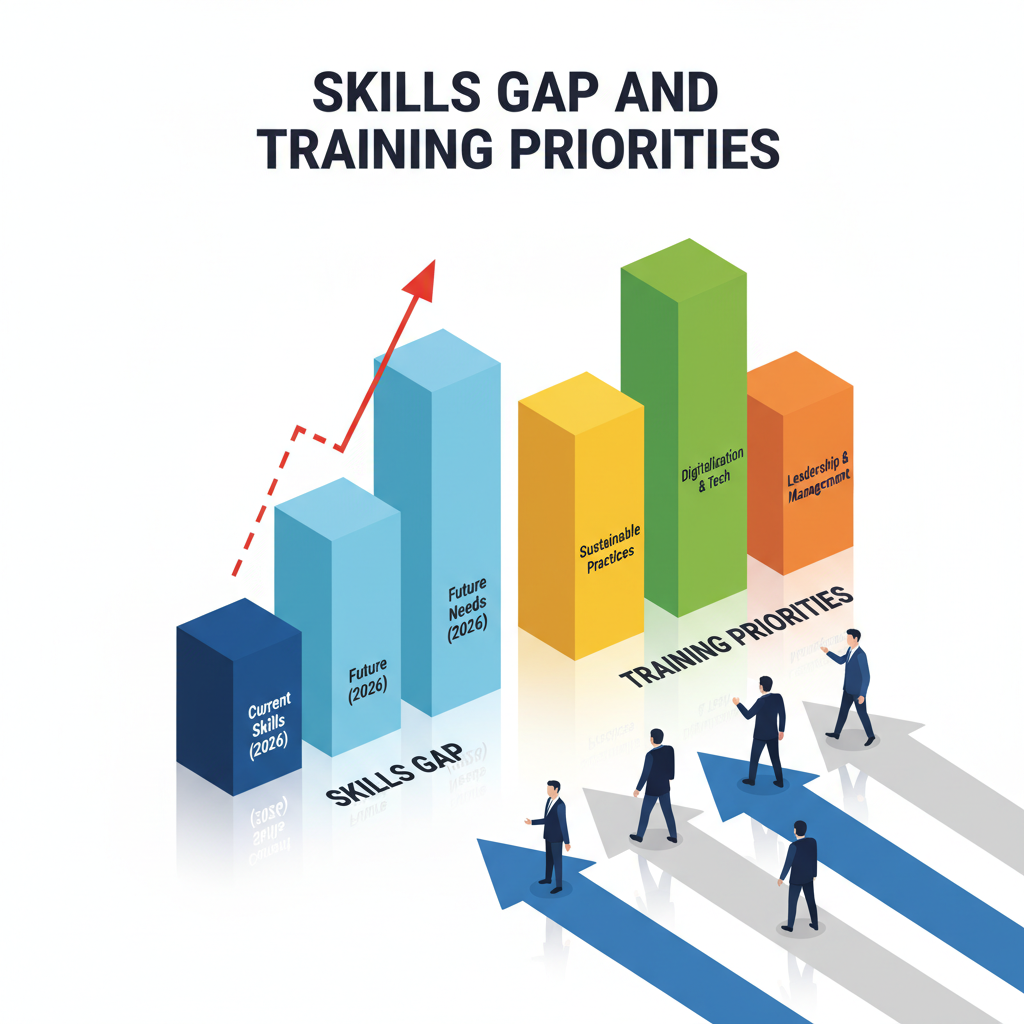
To remain competitive in the Asia-Pacific market, organizations must prioritize the identification of these gaps. This analysis provides a roadmap for the specific competencies required to future-proof the Singaporean fashion workforce.
1. Demand for E-commerce Experts
The acceleration of omnichannel retail has turned the e-commerce specialist into the most sought-after profile in Singapore. Traditional fashion buyers are now required to understand consumer behavioral data, SEO, and digital storefront optimization. There is a distinct “digital-first” skills gap where mid-level managers struggle to translate the tactile experience of a physical garment into an engaging digital conversion journey.
Key missing competencies include performance marketing, UI/UX design for fashion platforms, and automated inventory management software. Companies are currently struggling to find local hires who can bridge the gap between creative visual merchandising and backend data analytics. To address this, organizations must look beyond traditional fashion design graduates and recruit from digital marketing and data science backgrounds, integrating them into cross-functional teams that understand the fashion lifecycle.
2. Sustainable Fashion Certifications
With Singapore’s Green Plan 2030, the fashion industry is under increased scrutiny regarding its environmental footprint. As noted by the World Trade Organization, global supply chains are increasingly shifting toward transparency and circularity, necessitating a new level of expertise among local procurement and production teams. Currently, there is a shortage of professionals qualified in Life Cycle Assessment (LCA) and sustainable sourcing standards.
Training priorities must now include certifications in sustainable supply chain management and material innovation. Professionals need to understand how to audit suppliers against international standards like the Global Organic Textile Standard (GOTS) or the Bluesign system. Organizations that invest in training their existing procurement teams in these specialized sustainability certifications will likely gain a significant competitive advantage in the local market by ensuring compliance with both government regulations and conscious consumer demand.
3. Employer Upskilling Initiatives
Relying solely on external hiring is unsustainable given the talent scarcity. Consequently, employer-led upskilling has become a strategic imperative. The most effective training programs currently being implemented in Singapore involve “micro-credentials”—short, intensive training bursts designed to address specific technical gaps rather than broad-based academic learning.
Internal training programs are shifting focus toward “Agile Fashion Operations.” This involves teaching teams how to utilize AI-driven demand forecasting tools to minimize overproduction and reduce waste. Furthermore, leadership training is being repurposed to focus on “inclusive management,” ensuring that diverse creative teams can collaborate effectively with technical digital units. By fostering a culture of continuous learning, firms can transform their current workforce into a versatile team capable of navigating the volatility of the fashion industry. These initiatives must be supported by transparent career pathways that incentivize staff to acquire these new-age competencies, ensuring long-term retention of high-potential employees in a competitive labor market.
Diversity, Equity, and Inclusion (DEI)
As the fashion industry in Singapore continues to evolve into a global hub for luxury and sustainable retail, the strategic imperative for Diversity, Equity, and Inclusion (DEI) has moved from a corporate talking point to a foundational business requirement. Modern organizations are recognizing that a diverse workforce is not merely an ethical necessity but a competitive advantage that fosters creativity and innovation. According to the latest HR report of Fashion field in singapore, companies that prioritize inclusive environments report higher employee retention rates and improved brand loyalty in a highly saturated market. By auditing internal structures and dismantling unconscious biases, Singaporean fashion brands are setting a new standard for corporate governance in the Southeast Asian retail sector.
1. Gender Pay Gap Analysis
The fashion industry is historically female-dominated at the entry-level, yet top-tier executive roles have often shown a disparity in compensation. Singaporean fashion firms are now adopting rigorous data-driven approaches to identify and rectify these discrepancies. By utilizing advanced payroll analytics, HR departments are conducting comprehensive audits to ensure that “equal pay for equal work” is not just a policy, but a measurable reality. These firms are increasingly transparent about their findings, releasing annual summaries that track progress toward closing the gap. This shift is essential, as the Ministry of Manpower emphasizes that fair compensation practices are a cornerstone of a sustainable and progressive workplace culture. By isolating variables such as tenure, job complexity, and performance outcomes, brands can effectively weed out systemic pay imbalances that have persisted due to outdated salary negotiation norms.
2. Inclusive Hiring Practices
To cultivate a truly inclusive workforce, fashion brands in Singapore are moving beyond traditional recruitment methods. Inclusive hiring now involves the implementation of blind recruitment processes, where identifying characteristics such as age, gender, or background are removed from initial screenings to focus solely on talent and potential. Furthermore, HR teams are partnering with diverse educational institutions and vocational organizations to expand their talent pipelines. This ensures that recruitment is not siloed within a small pool of high-end design schools but includes individuals from various socioeconomic and cultural backgrounds. By restructuring interview panels to be more diverse and training hiring managers on cultural sensitivity, brands are successfully minimizing affinity bias. This proactive approach ensures that the creative output of a fashion brand reflects the diverse consumer base it serves, leading to more authentic storytelling and inclusive marketing campaigns.
3. Leadership Diversity Targets
Meaningful change within an organization must be championed from the top down. Recognizing that diversity at the C-suite level is a primary driver of organizational culture, Singaporean fashion brands are setting ambitious, time-bound targets for gender and ethnic representation within their boards and leadership teams. These targets act as a critical performance indicator (KPI) for HR departments and executive search committees alike. Companies are moving away from tokenism by implementing mentorship and sponsorship programs that prepare high-potential employees from underrepresented groups for future leadership roles. By fostering a culture where diverse perspectives are welcomed in boardrooms, companies are finding that they can respond more effectively to the complexities of international markets. As firms integrate these diversity metrics into their core business strategies, they create an organizational ecosystem where long-term professional development is accessible to all, ensuring that the next generation of fashion leaders is as varied and multifaceted as the community itself.
Future of Work and HR Tech Integration
The global landscape of human resources is undergoing a seismic shift, and the Singaporean fashion sector is no exception. As digital transformation accelerates, companies are moving beyond traditional administrative tasks to embrace a data-driven, technologically integrated approach. For organizations navigating the unique challenges of the local market, understanding these trends is essential. For more detailed insights, you can review our comprehensive HR report of Fashion field in singapore to align your business strategy with current market demands.

1. AI in Talent Acquisition
Artificial Intelligence is redefining how fashion houses in Singapore discover and onboard top-tier creative talent. Historically, recruitment in this sector relied heavily on portfolio review and personal networks. Today, machine learning algorithms are utilized to scan candidate databases, assessing skills against specific job requirements with unprecedented precision. By automating initial screenings, HR teams can focus on identifying cultural fits and creative potential, which are harder to quantify. Furthermore, platforms that leverage AI help remove human bias, ensuring that diversity—a core tenet of modern fashion—remains at the forefront of talent acquisition. According to industry standards from Gartner, organizations that effectively integrate AI into their recruitment workflows significantly reduce time-to-hire while improving the overall quality of candidates.
2. Hybrid Work Models for Designers
The shift toward hybrid work has posed unique challenges for the fashion industry, where collaboration and tactile creation are essential. However, Singaporean fashion firms are finding innovative ways to balance the need for physical studio time with the flexibility that contemporary professionals demand. Hybrid work models allow designers to perform conceptual work and digital pattern making from home, while dedicated office time is reserved for fitting sessions, fabric sourcing, and team strategy meetings. This approach not only boosts morale and work-life balance but also expands the talent pool, allowing firms to hire specialized designers regardless of their geographic location. Successful implementation requires robust digital infrastructure, such as cloud-based project management tools and virtual collaborative platforms, which ensure that the creative flow remains uninterrupted even when teams are working asynchronously.
3. Predictive HR Analytics
Predictive analytics has emerged as a cornerstone for strategic HR planning in Singapore’s competitive fashion market. By analyzing historical data regarding turnover rates, employee engagement, and performance metrics, companies can anticipate workforce needs before they become critical issues. For instance, predictive models can identify which departments are at risk of attrition, allowing HR leaders to implement proactive retention strategies like specialized training or incentive programs. Furthermore, these analytics help in workforce planning, ensuring that the company remains adequately staffed to meet seasonal demands—a vital component for fashion businesses that experience significant fluctuations in production and retail cycles. By transforming raw data into actionable insights, HR departments can move from being reactive support units to strategic partners that drive long-term business growth and operational efficiency.
Partner with Shelby Global
You are looking for reliable HR Sevice Suppliers? Contact Shelby Global Now! To connect with verified talents and upgrade your orginization.
—————————————
References
– Workforce Singapore: https://www.wda.gov.sg
– Ministry of Manpower Singapore: https://www.mom.gov.sg/
– World Trade Organization: https://www.wto.org/
– Ministry of Manpower Singapore: Progressive Wage Model: https://www.mom.gov.sg/employment-practices/progressive-wage-model
– Gartner – AI in HR: https://www.gartner.com/en/human-resources/trends/ai-in-hr



































































































