
The Current State of AI in Malaysian Healthcare
The integration of artificial intelligence into the Malaysian medical landscape is no longer a futuristic concept but a rapidly evolving reality. As the nation strives to digitize its healthcare infrastructure, the transition from traditional diagnostic methods to technology-driven clinical decision support is gaining significant momentum. Understanding how AI agent effect to medicine field in malaysia reveals a trajectory focused on enhancing patient outcomes, operational efficiency, and accessibility for a population increasingly demanding faster and more accurate care.

1. Adoption of AI in Local Hospitals
In major urban centers like Kuala Lumpur, Penang, and Johor Bahru, private and public hospitals are leading the charge in adopting AI-driven technologies. The primary focus has been on diagnostic imaging, where AI algorithms are utilized to detect anomalies in X-rays, CT scans, and MRIs with higher precision than ever before. By utilizing automated triage systems, radiologists can prioritize urgent cases, significantly reducing the turnaround time for critical diagnoses. Furthermore, research from the Ministry of Health Malaysia highlights the pilot testing of predictive analytics in managing patient flow and predicting disease outbreaks. These AI agents assist hospital administrators in optimizing bed occupancy and staff allocation, ensuring that resources are deployed where they are needed most. By streamlining patient pathways, hospitals are effectively reducing wait times and improving the overall quality of care in oncology and cardiology departments, where early intervention is paramount.
2. Government Policies and KKM Initiatives
The Malaysian government, through the Ministry of Health (KKM), has recognized the pivotal role of digital transformation in its ‘Health White Paper.’ This strategic document emphasizes the necessity of shifting from a hospital-centric to a patient-centric model, with AI serving as a foundational element. Initiatives such as the Digital Health Transformation plan aim to create a cohesive electronic health record system that can interact with machine learning models to provide personalized medicine. By fostering partnerships between public medical institutions and private tech innovators, the government is creating a sandbox environment for AI agents to be rigorously tested. These policies are designed to ensure that the adoption of AI is not only technologically sound but also compliant with stringent data privacy standards. This proactive governance approach ensures that Malaysia remains competitive in the ASEAN region, positioning the country as a hub for health-tech innovation while ensuring equity in healthcare access across rural and urban demographics.
3. Challenges in Early AI Implementation
Despite the optimism surrounding technological integration, the path forward is laden with significant hurdles. One of the most prominent challenges is the fragmentation of data across various healthcare providers. AI models require vast datasets to learn and remain accurate; however, disjointed health records often result in isolated data silos, hindering the effectiveness of machine learning agents. Additionally, there is an ongoing concern regarding the ethical implications of AI, particularly regarding bias in algorithmic decision-making and the security of sensitive patient data. Human capital also remains a critical bottleneck; there is an urgent need for upskilling medical professionals and technicians to work alongside AI, ensuring they can interpret and validate machine-generated insights. Lastly, the high cost of implementation—encompassing infrastructure upgrades, software licensing, and specialized training—remains a barrier for smaller, rural clinics. Bridging the digital divide is essential if Malaysia is to successfully leverage the full potential of AI to revolutionize its medicine field.
AI Agents Improving Medical Diagnostics
The landscape of healthcare in Malaysia is undergoing a profound transformation as the integration of artificial intelligence (AI) begins to reshape clinical workflows. The central question of how AI agent effect to medicine field in malaysia is no longer theoretical; it is becoming a practical reality for practitioners across the nation. By leveraging sophisticated machine learning models, AI agents act as force multipliers, assisting clinicians in processing vast datasets, reducing cognitive fatigue, and significantly narrowing the margin for human error in diagnostic procedures. As Malaysia pushes toward its digital health agenda, these agents are pivotal in bridging the gap between urban centers and rural clinics, ensuring that specialized diagnostic expertise is more accessible than ever.
1. Radiology and Imaging Enhancements
Radiology is perhaps the most advanced frontier for AI integration within Malaysian hospitals. Radiologists often face a high volume of imaging tasks, leading to potential burnout and diagnostic oversights. AI-powered diagnostic agents have proven highly effective in triaging scans, highlighting abnormalities such as pulmonary nodules, fractures, or intracranial hemorrhages in seconds. These tools act as a second pair of eyes, ensuring that critical findings are prioritized in the radiologist’s queue. According to reports from the World Health Organization, the deployment of such technologies is essential for optimizing healthcare resources in developing digital infrastructures. By streamlining the workflow of imaging departments, Malaysian hospitals are seeing a decrease in turnaround times, allowing for faster patient consultations and more timely treatment planning.
2. Predictive Analytics for Patient Care
Beyond static imaging, AI agents are evolving into dynamic tools for predictive analytics. In the context of the Malaysian healthcare system, where managing chronic diseases like diabetes and hypertension is a primary concern, AI-driven agents excel at synthesizing longitudinal patient data. These agents analyze electronic health records (EHR) to identify patterns that might precede acute clinical events, such as diabetic ketoacidosis or stroke. By providing real-time risk stratification, AI empowers Malaysian doctors to shift from a reactive to a proactive model of care. This transition is crucial for public health, as it allows for personalized interventions that can prevent hospitalization and improve long-term patient outcomes, effectively managing the burden on the public healthcare sector.
3. Early Disease Detection Algorithms
The third major pillar of AI influence lies in the deployment of specialized algorithms for early disease detection. In community health settings, AI agents are increasingly being used for mass screenings, particularly for diseases such as breast cancer, lung cancer, and retinal complications from diabetes. These algorithms are trained on diverse datasets to recognize subtle pathological markers that may be invisible to the naked eye during early stages. For doctors in Malaysia, especially those working in primary care, these agents serve as vital diagnostic support tools. By flagging potential issues early, they facilitate earlier referral to specialists and initiate treatments when they are most effective. As these agents continue to learn from local patient populations, their accuracy increases, leading to a more robust, data-driven approach to preventative medicine throughout the country.
Ultimately, the adoption of AI agents is not about replacing the human element of medicine, but about augmenting the capabilities of the Malaysian medical professional. By automating routine diagnostic tasks and providing deep-level clinical insights, AI agents are positioning Malaysia as a leader in regional medical innovation, ensuring that high-quality, efficient healthcare becomes the standard rather than the exception.
Streamlining Hospital Operations with AI
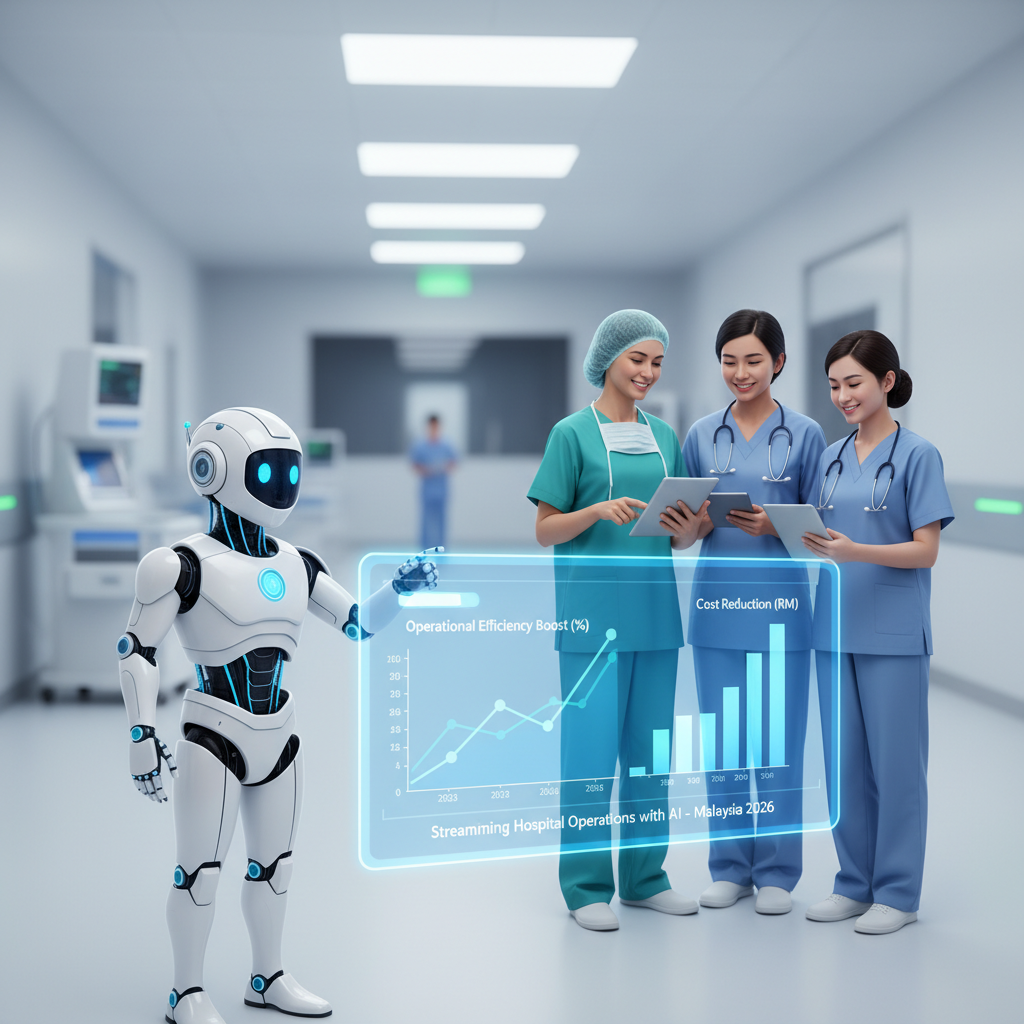
The integration of digital innovation is rapidly transforming the healthcare landscape across Southeast Asia. In the context of Malaysia, the question of how AI agent effect to medicine field in malaysia has shifted from a futuristic concept to an immediate operational necessity. By leveraging advanced machine learning models and automated workflows, clinics and hospitals are effectively reducing administrative bottlenecks, allowing medical practitioners to focus on patient-centered care rather than repetitive clerical tasks.
1. Automated Appointment Scheduling
One of the most persistent challenges in Malaysian primary care is the management of high patient volumes. Traditional scheduling methods often lead to missed appointments and long wait times. AI-powered intelligent scheduling assistants resolve this by analyzing patient history, urgency, and clinician availability in real-time. By utilizing predictive algorithms, these systems can identify patients at risk of no-shows and send personalized, automated reminders via SMS or WhatsApp, which are widely used communication channels in Malaysia. Furthermore, the integration of AI allows for dynamic slot allocation, ensuring that emergency cases are prioritized without disrupting the general clinic flow, thereby maximizing the daily throughput of healthcare facilities.
2. Smart Inventory Management for Pharmacies
Effective resource management is critical to maintaining high standards of care. In many Malaysian hospitals, manual tracking of medication stock often leads to either overstocking—leading to waste due to expired products—or, more dangerously, stockouts of essential pharmaceuticals. AI agents now monitor inventory in real-time by analyzing consumption patterns and seasonal disease outbreaks. For instance, during the monsoon season, the AI can predict increased demand for specific flu medications and automate reordering processes. This data-driven approach aligns with the Ministry of Health Malaysia (MOH) guidelines on sustainable pharmaceutical procurement, ensuring that life-saving medicines are always available when needed while significantly reducing operational overheads for private clinics.
3. Reducing Healthcare Worker Burnout
The global phenomenon of clinician burnout is a significant concern within the Malaysian public and private healthcare sectors. Excessive administrative tasks, such as manual data entry and complex documentation, detract from the time doctors spend with patients. AI-driven solutions are mitigating this by employing natural language processing (NLP) to transcribe consultations and populate electronic health records (EHR) automatically. By automating these time-consuming administrative duties, AI helps restore a healthy work-life balance for medical professionals. This transition not only enhances job satisfaction but also improves diagnostic accuracy, as clinicians are less fatigued and more engaged during patient interactions. As the nation continues to modernize its healthcare infrastructure, the strategic deployment of AI remains the most viable path toward a more resilient, efficient, and human-centric medical ecosystem.
Enhancing Patient Care via Virtual AI Agents
The integration of advanced technology into the healthcare landscape has shifted from a luxury to a necessity. As the nation accelerates toward a digital economy, understanding how AI agent effect to medicine field in malaysia becomes crucial for practitioners and patients alike. By leveraging virtual agents, healthcare providers are bridging the accessibility gap, ensuring that high-quality medical guidance is available to everyone, regardless of their geographical location.
1. 24/7 Virtual Health Assistants
In a country where patient-to-doctor ratios can be challenging, 24/7 virtual health assistants provide a vital safety net. These AI-driven chatbots are designed to manage high-volume inquiries, triage symptoms, and provide immediate medical signposting. By deploying natural language processing, these agents allow patients in rural areas of Sabah or Sarawak to receive instant, reliable medical advice without the need for immediate physical travel. This continuous availability ensures that minor concerns do not escalate into emergencies, ultimately reducing the burden on public hospital emergency rooms and optimizing clinical workflow.
2. Remote Patient Monitoring Systems
The evolution of telehealth has been significantly amplified by AI-powered remote monitoring. In Malaysia, chronic disease management—such as diabetes and hypertension—is a major focus of public health initiatives. AI agents act as the backbone for these monitoring systems, continuously analyzing data from wearable devices. If a patient’s glucose or blood pressure levels deviate from the safe range, the virtual agent alerts both the patient and their healthcare provider in real-time. This proactive approach to care minimizes the need for frequent physical consultations and empowers patients to manage their conditions from the comfort of their homes.
3. Personalized Treatment Plans
Perhaps the most transformative aspect of this technological shift is the ability to offer hyper-personalized medicine. Through sophisticated machine learning algorithms, AI agents can synthesize vast amounts of clinical data, genetic information, and lifestyle habits to suggest tailored treatment pathways. By utilizing resources found in our guide on how AI agent effect to medicine field in malaysia, providers can move away from one-size-fits-all prescriptions toward precision medicine. This level of personalization increases treatment adherence and significantly improves patient outcomes, as the therapy is specifically calibrated to the unique biological and environmental context of each individual patient.
As these virtual agents continue to mature, the Malaysian healthcare system stands on the brink of a new era. The seamless integration of AI into clinical practice not only streamlines operations but also humanizes the medical experience by freeing up time for doctors to focus on complex, high-empathy interactions. As regulatory frameworks evolve to support these innovations, the long-term impact on national health literacy and overall wellness will be profound.
The Future of Medicine in Malaysia by 2026
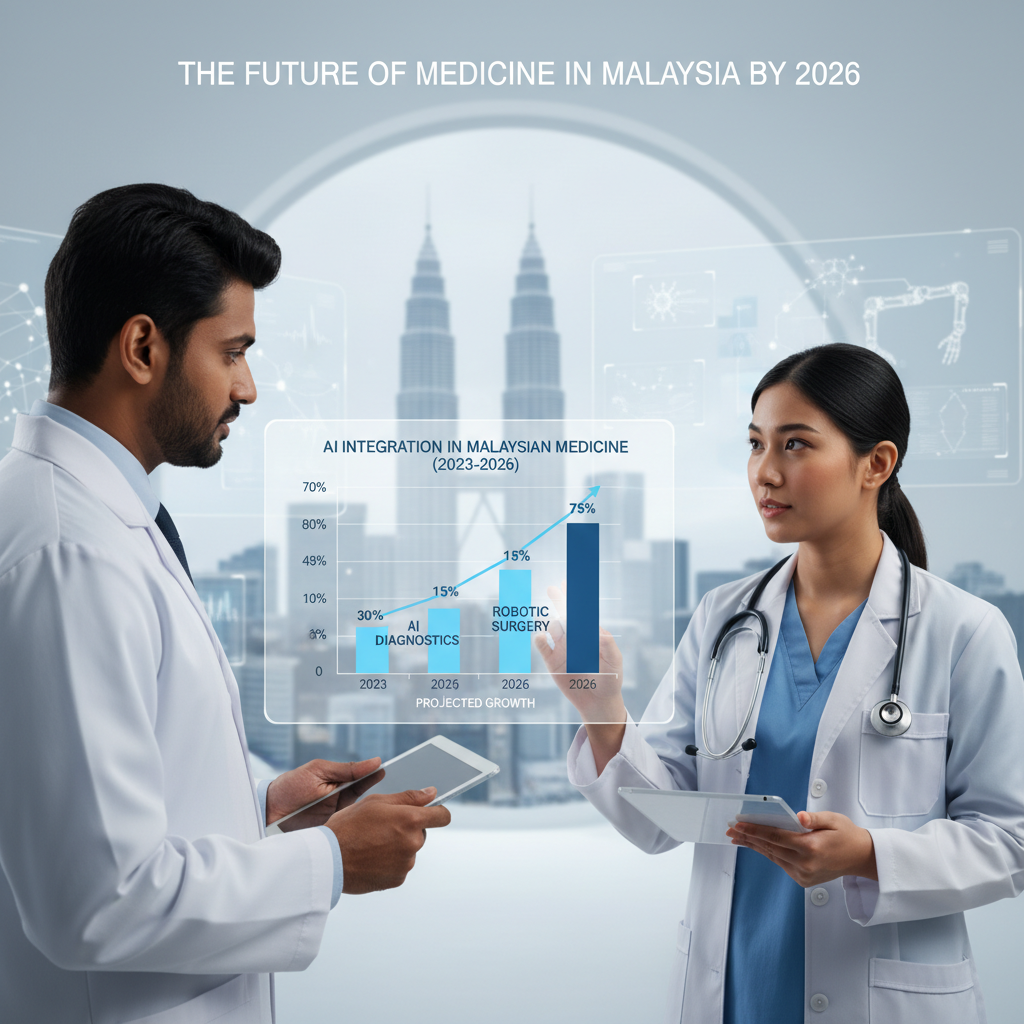
As Malaysia approaches 2026, the national healthcare landscape is undergoing a radical digital transformation. The integration of advanced technology is no longer a peripheral experiment; it is the cornerstone of a more efficient, accessible, and precise medical system. The primary catalyst for this shift is the deployment of autonomous systems, which are redefining how AI agent effect to medicine field in malaysia. By 2026, patients can expect a seamless journey from symptom detection to personalized treatment plans, all orchestrated by sophisticated algorithms working in tandem with clinical staff.
The government’s commitment to the Malaysia Digital Blueprint has laid the groundwork for these innovations. As hospitals digitize patient records and prioritize health informatics, AI agents are evolving from basic triage tools to complex diagnostic assistants. These agents act as force multipliers, allowing limited medical staff to cover a larger patient population while maintaining high standards of care. How AI agent effect to medicine field in malaysia remains a critical inquiry for investors and policymakers aiming to bridge the gap between urban centers and rural medical accessibility.
1. Upcoming AI Healthcare Startups
The Malaysian startup ecosystem is witnessing a surge in health-tech ventures that focus on localized AI solutions. These startups are moving beyond generic software to address specific regional health challenges, such as the rising prevalence of diabetes and cardiovascular diseases. By training AI models on local datasets, these companies ensure higher accuracy and cultural alignment in patient recommendations. Leading research indicates that the World Health Organization is already setting global benchmarks for the integration of these technologies, which local Malaysian startups are quick to adopt to ensure international compliance and efficacy.
2. Data Privacy and Ethical AI Use
With the rise of interconnected health systems, the conversation around the Personal Data Protection Act (PDPA) has become more urgent. By 2026, Malaysia will likely implement stricter frameworks governing how AI agents handle sensitive biological information. Ethical AI use necessitates that these systems operate with full transparency, ensuring that patient consent is not only requested but understood. The challenge lies in balancing data accessibility for machine learning purposes with the non-negotiable right to patient privacy. Future frameworks will focus on federated learning, where AI agents learn from distributed data without the need to centralize sensitive records, thereby minimizing risks of data breaches.
3. Preparing the Next Generation of Doctors
The curriculum in Malaysian medical schools is rapidly evolving to include digital fluency as a core competency. Future practitioners are no longer being trained simply to interpret data, but to act as supervisors and interpreters of AI-generated insights. This shift requires medical professionals to understand the logic behind diagnostic algorithms and to communicate these findings effectively to patients. By 2026, medical education in Malaysia will emphasize a hybrid model where clinical expertise is augmented by artificial intelligence, ensuring that students are proficient in working with autonomous tools to enhance patient outcomes rather than being replaced by them. This human-in-the-loop approach remains the gold standard for Malaysian healthcare excellence.
Partner with Shelby Global
You are looking for reliable HR Sevice Suppliers? Contact Shelby Global Now! To connect with verified talents and upgrade your orginization.
—————————————
References
– Ministry of Health Malaysia: https://www.moh.gov.my/
– World Health Organization – How AI is transforming health care: https://www.who.int/news-room/feature-stories/detail/how-ai-is-transforming-health-care-in-the-western-pacific
– Ministry of Health Malaysia: https://www.moh.gov.my/
– Telehealth: https://www.who.int/news-room/fact-sheets/detail/telehealth
– WHO Guidance on Ethical Use of AI for Health: https://www.who.int/news/item/24-01-2024-who-releases-guidance-on-ensuring-the-ethical-use-of-artificial-intelligence-for-health



































































































