Understanding AI Agents in Malaysia’s F&B Context
The global food and beverage (F&B) industry is undergoing a transformative shift, driven significantly by advancements in Artificial Intelligence (AI). Among these innovations, AI agents are emerging as pivotal tools, redefining operations, enhancing customer experiences, and optimizing supply chains. These sophisticated AI entities are not just theoretical concepts but practical applications already making waves worldwide, setting the stage for their unique and impactful deployment within Malaysia’s vibrant F&B sector.
1. What Exactly are AI Agents?
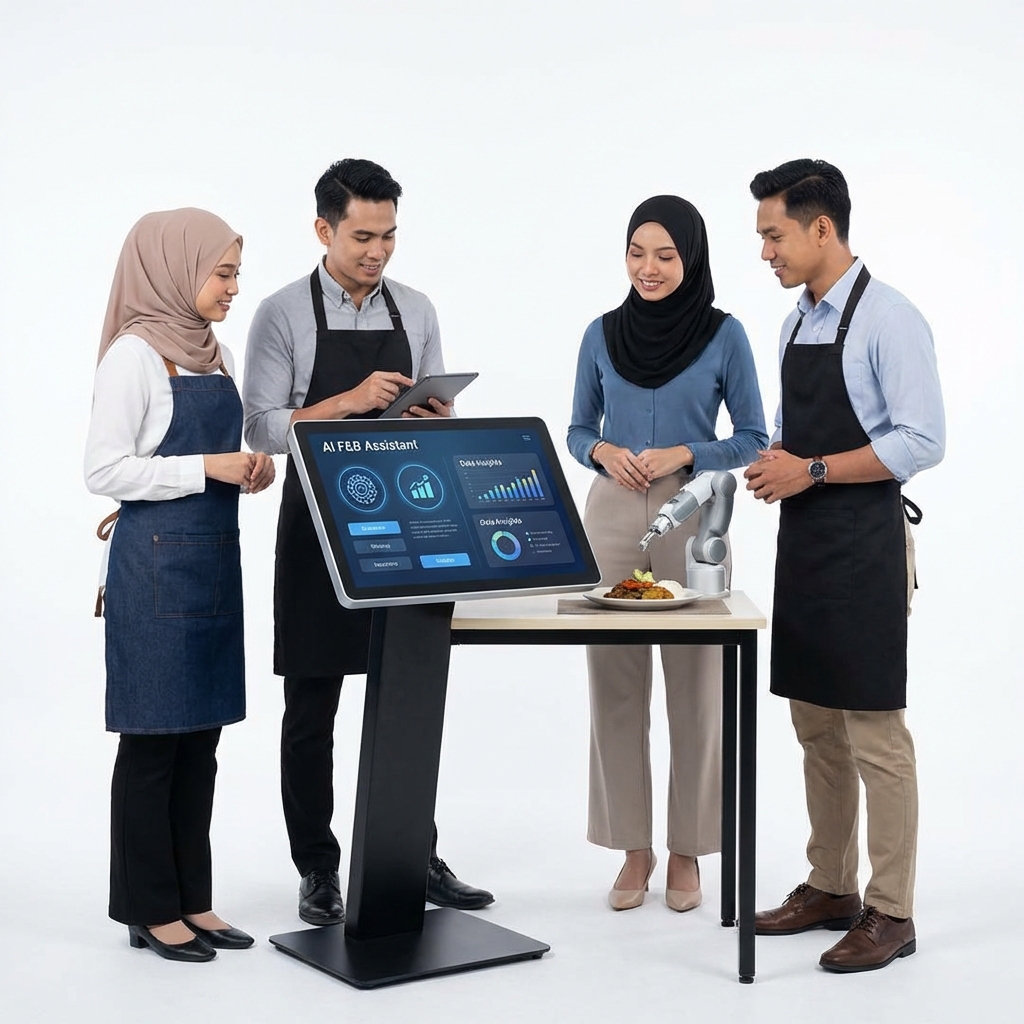
At their core, AI agents are autonomous entities capable of perceiving their environment, making decisions, and taking actions to achieve specific goals. Unlike simpler rule-based AI systems, AI agents often employ advanced machine learning techniques, natural language processing (NLP), and computer vision to learn from data, adapt to changing conditions, and perform tasks with minimal human intervention. They are designed to operate intelligently and often continuously, leveraging algorithms to process information, identify patterns, and execute strategies. For instance, an AI agent might monitor inventory levels, predict future demand based on historical sales and external factors like weather or holidays, and automatically trigger reorder requests. This capability to think, learn, and act autonomously directly influences how AI agents effect to Food & Beverage field in Malaysia, by offering unprecedented levels of efficiency and precision in various operational aspects, from front-of-house customer interactions to intricate back-of-house logistics.
2. Global F&B Embraces AI: Key Examples
The global F&B industry has been quick to recognize the potential of AI agents, deploying them in diverse roles to tackle complex challenges and unlock new opportunities. In kitchens, robotic chefs and automated fryers, which are essentially sophisticated AI agents, handle repetitive tasks with consistent quality, addressing labor shortages and ensuring hygiene. For instance, companies like Miso Robotics have developed AI-powered robotic kitchen assistants like Flippy, capable of flipping burgers and frying food with precision. Beyond the kitchen, AI agents power sophisticated recommendation engines on food delivery platforms, personalizing customer choices based on past orders and preferences, thereby boosting sales and customer satisfaction. Supply chain management is another critical area where AI agents excel, optimizing logistics, predicting demand fluctuations, and minimizing waste through intelligent inventory control. For example, AI algorithms can analyze vast datasets to forecast ingredient needs, ensuring freshness and reducing spoilage. Furthermore, customer service chatbots and voice assistants, acting as AI agents, provide instant support, answer FAQs, and even take orders, freeing up human staff for more complex tasks. This widespread adoption illustrates the profound impact of AI on the F&B industry globally, showcasing how these intelligent systems drive efficiency, innovation, and enhanced customer experiences across the value chain.
3. Malaysia’s Unique F&B Landscape: Readiness for AI Adoption
Malaysia’s F&B sector presents a unique blend of opportunities and challenges for AI agent adoption. Characterized by its incredibly diverse culinary heritage, a booming street food culture, a rapidly growing cafe scene, and an increasingly digital-savvy population, Malaysia is ripe for technological integration. However, the industry also grapples with issues such as rising operational costs, labor shortages, food waste, and the need for consistent quality across a vast array of establishments, from hawker stalls to fine dining. This is precisely where understanding how AI agent effect to Food & Beverage field in Malaysia becomes crucial. AI agents can significantly alleviate these pressures. For example, AI-powered inventory systems can reduce food waste by accurately predicting demand. Automated customer service agents can handle queries in multiple languages, catering to Malaysia’s multicultural populace. Predictive analytics can optimize menu pricing and promotions, while AI-driven kitchen equipment can ensure consistent dish quality regardless of staff turnover. The readiness for AI adoption is bolstered by Malaysia’s strong digital infrastructure and the increasing embrace of e-payments and online food delivery services. As Malaysian F&B businesses look to scale, innovate, and remain competitive in a dynamic market, AI agents offer a scalable, intelligent solution to enhance productivity, improve sustainability, and elevate the overall dining experience.
Revolutionizing Operations: Efficiency through AI Agents
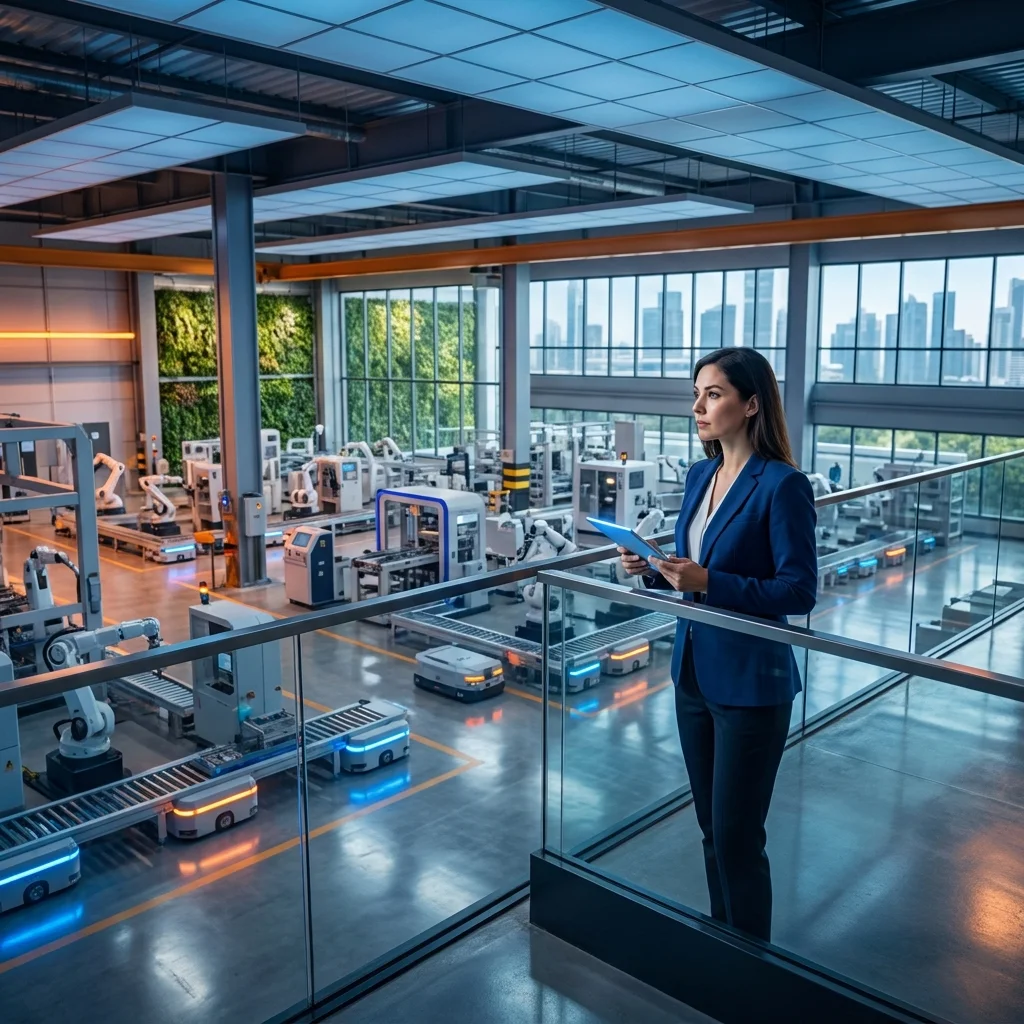
The dynamic landscape of Malaysia’s Food & Beverage (F&B) industry is on the cusp of a profound transformation, driven by the increasing adoption of Artificial Intelligence (AI) agents. These sophisticated software entities are poised to revolutionize operational efficiency, streamline complex workflows, and unlock unprecedented levels of productivity for businesses across the nation. From intricate back-end logistics to the fast-paced demands of daily service, AI agents are offering innovative solutions that address longstanding challenges, promising a future where Malaysian F&B enterprises operate with greater precision, reduced waste, and enhanced profitability. This shift towards AI-driven automation and intelligence is fundamentally altering how AI agents affect the Food & Beverage field in Malaysia, making operations smarter and more responsive to market demands.
1. Optimizing Supply Chain and Inventory Management
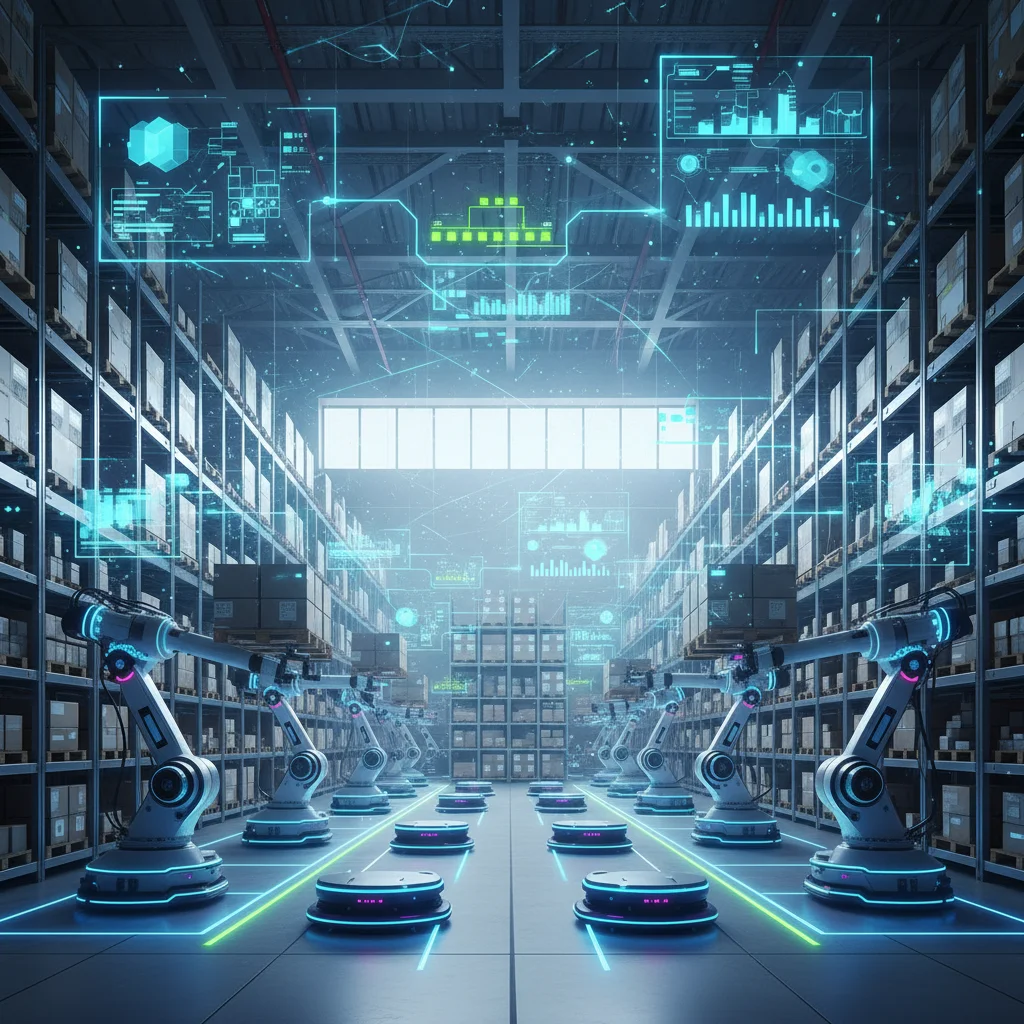
One of the most significant impacts of AI agents in Malaysian F&B lies in optimizing the notoriously complex supply chain and inventory management. Traditionally, businesses grapple with manual stock-taking, inaccurate demand forecasting, and the inevitable consequences of overstocking or stockouts, leading to considerable waste and lost revenue. AI agents, however, leverage advanced machine learning algorithms to analyze vast datasets, including historical sales, seasonal trends, local events, and even weather patterns, to predict demand with remarkable accuracy. They can monitor inventory levels in real-time, automatically triggering reorders when stock falls below predefined thresholds and identifying optimal delivery schedules. This predictive capability minimizes spoilage of perishable goods, reduces storage costs, and ensures that ingredients are always available when needed, thus creating a lean, efficient, and responsive supply chain. The ability to integrate with POS systems and supplier networks further streamlines the entire procurement process, making it more transparent and less prone to human error.
2. Automating Kitchen Processes and Food Preparation
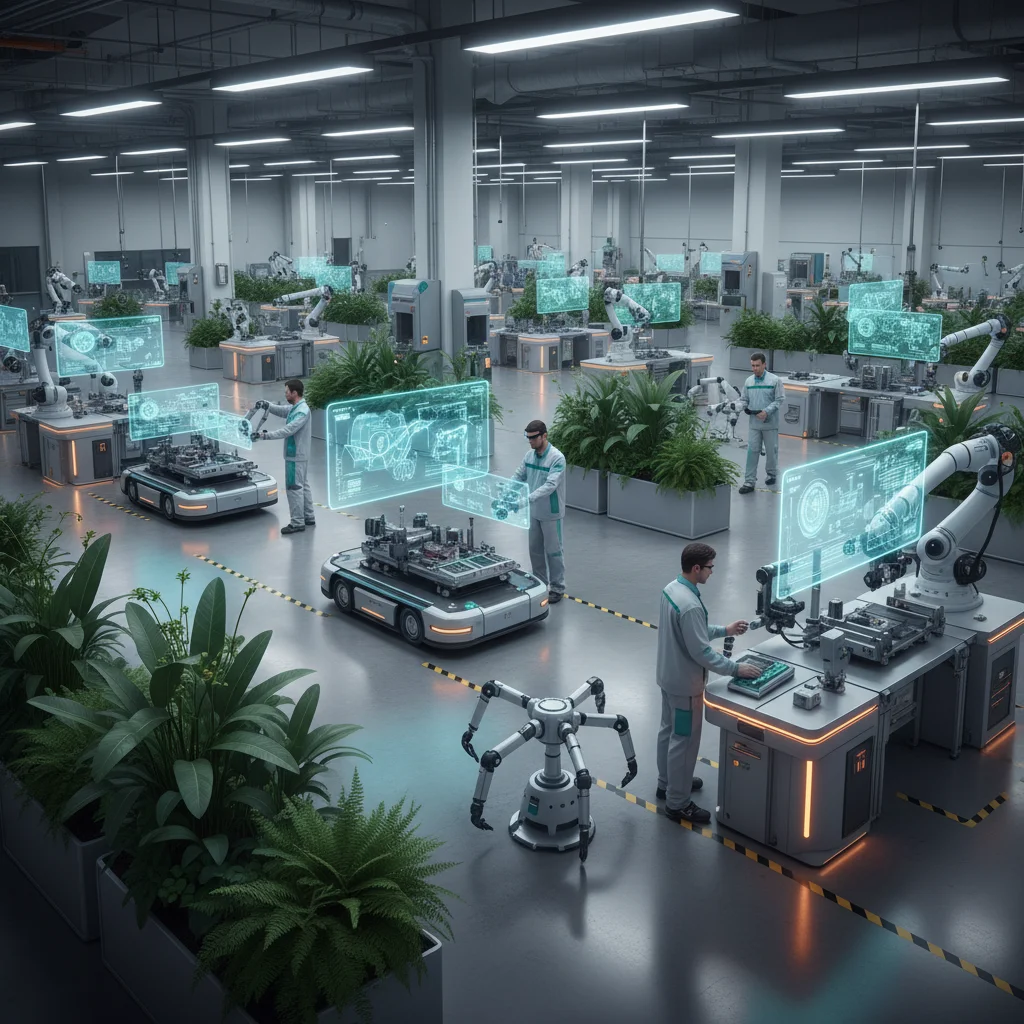
The bustling environment of a professional kitchen often struggles with labor shortages, inconsistency in food quality, and the repetitive nature of many preparatory tasks. AI agents are stepping into this arena, not to replace human chefs entirely, but to augment their capabilities and automate mundane, high-volume processes. Robotic kitchen assistants, guided by AI, can now handle tasks such as precise ingredient portioning, grilling, frying, and even assembling complex dishes with unwavering consistency. From flipping burgers to kneading dough or slicing vegetables, these agents ensure uniform quality and reduce the margin for error that human fatigue or inexperience might introduce. This automation not only accelerates service delivery but also enhances hygiene standards and frees up human staff to focus on more creative aspects of cooking, customer interaction, or complex problem-solving. By ensuring consistent output, AI agents contribute directly to a better customer experience and bolster brand reputation across the Malaysian F&B sector.
3. Predictive Maintenance for Equipment & Waste Reduction
Operational efficiency is inextricably linked to the reliable performance of kitchen equipment, and unexpected breakdowns can bring an entire F&B operation to a grinding halt. AI agents are revolutionizing equipment management through predictive maintenance. By integrating sensors into refrigerators, ovens, fryers, and other critical machinery, AI systems can continuously monitor their performance parameters such as temperature, vibration, energy consumption, and operational cycles. These agents can detect subtle anomalies that indicate potential failures long before they occur, allowing businesses to schedule maintenance proactively during off-peak hours rather than reacting to costly emergencies. This proactive approach significantly extends the lifespan of equipment, reduces repair costs, minimizes downtime, and contributes to substantial energy savings. Furthermore, by ensuring equipment like refrigerators and freezers operate at optimal levels, AI agents play a crucial role in preventing spoilage of perishable ingredients, thereby directly contributing to food waste reduction – a critical sustainability goal for modern F&B businesses. According to a report by Accenture, predictive maintenance solutions can reduce equipment downtime by 70% and increase asset life by 20-40%, showcasing the immense potential for Malaysian F&B.
The integration of AI agents represents a paradigm shift for the Malaysian F&B industry, offering a powerful toolkit to enhance operational efficiency across the board. From optimizing the intricate dance of supply chains and inventory to automating repetitive kitchen tasks and safeguarding equipment through predictive maintenance, AI is poised to deliver tangible benefits. These include significant cost reductions, improved consistency in product and service delivery, enhanced sustainability through waste reduction, and ultimately, a superior customer experience. As Malaysian F&B businesses increasingly embrace these intelligent technologies, they are not just streamlining their operations; they are future-proofing them, gaining a competitive edge in an increasingly digital and demanding market. The transformation driven by how AI agents affect the Food & Beverage field in Malaysia is not merely an upgrade; it’s a fundamental reimagining of what’s possible.
Enhancing Customer Experience with AI Agents in Malaysia
Malaysia’s vibrant food and beverage (F&B) sector is experiencing a significant transformation, driven by evolving consumer expectations and technological advancements. In this dynamic landscape, AI agents are emerging as pivotal tools for revolutionizing customer experience (CX). From initial engagement to post-purchase services, these intelligent systems offer unparalleled personalization and efficiency, fundamentally reshaping how F&B businesses interact with their clientele across the nation. By leveraging machine learning, natural language processing, and data analytics, AI agents can understand, predict, and respond to customer needs with remarkable precision, thereby enhancing satisfaction and fostering loyalty in the competitive Malaysian market.
1. Personalized Ordering & Menu Recommendations
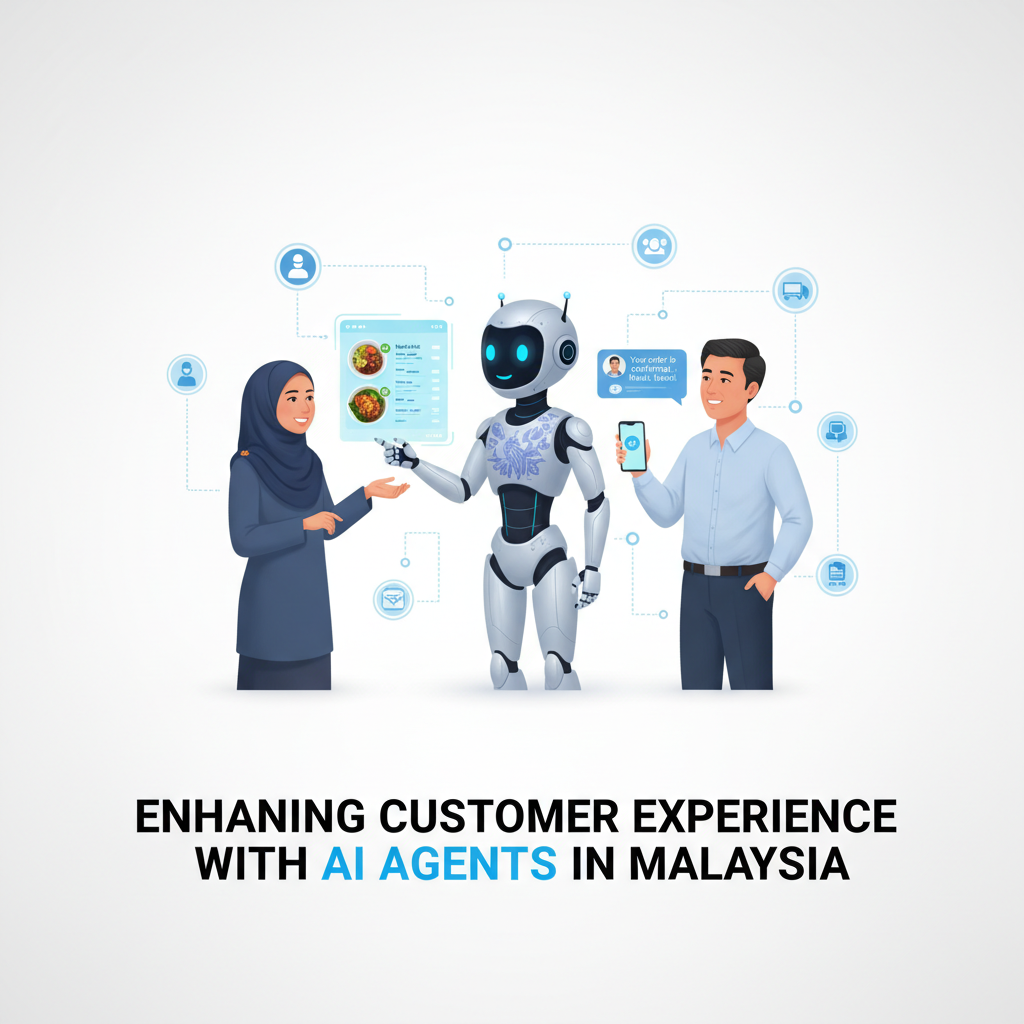
One of the most impactful applications of AI agents in the Malaysian F&B scene is the ability to offer highly personalized ordering experiences and menu recommendations. Imagine a customer opening a food delivery app, and instead of sifting through countless options, they are immediately presented with dishes tailored to their past preferences, dietary restrictions, and even real-time contextual factors like the weather or time of day. AI agents learn from every interaction, analyzing purchase history, favorite ingredients, and even ratings to suggest not just popular items, but truly relevant choices—be it a comforting bowl of Curry Laksa on a rainy day or a refreshing Ais Kacang during a heatwave. This level of personalization extends beyond simple suggestions; AI can guide customers through complex menus, explain ingredients, and even recommend perfect pairings, streamlining the decision-making process and significantly reducing order friction. For instance, a regular customer ordering Nasi Lemak might be prompted with options for additional sambal or a specific type of fried chicken they previously enjoyed. This predictive capability not only enhances customer satisfaction but also boosts average order values by encouraging exploration of complementary items, making the entire ordering journey intuitive and enjoyable.
2. AI-Powered Customer Service & Chatbots
The traditional model of customer service in F&B often involves long wait times and inconsistent responses, especially during peak hours. AI-powered customer service, primarily through intelligent chatbots, offers a robust solution to these challenges in Malaysia. These AI agents can handle a vast array of customer inquiries instantly, from confirming restaurant operating hours and making table reservations to providing detailed information about ingredients, allergen warnings (e.g., "Is this dish halal?"), or tracking delivery status. The ability of these chatbots to operate 24/7 means that customers receive immediate assistance, regardless of the time, dramatically improving responsiveness. Furthermore, advanced AI agents can engage in natural, conversational interactions, understanding nuances in language (including common Malaysian colloquialisms) and providing relevant, accurate information. For more complex issues that require human empathy or problem-solving, AI agents can seamlessly escalate the query to a human agent, providing them with a summary of the interaction history. This hybrid approach ensures that routine tasks are handled efficiently by AI, freeing up human staff to focus on more intricate customer service needs, ultimately leading to higher customer satisfaction and operational efficiency. The strategic implementation of such AI tools is projected to significantly reshape customer support standards globally, as highlighted by various industry reports on the future of customer service with AI.
3. Dynamic Pricing and Hyper-Personalized Loyalty Programs
Beyond direct interactions, AI agents are also transforming backend operations that directly impact the customer experience, particularly through dynamic pricing strategies and hyper-personalized loyalty programs. AI can analyze vast datasets, including historical sales, current demand, competitor pricing, and even local events, to implement real-time dynamic pricing. This means restaurants can offer targeted discounts during off-peak hours to attract more customers or adjust prices for high-demand items, optimizing revenue while offering value to consumers. For instance, a cafe might offer a special breakfast set discount to early morning commuters, or a dessert shop might dynamically reduce prices on items nearing their shelf life to minimize waste. More profoundly, AI excels at crafting hyper-personalized loyalty programs. Instead of generic "buy 10, get 1 free" schemes, AI agents can track individual customer behavior—what they order, how often they visit, their preferred time of day, and even their spending patterns. Based on this data, bespoke rewards can be offered: a free coffee for a loyal morning customer, a discount on a frequently ordered meal, or an exclusive early access pass to new menu items. This level of personalization makes customers feel truly valued and understood, significantly increasing retention rates and fostering deeper brand loyalty. By anticipating customer desires and rewarding specific behaviors, F&B businesses in Malaysia can cultivate lasting relationships and ensure a consistently delightful customer journey.
Challenges and Opportunities for AI Integration in Malaysian F&B
The Malaysian Food & Beverage (F&B) sector, a vibrant cornerstone of the nation’s economy and culture, stands at the precipice of a significant technological transformation. The integration of AI agents offers unprecedented opportunities for efficiency, personalization, and competitive advantage. However, this journey is not without its specific hurdles. Understanding how AI agents affect the Food & Beverage field in Malaysia requires a nuanced approach, acknowledging both the unique challenges posed by the local landscape and the vast potential for growth that these intelligent systems can unlock.
From optimizing supply chains to enhancing customer experiences, AI agents promise to revolutionize operations. Yet, concerns ranging from data security to workforce preparedness and the evolving regulatory environment present critical considerations for F&B businesses looking to harness this technology effectively. Navigating these complexities will be key to realizing the full potential of AI, turning perceived obstacles into stepping stones for innovation and sustainable growth within the Malaysian F&B industry.
1. Overcoming Data Privacy & Security Concerns
One of the foremost challenges for Malaysian F&B businesses integrating AI agents is addressing robust data privacy and security concerns. AI systems, by their very nature, thrive on data – from customer preferences and purchasing habits to operational analytics and payment information. Handling this sensitive data necessitates strict adherence to local regulations, particularly the Personal Data Protection Act (PDPA) 2010. Businesses must ensure that AI agents are designed and implemented with privacy-by-design principles, employing advanced encryption, anonymization techniques, and stringent access controls to safeguard customer information.
The risk of data breaches or misuse not only carries significant financial penalties but can also severely damage brand reputation and erode customer trust. Opportunities arise from proactively embedding ethical AI practices and transparency in data handling. By demonstrating a clear commitment to protecting personal data, F&B establishments can build stronger relationships with their clientele. Investing in robust cybersecurity infrastructure and regular audits will be crucial to mitigate risks, ensuring that AI-driven insights are gained without compromising customer privacy. Understanding Malaysia’s Personal Data Protection Act (PDPA) is essential for compliance and fostering trust.
2. Bridging the Skill Gap: Workforce Training & Development
The rapid evolution of AI technology presents a significant skill gap within the traditional F&B workforce. Many existing employees may lack the necessary digital literacy or specialized skills required to operate, manage, or even interact with AI agents effectively. This challenge is particularly pertinent in Malaysia, where a concerted effort is needed to upskill and reskill the workforce to embrace this technological shift rather than fear it.
The opportunity lies in transforming the human element of F&B. Instead of viewing AI as a job displacement threat, businesses can leverage it to create new, higher-value roles that focus on strategy, customer relations, and creative problem-solving. Implementing comprehensive training programs that cover AI fundamentals, data interpretation, and human-AI collaboration will be vital. These programs can range from basic digital literacy courses for front-line staff interacting with AI-powered ordering systems to advanced analytics training for managers utilizing AI for demand forecasting. Government initiatives, industry associations, and educational institutions can play a pivotal role in developing accessible and relevant curricula, ensuring that Malaysia’s F&B workforce remains competitive and adaptable in an AI-driven future.
3. Government Support & Regulatory Frameworks for AI in F&B
The successful integration of AI into Malaysia’s F&B sector hinges significantly on supportive government policies and the establishment of clear regulatory frameworks. Currently, the landscape for AI governance is still evolving globally, and Malaysia is no exception. A lack of specific guidelines for AI deployment in sensitive sectors like F&B can create uncertainty for businesses, potentially hindering adoption.
However, this challenge also presents a significant opportunity for Malaysia to become a leader in ethical and responsible AI implementation. Proactive government support through grants, tax incentives, and funding for AI research and development can accelerate adoption rates. Furthermore, collaboration between government bodies, industry stakeholders, and academic institutions is crucial for developing a robust regulatory framework that addresses unique F&B concerns, such as food safety with AI-driven automation, ethical use of consumer data by AI agents, and liability for autonomous systems. The Malaysia Digital Economy Corporation (MDEC) and other agencies are already pushing for digital transformation, providing a foundation upon which specific AI-in-F&B policies can be built. A coherent national strategy outlining how AI agents affect the Food & Beverage field in Malaysia and how they should be governed will instill confidence, attract investment, and ensure that AI integration benefits both businesses and consumers.
In conclusion, while the path to AI integration in Malaysian F&B is paved with challenges related to data privacy, skill gaps, and regulatory clarity, each hurdle simultaneously presents an opportunity for innovation and strategic growth. By proactively addressing these issues through robust security measures, comprehensive workforce development, and supportive government frameworks, Malaysia’s F&B industry can successfully harness the transformative power of AI, setting a new benchmark for operational excellence and customer experience in the digital age.
The Future of Malaysian F&B: AI Agents by 2026
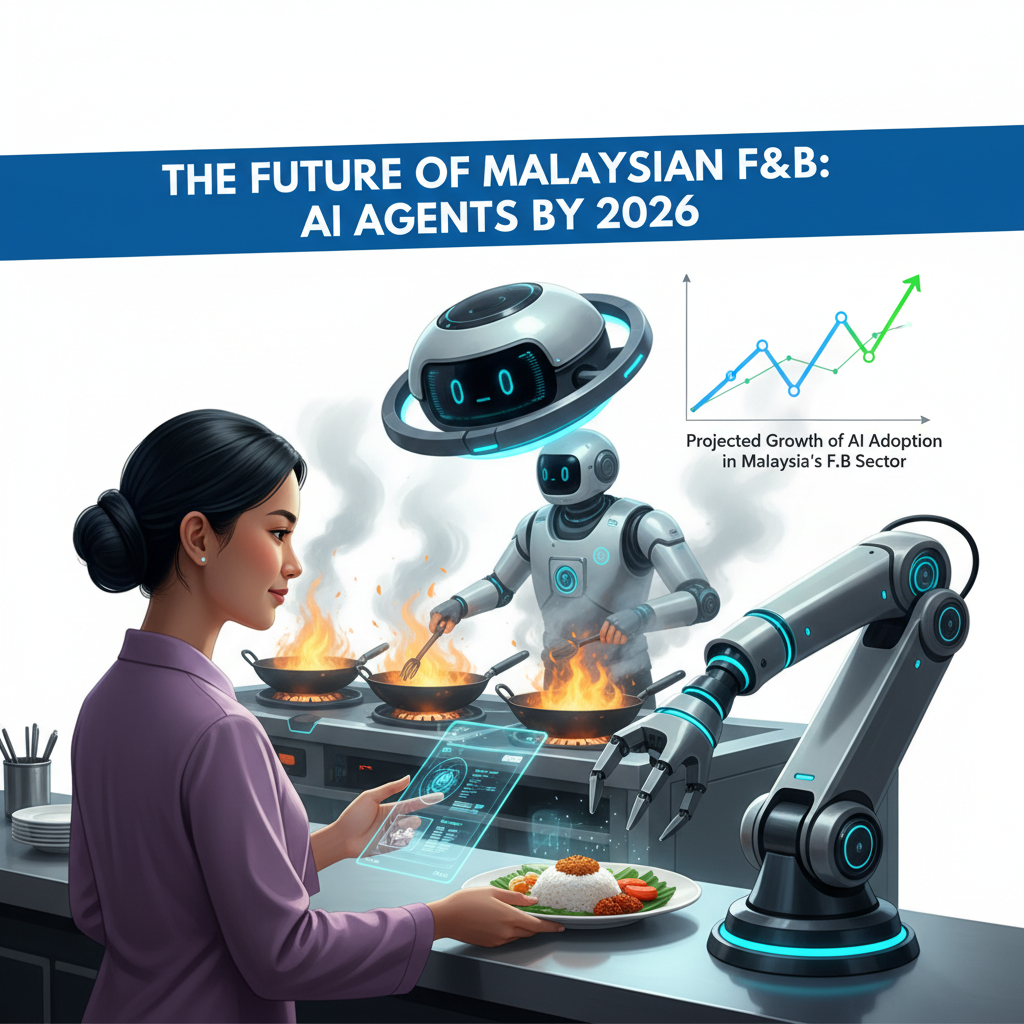
The culinary landscape of Malaysia, renowned for its vibrant flavors and diverse gastronomic offerings, is on the cusp of a revolutionary transformation. By 2026, Artificial Intelligence (AI) agents are projected to become an integral part of the Food & Beverage (F&B) industry, ushering in an era of unprecedented efficiency, personalization, and sustainability. This widespread impact will redefine how businesses operate, how consumers experience dining, and ultimately, how AI agents affect the Food & Beverage field in Malaysia.
From optimizing supply chains to crafting bespoke customer experiences, AI is not merely a technological enhancement but a fundamental shift in operational paradigms. Malaysian F&B establishments, from hawker stalls to high-end restaurants, will increasingly leverage AI agents to navigate the complexities of a dynamic market, ensuring they remain competitive and relevant in an evolving global economy. This includes intelligent systems capable of predictive analytics, automated customer service, inventory management, and even quality control, marking a definitive leap towards a smarter, more responsive industry.
1. Increased Profitability and Competitive Advantage
For Malaysian F&B businesses, the adoption of AI agents by 2026 promises significant boosts in profitability and a sharpened competitive edge. AI-driven systems excel at optimizing critical operational areas that traditionally consume substantial resources. For instance, predictive analytics can accurately forecast customer demand, leading to highly efficient inventory management and a drastic reduction in food waste – a major cost center. AI agents can also optimize staffing schedules based on anticipated footfall, ensuring optimal labor utilization without compromising service quality.
Furthermore, AI facilitates personalized marketing and customer engagement. By analyzing past purchase behavior and preferences, AI can recommend dishes, offer tailored promotions, and even craft dynamic pricing strategies that maximize revenue during peak and off-peak hours. This level of operational insight and responsiveness allows businesses to operate leaner, smarter, and more profitably, enabling them to reinvest in innovation or expand their market reach. Early adopters of these technologies will inevitably gain a substantial lead, setting new benchmarks for efficiency and service within the Malaysian F&B landscape.
2. Shifting Consumer Expectations and Industry Standards
The integration of AI agents is not just an internal benefit for businesses; it profoundly reshapes consumer expectations and elevates industry standards across the board. By 2026, Malaysian diners will anticipate seamless, personalized, and hyper-efficient service, driven by AI. Think of AI-powered chatbots handling reservations and inquiries instantly, smart menus offering recommendations based on dietary preferences or past orders, and automated kiosks reducing waiting times.
Beyond convenience, AI agents will enhance food safety and hygiene. AI-powered sensors and vision systems can monitor food preparation areas for cleanliness, ensure proper cooking temperatures, and even track the freshness of ingredients, thereby minimizing risks and building greater consumer trust. As Forbes highlights, AI in the restaurant industry is already changing how we eat, fundamentally altering the interactions between establishments and their patrons. This shift will compel all players in the Malaysian F&B sector to adapt, not just to remain competitive, but to meet the new baseline of service excellence defined by AI.
3. Sustainability Efforts Driven by AI for a Greener F&B
As global environmental concerns intensify, sustainability has become a critical imperative for all industries, including F&B. AI agents are set to play a pivotal role in driving greener practices within the Malaysian F&B sector by 2026. The most significant impact will be in combating food waste, where AI can predict demand with unprecedented accuracy, optimize portion sizes, and intelligently manage inventory to prevent spoilage.
Beyond food waste, AI can contribute to energy efficiency by intelligently managing kitchen equipment, lighting, and HVAC systems based on real-time usage and environmental data. In the supply chain, AI can identify the most sustainable sourcing options, optimize logistics to reduce fuel consumption, and provide transparency regarding the environmental footprint of ingredients. This data-driven approach allows F&B businesses to make informed decisions that reduce their carbon footprint, conserve resources, and appeal to an increasingly eco-conscious consumer base. Ultimately, AI agents will empower the Malaysian F&B industry to not only thrive economically but also to lead the charge towards a more sustainable and responsible future.
Partner with Shelby Global
You are looking for reliable HR Sevice Suppliers? Contact Shelby Global Now! To connect with verified talents and upgrade your orginization.
—————————————
References
– impact of AI on the F&B industry globally: https://www.ibm.com/blogs/research/2023/07/ai-future-food/
– Accenture – Predictive Maintenance: https://www.accenture.com/us-en/insights/manufacturing/predictive-maintenance-industry-4-0
– Future of Customer Service with AI: https://www.ibm.com/blogs/research/2024/01/24/ai-future-customer-service/
– :
– AI In The Restaurant Industry Is Already Changing How We Eat: https://www.forbes.com/sites/forbestechcouncil/2023/12/11/ai-in-the-restaurant-industry-is-already-changing-how-we-eat/