Introduction to AI Agents in Malaysian Transportation
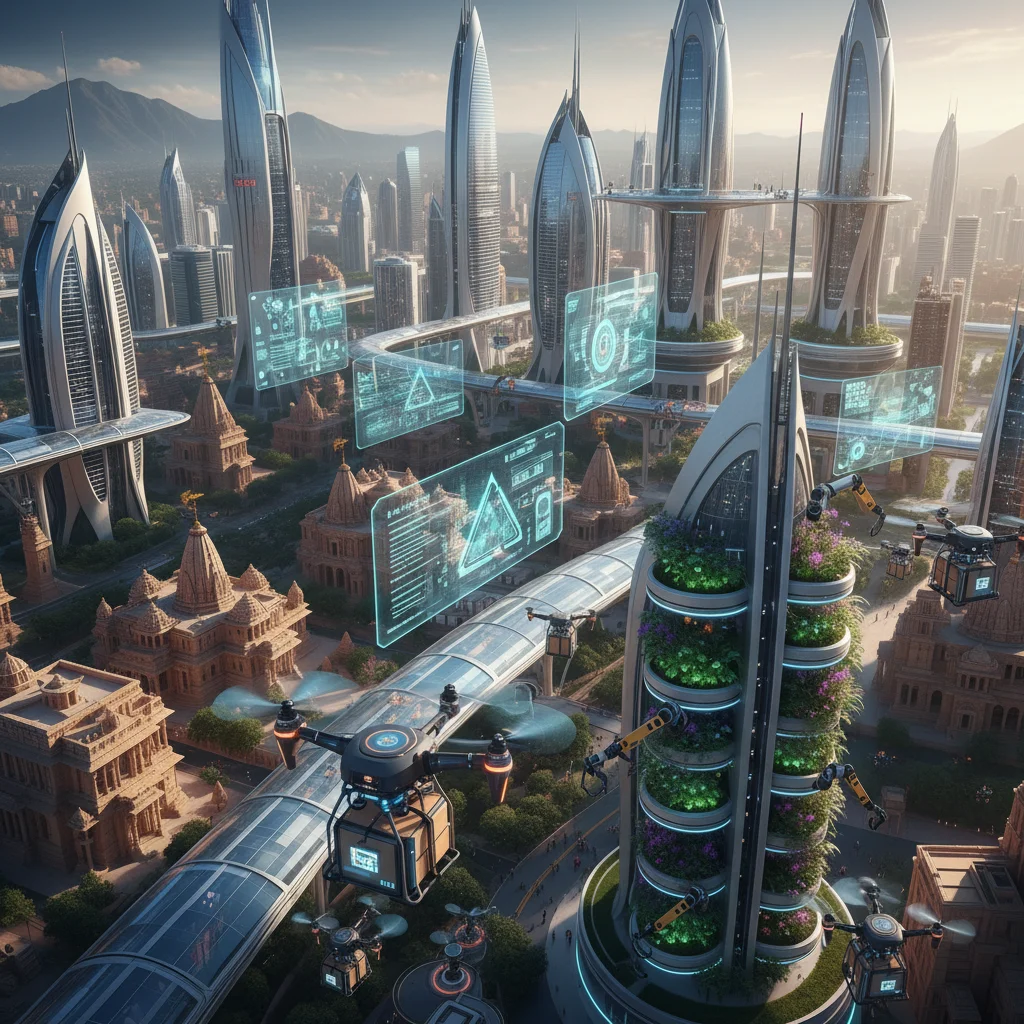
Malaysia’s dynamic economic growth and rapid urbanization have placed immense pressure on its transportation field, particularly in bustling urban centers like Kuala Lumpur, Penang, and Johor Bahru. The nation’s quest for enhanced connectivity and sustainable development necessitates innovative solutions to address persistent challenges such as traffic congestion, public transport efficiency, and last-mile connectivity. As the country embraces digital transformation, the spotlight increasingly turns to advanced technologies, specifically Artificial Intelligence (AI). This section provides an overview of Malaysia’s current transportation landscape, highlighting both its inherent complexities and significant opportunities. We will then introduce the groundbreaking concept of AI agents, autonomous entities capable of perceiving environments, making decisions, and taking actions to achieve specific goals, setting the stage for understanding How AI agent effect to transportation field in malaysia and their transformative role in shaping a more intelligent and efficient mobility ecosystem.
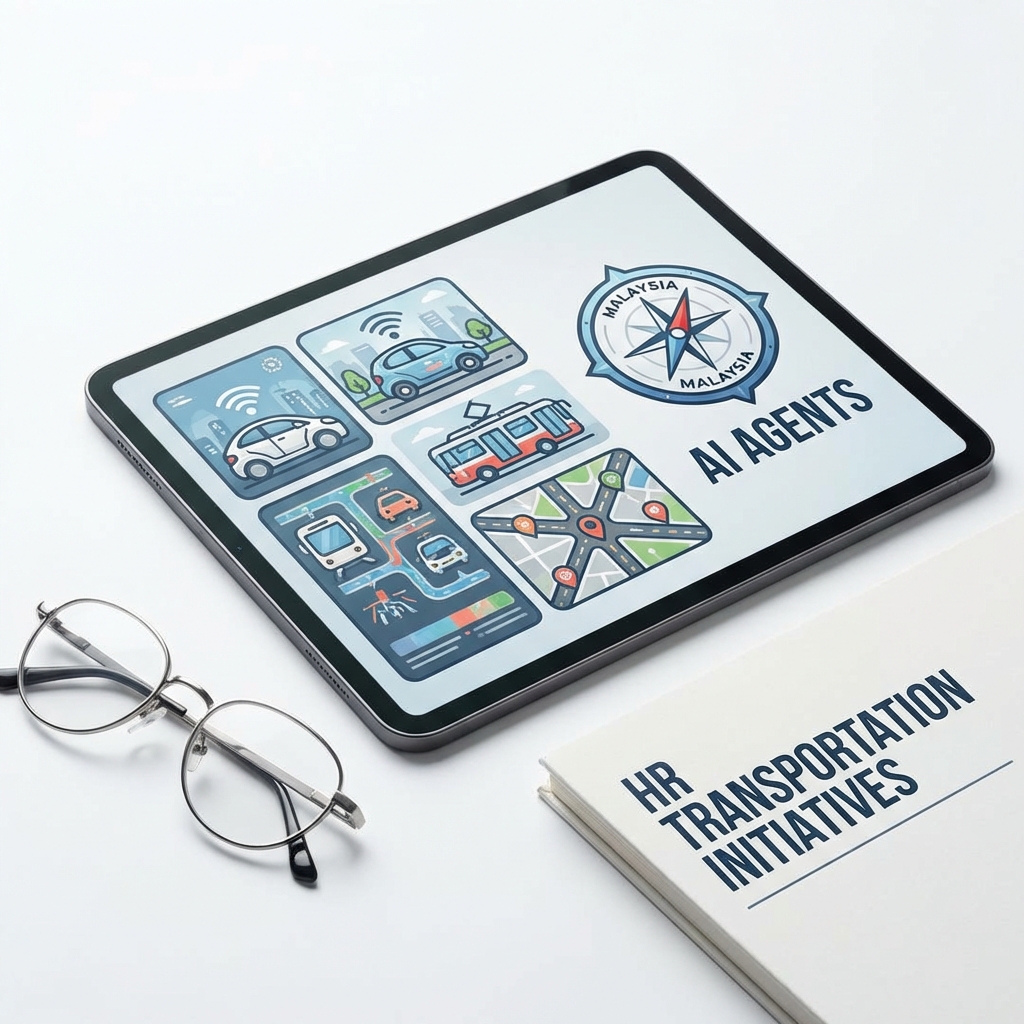
1. Malaysia’s Transportation Challenges and Opportunities
Malaysia’s transportation sector, while robust in supporting economic activities, faces significant hurdles. Urban traffic congestion remains a primary concern, leading to considerable economic losses, increased pollution, and reduced quality of life. The efficiency and integration of public transport networks, including trains (LRT, MRT, KTM Komuter) and buses, are continuously being optimized, yet challenges persist in providing seamless last-mile connectivity and catering to growing passenger demand. Furthermore, the imperative for sustainable mobility solutions is driving efforts towards greener transport options and better urban planning. However, these challenges also present significant opportunities for digital transformation.
The government’s commitment to developing smart cities and improving infrastructure, alongside initiatives like the National Transport Policy 2019-2030, creates a fertile ground for technological innovation. There’s a strong push for enhanced logistics efficiency, reduced operational costs, and improved passenger experience. The adoption of advanced technologies is seen as crucial for addressing these issues. For instance, the smart city frameworks being explored across Malaysia aim to leverage data and AI to optimize various urban services, including traffic management and public transportation. This proactive approach sets the stage for exploring how AI solutions can profoundly impact urban development and mobility.
2. Defining AI Agents and Their Role in Mobility
At its core, an AI agent is an autonomous entity that perceives its environment through sensors, processes that information, makes decisions, and performs actions using actuators to achieve predefined goals. In the context of transportation, these agents can range from simple software programs optimizing a single route to complex hardware systems controlling autonomous vehicles. The fundamental characteristic of AI agents is their ability to operate independently, learn from data, and adapt to changing conditions, making them invaluable for modern mobility challenges.
The potential applications of AI agents in Malaysian transportation are vast and transformative. They are instrumental in developing intelligent traffic systems, where agents can dynamically adjust traffic signals based on real-time flow data, significantly reducing congestion. In public transport, AI agents can optimize bus routes and schedules, predict demand forecasting, and even manage ride-sharing platforms, ensuring more efficient resource allocation and a better passenger experience. For logistics efficiency, these agents can streamline supply chains, optimize delivery routes for last-mile delivery, and manage warehouse automation. Furthermore, in the realm of predictive maintenance, AI agents can monitor vehicle health, anticipate failures, and schedule maintenance proactively, thereby reducing operational costs and improving safety. Understanding how AI agents effect to the transportation field in Malaysia involves recognizing their capacity to automate, optimize, and personalize every aspect of travel and logistics.
3. Early Adoption and Pilot Projects in the Region
While the full integration of AI agents into Malaysia’s national transportation infrastructure is an ongoing journey, the region has already seen promising early adoption and pilot projects. Neighboring countries and Malaysia itself are exploring various initiatives to harness the power of AI. For example, several smart city initiatives across Southeast Asia are trialing AI-powered intelligent traffic systems that use sensors and cameras to monitor traffic flow, detect incidents, and adjust signal timings autonomously. These systems represent early forms of AI agents working collaboratively to manage urban mobility.
In Malaysia, pilot projects have focused on improving public transport services through data analytics and demand forecasting. Some urban areas are experimenting with AI-driven platforms to optimize bus service frequency during peak hours or to provide personalized travel recommendations to commuters. The development of autonomous vehicles, while still in nascent stages for widespread public use, is also part of the long-term vision, with research and development efforts underway. These early ventures demonstrate the practical benefits, such as reduced traffic congestion, enhanced public transport reliability, and more efficient urban planning. As these pilot projects mature and demonstrate tangible returns, we can expect a rapid acceleration in understanding how AI agents effect to the transportation field in Malaysia, paving the way for a truly smart and interconnected mobility future.
Key Applications: Revolutionizing Operations and Efficiency
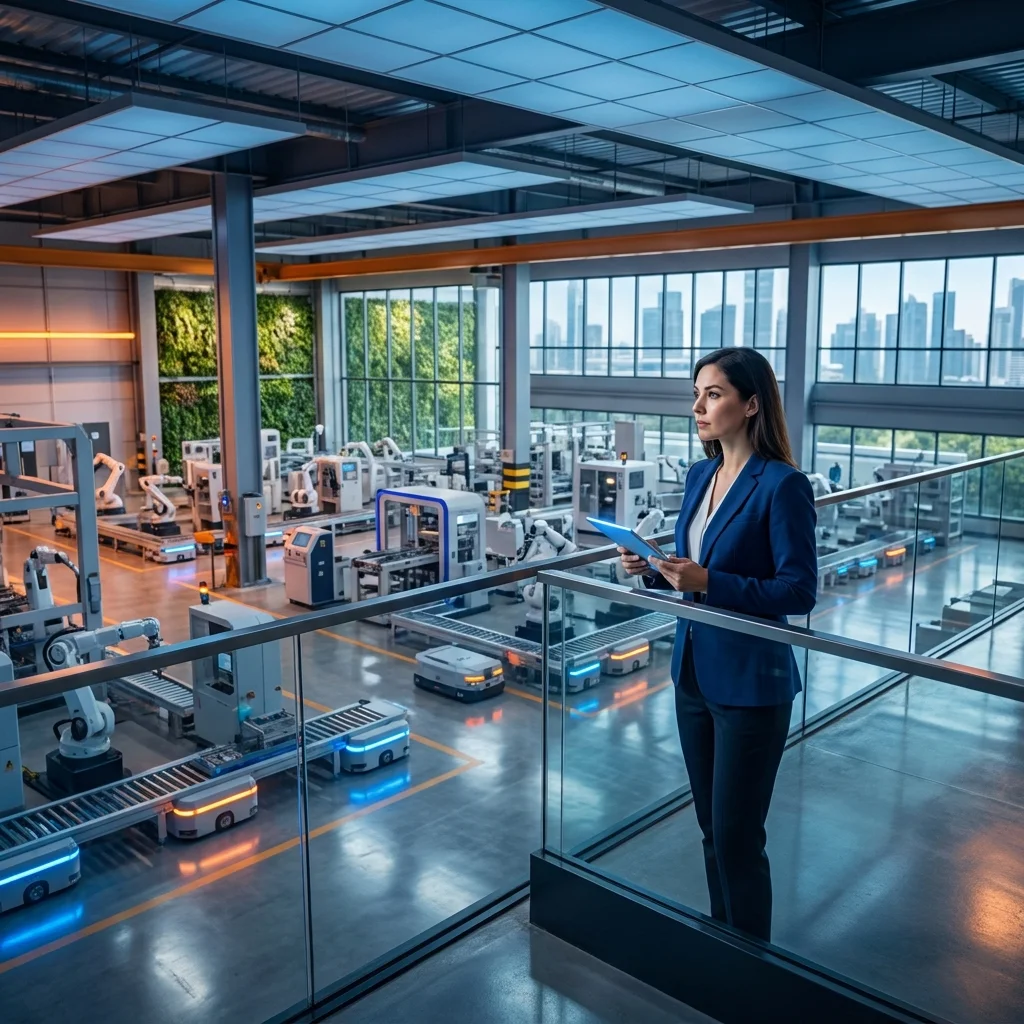
Artificial Intelligence (AI) agents are rapidly transforming various sectors, and the transportation field in Malaysia is no exception. As Malaysia strives towards becoming a high-tech nation, the integration of AI-powered solutions is proving instrumental in enhancing efficiency, optimizing resource allocation, and creating more sustainable and responsive transportation networks. Delving into specific areas, this section explores practical applications of AI agents that are enhancing efficiency, logistics, and traffic flow across Malaysia, fundamentally altering how AI agents effect to the transportation field in Malaysia.
1. Smart Traffic Management and Urban Mobility Solutions
One of the most immediate and impactful applications of AI agents in Malaysia’s transportation landscape is in smart traffic management and urban mobility. AI agents analyze vast amounts of real-time data from sensors, CCTV cameras, GPS devices, and social media to predict traffic patterns, identify congestion hotspots, and dynamically adjust traffic light timings. This predictive capability allows urban centers like Kuala Lumpur, Penang, and Johor Bahru to proactively manage traffic flow, reducing bottlenecks and commuter frustrations. For instance, AI algorithms can learn historical traffic data and combine it with live events (e.g., accidents, road closures, large gatherings) to suggest optimal routes, manage ramp metering, and even prioritize emergency vehicle movements. Beyond just traffic lights, AI agents facilitate smart parking systems, guiding drivers to available spots and reducing cruising time, thus easing congestion further. The integration of AI also paves the way for more efficient management of ride-sharing services and future autonomous vehicle fleets, promising a more fluid and less chaotic urban travel experience.
2. Optimizing Logistics, Supply Chains, and Last-Mile Delivery
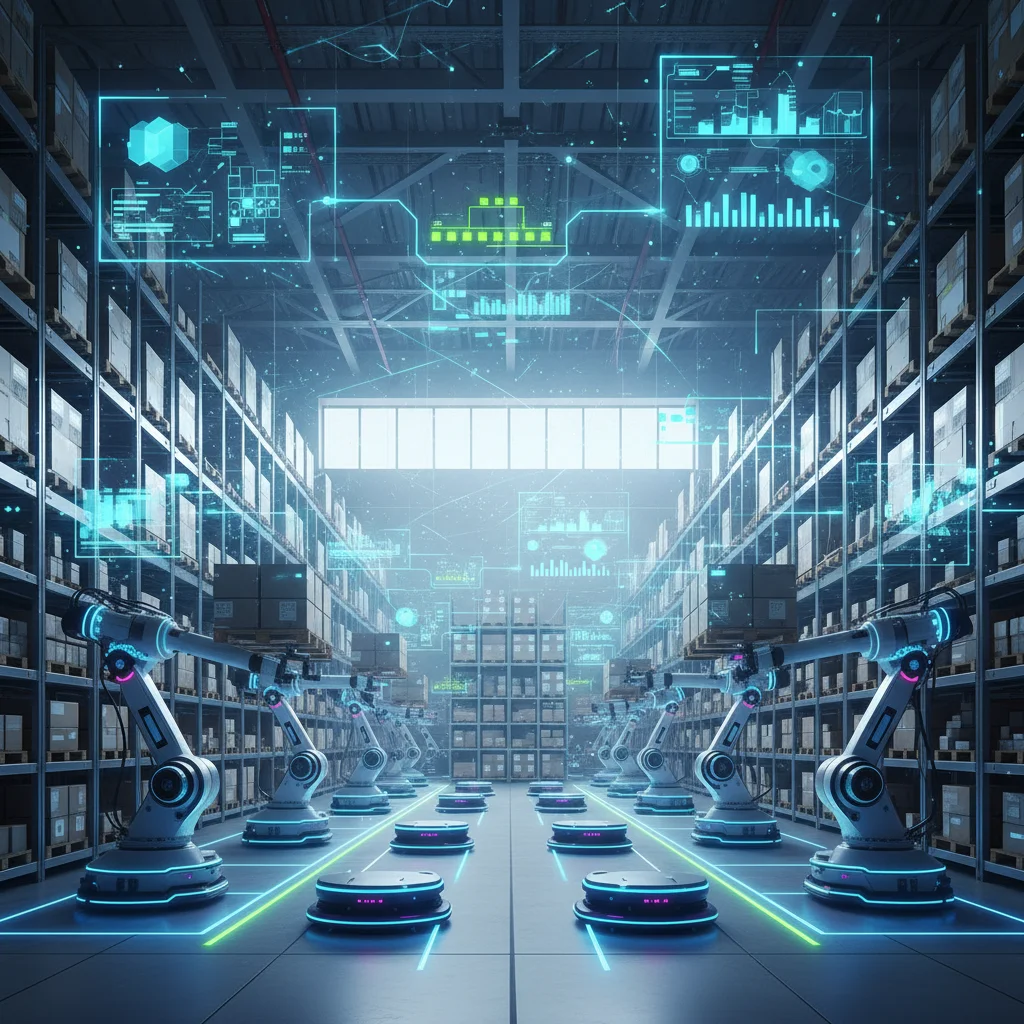
The Malaysian logistics sector, a critical backbone for the nation’s economy, is undergoing a significant transformation thanks to AI agents. From warehousing to last-mile delivery, AI is driving unprecedented levels of optimization. AI-powered systems can predict demand with greater accuracy, leading to more efficient inventory management and reduced waste. For freight and cargo transportation, AI agents excel at route optimization, considering factors such as traffic conditions, fuel efficiency, vehicle capacity, and delivery windows. This not only significantly reduces operational costs and delivery times but also lowers carbon emissions. In the realm of last-mile delivery, AI agents empower logistics providers to plan the most efficient delivery sequences, manage fleets dynamically, and even deploy autonomous delivery robots or drones in certain urban or industrial settings. The ability of AI to process complex variables and make real-time adjustments means that supply chains become more resilient, responsive, and cost-effective, directly impacting businesses and consumers across Malaysia. For a deeper understanding of how AI is revolutionizing this sector globally, consider insights from the World Economic Forum on how AI is transforming global supply chains.
3. AI-Powered Public Transportation Systems for Enhanced Services
AI agents are instrumental in elevating the quality, efficiency, and accessibility of public transportation services throughout Malaysia. For bus networks, AI can optimize routes and schedules based on passenger demand, historical ridership data, and real-time traffic conditions, ensuring better frequency and coverage. Similarly, for rail systems like MRT and LRT, AI agents can predict equipment failures, enabling proactive maintenance and minimizing service disruptions. Passengers benefit from AI through real-time information systems that provide accurate arrival and departure times, personalized travel planning, and even congestion predictions within stations. Furthermore, AI contributes to enhanced safety and security by analyzing surveillance footage for unusual activities or potential threats. The insights gleaned from AI-powered analytics can help public transport operators in Malaysia identify peak travel times, allocate resources more effectively, and adapt services to evolving urban landscapes and passenger needs, ultimately fostering a more attractive and reliable public transport option for all Malaysians.
Impact on Infrastructure, Safety, and Sustainability
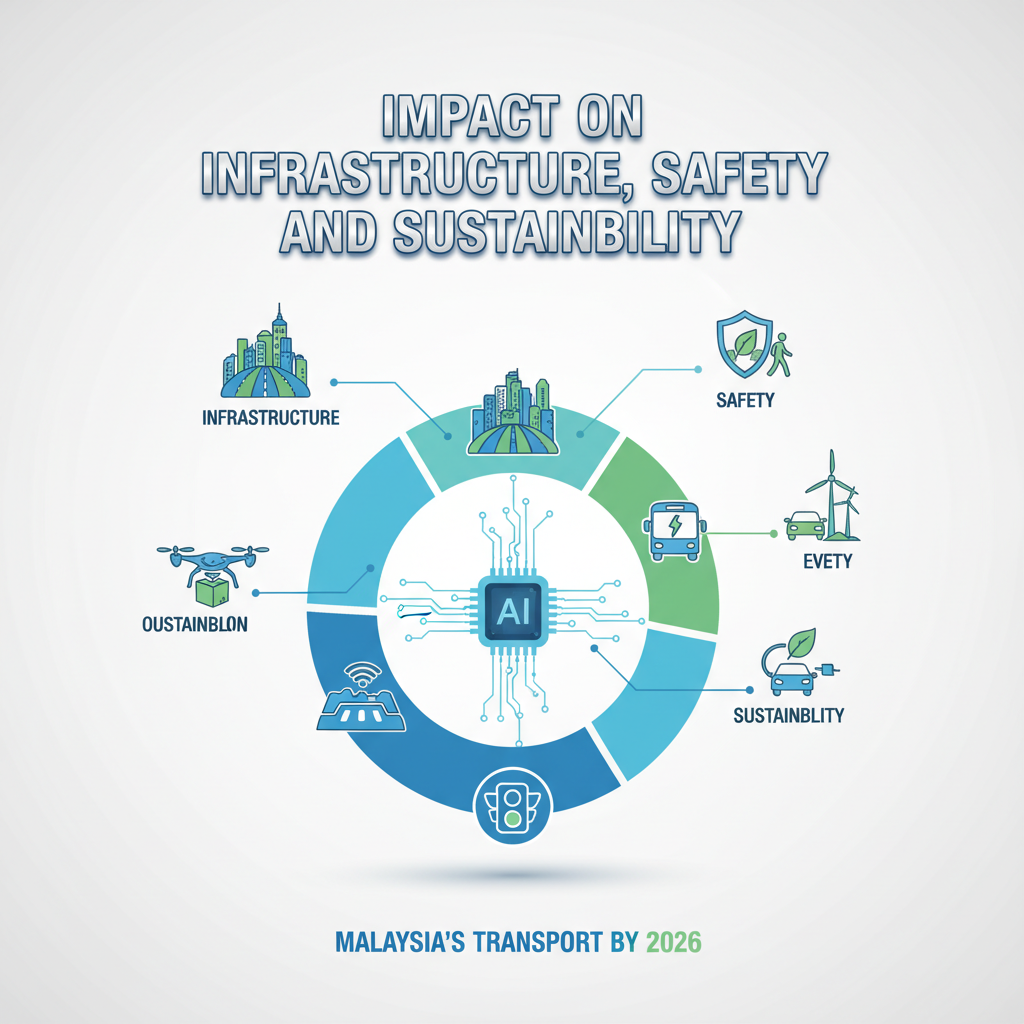
This section examines how AI agents contribute to maintaining and improving transportation infrastructure, boosting road safety, and promoting sustainable practices.
The integration of artificial intelligence (AI) agents is fundamentally reshaping the transportation field in Malaysia, ushering in an era of enhanced efficiency, safety, and environmental responsibility. From sophisticated infrastructure monitoring to proactive traffic management, AI-driven solutions are proving instrumental in addressing the complex challenges faced by modern Malaysian transport networks. This transformative influence extends across three critical domains: the robust upkeep of physical infrastructure, a significant uplift in road safety standards, and the vigorous pursuit of sustainable urban mobility. Understanding how AI agent effect to transportation field in Malaysia is crucial for stakeholders aiming to leverage these advancements.
1. Predictive Maintenance for Vehicles and Infrastructure
AI agents are revolutionizing maintenance strategies within the Malaysian transport sector, shifting from reactive repairs to predictive analytics. By deploying a network of sensors on vehicles and critical infrastructure like bridges, roads, and rail tracks, AI systems continuously collect real-time data on structural integrity, wear and tear, and operational performance. This data, when analyzed by advanced algorithms, can detect subtle anomalies and predict potential failures long before they occur. For example, AI can forecast when a specific vehicle component might need replacement, optimize maintenance schedules for entire fleets, or identify weakening sections of a road network. This proactive approach significantly reduces downtime, extends the lifespan of assets, and prevents costly emergency repairs, thereby improving the overall reliability and efficiency of logistics and supply chain operations. This application of AI-driven solutions ensures that resources are allocated precisely where and when they are needed most, leading to substantial savings and a more resilient transportation system.
2. Enhancing Road Safety through Advanced AI Analytics
The drive for enhanced road safety is another area where AI agents are making profound contributions to the transportation field in Malaysia. Through sophisticated AI analytics, these systems process vast amounts of data from traffic cameras, vehicle sensors, and even weather patterns to identify accident hotspots, predict potential collisions, and provide real-time data insights for traffic management. Driver assistance systems, powered by AI, offer features like automatic emergency braking, lane-keeping assistance, and blind-spot monitoring, directly reducing the likelihood of accidents. Furthermore, the development of autonomous vehicles promises a future where human error, a leading cause of road fatalities, is drastically minimized. AI also facilitates dynamic rerouting in response to accidents or congestion, minimizing secondary incidents. By fostering smarter smart transportation systems, AI agents are not just improving accident prevention but are creating a safer environment for all road users, significantly impacting public well-being and mitigating economic losses associated with road incidents.
3. Sustainable Transport Initiatives and Environmental Benefits
Perhaps one of the most significant impacts of AI agents lies in their ability to foster sustainable mobility and deliver substantial environmental benefits within Malaysian transport. AI optimizes road network optimization and public transport efficiency by analyzing travel patterns and demand, allowing for intelligent route planning and dynamic scheduling that reduces overall travel time and fuel consumption. This directly contributes to congestion reduction in urban areas and a measurable decrease in carbon emissions. For instance, AI algorithms can orchestrate traffic signals in real-time to ensure smoother traffic flow, or optimize routes for delivery services, cutting down on unnecessary mileage. Beyond traffic optimization, AI supports the transition to greener transportation options by managing charging infrastructure for electric vehicles and integrating renewable energy sources into the smart transportation systems. This forward-thinking approach, guided by urban planning principles, ensures that Malaysian transport evolves towards a future that is not only efficient and safe but also ecologically sound, aligning with global efforts to combat climate change. According to a report by the United Nations Environment Programme (UNEP) on sustainable transport, smart technologies are crucial for achieving ambitious environmental goals in developing nations. The widespread adoption of these AI-driven solutions holds the key to achieving a truly green and future-proof transportation ecosystem across the nation.
Conclusion
The pervasive influence of AI agents is unequivocally transforming Malaysian transport, offering robust solutions for infrastructure resilience, unparalleled enhancements in road safety, and a clear pathway towards environmental sustainability. As the nation continues to invest in smart transportation systems, the comprehensive benefits across traffic management, predictive analytics, and sustainable mobility will only grow. The understanding of how AI agent effect to transportation field in Malaysia is not just academic but is becoming a cornerstone for strategic development, promising a future where travel is smarter, safer, and significantly more sustainable for everyone.
Socio-Economic Shifts and Future Workforce Implications
Exploring the broader societal and economic effects, this section discusses job market changes, economic growth, and the ethical considerations surrounding AI adoption in transport.
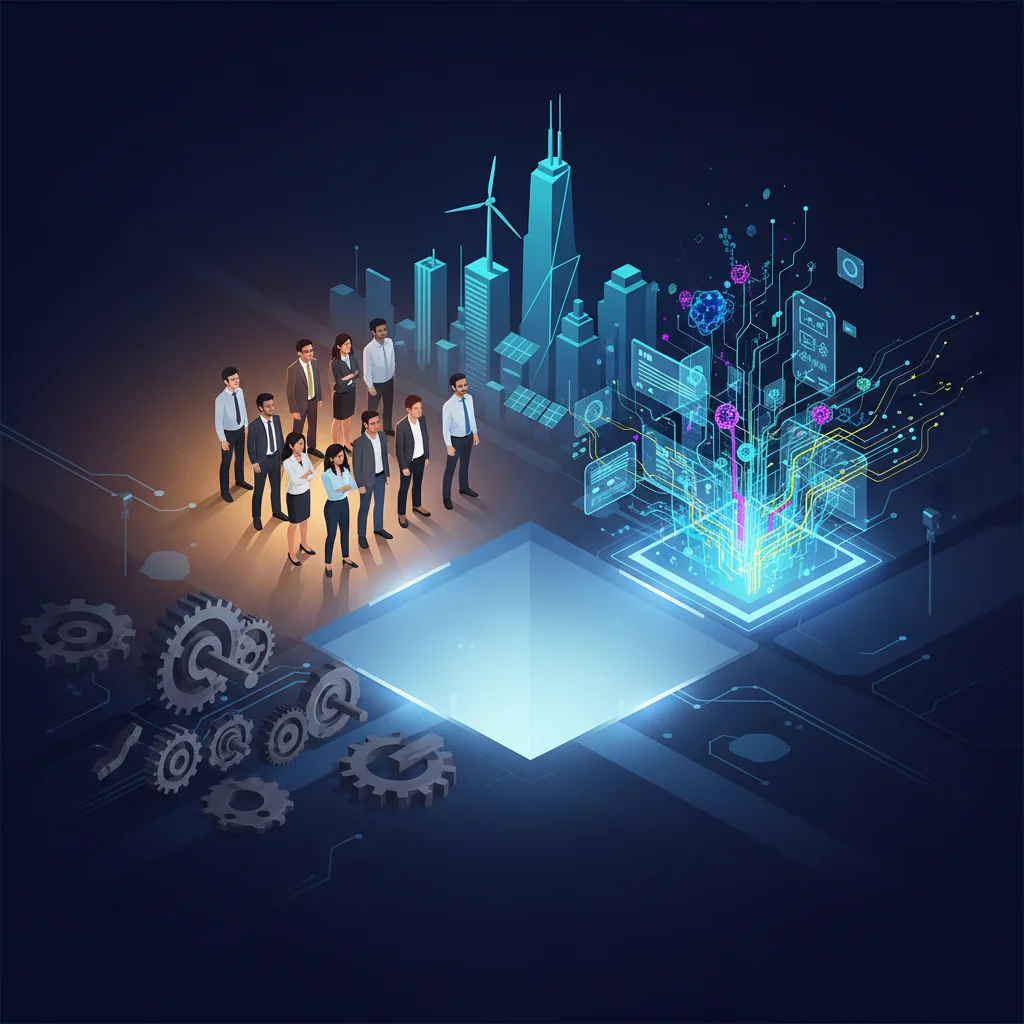
The advent of artificial intelligence (AI) agents is poised to fundamentally reshape the global socio-economic landscape, and nowhere is this more evident than in the transportation sector of emerging economies like Malaysia. The question of how AI agent effect to transportation field in Malaysia is not merely technological; it encompasses profound implications for jobs, economic growth, and societal well-being. From optimizing logistics to powering autonomous vehicles, AI in transport Malaysia promises unparalleled efficiency but also presents complex challenges related to workforce adaptation, data governance, and ethical deployment. Understanding these multi-faceted impacts is crucial for policymakers, businesses, and the workforce alike as Malaysia navigates its digital transformation journey.
1. Job Creation vs. Displacement in the Transport Sector
One of the most pressing concerns surrounding the integration of AI agents into the Malaysian transport sector is its potential impact on employment. While AI promises significant advancements in areas like traffic management AI, logistics optimization AI, and predictive maintenance AI for infrastructure, it also raises fears of widespread job displacement. Traditional roles such as bus drivers, taxi operators, delivery personnel, and even some administrative positions in the Malaysian transport sector could see a reduction as autonomous vehicles Malaysia and automated systems become more prevalent. However, this shift isn’t solely about job losses; it’s also a catalyst for the creation of new, often higher-skilled roles.
The future workforce Malaysia will require specialists in AI development, data science, cybersecurity transport systems, and complex system maintenance. There will be an increased demand for technicians to manage, repair, and oversee AI-driven fleets and smart city transport infrastructure. Furthermore, new service models enabled by AI, such as on-demand autonomous delivery or personalized smart public transportation AI, will spawn entirely new job categories. The key for Malaysia lies in proactive re-skilling transport workers and up-skilling initiatives. Educational institutions and industry players must collaborate to equip the existing workforce with the competencies needed for this evolving job market changes transport, ensuring a smoother transition and harnessing the full potential of AI.
2. Economic Growth and Efficiency Gains for Industries
Beyond workforce implications, AI agents are set to be a powerful engine for economic growth and efficiency gains across various industries within Malaysia. The economic impact of AI in transportation is substantial, primarily driven by optimized operations and reduced costs. AI-powered route optimization minimizes fuel consumption and delivery times, leading to significant savings for supply chain AI and logistics companies. Predictive maintenance, utilizing AI to foresee equipment failures, reduces downtime and extends the lifespan of vehicles and infrastructure, further enhancing productivity.
The deployment of autonomous vehicles and intelligent traffic management systems can alleviate congestion, making urban areas more livable and boosting economic activity by speeding up the movement of goods and people. For industries reliant on robust supply chains, such as manufacturing and e-commerce, AI in transport promises greater reliability, transparency, and responsiveness. This digital transformation Malaysia will not only attract foreign investment but also bolster the competitiveness of local businesses on a global scale. The increased efficiency translates into lower operational costs for businesses, potentially leading to more affordable services for consumers and overall growth in Malaysia’s GDP.
3. Ethical Considerations, Data Privacy, and Security
As AI adoption in the transportation field in Malaysia accelerates, so do the ethical considerations, challenges to data privacy AI transport, and paramount security concerns. Ethical AI deployment requires careful thought, particularly concerning accountability in accidents involving autonomous vehicles. Who bears responsibility when an AI system makes a decision that leads to harm? Establishing clear legal and ethical frameworks is essential to ensure public trust and facilitate widespread adoption. Algorithmic bias, if not addressed, could also lead to discriminatory outcomes, affecting certain demographics’ access to transportation services or routes.
Data privacy AI transport is another critical area. AI agents in transportation collect vast amounts of data, from individual travel patterns and preferences to traffic flows and infrastructure conditions. Protecting this sensitive information from misuse and unauthorized access is paramount. Malaysia needs robust regulatory frameworks, similar to global data protection standards, to govern the collection, storage, and utilization of such data. Furthermore, the increasing reliance on interconnected AI systems makes the transportation network vulnerable to cybersecurity threats. Malicious actors could potentially hack autonomous vehicles, disrupt traffic signals, or compromise logistics networks, leading to chaos, economic damage, and even loss of life. Investing in resilient cybersecurity measures and developing a comprehensive regulatory framework AI are non-negotiable for safeguarding the integrity and reliability of Malaysia’s future AI-driven transportation ecosystem.
Challenges and Opportunities for Malaysia by 2026
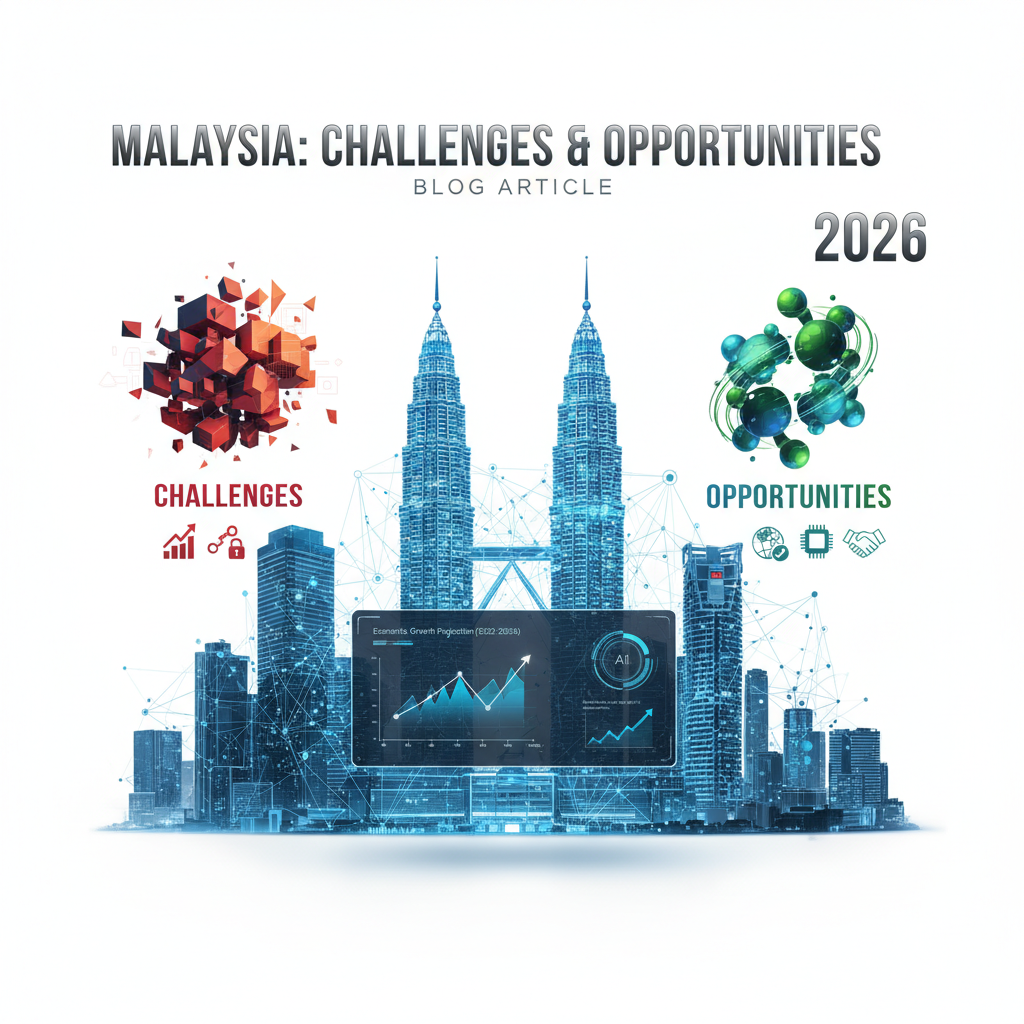
Malaysia stands at the precipice of a profound transformation, with widespread AI agent adoption poised to reshape its transportation sector by 2026. This forward-looking perspective delves into the critical hurdles the nation must overcome and the immense opportunities that lie ahead, emphasizing how AI agents effect the transportation field in Malaysia. The convergence of advanced AI, real-time data, and intelligent automation promises a future of unprecedented efficiency, safety, and sustainability. However, realizing this vision demands proactive planning, strategic investment, and a clear understanding of the evolving technological and societal landscape.
1. Policy, Regulation, and Governance Frameworks for AI
One of the most immediate and significant challenges Malaysia faces is establishing robust policy, regulation, and governance frameworks for AI in transportation. The rapid deployment of AI agents in autonomous vehicles, smart traffic systems, and logistics platforms necessitates clear guidelines on ethics, data privacy, cybersecurity, and liability. Existing legal frameworks, designed for traditional transportation models, are often inadequate to address the complexities introduced by AI. Malaysia must develop a comprehensive national AI strategy that not only encourages innovation but also safeguards public trust and ensures equitable access to new technologies. This involves formulating policies for data ownership and sharing, defining accountability in accident scenarios involving AI-driven systems, and setting standards for AI system transparency and explainability. Embracing international best practices, such as the OECD Principles on AI, can provide a valuable foundation for Malaysia to build a trusted and resilient AI ecosystem. Without a proactive and adaptive regulatory environment, the potential benefits of AI agent adoption could be stifled by uncertainty and a lack of public confidence.
2. Developing Technological Infrastructure and Skilled Workforce
The successful integration of AI agents into Malaysia’s transportation fabric by 2026 hinges on two critical pillars: a resilient technological infrastructure and a highly skilled workforce. The envisioned smart mobility future requires robust connectivity, primarily through widespread 5G deployment, to enable real-time communication between vehicles, infrastructure, and central command systems. Furthermore, significant investment in cloud computing capabilities, edge AI processing, and advanced sensor networks is essential to process the vast amounts of data generated by AI-powered transportation systems. Beyond hardware, the human element is paramount. Malaysia faces the challenge of bridging a significant talent gap. The country needs a substantial increase in data scientists, AI engineers, machine learning specialists, cybersecurity experts, and even ethical AI researchers. Educational institutions and vocational training centers must rapidly adapt curricula to produce graduates equipped with these future-proof skills. Furthermore, reskilling and upskilling programs for the existing workforce, particularly those in traditional transportation roles, will be crucial to ensure a smooth transition and prevent job displacement. Fostering a culture of lifelong learning and collaboration between academia, industry, and government is vital for nurturing the expertise required to manage and innovate within an AI-driven transportation landscape.
3. Malaysia’s Vision for a Smart, AI-Powered Mobility Future
Despite the hurdles, the opportunities presented by AI agent adoption for Malaysia’s transportation sector are transformative and align perfectly with the nation’s broader aspirations for a smart, digital future. By 2026, AI agents can power intelligent traffic management systems that dynamically optimize flow, drastically reducing congestion and travel times in urban centers. Autonomous public transport fleets, including buses and ride-sharing services, can offer more efficient, safer, and accessible mobility options, particularly for underserved communities. AI-driven logistics and last-mile delivery solutions promise to streamline supply chains, lower operational costs, and reduce delivery times, significantly boosting economic productivity. Furthermore, predictive maintenance powered by AI can enhance the reliability and longevity of transportation infrastructure, from roads to rail networks. This technological evolution will not only lead to substantial environmental benefits through reduced fuel consumption and emissions but also improve road safety by minimizing human error. Malaysia’s commitment to initiatives like the Malaysia Digital Economy Blueprint and Industry 4.0 provides a strategic roadmap for integrating these AI capabilities, positioning the nation as a leader in smart, sustainable, and inclusive mobility in Southeast Asia. The journey to an AI-powered transportation future in Malaysia is complex, yet the potential rewards in terms of economic growth, environmental sustainability, and improved quality of life are immense and well within reach by 2026.
Partner with Shelby Global
You are looking for reliable HR Sevice Suppliers? Contact Shelby Global Now! To connect with verified talents and upgrade your orginization.
—————————————
References
– how AI solutions can profoundly impact urban development and mobility: https://www.thestar.com.my/news/nation/2023/12/12/malaysia-to-lead-the-way-in-smart-city-technology-by-2030
– World Economic Forum on how AI is transforming global supply chains: https://www.weforum.org/agenda/2023/07/artificial-intelligence-ai-supply-chain-logistics-future-global-trade/
– Sustainable Transport: A Sourcebook for Policy-makers in Developing Cities – UN Environment Programme: https://www.unep.org/resources/report/sustainable-transport-sourcebook-policy-makers-developing-cities
– World Economic Forum – Generative AI and the Future of Jobs: https://www.weforum.org/agenda/2023/05/generative-ai-future-of-jobs-report-2023-reskilling-workforce/
– OECD Principles on AI: https://www.oecd.org/going-digital/ai/principles/