The Current Landscape of AI in Singaporean Healthcare
Singapore, a global leader in innovation and healthcare, is rapidly integrating Artificial Intelligence (AI) into its medical sector. The island nation has strategically positioned itself at the forefront of health technology, recognizing how AI agents effect to medicine field in Singapore, promising enhanced patient outcomes, operational efficiency, and a more resilient healthcare system. From advanced diagnostics to personalized treatment plans, AI is no longer a futuristic concept but a foundational element shaping the delivery of care across hospitals and clinics.
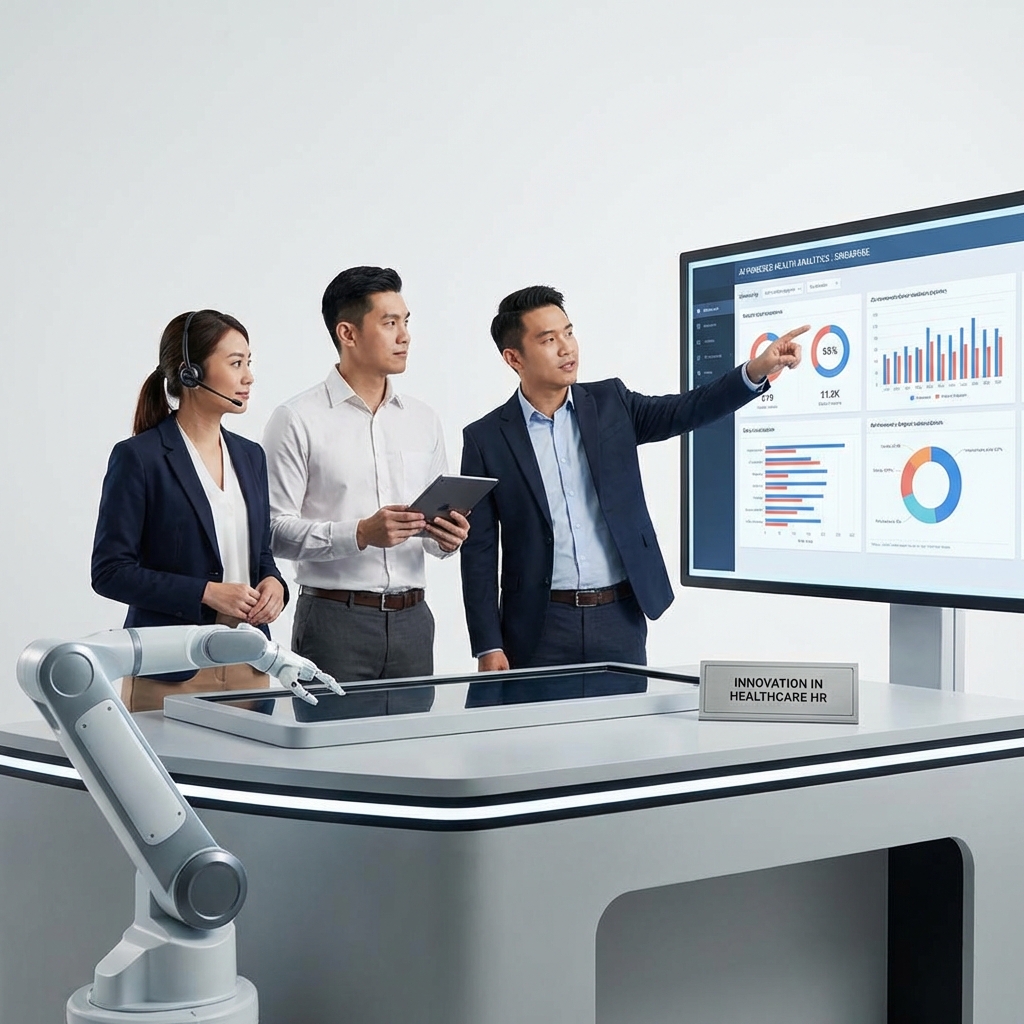
The embrace of AI in Singaporean healthcare is driven by a confluence of factors, including an aging population, rising healthcare demands, and a forward-thinking government committed to leveraging technology for national benefit. This comprehensive overview explores the present state of AI adoption, existing initiatives, and the critical role it currently plays within Singapore’s medical landscape, highlighting its transformative power.
1. Existing AI applications in hospitals and clinics
AI’s presence is increasingly felt across various departments in Singapore’s healthcare institutions. In diagnostic imaging, AI algorithms are revolutionizing the interpretation of X-rays, CT scans, and MRIs, assisting radiologists in detecting subtle abnormalities like early-stage cancers or neurological conditions with greater accuracy and speed. Hospitals such as Singapore General Hospital (SGH) and National University Hospital (NUH) are piloting AI solutions for retinal screening, pathology slide analysis, and even predicting patient deterioration in ICUs, enabling proactive interventions.
Beyond diagnostics, AI is instrumental in predictive analytics. Machine learning models analyze vast datasets to forecast disease outbreaks, identify at-risk patient populations, and optimize resource allocation. This capability is crucial for public health management, particularly in managing infectious diseases. Furthermore, AI is making strides in personalized medicine, tailoring drug dosages and treatment protocols based on individual patient genetics, lifestyle, and medical history. Robotic process automation (RPA) also streamlines administrative tasks, freeing up healthcare professionals to focus more on direct patient care, thereby enhancing both efficiency and patient experience.
2. Government initiatives and funding for AI in medicine
The Singaporean government has been a proactive champion of AI integration in healthcare, backing numerous initiatives with substantial funding. Key agencies like the Ministry of Health (MOH), the Smart Nation and Digital Government Office (SNDGO), and the Agency for Science, Technology and Research (A*STAR) lead this charge. The National AI Strategy 2.0 (NAIS 2.0) articulates Singapore’s commitment to becoming a leader in AI innovation, with healthcare identified as a priority sector.
Specific programs, such as AI Singapore (AISG), foster AI research and talent development, often collaborating with healthcare providers to develop practical solutions. Funding is channelled into projects that leverage AI for chronic disease management, elderly care, and enhancing clinical decision support systems. The recent establishment of the HealthTech Agency (HTA) further consolidates efforts to accelerate the adoption of technology, including AI, across the public healthcare sector, ensuring that innovation is effectively translated into improved patient care and system resilience.
3. Key players and institutions driving AI integration
The successful integration of AI in Singapore’s healthcare is a collaborative effort involving a diverse ecosystem of stakeholders. The Integrated Health Information Systems (IHiS) plays a pivotal role as the technology agency for public healthcare, spearheading the design, development, and deployment of IT and AI solutions across all public hospitals and polyclinics. Major public healthcare clusters, including SingHealth, National Healthcare Group (NHG), and National University Health System (NUHS), are actively involved in developing and implementing AI projects, often in partnership with local universities and research institutes.
Academic powerhouses like the National University of Singapore (NUS), Nanyang Technological University (NTU), and Duke-NUS Medical School contribute significantly through cutting-edge research, nurturing AI talent, and fostering innovation labs. A*STAR’s various research institutes, such as the Institute for Infocomm Research (I2R) and the Genome Institute of Singapore (GIS), are also at the forefront of developing AI applications relevant to medical science and clinical practice. Beyond the public and academic spheres, a vibrant ecosystem of local startups and international tech giants are partnering with healthcare providers, bringing specialized AI expertise and scalable solutions to address pressing healthcare challenges.
In conclusion, Singapore’s commitment to integrating AI into its healthcare system is robust and multifaceted. With a clear national strategy, substantial investment, and a collaborative ecosystem, the nation is well on its way to fully harnessing AI’s potential to deliver smarter, more efficient, and ultimately more human-centric healthcare for its population.
Transformative Impacts on Diagnosis and Treatment
AI agents are revolutionizing the medical landscape, ushering in an era of unprecedented accuracy, personalization, and efficiency in healthcare delivery. From early disease detection to highly individualized treatment regimens and advanced surgical interventions, the influence of artificial intelligence is profound. This section explores how AI agents are enhancing diagnostic accuracy, personalizing treatment plans, and improving patient outcomes across various medical disciplines, particularly highlighting how AI agent effect to medicine field in Singapore.
1. AI-powered diagnostic tools for early disease detection
The earliest and most impactful applications of AI in medicine are evident in diagnostic tools. AI-powered systems are rapidly transforming how diseases are identified, often catching conditions far earlier than traditional methods. For instance, in radiology, AI algorithms can analyze medical images – X-rays, MRIs, and CT scans – with remarkable speed and precision, identifying subtle anomalies that might escape the human eye. This capability is particularly critical for conditions like early-stage cancers, where timely detection significantly improves prognosis. Similarly, in ophthalmology, AI tools can screen for diabetic retinopathy, a leading cause of blindness, by analyzing retinal scans, allowing for prompt intervention.
Beyond image analysis, AI agents are leveraging vast datasets of patient information, including genetic markers, lifestyle factors, and electronic health records, to predict disease risk. This predictive analytics approach enables healthcare providers to identify individuals at high risk for conditions like heart disease or diabetes before symptoms even manifest, facilitating proactive preventative strategies. The National University Health System (NUHS) in Singapore, for example, has been exploring AI solutions for predicting patient deterioration and optimizing resource allocation, demonstrating a clear focus on leveraging these tools for better patient outcomes in AI in healthcare Singapore.
2. Personalized medicine and precision healthcare through AI
AI is at the heart of the burgeoning field of personalized medicine, moving away from a one-size-fits-all approach to highly individualized treatment plans. By integrating and analyzing complex datasets – including a patient’s genetic profile, lifestyle, environmental factors, and historical health records – AI algorithms can predict how an individual will respond to specific drugs or therapies. This pharmacogenomics-driven approach helps physicians select the most effective medications at optimal dosages, minimizing adverse effects and improving treatment efficacy, particularly in oncology and chronic disease management.
In Singapore, initiatives like the National Precision Medicine (NPM) program aim to harness genomic data and AI to develop tailored healthcare solutions for its population. AI agents can process millions of data points to identify biomarkers for disease susceptibility or treatment response, guiding oncologists in choosing targeted therapies for cancer patients or helping specialists manage complex autoimmune conditions. This level of personalized insight is elevating the standard of care, ensuring that each patient receives the most appropriate and effective intervention for their unique biological makeup, contributing to significant AI-driven medical advancements.
3. Robotics and AI in surgical assistance
The operating room is another domain experiencing a significant transformation through the integration of robotics and AI. AI-powered robotic systems offer surgeons enhanced precision, dexterity, and control, especially during minimally invasive procedures. These robots can perform intricate tasks with sub-millimeter accuracy, often exceeding human capabilities, leading to smaller incisions, reduced blood loss, shorter hospital stays, and faster patient recovery times. Examples include robotic-assisted surgeries for prostatectomies, hysterectomies, and cardiac procedures.
Beyond direct manipulation, AI assists in pre-operative planning by creating detailed 3D models of patient anatomy, allowing surgeons to virtually rehearse complex procedures and anticipate potential challenges. During surgery, AI can provide real-time guidance, integrating data from various imaging modalities and even predicting potential complications. Post-operatively, AI algorithms can monitor patient recovery, flagging anomalies that might indicate complications. Hospitals in Singapore, such as the Singapore General Hospital (SGH) and Tan Tock Seng Hospital (TTSH), have invested heavily in robotic surgical systems, showcasing the nation’s commitment to leveraging these advanced technologies for superior patient outcomes. A World Health Organization (WHO) report on AI in health emphasizes the potential for such technologies to improve precision and access to care globally.
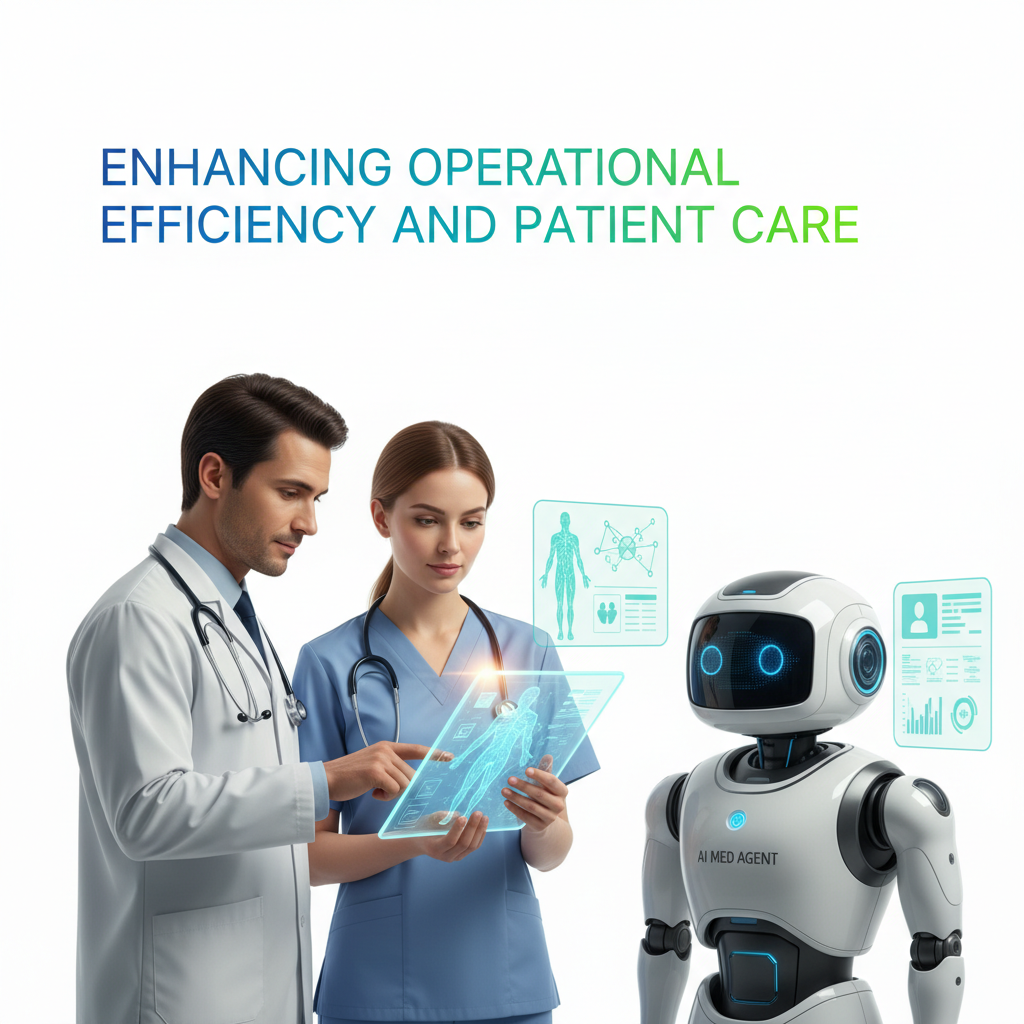
Enhancing Operational Efficiency and Patient Care
The landscape of healthcare is undergoing a profound transformation, with Artificial Intelligence (AI) emerging as a pivotal force. In Singapore, a nation at the forefront of technological adoption, the impact of how AI agent effect to medicine field in singapore is particularly significant. By integrating sophisticated algorithms and machine learning capabilities, AI is not merely a tool but a strategic partner in revolutionizing how medical services are delivered, managed, and experienced. This shift is paramount for enhancing operational efficiency and patient care, addressing critical challenges faced by healthcare systems globally.
Singapore’s commitment to digital health transformation sees AI playing a crucial role in optimizing every facet of the healthcare journey, from streamlining back-end processes to directly improving patient outcomes.
1. Automating administrative tasks and data management
One of the most immediate and tangible benefits of AI in healthcare lies in its ability to automate time-consuming administrative tasks. Healthcare professionals often spend a substantial portion of their day on repetitive, non-clinical duties such as scheduling appointments, managing patient records, processing insurance claims, and handling billing inquiries. AI-powered systems, including chatbots and Robotic Process Automation (RPA), can flawlessly execute these tasks, significantly reducing human error and freeing up valuable staff time. For instance, AI algorithms can efficiently sift through vast amounts of unstructured patient data, digitizing and organizing it for quick retrieval and analysis. This not only improves data accuracy and accessibility but also allows doctors and nurses to dedicate more time to direct patient interaction and complex medical decisions. The automation of these mundane yet critical functions contributes directly to enhanced operational efficiency, creating a more agile and responsive healthcare environment in Singapore.
2. Optimizing hospital resource allocation and scheduling
Effective resource management is crucial for any healthcare institution, and AI agents are proving instrumental in optimizing hospital operations. From managing bed occupancy and operating room schedules to assigning medical staff and allocating equipment, AI predictive analytics can significantly improve efficiency. By analyzing historical data, real-time patient flow, and projected demand, AI models can forecast patient admissions and discharges, allowing hospitals to proactively manage their resources. This predictive capability helps reduce patient wait times, minimizes bottlenecks, and ensures that critical equipment and personnel are available when and where they are most needed. For example, AI can optimize doctor and nurse shift schedules, considering expertise, workload, and patient needs, thereby reducing staff burnout and improving continuity of care. This strategic application of AI is vital for maximizing the capacity of healthcare facilities and enhancing the overall delivery of care, aligning with Singapore’s vision for advanced healthcare innovation.
3. AI in remote patient monitoring and teleconsultation
The advent of AI has dramatically reshaped remote patient monitoring and teleconsultation services, expanding access to care and improving patient convenience, particularly in a densely populated urban environment like Singapore. AI-powered wearable devices and sensors can continuously collect vital health data – from heart rate and blood sugar levels to activity patterns – transmitting it in real-time to healthcare providers. AI algorithms then analyze this data, identifying anomalies or concerning trends that might indicate a deteriorating condition. This proactive monitoring allows for early intervention, potentially preventing hospital readmissions or the escalation of chronic diseases. Furthermore, AI enhances teleconsultation platforms by aiding in preliminary symptom assessment, guiding patients to the appropriate specialist, and even transcribing and summarizing consultation notes. This not only makes healthcare more accessible for patients, especially those with mobility issues or living in remote areas, but also allows healthcare providers to manage a larger patient load more effectively, ultimately elevating the overall patient experience and care quality. The question of how AI agent effect to medicine field in singapore is increasingly answered by these tangible improvements in accessibility and proactive care.
In conclusion, AI agents are undeniably revolutionizing the medicine field in Singapore by delivering substantial improvements in both operational efficiency and patient care. By automating administrative tasks, optimizing resource allocation, and empowering advanced remote monitoring and teleconsultation, AI is crafting a more responsive, efficient, and patient-centric healthcare system. As Singapore continues to embrace these technological advancements, the integration of AI will undoubtedly lead to higher quality care, reduced costs, and a significantly improved healthcare experience for all.
Challenges and Ethical Considerations in AI Adoption
The integration of AI agents into Singapore’s medical field promises transformative benefits, from enhanced diagnostic accuracy to personalized treatment plans. However, this journey is not without its significant hurdles. Addressing these obstacles, which include profound ethical dilemmas and pressing regulatory concerns, is paramount to ensuring AI’s responsible and effective deployment within Singapore’s healthcare ecosystem. Understanding How AI agent effect to medicine field in Singapore requires a proactive approach to mitigate risks and maximize societal gains.
-
Data privacy and security concerns with medical AI
The deployment of AI agents in Singaporean healthcare inevitably hinges on the extensive collection, processing, and analysis of sensitive patient data. This raises significant data privacy and security concerns. Medical records contain highly personal and confidential information, making them prime targets for cyberattacks and unauthorized access. AI algorithms, often requiring vast datasets for training and validation, amplify these risks. Protecting patient anonymity while enabling AI to learn from diverse data sources is a complex balancing act. Breaches of medical data could lead to severe consequences, including identity theft, discrimination, and a profound erosion of public trust in the healthcare system and its AI initiatives. Singapore’s robust Personal Data Protection Act (PDPA) provides a strong foundation, but its application to the unique challenges posed by AI, such as potential re-identification from anonymized datasets or the ethical implications of data sharing across institutions for AI development, requires continuous refinement. Ensuring robust encryption, stringent access controls, and transparent data governance policies are critical to safeguarding patient information as How AI agent effect to medicine field in Singapore continues its evolution.
-
Regulatory frameworks and policy development for AI in healthcare
Establishing comprehensive and adaptive regulatory frameworks is crucial for governing AI’s application in Singapore’s medical sector. The rapid pace of AI innovation often outstrips existing legal and ethical guidelines, creating a regulatory vacuum. Key challenges include defining accountability for AI-driven diagnostic errors, establishing clear liability in cases of adverse patient outcomes, and setting standards for algorithmic transparency and explainability. Singapore’s Ministry of Health (MOH) and other agencies are actively working on guidelines, but the sheer complexity of medical AI—from software as a medical device (SaMD) to sophisticated decision support systems—demands a multifaceted approach. Policies must address the validation and approval processes for AI tools, ensuring they are safe, effective, and free from bias before clinical implementation. Furthermore, international collaboration is essential to align standards and facilitate the safe adoption of global AI innovations. Without robust and dynamic regulatory oversight, the full potential of How AI agent effect to medicine field in Singapore might be hampered by uncertainty and potential misuse. For insights into Singapore’s broader approach to AI in healthcare, refer to the Agency for Integrated Care (AIC) on AI in Healthcare.
-
Workforce retraining and skill gaps for medical professionals
The integration of AI agents necessitates significant changes in the skill sets required by medical professionals, leading to potential workforce retraining and skill gaps. While AI is poised to automate routine tasks and enhance diagnostic capabilities, it will not replace human clinicians entirely. Instead, healthcare workers will need to evolve into collaborators with AI, requiring new competencies in data interpretation, algorithmic literacy, and critical evaluation of AI-generated insights. Physicians, nurses, and allied health professionals must be trained to understand AI’s limitations, potential biases, and how to effectively integrate AI tools into their clinical workflows. This also extends to technical staff who will be responsible for maintaining, troubleshooting, and securing AI systems. Addressing these skill gaps requires significant investment in continuous professional development programs, revised medical curricula, and interdisciplinary collaboration between healthcare institutions and educational bodies. A failure to adequately prepare the workforce could lead to resistance to AI adoption, suboptimal utilization of these powerful tools, and a widening divide between technology and clinical practice, ultimately hindering How AI agent effect to medicine field in Singapore‘s progress.
The Future Outlook: AI Agents in Singapore’s Medicine by 2026 and Beyond
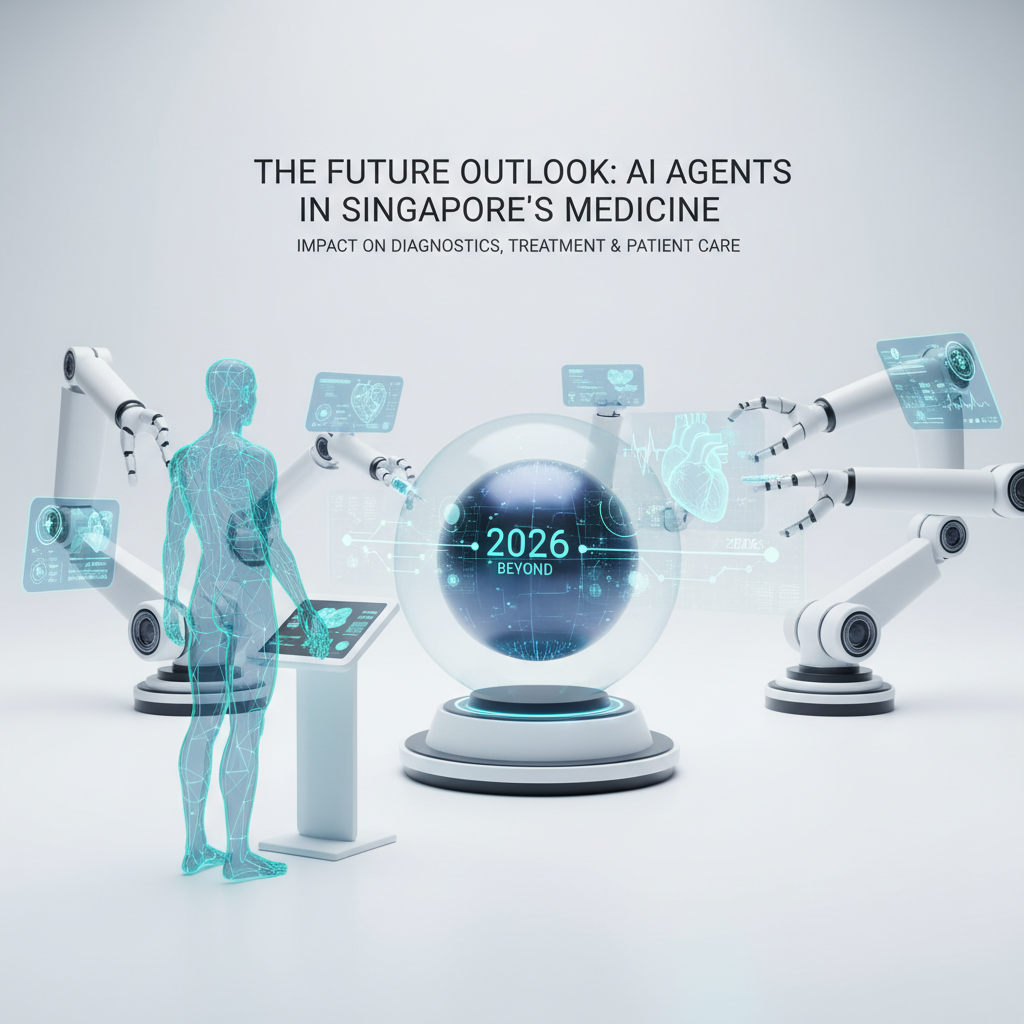
Singapore stands at the forefront of digital transformation, and its healthcare sector is no exception. By 2026 and well into the future, Artificial Intelligence (AI) agents are poised to fundamentally reshape the medical landscape, ushering in an era of unprecedented efficiency, personalization, and patient-centric care. This section explores the profound trajectory of AI in Singapore’s healthcare, highlighting emerging trends, potential breakthroughs, and the long-term vision for a truly smart health ecosystem, focusing on how AI agent effect to medicine field in Singapore.
1. Emerging AI Technologies and Research Directions
The next few years will see a significant maturation of AI technologies tailored for medical applications in Singapore. Deep learning models, particularly in image and pattern recognition, will become even more adept at early disease detection, enhancing the capabilities of radiologists and pathologists. Imagine AI agents sifting through vast amounts of medical imaging data – X-rays, MRIs, CT scans – to identify subtle anomalies imperceptible to the human eye, drastically improving diagnostic accuracy for conditions like cancer or neurological disorders. Natural Language Processing (NLP) will advance to better interpret unstructured clinical notes, patient histories, and scientific literature, assisting clinicians in understanding complex cases and staying abreast of the latest research. Furthermore, advancements in reinforcement learning will enable AI agents to optimize treatment protocols and personalize interventions based on real-time patient responses and historical outcomes. Research will increasingly focus on explainable AI (XAI), addressing the critical need for transparency and trust in AI-driven medical decisions, ensuring that healthcare professionals can understand the reasoning behind an AI’s recommendations. This forward-looking approach will drive innovation in Singapore’s healthcare sector, pushing the boundaries of what’s possible with intelligent automation and analytical power.
2. Potential for Greater Patient Empowerment and Self-Management
One of the most transformative impacts of AI agents will be in empowering patients to take a more active role in managing their own health. By 2026, AI-powered virtual health assistants will become commonplace, offering personalized health advice, medication reminders, and symptom checkers accessible 24/7. Wearable devices, already popular, will integrate more sophisticated AI algorithms to continuously monitor vital signs, activity levels, and sleep patterns, providing predictive insights into potential health issues before they become critical. For instance, an AI agent could detect early signs of cardiovascular distress or a diabetic crisis, alerting both the patient and their healthcare provider. This proactive monitoring facilitates timely intervention and reduces the burden on acute care services. Remote patient monitoring, augmented by AI, will enable chronic disease management from the comfort of one’s home, reducing hospital visits and improving quality of life. Singapore’s Healthier SG initiative, emphasizing preventive care and individual responsibility, will be significantly bolstered by these AI-driven tools, fostering a culture of self-management and informed health decisions across the population.
3. Singapore’s Vision for a Smart Healthcare Ecosystem
Singapore’s government has a clear and ambitious vision for a smart healthcare ecosystem, where AI agents are not just tools but integral components of a seamlessly integrated system. This vision entails a comprehensive digital infrastructure that connects hospitals, clinics, research institutions, and individual patients through secure, interoperable platforms. AI agents will act as intelligent orchestrators, optimizing resource allocation, streamlining administrative tasks, and facilitating predictive maintenance of medical equipment. Beyond direct patient care, AI will play a pivotal role in public health surveillance, identifying outbreak patterns and predicting future health crises with greater accuracy. The National AI Strategy and various initiatives by the Ministry of Health are investing heavily in data aggregation and analytics, crucial for training robust AI models. Collaboration between public sector agencies, private tech companies, and academic institutions will foster an environment ripe for innovation, leading to the development and deployment of cutting-edge AI solutions. This holistic approach aims to create a resilient, efficient, and patient-centric healthcare system that leverages the full potential of artificial intelligence, ultimately ensuring better health outcomes for all Singaporeans in the coming decades.
Partner with Shelby Global
You are looking for reliable HR Sevice Suppliers? Contact Shelby Global Now! To connect with verified talents and upgrade your orginization.
—————————————
References
– National AI Strategy 2.0 | Smart Nation Singapore: https://www.smartnation.gov.sg/initiatives/national-ai-strategy-2.0
– World Health Organization (WHO) report on AI in health: https://www.who.int/news-room/fact-sheets/detail/artificial-intelligence-in-health
– Singapore Digital Health Blueprint: https://www.moh.gov.sg/docs/librariesprovider3/default-document-library/digital-health-blueprint_update.pdf
– Agency for Integrated Care (AIC) on AI in Healthcare: https://www.aic.sg/for-professionals/digital-transformation/ai-in-healthcare
– Healthier SG: https://www.healthhub.sg/programmes/185/healthier-sg