The Rise of AI Agents in Singapore’s Beauty Sector
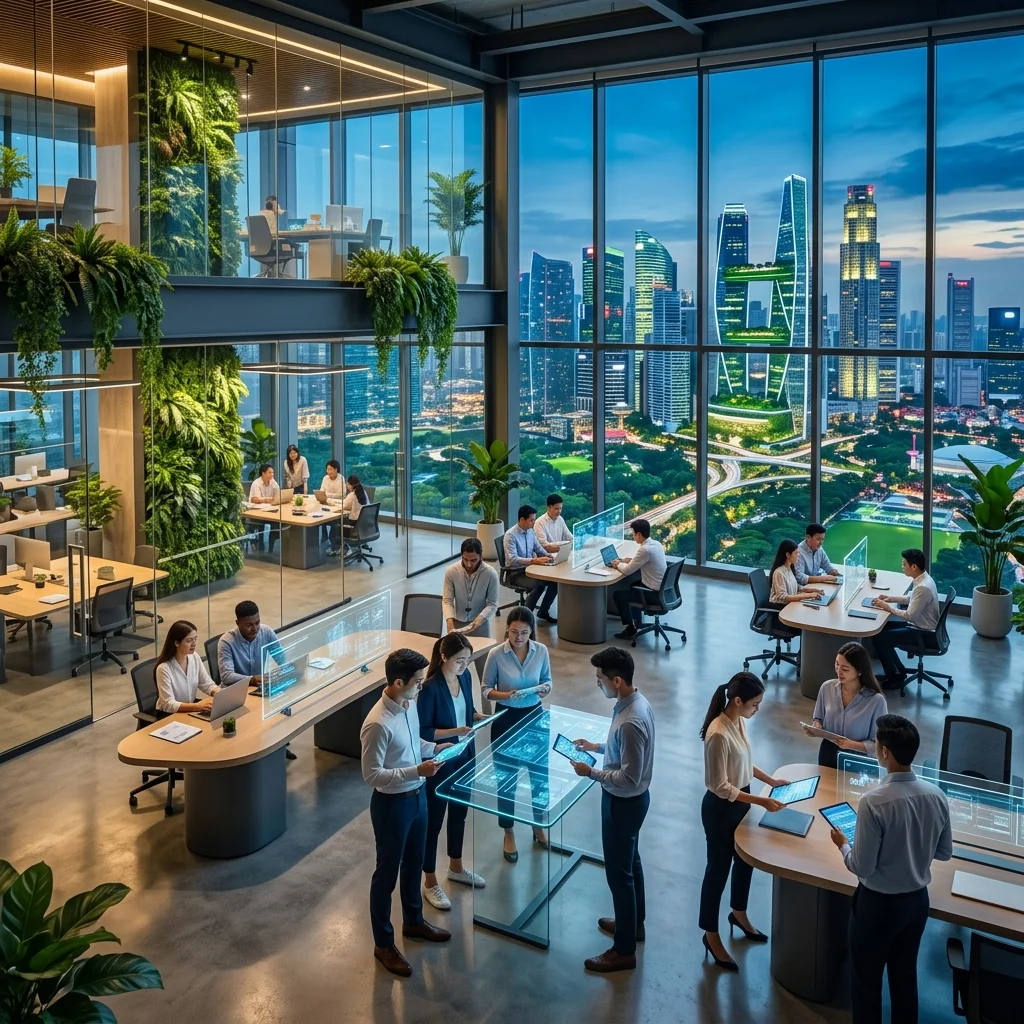
Singapore’s beauty sector, a vibrant and intensely competitive landscape, is currently undergoing a transformative shift driven by the advent of Artificial Intelligence (AI) agents. Far from simple chatbots, these sophisticated AI entities are redefining how beauty brands interact with consumers, manage operations, and innovate products. This section provides an introduction to understanding what AI agents truly are and explores their initial, yet profound, integration into the dynamic beauty industry across the city-state, highlighting how AI agent effect to beauty field in singapore.
1. Defining AI Agents: Beyond chatbots and automation
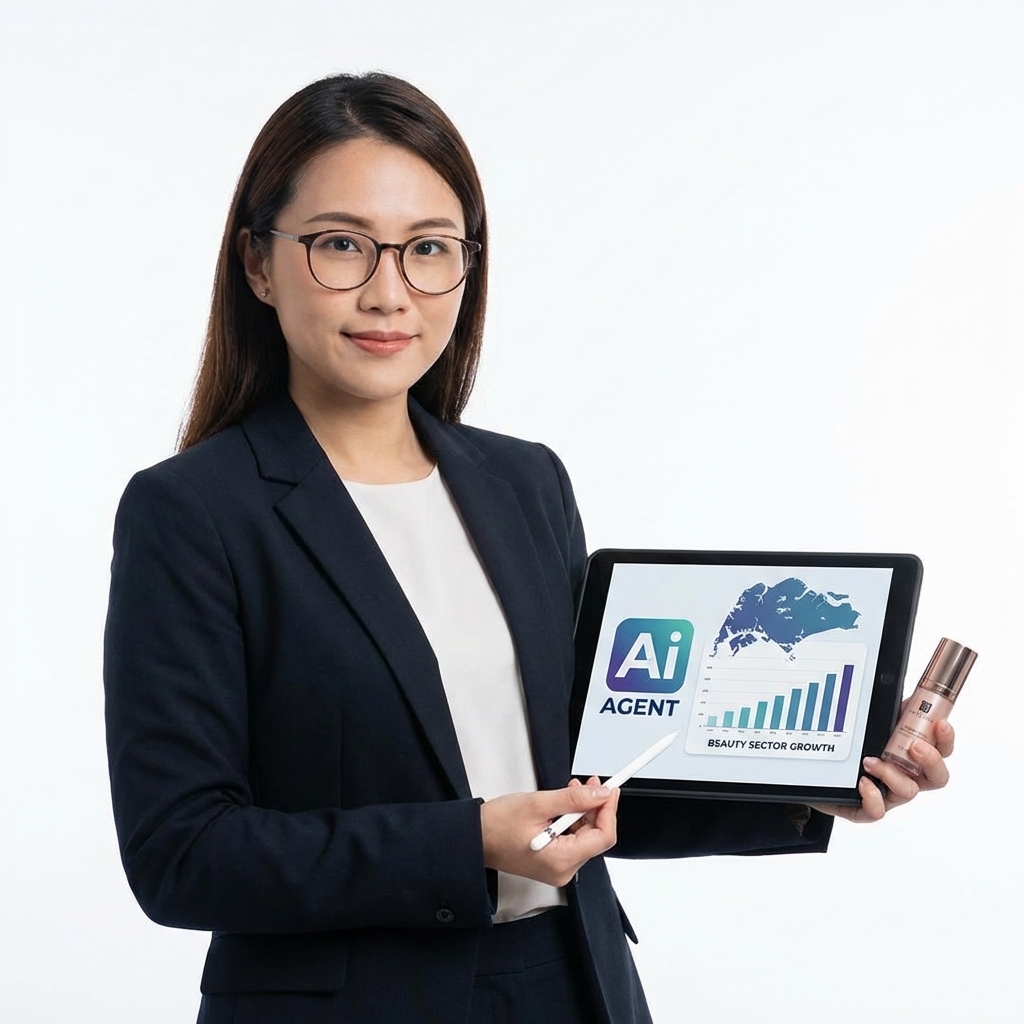
At its core, an AI agent is an autonomous software program or system designed to perceive its environment through sensors (data inputs), process that information, make decisions, and take actions to achieve specific goals, often interacting directly with users or other systems. Unlike rudimentary chatbots that follow predefined scripts or basic automation tools performing repetitive tasks, AI agents possess a degree of intelligence, learning capabilities, and adaptability. They can understand context, infer user intent, learn from interactions, and even predict future behaviors. In the beauty sector, this translates into AI-powered beauty experiences that can offer hyper-personalized recommendations, dynamic pricing adjustments, intelligent inventory management, and even sophisticated virtual try-on experiences that adapt to individual facial features. They move beyond mere data processing to active problem-solving and proactive engagement, marking a significant leap from previous digital tools.
2. Early adoption trends and pilot programs in Singapore
Singapore’s technologically advanced consumer base and innovative business environment make it a fertile ground for the early adoption of AI agents in beauty. Initial trends show major cosmetic brands and innovative local startups alike investing in pilot programs. These initiatives often focus on enhancing personalized beauty experiences. For instance, some companies are deploying AI agents that analyze skin conditions from uploaded photos, cross-reference them with environmental data and user lifestyle, and then recommend a bespoke skincare routine or product line. Virtual makeup artists powered by AI allow customers to digitally try on products from home, significantly enhancing the online shopping experience. Furthermore, AI agents are being tested in back-end operations for predictive analytics in beauty, optimizing supply chains, and forecasting demand for specific products based on emerging trends and local preferences. These early successes underscore the potential for widespread integration.
3. Key drivers for rapid AI integration in local beauty
Several compelling factors are propelling the rapid integration of AI agents into Singapore’s beauty industry. Firstly, the highly competitive nature of the market demands constant innovation and differentiation. Brands are seeking an edge through unparalleled customer engagement and bespoke services that only AI agents can consistently provide. Secondly, Singapore’s tech-savvy population expects cutting-edge digital experiences, driving demand for intelligent, convenient, and personalized interactions. Thirdly, the quest for operational efficiency is paramount; AI agents can automate mundane tasks, optimize resource allocation, and provide actionable insights from vast datasets, leading to significant cost savings and improved productivity. Finally, the ability of AI agents to deliver truly personalized beauty experiences, from product recommendations to post-purchase support, aligns perfectly with modern consumer desires for individuality and tailored solutions. As McKinsey highlights the transformative power of AI across consumer industries, Singapore’s beauty sector is quickly capitalizing on these capabilities to reshape its future.
Revolutionizing Personalized Beauty Experiences
The beauty industry is undergoing a profound transformation, driven by the relentless march of artificial intelligence. Gone are the days of one-size-fits-all products; today, consumers demand experiences tailored precisely to their unique needs and preferences. AI agents are at the forefront of this revolution, enhancing customization in skincare, makeup, and service recommendations, leading to unparalleled consumer experiences across the globe, especially in tech-forward markets like Singapore. The question of how AI agent effect to beauty field in Singapore is no longer hypothetical but a present reality, reshaping how brands interact with customers and deliver value. This shift is not just about convenience; it’s about unlocking a level of personalization previously unimaginable, making every beauty journey truly individual.
1. AI-powered skin analysis and diagnostics for tailored routines
One of the most significant advancements brought by AI in beauty is its capability to perform sophisticated skin analysis. Traditional dermatological assessments often require professional visits and can be subjective. AI-powered tools, typically integrated into smartphone apps or smart mirrors, utilize advanced computer vision and machine learning algorithms to analyze facial images. These agents can accurately identify a myriad of skin concerns, including hydration levels, fine lines, dark spots, redness, and pore size. By cross-referencing this visual data with user-provided information – such as lifestyle habits, environmental factors, and personal goals – the AI generates a comprehensive skin diagnostic report. This report then forms the basis for a hyper-personalized skincare routine, recommending specific products, ingredients, and even application techniques. For consumers seeking personalized skincare in Singapore, this means an end to guesswork and the beginning of highly effective, data-driven regimens that evolve with their skin’s changing needs. This granular approach ensures that every recommended product is optimally suited, maximizing efficacy and user satisfaction.
2. Hyper-personalized product recommendations and formulations
Beyond diagnostics, AI agents excel at offering product recommendations that go far beyond basic demographic targeting. Leveraging vast datasets of product ingredients, user reviews, efficacy studies, and individual preferences, AI can match consumers with products that are not just suitable, but ideal. This includes recommending the perfect foundation shade, a serum with a specific active ingredient mix, or even a shampoo formulation optimized for hair type and scalp condition. In some cases, beauty tech innovation has progressed to the point where AI can even assist in creating custom makeup formulations and skincare products from scratch. Brands are deploying AI to analyze genetic predispositions, environmental exposures, and even hormonal cycles to suggest truly bespoke solutions. Imagine a foundation precisely mixed to your skin tone, texture preference, and coverage needs, or a moisturizer crafted to combat pollutants specific to your urban environment. This level of customization, driven by AI, ensures that consumers receive products that are not just effective but feel uniquely their own, significantly enhancing brand loyalty and satisfaction within the beauty sector.
3. Virtual try-on and augmented reality tools for informed choices
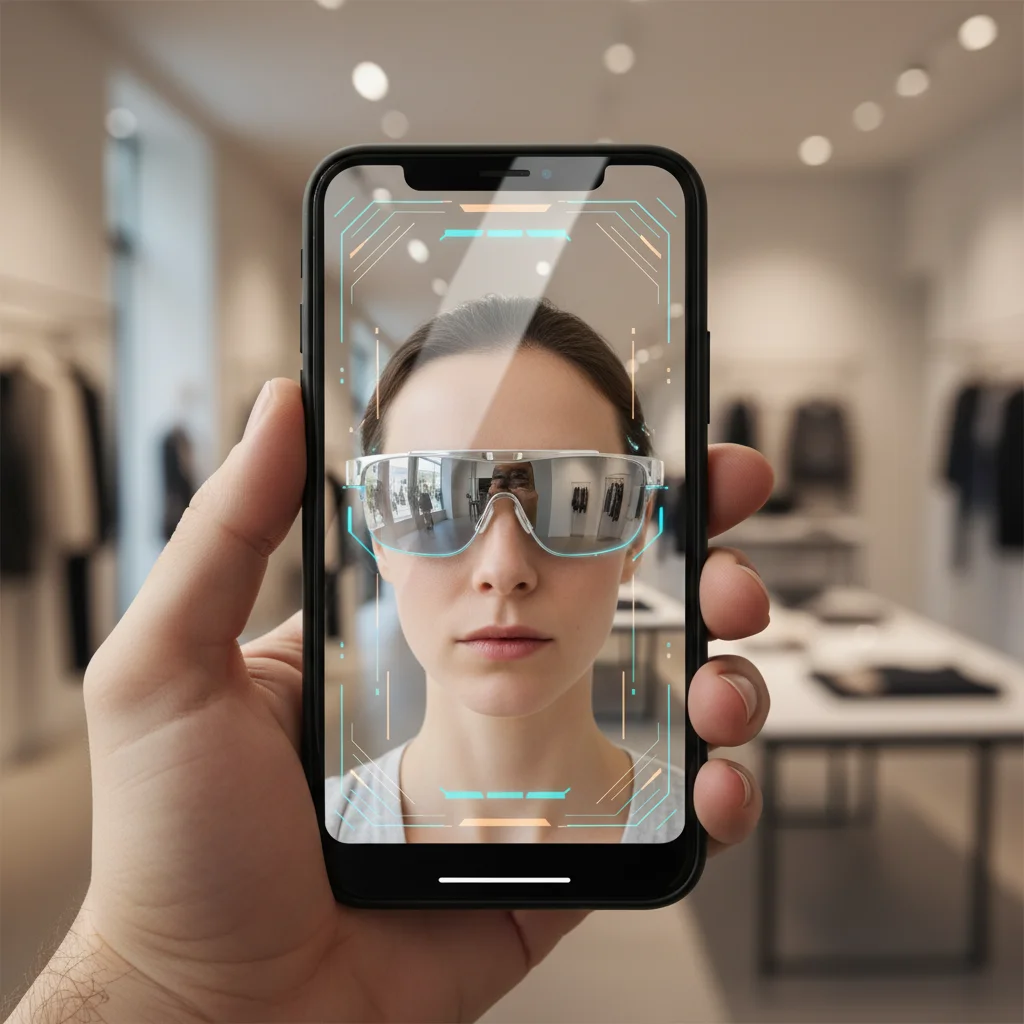
The retail experience, particularly online, has been revolutionized by virtual try-on and augmented reality (AR) tools. These technologies, powered by AI, allow users to virtually test makeup products, hair colors, and even accessories in real-time using their smartphone cameras or computer webcams. By overlaying digital representations of products onto a user’s live image, AR provides an incredibly realistic preview of how a lipstick shade will look, how a new eyeshadow palette will complement their eye color, or even how a different hair color will frame their face. This eliminates the uncertainty and inconvenience associated with traditional try-ons, especially for online shoppers, and significantly reduces product returns. Augmented reality beauty experiences empower consumers to make more informed purchasing decisions, boosting confidence and satisfaction. Whether trying on a new blush from the comfort of their home or exploring different looks before visiting a salon, these tools are making the beauty shopping experience more interactive, engaging, and personal than ever before. This innovation is particularly impactful in a bustling market like Singapore, where digital literacy is high and convenience is paramount.
In conclusion, the transformative effect of AI agents on the beauty field is undeniable. From precise skin diagnostics to hyper-personalized product creation and immersive virtual try-ons, AI is redefining what’s possible in beauty. For consumers in Singapore and beyond, this translates into a future where beauty is not just about enhancing appearance but about a deeply personal journey, guided by intelligent technology designed to meet their every unique need. The synergy between beauty and artificial intelligence promises a future of unparalleled customization and consumer empowerment.
Operational Efficiency and Salon Management
Exploring the profound impact of AI agents on back-end operations, appointment scheduling, inventory, and staff support within beauty businesses.
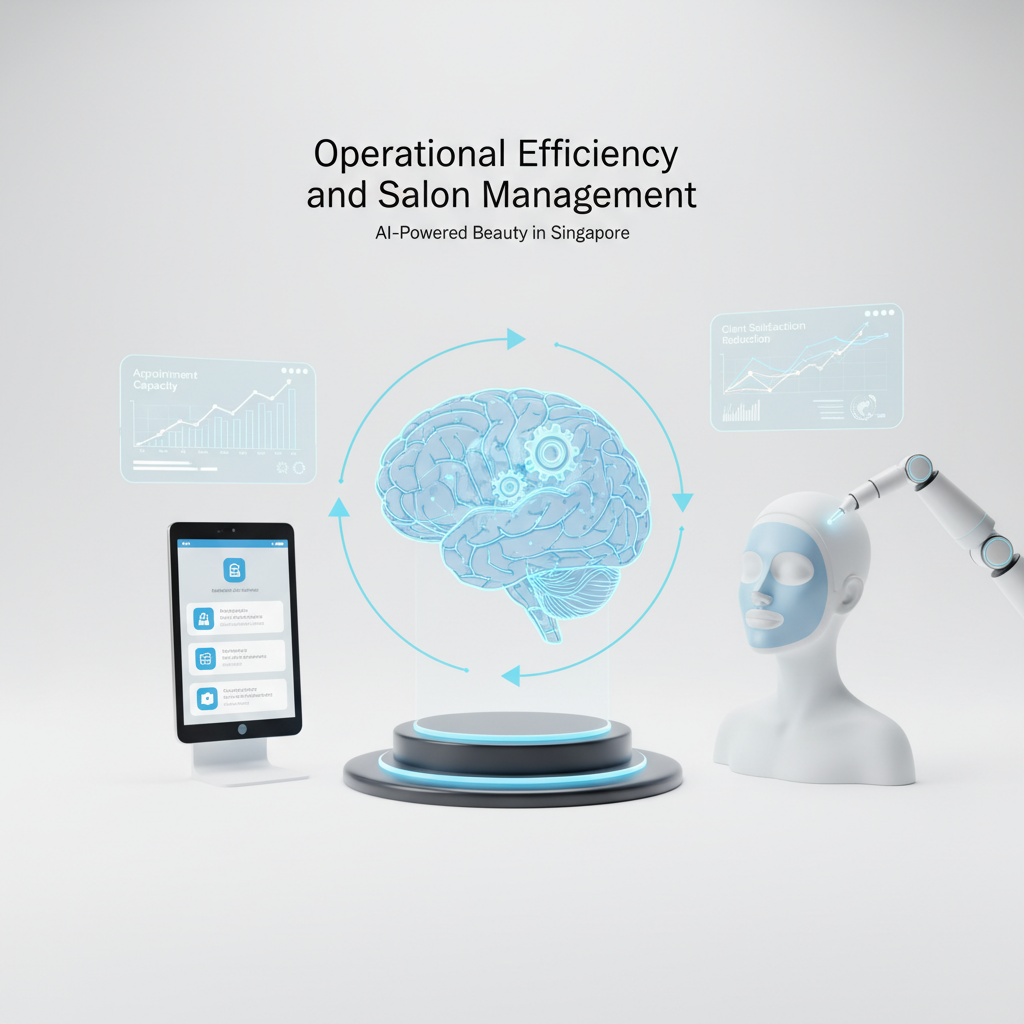
The beauty industry in Singapore, renowned for its dynamism and high service standards, is increasingly embracing technological advancements to maintain its competitive edge. At the forefront of this transformation are AI agents, digital tools capable of automating routine tasks, optimizing complex processes, and providing invaluable insights. Understanding How AI agent effect to beauty field in singapore is crucial for salon owners and managers looking to streamline their operations, reduce overheads, and elevate customer satisfaction. From managing intricate booking systems to predicting inventory needs, AI’s role in operational efficiency is reshaping how beauty businesses function, allowing them to focus more on core services and less on administrative burdens.
1. Automated Booking, Scheduling, and Customer Service
One of the most immediate and significant impacts of AI agents is the automation of booking, scheduling, and customer service functions. Gone are the days of constant phone calls and manual calendar management. AI-powered scheduling systems allow clients to book appointments 24/7, select preferred stylists, and even receive automated reminders, significantly reducing no-shows and administrative workload. Chatbots, another form of AI agent, provide instant customer support automation, answering frequently asked questions, assisting with service inquiries, and even guiding clients through product selections. This not only enhances the customer experience by offering unparalleled convenience but also frees up front-desk staff to engage in more personalized interactions, thereby boosting overall service quality. The efficiency gained from automated systems ensures that salon resources are optimally utilized, leading to higher client throughput and improved revenue streams.
2. Optimizing Inventory Management and Supply Chain Logistics
Effective inventory management is critical for profitability in any retail-driven business, and beauty salons are no exception. AI agents are revolutionizing this area by offering predictive analytics capabilities. By analyzing past sales data, seasonal trends, and even external factors like holidays or local events, AI can forecast demand for specific products and supplies with remarkable accuracy. This demand forecasting minimizes the risk of overstocking, which ties up capital and leads to waste, and understocking, which results in missed sales opportunities and client dissatisfaction. Furthermore, AI can optimize supply chain logistics by identifying the most cost-effective suppliers, tracking shipments, and alerting managers to potential delays. This level of AI in business efficiency ensures that salons always have the right products at the right time, enhancing service delivery and reducing operational costs. Implementing smart inventory optimization systems driven by AI also helps in monitoring product expiry dates, ensuring fresh stock, and managing product rotation effectively.
3. Enhancing Staff Training and Performance with AI Insights
Beyond automating back-end tasks, AI agents are proving to be powerful tools for human resource development and performance enhancement within beauty businesses. AI can collect and analyze data on staff performance, client feedback, and service outcomes, providing objective performance analytics and insights into individual strengths and areas for improvement. For instance, an AI system might identify that a particular stylist excels in color treatments but could benefit from additional training in advanced cutting techniques, based on client reviews and service durations. These data-driven insights enable salon managers to create personalized training programs, addressing specific skill gaps and fostering continuous professional development. Moreover, AI can assist in optimizing staff scheduling based on predicted demand and individual stylist availability, ensuring adequate coverage during peak hours and preventing overstaffing during quieter periods. This not only improves operational flow but also boosts employee morale by creating a more balanced and productive work environment. The integration of AI insights into performance management ensures that the salon’s human capital is leveraged to its fullest potential, directly contributing to higher service quality and client loyalty.
In conclusion, the integration of AI agents is transforming operational efficiency in the beauty field in Singapore, moving beyond simple automation to intelligent management and strategic decision-making. By embracing AI-powered scheduling, inventory optimization, and performance analytics, beauty businesses can significantly enhance their productivity, reduce operational costs, and deliver superior customer experiences, securing a competitive advantage in a bustling market.
Challenges and Ethical Considerations
The burgeoning integration of artificial intelligence (AI) agents into Singapore’s dynamic beauty industry promises innovation and personalization, yet it simultaneously ushers in a complex landscape of hurdles and profound ethical dilemmas. While AI offers unprecedented opportunities for growth and efficiency, understanding how AI agent effect to beauty field in singapore necessitates a frank examination of its potential downsides. From concerns about data privacy and job displacement to the imperative of ensuring fairness and transparency, addressing these challenges is crucial for fostering a responsible and sustainable AI-driven beauty ecosystem in the Lion City.
-
Data privacy and cybersecurity concerns in beauty tech
The personalized nature of AI in beauty often relies on extensive data collection, ranging from facial scans and skin analyses to purchasing patterns and even genetic predispositions. This intimate data, critical for bespoke recommendations and diagnostic tools, raises significant AI beauty Singapore data privacy and cybersecurity beauty tech risks. In Singapore, where the Personal Data Protection Act (PDPA) sets clear guidelines, beauty companies leveraging AI must adhere to stringent protocols for data collection, storage, and usage. The risk of data breaches in the beauty tech sector is particularly alarming, given the sensitive nature of the information involved. Unauthorized access or misuse of such data could lead to severe reputational damage, financial penalties, and a profound erosion of consumer trust. Ensuring robust cybersecurity measures, including encryption, secure servers, and regular audits, becomes paramount. Furthermore, clear consent mechanisms and transparent data handling policies are essential to empower consumers and safeguard their personal information. The sophistication of AI beauty solutions demands an equally sophisticated approach to protecting the digital identities of users.
-
Impact on human employment and the shift in required skills
One of the most immediate and frequently discussed concerns regarding widespread AI adoption is its potential impact on human employment. In Singapore’s beauty sector, traditional roles like beauty consultants, makeup artists, and sales assistants may face significant transformation or even displacement as AI agents become adept at personalized product recommendations, virtual try-ons, and automated customer service. However, this shift doesn’t necessarily mean a net loss of jobs; rather, it implies an evolution of the workforce, leading to beauty industry job displacement Singapore. While some routine tasks may be automated, new opportunities are emerging for roles requiring advanced technical skills combined with human empathy and creativity. The demand will increase for AI trainers, data analysts, ethical AI specialists, and tech-savvy beauty professionals who can interpret AI insights and provide a human touch. Singapore’s workforce in the beauty industry will need to embrace upskilling and reskilling initiatives, focusing on digital literacy, AI literacy, and soft skills like critical thinking and problem-solving. This strategic shift will ensure that human expertise remains central, complementing AI’s capabilities and adapting to the evolving landscape of how AI agent effect to beauty field in singapore, creating a more sophisticated and dynamic industry.
-
Ensuring ethical AI in beauty recommendations and diagnostics
The ethical implications of AI extend deeply into the realm of recommendations and diagnostics, where AI algorithms are increasingly making decisions that directly affect consumer choices and well-being. A critical challenge lies in mitigating algorithmic bias. If AI models are trained on limited or unrepresentative datasets, they can perpetuate or even amplify existing societal biases related to race, gender, age, or skin type, leading to unfair or inaccurate recommendations. For instance, an AI skincare diagnostics challenges arise when a tool struggles with diverse skin tones if its training data predominantly features lighter complexions, potentially leading to misdiagnosis or ineffective product suggestions. The lack of transparency in “black box” AI systems also poses a challenge, making it difficult to understand why a particular recommendation was made. To counter this, ensuring ethical AI beauty recommendations requires diverse and inclusive datasets, rigorous testing for bias, and the development of explainable AI (XAI) models that can justify their decisions. Human oversight and accountability mechanisms are also crucial to prevent automated systems from making unverified or harmful recommendations. As the beauty industry embraces AI, adherence to ethical guidelines, such as those promoted by leading tech organizations, becomes paramount to build trust and ensure that AI serves all consumers equitably and responsibly. For instance, discussions around responsible AI frameworks are crucial for ensuring fairness and transparency across all AI applications.
The Future Landscape: AI Agents in Singaporean Beauty by 2026
Projecting the continued evolution and significant transformations AI agents will bring to Singapore’s beauty industry in the very near future.
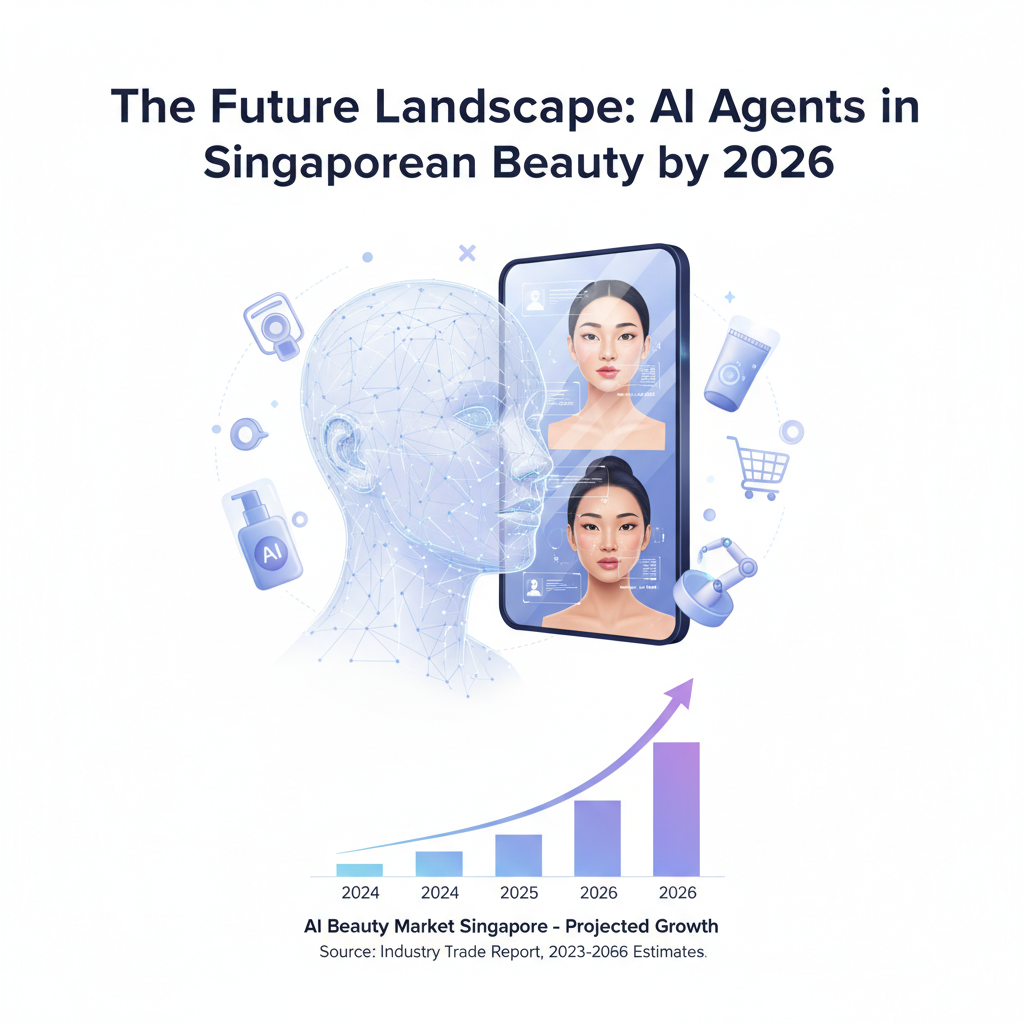
Singapore’s vibrant beauty sector is on the cusp of a revolutionary transformation, largely driven by the accelerating adoption of AI agents. By 2026, these intelligent systems will not merely be supplementary tools but integral components shaping every facet of the customer journey, from initial discovery to post-purchase engagement. The How AI agent effect to beauty field in singapore is already profound, and its future impact promises even more dynamic shifts, fostering unprecedented levels of personalization, efficiency, and innovation. This rapid evolution positions Singapore not just as a consumer of beauty tech but as a potential architect of its future.
1. Seamless Integration Across Omni-Channel Beauty Experiences
By 2026, AI agents will be the invisible threads weaving together a truly seamless omni-channel beauty experience in Singapore. Imagine a customer browsing a beauty brand’s website, receiving personalized beauty recommendations based on their skin analysis from a previous in-store visit, powered by an AI agent. This agent tracks preferences, purchase history, and even environmental factors, pushing tailored product suggestions, virtual try-ons, and booking appointments for services directly to their device. Whether interacting via social media chatbots, in-store smart mirrors, or e-commerce platforms, the AI will ensure consistent, contextual, and hyper-customized interactions. This integration will extend to inventory management, ensuring product availability, and logistics, optimizing delivery times. The goal is to eliminate friction points, creating a cohesive and intuitive customer journey optimization that anticipates needs before they are even articulated, leading to enhanced loyalty and satisfaction. These sophisticated systems will be pivotal in elevating the consumer experience, blurring the lines between physical and digital storefronts.
2. Emerging AI Technologies and Their Future Applications
The next few years will witness the mainstreaming of several cutting-edge AI technologies within Singapore’s beauty landscape. Advanced computer vision, for instance, will power sophisticated AI-powered diagnostics for skin and hair concerns, offering precise, data-driven solutions. Imagine AI analysing a selfie to detect early signs of aging, hyperpigmentation, or specific scalp conditions, then recommending a regimen from a vast database of products. Generative AI, too, will play a transformative role, enabling brands to rapidly prototype new product formulations based on consumer feedback and market trends, or even create unique virtual brand ambassadors. Furthermore, predictive analytics, fueled by vast datasets, will allow brands to forecast demand for specific products, personalize marketing campaigns with unprecedented accuracy, and even inform product development for sustainable beauty solutions. Wearable tech integrated with AI could monitor skin health continuously, providing real-time feedback and proactive beauty advice. These innovations will not only elevate the consumer experience but also empower brands with intelligence for more agile and responsive operations.
3. Singapore’s Potential as a Leading Beauty Tech Hub
Singapore’s strategic location, robust digital infrastructure, and strong government support for innovation position it uniquely to become a leading beauty tech hub by 2026. The city-state is already a melting pot of global talent and a preferred destination for businesses looking to scale in Southeast Asia. This environment fosters collaborations between tech startups, established beauty brands, and research institutions, driving the rapid development and deployment of AI agents. Initiatives like grants for R&D in AI and digital transformation, coupled with a highly digitally literate population, create fertile ground for experimentation and adoption. Furthermore, Singapore’s stringent regulatory frameworks and emphasis on data privacy instill consumer trust, a critical factor for the widespread acceptance of AI-driven beauty solutions. As brands and consumers increasingly embrace these intelligent tools, Singapore stands to not only adopt but also innovate and export cutting-edge AI beauty solutions, cementing its status as a lighthouse for the industry in the APAC region and beyond.
The horizon for Singapore’s beauty industry by 2026 is one defined by intelligent automation and profound personalization. AI agents are set to revolutionize how consumers discover, interact with, and purchase beauty products, making experiences more intuitive, effective, and delightful. For brands, this means unparalleled opportunities for innovation, efficiency, and deeper customer engagement. The journey toward an AI-powered beauty ecosystem is well underway, promising a future where beauty is not just skin deep, but intelligently enhanced and uniquely tailored for every individual.
Partner with Shelby Global
You are looking for reliable HR Sevice Suppliers? Contact Shelby Global Now! To connect with verified talents and upgrade your orginization.
—————————————
References
– The next frontier of AI innovation in retail: https://www.mckinsey.com/capabilities/quantumblack/our-insights/the-next-frontier-of-ai-innovation-in-retail
– Artificial Intelligence in Beauty and Cosmetics Market Size & Share Analysis: https://www.grandviewresearch.com/industry-analysis/artificial-intelligence-in-beauty-and-cosmetics-market
– The Power Of AI In Business Efficiency: A Guide For The Modern Leader: https://www.forbes.com/sites/forbesbusinesscouncil/2023/10/26/the-power-of-ai-in-business-efficiency-a-guide-for-the-modern-leader/?sh=464e830e2003
– Responsible AI | Accenture: https://www.accenture.com/sg-en/services/applied-intelligence/responsible-ai
– personalized beauty recommendations: https://www.mckinsey.com/industries/retail/our-insights/the-future-of-retail-is-here-and-ai-is-at-its-core