
Introduction to AI Agents in Singapore’s Retail
The retail sector is undergoing a profound transformation, driven by advancements in artificial intelligence. At the forefront are AI agents – sophisticated software entities designed to automate tasks, personalize customer experiences, and optimize operational efficiencies. Understanding how AI agent effect to retail companies in Singapore is becoming increasingly crucial for businesses looking to stay competitive in a rapidly evolving market. This section defines AI agents, explores their burgeoning adoption across the global retail sector, and specifically examines Singapore’s unique position as a hub for innovation and early integration of these transformative technologies.
1. Defining AI Agents: What They Are and Their Core Functions
AI agents are autonomous, goal-oriented computational systems capable of perceiving their environment, making decisions, and executing actions without constant human intervention. Leveraging machine learning algorithms, natural language processing (NLP), and deep learning, they learn from data, adapt to new situations, and achieve specific objectives. In retail, their core functions are multifaceted:
- Intelligent Automation: Automating inventory, supply chain logistics, and checkout processes, AI agents reduce manual labor and errors, leading to significant cost savings and increased operational speed.
- Personalized Customer Engagement: They power recommendation engines, personalized marketing, and intelligent chatbots offering tailored product suggestions and instant customer support, enhancing the shopping experience.
- Data Analysis and Predictive Insights: AI agents analyze vast amounts of sales data, customer behavior, and market trends to provide actionable insights, enabling accurate demand forecasting, optimized pricing, and identification of consumer preferences.
- Dynamic Decision-Making: They make real-time decisions, such as adjusting pricing based on competitor activity or allocating staff according to foot traffic, improving agility and responsiveness.
AI agents empower retailers to move beyond reactive strategies, enabling a proactive approach to customer service, inventory optimization, and market responsiveness.
2. Global Retail Adoption: Key Examples and Success Stories
The global retail sector has rapidly recognized AI agents’ potential, with widespread adoption across various segments. Major players like Amazon, Walmart, and Alibaba have heavily invested in AI-driven solutions to gain a competitive edge.
- E-commerce Personalization: Online retail giants use AI agents for sophisticated recommendation engines, analyzing browsing history and purchase patterns to present highly relevant products, boosting conversion rates. Amazon’s AI-driven recommendations significantly contribute to its sales.
- Chatbots and Virtual Assistants: Many retailers deploy AI-powered chatbots on websites and social media for routine customer inquiries and 24/7 support, improving satisfaction and freeing human agents for complex issues. H&M and Sephora use virtual assistants to guide shoppers.
- Automated Warehousing and Logistics: AI agents optimize warehouse operations, from robotic systems to intelligent route planning, enhancing efficiency and reducing lead times. JD.com in China is a pioneer in fully automated, AI-managed warehouses.
According to a report by McKinsey & Company on AI in Retail, the adoption of AI-powered use cases in retail has seen significant growth, with leading retailers experiencing substantial gains in productivity and customer satisfaction. These global successes illustrate how AI agent effect to retail companies in Singapore, demonstrating tangible benefits in efficiency, customer experience, and profitability.
3. Singapore’s Retail Ecosystem: Readiness and Early AI Integrations
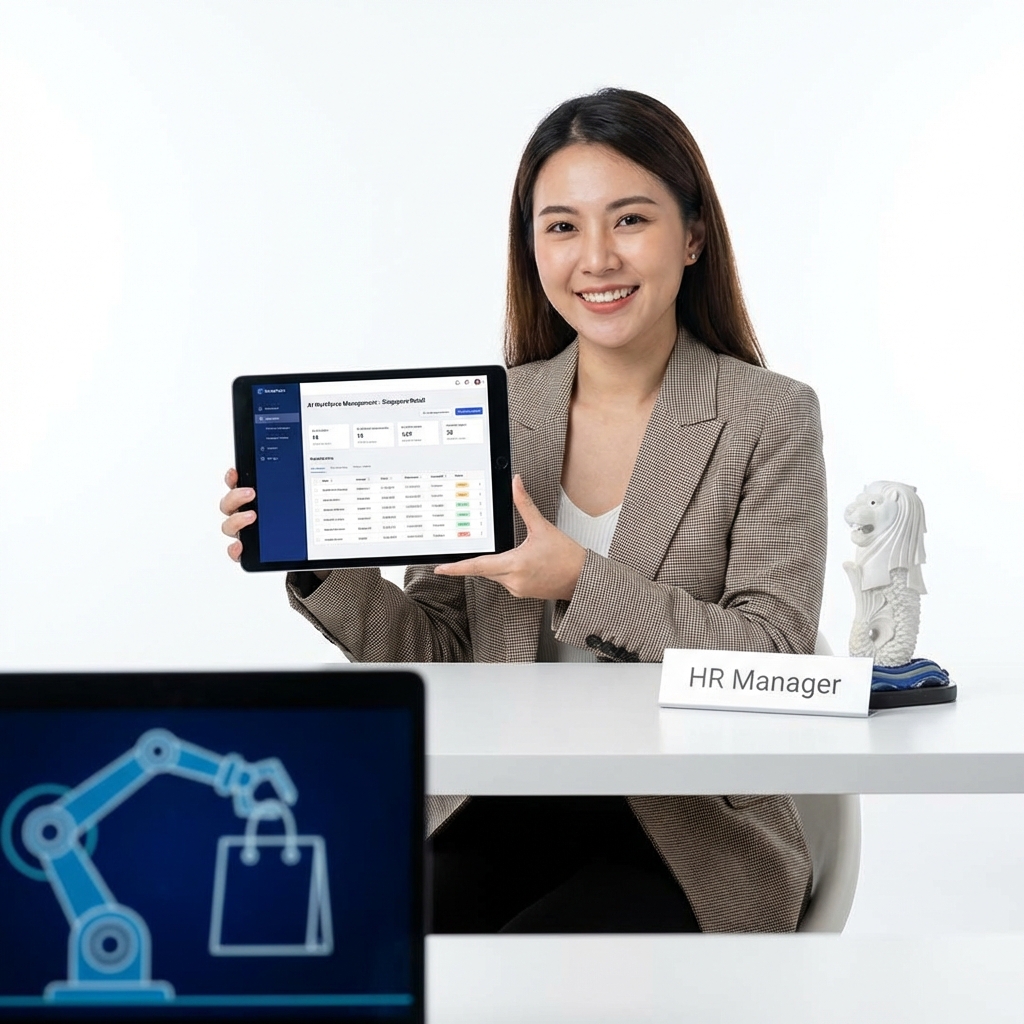
Singapore, known for its technological prowess and robust digital infrastructure, is fertile ground for AI agent adoption in retail. The city-state’s high internet penetration, tech-savvy population, and government initiatives like the Smart Nation program foster an ideal environment for innovation.
- Government Support and Digital Infrastructure: The Singaporean government actively promotes digital transformation, including AI adoption, data analytics, and workforce upskilling. Advanced digital payment systems and logistics networks facilitate seamless AI integration.
- Evolving Consumer Expectations: Singaporean consumers are highly digitally literate, expecting seamless, personalized, and efficient shopping experiences. This demand drives retailers to invest in AI agents to meet rising expectations.
- Early Integrations and Pilot Programs: While still developing, Singaporean retailers are increasingly experimenting with AI agents. Examples include local supermarkets using AI for demand forecasting, fashion boutiques employing virtual try-on solutions, and SMEs leveraging AI-powered chatbots for customer service. These early integrations are crucial in understanding the practical applications of AI across different scales.
- Addressing Challenges: Challenges include the need for specialized AI talent, data privacy concerns, and initial investment. However, as AI tools become more accessible and localized solutions emerge, these barriers are gradually being overcome.
The journey of AI agents in Singapore’s retail landscape is just beginning, but the foundational elements are firmly in place. As retailers continue to explore and implement these sophisticated tools, the impact on efficiency, customer satisfaction, and competitive advantage will only grow, shaping the future of commerce in the Lion City.
Transforming Customer Experience with AI Agents
The Singaporean retail landscape, characterized by discerning consumers and intense competition, demands continuous innovation in customer engagement. Artificial Intelligence (AI) agents are emerging as a pivotal force, redefining how retail companies connect with their clientele. From hyper-personalized shopping journeys that anticipate customer desires to providing instant, always-on support, AI agents are not just optimizing operations but fundamentally revolutionizing the customer experience. This shift is crucial for retailers aiming to thrive in a market where convenience, personalization, and efficiency are paramount, illustrating precisely how AI agent effect to retail companies in singapore. As consumers become increasingly digital-native, the integration of AI-driven customer service in Singapore becomes a strategic imperative, driving retail innovation in Singapore.
1. Hyper-Personalized Shopping and Product Recommendations
In Singapore’s bustling retail environment, standing out requires more than just competitive pricing; it demands a deep understanding of individual customer preferences. AI agents excel here by leveraging vast datasets—browsing history, purchase patterns, demographic information, and even real-time interactions—to create unparalleled personalized shopping experiences. These agents can analyze a customer’s digital footprint to suggest products that genuinely align with their taste and needs, often before the customer even realizes they need them. For instance, an AI agent might recommend a specific fashion item based on previous purchases and current trends in Singapore, or suggest complementary products to an item already in the cart. This level of predictive personalization goes far beyond traditional recommendation engines, fostering a sense of individual recognition that significantly enhances customer loyalty and drives higher conversion rates. By tailoring promotions, content, and even the layout of an e-commerce store to each user, AI agents ensure that every customer journey feels unique and highly relevant, providing a tangible answer to how AI agent effect to retail companies in singapore by fostering deeper customer relationships.
2. AI-Powered Chatbots and Virtual Assistants for Seamless Support
Customer support is a critical touchpoint where AI agents are making a profound impact, particularly in a fast-paced market like Singapore where consumers expect instant gratification. AI-powered chatbots and virtual assistants offer 24/7, instantaneous support, effectively eliminating wait times and providing immediate answers to common queries. Whether it’s tracking an order, checking product availability, or assisting with returns, these agents can handle a high volume of inquiries simultaneously, freeing human agents to focus on more complex issues. The sophistication of these AI agents has evolved to understand natural language, learn from interactions, and even convey a brand’s tone of voice, making interactions feel more human-like and less robotic. This continuous availability and efficiency significantly improve customer satisfaction, reducing frustration and building trust. For retail companies in Singapore, deploying such AI-driven customer service solutions means enhanced operational efficiency and a stronger competitive edge, ensuring that customer queries are resolved promptly, regardless of time zones or staff availability, directly influencing how AI agent effect to retail companies in singapore’s service standards.
3. Enhancing In-Store Experience with Smart Kiosks and Robotics
While e-commerce dominates much of the AI discussion, its application extends powerfully into the physical retail space, which remains vital in Singapore. Smart kiosks, powered by AI agents, offer self-service options like product lookup, price checks, and personalized recommendations based on in-store scanning or loyalty program integration. These kiosks can also facilitate quick checkouts, reducing queues and improving the overall shopping flow. Beyond static kiosks, robotics, guided by AI, are also beginning to revolutionize the in-store experience. Robots can assist with inventory management, ensuring shelves are always stocked and accurately accounted for. More advanced models might even guide customers to specific products, provide interactive product information, or offer assistance in fitting rooms. This integration of AI into the physical store environment bridges the gap between online convenience and the tangible benefits of brick-and-mortar shopping, offering a seamless, efficient, and interactive experience that sets leading retailers apart. Such retail innovation in Singapore is crucial for attracting and retaining customers who value both digital efficiency and personalized physical interactions, demonstrating a multifaceted answer to how AI agent effect to retail companies in singapore’s physical presence.
Optimizing Retail Operations and Supply Chain Efficiency
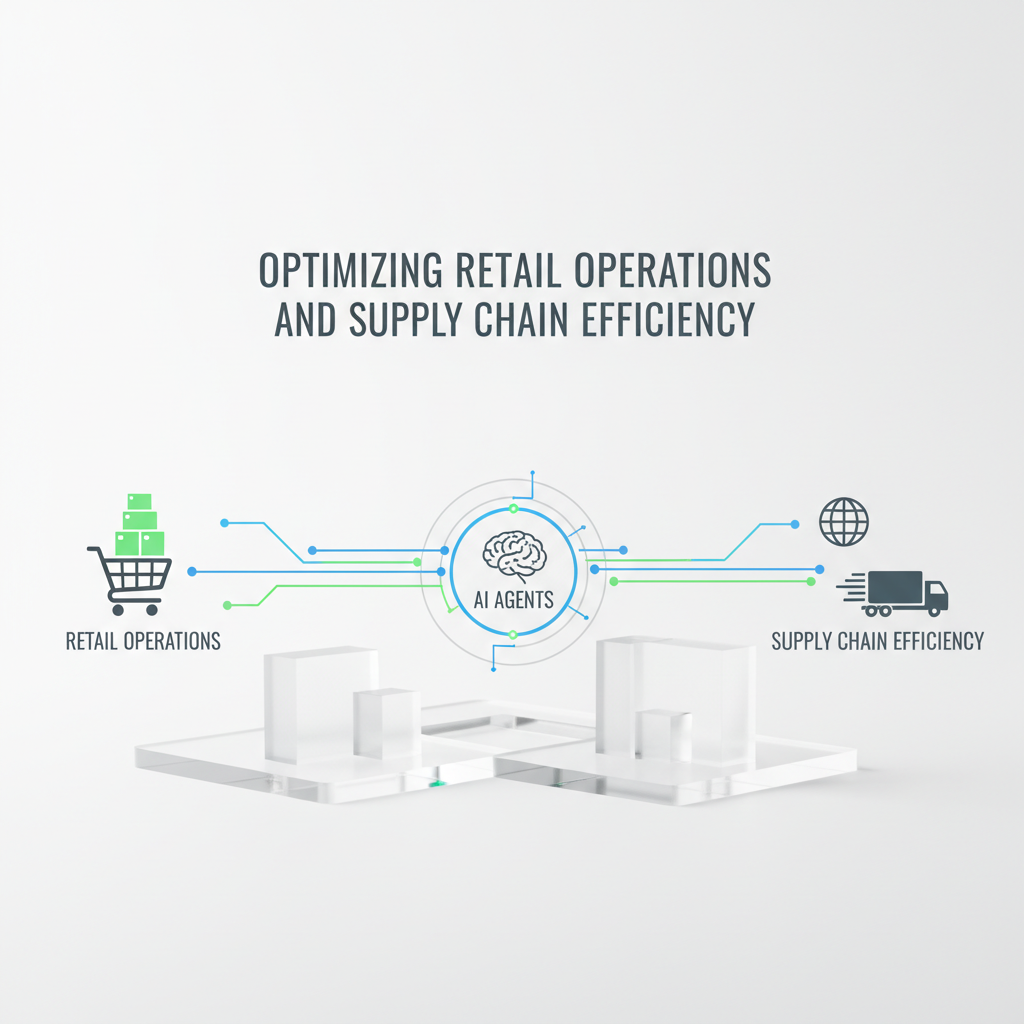
Retail businesses in Singapore are constantly seeking innovative solutions to enhance their agility and competitiveness. The integration of AI agents is proving to be a transformative force, revolutionizing internal operations and optimizing the entire supply chain. From meticulous inventory management to streamlined logistics, understanding how AI agent effect to retail companies in Singapore is crucial for businesses aiming to thrive in a dynamic market. AI-powered tools are not just improving efficiency; they are fundamentally reshaping the way retail functions, offering unparalleled insights and automation capabilities. This section explores the profound impact of AI on operational efficiency, inventory management, and logistics, highlighting key areas where these intelligent systems are driving significant improvements in the Singaporean retail landscape. We’ll delve into specific applications, such as AI in Singapore retail logistics and broader retail supply chain AI optimization, demonstrating how these technologies enable quicker decision-making and more resilient operations.
1. Predictive Analytics for Inventory Management and Demand Forecasting
One of the most significant impacts of AI agents on retail operations is in their ability to provide sophisticated predictive analytics for inventory management and demand forecasting. Traditional forecasting methods often rely on historical sales data, which can be inaccurate in rapidly changing market conditions. AI agents, however, leverage machine learning algorithms to process vast datasets, including past sales, seasonal trends, promotional activities, external factors like weather, social media sentiment, and even real-time economic indicators. This allows them to predict future demand with unprecedented accuracy. For Singaporean retailers, this means a drastic reduction in overstocking and understocking issues. Overstocking ties up capital and incurs storage costs, while understocking leads to lost sales and customer dissatisfaction. AI-powered demand forecasting optimizes stock levels across multiple locations, ensuring products are available when and where customers want them, thereby improving cash flow and reducing waste. This intelligent foresight is key to maintaining a lean and efficient inventory, a critical component of successful retail and a driving force behind AI-driven transformation in supply chain management.
2. Automated Warehousing and Optimized Last-Mile Delivery
The backbone of any retail operation is its logistics, and AI agents are at the forefront of automating and optimizing both warehousing and last-mile delivery processes. In warehouses, AI-powered robotics and automation systems are transforming tasks from picking and packing to sorting and quality control. These robots can operate 24/7, reducing human error, increasing throughput, and significantly lowering operational costs. For example, AI-driven warehouse management systems can optimize storage layouts and retrieval paths, leading to faster processing times. Furthermore, in the critical area of last-mile delivery, AI algorithms play a pivotal role in route optimization, considering factors such as traffic conditions, delivery windows, and even customer preferences. This leads to faster, more fuel-efficient deliveries, reducing carbon footprint and improving customer satisfaction. In the dense urban environment of Singapore, optimized last-mile delivery, powered by AI in Singapore retail logistics, is not just an advantage but a necessity for competitive retailers aiming to meet increasingly high customer expectations for speed and convenience.
3. Data-Driven Merchandising and Dynamic Pricing Strategies
Beyond inventory and logistics, AI agents are also transforming merchandising and pricing strategies, moving retailers towards a more data-driven approach. By analyzing customer behavior, purchase history, browsing patterns, and even external market trends, AI can provide deep insights into consumer preferences and product performance. This enables retailers to make more informed decisions about product assortment, store layout, and visual merchandising, ensuring that shelves are stocked with items most likely to sell. Crucially, AI facilitates dynamic pricing strategies. Instead of static prices, AI algorithms can continuously adjust prices in real-time based on demand fluctuations, competitor pricing, inventory levels, and customer segmentation. This maximizes revenue and profit margins, allowing retailers to quickly react to market shifts and optimize sales during peak periods or clear slow-moving inventory. This level of retail supply chain AI optimization extends beyond the physical movement of goods, directly influencing profitability and market responsiveness through intelligent commercial decisions.
The pervasive influence of AI agents is fundamentally reshaping retail operations and supply chain efficiency in Singapore. From precisely predicting demand and streamlining inventory to automating warehouse tasks and optimizing delivery routes, these intelligent systems are empowering retailers with unprecedented levels of agility and insight. The ability to leverage predictive analytics, automation, and data-driven strategies ensures that businesses can not only meet but exceed evolving customer expectations. As Singaporean retailers continue to embrace and integrate these advanced technologies, the competitive edge gained through enhanced operational efficiency and a more resilient supply chain will be undeniable. Understanding how AI agent effect to retail companies in Singapore is no longer a luxury but a strategic imperative for sustainable growth and innovation in the digital age.
Challenges and Ethical Considerations for Singapore Retailers
While the adoption of AI agents promises transformative benefits for the Singaporean retail sector, ranging from enhanced customer experiences to optimized operations, it also introduces a complex landscape of challenges and ethical considerations. Retailers looking to integrate these sophisticated technologies must proactively address potential hurdles to ensure responsible and sustainable growth. Understanding how AI agent effect to retail companies in singapore goes beyond efficiency gains; it encompasses navigating a new paradigm of data responsibility, workforce evolution, and significant investment.
1. Data Privacy, Cybersecurity, and Regulatory Compliance
The proliferation of AI agents, particularly those interacting directly with customers or managing sensitive inventory, inherently involves the collection and processing of vast amounts of data. This presents substantial risks related to data privacy and cybersecurity. Singapore, with its robust regulatory environment, including the Personal Data Protection Act (PDPA), demands stringent adherence to data handling protocols. Retailers must grapple with ensuring personal customer data—from purchasing habits to biometric information collected via in-store cameras or smart shelves—is adequately protected against breaches, unauthorized access, and misuse. Ethical considerations extend to transparency in data collection, obtaining informed consent, and ensuring data is used solely for its intended purpose.
To mitigate these risks, Singaporean retailers must adopt a privacy-by-design approach, embedding data protection into the very architecture of their AI systems. This includes implementing advanced encryption, anonymization techniques, regular cybersecurity audits, and robust access controls. Furthermore, staying abreast of evolving regulations, such as Singapore’s Model AI Governance Framework, is crucial for maintaining compliance and fostering public trust. Proactive measures, comprehensive staff training on data handling best practices, and a clear incident response plan are essential safeguards in this increasingly data-driven retail landscape.
2. Workforce Reskilling, Job Evolution, and Talent Gaps
The integration of AI agents is poised to significantly reshape the retail workforce. While AI can automate repetitive and labor-intensive tasks—such as inventory management, basic customer inquiries, and checkout processes—it raises concerns about job displacement. For Singapore, a nation focused on a skilled workforce, the ethical imperative lies in ensuring a just transition for affected employees. The fear that AI agents will negatively affect retail companies in singapore by causing widespread job losses needs to be addressed through strategic workforce planning.
Instead of viewing AI as purely a replacement, retailers should recognize its potential to augment human capabilities and elevate job roles. This requires substantial investment in workforce reskilling and upskilling initiatives. Employees currently performing routine tasks can be trained for new roles that leverage uniquely human skills, such as complex problem-solving, creative merchandising, empathetic customer service, and the management or oversight of AI systems. Collaborating with government agencies, vocational training institutions, and AI solution providers to develop targeted training programs can help bridge emerging talent gaps. Retailers must foster a culture of continuous learning, emphasizing that AI is a tool designed to empower employees, freeing them to focus on higher-value activities that enhance customer engagement and business strategy.
3. High Implementation Costs and Integration Complexities
The initial investment required for the widespread adoption of AI agents can be a significant barrier for many Singaporean retailers, particularly Small and Medium-sized Enterprises (SMEs). Costs encompass not only the AI software and hardware but also infrastructure upgrades, data migration, specialized talent for deployment and maintenance, and ongoing operational expenses. Beyond the financial outlay, integrating AI agents into existing legacy systems presents considerable technical complexities. Retailers often face challenges with interoperability, data silos, and the need for customized solutions that fit their unique operational workflows.
To overcome these hurdles, retailers should consider a phased implementation strategy, starting with pilot projects in specific areas to demonstrate ROI before scaling. Exploring modular AI solutions that can integrate incrementally with existing infrastructure can reduce upfront costs and complexity. Engaging with experienced AI consultants or solution providers can help navigate technical challenges, ensure seamless integration, and optimize the deployment process. Furthermore, evaluating total cost of ownership over time, factoring in long-term efficiency gains, reduced operational errors, and enhanced customer satisfaction, can help justify the initial investment. Strategic partnerships and leveraging government grants or incentives for technology adoption can also alleviate the financial burden, making AI agent implementation more accessible and sustainable for the diverse Singapore retail landscape.
The Future Outlook: AI Agents and Retail in Singapore by 2026
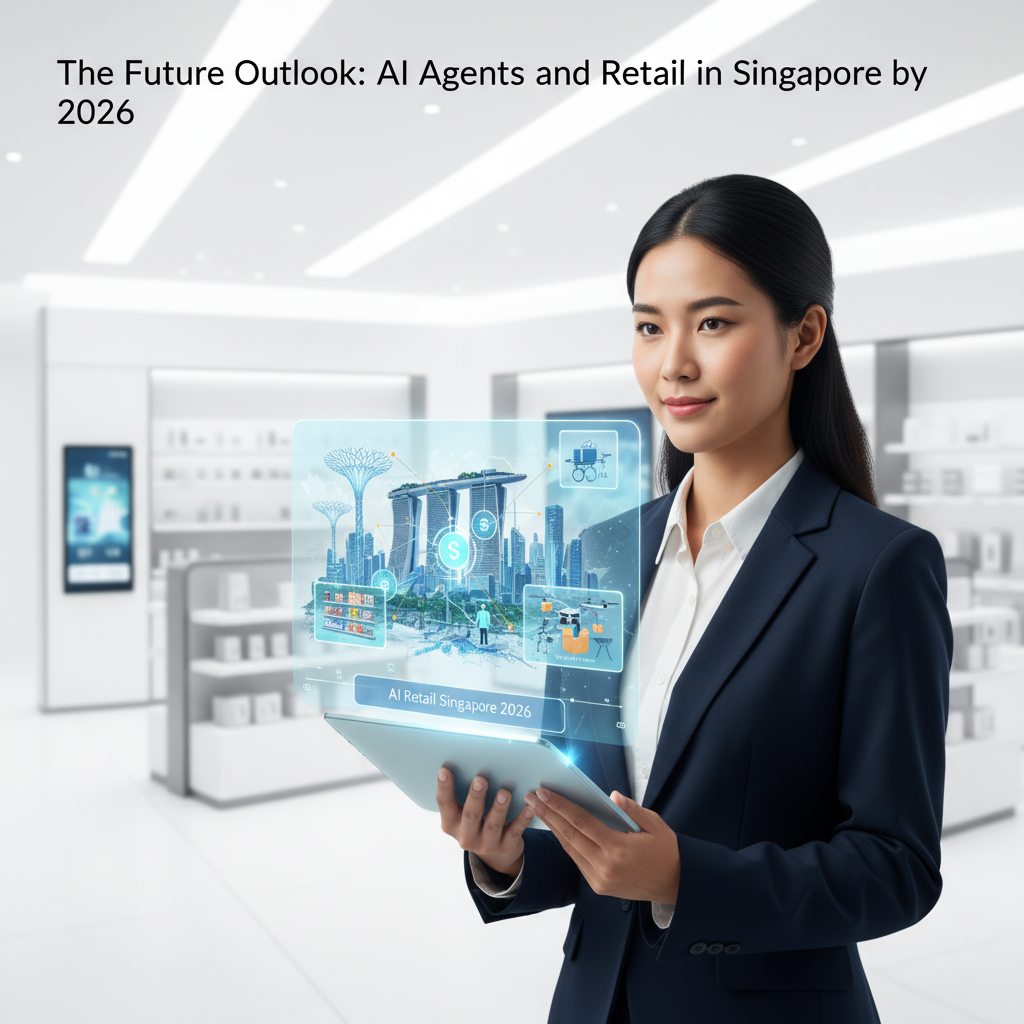
Singapore’s retail landscape is on the cusp of a revolutionary transformation, driven by the rapid proliferation and sophistication of AI agents. By 2026, these intelligent systems will no longer be a futuristic concept but an indispensable component of successful retail operations across the island. The strategic adoption of AI agents will redefine customer experiences, streamline supply chains, and unlock unprecedented levels of efficiency and personalization. Understanding how AI agent effect to retail companies in Singapore is paramount for businesses seeking to thrive in this evolving digital ecosystem. This section projects the strategic importance of AI agent adoption and outlines key predictions for the sector’s evolution.
1. Strategic Importance of AI Adoption for Competitive Advantage
In an increasingly competitive global market, AI adoption is no longer a luxury but a strategic imperative for Singaporean retailers aiming for sustainable growth. AI agents will empower businesses to move beyond traditional retail models, offering hyper-personalized customer journeys that resonate deeply with individual preferences. From advanced recommendation engines that predict purchasing behavior to AI-powered virtual assistants providing instant, round-the-clock support, these agents will significantly elevate the customer experience. Operationally, AI will optimize inventory management, reducing waste and ensuring stock availability through predictive analytics. Supply chain AI agents will orchestrate logistics with greater precision, anticipating disruptions and dynamically re-routing shipments. For retail companies in Singapore, leveraging AI for data analysis will provide actionable insights into market trends, consumer sentiment, and operational bottlenecks, enabling swift, data-driven decisions that confer a distinct competitive edge. Retailers who embrace AI now will be better positioned to attract and retain customers, improve profitability, and adapt to future market shifts.
2. Government Initiatives and Support for AI in Retail
Singapore’s proactive approach to technological innovation creates a fertile ground for AI agent adoption in retail. The government, through agencies like the Infocomm Media Development Authority (IMDA) and Enterprise Singapore, has consistently championed digital transformation and AI integration across various sectors. Initiatives such as Singapore’s National AI Strategy 2.0 provide a clear roadmap for harnessing AI to drive economic growth and societal benefits. These programs often include grants, subsidies, and expert consultation services designed to help small and medium-sized enterprises (SMEs) and larger corporations alike invest in AI technologies. Training and reskilling initiatives for the workforce are also a priority, ensuring that Singapore has a pool of talent capable of deploying, managing, and innovating with AI agents. This robust governmental support reduces barriers to entry for AI adoption, making it more accessible and financially viable for retailers to integrate cutting-edge AI solutions into their business models, thereby accelerating the sector’s digital maturity.
3. Key Predictions for AI Agent Integration and Market Impact by 2026
By 2026, several transformative shifts driven by AI agents are expected to reshape Singapore’s retail landscape:
- Hyper-Personalized Shopping Experiences: AI agents will move beyond simple recommendations to curate entire shopping journeys. Imagine virtual stylists suggesting outfits based on real-time weather, social calendar, and past purchase data, or AI-driven virtual stores adapting layout and product displays to individual browsing patterns. This will lead to increased customer loyalty and average transaction values.
- Autonomous Operations and Smart Stores: Back-end operations will see significant automation. AI agents will manage inventory in real-time, predict demand fluctuations with near-perfect accuracy, and even oversee last-mile delivery logistics. In brick-and-mortar stores, AI-powered cameras will analyze foot traffic, optimize product placement, and enhance security, while robotic assistants might handle stock replenishment and customer queries.
- Predictive Customer Service: AI chatbots and virtual assistants will become indistinguishable from human interaction for routine tasks, providing instant, personalized support across all channels. More advanced AI agents will proactively address potential customer issues even before they arise, for instance, by flagging a delayed delivery and offering a compensatory voucher.
- Data-Driven Marketing and Merchandising: AI agents will process vast amounts of customer data to identify nuanced trends and segments, enabling highly targeted marketing campaigns with unprecedented ROI. Merchandising decisions, from product assortment to pricing strategies, will be largely informed by AI-driven insights, ensuring optimal stock performance and profitability.
- Evolution of Retail Workforce: While some roles may be automated, AI will primarily augment human capabilities, fostering a need for a re-skilled workforce focused on AI oversight, data interpretation, and strategic customer engagement. Human-AI collaboration will be the norm, leading to more productive and fulfilling retail careers.
The impact will be profound: retailers who successfully integrate AI agents will significantly outpace competitors, creating a new benchmark for customer engagement and operational excellence in Singapore’s dynamic retail sector.
Partner with Shelby Global
You are looking for reliable HR Sevice Suppliers? Contact Shelby Global Now! To connect with verified talents and upgrade your orginization.
—————————————
References
– McKinsey & Company on AI in Retail: https://www.mckinsey.com/industries/retail/our-insights/ai-in-retail-it-has-been-a-big-year-for-a-small-number-of-ai-use-cases
– What is AI in Customer Service? The Ultimate Guide: https://www.salesforce.com/news/stories/what-is-ai-in-customer-service/
– AI-Driven Transformation in Supply Chain Management | Deloitte US: https://www2.deloitte.com/us/en/pages/manufacturing/articles/ai-driven-transformation-supply-chain.html
– :
– Singapore Unveils National AI Strategy 2.0 and AI Sustainability Framework: https://www.imda.gov.sg/news-and-events/press-releases/2023/singapore-unveils-national-ai-strategy-2.0-and-ai-sustainability-framework



































































































