
Introduction to AI Agents in Transportation
Vietnam’s rapid economic expansion and burgeoning urban centers demand a transportation network that is not only efficient but also sustainable. The emergence of Artificial Intelligence (AI) agents offers a transformative pathway to achieving this vision. This section defines AI agents, outlines their diverse capabilities, and underscores their critical relevance to Vietnam’s unique transportation challenges. By exploring the nation’s current transport landscape, we will illuminate precisely how AI agents affect the transportation field in Vietnam, setting the stage for a new era of mobility.
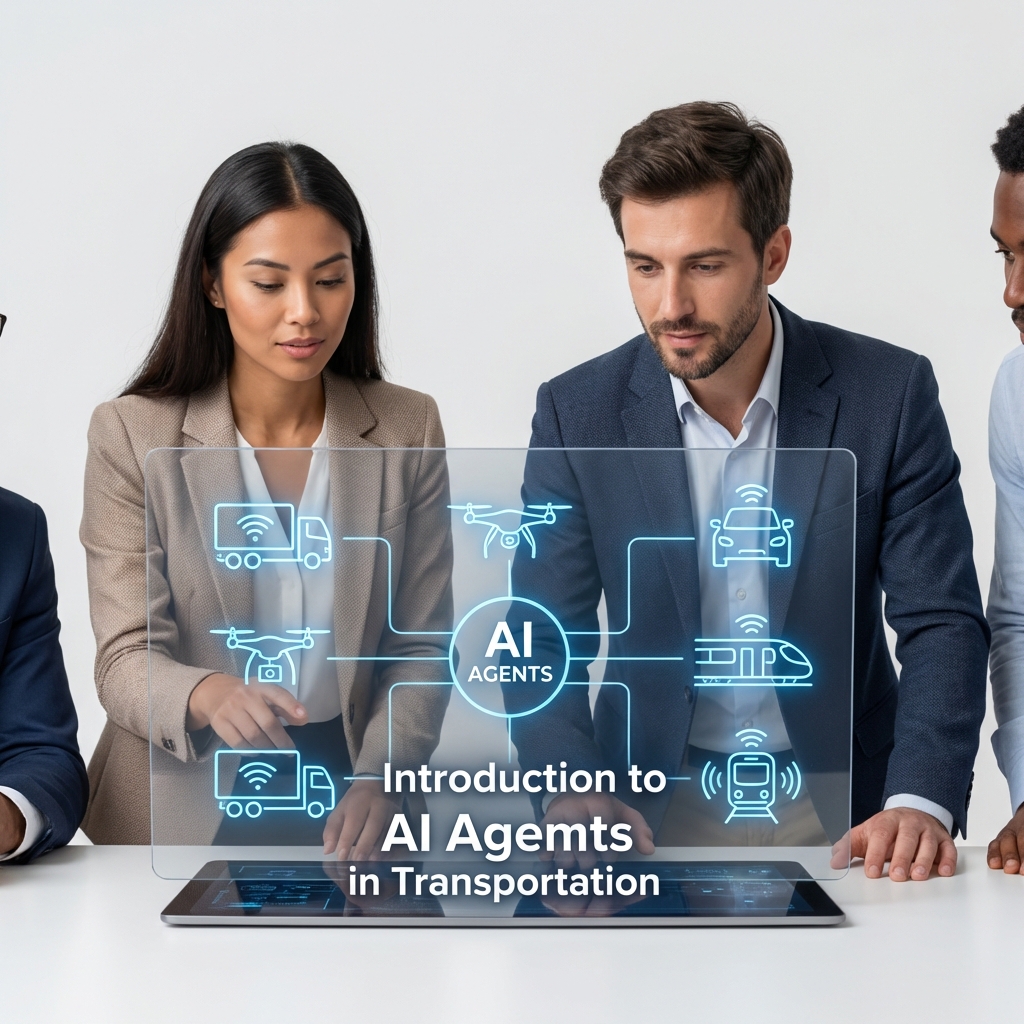
1. Defining AI Agents and Their Capabilities
AI agents are autonomous entities designed to perceive environments via sensors, process data, make decisions, and execute actions to achieve specific goals. Unlike basic algorithms, these agents learn and adapt over time. In transportation, their capabilities are vast. They encompass sophisticated perception systems interpreting real-time data from cameras, lidar, and radar to understand traffic, pedestrian movements, and hazards. Decision-making prowess enables dynamic route optimization, intelligent traffic signal management, and autonomous vehicle control. Predictive analytics forecast congestion, anticipate infrastructure maintenance, and model public transit demand. From intelligent traffic lights adjusting timings to AI-powered logistics optimizing delivery routes, these agents significantly enhance efficiency, reduce human error, and foster responsive systems. This understanding is crucial for appreciating how AI agents affect the transportation field in Vietnam, offering advanced solutions.
2. Current State of Transportation in Vietnam
Vietnam’s transportation sector is shaped by rapid urbanization, economic growth, and an urgent need for modernization. Major cities like Hanoi and Ho Chi Minh City battle severe traffic congestion, driven by high volumes of motorcycles and cars, straining existing road networks. Public transportation, while progressing, struggles with coverage, efficiency, and integration to meet burgeoning demand. Logistics and freight, vital for Vietnam’s export economy, face inefficiencies in route planning, warehousing, and last-mile delivery, increasing costs and environmental impact. Road safety remains a significant concern. The national push for sustainable development further emphasizes the need for greener solutions. This complex scenario presents a compelling case for innovative interventions, positioning Vietnam as an ideal candidate for strategic AI deployment to resolve these multifaceted issues.
3. Why AI is Crucial for Vietnam’s Future Transport
Given Vietnam’s transportation challenges, AI agents are not just an option, but a critical imperative for future mobility. Their capacity to process vast datasets in real-time enables unparalleled optimization, substantially reducing traffic congestion through intelligent signal control, dynamic route guidance, and smart parking. This directly translates into less wasted time, lower fuel consumption, and reduced emissions, aligning with Vietnam’s sustainability goals. Enhanced safety is paramount; AI powers advanced driver-assistance systems (ADAS), detects hazards, and predicts accident hotspots, mitigating human error. In logistics, AI agents revolutionize supply chain efficiency, from optimizing freight movements to streamlining crucial port operations. Moreover, AI fosters integrated multimodal transport systems, boosting public transport appeal and accessibility via predictive scheduling. By embracing AI, Vietnam can overcome development hurdles, forging a smarter, safer, more efficient, and environmentally friendly transport ecosystem supporting economic growth and quality of life. As McKinsey & Company highlights, AI profoundly transforms global mobility, a vision highly relevant to Vietnam. Recognizing how AI agents affect the transportation field in Vietnam is pivotal to unlocking this potential.
Optimizing Logistics and Supply Chains
In a rapidly expanding economy like Vietnam’s, the efficiency of cargo movement, warehousing, and overall supply chain management is paramount. The increasing demand for goods, coupled with growing international trade, places significant pressure on existing infrastructure and operational models. This is where Artificial Intelligence (AI) agents emerge as a transformative force. By leveraging advanced algorithms and machine learning capabilities, AI agents are poised to revolutionize the transportation and logistics landscape, offering unprecedented levels of precision, speed, and cost-effectiveness. Understanding how AI agent effect to transportation field in Vietnam is crucial for businesses aiming to maintain a competitive edge and navigate the complexities of modern commerce. From predicting market demand to automating warehouse operations, AI agents offer solutions that can significantly enhance efficiency across the entire supply chain within Vietnam, leading to more resilient and responsive logistics networks.
1. Predictive Analytics for Route Optimization
One of the most immediate and impactful applications of AI agents in Vietnam’s logistics sector is in predictive analytics for route optimization. Traditional route planning often relies on static data and human experience, which can be inefficient in the face of dynamic conditions. AI-powered systems, however, can analyze vast amounts of real-time data, including traffic patterns, weather forecasts, road construction alerts, delivery schedules, and even historical performance metrics. By continuously processing this information, AI agents can predict optimal routes, avoiding congestion and unforeseen delays. This capability leads to significant reductions in transit times and fuel consumption, thereby lowering operational costs and contributing to a smaller carbon footprint. For a country with diverse geographical challenges, from bustling urban centers like Ho Chi Minh City and Hanoi to more remote provincial areas, AI-driven route optimization ensures that goods move more efficiently, enhancing delivery reliability and customer satisfaction across Vietnam.
2. Autonomous Vehicles in Last-Mile Delivery
The concept of autonomous vehicles, including self-driving trucks and delivery drones, holds immense potential for transforming last-mile delivery in Vietnam. Last-mile logistics is often the most challenging and expensive part of the supply chain due to its fragmented nature and the need to navigate complex urban environments. AI agents can orchestrate fleets of autonomous vehicles, optimizing their deployment and ensuring timely deliveries. While the widespread adoption of self-driving trucks on major highways might still face regulatory and infrastructure hurdles in Vietnam, the use of smaller autonomous ground vehicles and drones for specific last-mile segments, especially in less dense areas or controlled environments, is a more immediate possibility. These agents can operate 24/7, reduce labor costs, and access areas that are difficult or costly for traditional delivery methods, such as remote villages or newly developed industrial zones. The deployment of such technology promises to increase delivery speed, reduce human error, and enhance the overall capacity of the delivery network, particularly beneficial for the rapidly expanding e-commerce market in Vietnam.
3. Warehouse Automation and Inventory Management
Warehousing and inventory management are critical components of an efficient supply chain, and AI agents are revolutionizing these areas through advanced automation. AI-powered robots, such as automated guided vehicles (AGVs) and autonomous mobile robots (AMRs), can handle tasks like picking, packing, and sorting with greater speed and accuracy than human workers. Beyond physical automation, AI agents excel in sophisticated inventory management. They can analyze historical sales data, current market trends, and even external factors like seasonal changes or economic indicators to provide highly accurate demand forecasts. This predictive capability allows businesses in Vietnam to optimize stock levels, reducing the likelihood of overstocking (which ties up capital) and understocking (which leads to lost sales and customer dissatisfaction). AI systems can also manage warehouse layouts, dynamically adjusting storage locations for optimal retrieval efficiency. The integration of AI in the supply chain, particularly within warehouses, translates to faster order fulfillment, fewer errors, and a more streamlined operation, which is vital for Vietnam’s growing manufacturing and export sectors.
In conclusion, AI agents are not merely an incremental improvement but a fundamental shift in how logistics and supply chains operate in Vietnam. By providing intelligent solutions for route optimization, last-mile delivery, and comprehensive warehouse and inventory management, AI technology offers a clear path towards greater efficiency, sustainability, and economic competitiveness. Businesses that embrace these innovations will be better positioned to meet the evolving demands of the global market and contribute to Vietnam’s continued economic growth and development.
Enhancing Urban Mobility and Smart Cities
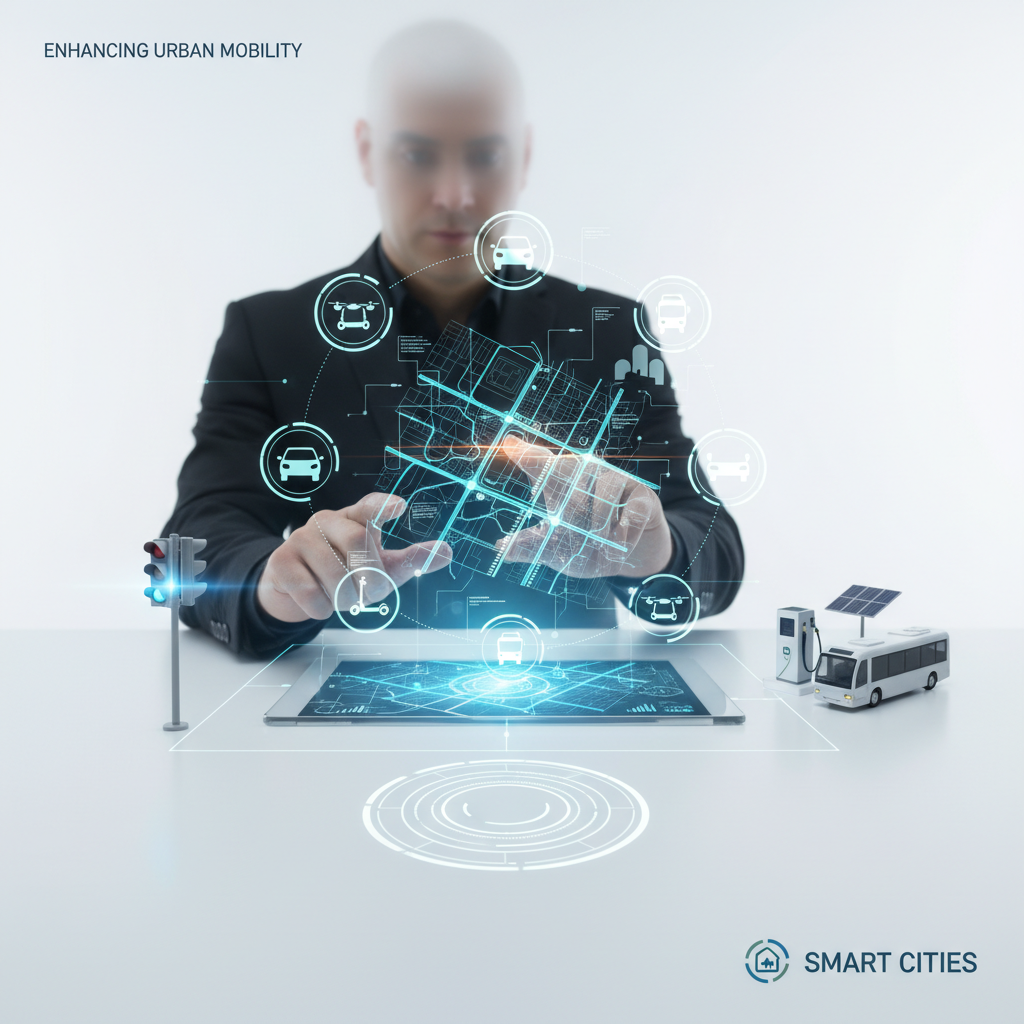
The rapid urbanization across Vietnam presents both opportunities and significant challenges, particularly in managing the flow of people and goods. Artificial Intelligence (AI) is emerging as a transformative force, revolutionizing urban mobility by offering sophisticated solutions for traffic management, public transport, and the creation of truly intelligent urban transportation systems. By leveraging vast datasets and advanced algorithms, AI agents are set to profoundly impact how Vietnamese cities move, making them more efficient, sustainable, and responsive to the needs of their inhabitants. Understanding How AI agent effect to transportation field in Vietnam is crucial for stakeholders aiming to build the smart cities of tomorrow.
-
Smart Traffic Management Systems
Congestion is a persistent issue in major Vietnamese cities like Hanoi and Ho Chi Minh City, leading to lost productivity and increased pollution. AI-powered smart traffic management systems are poised to fundamentally change this. These systems utilize a network of sensors, cameras, and real-time data from vehicles and mobile devices to monitor traffic flow, identify bottlenecks, and predict congestion before it occurs. AI algorithms can dynamically adjust traffic light timings, optimize lane usage, and even suggest alternative routes to drivers, thereby significantly reducing travel times and fuel consumption. For instance, predictive models can analyze historical data combined with live events (like construction or accidents) to anticipate traffic surges and proactively manage signals, ensuring smoother transitions and preventing gridlock. Such advancements are critical for urban planners and city authorities in Vietnam seeking to mitigate the daily struggle of commuters and enhance overall urban livability. The development of smarter and more sustainable cities globally heavily relies on these intelligent traffic solutions, and Vietnam is actively exploring their implementation.
-
AI-Powered Public Transport Scheduling
Optimizing public transport networks is another key area where AI agents are making a significant difference in Vietnam. Traditional public transport scheduling often relies on fixed routes and timetables, which may not always align with real-time demand or changing urban dynamics. AI-powered systems can analyze passenger density, historical ridership patterns, real-time traffic conditions, and even special event schedules to dynamically adjust bus and metro frequencies and routes. This ensures that resources are allocated more efficiently, reducing wait times for passengers and minimizing operational costs for transport providers. For example, during off-peak hours, AI might suggest reducing the number of buses on less busy routes, while increasing frequency during peak demand or in response to unexpected events. This dynamic adaptation not only improves the passenger experience by offering more reliable and timely services but also contributes to environmental sustainability by optimizing vehicle usage. The overall goal is to create a public transport system that is highly responsive, accessible, and attractive to a broader segment of the population, thereby reducing reliance on private vehicles and alleviating urban congestion.
-
On-Demand Ride-Sharing Optimization
The burgeoning ride-sharing market in Vietnam, dominated by platforms like Grab and Be, is already leveraging AI to a great extent. However, AI’s potential for further optimization in this sector is immense. AI agents can enhance ride-sharing efficiency by intelligently matching riders with drivers, predicting demand in specific areas, and optimizing routing to minimize travel time and operational costs. For instance, AI algorithms can group multiple passengers heading in similar directions into shared rides, or dynamically re-route drivers based on real-time traffic updates and passenger pickup/drop-off points. This not only reduces the number of vehicles on the road but also makes ride-sharing a more affordable and appealing option. Furthermore, AI can predict peak demand periods and locations, allowing companies to strategically position drivers, thereby reducing wait times and improving service quality. For Vietnam, where motorcycle taxis are prevalent, AI can also optimize the dispatch and routing of two-wheeled vehicles, ensuring quicker and safer journeys. This continuous refinement driven by AI ensures that on-demand mobility services are seamless, efficient, and contribute positively to urban mobility strategies.
Safety, Security, and Maintenance
The burgeoning integration of Artificial Intelligence (AI) agents is fundamentally reshaping the landscape of transportation, particularly in critical areas of safety, security, and maintenance. In Vietnam, a nation experiencing rapid urbanization and infrastructure development, the transformative how AI agents effect to the transportation field is becoming increasingly evident. From preventing accidents in real-time to fortifying digital defenses and optimizing asset longevity, AI agents are proving indispensable in creating a more resilient, efficient, and safer transport ecosystem. Their ability to process vast datasets, identify complex patterns, and make informed decisions at unprecedented speeds offers a compelling pathway to overcoming traditional challenges and fostering intelligent mobility.
1. Real-Time Accident Prevention and Detection
One of the most immediate and impactful contributions of AI agents to transportation safety is their role in real-time accident prevention and detection. Through sophisticated algorithms and neural networks, AI systems analyze continuous data streams from an array of sensors – including cameras, lidar, radar, and ultrasonic detectors – embedded in both vehicles and roadside infrastructure. This enables them to perceive environmental conditions, identify potential hazards, and predict collision risks with remarkable accuracy. In urban centers across Vietnam, AI-powered traffic management systems monitor intersections, detect reckless driving, or identify stopped vehicles, issuing instantaneous alerts to drivers, traffic controllers, or directly intervening in autonomous vehicles. Such proactive capabilities significantly reduce accidents, mitigate severity, and enhance road safety. Furthermore, in the event of an incident, AI agents rapidly detect the occurrence, precisely locate the scene, and automatically dispatch emergency services, dramatically cutting response times. This immediate response capacity is crucial for minimizing casualties and congestion, demonstrating a significant impact of AI on smarter, safer urban transport environments, particularly relevant as Vietnamese cities modernize their traffic infrastructure.
2. Cybersecurity for Autonomous Systems
As the transportation sector increasingly embraces connectivity and autonomy, the vulnerability to cyber threats escalates dramatically. AI agents are becoming the frontline defense in safeguarding these complex systems. Autonomous vehicles, smart traffic networks, and logistics platforms rely heavily on secure data exchange and robust control. Malicious cyber-attacks could disrupt traffic flow or gain control of vehicles, posing severe safety and security risks. AI agents, leveraging machine learning and anomaly detection, continuously monitor network traffic, identify unusual patterns, and flag potential intrusions or unauthorized access attempts. They analyze vast amounts of data in real-time to detect sophisticated threats that might bypass traditional security measures. For instance, an AI agent can learn the “normal” operational behavior of a vehicle’s communication system and immediately alert or quarantine any deviation indicative of a hack. This proactive threat detection and rapid response are vital for ensuring the integrity and reliability of Vietnam’s evolving smart transport infrastructure, protecting sensitive operational data, and maintaining public trust in autonomous technologies. Robust AI in cybersecurity is paramount for secure deployment of future transportation solutions in the country.
3. Predictive Maintenance for Vehicles and Infrastructure
Beyond immediate safety and security, AI agents are revolutionizing the long-term operational efficiency and resilience of transportation assets through predictive maintenance. Traditional maintenance schedules are often reactive or time-based, leading to either premature servicing or unexpected failures. AI, however, analyzes streams of data from myriad sensors embedded in vehicles (engine diagnostics, tire pressure, brake wear, fluid levels) and infrastructure (bridge stress sensors, road surface conditions, rail track integrity). By applying advanced machine learning models, AI agents identify subtle correlations and predict potential component failures or degradation before they occur. For example, an AI system can forecast the remaining useful life of a critical engine part based on its operational history and environmental factors, triggering a maintenance alert precisely when needed. Similarly, for Vietnam’s extensive road network and burgeoning rail lines, AI monitors the structural health of bridges and tunnels, detecting early signs of damage and scheduling repairs proactively. This shift from reactive to predictive maintenance significantly reduces costly downtime, extends asset lifespan, minimizes operational disruptions, and enhances safety by addressing issues before they become critical. This foresight ensures that Vietnam’s transport infrastructure remains robust, reliable, and continuously operational, representing a core aspect of how AI agents effect to the transportation field in Vietnam.
In summary, AI agents are at the forefront of a paradigm shift in how safety, security, and maintenance are managed within the transportation sector. For Vietnam, these advancements offer an unprecedented opportunity to build a modern, highly efficient, and resilient transport network. From actively preventing road accidents and fortifying against sophisticated cyber threats to ensuring the longevity and optimal performance of critical infrastructure and vehicles through predictive maintenance, the influence of AI is profound. Embracing these intelligent technologies is not merely an upgrade but a fundamental transformation towards a future where travel is safer, more secure, and sustainably managed for all.
Challenges, Opportunities, and Future Outlook
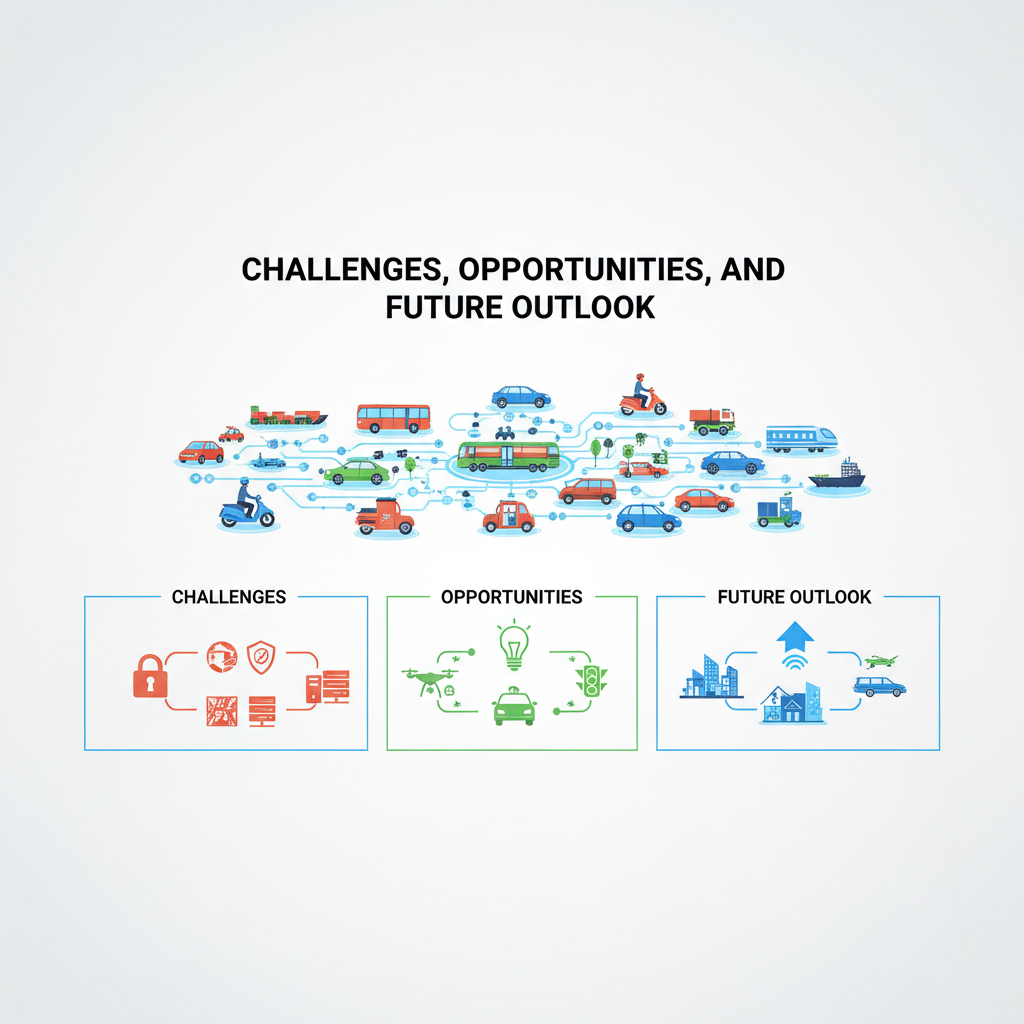
Addressing the hurdles and potential for AI agent adoption in Vietnam’s transportation, looking ahead to 2026 and beyond, reveals a landscape brimming with both formidable obstacles and immense promise. The question of how AI agents affect the transportation field in Vietnam is not merely theoretical; it’s a practical consideration that will shape the nation’s economic future and urban development.
As Vietnam continues its rapid economic growth, the efficiency and sophistication of its transportation network become critical. AI agents, from intelligent traffic management systems to autonomous vehicles and smart logistics platforms, offer transformative potential. However, realizing this potential requires navigating significant challenges related to infrastructure, regulatory frameworks, and socio-economic impacts.
1. Infrastructure and Investment Requirements
The successful integration of AI agents into Vietnam’s transportation sector hinges critically on the development of robust digital and physical infrastructure. While Vietnam has made strides in expanding its road networks, ports, and airports, the existing infrastructure often lacks the digital backbone required for advanced AI applications. This includes pervasive high-speed internet connectivity, particularly 5G, for real-time data transmission; a dense network of IoT sensors for traffic monitoring, environmental sensing, and asset tracking; and powerful data centers for processing the vast amounts of information generated by AI systems.
Investment requirements are substantial. Upgrading legacy systems and deploying new smart infrastructure components will necessitate significant capital injection, both from public funds and private enterprises. International partnerships and foreign direct investment will play a crucial role in bridging this funding gap and transferring essential technological expertise. Opportunities lie in developing smart city initiatives, where AI-powered transportation solutions can integrate with other urban services to create more livable and efficient environments. The challenge, however, is not just financial; it’s also about strategic planning, ensuring interoperability between diverse systems, and managing complex implementation projects across Vietnam’s varied geographical landscape.
2. Regulatory and Ethical Considerations
The advent of AI agents introduces a complex array of regulatory and ethical questions that Vietnam’s legal framework must address. Current transportation laws were not designed with autonomous vehicles, algorithmic decision-making, or AI-driven logistics in mind. There is an urgent need to develop comprehensive regulations concerning data privacy and security, especially given the sensitive nature of real-time location data and personal travel patterns. Clear liability frameworks must be established for accidents involving AI-controlled vehicles, a challenge that even more developed nations are grappling with.
Furthermore, ethical considerations surrounding algorithmic bias, ensuring fairness in resource allocation (e.g., smart traffic signal optimization), and maintaining human oversight in automated systems are paramount. Vietnam can look to international best practices, such as guidelines from the European Union or recommendations from the World Bank’s Digital Transformation and Readiness Assessments, to inform its policy development. Crafting a regulatory environment that fosters innovation while safeguarding public safety, privacy, and ethical standards will be critical for gaining public trust and accelerating AI agent adoption.
3. Economic Growth and Job Market Impact
The impact of AI agent adoption on Vietnam’s economy and job market presents a dual narrative of immense opportunity and potential disruption. On the one hand, AI-driven transportation promises significant economic growth through enhanced efficiency, reduced operational costs, and the creation of entirely new business models. Smart logistics platforms can optimize supply chains, leading to faster delivery times and lower fuel consumption. Autonomous public transport could reduce labor costs and improve service frequency and reliability.
This transformation is expected to foster new high-skilled jobs in areas such as AI development, data science, cybersecurity, and the maintenance of sophisticated AI systems. Vietnam’s vibrant tech sector has an opportunity to pivot and expand into these specialized fields, positioning the country as a regional leader in AI-driven smart infrastructure. On the other hand, the automation inherent in AI agents will inevitably displace certain traditional jobs, particularly those involving driving, manual logistics coordination, and basic vehicle maintenance. Addressing this challenge will require proactive government initiatives focusing on large-scale retraining and upskilling programs to equip the existing workforce with the competencies needed for the AI-powered economy.
Looking ahead to 2026 and beyond, Vietnam stands at a pivotal juncture. While the challenges of infrastructure, regulation, and workforce adaptation are significant, the opportunities for sustainable economic growth, improved quality of life, and enhanced global competitiveness through AI agent adoption in transportation are even greater. A concerted national strategy, embracing public-private collaboration and forward-thinking policy, will be essential to harness this transformative power effectively.
Partner with Shelby Global
You are looking for reliable HR Sevice Suppliers? Contact Shelby Global Now! To connect with verified talents and upgrade your orginization.
—————————————
References
– AI and mobility: A closer look at how AI is transforming transportation – McKinsey & Company: https://www.mckinsey.com/industries/automotive-and-assembly/our-insights/ai-and-mobility-a-closer-look-at-how-ai-is-transforming-transportation
– AI in the supply chain – Deloitte Insights: https://www2.deloitte.com/us/en/insights/focus/tech-trends/2021/ai-in-supply-chain.html
– How AI is making cities smarter and more sustainable: https://www.weforum.org/agenda/2023/10/how-ai-is-making-cities-smarter-and-more-sustainable/
– impact of AI on smarter, safer urban transport environments: https://www.weforum.org/agenda/2021/04/how-ai-can-help-us-build-smarter-safer-cities/
– World Bank: Vietnam Digital Transformation and Readiness Assessment: https://www.worldbank.org/en/country/vietnam/publication/digital-transformation-and-readiness-assessment



































































































