
The Unique Challenges of Recruiting Fashion Managers in Malaysia
The Malaysian fashion industry, a vibrant and rapidly evolving landscape, presents a unique set of challenges for recruiters tasked with finding top-tier management talent. Unlike more established fashion hubs, Malaysia’s market dynamics are shaped by a complex interplay of cultural diversity, economic growth, and a distinctive consumer base. These factors significantly complicate the search for senior fashion managers who not only possess the requisite industry acumen but also the nuanced understanding to thrive in this specific environment. Consequently, developing a robust and highly targeted Test structure to assess Manager Level CVs in Fashion field in malaysia becomes paramount for identifying candidates who can genuinely lead and innovate.

1. Understanding Malaysia’s Diverse Fashion Landscape & Talent Pool
Malaysia’s consumer market is a fascinating tapestry woven from Malay, Chinese, Indian, and indigenous cultures, each with distinct fashion preferences and purchasing behaviors. This cultural mosaic translates into an incredibly diverse fashion landscape, encompassing everything from burgeoning modest fashion sectors and high-end luxury boutiques to dynamic streetwear scenes and fast-fashion giants. A successful fashion manager in Malaysia must possess a deep understanding of these varied segments, the ability to tailor strategies for multiple demographics, and the versatility to navigate differing brand aesthetics and consumer expectations simultaneously. The challenge lies in the relatively limited pool of local senior fashion talent that has accumulated extensive experience across such a broad spectrum. Many experienced professionals may have specialized in one niche, making it difficult to find candidates with the comprehensive, cross-segment expertise required for top leadership roles. Recruiters often grapple with assessing a candidate’s adaptability and breadth of knowledge through conventional CVs, underscoring the necessity of an advanced assessment framework.
2. Bridging Skill Gaps: Local vs. International Experience
One of the persistent hurdles in recruiting fashion managers in Malaysia is the ongoing debate and practical challenge of bridging skill gaps between local and international experience. While local talent offers invaluable insights into the Malaysian consumer psyche, cultural nuances, and business practices, they sometimes lack exposure to global best practices, large-scale international brand management, or cutting-edge digital fashion strategies. Conversely, international candidates bring global perspectives and advanced skill sets, but may struggle to adapt to Malaysia’s unique market intricacies, local supply chain dynamics, or diverse consumer preferences. The ideal candidate often embodies a hybrid of these attributes – local roots with international exposure, or international expertise tempered by a genuine commitment to understanding the Malaysian context. Identifying this balance requires more than a cursory glance at work history; it demands a sophisticated Test structure to assess Manager Level CVs in Fashion field in malaysia that can meticulously evaluate both local market savviness and global strategic thinking. Companies are not just looking for a manager; they are seeking a cultural bridge.
3. The Importance of Cultural Fit in Fashion Leadership Roles
Beyond technical skills and industry experience, cultural fit stands as a paramount, yet often elusive, factor in successful fashion leadership recruitment in Malaysia. A fashion manager’s ability to navigate the country’s multicultural workforce, engage effectively with local stakeholders, and develop marketing messages that resonate across diverse communities is critical. This isn’t merely about speaking multiple languages; it’s about possessing high cultural intelligence – the capacity to understand, adapt to, and even leverage cultural differences for business advantage. A manager who fails to appreciate the subtleties of Malaysian workplace etiquette, the importance of communal values, or the nuances of religious sensitivities risks alienating teams, misinterpreting market signals, and ultimately failing to connect with the consumer base. Assessing cultural fit through a CV is notoriously difficult; it requires looking beyond job titles and responsibilities to understand a candidate’s engagement with diverse environments, their empathetic leadership style, and their demonstrated ability to foster inclusive environments. This qualitative assessment is crucial for long-term success in the dynamic Malaysian fashion industry.
In conclusion, recruiting fashion managers in Malaysia is a multifaceted endeavor, fraught with challenges stemming from its unique market diversity, skill gap complexities, and the critical need for cultural alignment. These difficulties underscore why a generic recruitment approach falls short. Instead, a tailored and rigorous Test structure to assess Manager Level CVs in Fashion field in malaysia is not just beneficial, but essential to pinpointing those rare individuals who possess the vision, adaptability, and cultural acumen to drive fashion businesses forward in this exciting Southeast Asian hub.
Core Components of an Effective CV Assessment Structure
The competitive landscape of the fashion industry in Malaysia demands a sophisticated approach to talent acquisition for managerial roles. Developing a robust test structure to assess Manager Level CVs in Fashion field in Malaysia is paramount. It identifies future leaders who can drive innovation and growth. An effective CV assessment structure ensures objectivity, reduces bias, and significantly improves the quality of hires, crucial for success. This framework relies on defining clear expectations, standardizing evaluation, and leveraging technology for efficiency.
1. Defining Key Performance Indicators (KPIs) for Fashion Managers
The cornerstone of objective CV assessment lies in understanding what success looks like for a fashion manager. This involves articulating specific Key Performance Indicators (KPIs) that align with strategic goals and the demands of fashion industry talent acquisition Malaysia. For manager-level roles, KPIs extend beyond sales figures to encompass leadership, brand development, supply chain management, and market trend understanding. Examples include achieving growth targets, improving operational efficiency, successful collection launches, or expanding market share. These metrics provide a quantifiable benchmark for measuring a candidate’s past achievements. When defining KPIs, consider the nuances of the Malaysian market. A well-defined set acts as a critical filter, identifying candidates whose accomplishments correlate with required managerial role assessment fashion competencies. This data-driven approach ensures evaluation is grounded in tangible business objectives. For insights into developing effective competency models, explore SHRM’s best practices for competency models.
2. Standardized Scoring Rubrics and Evaluation Criteria
Once KPIs are established, translating them into a standardized scoring rubric is vital. This rubric provides a consistent framework for objective CV evaluation fashion managers, ensuring every applicant’s CV is assessed against the same criteria, minimizing subjective interpretation and unconscious bias. For manager-level fashion roles in Malaysia, criteria must be comprehensive, covering technical skills (design, merchandising, retail operations) and critical soft skills (leadership, strategic thinking, adaptability, cross-cultural communication). Each criterion should have a defined scoring scale (e.g., 1-5) with clear descriptors for each point. For instance, a score of 5 under “Leadership Experience” indicates “Demonstrated consistent success in leading large, diverse teams to achieve significant business objectives in complex fashion environments.” This detailed approach facilitates fair comparison, identifying candidates with the strongest alignment to managerial role assessment fashion requirements. Such a structured method, crucial for CV screening best practices Malaysia fashion, underpins effective recruitment strategies fashion Malaysia by providing a transparent basis for shortlisting. It enables competency-based CV assessment, highlighting proven abilities.
3. Utilizing Applicant Tracking Systems (ATS) for Initial Screening
An Applicant Tracking System (ATS) is indispensable for creating an efficient and scalable test structure to assess Manager Level CVs in Fashion field in Malaysia. An ATS automates initial screening, significantly reducing manual effort. For manager-level fashion roles in Malaysia, an ATS filters CVs based on predefined keywords, qualifications, and experience levels directly correlating with established KPIs and evaluation criteria. This technology swiftly identifies candidates with specific industry experience (e.g., luxury fashion, sustainable fashion), required education, technical skills (e.g., SAP, Adobe Creative Suite), and relevant geographical preferences. Automating the preliminary scan streamlines recruitment, allowing HR professionals to focus on qualified candidates. This is particularly effective for managing high application volumes in talent management fashion Malaysia. Beyond keyword matching, advanced ATS features can parse and rank CVs. While ATS excels at quantitative filtering, human oversight is crucial. Nonetheless, leveraging HR technology fashion recruitment solutions like an ATS is fundamental, ensuring only the most promising candidates proceed to deeper stages like structured interview process fashion. For more insights on developing an effective test structure to assess Manager Level CVs in Fashion field in Malaysia, further resources are available.
By integrating these three core components—well-defined KPIs, standardized rubrics, and intelligent ATS utilization—organizations in Malaysia’s fashion sector can establish a highly effective framework for evaluating managerial CVs. This robust test structure to assess Manager Level CVs in Fashion field in Malaysia ensures hiring decisions are strategic, data-driven, and lead to securing visionary leaders who will propel the industry forward, addressing skill gap analysis fashion management needs, improving performance metrics fashion leadership, and enabling data-driven hiring fashion.
Deconstructing Manager-Level Fashion CVs: What to Look For
In the dynamic and highly competitive fashion industry, identifying true managerial potential from a stack of CVs can be a daunting task. Recruiters often get sidetracked by impressive brand names or lengthy job descriptions without truly understanding the depth of a candidate’s leadership capabilities and strategic foresight. This guide aims to equip you with a robust Test structure to assess Manager Level CVs in Fashion field in Malaysia, helping you distinguish top-tier talent ready to drive innovation and growth. Beyond merely scanning job titles, a meticulous review should delve into specific accomplishments, leadership evidence, and strategic contributions that reveal a candidate’s true caliber for a managerial role.

1. Experience & Portfolio: Beyond Job Titles and Descriptions
When reviewing a CV for a manager-level position in fashion, the focus should extend far beyond the duration and brand prestige of previous roles. While a strong background with renowned fashion houses is valuable, it’s the impact and scope of their responsibilities that truly matter. Look for concrete examples of projects led, initiatives launched, and measurable results achieved. Did they spearhead a new product line, optimize a supply chain, or successfully launch a marketing campaign? Quantify their contributions wherever possible. For instance, "Increased market share by X%" or "Reduced production costs by Y% through process improvements."
Crucially, for the fashion industry, a comprehensive portfolio is often as vital as the CV itself. Does it showcase their creative direction, project management skills, or their ability to translate market trends into tangible fashion outcomes? For roles involving design, merchandising, or visual display, the portfolio provides direct evidence of their aesthetic judgment, innovation, and ability to execute. In Malaysia’s diverse fashion landscape, understanding local consumer preferences alongside global trends is also a significant plus. A manager-level candidate should demonstrate not just participation, but ownership and strategic input into the direction of their projects. This goes a long way in applying a discerning test structure to assess Manager Level CVs in Fashion field in Malaysia.
2. Leadership & Team Management Accomplishments
A manager leads people, not just processes. Therefore, a CV for a leadership role must clearly articulate leadership and team management accomplishments. Look for specific instances where candidates have built, mentored, or managed teams, demonstrating their ability to foster collaboration, delegate effectively, and develop talent. Phrases like "Managed a team of X designers/merchandisers," "Mentored junior staff, leading to Y promotions," or "Resolved inter-departmental conflicts to achieve project deadlines" are strong indicators.
Evidence of conflict resolution, performance management, and a proactive approach to team building are essential. Did they successfully navigate a challenging team dynamic or motivate a team to exceed targets during a tough period? Anecdotes showcasing their ability to inspire, motivate, and guide their team through various challenges provide invaluable insights into their leadership style. For fashion roles, this might involve leading design sprints, managing cross-functional teams for collection launches, or overseeing retail operations. This section of the CV should not just list duties, but highlight how their leadership directly contributed to team success and organizational goals, aligning with an effective test structure to assess Manager Level CVs in Fashion field in Malaysia.
3. Strategic Vision and Business Acumen in Fashion
Manager-level positions demand more than just operational excellence; they require a strategic mind capable of seeing the bigger picture and contributing to the business’s long-term success. Evaluate the CV for indicators of strong business acumen and strategic vision. Has the candidate demonstrated an understanding of market dynamics, competitive landscapes, and financial performance? Look for experience in budget management, P&L responsibility, market analysis, and strategic planning.
For the fashion industry, this includes staying abreast of emerging trends, sustainability initiatives, and technological advancements that impact the sector. Did they contribute to developing new business strategies, identifying new revenue streams, or expanding into new markets? For instance, their CV might mention "Identified and leveraged new e-commerce platforms, increasing online sales by Z%," or "Developed a sustainable sourcing strategy that improved brand image and reduced material costs." Understanding the unique challenges and opportunities within the Malaysian fashion market, from local craftsmanship to digital transformation, will be a significant advantage. A candidate who can articulate how their past strategic decisions impacted the business’s bottom line and future direction is a strong contender. For more insights into the broader industry trends influencing these strategic roles, consider reviewing The State of Fashion 2024 report by Business of Fashion and McKinsey & Company.
Conclusion
Developing a rigorous test structure to assess Manager Level CVs in Fashion field in Malaysia is paramount for securing talent that will genuinely contribute to your organization’s growth. By moving beyond surface-level reviews and focusing on quantifiable achievements, demonstrable leadership, and clear strategic thinking, recruiters can uncover candidates with the true potential to excel in demanding managerial roles. Remember, the right manager isn’t just someone who has done the job, but someone who has excelled at it, demonstrating foresight, impact, and the ability to inspire.
Tailoring Your Assessment for the Malaysian Context
Effectively assessing CVs for managerial positions in Malaysia’s dynamic fashion industry requires a nuanced approach, moving beyond generic evaluation criteria. The Malaysian market presents unique opportunities and challenges, influenced by its vibrant multicultural society, evolving economic landscape, and specific regulatory environment. To identify top-tier talent, particularly for manager-level roles, it is crucial to adapt your test structure to assess Manager Level CVs in Fashion field in malaysia, ensuring it aligns with local market realities and the specific demands of the fashion sector. This tailored strategy will help you pinpoint candidates who not only possess the requisite technical skills but also demonstrate a deep understanding of the local context, which is paramount for success in this region.
A comprehensive assessment strategy involves scrutinizing a candidate’s CV for indicators of adaptability, cultural intelligence, and practical experience within the Malaysian business framework. This approach is vital for any organization looking to thrive and lead in the diverse and competitive Malaysian fashion market. By focusing on these localized aspects, you can significantly enhance your talent acquisition efforts and build a strong leadership team capable of navigating the market’s complexities.
-
Local Market Knowledge and Brand Familiarity
For a manager in the Malaysian fashion industry, a profound understanding of local market dynamics and consumer preferences is non-negotiable. Malaysia’s diverse population means fashion trends often reflect a blend of international influences and distinct cultural nuances, including preferences driven by Malay, Chinese, and Indian communities. When reviewing CVs, look for evidence of direct experience with Malaysian fashion brands, retailers, or market segments. This might include previous roles in companies operating within the country, involvement in local fashion campaigns, or demonstrable knowledge of specific consumer behavior patterns unique to Malaysia, such as the growing demand for modest wear or culturally-inspired designs. Candidates who have successfully launched products tailored for the Malaysian demographic or managed retail operations with a strong local focus will stand out. Furthermore, assess their familiarity with Malaysia’s rapidly expanding e-commerce landscape and digital marketing strategies, as online retail is a significant channel for fashion brands here. Their ability to articulate strategies that resonate with local consumers and their understanding of regional competitive landscapes are key indicators of their potential effectiveness.
-
Regulatory Compliance and Ethical Practices
Operating within the Malaysian fashion sector, like any industry, necessitates strict adherence to local laws and ethical standards. Manager-level candidates must demonstrate a strong grasp of Malaysia’s regulatory framework, particularly concerning employment law (e.g., the Employment Act 1955), consumer protection, and personal data protection. While general business ethics are universally important, understanding specific local nuances, such as fair trade practices or the Personal Data Protection Act (PDPA), is critical. Evaluate CVs for any mention of experience in compliance roles, participation in industry associations related to ethical manufacturing, or project work involving corporate social responsibility (CSR) initiatives within Malaysia or Southeast Asia. An ideal candidate will not only be aware of these regulations but also demonstrate a commitment to integrating ethical practices into supply chain management, labor relations, and marketing efforts. This includes an understanding of sustainable fashion practices, which are gaining traction globally and locally, as consumers increasingly prioritize environmentally and socially responsible brands. Their ability to navigate and uphold these standards will be crucial for maintaining brand reputation and avoiding legal pitfalls.
-
Language Proficiency and Communication Styles in a Multicultural Environment
Malaysia’s rich multicultural fabric necessitates excellent communication skills, extending beyond mere language proficiency. While English is widely used in business, proficiency in Bahasa Malaysia is often advantageous, and knowledge of other local languages like Mandarin or Tamil can be a significant asset, depending on the target market or team composition. When assessing CVs, look for roles that required interaction with diverse stakeholder groups, evidence of cross-cultural team management, or experience in developing communications strategies for multicultural audiences. This might manifest as international experience, roles involving negotiation with local suppliers, or leadership positions in diverse teams. Beyond language, it’s about cultural intelligence – the ability to understand and adapt to different communication styles, negotiate cultural sensitivities, and foster an inclusive environment. A successful manager in Malaysian fashion will be adept at building rapport and trust across various ethnic and social backgrounds, crucial for both internal team cohesion and external business relationships. Their CV should implicitly or explicitly reflect an ability to bridge cultural gaps and leverage diversity as a strength, vital for leadership in such a vibrant and varied market.
Best Practices for Streamlining the CV Review Process
Offers practical tips and methodologies to make the CV assessment process more efficient, objective, and effective, minimizing bias and saving time.
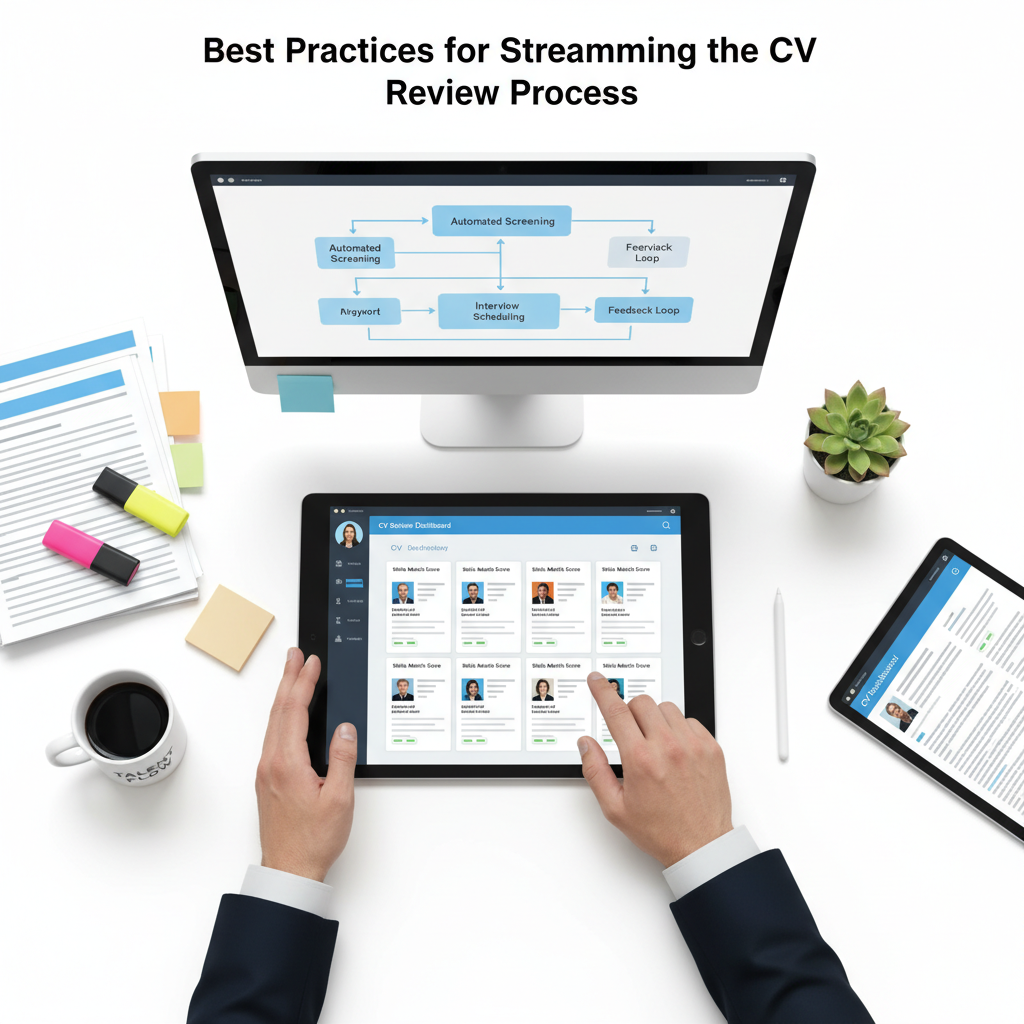
In today’s competitive talent landscape, particularly within specialized sectors like the fashion industry in Malaysia, an efficient and objective CV review process is paramount. For critical managerial roles, the stakes are even higher. A robust test structure to assess Manager Level CVs in Fashion field in Malaysia is not just about sifting through applications; it’s about identifying high-potential leaders who can drive innovation and growth. This section delves into methodologies that transform CV assessment from a time-consuming chore into a strategic advantage, ensuring you attract and secure the best talent while mitigating unconscious bias and enhancing overall recruitment efficiency.
1. Collaborative Review: Panel Discussions & Stakeholder Input
Moving beyond a single reviewer’s perspective significantly enhances the objectivity and depth of the CV assessment process. Implementing a collaborative review framework, involving panel discussions and input from various stakeholders, is particularly beneficial when evaluating candidates for manager-level roles in the Malaysian fashion sector. This approach ensures that diverse viewpoints — from departmental heads to potential team members — are considered, enriching the understanding of a candidate’s fit beyond just their listed qualifications. For instance, a panel might include the hiring manager, a peer manager from another department, and a representative from HR. Each brings a unique lens to the CV, evaluating aspects like leadership potential, cultural alignment, and specific industry experience relevant to the test structure to assess Manager Level CVs in Fashion field in Malaysia. By establishing clear evaluation criteria beforehand, such as a skills matrix focusing on leadership, strategic thinking, market knowledge, and team management, discussions remain structured and focused. This multi-perspective evaluation minimizes individual biases, strengthens consensus on candidate suitability, and provides a more holistic view of each applicant’s capabilities for high-impact roles.
2. Leveraging AI and Data Analytics in Recruitment
The integration of artificial intelligence (AI) and data analytics is revolutionizing talent acquisition, offering powerful tools to streamline CV review and enhance objectivity. AI-powered platforms can swiftly process vast numbers of applications, identifying keywords, skill sets, and experiences that align with predefined job requirements, including those specific to a test structure to assess Manager Level CVs in Fashion field in Malaysia. This technology can flag relevant experience in fashion retail management, supply chain optimization, or brand development, which are critical for managerial roles. Beyond keyword matching, some AI tools can analyze patterns in successful past hires to predict candidate performance, offering a data-driven layer to the initial screening. This significantly reduces the manual effort involved in preliminary sifting, allowing human reviewers to focus on a smaller, more qualified pool. Furthermore, data analytics can uncover biases inherent in traditional hiring processes, such as discrepancies in how certain demographics are advanced. By providing insights into recruitment funnel metrics, from application rates to interview progression, organizations can proactively address bottlenecks and biases. This technology doesn’t replace human judgment but augments it, ensuring a fairer, faster, and more effective initial screening, paving the way for more informed human evaluations down the line. To further understand how technology can mitigate bias, consider insights from reputable sources like the Society for Human Resource Management (SHRM) on how AI tools can help eliminate bias in the hiring process.
3. Continuous Improvement: Feedback Loops & Metric Tracking
To truly master the CV review process, a commitment to continuous improvement is essential. This involves establishing robust feedback loops and diligently tracking key metrics to refine methodologies over time. After each hiring cycle, especially for manager-level positions in the dynamic Malaysian fashion market, gather feedback from all stakeholders involved in the review process – hiring managers, panel members, and even new hires themselves. What worked well? What aspects of the test structure to assess Manager Level CVs in Fashion field in Malaysia proved most effective in identifying top talent? Were there any missed opportunities or candidates who were overlooked? Documenting these insights allows for iterative adjustments to screening criteria, interview questions, and evaluation rubrics. Complementing qualitative feedback with quantitative metrics is crucial. Track the time-to-hire, candidate source effectiveness, offer acceptance rates, and the long-term performance and retention of hired candidates. Analyzing these metrics can reveal patterns: perhaps candidates from a certain background consistently outperform, or a particular screening question correlates strongly with post-hire success. Regular analysis helps identify inefficiencies or systemic biases that might be unconsciously creeping into the process. By fostering a culture of learning and adaptation, where data-driven insights inform ongoing adjustments, organizations can ensure their CV review process remains agile, objective, and consistently effective in attracting and securing the best leadership talent in the competitive fashion industry.
Partner with Shelby Global
You are looking for reliable HR Sevice Suppliers? Contact Shelby Global Now! To connect with verified talents and upgrade your orginization.
—————————————
References
– Why Cultural Intelligence Is Essential For Success In Today’s Global Business World: https://www.forbes.com/sites/forbescoachescouncil/2020/03/10/why-cultural-intelligence-is-essential-for-success-in-todays-global-business-world/?sh=6f5e3e264662
– Competency Model Best Practices: https://www.shrm.org/resourcesandtools/hr-topics/talent-acquisition/pages/competency-model-best-practices.aspx
– :
– Personal Data Protection Department Malaysia: https://www.pdp.gov.my/index.php/en/
– Society for Human Resource Management (SHRM) on how AI tools can help eliminate bias in the hiring process: https://www.shrm.org/resources-and-tools/hr-topics/talent-acquisition/pages/ai-tools-can-help-eliminate-bias-hiring-process.aspx



































































































