Understanding the Retail Manager Role in Singapore
Singapore’s retail landscape is a dynamic and intensely competitive environment, characterized by a sophisticated consumer base, rapid technological adoption, and a diverse cultural tapestry. For retail companies operating here, the role of a manager goes far beyond basic operational oversight. It demands a unique blend of strategic acumen, local market insight, and exceptional leadership to navigate the nuances of this vibrant market. Effectively identifying and recruiting top talent is paramount, requiring a robust Test structure to assess Manager Level CVs in retail companies in singapore to ensure candidates possess the specific skills needed to thrive.

1. Key Competencies for Singapore Retail Managers
Success as a retail manager in Singapore hinges on a set of specialized competencies. First and foremost is profound Local Market Acumen. This involves an intricate understanding of Singaporean consumer behaviors, spending patterns, cultural sensitivities, and a keen awareness of local events and public holidays that impact footfall and sales. Secondly, Omnichannel Proficiency is non-negotiable. Managers must be adept at integrating online and offline experiences, overseeing e-commerce operations, leveraging social commerce, and managing seamless last-mile delivery solutions, reflecting Singapore’s high digital penetration. Given the tight labor market and high operational costs, strong Talent Management and Retention skills are vital; managers must excel at hiring, training, motivating, and retaining a high-performing team. Furthermore, Data-Driven Decision Making allows managers to optimize inventory, personalize promotions, and strategically deploy staff based on real-time analytics. Finally, an unwavering commitment to delivering Customer Experience (CX) Excellence is crucial to fostering loyalty in a market where consumers have high expectations and numerous choices.
2. Market Trends Influencing Retail Leadership
Singapore’s retail sector is continuously shaped by global and local trends that directly influence the demands placed on its leaders. The accelerated pace of Digital Transformation means managers must champion the adoption of new technologies, from AI-powered inventory management to AR/VR enhanced in-store experiences and advanced payment solutions. There is also a growing emphasis on Sustainability and Ethical Sourcing, requiring managers to align store operations and product offerings with consumer demands for eco-friendly and socially responsible practices. The shift towards Experiential Retail mandates that leaders create engaging and memorable in-store environments that offer more than just transactional exchanges. Moreover, evolving consumer behaviors and digital adoption continue to raise expectations for personalization, convenience, and instant gratification, pushing managers to innovate service delivery. Lastly, dynamic Labor Market Dynamics, including workforce policies and the competition for skilled talent, mean managers must be adept at fostering an attractive and productive work environment.
3. Differentiating Manager vs. Assistant Manager Roles
While both roles are critical to retail operations, understanding the distinct responsibilities of a Manager versus an Assistant Manager is essential for effective talent assessment and deployment. The Retail Manager typically bears ultimate responsibility for the store’s overall performance, including Profit & Loss (P&L), strategic planning, budget management, and comprehensive team development. Their focus is more strategic, involving long-term goal setting, market analysis, and fostering external partnerships. They possess significant Decision-Making Authority regarding store policies, merchandising, and major operational adjustments. In contrast, an Assistant Manager primarily focuses on executing the manager’s strategic vision through daily operations, overseeing specific departments or shifts, and supporting frontline staff. Their role involves more hands-on task management, ensuring store standards are met, and resolving immediate operational issues. While they demonstrate leadership, their Leadership & Development responsibilities are often geared towards direct supervision and mentoring of sales associates, rather than the broader team development and strategic coaching undertaken by the manager. Both roles require strong operational skills, but the manager assumes a broader, more strategic and accountable leadership position.
The multifaceted nature of the retail manager role in Singapore necessitates a precise approach to talent evaluation. Companies must move beyond generic job descriptions to assess candidates based on competencies aligned with local market dynamics, technological shifts, and unique consumer expectations. A well-designed Test structure to assess Manager Level CVs in retail companies in singapore is indispensable for identifying leaders who can not only navigate but also drive success in this demanding and rewarding environment.
Deconstructing Manager-Level CVs for Assessment
In Singapore’s competitive retail sector, recruiting top-tier manager-level talent is paramount. A robust Test structure to assess Manager Level CVs in retail companies in Singapore is not just advantageous but essential. Evaluating CVs for retail management positions goes beyond merely checking job titles; it requires a deep dive into a candidate’s demonstrated leadership potential, strategic acumen, and ability to drive tangible results within a dynamic retail environment. This comprehensive approach helps distinguish genuine leaders from mere administrators, ensuring new hires are equipped to navigate market shifts, manage diverse teams, and contribute significantly to the company’s bottom line. For retail companies in Singapore, where customer experience and operational efficiency are key differentiators, a meticulous CV assessment process forms the bedrock of successful talent acquisition.
1. Experience Indicators for Leadership Roles
When reviewing CVs for manager-level retail roles, focus on the depth and breadth of experience, not just duration. Look for clear indicators of increasing responsibility and strategic involvement. Ideal candidates will showcase a progression from individual contributor to team lead, assistant manager, and ultimately, manager. Key experience indicators include:
- Team Management and Development: Evidence of directly managing, mentoring, and developing a team. This includes performance reviews, training initiatives, and fostering a positive work environment, with mentions of team size and specific outcomes.
- Operational Oversight: Experience managing daily store operations, including inventory control, visual merchandising standards, and adherence to company policies. Highlight ability to streamline processes and improve efficiency.
- P&L Responsibility: Direct or indirect involvement in managing a profit and loss statement. This signifies an understanding of financial drivers, including sales targets, cost control, and budgeting.
- Strategic Initiatives: Participation in or leadership of projects beyond routine operations, such as new store openings, promotional campaigns, or technology implementations. This demonstrates strategic thinking for retail companies in Singapore.
- Multi-site or Flagship Store Experience: Managing multiple locations or a high-volume, high-profile flagship store often indicates advanced leadership and problem-solving skills, highly valued in retail.
2. Quantifiable Achievements to Look For
Empty boasts are common; top-tier manager-level candidates back claims with concrete, quantifiable achievements. These metrics provide tangible evidence of their impact and potential future contributions. Recruiters should actively seek specific numbers, percentages, and results, vital for assessing effectiveness. Consider the following:
- Sales Growth: Look for specific percentages of sales increase achieved under their leadership, year-over-year or against targets.
- Cost Reduction: Initiatives leading to measurable reductions in operational costs, shrinkage, or waste. E.g., “reduced inventory shrinkage by 15%.”
- Customer Satisfaction: Improvements in Net Promoter Score (NPS), customer service ratings, or resolution rates. A manager elevating customer experience directly impacts loyalty and revenue.
- Staff Productivity & Retention: Metrics related to staff efficiency, turnover rates, or successful training programs that improved team performance. High retention in Singapore’s competitive retail market speaks volumes.
- Inventory Management Efficiency: Improvements in stock turnover, reduction in obsolete inventory, or successful implementation of new inventory systems, crucial for healthy margins.
An exemplary CV often uses the STAR (Situation, Task, Action, Result) method to articulate achievements. For further insights into effective retail leadership, consider resources like Deloitte’s insights on the Future of Retail, which provide benchmarks for successful leadership in a transforming market.
3. Red Flags and Inconsistencies in CVs
While seeking positive indicators, identify potential red flags signaling a mismatch or underlying issues. A thorough assessment scrutinizes for inconsistencies and warning signs:
- Unexplained Gaps in Employment: Prolonged or frequent unexplained breaks warrant investigation. Lack of transparency can be concerning.
- Generic Job Descriptions: CVs merely copying job descriptions, lacking specific achievements, suggest a candidate who hasn’t actively driven results or is unwilling to articulate them.
- Job Hopping Without Progression: Frequent role changes (e.g., every 6-12 months) without clear upward mobility or diversified experience can indicate lack of commitment or inability to adapt to long-term challenges.
- Inconsistent Formatting or Grammatical Errors: For a manager-level role, a CV should be meticulously crafted. Errors reflect a lack of attention to detail, critical in retail operations.
- Vague or Exaggerated Claims: Be wary of overly broad statements lacking substantiation. Always seek evidence or be prepared to probe during an interview.
- Lack of Customization: A generic CV template sent to multiple employers, without tailoring to the specific retail manager role or company in Singapore, indicates lack of genuine interest or effort.
By adopting a structured approach that scrutinizes experience, quantifies achievements, and identifies potential red flags, retail companies in Singapore can significantly enhance their ability to assess Manager Level CVs. This rigorous process streamlines recruitment and ensures only the most capable candidates progress, ultimately bolstering leadership strength.
Developing a Structured CV Assessment Framework
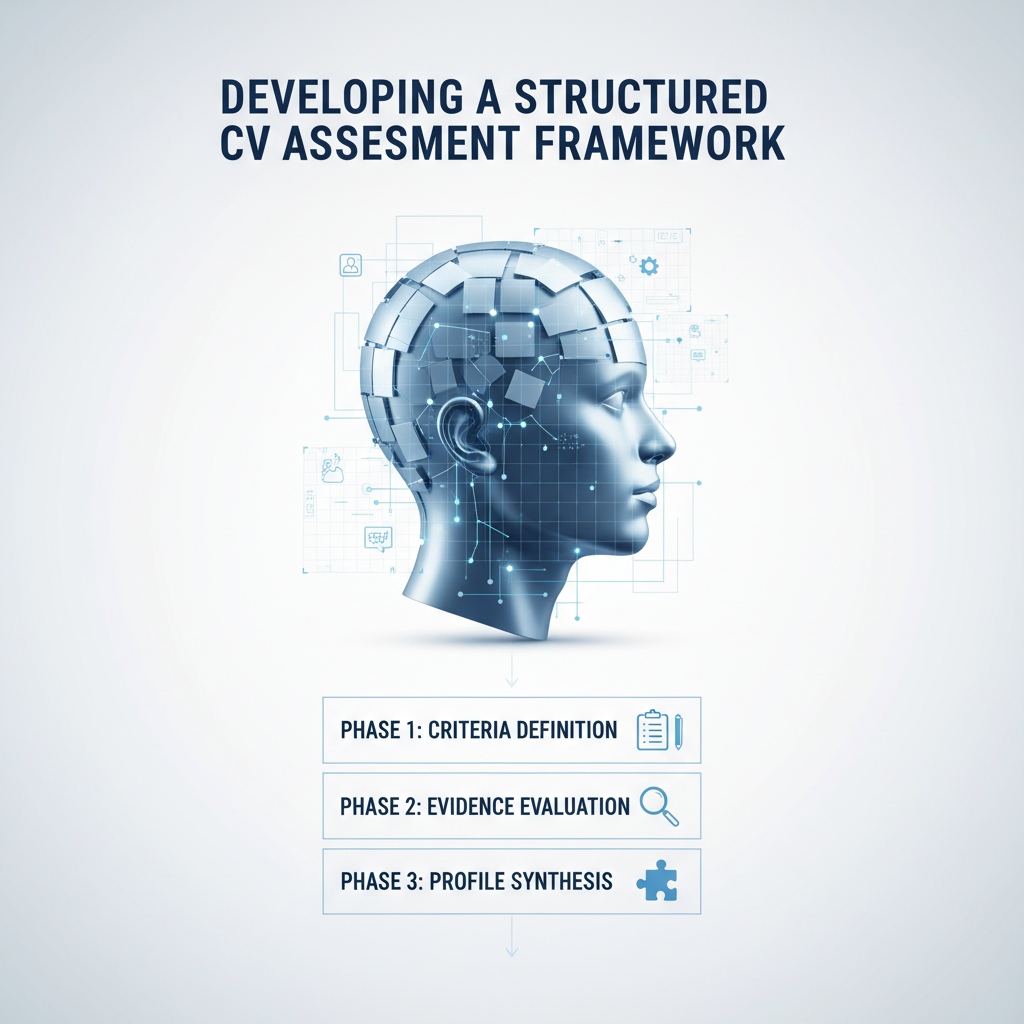
Retail companies in Singapore face unique challenges in recruiting top-tier management talent. The competitive landscape demands not only efficiency but also fairness and objectivity in the hiring process. This section outlines a systematic approach to develop a robust CV assessment framework, specifically designed to consistently and objectively evaluate Manager Level CVs. By implementing a clear test structure to assess Manager Level CVs in retail companies in Singapore, organizations can enhance the quality of their hires, reduce bias, and streamline their recruitment efforts, ultimately securing leaders who can drive success in a dynamic market. This framework is crucial for ensuring that every candidate receives an equitable review, focusing on core competencies and relevant experience that align with the strategic goals of the retail sector.
1. Scoring Matrices and Rubric Design
The foundation of any objective assessment framework lies in well-defined scoring matrices and rubrics. For manager-level roles in Singapore’s retail sector, these tools must go beyond mere keyword matching. They should delineate specific criteria aligned with the core competencies required for retail management, such as leadership, strategic planning, operational efficiency, customer experience management, and team development. Each criterion should have clear, measurable indicators, allowing assessors to assign scores based on the candidate’s demonstrated experience and achievements as presented in their CVs. For instance, a rubric might assign points for “Experience in multi-store management” or “Demonstrated success in achieving sales targets,” with different point values reflecting the depth and breadth of the experience. This detailed approach ensures that the evaluation is consistent across all candidates and by different assessors, mitigating subjective interpretations. Developing these rubrics often involves input from current high-performing retail managers and HR professionals to capture the nuances of the role and the specific demands of the Singapore market. The creation of such a structured test structure to assess Manager Level CVs in retail companies in Singapore is paramount for fair and transparent evaluation.
2. Standardizing the Initial Screening Process
With robust scoring matrices in place, the next step is to standardize the initial screening process. This involves training all recruiters and hiring managers involved in the early stages of candidate evaluation on how to apply the rubrics consistently. Standardization ensures that the same set of criteria and scoring methodology is used for every applicant, regardless of who is conducting the review. Implementing a blind screening approach where identifying information (like names or photos) is removed from CVs during the initial pass can further reduce unconscious bias, promoting truly merit-based evaluation. Furthermore, setting clear thresholds for progression to the next stage of the hiring process based on rubric scores ensures that only the most qualified candidates, those who genuinely fit the role’s requirements, advance. This standardized approach is critical for maintaining fairness and efficiency, particularly when sifting through a large volume of applications common in the competitive Singapore retail job market. It helps companies identify promising retail management talent efficiently, reinforcing the integrity of the overall recruitment framework.
3. Leveraging Technology for Efficient Assessment
In today’s fast-paced recruitment landscape, leveraging technology is no longer an option but a necessity for efficient CV assessment. Applicant Tracking Systems (ATS) equipped with AI and machine learning capabilities can significantly enhance the initial screening process. These systems can be configured to apply the pre-defined scoring rubrics, automatically identifying keywords, experience levels, and qualifications that align with the job description. While AI can automate the initial filtering, human oversight remains crucial to ensure ethical application and to review candidates with unconventional but valuable backgrounds. Modern platforms can also facilitate collaborative reviews, allowing multiple assessors to score CVs independently and then aggregate results, further reducing individual bias and ensuring a comprehensive evaluation. This integration of technology not only accelerates the screening process but also provides valuable data analytics on candidate pools and hiring effectiveness. For companies looking to refine their test structure to assess Manager Level CVs in retail companies in Singapore, exploring sophisticated HR tech solutions can be a game-changer, as highlighted by resources like the Society for Human Resource Management (SHRM) on best practices for fair and unbiased hiring. Investing in such tools can lead to a more streamlined and objective recruitment pipeline, freeing up HR professionals to focus on strategic initiatives and candidate engagement. Moreover, for more insights into developing such frameworks, explore resources discussing a robust test structure to assess Manager Level CVs in retail companies in Singapore.
Tailoring Assessment for Singapore’s Retail Landscape
Singapore’s dynamic retail sector, a melting pot of global brands and local enterprises, demands a highly nuanced approach to talent acquisition, particularly for critical manager-level roles. Developing an effective Test structure to assess Manager Level CVs in retail companies in singapore is not merely about identifying technical competencies but also about aligning with the unique local market nuances, cultural expectations, and stringent regulatory requirements. Generic assessment models often fall short in capturing the specific qualities needed for success in this vibrant, competitive environment. A truly effective assessment strategy must be deeply embedded in the intricacies of the Singaporean context, ensuring that candidates possess not just the skills, but also the contextual intelligence to thrive.
1. Importance of Local Market Knowledge
For retail managers in Singapore, a profound understanding of the local market is non-negotiable. This goes beyond mere awareness of existing stores; it encompasses a deep grasp of Singapore consumer behaviour, purchasing power, and evolving preferences. The city-state’s diverse population, comprising various ethnic groups and a significant expatriate community, translates into complex consumer segments, each with distinct needs and shopping habits. Assessing CVs for manager-level positions should therefore prioritize candidates who demonstrate a clear track record of navigating these complexities. Look for experience in adapting marketing strategies, product assortments, or store layouts to specific local demographics.
Furthermore, understanding retail market trends Singapore is crucial. The rapid adoption of e-commerce, the shift towards omnichannel experiences, and the emphasis on sustainability and experiential retail are reshaping the landscape. A manager who can articulate strategies for integrating digital platforms with physical stores, or who has experience with data-driven decision-making in a local context, will be invaluable. The assessment structure should probe for specific examples where candidates have leveraged local market insights to drive sales, enhance customer satisfaction, or achieve operational efficiencies. Without this localized intelligence, even the most skilled global managers might struggle to connect with the Singaporean consumer base and navigate the competitive pressures effectively.
2. Cultural Fit and Communication Styles
Singapore’s workplace culture is a unique blend of East and West, characterized by a pragmatic, results-oriented approach coupled with an emphasis on harmony and respect for hierarchy. For retail managers, the ability to demonstrate strong cross-cultural management skills is paramount. They must effectively lead a diverse team, often comprising individuals from different nationalities and backgrounds, and foster an inclusive environment. Communication styles tend to be more indirect in many Asian contexts compared to Western counterparts, and a manager must be adept at reading between the lines, understanding unspoken cues, and building rapport through respectful interactions.
When assessing CVs and conducting interviews, look for indicators of emotional intelligence, adaptability, and experience in multicultural settings. Candidates who highlight project successes achieved through collaborative efforts across diverse teams, or who have specific training in cross-cultural communication, should be highly regarded. Their leadership style should resonate with the local ethos, balancing assertive decision-making with empathy and a consultative approach where appropriate. A manager’s ability to seamlessly integrate into and positively influence the existing organizational culture, while respecting the broader Singaporean societal norms, is a critical success factor that generic assessments often overlook. The right cultural fit ensures smoother team dynamics, better employee engagement, and ultimately, enhanced productivity within the retail environment.
3. Regulatory Compliance and Fair Hiring Practices
Singapore has a robust regulatory framework governing employment, spearheaded by the Ministry of Manpower (MOM). Any assessment for manager-level positions must strictly adhere to these guidelines to ensure fair and equitable hiring practices. A key component is the Fair Consideration Framework (FCF), which mandates that employers fairly consider Singaporeans for job opportunities before hiring foreign professionals. This framework is particularly relevant for manager roles, often attracting international talent. Ignorance of these regulations can lead to severe penalties, including a suspension of hiring foreign employees.
Therefore, the assessment process must be designed to be objective, transparent, and non-discriminatory. Questions should focus on skills, experience, and competencies directly relevant to the role, avoiding any biases related to age, gender, race, religion, or nationality. Familiarity with MOM employment guidelines is crucial not just for HR professionals but also for hiring managers who will be involved in the interview process. Ensuring that the assessment tools and criteria are compliant not only protects the company from legal repercussions but also reinforces its commitment to ethical practices. This includes proper documentation of the hiring process and clear justification for selection decisions. An effective assessment structure must embed compliance checks and ensure that all candidates are evaluated based on merit within the boundaries of Singapore’s employment laws. This commitment to fair hiring not only upholds legal standards but also enhances the company’s reputation as a responsible employer, attracting a wider pool of quality talent.
By meticulously tailoring the assessment process to account for Singapore’s unique retail landscape – encompassing local market knowledge, cultural nuances, and regulatory compliance – companies can significantly improve their chances of identifying and securing the most suitable manager-level talent. This localized approach ensures that new hires are not only competent but also contextually intelligent, ready to contribute meaningfully to the success of retail operations in this vibrant city.
Post-Assessment: Integrating CV Insights into Interview Strategy
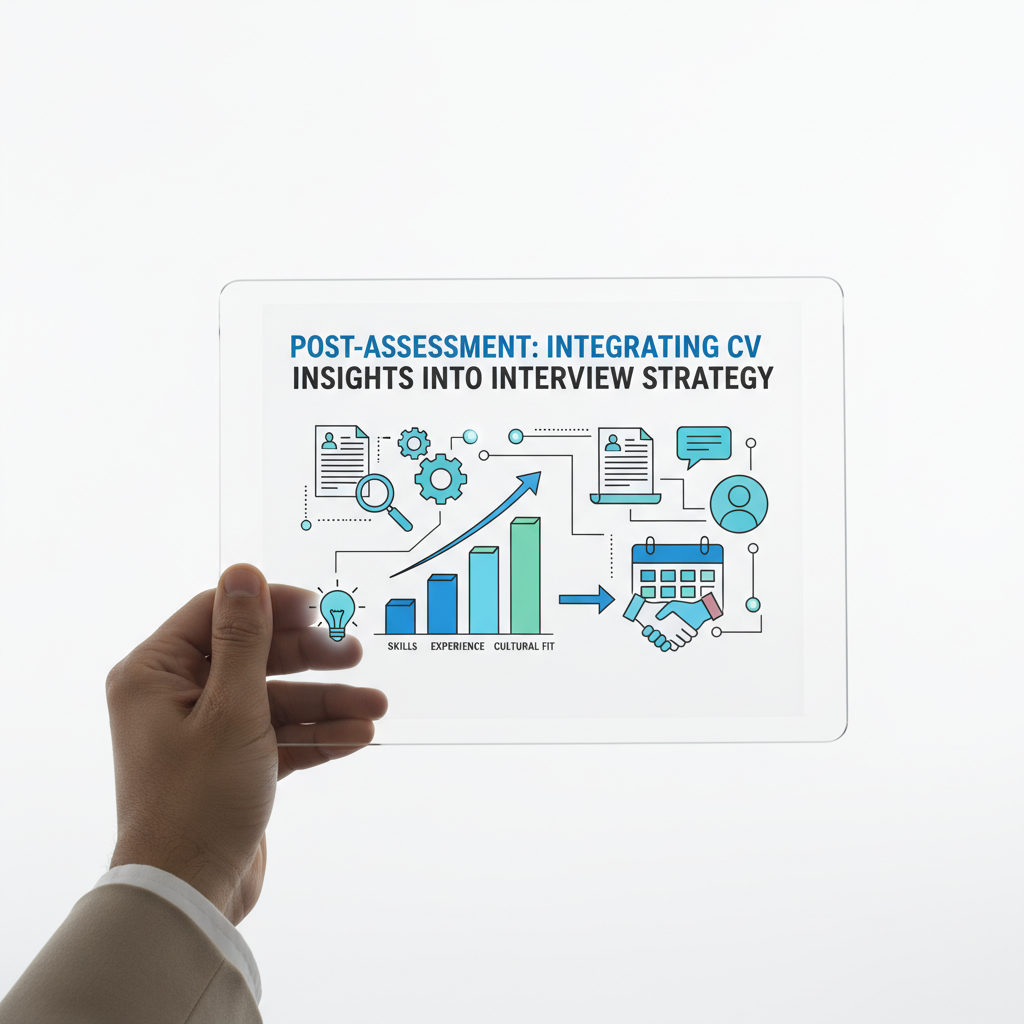
The rigorous CV assessment process is not an end in itself; rather, it serves as the critical groundwork for the subsequent interview phase. Effectively leveraging the findings from a detailed CV review allows hiring managers and HR professionals to transition from a reactive, generic interview approach to a proactive, highly targeted strategy. This integration is particularly crucial when applying a robust Test structure to assess Manager Level CVs in retail companies in singapore, ensuring that every interview question is designed to validate, explore, and expand upon the initial insights gleaned from a candidate’s professional narrative. The objective is clear: to move beyond surface-level qualifications and delve into the depth of a candidate’s experience, capabilities, and cultural fit within the dynamic Singaporean retail landscape, ultimately identifying top-tier talent ready to drive success.
1. Crafting Behavioral Interview Questions
One of the most powerful applications of CV assessment insights is in the formulation of targeted behavioral interview questions. While a CV outlines ‘what’ a candidate has done, behavioral questions aim to uncover ‘how’ they achieved it, providing invaluable foresight into future performance. By analyzing key achievements, responsibilities, and career transitions highlighted in the CVs of potential retail managers, interviewers can develop questions that probe specific situations, actions, and results. For instance, if a CV mentions significant sales growth, a behavioral question might be: “Describe a time you successfully implemented a new sales strategy that led to measurable growth in your previous retail environment. What were the challenges, and what was your specific role?”
This approach focuses on past real-world experiences. The STAR method (Situation, Task, Action, Result) is an exemplary framework for both formulating these questions and evaluating candidate responses, allowing for a structured assessment of problem-solving skills, leadership, customer experience focus, and adaptability – all vital for effective retail manager hiring. Insights from the initial test structure to assess Manager Level CVs in retail companies in singapore will pinpoint specific areas of a candidate’s background, such as inventory management, staff training, or local market adaptation strategies, informing the precise nature of these behavioral probes relevant to retail operations in Singapore.
2. Verifying Claims and Achievements
Beyond exploring behavioral competencies, the interview process is critical for verifying the claims and achievements detailed in a candidate’s CV. A thorough CV assessment may highlight areas requiring further clarification, impressive quantifiable results that need deeper exploration, or even potential discrepancies. The interview provides a direct opportunity to delve into these specifics. For a candidate claiming to have “optimized supply chain logistics,” questions should focus on the exact methodologies used, the specific challenges encountered in the Singaporean context, and the quantifiable impact on operational efficiency or cost savings. This is particularly important for managerial roles where strategic thinking and tangible results are paramount.
Interviewers should be prepared to ask follow-up questions to ascertain the candidate’s precise contribution, the scale of projects, and metrics used to measure success. This due diligence is fundamental to ensuring the integrity of the hiring process. For `Singapore retail recruitment`, understanding how a candidate’s achievements align with local market conditions, regulatory frameworks, and consumer behavior is key. By carefully cross-referencing CV details with interview responses, employers gain a more accurate and nuanced understanding of a candidate’s true capabilities, ensuring selection of individuals whose past performance genuinely reflects their potential for future success within the company’s specific retail environment.
3. Building a Robust Hiring Pipeline
The meticulous process of integrating CV insights into interview strategy extends beyond merely filling an immediate vacancy; it is instrumental in building a robust and sustainable hiring pipeline. By developing a sophisticated Test structure to assess Manager Level CVs in retail companies in singapore, organizations are not just evaluating candidates for a specific role but are also identifying high-potential individuals who may be suitable for future opportunities or different capacities. This holistic view allows for the cultivation of a talent pool, where promising candidates who might not be the perfect fit for the current role, but possess strong foundational skills and potential, can be nurtured for future consideration. This strategic approach to talent pipeline management is crucial in competitive markets like Singapore, where attracting and retaining skilled retail managers is an ongoing challenge.
Effective post-assessment integration also refines the overall recruitment strategy. Feedback from targeted interviews can inform and improve the initial CV screening criteria, creating a continuous loop of enhancement. By consistently applying and refining this integrated approach, companies can significantly reduce time-to-hire, improve the quality of new hires, and build a resilient workforce capable of adapting to market changes. Ultimately, this structured integration transforms the hiring process from a transactional activity into a strategic investment in human capital, ensuring that retail companies in Singapore are consistently staffed with exceptional managerial talent capable of driving innovation, sales, and customer loyalty.
Partner with Shelby Global
You are looking for reliable HR Sevice Suppliers? Contact Shelby Global Now! To connect with verified talents and upgrade your orginization.
—————————————
References
– PwC’s Global Consumer Insights Survey 2023 – Singapore report: https://www.pwc.com/sg/en/press-room/pr-2023-global-consumer-insights-survey.html
– Deloitte’s insights on the Future of Retail: https://www2.deloitte.com/us/en/insights/industry/retail-consumer-business/future-of-retail-report.html
– Society for Human Resource Management (SHRM): https://www.shrm.org/resources-and-tools/hr-topics/talent-acquisition/pages/fair-and-unbiased-hiring-practices.aspx
– Fair Consideration Framework – MOM: https://www.mom.gov.sg/employment-practices/fair-consideration-framework
– Behavioral Interviewing | SHRM: https://www.shrm.org/resources-and-tools/hr-topics/talent-acquisition/pages/behavioral-interviewing.aspx