Understanding the Malaysian Sales Landscape for Manager Roles
Navigating the dynamic Malaysian sales environment requires a nuanced understanding of its unique characteristics, challenges, and myriad opportunities. For recruiters and hiring managers, assessing a sales professional’s CV for manager-level positions in Malaysia goes beyond mere numbers; it demands insight into their adaptability to local market intricacies. This section provides a foundational context, crucial for developing an effective test structure to assess Manager Level CVs in the sale field in Malaysia, ensuring candidates possess the right blend of strategic vision and cultural acumen to thrive.

1. Key market trends and growth sectors in Malaysia
Malaysia’s economy, a vibrant mix of tradition and modernity, presents a fertile ground for sales expansion, albeit with specific demands. Key market trends underscore a shift towards digital transformation, sustainability, and robust regional integration. Sectors experiencing significant growth include e-commerce, fintech, renewable energy, and advanced manufacturing. The government’s push for initiatives like the “Malaysia Digital Economy Blueprint” (MyDIGITAL) and the National Investment Aspirations (NIA) actively fosters innovation and attracts foreign direct investment, creating new avenues for business development and sales. Sales managers must demonstrate an understanding of these macro-economic shifts, identifying how their products or services align with national priorities and emerging consumer behaviours. For instance, proficiency in digital sales strategies and an awareness of ESG (Environmental, Social, and Governance) principles are increasingly vital for B2B and B2C engagements. Understanding the latest economic trends and statistics from Malaysia’s Department of Statistics is crucial for any aspiring sales leader.
2. Cultural nuances affecting sales leadership and negotiation
Effective sales leadership and negotiation in Malaysia are deeply intertwined with its rich, multicultural fabric. A candidate’s ability to navigate these cultural nuances is paramount for success. Malaysian business culture often emphasizes relationships (silaturahim) and harmony over direct confrontation. Sales managers need to embody “Budi bahasa,” demonstrating courtesy, respect, and humility, especially when dealing with diverse teams and clients from Malay, Chinese, Indian, and indigenous backgrounds. Indirect communication styles are common, requiring leaders to be adept at reading between the lines and understanding unspoken cues. Decision-making processes can be hierarchical and consensus-driven, meaning persistence, patience, and the ability to build long-term trust are more valuable than aggressive, short-term tactics. A sales manager’s CV should ideally reflect experience in cross-cultural communication, team motivation through empathetic leadership, and negotiation skills tailored to a collective rather than purely individualistic environment. The best leaders will foster a sense of belonging and mutual respect within their teams, translating into stronger client relationships and sustained performance.
3. Typical sales team structures and management expectations
Malaysian sales teams often adopt structures common globally but with local adaptations, usually segmented by region, product line, or customer segment (e.g., enterprise, SMB, consumer). A typical structure might involve a national sales director overseeing regional managers, who in turn manage frontline sales executives. Expectations for sales managers extend beyond achieving quotas; they include robust team development, effective coaching, and performance management tailored to local motivational drivers. Managers are expected to be hands-on, providing guidance, solving logistical challenges, and fostering a collaborative environment. Key Performance Indicators (KPIs) typically encompass sales volume, market share growth, customer retention, and pipeline management. Furthermore, with the emphasis on relationships, sales managers are often responsible for cultivating key accounts and governmental relationships. A strong candidate for a manager role will demonstrate experience in setting clear objectives, empowering their team, leveraging technology for CRM and sales analytics, and adapting strategies to local market conditions. Their CV should highlight instances of successful team leadership, strategic market penetration, and the ability to implement a robust test structure to assess Manager Level CVs in the sale field in Malaysia, ensuring high-calibre talent acquisition and retention.
Core Competencies for a Malaysian Sales Manager CV
Identifying the ideal sales manager in Malaysia requires a discerning eye beyond generic skill sets. The unique dynamics of the Malaysian market, its diverse culture, and specific business etiquette demand a tailored approach to talent assessment. This section meticulously identifies the essential skills, experiences, and qualifications to scrutinize when assessing CVs for sales manager roles specifically within the Malaysian market, ensuring candidates possess not just sales acumen but also the contextual intelligence crucial for success.
Hiring a sales manager in Malaysia isn’t merely about closing deals; it’s about securing a leader who understands the local landscape, inspires a diverse team, and drives revenue growth within a specific cultural and economic framework. A robust Test structure to assess Manager Level CVs in sale field in malaysia is paramount. When reviewing applications, recruiters must look for competencies that differentiate top performers. These core areas encompass leadership, strategic execution, and local insights, all critical for navigating Malaysia’s competitive sales environment.
1. Leadership and team management experience
A sales manager’s ability to lead and motivate is their most critical asset, especially in Malaysia’s multicultural workforce. Look for CVs articulating experience in:
- Developing & Mentoring Teams: Evidence of training, coaching, and career development, with specific examples of improving team skills and exceeding targets.
- Performance Management: Experience in setting KPIs, conducting reviews, and implementing corrective actions, demonstrating data-driven team accountability.
- Motivating & Retaining Talent: Strategies for maintaining morale, fostering positive competition, and reducing attrition through culturally relevant recognition and incentives.
- Conflict Resolution: Successful mediation of disputes and building cohesive teams in a productive environment.
Candidates should showcase measurable achievements, like “increased team productivity by X%” or “reduced sales staff turnover by Y%,” providing concrete evidence of leadership effectiveness.
2. Proven sales strategy and execution capabilities
Beyond leading, a Malaysian sales manager needs a keen strategic mind and robust execution prowess, encompassing market trends, strategy formulation, and flawless implementation. Key indicators on a CV include:
- Strategic Planning & Market Analysis: Evidence of developing comprehensive sales strategies for specific Malaysian market segments, including market research and identifying growth opportunities.
- Target Setting & Forecasting: Ability to set ambitious yet achievable targets, coupled with accurate forecasting, demonstrating proficiency with CRM systems and data leverage.
- Go-to-Market (GTM) Execution: Documented success in launching new products, expanding territories, or penetrating new customer segments, with quantifiable outcomes.
- Sales Process Optimisation: Experience in streamlining workflows, improving conversion rates, and enhancing customer journey efficiency for tangible improvements.
- Budget Management: Proficiency in managing sales budgets, allocating resources effectively, and demonstrating strong ROI.
A strong candidate will articulate how strategic decisions directly led to revenue growth, increased market share, or improved profitability, using specific figures.
3. Local market knowledge and client relationship skills
The Malaysian market is unique due to its multiculturalism, evolving regulations, and distinct business practices. A successful sales manager must understand these nuances to build lasting client relationships. CVs should reflect:
- Cultural Acumen & Communication: Demonstrated experience engaging clients from diverse ethnic backgrounds, understanding their business cultures and communication protocols.
- Network and Business Connections: Evidence of a strong existing network within relevant Malaysian industries, perhaps through associations or client testimonials.
- Understanding of Local Regulatory Environment: Awareness of pertinent local business laws and compliance impacting sales strategies.
- Client Relationship Management: Proven track record of building and maintaining long-term, high-value relationships, fostering trust, and providing exceptional post-sales support—critical in Malaysia’s relationship-driven market. For insights into building such effective relationships and leadership, refer to resources like the Harvard Business Review on Sales Leadership.
- Adaptability to Market Changes: Ability to adapt sales strategies in response to economic shifts, competitive pressures, and evolving consumer behaviors in Malaysia.
Look for specific mention of successful deals with key Malaysian clients, testimonials, or participation in local business development initiatives.
In conclusion, evaluating a Malaysian sales manager’s CV demands a comprehensive assessment that goes beyond traditional sales metrics. It requires an in-depth look at their leadership capabilities, strategic acumen, and, critically, their proficiency in navigating the local market’s unique cultural and business landscape. By focusing on these core competencies, hiring managers can identify candidates who are not only capable of meeting targets but are also equipped to build and sustain a high-performing sales organization in Malaysia for the long term.
Developing a Robust CV Assessment Framework for Malaysia
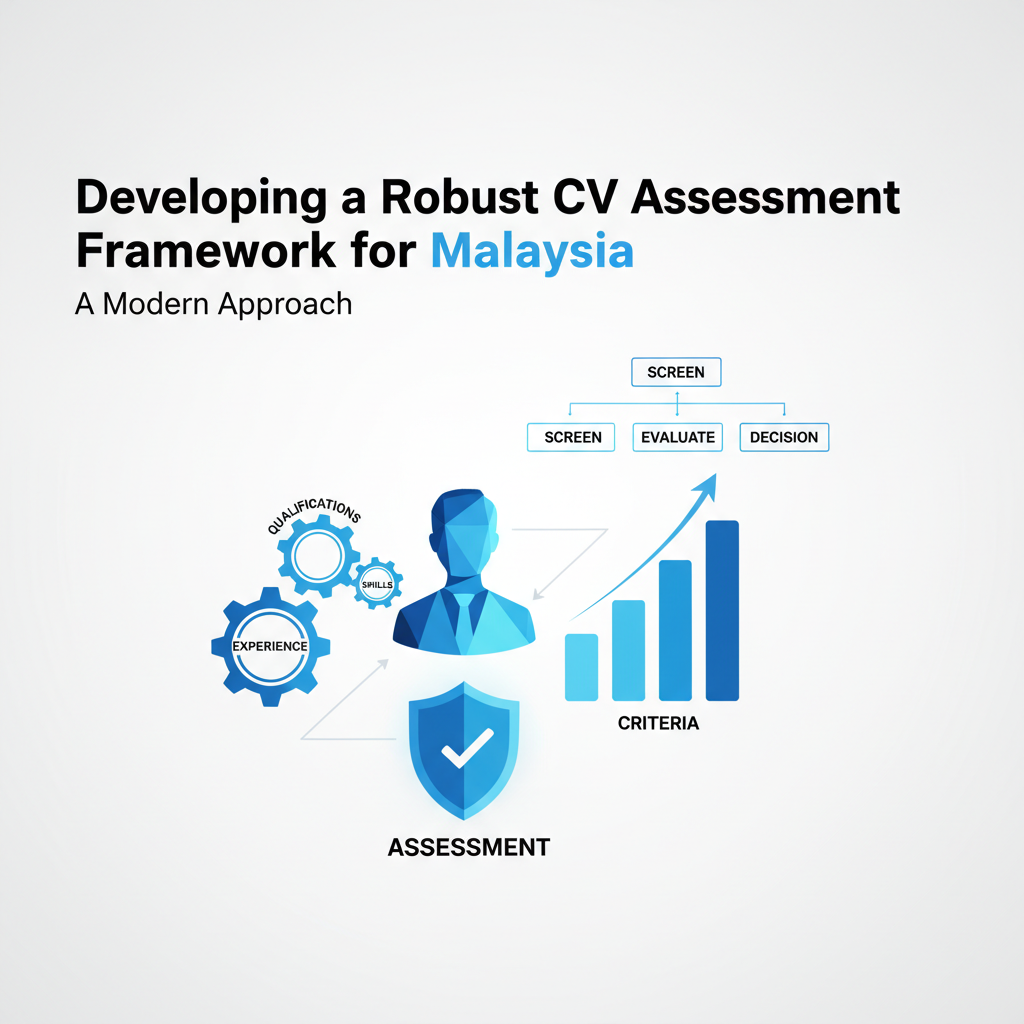
In the competitive landscape of Malaysia’s sales sector, identifying top-tier management talent from a pool of applications is a significant challenge. A well-defined and objective test structure to assess Manager Level CVs in sale field in malaysia is not just a luxury, but a necessity. This framework ensures consistency, fairness, and ultimately, the recruitment of individuals who can drive significant revenue growth and lead high-performing teams. This section outlines a step-by-step process for creating an objective and effective test structure to screen manager-level sales CVs, ensuring that critical skills and experiences are not overlooked, and biases are minimized. By systematically evaluating each application, companies can streamline their recruitment process, reduce time-to-hire, and make data-driven decisions that align with their strategic business objectives in the Malaysian market.
1. Defining Critical Assessment Criteria and KPIs
The foundation of any robust CV assessment framework lies in clearly defining what constitutes success for a Sales Manager in the Malaysian context. This involves identifying both critical assessment criteria and key performance indicators (KPIs) that are directly relevant to the role’s demands and the local market dynamics. For sales managers, these typically include demonstrable leadership skills, strategic sales planning capabilities, proven track record in achieving and exceeding ambitious sales targets, effective team management and coaching, negotiation prowess, and a deep understanding of market trends and customer behavior in Malaysia. It’s crucial to move beyond generic requirements and pinpoint specific competencies, such as experience in managing diverse sales channels (e.g., direct, channel partners, digital), navigating complex B2B or B2C sales cycles, or expertise in particular industries prevalent in Malaysia (e.g., manufacturing, FMCG, tech). Establishing a competency-based assessment framework ensures that every candidate is evaluated against a uniform set of expectations, making the screening process truly objective. KPIs from previous roles, such as year-on-year sales growth, market share expansion, team retention rates, and average deal size, provide concrete evidence of a candidate’s potential impact.
2. Scoring Methodologies for CV Elements and Achievements
Once critical criteria are established, the next step is to develop a standardized scoring methodology to quantify the suitability of each CV. This involves assigning weighted scores to various CV elements and achievements based on their relevance and impact for a Sales Manager role in Malaysia. For instance, quantifiable achievements (e.g., “Increased regional sales by 30% over two years,” “Expanded market share by 5% in Selangor,” “Managed a team of 15 sales professionals exceeding targets consistently”) should carry higher scores than generic job descriptions. Key elements such as relevant industry experience, specific product knowledge, educational background (especially in business or sales-related fields), and professional certifications (e.g., CIM, Dale Carnegie) should also be weighted appropriately. A tiered scoring system can be employed: 5 points for exceeding expectations, 3 for meeting, and 1 for minimal relevance. Consistency is key; every reviewer must apply the same scoring rubric to maintain fairness. This systematic approach transforms the subjective act of reviewing a CV into a more objective and data-driven process, ensuring that the most promising candidates, particularly those with a strong track record and relevant skills for the Malaysian market, are accurately identified.
3. Identifying Red Flags vs. High-Potential Indicators
A crucial part of any effective test structure to assess Manager Level CVs in sale field in malaysia is the ability to quickly identify both potential red flags and high-potential indicators. Red flags are warning signs that might indicate a poor fit or underlying issues, such as frequent job hopping without clear career progression, unexplained gaps in employment, generic CVs lacking specific achievements, inconsistent information, or a complete absence of quantifiable results in previous sales roles. These patterns often suggest a lack of commitment, inability to achieve measurable results, or poor communication skills. Conversely, high-potential indicators point to a strong candidate who is likely to excel. These include consistent career progression within the sales field, clear articulation of achievements with specific metrics and impact, leadership roles and initiatives, relevant industry experience, evidence of continuous professional development (e.g., sales leadership training, advanced degrees), and a demonstrated ability to adapt to changing market conditions. For the Malaysian context, understanding local market dynamics or experience with diverse cultural sales teams can also be a strong indicator. By training evaluators to recognize these distinct patterns, companies can efficiently filter out unsuitable candidates while fast-tracking those who demonstrate the attributes necessary for success as a Sales Manager in Malaysia’s dynamic business environment. This refined screening process significantly enhances the quality of candidates proceeding to subsequent interview stages, ultimately contributing to more successful hires.
Beyond the CV: Integrating Practical Assessment Tools
While a well-crafted CV provides a snapshot of a candidate’s experience and qualifications, it often falls short in revealing the practical skills, leadership capabilities, and cultural alignment crucial for a high-performing Sales Manager. Especially in a dynamic market like Malaysia, where local nuances and relationship-building are paramount, a holistic assessment strategy is vital. Moving beyond merely scrutinizing résumés, integrating robust practical assessment tools ensures that companies can accurately gauge a candidate’s potential to drive sales, manage teams, and adapt to specific market challenges. This approach is fundamental to building an effective Test structure to assess Manager Level CVs in sale field in malaysia, guaranteeing that the chosen individual not only has the right credentials but also the proven ability to excel.
1. Pre-interview questionnaires and scenario-based tests
To deepen the initial assessment of a Sales Manager candidate, pre-interview questionnaires and scenario-based tests are invaluable. These tools serve as an excellent filter before time-intensive interviews, allowing recruiters to evaluate candidates on specific competencies relevant to the Malaysian sales landscape. Questionnaires can probe a candidate’s understanding of market dynamics, their approach to sales strategy formulation, and their leadership philosophy. For instance, questions might revolve around how they would develop a sales pipeline for a new product in Malaysia, or how they manage performance discrepancies within a diverse team. This helps assess their theoretical knowledge and strategic thinking for a sales manager assessment Malaysia.
Scenario-based tests take this a step further by simulating real-world challenges a Sales Manager would face. Candidates might be presented with a case study detailing a common sales hurdle – perhaps a sudden market downturn, a competitive threat, or a dispute within their sales team – and asked to outline their proposed solutions, including specific actions and expected outcomes. This approach is particularly effective for evaluating practical sales skills evaluation. It uncovers critical thinking, problem-solving abilities, decision-making under pressure, and the capacity to innovate, all of which are indispensable for thriving in Malaysia’s competitive sales environment. These tests provide concrete evidence of how a candidate applies their knowledge, moving beyond theoretical answers to demonstrate actionable strategies.
2. Behavioral interview techniques tailored for sales managers
Traditional interviews often elicit generic responses, making it difficult to differentiate truly exceptional sales managers. Behavioral interview techniques, specifically designed for sales leadership roles, shift the focus from hypothetical situations to past performance, offering a more reliable predictor of future success. The STAR method (Situation, Task, Action, Result) is highly effective here. Interviewers can ask targeted questions like, “Tell me about a time you had to motivate an underperforming sales team to meet an aggressive target in the Malaysian market. What was the situation, what was your role, what actions did you take, and what was the outcome?” or “Describe a situation where you successfully negotiated a complex deal with a key client, overcoming significant objections.”
These questions are crafted to elicit detailed narratives that reveal a candidate’s leadership style, resilience, negotiation prowess, coaching abilities, and adaptability – qualities paramount for a Sales Manager in Malaysia. By focusing on specific past behaviors, companies gain insight into how candidates have handled real challenges, managed conflicts, inspired teams, and achieved results. This method also helps in assessing their approach to cultural fit in Malaysian sales teams, as their responses might highlight their interpersonal skills and ability to work within diverse cultural contexts. Furthermore, asking follow-up questions about lessons learned or alternative approaches can provide deeper insights into their self-awareness and capacity for continuous improvement, essential traits for sustained success in sales leadership.
3. Reference checks and background verification best practices
Beyond the candidate’s self-presentation, robust reference checks and background verification are critical components of a comprehensive assessment strategy. For sales manager roles, reference checks should go far beyond merely confirming employment dates. Recruiters should conduct structured calls with previous supervisors, peers, and even direct reports where appropriate (with candidate’s permission) to gain multi-faceted perspectives. Questions should be specific, probing areas such as the candidate’s leadership effectiveness, ability to meet targets, coaching skills, integrity, and how they collaborated within a team. For instance, “Can you provide an example of how [Candidate Name] handled a major client escalation?” or “How effective was [Candidate Name] in motivating their sales team during challenging periods?”
It’s vital to inquire about their track record in achieving sales KPIs, their management style, and their capability to foster a positive, high-performance sales culture. In the Malaysian context, understanding their ability to build and maintain strong relationships with local clients and team members is equally important. Effective leadership assessment strategies, while adhering strictly to legal and ethical guidelines in Malaysia, should confirm educational qualifications, employment history, and professional certifications. For sensitive roles like Sales Manager, especially those involving significant revenue generation and team leadership, integrity checks are paramount. A thorough and systematic approach to reference and background checks provides an invaluable layer of validation, ensuring that the insights gained from CVs, questionnaires, and interviews are corroborated by external, objective sources, solidifying the selection of the best fit for your sales leadership team.
Optimizing Your Hiring Process for Sales Managers in Malaysia
The dynamic and competitive Malaysian market demands highly effective sales leadership. Recruiting the right Sales Manager is crucial for driving growth and achieving revenue targets. However, simply filling a vacancy isn’t enough; optimizing your entire hiring process is key to attracting, assessing, and retaining top-tier sales talent. From the initial effective CV screening for sales managers to the final onboarding, a strategic and refined approach ensures you secure leaders who can truly make an impact. This guide provides best practices and strategic advice for refining the entire hiring journey, ensuring you build a robust sales management team in Malaysia through sophisticated Malaysian sales recruitment strategies.
A critical first step often overlooked is having a robust Test structure to assess Manager Level CVs in sale field in malaysia. This structure should go beyond basic keyword matching, focusing on quantifiable achievements, leadership experience, market understanding, and strategic thinking demonstrated in past roles. Developing a standardized yet flexible framework for evaluating these critical elements ensures consistency and fairness in your initial candidate pool selection, vital for effective talent acquisition in the Malaysian sales sector.

1. Creating an Engaging and Transparent Candidate Experience
In a talent-short market for sales managers, the candidate experience can be a significant differentiator. Top sales professionals are often actively sought after, meaning your recruitment process itself needs to be compelling. Begin by crafting clear, concise, and attractive job descriptions that not only outline responsibilities but also highlight your company culture, values, and the growth opportunities available. Transparency is paramount; clearly communicate each stage of the hiring process, expected timelines, and who candidates will meet.
Engage candidates actively throughout the journey. Provide timely feedback after interviews, even if it’s just to acknowledge receipt or update on next steps. Utilize modern communication tools, but always ensure a personal touch. A positive experience leaves a lasting impression, regardless of the outcome, fostering a strong employer brand and making your organization a preferred destination for sales manager talent acquisition Malaysia. Consider interactive elements, such as brief scenario-based questions early in the process, to assess problem-solving skills and cultural fit while keeping candidates engaged. Remember that sales professionals value efficiency and clear communication – mirroring these traits in your hiring process will resonate deeply.
2. Legal Considerations and Compliance in Malaysian Hiring
Navigating the legal landscape of Malaysian employment is crucial to a compliant and ethical hiring process for sales managers. Before advertising a role, familiarize yourself with the Employment Act 1955 (and its latest amendments), which governs most aspects of employment in Peninsular Malaysia and Labuan. Key areas to consider include non-discrimination clauses, minimum wage requirements (though unlikely for a Sales Manager role, it’s a foundational law), and regulations regarding foreign talent if applicable. Ensure your application forms and interview questions avoid discriminatory inquiries related to age, gender, religion, or race, aligning with Malaysia’s commitment to fair employment practices.
All employment contracts must adhere to Malaysian law, clearly stating terms of employment, compensation, benefits, working hours, and termination clauses. For specific guidance on employment regulations in Malaysia, refer to authoritative sources such as the Malaysian Employment Act 1955 or consult with local legal experts. Proper documentation, including offer letters and contracts, should be meticulously prepared and reviewed. Staying updated on legal changes is vital, as Malaysian labor laws are subject to periodic revisions. Compliance not only protects your company from legal challenges but also reinforces your reputation as a responsible employer, attracting high-caliber candidates who value ethical practices.
3. Post-Hiring: Onboarding and Performance Monitoring Strategies
The hiring process doesn’t end with a signed offer letter; successful integration and ongoing performance are paramount for new sales managers. A structured and comprehensive onboarding program is critical. For sales managers, this should extend beyond HR paperwork, focusing on immediate immersion into the company’s sales culture, product knowledge, market strategies, and team dynamics. Pair them with a senior mentor, provide access to key stakeholders, and set clear, measurable objectives for their first 30, 60, and 90 days. This structured approach helps accelerate their time to productivity, making them effective leaders sooner.
Establishing a robust performance monitoring framework is equally important. For sales managers, Key Performance Indicators (KPIs) should include team sales targets, individual sales contributions (if applicable), team development metrics, pipeline growth, customer retention rates, and adherence to sales processes. Regular one-on-one meetings, quarterly performance reviews, and continuous feedback loops are essential. Utilize CRM data and sales analytics tools to track progress against these KPIs. Providing ongoing coaching and professional development opportunities will further empower your sales managers, fostering a culture of continuous improvement. This strategic approach to post-hiring integration and performance management is key to retaining your investment in effective sales managers and ensuring sustained success in the competitive Malaysian market.
Partner with Shelby Global
You are looking for reliable HR Sevice Suppliers? Contact Shelby Global Now! To connect with verified talents and upgrade your orginization.
—————————————
References
– economic trends and statistics from Malaysia’s Department of Statistics: https://www.dosm.gov.my/
– Harvard Business Review on Sales Leadership: https://hbr.org/2023/12/what-makes-a-great-sales-leader
– Creating a Competency Model: https://www.shrm.org/resources-and-tools/pages/creating-a-competency-model.aspx
– Stop Looking for Transformational Leaders: https://hbr.org/2023/11/stop-looking-for-transformational-leaders
– Malaysian Employment Act 1955: https://www.accaglobal.com/content/dam/ACCA_Global/technical/hr/tn-malaysia-labour-law.pdf