Understanding Malaysia’s E-commerce Landscape: A Risk Overview
Malaysia’s e-commerce sector has witnessed an unprecedented surge, transforming the nation’s retail landscape and consumer habits. Fueled by high internet penetration, increasing smartphone adoption, and supportive government initiatives, the digital marketplace has become a cornerstone of the modern Malaysian economy. This dynamic growth, while offering immense opportunities, inherently introduces a complex array of risks that demand careful scrutiny. To navigate this intricate environment successfully, businesses and consumers alike must grasp the foundational elements driving this expansion and, crucially, understand the inherent vulnerabilities. This section aims to set the stage by outlining the robust expansion of e-commerce in Malaysia and introducing a comprehensive framework for understanding its inherent risks and emerging trends, crucial for any the trend report of the risk of Ecommerce field in malaysia.

1. Rapid Growth & Digital Adoption in Malaysia
The acceleration of digital adoption across Malaysia has been a primary catalyst for the burgeoning e-commerce growth Malaysia. A young, tech-savvy population, coupled with extensive infrastructure development, has propelled a significant shift towards online shopping behavior. Reports indicate a substantial increase in online transactions and digital service consumption, painting a clear picture of a nation embracing its digital economy Malaysia. The recent e-Conomy SEA 2023 report, for instance, projects Malaysia’s digital economy to reach RM367 billion in Gross Domestic Product (GDP) by 2025, underscoring the immense potential and rapid digital adoption trends within the region. This swift evolution is not merely confined to urban centers; rural areas are also increasingly connected, expanding the market reach for online businesses. The convenience, variety, and competitive pricing offered by e-commerce platforms have permanently altered consumer preferences, making digital channels indispensable for retail. However, this expansive reach and reliance on digital platforms simultaneously amplify exposure to a new spectrum of risks.
2. Defining E-commerce Risk in the Malaysian Context
Understanding e-commerce risk requires a nuanced approach, especially within the unique socio-economic and technological landscape of Malaysia. These risks are multi-faceted, ranging from operational challenges to sophisticated cyber threats. Key concerns include rampant e-commerce fraud prevention, which encompasses credit card fraud, identity theft, and phishing scams targeting unsuspecting customers. Cybersecurity risks e-commerce platforms face are ever-evolving, from data breaches impacting customer privacy to Distributed Denial of Service (DDoS) attacks disrupting services. The robust growth of online retail also brings heightened scrutiny over Malaysian e-commerce regulations, especially concerning consumer protection online and data privacy. Furthermore, supply chain vulnerabilities, including logistics failures, inventory management issues, and cross-border shipping complexities, can significantly impact customer satisfaction and business reputation. Payment security challenges are also prominent, requiring continuous innovation in secure transaction protocols. The delicate balance between fostering growth and implementing robust risk mitigation strategies is critical for sustaining consumer trust and ensuring the long-term viability of online businesses.
3. Impact of Digital Transformation on Risk Exposure
The ongoing digital transformation risks in Malaysia’s e-commerce sector introduces both unparalleled opportunities and significant new dimensions of risk exposure. As businesses increasingly leverage advanced technologies like AI, big data analytics, and cloud computing to enhance customer experience and operational efficiency, they also broaden their attack surface. This intensifies data privacy concerns Malaysia, particularly given the importance of adhering to the Personal Data Protection Act (PDPA) and other relevant regulations. The vast amounts of personal and financial data processed by e-commerce platforms make them prime targets for sophisticated cybercriminals, leading to potential online payment fraud and data breaches. Emerging market trends e-commerce, such as the rise of live commerce, social commerce, and cross-border e-commerce challenges, further complicate the risk landscape. These trends demand adaptable data security Malaysia protocols and advanced fraud detection systems. Maintaining consumer confidence in this rapidly evolving online retail landscape requires not only adherence to compliance but also proactive investment in cutting-edge security measures and continuous monitoring of potential threats. Effectively managing these transformation-driven risks is paramount for businesses aiming to thrive in Malaysia’s competitive digital marketplace.
Top Emerging Risks & Trending Threats in Malaysian E-commerce
The burgeoning e-commerce landscape in Malaysia, while presenting immense opportunities for growth and innovation, is simultaneously navigating a complex web of evolving risks. As digital transactions surge and consumer reliance on online shopping solidifies, businesses must remain vigilant against a spectrum of threats that challenge operational stability, erode consumer trust, and impact profitability. This comprehensive trend report of the risk of Ecommerce field in Malaysia delves into the specific types of risks that are currently prominent or showing an upward trajectory within the Malaysian e-commerce sector, providing crucial insights for stakeholders to fortify their defenses and foster a resilient digital marketplace.
-
Cybersecurity Breaches & Data Privacy Concerns
In an increasingly interconnected digital world, cybersecurity threats remain at the forefront of concerns for Malaysian e-commerce businesses. The frequency and sophistication of attacks are escalating, leading to significant data breaches that compromise sensitive customer information such as personal details, payment credentials, and purchase histories. Such breaches not only inflict financial losses but severely damage consumer trust, a critical asset in the online retail space. Common attack vectors include phishing campaigns designed to steal login credentials, ransomware attacks crippling operational systems, and malware targeting vulnerabilities in e-commerce platforms. The rising threat of identity theft stemming from compromised data further exacerbates the problem, leading to potential legal liabilities and reputational damage for businesses. Robust data protection measures, continuous monitoring, and employee training on digital security best practices are no longer optional but essential for mitigating these pervasive risks. For a deeper dive into the overall trend report of the risk of Ecommerce field in Malaysia, exploring the interconnectedness of these challenges is vital for comprehensive risk management strategies.
-
E-commerce Fraud Trends: From Payment to Returns
E-commerce platforms in Malaysia are grappling with a diverse array of fraudulent activities, impacting various stages of the customer journey. Payment fraud continues to be a persistent challenge, with tactics ranging from stolen credit card details and card-not-present (CNP) fraud to sophisticated account takeovers. Fraudsters constantly evolve their methods, making it imperative for online retailers to invest in advanced fraud detection systems and multi-factor authentication. Beyond payment, return fraud is emerging as a significant concern, encompassing schemes like “wardrobing” (buying, using, then returning items), returning counterfeit goods, or falsely claiming non-receipt of items. These schemes not only lead to direct financial losses but also incur operational costs related to processing fake returns. The proliferation of counterfeit goods sold through legitimate-looking online stores or marketplaces also undermines brand integrity and consumer confidence. According to a report by The Edge Malaysia, citing CyberSecurity Malaysia data, cybercrime continues to be a growing concern, with significant financial losses reported across various fraud categories within the country, underscoring the urgency for businesses to enhance their fraud prevention strategies and ensure stringent verification processes.
-
Supply Chain Disruptions & Logistics Vulnerabilities
The intricate nature of modern global and local supply chains exposes Malaysian e-commerce businesses to considerable vulnerabilities. Persistent supply chain disruptions, whether caused by geopolitical tensions, natural disasters, or pandemics, can lead to significant delays, increased costs, and stockouts. Within Malaysia, specific logistics challenges such as inadequate infrastructure in certain regions, traffic congestion, and the complexities of last-mile delivery in densely populated or remote areas pose substantial hurdles. These issues directly impact customer satisfaction through delayed deliveries and unreliable service, potentially driving consumers to competitors. Businesses reliant on international sourcing are particularly susceptible to port congestions, customs delays, and fluctuating shipping costs. To bolster supply chain resilience, e-commerce players are increasingly exploring strategies like diversifying suppliers, investing in local warehousing, optimizing inventory management, and leveraging data analytics to predict and mitigate potential disruptions. Navigating these complexities requires a proactive approach to ensure timely fulfillment and maintain a competitive edge in the dynamic Malaysian e-commerce market, considering the broader landscape of regulatory compliance.
The Regulatory Environment & Compliance Challenges
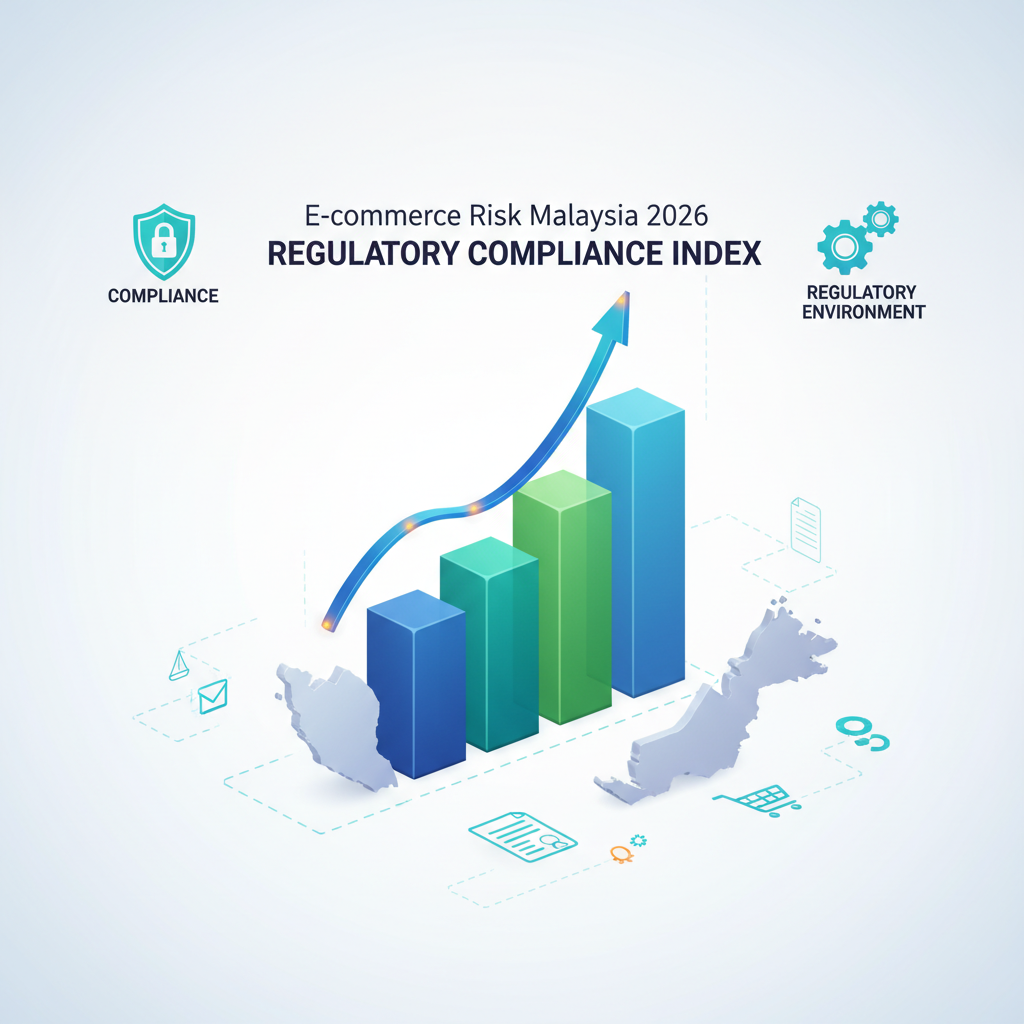
Malaysia’s vibrant e-commerce landscape, while offering immense growth opportunities, is increasingly governed by a complex web of regulations designed to protect consumers and ensure fair trade. For businesses operating in this digital sphere, understanding and adhering to the current and upcoming regulatory framework is paramount. Failure to comply can lead to significant financial penalties, reputational damage, and operational disruptions. This section examines the critical compliance risks and their implications, drawing insights from the trend report of the risk of Ecommerce field in malaysia. Staying abreast of these changes is crucial for sustainable growth and mitigating potential liabilities in a rapidly evolving digital economy.
1. PDPA (Personal Data Protection Act) Compliance Updates
The Personal Data Protection Act 2010 (PDPA) remains a cornerstone of data privacy in Malaysia, directly impacting how e-commerce businesses collect, process, and store personal information. Recent amendments and evolving interpretations mean that compliance is not a static endeavor. Businesses must ensure robust data privacy policies, clear consent mechanisms, and transparent data handling practices. Key challenges include managing customer data across multiple platforms, implementing strong cybersecurity measures against data breaches, and adhering to strict rules surrounding cross-border data transfers. The rising frequency of cyberattacks highlights the urgent need for stringent regulatory compliance in data protection. E-commerce platforms must regularly audit their data processing activities, train staff on PDPA requirements, and have a clear incident response plan for potential data breaches. Non-compliance can result in hefty fines and a significant loss of customer trust, making robust PDPA adherence a top priority for risk management in the digital age.
2. Consumer Protection Laws in the Digital Sphere
Protecting consumer rights in the digital marketplace is another critical area. The Consumer Protection Act 1999, alongside various subsidiary regulations, extends its reach to online transactions, covering aspects like misleading advertising, unfair trade practices, and product liability. E-commerce businesses must ensure that all product descriptions are accurate, pricing is transparent, and terms and conditions are easily accessible and fair. Misleading claims in digital advertising can lead to investigations by the Ministry of Domestic Trade and Consumer Affairs (MDTCA). Furthermore, the rise of online reviews and ratings adds another layer of scrutiny, where businesses must manage feedback responsibly and address dispute resolution efficiently. Ensuring fair return and refund policies is also essential. The legal landscape continuously adapts to new challenges such as rogue traders and online scams, placing a greater onus on platforms to implement due diligence and provide effective channels for redress. Robust adherence to consumer protection laws is vital for building brand reputation and fostering customer loyalty, effectively minimizing fraud risk.
3. Cross-border E-commerce Regulations & Trade Risks
For e-commerce businesses engaging in international trade, navigating cross-border regulations presents a complex array of challenges. Malaysia’s position as a regional e-commerce hub necessitates an understanding of diverse customs duties, import/export restrictions, and differing product standards. Businesses must meticulously manage logistics and supply chain intricacies, ensuring compliance with customs and taxation laws in both the origin and destination countries. The complexity of cross-border trade also extends to payment security, foreign exchange controls, and adherence to international trade agreements. Intellectual property (IP) protection is another significant trade risk, as businesses must safeguard their trademarks, copyrights, and patents against infringement when operating across borders. Due diligence in identifying and mitigating these risks, including understanding market access requirements and potential trade barriers, is crucial for seamless international operations. Failure to comply can lead to shipment delays, seized goods, hefty penalties, and damaged international relations, emphasizing the importance of thorough international regulatory compliance strategies.
Strategies for Risk Mitigation & Resilience Building
The burgeoning e-commerce landscape in Malaysia, while offering immense growth opportunities, is simultaneously exposed to an evolving array of threats. From sophisticated cyberattacks to global supply chain disruptions, businesses must proactively identify, assess, and mitigate risks to sustain growth and protect customer trust. This section provides actionable insights and best practices for e-commerce businesses to effectively navigate these challenges, fostering a resilient operational model. Understanding the trend report of the risk of Ecommerce field in malaysia is crucial for developing robust strategies.
1. Implementing Robust Cybersecurity Protocols
Cybersecurity remains paramount for any e-commerce venture, especially given the sensitive nature of online transactions and customer data. The threat landscape is constantly shifting, encompassing everything from data breaches and phishing attacks to Distributed Denial of Service (DDoS) attacks and malware. For Malaysian e-commerce businesses, protecting customer data privacy is not just a best practice but a regulatory necessity.
To establish a formidable defense, businesses must implement a multi-layered security approach. This includes strong password policies, mandatory multi-factor authentication (MFA) for all internal and external access points, and comprehensive employee training on identifying and responding to security threats. Regular security audits and vulnerability assessments are essential to identify weaknesses before malicious actors exploit them. Furthermore, encrypting all sensitive data, both in transit and at rest, and utilizing secure payment gateways that adhere to industry standards like PCI DSS, are non-negotiable. Developing an incident response plan is also critical to minimize the impact and recovery time in the event of a breach, thereby safeguarding against significant reputational damage and financial loss.
2. Advanced Fraud Detection & Prevention Systems
Payment fraud is a persistent and costly challenge for e-commerce platforms. As online transactions grow, so does the sophistication of fraudsters employing tactics like identity theft, friendly fraud, and synthetic identity fraud. These activities lead to chargebacks, revenue loss, and diminished customer confidence. Effective fraud prevention goes beyond basic card verification; it requires advanced, dynamic systems.
Modern e-commerce platforms should leverage Artificial Intelligence (AI) and Machine Learning (ML) driven fraud detection systems. These technologies can analyze vast datasets, identify unusual behavioral analytics patterns, and flag suspicious transactions in real-time. Implementing robust measures such as geo-IP analysis, velocity checks (monitoring rapid, successive purchases), and device fingerprinting can significantly enhance detection capabilities. Utilizing 3D Secure protocols for card transactions adds an extra layer of authentication, reducing liability for chargebacks. Continuous monitoring and regular updates to these systems are vital, as fraudsters constantly adapt their methods. By investing in these advanced systems, businesses can minimize fraud-related losses, ensure regulatory compliance, and build a more trustworthy purchasing environment for their customers.
3. Diversifying Supply Chains & Logistics Planning
The COVID-19 pandemic starkly highlighted the vulnerabilities within global supply chains, leading to widespread logistics challenges. For e-commerce businesses, reliance on a single supplier or shipping route can prove catastrophic during unforeseen events such as natural disasters, geopolitical risks, or economic volatility. Building resilience into the supply chain is paramount for consistent product availability and timely last-mile delivery.
Diversification is key: sourcing from multiple vendors across different geographical regions reduces dependency and offers alternatives when one channel faces disruption. Establishing regional warehousing or micro-fulfillment centers closer to customer hubs can significantly improve delivery speeds and mitigate the impact of long-haul logistical issues. Robust inventory management systems are crucial to optimize stock levels, prevent overstocking or stockouts, and manage efficient returns management processes. Furthermore, partnering with multiple logistics providers and having contingency plans for alternative shipping methods are essential. Proactive communication with suppliers and logistics partners, coupled with transparent tracking for customers, helps manage expectations and maintain satisfaction even when challenges arise. An agile and diversified supply chain not only mitigates risks but also enhances operational efficiency and customer satisfaction.
Future Outlook: Navigating the Evolving Risk Landscape by 2026
As Malaysia’s e-commerce sector continues its robust expansion, propelled by accelerated digital transformation and evolving consumer preferences, the complexity of its risk landscape is simultaneously intensifying. By 2026, businesses operating in this dynamic environment will face a confluence of traditional and novel threats, demanding proactive and sophisticated risk management strategies. This forward-looking analysis provides a glimpse into the anticipated evolution of e-commerce risks in Malaysia, offering strategic recommendations to ensure sustained growth and resilience. Understanding the trend report of the risk of Ecommerce field in malaysia is paramount for stakeholders aiming to safeguard their digital storefronts and customer trust.

1. Impact of AI & Automation on Risk Management
The integration of Artificial Intelligence (AI) and automation is set to revolutionize risk management within Malaysian e-commerce by 2026. AI-powered tools will significantly enhance fraud prevention capabilities, leveraging machine learning algorithms to detect anomalies, identify suspicious patterns, and predict potential cyber threats in real-time. This proactive approach will move beyond traditional rule-based systems, offering more accurate and faster responses to evolving tactics used by fraudsters. Automated systems will streamline processes like transaction monitoring, customer verification, and compliance checks, reducing manual effort and improving efficiency. However, this advancement also introduces new challenges. The increasing sophistication of AI-driven cyberattacks necessitates continuous investment in defensive AI capabilities and ethical AI frameworks to mitigate biases and ensure data privacy. Businesses must also prepare for risks associated with AI system vulnerabilities, highlighting the critical need for robust cybersecurity protocols and continuous model training to stay ahead of malicious actors.
2. Emerging Technologies & New Risk Vectors (e.g., Metaverse, Web3)
The advent of nascent technologies like the Metaverse and Web3 (encompassing blockchain, NFTs, and decentralized applications) will introduce entirely new risk vectors for Malaysian e-commerce by 2026. While offering innovative customer engagement and transaction opportunities, these platforms present significant hurdles in payment security, digital identity theft, and regulatory compliance. Within virtual economies, the potential for identity theft, smart contract vulnerabilities, and new forms of digital asset fraud will proliferate. E-commerce businesses exploring these frontiers must develop specialized security protocols tailored to decentralized environments, focusing on robust authentication mechanisms and secure asset management. The decentralized nature of Web3 also complicates jurisdictional oversight and consumer protection, demanding a clear understanding of evolving legal and ethical frameworks. Furthermore, the inherent market volatility of digital assets and the challenge of establishing clear ownership in tokenized economies will require careful risk assessment and management to protect both merchants and consumers.
3. Forecasting Consumer Behavior Shifts & Preferences
Consumer behavior in Malaysia is rapidly evolving, driven by expectations for seamless, personalized, and secure online experiences. By 2026, these shifts will profoundly influence the e-commerce risk landscape. The demand for hyper-personalization, while enhancing customer loyalty, increases the volume and sensitivity of collected data, amplifying data privacy concerns and the risks associated with data breaches. The rise of social commerce and live-stream shopping creates new avenues for phishing scams and brand impersonation, making reputation management and diligent monitoring crucial. Consumers are also becoming more environmentally and socially conscious, leading to increased scrutiny of supply chain resilience and ethical sourcing practices. E-commerce platforms failing to meet these expectations risk not only reputational damage but also potential financial losses. Building consumer trust through transparent practices, robust fraud prevention measures, and efficient dispute resolution mechanisms will be vital. Businesses must adapt their strategies to align with these changing preferences, focusing on secure payment gateways, clear communication, and adaptable customer service to navigate the intricate interplay between customer expectations and operational risks.
In conclusion, the journey to 2026 for Malaysian e-commerce is marked by both unprecedented opportunities and evolving risks. A proactive, technology-driven approach to agile risk management is non-negotiable. By strategically integrating AI, preparing for emerging technological landscapes, and diligently understanding consumer shifts, businesses can transform potential threats into opportunities for stronger, more resilient growth in Malaysia’s vibrant digital economy. The insights from PwC’s Global Economic Crime and Fraud Survey underscore the universal imperative for vigilance and adaptability in navigating the future of commerce.
Partner with Shelby Global
You are looking for reliable HR Sevice Suppliers? Contact Shelby Global Now! To connect with verified talents and upgrade your orginization.
—————————————
References
– Malaysia Digital Economy to Hit RM367bil GDP by 2025 – The Star: https://www.thestar.com.my/business/business-news/2023/11/02/malaysia-digital-economy-to-hit-rm367bil-gdp-by-2025
– fraud prevention strategies: https://theedgemalaysia.com/node/708605
– Personal Data Protection Act 2010 (Malaysia): https://www.agc.gov.my/agcportal/uploads/files/Publications/LOM/EN/Act%20709%20-%20Personal%20Data%20Protection%20Act%202010.pdf
– Protecting Your Business from Cyberattacks: https://www.pcisecuritystandards.org/documents/Protecting_Your_Business_from_Cyberattacks.pdf
– PwC’s Global Economic Crime and Fraud Survey: https://www.pwc.com/gx/en/services/forensics/economic-crime-survey.html