
Understanding the FMCG Landscape in Malaysia
Malaysia’s Fast-Moving Consumer Goods (FMCG) sector is a vibrant and dynamic market, crucial to the nation’s economy. It presents a unique blend of opportunities and challenges for businesses and, consequently, for recruitment professionals. Understanding the intricacies of this landscape is paramount when seeking to identify, attract, and retain top-tier managerial talent. The demands on an FMCG manager in Malaysia extend beyond traditional business acumen, requiring deep insight into local consumer behavior, market specifics, and talent dynamics. This section delves into the defining characteristics of Malaysia’s FMCG environment, setting the stage for effective talent acquisition strategies, including developing a robust test structure to assess Manager Level CVs in FMCG companies in Malaysia.

1. Key Drivers of FMCG Growth & Demand in Malaysia
The Malaysian FMCG market continues its robust expansion, fueled by several significant factors. Urbanization and a growing middle class contribute to rising disposable incomes, empowering consumers to spend more on both essential and discretionary goods. These consumer trends are constantly evolving, driven by an increasingly digitally savvy population that expects convenience and value. E-commerce has emerged as a formidable force, profoundly impacting market dynamics. The accelerated adoption of online shopping platforms, particularly since recent global events, has necessitated a strategic shift for FMCG players. Brands must now navigate complex omnichannel strategies, investing heavily in digital marketing, supply chain optimization for last-mile delivery, and data analytics to understand purchasing patterns. This e-commerce impact means that successful managers must possess strong digital literacy and an agile mindset to adapt to rapid technological shifts and changing retail landscapes. Furthermore, demographic shifts, such as a youthful population and growing health consciousness, dictate product innovation and marketing approaches, from sustainable packaging to healthier product formulations. According to recent Malaysian FMCG market insights on Statista, the market shows sustained growth, highlighting the need for managers who can leverage data to drive growth.
2. Talent Supply vs. Demand for Managerial Roles
The burgeoning FMCG sector creates significant demand for skilled professionals, particularly at the managerial level. However, a noticeable gap often exists between the available talent supply vs. demand for these critical roles. The fast-paced, competitive nature of FMCG requires managers with a unique blend of strategic thinking, operational excellence, leadership capabilities, and commercial acumen. There’s intense competition for individuals who can demonstrate a proven track record in market entry strategies, brand building, sales force management, and supply chain optimization. The skill gap is particularly evident in areas such as digital transformation, data analytics, and sustainability initiatives. Many companies struggle to find candidates who possess both traditional FMCG experience and the newer, tech-driven competencies essential for future growth. Consequently, effective talent acquisition strategies must go beyond traditional recruitment, focusing on identifying potential, upskilling, and offering attractive career development paths to secure and retain valuable managerial talent. A rigorous test structure to assess Manager Level CVs in FMCG companies in Malaysia becomes indispensable to filter and identify candidates who truly possess these diverse capabilities and fit the organization’s strategic needs.
3. Unique Cultural & Market Nuances in Recruitment
Recruiting in Malaysia’s FMCG sector is not merely about matching skills to job descriptions; it requires a deep appreciation for the unique cultural and market nuances. Malaysia’s multiracial and multicultural society means that successful managers often need strong interpersonal skills to navigate diverse teams and consumer segments. Understanding local customs, languages (Bahasa Malaysia, Mandarin, Tamil), and religious sensitivities is crucial for effective communication, marketing campaigns, and team cohesion. Cultural fit is a significant factor, as candidates who align with the local work culture and values are more likely to integrate successfully and drive long-term results. Furthermore, regional disparities within Malaysia present distinct challenges and opportunities. What works in the urban centers of Kuala Lumpur or Penang might not be as effective in rural East Malaysia. This necessitates candidates with local market expertise and adaptability, capable of tailoring strategies to specific geographical and demographic contexts. The recruitment challenges often involve finding individuals who possess both international best practices and a nuanced understanding of the local landscape, capable of bridging global strategies with local execution.
Conclusion
Navigating the Malaysian FMCG landscape for managerial talent demands a sophisticated and localized approach. From understanding the key drivers of market growth and the impact of e-commerce to addressing the talent supply-demand imbalance and appreciating cultural intricacies, each factor plays a critical role. Recruiters and hiring managers must look beyond conventional metrics, employing a comprehensive test structure to assess Manager Level CVs in FMCG companies in Malaysia that not only evaluates technical skills and experience but also assesses adaptability, digital fluency, and cultural intelligence to secure the leaders who will thrive in this dynamic environment.
Core Competencies for Malaysian FMCG Managers
The dynamic and highly competitive Fast-Moving Consumer Goods (FMCG) sector in Malaysia demands a unique blend of skills, knowledge, and behaviors from its manager-level candidates. Successful leaders in this vibrant market must navigate cultural diversity, rapid technological shifts, and evolving consumer preferences. To effectively identify and recruit top talent, companies need a robust test structure to assess Manager Level CVs in FMCG companies in Malaysia. This framework ensures that potential managers possess not only general leadership qualities but also the specific acumen required to thrive in the local context, addressing key challenges in Malaysian FMCG talent acquisition and development.
1. Leadership & Strategic Acumen in Local Context
Effective leadership in Malaysian FMCG extends beyond traditional management principles; it necessitates a deep understanding of the local socio-economic and cultural fabric. Manager-level candidates must demonstrate the ability to inspire and guide diverse teams, fostering an inclusive environment that respects the multicultural workforce. This includes proficiency in navigating inter-ethnic communication, understanding varying work ethics, and adapting management styles to suit different team members. Strategic acumen involves not only setting clear objectives but also formulating market-specific strategies that consider local nuances like halal certification requirements, regional distribution challenges, and the unique purchasing power dynamics across states.
A strong manager will exhibit foresight, translating global FMCG trends into actionable local strategies while remaining agile enough to pivot based on real-time market feedback. This requires robust decision-making skills under pressure, a commitment to talent development through coaching and mentorship, and the capacity for fostering cross-functional collaboration. Developing future FMCG manager skills Malaysia is paramount, as is the ability to influence stakeholders, from local distributors to regulatory bodies, ensuring alignment with organizational goals. Evaluating a candidate’s CV should therefore look for demonstrable experience in leading complex projects, managing diverse teams, and contributing to strategic growth initiatives within a Malaysian or similar Southeast Asian context. The assessment should reveal their potential for consumer goods leadership Malaysia.
2. Market Knowledge & Consumer Insight (Malaysia Specific)
In the fragmented yet opportunity-rich Malaysian FMCG market, an intimate understanding of consumer behavior is non-negotiable for managers. This competency requires more than just generic market research; it demands a granular insight into the preferences, values, and purchasing habits of Malaysia’s multicultural populace – Malay, Chinese, Indian, and indigenous communities. Successful candidates will exhibit a proven track record in leveraging data analytics to identify emerging Market insights Malaysia FMCG, segment consumer groups effectively, and tailor product development and marketing campaigns to resonate locally.
Managers must be adept at dissecting sales data, interpreting qualitative feedback, and recognizing micro-trends that can significantly impact brand performance. This includes understanding the evolving digital landscape and the increasing influence of e-commerce and social media on purchasing decisions. Furthermore, an awareness of competitive dynamics, including both multinational players and strong local brands, is crucial for developing robust market entry or expansion strategies. The ability to translate these insights into tangible product innovations, effective pricing strategies, and compelling communication plans directly contributes to market share growth and sustained profitability. Candidates should highlight experience with specific Malaysian consumer studies, product launches tailored for local tastes, and campaigns demonstrating cultural sensitivity.
3. Operational Excellence & Adaptability to Change
The operational backbone of an FMCG business in Malaysia faces distinct challenges, from navigating the country’s diverse geographical terrain to managing complex supply chains spanning peninsula and East Malaysia. Managers must possess exceptional skills in operational excellence, focusing on efficiency, cost optimization, and robust logistics management. This involves optimizing inventory levels, streamlining distribution networks, and implementing lean manufacturing principles where applicable. A key aspect is ensuring regulatory compliance, particularly concerning food safety, product labeling, and environmental standards, which are strictly enforced by Malaysian authorities. The goal is to achieve FMCG operational efficiency Malaysia without compromising quality or sustainability.
Beyond day-to-day operations, the rapidly evolving global and local business environment necessitates a high degree of adaptability. Managers must be change champions, capable of driving digital transformation initiatives, integrating new technologies, and responding swiftly to supply chain disruptions or sudden shifts in consumer demand. Experience in managing cross-border logistics, optimizing warehouse operations, and implementing enterprise resource planning (ERP) systems can be highly valuable. Furthermore, demonstrating resilience and problem-solving capabilities during periods of uncertainty—such as economic downturns or public health crises—is critical. Evaluating for this competency requires looking for instances where candidates have successfully streamlined processes, reduced operational costs, or led significant change management projects, preparing them for the demands of Talent acquisition FMCG Malaysia.
Conclusion
Identifying manager-level talent in the Malaysian FMCG sector requires a comprehensive evaluation that goes beyond generic qualifications. The ideal candidate embodies a blend of strategic leadership with local cultural intelligence, profound market and consumer insights specific to Malaysia, and a commitment to operational excellence coupled with adaptability. By employing a targeted structured test approach for evaluating manager-level CVs, companies can ensure they are selecting individuals who are not only skilled managers but also future leaders capable of driving sustainable growth and innovation within Malaysia’s unique and competitive FMCG landscape.
Crafting an Effective CV Assessment Framework
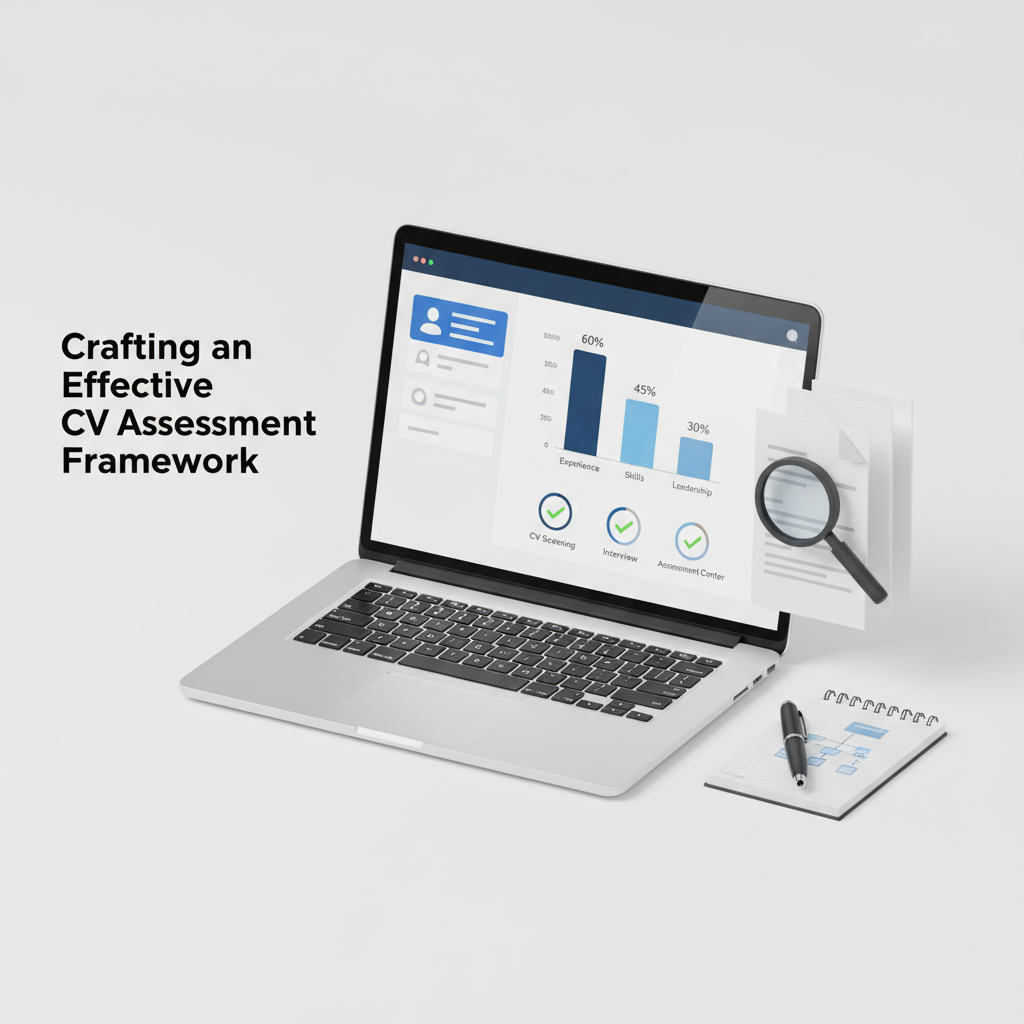
Crafting an effective CV assessment framework is paramount for any organization aiming to secure top-tier talent, especially for critical leadership roles. In the dynamic and competitive landscape of FMCG companies in Malaysia, the ability to accurately and objectively evaluate Manager Level CVs can significantly impact recruitment success and organizational growth. This section details a methodical approach to building a robust test structure to assess Manager Level CVs in FMCG companies in Malaysia, ensuring not only objectivity and fairness but also relevance to the specific demands of the sector and market. By systematically outlining evaluation criteria, leveraging advanced mapping techniques, and integrating technological efficiencies, businesses can refine their recruitment pipeline, ensuring that only the most qualified candidates are considered for managerial positions. This structured approach moves beyond subjective judgments, paving the way for data-driven hiring decisions that resonate with strategic business objectives.
-
Defining Evaluation Criteria & Scoring Rubrics
The foundation of any robust CV evaluation framework lies in clearly defined evaluation criteria and comprehensive scoring rubrics. For Manager Level roles in FMCG, these criteria must encompass a blend of industry-specific knowledge, leadership competencies, and proven track records. Key areas to consider include strategic planning and execution, market analysis specific to Malaysian FMCG, brand management, sales and distribution network development, people management, and financial acumen. Each criterion should have a measurable rubric, detailing what constitutes “excellent,” “good,” “average,” or “needs improvement” performance as evidenced in the CV. For instance, a candidate’s experience in launching successful products in the Malaysian market would score higher under “Brand Management & Market Impact.” This systematic scoring minimizes bias and ensures consistency across all applications, providing an objective lens through which each CV is reviewed. Developing clear scoring rubrics recruitment also aids in articulating feedback to candidates and justifying hiring decisions to stakeholders. This meticulous approach to CV evaluation framework Malaysia is critical for identifying genuine high-potential managers.
-
Integrating Keyword & Competency Mapping Techniques
Beyond general criteria, an effective competency-based hiring strategies process for managerial recruitment FMCG requires sophisticated keyword and competency mapping. This involves identifying the specific keywords, phrases, and competencies that are essential for success in a given Manager Level role. For instance, a Sales Manager CV might be analyzed for terms like “distribution channel optimization,” “key account management,” “trade marketing,” or “revenue growth.” Competency mapping goes deeper, correlating listed experiences and achievements with desired behavioral and technical competencies such as leadership, problem-solving, innovation, stakeholder management, and resilience. This technique helps in sifting through voluminous applications to pinpoint candidates whose CVs not only contain relevant keywords but also demonstrate the practical application of required competencies. It transforms the often-subjective review process into a more analytical exercise, ensuring that the selected candidates possess the core skills necessary for thriving in a fast-paced FMCG environment. This technique significantly enhances the objectivity of the objective CV review process.
-
Leveraging AI Tools for Initial Screening Efficiency
In an era of high application volumes, leveraging AI tools for initial screening efficiency is no longer a luxury but a necessity for managerial recruitment FMCG. AI-powered platforms can swiftly analyze CVs against predefined criteria, keywords, and competency models, significantly reducing the manual effort involved in the initial screening phase. These tools can identify relevant experience, quantify achievements (e.g., percentage growth in sales, budget managed), and even flag potential red flags or gaps. By automating the preliminary review, HR teams in Malaysia can focus their valuable time on in-depth assessments of a refined pool of candidates. While AI excels at sifting and ranking based on objective data points, human oversight remains crucial to interpret nuances, assess cultural fit, and conduct behavioral interviews. However, for streamlining the initial influx of applications and ensuring that no qualified candidate is overlooked due to manual oversight, AI screening HR Malaysia offers an unparalleled advantage, making the overall recruitment process faster, more efficient, and ultimately more effective. This integration ensures a truly streamlined and efficient recruitment pipeline.
Practical Steps for CV Evaluation & Shortlisting
In the dynamic and competitive landscape of the Fast-Moving Consumer Goods (FMCG) sector in Malaysia, identifying the right managerial talent is paramount. A robust and systematic test structure to assess Manager Level CVs in FMCG companies in Malaysia is not just a luxury but a necessity for efficient recruitment. This guide outlines practical steps to effectively evaluate and shortlist candidates, ensuring you pinpoint individuals who not only meet the core requirements but also possess the strategic acumen and leadership potential crucial for success in the Malaysian FMCG market. By adopting a structured approach, companies can significantly enhance their FMCG Malaysia CV evaluation processes, leading to better hiring outcomes and reduced time-to-hire.
1. Initial Screening for Mandatory Requirements & Experience
The first critical step in effective FMCG hiring best practices involves a swift yet thorough initial screening. This stage focuses on filtering out CVs that clearly do not meet the non-negotiable criteria for a manager-level position within the Malaysian FMCG context. Begin by defining your mandatory requirements precisely before diving into the applications.
- Industry Alignment: Prioritise candidates with direct experience in the FMCG sector, ideally within Malaysia. Understand that while skills can be transferable, specific market nuances, distribution channels, and consumer behaviours in Malaysia are unique. Look for mentions of major FMCG brands or retailers they’ve worked with.
- Relevant Experience & Tenure: For a manager role, a minimum of 5-8 years of progressive experience, with at least 2-3 years in a supervisory or leadership capacity, is typically expected. Scrutinise job titles and durations. Frequent job hopping (e.g., less than 1.5-2 years per role without clear progression) at this early stage might be a red flag, though it requires further investigation later.
- Education & Qualifications: Ensure candidates possess the necessary academic background, often a bachelor’s degree in a relevant field (Business, Marketing, Supply Chain, etc.). Some senior roles might benefit from an MBA or specific certifications.
- Geographical Relevance: Confirm their eligibility to work in Malaysia and their understanding of the local market dynamics. This is crucial for seamless integration and immediate impact.
This initial screen allows for rapid shortlisting candidates Malaysia, quickly eliminating those who clearly fall outside the essential parameters, thus streamlining the subsequent, more detailed evaluation phases for managerial CV screening FMCG roles.
2. Deep Dive: Analyzing Achievements, Impact, and Metrics
Once the initial filter is applied, the next step involves a comprehensive analysis of the remaining CVs, moving beyond job descriptions to unearth tangible achievements and their impact. Manager-level roles demand proactive individuals who can drive results, and their CVs should reflect this.
- Quantifiable Achievements: Look for specific examples where candidates have demonstrated concrete results. Instead of generic statements like “Responsible for sales growth,” seek phrases such as “Grew market share by 15% within 12 months in the beverage category,” or “Reduced operational costs by 10% through process optimisation.” These demonstrate real business impact. Understanding how to quantify your achievements on a resume is a critical skill for candidates, and a key indicator for evaluators.
- Impact and Scope: Assess the scale and complexity of their responsibilities and the impact of their actions. Did they manage cross-functional teams? Were their initiatives regional or national? Did they lead significant projects from inception to completion? These details provide insight into their strategic thinking and execution capabilities.
- Leadership and Team Management: For a manager role, evidence of strong leadership is vital. Look for instances where they’ve mentored teams, managed performance, fostered talent development, or successfully navigated team challenges. This helps in assessing leadership skills CV analysis.
- Problem-Solving & Innovation: Manager-level professionals are expected to solve complex problems and drive innovation. Scan for examples where they identified challenges, proposed solutions, and implemented new strategies or processes that yielded positive outcomes.
A focus on performance metrics CV analysis at this stage helps to objectively compare candidates, revealing those who consistently deliver measurable value and possess the strategic foresight required for success in the demanding FMCG environment.
3. Identifying Red Flags & Gaps in Manager Level CVs
Even after identifying impressive achievements, a thorough evaluation involves scrutinising CVs for potential red flags and unexplained gaps that could signal underlying issues. This proactive approach is crucial for robust managerial CV screening FMCG.
- Frequent Job Hopping (Beyond Initial Screening): While some movement is normal, a pattern of consistently staying less than 1.5-2 years in multiple manager-level roles without clear upward progression warrants investigation. It might suggest difficulty adapting, poor performance, or a lack of commitment.
- Vague or Generic Descriptions: A CV filled with buzzwords but lacking specific details about responsibilities, challenges, or quantifiable outcomes can be a significant red flag. Managers are expected to articulate their contributions clearly.
- Unexplained Employment Gaps: While understandable, long periods of unemployment should ideally be addressed on the CV (e.g., “Sabbatical for family care,” “Professional development”). Unexplained gaps require careful attention and should be noted for clarification during interviews.
- Lack of Upward Mobility or Stagnation: For manager-level candidates, a consistent lack of progression over several years, especially if they have stayed with one company in the same role, might indicate a plateau in their career trajectory or limited potential for growth.
- Inconsistencies: Discrepancies in dates, job titles, or company names between the CV and other professional profiles (e.g., LinkedIn) must be flagged for verification.
By diligently looking for these warning signs, alongside a systematic test structure to assess Manager Level CVs in FMCG companies in Malaysia, recruiters can minimise risks and ensure a more informed decision-making process. This critical step in FMCG Malaysia CV evaluation helps to avoid costly hiring mistakes and focuses efforts on truly promising candidates for shortlisting candidates Malaysia.
Beyond the CV: Next Steps & Future-Proofing
A meticulously crafted test structure to assess Manager Level CVs in FMCG companies in Malaysia is crucial for initial screening, but it’s merely the first hurdle in identifying top-tier talent. Once candidates have successfully navigated the CV assessment, the subsequent stages of the recruitment process become paramount for a comprehensive leadership assessment. These next steps are designed to delve deeper into a candidate’s practical capabilities, cultural fit, and long-term potential, ensuring that the initial promise gleaned from their resume translates into tangible value for your organization. Future-proofing your talent acquisition strategy means continuously refining these stages, staying abreast of evolving talent trends, and leveraging advanced methodologies to secure the best minds in a competitive market.
1. Preparing for Competency-Based Interviews & Case Studies
Moving beyond the declarative statements of a CV, competency-based interviews are the cornerstone of modern talent acquisition. For manager-level roles in fast-paced FMCG companies in Malaysia, these interviews are structured to evaluate specific skills and behaviors critical for success. Interviewers will probe past experiences, asking candidates to describe situations where they demonstrated leadership, problem-solving, strategic thinking, or client management. The STAR (Situation, Task, Action, Result) method is often employed by candidates to articulate their experiences, and by interviewers to guide their questions.
Beyond interviews, case studies offer a practical, real-world simulation of the challenges a manager might face. For FMCG companies, these could involve analyzing market data, developing a new product launch strategy, optimizing supply chain logistics, or handling a brand crisis. A well-designed case study allows the assessment team to observe a candidate’s analytical abilities, decision-making process, communication style, and ability to work under pressure – crucial insights often missed by CVs alone. This stage effectively tests their ability to apply theoretical knowledge to practical scenarios, offering a more robust test structure to assess Manager Level CVs in FMCG companies in Malaysia by extending beyond just paper qualifications. It’s about seeing their managerial capabilities in action.

2. Integrating Psychometric Assessments & Reference Checks
To further refine the selection process and gain a holistic view of a candidate, integrating psychometric assessments is increasingly vital. These tools provide objective data on personality traits, cognitive abilities, and behavioral styles that are difficult to gauge through interviews alone. For manager-level positions, assessments can measure leadership potential, emotional intelligence, resilience, and cultural alignment. For instance, a candidate’s problem-solving aptitude or ability to work collaboratively can be objectively quantified, mitigating unconscious bias and ensuring a more meritocratic selection. Organizations like SHL or Hogan Assessments offer robust solutions tailored for various roles and industries. These assessments complement the test structure to assess Manager Level CVs in FMCG companies in Malaysia by providing deeper insights into ‘how’ a candidate thinks and behaves, not just ‘what’ they’ve achieved. Understanding the various competency frameworks is also key here. You can learn more about effective psychometric testing strategies for leadership roles.
Parallel to psychometric insights, thorough reference checks remain indispensable. While candidates often provide glowing references, a skilled recruiter knows how to ask probing questions that elicit candid feedback. This involves verifying employment history, performance, and behavior from previous supervisors and colleagues. It’s an opportunity to cross-reference information gathered during interviews and assessments, ensuring consistency and identifying any potential red flags. A comprehensive approach combining CV analysis, interviews, psychometrics, and detailed reference checks creates a formidable talent acquisition strategy.
3. Post-Hire Feedback Loop for Process Improvement
The recruitment journey doesn’t end with an offer acceptance; true future-proofing lies in continuous improvement. Implementing a robust post-hire feedback loop is critical for refining the entire recruitment process. This involves regularly evaluating the performance of newly hired managers against the initial assessment criteria. Did the test structure to assess Manager Level CVs in FMCG companies in Malaysia accurately predict their success? Were the competency-based interviews effective in identifying the right skills? Did the psychometric assessments align with their on-the-job behavior?
Gathering feedback from new hires, their direct reports, and their superiors after 3, 6, and 12 months provides invaluable data. This feedback can highlight areas where the talent acquisition strategy needs adjustment, from tweaking job descriptions to modifying interview questions or even revamping the entire leadership assessment framework. By analyzing the correlation between pre-hire assessments and post-hire performance, FMCG companies in Malaysia can iteratively enhance their hiring effectiveness, adapt to changing talent trends, and ensure they consistently attract and retain managers who drive business success. This continuous refinement transforms recruitment from a reactive necessity into a proactive, strategic advantage. For further information on optimizing your initial candidate selection, please visit our dedicated page on Test structure to assess Manager Level CVs in FMCG companies in Malaysia.
Partner with Shelby Global
You are looking for reliable HR Sevice Suppliers? Contact Shelby Global Now! To connect with verified talents and upgrade your orginization.
—————————————
References
– Malaysian FMCG market insights on Statista: https://www.statista.com/outlook/cmo/food/malaysia
– Food Market in Malaysia – Statistics & Facts: https://www.statista.com/outlook/cmo/food/malaysia
– What Is a Competency Model?: https://www.shrm.org/resources-and-tools/tools-and-samples/hr-qa/pages/what-is-a-competency-model.aspx
– Quantifying Achievements on Your Resume: https://www.indeed.com/career-advice/resumes-cover-letters/quantifying-resume-achievements
– Why You Should Use Psychometric Tests to Hire Employees: https://hbr.org/2019/05/why-you-should-use-psychometric-tests-to-hire-employees



































































































